McLaren Special Operations Creates Matched Pair Of MSO R Models To Personal Commission

McLaren_MSO-R Personal Commission_001

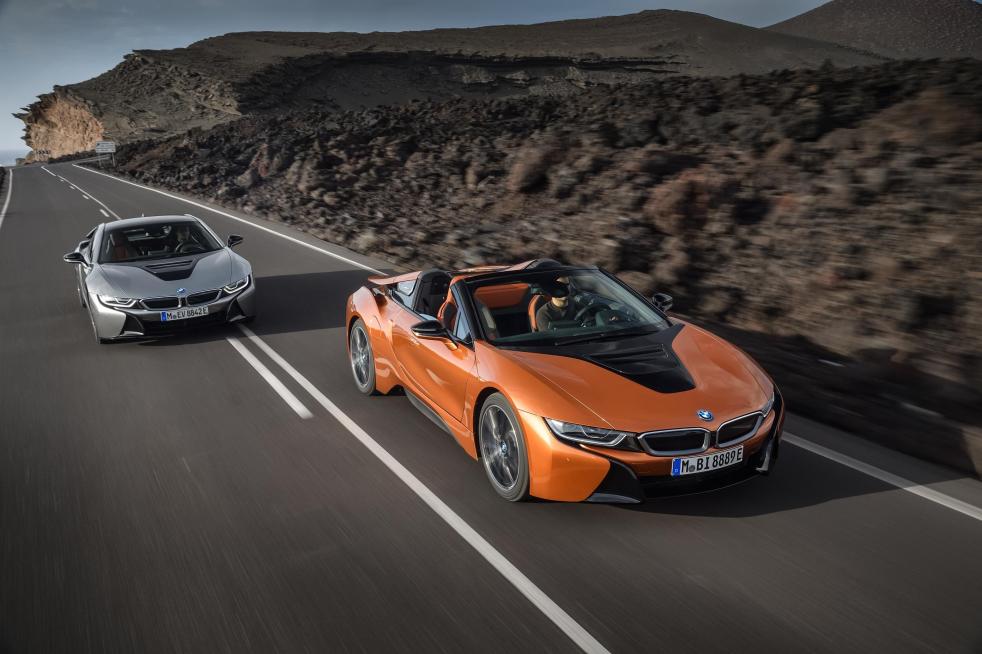
One customer will shortly be taking delivery of two unique McLarens, created to his individual specification by McLaren Special Operations (MSO). Called the MSO R Coupe and MSO R Spider, they are the latest in a lineage of McLarens produced as personal commissions, a service that sees the customer working closely with MSO to agree the direction, scope and specification of a project.

“An MSO Personal Commission is the highest level of partnership between a customer and McLaren Special Operations, undertaken to design, develop and create unique interpretations of McLaren cars, expertly tailored to meet the exact requirements of the owner. A typical MSO Personal Commission extends beyond paint colours and materials and finishes to encompass changes to body and interior design and also dynamic and powertrain enhancements as required. The result is a McLaren personalised by MSO to become a car that is literally one of a kind – or in the case of these stunning MSO R cars, one of a matched pair.”

McLaren_MSO-R Personal Commission_004

One of the first McLarens commissioned at this level was the McLaren X-1. Unveiled during the weekend of the Pebble Beach Concours d’Elegance in 2012, the X-1 was produced for an anonymous buyer, which is not unusual for a personal commission. McLaren Special Operations is currently seeing an increasing number of customers enquiring about bespoke and unique cars.

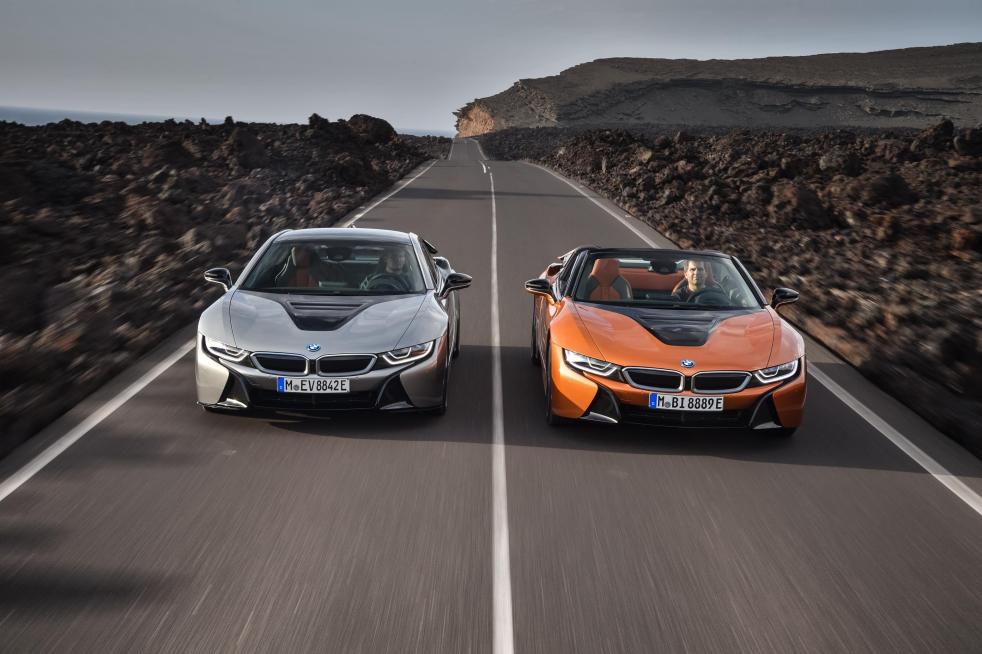
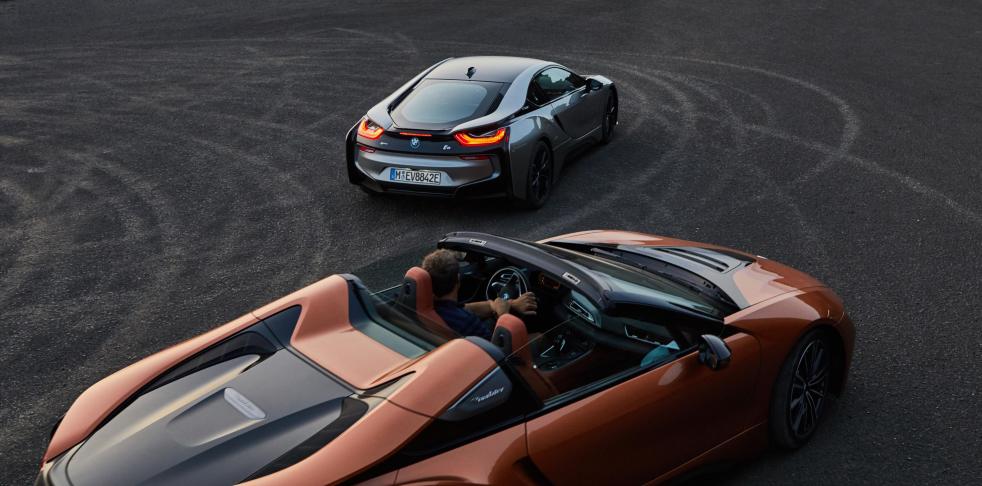
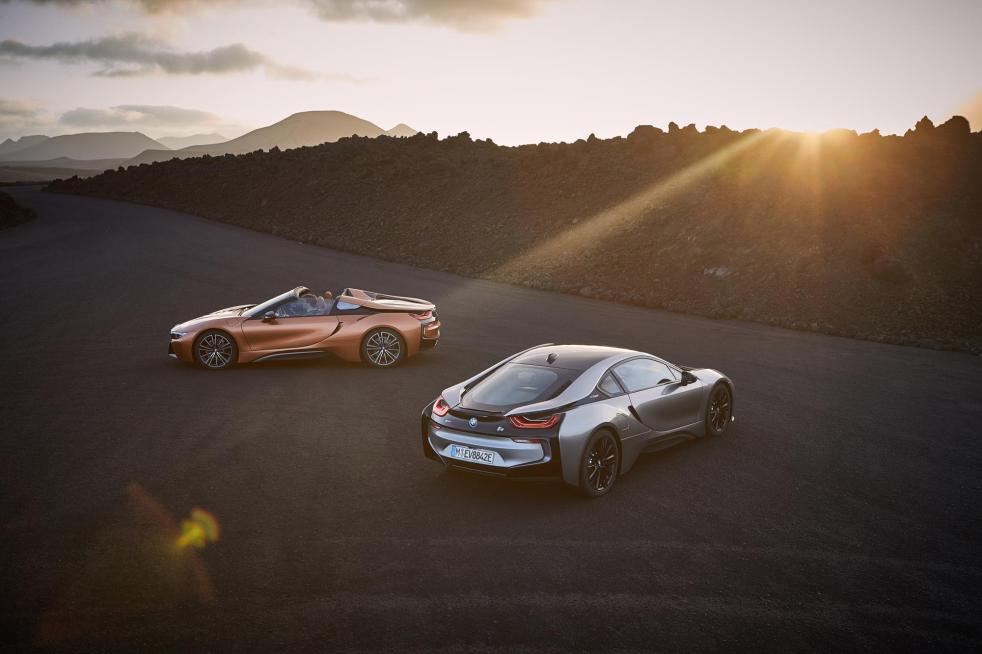
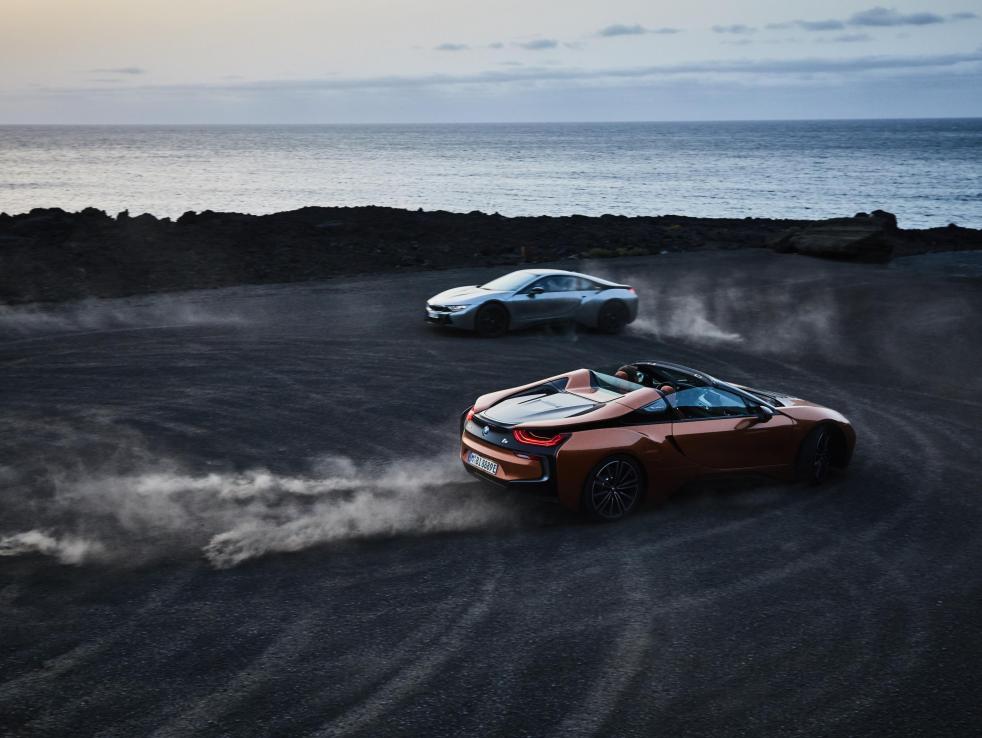
The two MSO R cars, which have the same external, internal and mechanical specifications, are finished in a striking yet understated Liquid Silver – the Coupe in satin and the Spider in gloss finish – with a carbon fibre central stripe. Immediately identifiable as a matched pair, both have the same design of twin-element rear wing, with front dive planes to further enhance aerodynamic performance.

McLaren_MSO-R Personal Commission_002

The front bumper, bonnet, louvered fenders, roof scoop and rear deck are all MSO Visual Carbon Fibre (VCF) components, as are the side mirror arms and casings and wiper scuttle. Pinstriping in Delta Red features on the front splitter and side blades, while the splitter, side skirts, sill panels, rocker panels and plenum cover carry MSO R branding. The wheels of both cars are the same 5-spoke design, finished in satin black on the Coupe and gloss black on the Spider.

The interior design of the cars is arguably even more distinctive than the exterior. Both cabins feature Alcantara trim material throughout. Primarily in black with red stitching, the theme is reversed for the seats, which are red with black stitching and feature an MSO R logo embroidered in black on the headrest. The steering wheel has a carbon fibre upper and lower, with black Alcantara grips and a Delta Red centring stripe. Switches are in gloss black and vent mechanisms are satin black, with bezels in carbon fibre.

McLaren_MSO-R Personal Commission_005

This MSO Personal Commission did not stop at visual and design changes. The engines of both cars have been blueprinted and the heads and exhaust ports hand-polished, helping to give the M838TL twin-turbocharged McLaren V8 engine maximum power of 688PS (679bhp) and up to 700Nm (516lb ft). The exhaust system, which has a ‘crossover’ muffler to increase pipe length and optimise gas flow, features titanium end pipes.

Started with an MSO R-branded key, both the Coupe and the Spider feature bespoke IRIS screen and instrument cluster displays and gear-shift lights. The final visual touch is a dedication plaque on each car identifying them as McLarens designed to an MSO Personal Commission, taking them from being a rare car to a unique one – or in this case, a unique matched pair.

Ford Starts European Production Of The New EcoSport To Meet Growing Demand

EcoSport on the line in Craiova 2

Ford Motor Company – taking aim at Europe’s fastest-growing vehicle segment – started production today of the new Ford EcoSport compact SUV at its Craiova, Romania, assembly plant.

The decision to build the new EcoSport in Europe rather than continue to import the vehicle from Ford’s plant in Chennai, India, will help Ford respond to rising customer demand.

IMG_4417

“EcoSport is another example of how Ford is growing our business on our strengths – including world-class SUVs,” said Steven Armstrong, Ford Group Vice President and President, Europe Middle East and Africa. “With demand growing for EcoSport, and compact SUVs in general, now is the right time to localize production in Europe to meet our customers’ needs.”

Romanian President Klaus Iohannis, Prime Minister Mihai Tudose and other senior national and local officials joined nearly 4,000 Ford workers as the first of the new EcoSports rolled off the lines.

IMG_4480

Total industry sales of SUVs in Ford’s 20 European traditional markets grew by 27 per cent last year and accounted for more than one in four new passenger car registrations. Ford’s SUV sales in Europe grew more than 30 per cent in 2016 and have risen by 27 per cent in the first eight months of 2017.

SUV growth means more jobs, too. By year-end, Ford is creating another 1,700 jobs at Ford Craiova, bringing the total workforce for both vehicle and engine production to 3,900. Ford’s total investment in its Romanian world-class facility now exceeds €1 billion since it took over the plant in March 2008.

IMG_4427

Craiova is the sole source of EcoSport production for Europe (excluding Russia), supplying 56 markets on four continents. This includes markets as diverse as the United Kingdom, New Caledonia in Oceania, Turkmenistan in Central Asia, and South Africa.

The Ford Craiova team also will continue to produce Ford’s 1.0-litre EcoBoost engine – the only engine to win the International Engine of the Year award four years in a row.

Tyre Maintenance Tips

Many car owners don’t realise that maintaining the correct air pressure in the tyres is of crucial importance and affects the overall performance of the car. With the right amount of air pressure, your tyres will last longer, provide better mileage, enhance handling and prevent accidents. Whereas, not maintaining the correct air pressure will lead to poor mileage, faster wear and tear of tyres and bad handling, which on unfortunate instances can result in loss of control of the vehicle and cause major accidents. Therefore, it is of utmost importance that we pay attention and maintain the health of the tyres. Wondering how you are going to do that? Read on to find out.

Check the air pressure at periodic intervals

Believe it or not, but the tyres are perhaps one of the most neglected components of the car. We fill air in the tyres once in a while and then forget about it for weeks on end, sometimes even months. But this is not a good practice because tyres do lose pressure, slowly but surely, every single day, through the process of permeation. Generally, a tyre will lose up to one or two kilopascal (0.145 to 0.29 psi) air per month during winter and a lot more during summer months. Also, tyres are subjected to flexing and impacts on the road that can diminish air pressure. So it is advisable refill air in your tyres just like you refuel your car. Actually, that should serve as a good reminder and prove to be very convenient as well.  Whenever, you drive into a fuel pump to refuel your car, make it a point to check the air pressure.

Another instance when you should check the air pressure is when the tyres are rotated. Many vehicles have different air pressures prescribed for the front and rear axle, so remember to have this adjustment made while rotating your tyres. Also remember to have the air pressure in your spare checked.  The spare tyres always require a much higher air pressure (since it remains unused for long period of time and is likely to lose air pressure through the process of permeation) and will prove virtually useless at lower air pressure levels. Also, some of the premium cars have a space saver spare (which has a much smaller rim than the normal tyres so that they can comfortably fit into the trunk of your car) and hence require a much higher air pressure as opposed to the normal tyres.

Seasonal changes also result in a rise or drop in air pressure. Did you know that for every 10 degrees change in temperature, tyre air pressure changes approximately 7 kpa (1 psi). So it is important to check the air pressure with the change of season.

Remember that tyre failure can occur due to under inflation and overloading

One of the most dangerous conditions that can exist is the slow leak. Sometimes a small nail, screw or other object will puncture your tyre and then act as an inefficient plug. Air pressure will drop slowly over a period of hours or days, undetected by the driver. Your best defense in this circumstance is to be alert to the symptoms of this condition. Be aware of any pulling or vibration that seems unnatural. And listen for any sound—especially audible at slow speed. If you detect this, get off the road and inspect the tyres on the side of the pull, vibration or sound. A bulging sidewall or excessively hot tyre indicates a slow leak. Put on your spare tyre and have your local garage repair the punctured unit. Ask the repair technician if any sidewall damage has occurred (a powdery residue inside the tyre indicates this condition). If so, have the tyre replaced.

Refer to your owner’s manual

The easiest and most reliable way to find out information about the correct air pressure is to refer to the owner’s manual. It is very important to know the correct air pressure; else you will end up under inflating or over loading your tyres. Always use an accurate air pressure gauge while refilling air in the tyres.

Check tread depth for safety

A new car tyre begins life with approximately 8 mm of tread. While the majority of manufacturers recommend changing tyres at 3 mm, however, the minimum legal tread depth is considered to be 1.6 mm. As the tread depth reduces, the tyre’s ability to remove water from the road surface also reduces, thereby increasing the risk of aquaplaning. And since the tyre is unable to transmit traction and braking forces to the road as effectively, the vehicle’s stopping distances increase. Although the legal minimum tread depth is only 1.6 mm, research shows that tyres with 3 mm of tread have an average 25 percent better performance than those at 1.6 mm – which represents an extra 8 metres stopping distance in wet conditions. So it is very important to check the tyre tread depth and get the tyre replaced when the number drops below 2 mm to be on the safer side.

New Range Rover Unveiled

1454105_RR_18MY_Allterrain_101017_05

Conceived nearly 50 years ago for the country set to use on the estate and then drive to the townhouse, Range Rover has continuously evolved to lead the world around it, remaining the peerless luxury SUV.

Today technology drives the new Range Rover’s next major step, with a plug-in hybrid electric powertrain providing sustainable luxury with new levels of efficiency and capability complementing its refinement and desirability. The exterior design has evolved, while heightened comfort and new consumer technologies have been added to the cabin.

Comfort-enhancing functions transform the travelling experience for the driver and passengers. The front seats feature up to 24-way movement thanks to the new seat frames, with wider and deeper foams as well as heated arm rests. In the rear a completely redesigned cabin and seating layout create a tranquil sanctuary with no compromise to the rear load space.

If you’re working while being driven, up to 17 connection points including domestic plug sockets, USB, HDMI and 12-volt are all available; 4G Wi-Fi hotspots for up to eight devices and convenient storage are all designed for the business traveller. The cabin is tailored for relaxation with luxurious seats offering 25 massage programmes thanks to Hot Stone massage technology within the seat backs.

1454135_RR_18MY_Detail_101017_04

Wider, softer seats offer sumptuous comfort. Reclining by up to 40 degrees, they make the most of the additional 186mm legroom (now 1,206mm in total) which the Autobiography Long Wheelbase model has to offer, and can be deployed at the touch of button. The exemplary comfort extends to heated and cooled seats, plus heated arm, foot and calf rests. For additional convenience and personalisation, all seat functionality can be controlled via a smartphone app, whether inside or outside the vehicle.

Gerry McGovern, Chief Design Officer, Land Rover, said, “Our customers are very clear about what they want from any new Range Rover. ‘Don’t change it, just make it better,’ they tell us, so everything we’ve done has been about enhancing our flagship SUV.After nearly 50 years the fourth generation Range Rover is the finest so far, ensuring the original luxury SUV remains the choice for discerning customers the world over.”

1454124_RR_18MY_Detail_101017_03

The elegance of the interior has been elevated by the seamless integration of the most advanced infotainment system yet created by Jaguar Land Rover. Touch Pro Duo, codenamed ‘Blade’, combines two high-definition 10-inch touchscreens on the centre console working in perfect harmony. Information can be swiped from one screen to the other, making the layout highly intuitive and engaging to operate, with unrivalled functionality.

Following the introduction of the new Range Rover Sport plug-in hybrid electric vehicle (PHEV) last week, Jaguar Land Rover’s ICE to ACE journey continues, moving from conventional internal combustion engines to autonomous, connected and electrified vehicles.

The efficient new Range Rover P400e PHEV provides sustainable performance by combining a 300hp (221kW) 2.0-litre four-cylinder Ingenium petrol engine with an 85kW electric motor. The 404hp (297kW) total available power output – available through the permanent four-wheel drive system – delivers 0-60mph in 6.4 seconds and a maximum speed of 137mph.

With an impressive 640Nm of torque, the new powertrain combines to deliver dynamic performance with traditional Range Rover capability, comfort and refinement.

Thanks to its electrified powertrain, the Range Rover P400e emits only 64g/km on the NEDC combined cycle and provides an all-electric range of up to 31 miles without the Ingenium petrol engine running. For the first time, customers choosing Land Rover’s flagship SUV can experience zero-emission driving.

The P400e provides whisper-quiet refinement with uncompromised off-road capability as well as enabling entry into areas with restrictions for air quality, including most congestion charging zones.

1454104_RR_18MY_Allterrain_101017_09

Drivers of the new PHEV model can choose from two driving modes:

Parallel Hybrid mode (the default driving mode) – combines petrol and electric drive. The driver can optimise battery charge or fuel economy by utilising one of two charge management functions.

Save function – prevents the battery charge dropping below a pre-selected level
Predictive Energy Optimisation (PEO) function – entering a destination in the navigation system enables the feature, which utilises in built GPS altitude data for the selected route, to intelligently combine the electric motor and petrol engine to maximise fuel economy

EV (Electric Vehicle) mode – enables the vehicle to run solely on the electric motor using the energy stored in the battery, the ideal solution for quiet, zero-emission journeys
The powertrain’s precision and control make for serene progress in all conditions and across all terrains. Land Rover’s Terrain Response 2 technology has a unique calibration to intelligently and precisely distribute torque from the electric motor, which has no creep speed and is able to deliver maximum torque from zero rpm, to all four wheels. This gives greater control during low-speed off-road manoeuvres, confirming Range Rover’s outstanding breadth of effortless capability.

Nick Collins, Vehicle Line Director, Jaguar Land Rover, comments: “The new Range Rover takes our luxury SUV to new heights, delivering enhanced refinement, luxury and all-terrain capability. The new PHEV powertrain isn’t simply a no-compromise solution – it builds on the traditions of our flagship SUV and delivers heightened refinement and comfort with impressive performance and efficiency.”

When rapid charging the 13.1kWh high-voltage lithium-ion battery, a full charge can be achieved in as little as 2 hours 45 minutes at home using a dedicated 32 amp wall box. The battery can be fully charged in 7 hours 30 minutes using the 10 amp home charging cable supplied as standard. The Range Rover’s battery is covered by an eight-year, 100,000-mile, 70 per cent state of health warranty.

The Range Rover 2.0-litre Ingenium petrol engine is longitudinally mounted, with the 85kW electric motor housed in the ZF automatic eight-speed transmission at the centre of the vehicle alongside the 7kW on-board charger. The access point for the cable is at the front of the vehicle, while the prismatic cell lithium-ion battery is mounted at the rear beneath the boot floor. The P400e is available in both standard and long wheelbase body styles.

1454108_RR_18MY_Allterrain_101017_06

The new Range Rover has been enhanced with further technologies for greater comfort and convenience:

Gesture sunblind: opened and closed by an advanced gesture control system that senses an occupant’s hand movement. All it takes to open the blind is a rearward swipe in front of the rear view mirror, and forwards to close.
Cabin Air Ionisation: uses nano-sized charged water particles to cleanse and purify the air for enhanced passenger wellbeing.
Pixel-laser LED headlights: advanced technology is brighter and yet intelligently blanks sections of LEDs to avoid dazzling oncoming drivers.
Activity key: customers can securely lock and unlock their vehicle without the need to carry a conventional key fob.
To experience tailored Range Rover luxury and performance in its most dynamic form, customers can now savour the enhanced SVAutobiography Dynamic – the most powerful production Range Rover to date. The output from its V8 supercharged petrol engine is up to 565hp (a 15hp increase), which delivers 0-60mph in only 5.1 seconds. Striking design revisions include an exclusive Graphite Atlas mesh grille design with chrome inserts and a revised rear bumper with integrated metal tailpipe finishers.

Designed and engineered by Jaguar Land Rover in the UK, the new Range Rover will be produced at the company’s Solihull production facility and is available to order now, with first deliveries from early 2018.

Volvo Cars Appoints Charles Frump As New Managing Director For Its India Operations

Mr Charles Frump - Managing Director Volvo Auto India

Volvo Cars has appointed Charles Frump as the new Managing Director to head its India operations. He assumed the new role and office from 3rd October, 2017 onwards. His predecessor Tom von Bonsdorff completed his tenure and moved to his home country Finland to pursue a new assignment within the Volvo Group. Jyoti Malhotra, Director-Sales & Marketing, Volvo Auto India was the acting Managing Director in the interim.

Charles Frump has been a leader in the automotive industry for 17 years and associated with Volvo Car Group for over eight years. His previous stint with the group was in Sweden where he worked as a Senior Director within the Marketing function. Charles has worked in various markets including Japan, China, the US, and Sweden. His experience in handling a fast emerging economy will hold him in good stead for spearheading the Volvo Cars entrenchment in the India luxury car segment.

On his appointment, Charles Frump said, “It is a great opportunity to join Volvo Cars in India. As one of the highest potential luxury car markets in the world, India is extremely important for Volvo. My role here is to continue and accelerate the robust growth for Volvo cars in India. I am well aware of the diversity and challenges India poses and I believe my experience in other emerging markets will help significantly in achieving our goals here.”

All New Volkswagen Passat Launched At An Introductory Price Of Rs 29.99 Lakhs

Image 2Steffen Knapp, Director, Volkswagen Passenger Cars, Volkswagen Group Sales India Pvt. Ltd at the launch of the All-New Passat

Volkswagen today announces the launch of the much awaited luxury sedan Volkswagen Passat. The All-New Passat is based on the new MQB platform and is powered with an efficient 2.0 L TDI diesel engine mated to a 6 speed automatic-DSG gearbox generating peak power of 130kW (177 PS) and a torque of 350 Nm ranging from 1500–3500
rpm. Introductory prices starting at Rs 29.99 lakhs, the Passat will be available in 6 colours, across all Volkswagen showrooms.

The Passat was earlier introduced in India in the year 2007. The newly launched Passat will come with a host of features including 9 Airbags, Hill Start Assist, Auto Hold, Reverse camera with 360 degree area view, Park Assist, App connect, Nappa leather seats, dynamic chassis control, 3 zone Auto AC, electric adjustable front seat, full LED headlamps with DRLs and LED taillamps and easy open boot among others.

Launching the New Passat, Steffen Knapp, Director, Volkswagen Passenger
Cars, Volkswagen Group Sales India Pvt. Ltd. said, “We are extremely pleased to
launch the technologically advanced New Passat in India offering our customers a
carline that is equipped with superior safety features and driving dynamics that
the brand Volkswagen is known to offer across the industry. The Passat is
renowned world over for its sheer performance, iconic style and rich heritage. With
the launch of the Passat we will now have a portfolio with remarkable carlines
across leading vehicle segments in the country.”

The Passat is the first sedan to be based on the MQB platform in India and is up to
70kgs lighter as compared to the predecessor yet offers improved rigidity. It also
comes with premium features such as Park Assist which assists the driver by
automatically carrying out the optimum steering movements in order to reverse park
on the ideal line. All the driver has to do is operate the accelerator and the
brake while the steering movements are undertaken by Park Assist, ensuring that
the driver retains control of the car at all times.

Variant Introductory Ex-Showroom Prices:
2.0L TDI AT Comfortline – Rs 29,99,000
2.0L TDI AT Highline – Rs 32,99,000

Renault Unveils Captur Premium SUV In Kolkata

Renault Captur Unveiling in Kolkata

(L-R)- Sumit Sawhney, Country CEO and Managing Director, Renault India Operations and Rafael Treguer, Vice President Sales & Marketing, Renault India, unveils Renault Captur in Kolkata.

Renault unveiled its globally successful premium SUV with crossover DNA – Renault Captur in Kolkata. Built on the B0 platform, Renault Captur has been designed and developed leveraging the prowess of Renault India and global teams. Renault has commenced the production of Captur and is preparing for a festive season launch. Bookings can be done on the Renault Captur App and Renault India website at an initial booking amount of Rs 25,000.

Over the last 5 years, Renault has taken significant steps to grow its presence in India, enabled by a progressive strategy across its corporate, product and network fronts. The launch of Renault Captur is a significant step in Renault’s growth journey in India. Renault Captur exemplifies Renault’s product strategy for India, which is to launch products that create a unique vehicle class, while ticking all the right boxes in terms of design, features, technology and value.

Renault Captur has a crossover French design clearly reflecting Renault’s new design DNA. With a design language that is agile and expressive. Together with its global styling cues, the designing of Renault Captur also accounts for Indian conditions and consumers’ preferences, offering the widest and longest in its category, with best-in-class ground clearance of 210 mm (unladen). This is well matched by an elevated driving position that offers wraparound panoramic visibility.

Renault Captur also features an Innovative Lighting Systems (ILS). Renault Captur’s lights provide high impact illumination while being highly energy efficient. The Sparkle full LED headlamps with unique floating side indicators, C-shaped Sapphire LED DRLs and Ripple Tail Lamps add a distinct, instantly recognisable lighting signature to the car, which perfectly complements the LED ambient lighting inside the car. While the Innovative Lighting System give it a truly unique lighting signature, the R17 Crystal Cut alloys enhance its agile stance.

Renault Captur’s powerful bonnet creases and the front bumper, with Satin Finish Front and Rear Skid Plates, together with the thick fenders, lend a strong character to the car. The dash of chrome on its front and sides are both tasteful and stylish.

Renault Captur Platine makes its debut in India. ‘Platine’ is the most premium version across Renault cars, used discerningly for very exclusive offerings. The global-first, exclusive Captur Platine features ultra-premium white and gold interiors and takes the feel of sophistication a notch higher with AC vents engulfed in chrome, along with the stylish bezel with golden finish.

Its Ergo Design leather seats are engineered for comfort, developed post years of global experience and research. These state-of-the-art seats are 6-way adjustable and feature enhanced lumbar support, along with pronounced lateral support. High on style, these custom white leather seats with golden accents create the effect of a sculpted seat, proving superior comfort.

Renault Captur delivers the next level of drive experience enabled by the OneIntegration concept, Renault’s design approach that seamlessly connects car and driver. Through the use of high-end smart cabin design technologies, the car feels at one with the driver in an intuitive, intelligent way.

Renault Captur is equipped with modern hi-tech solutions which makes driving comfortable and pleasant. Together with a smart access card and engine start button, Captur’s connected interior includes technologies that not only meet drivers’ needs, but also makes driving simpler.

On the inside, the Infinity Instrument Cluster enables a complete cockpit experience, blending Renault Captur’s stunning design with intuitive information. The user-friendly new generation Integrated Intelligent ULC 3.0 multimedia navigation system comes with a seven-inch display featuring radio and Bluetooth technology, voice recognition (for iOS), maps along with temperature and time display.

Additionally, to ensure enhanced comfort and convenience for the customers, Renault Captur is equipped with an automatic AC with surround illumination and rear cooling vents which enable better cooling comfort for passengers seated in the rear.

Safety is of paramount importance for Renault Captur and the car is certified to exceed frontal and lateral crash test parameters. With a reinforced body for optimum safety, Renault Captur is equipped with a host of active and passive safety features including dual airbags, side airbags, Antilock-Braking System (ABS) with Electronic Brake Distribution (EBD) and Brake Assist, Electronic Stability Control (ESC) and Hill Start Assist.

In addition, it will also come with a Cruise Control feature that helps maintain a pre-selected speed without acceleration and a Speed Limiter, which restricts speed within limits selected by the driver. It will also have 2 lateral ISOFIX fixtures with top-tether in the rear seat for enhanced child safety.

Renault Captur will come with both petrol and diesel powertrains. For the petrol option, it will be powered by the 16 valves 4 cylinder 1.5L H4K petrol engine mated to a 5 speed manual gear box, producing 106 PS at 5,600 rpm and 142 Nm of torque at 4,000 rpm.

The diesel version will be powered by the 1.5L K9K diesel engine (common rail injection), mated to 6 speed manual gear box, delivering a maximum power of 110 PS at 4,000 rpm and peak torque of 240 Nm at 1,750 rpm.

Renault Captur takes personalisation to a completely different level. Every aspect of the car has been designed keeping this in mind, led by a wide range of fashion-inspired dual tone body colours. Renault will also offer the option of further enhancing both the car’s interior and exterior with two innovative themed personalisation packs – Diamond Deck and Urban Connect, which are the result of a collaboration between Renault’s design studios in India and France. Also on offer are a choice of add-ons which further enhance the personalisation options.

Ford Debuts All-New 1.5-litre Ti-VCT Petrol Engine

1. Ford's All-New 1.5L Ti-VCT Engine

Strengthening India’s credentials as a world-class manufacturing hub, Ford India today unveiled its all-new 1.5-litre Ti-VCT, three-cylinder petrol engine for customers in India and around the world.

Ford India’s engine factory at Sanand, Gujarat will take the lead in manufacturing this new family of petrol engines, both for domestic production as well as exports across the world. Ford’s engineering team in India has steered the development of the new engine with key insights at every stage – from design, development to production. The engine will also have more than 80 per cent parts sourced from Indian suppliers.

“Ford’s promise to give the power of choice to consumers in India today is not just limited to the world-class product portfolio. We are proud to offer some of the most efficient, and advanced powertrains – ranging from 1.0 Litre EcoBoost to 5.0 Litre V8,” said Anurag Mehrotra, President and Managing Director of Ford India.

“With India taking the lead in producing our new, highly advanced petrol engines, we remain committed to making in India and bring products and technologies that Indian customers want and value,” Mehrotra added.

2. Ford's All-New 1.5L Ti-VCT Engine

Delivering More for Less

Ford’s latest 1.5-litre naturally aspirated engine is powered by 3-cylinders along with state-of-the-art technical solutions for improved performance and efficiency while reducing size, weight and friction.

 The all-new 1.5-litre Ti-VCT petrol engine will stay true to Ford’s DNA of being fun-to-drive while delivering improved fuel efficiency and a lower carbon footprint.

Power performance for urban adventures

The tried and trusted Ti-VCT (Twin independent Variable Camshaft Timing) system on the new engine allows each intake and exhaust cam to function independently of each other as operating conditions change.

This delivers faster throttle response and better fuel efficiency. Meanwhile, the engine’s bore and stroke ratios have been optimised to produce higher torque at lower engine speeds, leading to a more enjoyable and agile drive in city traffic.

The all-new 1.5-litre Ti-VCT petrol engine will produce an exciting 123 PS of peak power and 150 Nm of torque, the best for any motor in this class.

The engine will be introduced on New EcoSport later this year.

3. Ford's All-New 1.5L Ti-VCT Engine

Increased efficiency for better fuel economy

Along with improved performance, the all-new 1.5-litre Ti-VCT engine will offer a seven percent reduction in CO2 emissions and a similar improvement in fuel efficiency, through reductions in weight and size, as well as the application of innovative technologies.

The engine downsizes from four cylinders to a three-in-line formation, resulting in decreased weight, lower friction and is expected to deliver an overall 10 per cent reduction in volume.

The aluminium engine block and cylinder head contribute to substantial weight reduction and better fuel economy. The exhaust manifold integrated into the cylinder head helps to heat up the catalyst faster, decreasing emissions.

The variable oil pump can operate at a lower pressure at slower speeds with reduced friction loss, providing higher fuel economy.

Other optimised measures for better fuel efficiency include:

  • Crankshaft off-set from cylinder centre line — improves both performance and fuel efficiency
  • Centered spark plugs — promotes more standardised and efficient combustion
  • Coil-on-plug system — delivers better combustion and quicker engine start

4. Ford's All-New 1.5L Ti-VCT Engine

Optimised NVH for a smoother, quieter ride

The all-new Ti-VCT engine was designed and fine-tuned to deliver a quieter, smoother and more relaxing experience for occupants.

The engine’s balance shaft is supported by hydrodynamic bearings and works to eliminate natural first-order vibrations typical in standard three-cylinder engines. A belt-in oil primary drive system contributes to further reductions in both noise and friction.

Other NVH improvements include:

  • Valve actuation system with hydraulic lash adjusters and roller finger followers —reducing friction
  • Acoustic-isolation system — cuts down on engine noise

“Ford is proud to be part of the automotive industry’s move towards lighter, cleaner, more fuel-efficient engines with uncompromised power performance,” said Anil Patel, Site Manager, Ford Sanand Engine Plant. “It’s a trend we’ll continue to apply to future Ford products as we look to give every Ford customer their most enjoyable driving experience.”

All-New Skoda Kodiaq Launched At Rs 34.49 Lakhs

R-L - Ashutosh Dixit, Director - Sales, Service and Marketing, SKODA Aut...

The Skoda Kodiaq marks the beginning of Skoda’s SUV campaign in India. The All-New Kodiaq will be introduced at an Ex-Showroom (All India) price of Rs 34.49 Lakhs. The Kodiaq will follow Skoda India’s price philosophy of ‘One Nation. One Price’.

​With a length of 4700 mm, the seven seat configuration and a largest boot (up to 2005 litres) in the class, the Skoda Kodiaq represents the brand’s strengths: a design that is full of character, interior space, practical intelligence and innovative technology that can be found in vehicles from higher segments. The Kodiaq will go on sale at exclusive Skoda showrooms and will be available in four colour options of Lava Blue, Quartz Grey, Moon White and Magic Black.

“India is one of the most promising economies with a dynamically evolving automotive industry. This market will be of significant importance in Skoda’s global growth strategy. The Skoda Kodiaq is at the forefront of Skoda’s SUV campaign and marks the beginning of our SUV strategy in India. With the Kodiaq we will enter a new segment and customer groups for the brand.” said Skoda Auto Board Member for Finance Klaus-Dieter Schurmann.

“The Skoda Kodiaq is versatile and offers everything our brand promises: features which are premium and innovative even for SUVs in higher segments. The Kodiaq delivers performance, comfort, safety, best in next-gen technology and real value for money for the ever evolving and discerning Indian customers’ need. I am sure that the Kodiaq will be a breakthrough product and will be the compelling choice for the new generation Indian”, added Ashutosh Dixit – Director: Sales, Service & Marketing, Skoda Auto India.

The Skoda Kodiaq is powered by 2.0 TDI diesel engine mated to a 7-speed DSG gearbox that produces 150 PS of maximum power and ARAI-ratified fuel efficiency of 16.25 kmpl.
Safety features include 9 airbags, ESC, MKB coupled with smart assistance systems making it one of the safest SUVs.

The Skoda Kodiaq will be introduced in the market with the Style variant only.

Nissan Unveils Electric Ecosystem At Nissan Futures 3.0

LEAF_06

Nissan has unveiled plans around the four key pillars of its future electric ecosystem in Europe, announcing the launch of new electric vehicles, additional infrastructure investment, battery charging and home storage advances, and a revolutionary new vision to give Nissan customers free power for their EV using its unique bi-directional charging technology.

The announcements were made at the third Nissan Futures event – ‘The Car and Beyond’ – in Oslo, Norway.

Paul Willcox, Chairman of Nissan Europe, said: “Nissan kick-started the electric vehicle revolution almost a decade ago. In that time we’ve sold more EV’s than any other manufacturer on the planet. Now, we’re outlining our plans for the next decade, which will see even bigger investments in infrastructure, new battery advances and will even change the way people access and pay for the power in their cars.

He added: “Put simply, we’ve been doing it longer than anyone else, we’ve sold more than anyone else, and we have a more exciting plan for the future than anyone else.

LEAF_01

New Vehicles

Headlining the Nissan Futures 3.0 event was the European premiere of the new Nissan Leaf, with a special ‘2.ZERO’ version for Europe. As the icon of Nissan Intelligent Mobility, the new Nissan Leaf is capable of travelling 378km (235miles) on a single charge and is packed with ingenious technology, including ProPILOT advanced driver assistance system for a safer, more comfortable drive, and ProPILOT Park for fully autonomous parking. The car’s e-Pedal technology also lets motorists drive and brake seamlessly, while a sleeker design makes the world’s best-selling electric vehicle even more desirable than before.

Another new product announced at Nissan Futures was the new longer range 100 per cent electric van – the e-NV200. With a 280km (174miles) range, Europe’s best selling electric van, can now travel 100km further than ever before on a single charge – a 60 per cent range improvement. And, with no increase in size or weight of the battery itself, customers do not have to compromise in either load space or payload. Crucially, it can help make 100 per cent electric last mile delivery a reality for businesses and professional drivers everywhere.

Nissan world premiere of new longer range e-NV200 van

Infrastructure Commitment

Nissan has announced its plan to expand its existing outdoor charging network by 20 per cent over the next 18 months. Working with EV fast charging standard CHAdeMO, the company has already built Europe’s most comprehensive charging network, with over 4600 quick chargers across the region. Nissan now plans to invest in supporting the installation of a further 1000 chargers over the next 18 months. The company is working with its partners, business owners, municipalities and sector leaders across Europe to ensure the roll out plans are focused on providing maximum convenience to its drivers, with installations on highways, in towns, and throughout key European cities.

LEAF_08

New Battery Advances

Nissan also announced its new 2018 range of home and office charging units giving more choice to owners than ever before.

The Nissan double speed 7kW home charger allows Nissan electric vehicle owners to achieve 100 per cent charge in just 5.5 hours – a 70 per cent reduction in charging time from the previous charging technology. The double speed charger has been designed to benefit consumer EV owners, with faster home charging than Nissan has ever offered before.

The Nissan 22kW charger goes even faster, capable of charging your Nissan EV in just 2 hours. Designed for fleet and business owners, the super-fast charger can also be purchased by consumers who want an even quicker charging experience.

Nissan also showcased its new home energy storage system, which follows on from the success of xStorage. Created especially for EV owners, customers can plug their electric vehicle directly into the wall box to charge. It comes with its own built in energy storage system, giving customers the ability to better manage their energy costs and even generate their own electricity from solar panels, delivering 100 per cent renewable and zero emission power for their car.

It follows the success of Nissan’s existing xStorage solution, which was developed in partnership with Eaton and has sold more than 1,000 units across Europe in just three months, with 5,000 units expected to be sold by the end of March 2018. Nissan expects to sell 100,000 home energy units by the end of FY2020 in Europe.

The new range of home and office charging units will be available from early 2018.

Home Energy System xStorage

Revolutionary Free Energy Breakthrough For EV Drivers

Nissan also revealed its bold mission to offer customers free power for its EVs.

Over the past year in Denmark, Nissan has been testing this revolutionary new way of driving and today, this has become an offer open to all fleet customers throughout the country. Using Nissan bi-directional charging, customers can draw energy from the grid to power their car or van and then ‘sell’ back to the grid for others to use. This means, once a nominal charge has been paid by the business for the installation of a V2G charger there are no fuel or energy costs; just free power for your EV.

And Denmark is just the start. Nissan also announced a UK collaboration with OVO allowing customers to purchase an xStorage home energy unit at a discounted price enabling them to ‘sell’ back energy to the grid. This helps contribute to grid stability in a world where demand for energy is increasing due to a growing, urbanising population. It can result in an additional expected income for users averaging £350 / €400 per year.

Nissan is already exploring other regions in Europe to make free power for EVs a milestone for the future.

Nissan world premiere of new longer range e-NV200 van

Paul Willcox said: “Step by step we are removing any barriers to electric vehicle adoption – from infrastructure investment, to how people access the power itself.

He added: “Over the coming decades through our Nissan Intelligent Mobility vision, the electric ecosystem will transform modern life as we know it. But while the starting point for it is 100 per cent electric vehicles like the new LEAF and e-NV200, the impact goes much further. With fewer emissions, our cities and air will be cleaner. With more intelligent safety features, car accidents would be reduced dramatically. With better connections between vehicles and their surroundings, the school run or daily commute will no longer be clogged with traffic. And by letting people charge their vehicle and their home from each other, we can use our time and energy supplies more efficiently than ever.”