Customer demand for the 911 remains very strong. Deliveries of the iconic sports car increased by 12 per cent year-on-year in the first nine months. Across all model lines, demand for particularly exclusive and high-performance derivatives also remained strong. GTS, Turbo and GT models once again accounted for a significant proportion of total sales.
“This high share of our top derivatives, particularly within the 911 range, highlights the exceptional appeal of our brand,” says Matthias Becker, Member of the Executive Board for Sales and Marketing at Porsche AG.“Our customers are deliberately choosing the exclusive and most emotionally engaging versions of our sports cars. This further strengthens our unique position, enabling us to serve both the sporty premium and sporty luxury segments.”
Cayenne remains Porsche’s strongest model line With 59,586 cars delivered, the Cayenne remains Porsche’s best-selling model line worldwide. A key contributor to this success is the all-electric Cayenne, of which 7,002 examples have already been delivered to customers since its market launch in the summer. Overall, Cayenne deliveries were only slightly below the previous year’s level (-2 per cent). Deliveries of the Macan totalled 51,025 (-21 per cent compared to the same period of the previous year), including 23,029 examples of the fully electric version. Deliveries of the combustion-engined Macan amounted to 27,996 units. Production of the combustion-engined variant ended in summer 2026.
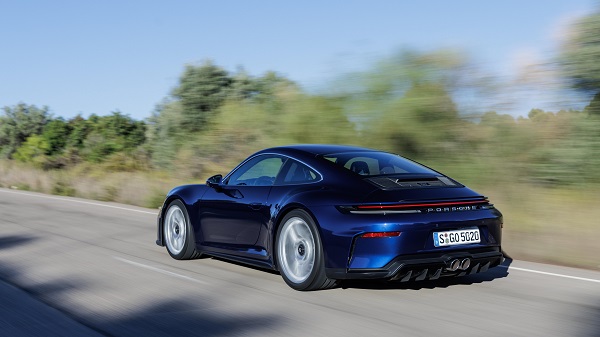
The 911 further strengthened its position within Porsche’s product portfolio, with deliveries increasing by 12 per cent year-on-year to 42,217. The 718 Boxster and 718 Cayman recorded 3,291 deliveries (-79 per cent versus the prior-year period). Production of the 718 model line ended in October of last year. Deliveries of the Panamera reached 13,714 in the first nine months (-35 per cent), while Taycan deliveries totalled 8,699 units (-31 per cent).
Mixed developments across global regions With 56,088 cars delivered, North America remains Porsche’s largest sales region by volume. The 13 percent decline versus the prior-year period is mainly due to the end of production of the 718 model line and the strong prior-year performance of the Macan Electric. In Europe (excluding Germany), 44,949 cars were handed over to customers (-11 per cent). In Germany, Porsche delivered 20,954 cars, representing a moderate decline of seven per cent. The Overseas and Emerging Markets achieved 35,048 deliveries (-19 per cent). The decline was driven in part by product availability gaps related to the 718 model line and the combustion-engined Macan. In China, Porsche delivered 21,493 cars during the first nine months (-33 per cent). Market conditions there remain challenging. Consequently, Porsche continues to apply a value-oriented sales strategy in China, prioritising the long-term development of the brand over short-term volume targets.
“Our ‘Sportwagenschmiede ’35’ strategy, which we presented at the Capital Markets Day, clearly defines our ambition for the years ahead. Porsche remains committed to its value-over-volume strategy. Our focus is on highly desirable sports cars, appealing derivatives and the continued expansion of our individualisation offering. We are making good progress on this path,”says Becker.
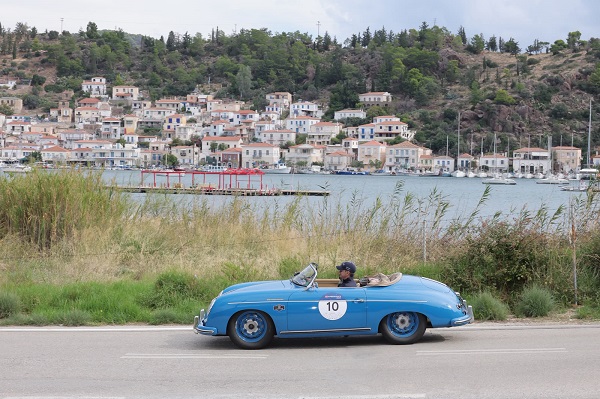
Almost 1,200 kilometres of breathtaking scenery and 56 crews from 16 countries: the second edition of the 1000 Miglia Experience Greece, the licensed event that takes the authentic spirit of the Red Arrow beyond national borders, came to a close on Saturday, October 3.
Following technical and administrative checks, the convoy passed through towns such as Tripoli, Ancient Olympia, Kyparissia, Kalamata, Sparta, Mystras, Kollines, Nafplio, Porto Heli, and finally Vouliagmeni. A marvellous journey through the beauty and mythology of a country rich in history and passion, whilst never losing sight of the sporting spirit inherent in a 1000 Miglia event.
A battle at the top ends in a draw The winners in the 1000 Miglia Eligible category were the crew of John and Chelly Houtkamp in a 1929 Alfa Romeo 6C 1750. The Dutch pair and the Italians Gianluigi and Federico Smussi in a 2004 MG TF 115 battled it out right to the end for top spot in the penalty classification. In the end, the contest ended in a draw at 469 points.
The Houtkamps also came out on top in the Historic Cars, Mixed Crew, Leonardo 500 and Best Lap Cup by Chopard classes. Third in the penalty classification and first among the modern cars were Fabrizio Macario and Giovanna Di Costanzo in a Ferrari 296 GTB, who also won the Italian Icon Super Cars class.
In the other categories, Stephan Schrauwen and Anne Marie Clerckx in a Porsche 911 T triumphed in the Classic Icon Cars class. Gianluigi and Federico Smussi won the GT Cars and Supercars classes. The San Lorenzo Yacht Trophy saw a joint first place for Giustino De Sanctis with Claudia Morbiducci in a Porsche 356 Speedster and Graziano Mancinelli with Silvia Claudia Barberi in a Ferrari 812 GTS. The best Greek crew was that of Giorgos Bakos and Spyros Kalivas; Dimitris Bakos and Federico Smussi were also awarded the titles of best driver and co-driver in the Under-30 category respectively.
1000 Miglia for Sports Diplomacy The event was attended by the Italian Embassy in Athens as part of the 1000 Miglia for Sports Diplomacy project. The race, which took place on 30 September at the foot of the Acropolis, was officially started by Ambassador Paolo Cuculi.
The closing ceremony, attended by over 150 guests, finally sealed the event’s success by celebrating Italian Sport Day Around the World, promoted by the Ministry of Foreign Affairs in collaboration with the Ministry of Sport and Youth. On this occasion, Ambassador Cuculi highlighted the value of the collaboration with 1000 Miglia as a driving force for showcasing the significant economic impact of “Made in Italy” in the automotive sector, promoting the trades, supply chains and expertise of Italian “know-how” with a view to growth diplomacy.
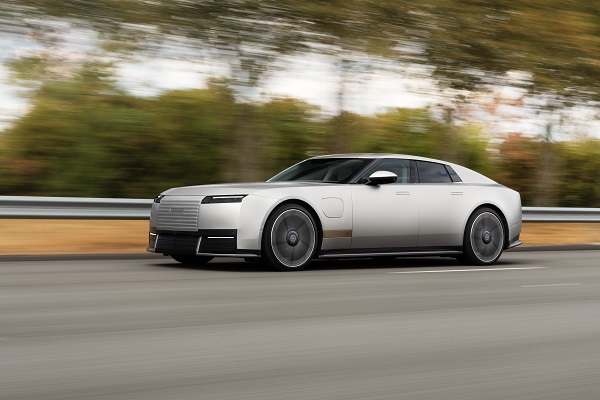
Jaguar Type 01 is the first of a new era. A luxury four‑door GT that looks and drives like no other electric car. A copy of nothing.
The first Jaguar production car born under the exuberant modernist creative philosophy. Low, with a long bonnet, sleek silhouette and dramatic presence, it never arrives unnoticed – the best of Jaguar’s past, distilled into a luxury electric GT of the future.
Type 01 is characterised by dramatic proportions and clean surfacing. Conceived in the design studio with no constraints on a blank sheet of paper and honed to perfection in the wind tunnel. Designers and engineers united to achieve the original design vision. The most aerodynamic Jaguar ever without compromising the purity of the design.
Achieving Jaguar’s vision for a modern electric GT with four doors, more than 1,000 PS and signature Jaguar driving character demanded a new body architecture. Nothing in the automotive realm could deliver Type 01’s dramatic silhouette and thrilling drive so it sits on foundations unique to Jaguar. Designed, developed and built in the heart of the UK.
The creative engineering and singular focus behind this electric‑only architecture is the enabler for both Type 01’s distinctive proportions and captivating driving dynamics. The result is the most technically advanced Jaguar to date, with more than 360 patent applications. The most powerful Jaguar road car ever created shrinks around the driver with 50:50 weight distribution. Two dynamic characters in one epic drive. Deep reserves of power and refined comfort.
Tri‑motor technology with Intelligent Torque Vectoring puts the power precisely where it’s needed, with up to 1,030PS and 1,365Nm of torque, achieving 0‑62mph from 3.2 seconds. More than just pure acceleration, Type 01 delivers a sense of always having power in reserve. Its rate of rolling acceleration demonstrates this, going from 62mph to 112mph in 4.0 seconds. Know‑how from the double world championship‑winning Jaguar TCS Racing Formula E team helped finesse its unique character.
A 118kWh battery and 850‑volt architecture means clients can complete up to 99.7 per cent of all journeys without interruption1, with an anticipated EPA range of up to 400 miles (up to 450 miles of WLTP range2) and the ability to add up to 200 miles (321km) of range in as little as 13 minutes3 using 350kW rapid DC charging.
Inside, a central spine runs the length of the cabin to create individual spaces for each occupant. It is mirrored on each side by brass‑inspired elements that run from front to back, defining the longitudinal nature of the interior. The Interactive Driver Display – a 24‑inch single glass OLED screen – places absolute control directly ahead of the driver, providing exceptional clarity and operating the intuitive new Jaguar Infotainment. An additional smartphone‑style seven‑inch display between the driver and front passenger places the most common key controls within instinctive easy reach. Immersive audio creates a wall of sound using a full‑width, full‑range, automotive‑first Panoramic Soundbar with Sensory Audio seats.
“From its dramatic design to its captivating drive, Type 01 distils the essence of Jaguar into a car for a new era. Jaguars should be objects of desire and culturally relevant – that’s their natural habitat and where Jaguar is returning. Type 01 is the foundation of the brand, one that makes no compromise between design and engineering in our quest to reinvent Jaguar for the 21st century”, said Rawdon Glover, Managing Director, Jaguar.
Every trip in Type 01 is an occasion. From the visual statement of its exterior to its dramatic interior. The exterior colour palette shows Type 01’s pure surfacing in the very best light. Clients can choose from gloss colours or satin finishes that accentuate the monolithic quality of Type 01. The exterior Fender Ingot showcases the famous leaper, crafted with precision.
As Bridgestone India marks 30 years of its presence in the country, the company has unveiled its latest digital film, ‘Tyres Carry Life’, highlighting a simple yet powerful thought, a tyre is more than a product; it carries the lives, journeys and aspirations of people every day. The film brings alive the responsibility that comes with making a product that plays such a critical role in mobility.
The ‘Tyres Carry Life’ film captures this responsibility and reinforces why quality at Bridgestone goes beyond being a product attribute. Every decision, from design and engineering to testing and manufacturing, carries significance when the product is ultimately entrusted with people’s safety and journeys. The film is inspired by Bridgestone’s founder Mr. Shojiro Ishibashi’s philosophy of “Serving Society with Superior Quality.” For Bridgestone, this philosophy extends beyond manufacturing quality to the people and lives that depend on its products.
A tyre may leave the factory as a finished product, but the responsibility associated with it continues long after it is fitted onto a vehicle. From daily school runs and family holidays to business journeys, road trips and late-night drives, tyres become an integral part of countless moments in people’s lives, many of which the manufacturer may never get to witness.
Speaking about the film, Mr. Rajiv Sharma, Executive Director – Sales and Marketing, Bridgestone India, said,“India is playing an increasingly important role in shaping the future of mobility. Every day, millions of journeys begin on India’s roads, and customers expect tyres that deliver safety, performance, value and trust. For Bridgestone India, this responsibility gives our work deeper purpose. Tyres are not only a product of rubber, tread and technology; they support people’s mobility needs, enable progress and contribute to safer journeys. ‘Tyres Carry Life’ reflects this responsibility and reinforces our commitment to creating long-term value for customers, dealers, partners and society.”
The campaign reiterates Bridgestone’s commitment to continuously raising its standards through superior quality, innovation, safety and performance. As India advances towards a new era of mobility, shaped by electric vehicles, evolving customer expectations and a transforming retail landscape, Bridgestone India remains focused on strengthening customer value, accelerating innovation and building robust partnerships across the mobility ecosystem.
As Bridgestone looks beyond its 30-year milestone in India, the film underscores the company’s continued focus on quality, safety and customer trust. With mobility needs evolving, Bridgestone India will continue to remain close to customers while contributing to a safer, smarter and more sustainable mobility future in the country.
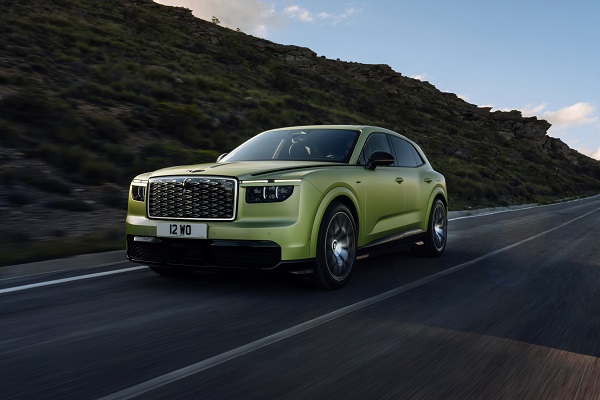
“For 107 years, Bentleys have been the most incredibly complete cars – effortless performance, outstanding comfort, exquisite British handcraftsmanship using the best natural materials, and a soundtrack with soul. Our new Torcal sets extraordinary benchmarks in every area that matters.”With these words Bentley’s Chairman and CEO, Dr. Frank-Steffen Walliser, has revealed one of the most significant new Bentleys in the company’s long history.
The all-new Torcal is a Bentley first and foremost. In every aspect of its design, technology, craftsmanship, materials and sustainability it is a template for future Bentleys, regardless of powertrain.
Confident, progressive design Led by Design Director Robin Page, the in-house design team at Crewe has created a low, sleek SUV that introduces a bold new design language, rooted in Bentley’s DNA.
“When we design a Bentley, we consider how people naturally perceive an object. You don’t experience a car all at once. There is a hierarchy to what you see and understand, which we describe through four ‘reads’”comments Robin.
The first read is proportion. Torcal’s long wheelbase, short overhangs and proud frontal aspect create a powerful stance and embody ‘upright elegance’, one of Bentley’s guiding design principles. Combined with the principle of an ‘endless bonnet’, these elements emphasise the car’s length, presence and unmistakable Bentley character.
The second read focuses on the car’s graphical elements, establishing identity and expression, particularly through the face. Echoes of iconic Bentleys, notably the Continental T, are reinterpreted through advanced lighting technology and a distinctive illuminated diamond grille. At the rear, clean, uncluttered graphics create the ‘prestigious shield’, a design principle first explored with the EXP 15 Concept Car.
The third read is surface language – the sculpture, volumes and the way light interacts with the car as the viewer moves around it. The Torcal deliberately reduces unnecessary lines, allowing its surfaces and proportions to create emotion and character.
This is most evident in the powerful rear haunches. The cabin tapers towards the rear, allowing the body to build over the rear wheels and creating what the design team describes as the ‘resting beast’ – a sense of strength and energy contained within the sculpture.
The fourth read is detail, revealing another layer of craftsmanship as occupants get closer to the car. The diamond pattern becomes a recurring thread throughout the Torcal, sometimes clearly expressed and elsewhere abstracted into surfaces, textures and patterns.
The same philosophy continues inside. The dashboard architecture remains inspired by the Bentley wings creating symmetry, power and balance, whilst bold sheer surfaces give authentic materials including leather, wool, veneer and aluminium space to breathe.
Knurled controls and reinterpreted bullseye air vents celebrate Bentley’s ‘magical fusion’ of craft and technology. Physical controls remain within the centre console and steering wheel, providing tactility for functions occupants naturally want to touch.
The design of the Torcal’s seats is all new and packed with technology. The standard seats include 16-way adjustment, heating, ventilation, adjustable bolsters and a new massage function.
Bentley’s recent and innovative Postural Adjust and Smart Seat Climate systems are included as options, maximising seat comfort over long distances by continuously adjusting the seat’s shape to subtly alter pressure distribution, and by adjusting heating and ventilation to control the occupant’s temperature to a desired setpoint. For the dedicated Wellness Seat Specification, the massage system now extends from the squab into the cushion, meaning legs as well as back and shoulders can be massaged.
To the rear, the three-occupant seat introduces a power fold system for the first time in a Bentley.
Five wheel designs in multiple finishes are offered at launch. The core car is offered with a 21” wheel as standard, with the S coming with a ten-twin-spoke 22” design as standard. Three further optional 22” wheels are then available, including a dedicated aerodynamically focused option while 21” and 22” tyres are available with summer and winter treads and compounds, with a 22” all-season tyre completing the range.
The Torcal is also the first Bentley to feature Bentley’s redesigned and modernised emblem, revealed last year.
Performance: true to Bentley’s lineage The first Bentley with a fully electric powertrain, Torcal delivers performance in a way that will be familiar to Bentley owners of any era, combining effortless power with precision. Delivering up to 888 PS, with the highest torque of any Bentley ever made – 1,350 Nm – Torcal can accelerate from 0-60 mph in 2.8 seconds (0-100 km/h in 2.9 secs), yet the driving experience is always accessible, progressive and sophisticated. This level of performance was a conscious choice by the R&D team responsible, with knowledge that most customers find acceleration more extreme than this to be an uncomfortable experience.
The car features a pair of powerful permanent magnet synchronous motors. Both are dry sump designs and filled with oil for life. While the front motor has an open differential, the rear motor has a locking differential with a multi-plate clutch on each output shaft.
The high voltage battery consists of 192 lithium-ion pouch cells in series, running at 800V nominal, with a total net capacity of 113 kWh. The battery is covered by a 100,000 mile, 10-year warranty.
Fully active suspension – for the first time on a Bentley – and adaptive two-valve dampers deliver a true ‘magic carpet’ ride, while allowing a choice of chassis tune for each driving mode. Each damper can be actively and independently raised or lowered instantaneously, reacting to both road and driver inputs for maximum ride comfort and body control. The system negates the need for anti-roll bars, using the reactive dampers to provide infinitely adjustable anti-roll torque. Agility is further increased by the fitment of electronic All Wheel Steering as standard, using rear steering angles up to five degrees to reduce the turning circle to 11.1 metres.
Braking is provided by an iron braking system, with 420 mm front discs and 370 mm rears. Customers may also upgrade to a Carbon Silicon Carbide (CSiC) ceramic system, with 440 mm front discs (jointly the largest in the world with other Bentleys) paired with 410 mm rears. Both options are available with black, red or grey calipers, with three additional colours available through Mulliner.
Relaxing, long-distance journeys, agile, exhilarating handling and off-road composure are all within the Torcal’s wide-ranging capabilities. The Torcal is ultimately as comfortable as a Flying Spur, and as dynamic as a Continental GT Speed. The Torcal’s broad bandwidth allows for different characters and personalities, easily accessible via the four different curation modes.
Year-round usability The Torcal, which measures five metres in length, is the shortest four-door in the model line-up yet offers exceptional interior space, with a 460 litre boot supplemented by a 90 litre front storage area. A turning circle of 11.1 metres makes it highly manoeuvrable in urban environments, while the range of up to 375 miles / 600 km makes long distance travel effortless and uninterrupted. Equally important, the Torcal can be charged from 10-80% in just under 20 minutes at 400 kW, meaning 100 miles (161 km) of range can be added in just seven minutes.
The latest ADAS technologies provide both advanced driving and parking features to make the driving experience easier and more intuitive. A set of 25 radars, sensors and cameras around the car provide it with all the data it needs to interact with its surroundings. For example, the car is constantly scanning its environment, meaning that if an obstacle is encountered on a narrow road, the car is capable of automatically reversing to a point it’s already identified to allow the obstacle to pass. The car has assistance systems for towing, garage and parallel parking, helping to avoid damage to wheel rims, and remote parking via App – while precise parking manoeuvres can also be ‘trained’ into the car. Four radar-controlled powered doors can self-open and close, adding another layer of convenience helping interactions with the Torcal feel more effortless and considered. Closing of the doors can be initiated by the respective passenger putting on their seat belt or via the main touchscreen, while the driver can close their door by applying pressure to the brake pedal.
A new Frosted Diamond switchable-glass sunroof brings greater flexibility to the cabin experience, allowing customers to tailor light and atmosphere in a way that feels both practical and luxurious.
Handcrafted soundscape The propulsive beat of a powerful engine has been a constant in Bentley history from the very first 3 Litre of 1919 to the present day. The effect is both highly emotive and part of an important feedback loop between driver and machine. The Torcal’s development team aimed to create a similarly powerful sound connection, beyond mere electronic imitation. They discovered that the rhythm of a Bentley V8 was central to its appeal, and used real instruments – including drums, viola and bass guitar – to create the Bentley Dynamic Symphony, complete with subtle variations and tiny imperfections.
From resting pulse to full-throttle acceleration, the Torcal’s human-generated soundtrack provides aural feedback to the driver, underscoring the sense of connection and feedback, rather than simply imitating an engine note. The potent, powerful, low frequency sound is calibrated in response to driver torque demand and vehicle speed. This improves the sensory feedback in connection to the vehicle behaviour and provides a predictable driver feedback to aid consistent and confident vehicle control. The volume of the Dynamic Symphony increases when the car is in Sport mode and can also be turned off completely if silence is preferred.
Other auditory control responses include the sound of the direction indicators, from a recording (taken in Bentley’s upholstery workshops) of a hammer striking a leather surface. Even the touchscreen and digital assistant note has a human touch – literally – it’s taken from the sound of a crystal glass.
Beyond the propulsion and functional sounds, the Torcal is offered with two audio systems, starting with a 620W, 16-speaker system. Beyond that, in conjunction with Naim, the Torcal is available with a 1,780W, 28-speaker package that includes kinaesthetic seat shakers and front headrest speakers, along with Dolby Atmos 7.1.
Drive modes and comfort features – tailoring each journey The Torcal’s choice of drive modes extends far beyond chassis and powertrain settings to create a fresh interpretation of luxury – shaping every journey around how the vehicle’s occupants want to feel. Four different Experience Modes bring light, sound, climate, air flow and digital information together in harmony, to support different moods, moments and states of mind.
Warm, dynamic and perfectly balanced, Bentley Mode blends comfort and craftsmanship, creating an environment that feels refined yet unmistakably driver focused. Meanwhile Comfort Mode creates a calmer environment with a minimum of distraction, encouraging a gentler pace with the option of a digital detox with all but the most essential information hidden to allow attention to move away from screens.
The most dynamic setting within the four modes is Sport. Here, the soundtrack becomes more immersive, visual cues become more focused and the ambience expressed in lighting and control response grows increasingly purposeful.
The fourth mode is called Refresh. As the name suggests, fresh-air circulation is increased, lighting becomes brighter and the atmosphere feels lighter, cleaner and more invigorating, recharging mind and spirit.
To further improve the user experience, additional focus has been towards ergonomics and ease of use. Curved OLED screens – unique to Bentley – give deeper blacks and more vibrant colours, improving the contrast and providing improved ergonomics to all areas of the screen.
Facial recognition allows easy driver identification to quickly and seamlessly load their user preferences including seat and steering wheel position, ADAS preferences and many more settings. The user’s mobile phone can also be configured to behave like the car’s key (aka Mobile Device Key), allowing full functionality and access rights.
To reduce the amount of time the driver has their eyes off the road, Bentley’s augmented reality head-up display projects information such as navigational instructions and on-road ADAS markers directly into the driver’s field of view and in aligned with turns or hazards respectively.
Modern materials, sustainably sourced For generations, Bentley has set the benchmark for interior craftsmanship in the finest materials. The Torcal extends the palette of choice, introducing innovative materials, forward thinking and meticulous attention to detail that together redefine automotive luxury.
Merino wool has long been celebrated for its softness, warmth and natural elegance in the world of fashion, but has hitherto lacked the durability required for an automotive interior. Now, in collaboration with Fox Brothers, a Somerset firm that has been weaving fine wool fabrics since the 18th century, Bentley’s Colour, Materials and Finish team has developed the world’s first 100% Merino wool automotive fabric, bringing a new dimension of warmth and comfort to the interior. It is the first automotive wool fabric to achieve certification by the Responsible Wool Standard (RWS).
A new finish developed for Torcal, Ombré Walnut by Mulliner, is formed from up to 1,000 individually selected layers of responsibly sourced walnut off-cuts and craft (recycled) paper, carefully pressed together and then sliced to less than a millimetre in thickness. Four distinct walnut shades flow naturally from deep black through dark smoke and light smoke, creating a striking expression of modern luxury rooted in traditional craftsmanship.
Another finish to make its debut, Sunburst Aluminium by Mulliner, reinterprets the engine-turned aluminium dashboards of Bentleys past. Its tactile, precision, three-way brush pattern shows the precision and attention to detail of Bentley craftsmanship in a fresh light.
For a stunning interior colour palette, 15 different shades of olive tan leather – including the new hues of Teal, Terra and Glaze – are joined by 15 matching shades of Dinamica, and the pure Merino wool in five colours. Six wood veneer options are supplemented by two technical finishes and six Piano finishes (Black, Gravity Grey, Linen, Teal, Imperial Blue and Cricket Ball).
Two models at launch: core and S The Torcal launches with two distinct models – the core car, and a more sporting S version. The core Torcal model will launch with 821 PS and 1,194 Nm peak torque, capable of accelerating to 60 mph from a standstill in 3.3 secs (0-100 km/h in 3.4 secs) and reaching a top speed of 155 mph (250 km/h). The S version goes further, with 888 PS and 1,350 Nm when Launch Control is active, delivering a 2.8 second sprint to 60 mph (0-100 km/h in 2.9 secs) and a top speed of 162 mph (260 km/h).
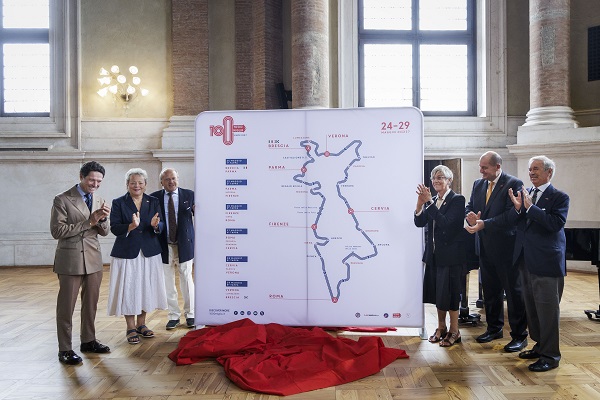
A century of history, style and passion for motoring. With its sights set on the extraordinary milestone of the centenary of the first edition in 1927, the 1000 Miglia has unveiled its route for 2027. This highly anticipated edition promises to be a great tribute to the legendary race and to the “Made in Italy” excellence it helped to build.
The Centenary edition was officially presented during a press conference held in the Salone Vanvitelliano at Palazzo Loggia today, Friday 25 September, in the presence of the Mayor of Brescia Laura Castelletti, the President of ACI Brescia Aldo Bonomi, the President of 1000 Miglia Srl Beatrice Saottini and the Chief Executive of 1000 Miglia Srl Fulvio D’Alvia.
From the legacy of 1927 to the six-day race The 1000 Miglia route stems from a deep connection with the first edition of 1927: the original route has been redesigned and adapted to meet today’s requirements, whilst keeping intact the spirit and essence of the endeavour conceived a century ago by the “Four Musketeers” Aymo Maggi, Franco Mazzotti, Renzo Castagneto and Giovanni Canestrini. In keeping with this tradition, the 2027 edition of the most beautiful race in the world will return to a loop route and, as in the 1927 race, will be run anti-clockwise.
To celebrate this milestone, the event will extend its reach across Italy along a route spanning six days of racing, from Monday 24 to Saturday 29 May. The cars of this “unique travelling museum” will once again traverse the roads that immortalised the exploits of the 1927 pioneers: from the winners Ferdinando Minoja and Giuseppe Morandi in the Brescia-built OM 665 “Superba”, to Gastone Brilli-Peri and Tazio Nuvolari, who was already at the start of that first historic race at the wheel of a Bianchi Type 20.
Beatrice Saottini, President of 1000 Miglia Srl stated: “Unveiling the route of the Centenary 1000 Miglia means recounting the deep bond between our history and the evolution of an event capable of constantly reinventing itself. Extending the race to six days responds to the desire to make the most of this journey, giving due prominence to the passage of our travelling museum through regions of extraordinary beauty. The 2027 route perfectly encapsulates the dialogue between tradition and innovation: a design that draws on the spirit and historical principles of 1927, updating them to meet the needs of the present to offer drivers and enthusiasts a timeless journey that is both technically challenging and emotionally engaging.”
The start from Brescia The Red Arrow will set off at 6.00 pm on Monday 24 May 2027 from the ramp on Viale Venezia in Brescia. Following the Time Trial at the Castle and the first Passage Control at the village in Piazza Vittoria, the leg will take the crews towards the plains and Castiglione delle Stiviere, the birthplace of Giuseppe Morandi. The finish will be in Parma, with dinner hosted in the evocative setting of the Palazzo della Pilotta.
Epic roads and beauty on the way to Rome On Tuesday 25 May, the convoy will head towards Reggio Emilia and Modena, where the race lunch will take place. In the afternoon, participants will tackle the Apennine crossing via the Raticosa and Futa Passes, iconic bends where epoch-making chapters in motoring history were written. The end-of-leg Time Control will offer an immersion in the splendour of the Renaissance in Florence, with the finish in Piazza Santa Croce followed by dinner.
The third leg on Wednesday 26 May will set off from the City of the Lily to cross the Chianti Valley and Arezzo, before reaching Siena, where the now traditional lunch stop at the Tartarugone will take place: an iconic moment that will see the cars lined up against the breathtaking backdrop of Piazza del Campo, the perfect setting to also celebrate the centenary of the ACI in Siena. After bidding farewell to the City of the Palio, the 1000 Miglia will resume its descent through the harmonious landscape of the Crete Senesi, Pienza and Lake Bolsena. With our eyes filled with beauty, all that will remain is to set course for the lights of Rome for the eagerly awaited halfway point.
The journey back north On Thursday 27 May, the journey back north will begin. After passing through Assisi, the race will stop in Perugia for lunch; from there, the convoy will cross the Madonna della Cima – retracing a passage of the 1927 route – and pass through Gubbio before reaching Macerata, Ancona and the Conero Riviera, following the original itinerary along the entire stretch of the SS16 Adriatica. One of the major highlights of the day is the dinner during the race in the charming village of Gradara: set between the Rocca and the Castle, it will be a true journey back to the Middle Ages with historical re-enactments in period costume, before the evening Time Control in Cervia.
The fifth leg on Friday 28 May will run from Cervia to Verona, passing through Ferrara, Rovigo, Padua – with a lunch stop at Prato della Valle – Treviso and the hills of Valdobbiadene. From here, the race will tackle the hairpin bends of the Scale di Primolano, the scene of legendary battles between the pioneers of motor racing in the very first editions of the race. Once over the pass, the convoy will pass through Bassano del Grappa and Vicenza, just as it did a century ago, before the surprising finish in Verona.
A tribute to Brescia and its people The final day, Saturday 29 May, will be a true celebration of Brescia and its province, the cradle where the legend of the Red Arrow was born and continues to be renewed every year. The route will trace a grand embrace around the Brescia area, starting from the Lower Garda region and continuing through the Valtenesi and Val Sabbia valleys, with the return of the lunch stop at Lumezzane: a significant passage designed to mark the 100th anniversary of the Municipality’s founding, a historic milestone shared with the Red Arrow. After passing through the Valtrompia, the cars will skirt Lake Iseo and cross the Franciacorta region on their way to the provincial capital.
Aldo Bonomi, President of the Automobile Club of Brescia remarked: “Reaching the historic milestone of one hundred years is a source of immense pride for the Automobile Club Brescia and for our entire community. The 1000 Miglia is the ultimate expression of ingenuity, courage and that typically Brescian know-how which, a century ago, gave rise to a legendary endeavour. We cherish this legacy with the utmost responsibility, secure in the knowledge that the Red Arrow has, over the years, become a collective heritage of the entire country and a symbol of Italy throughout the world. This is why we have worked with determination to establish the 1000 Miglia Foundation: for us, 2027 will not only be the Centenary year, but also the year of the Foundation, founded together with the main institutions. The 2027 edition celebrates a unique history: a bridge between the passion of the people of Brescia and the warm welcome of the regions that host the race each year, ready once again to showcase the very best of Italian excellence to an international audience.”
The return to the city will feature a special tribute to the people of Brescia: in the afternoon, the cars will make a final Passage Control stop in Piazza Vittoria, allowing enthusiasts to admire the cars up close in the heart of the historic centre. The competing crews will finally reach the finish line with the Time Control on Viale Venezia to crown the winners of this historic Centenary edition, recreating the conclusion of the 1927 race.
Laura Castelletti, Mayor of Brescia said: “In 2027, the 1000 Miglia will celebrate its Centenary. A century of history that Brescia has helped to shape and preserve, transforming a great sporting vision into a cultural, tourist and economic heritage of international significance. The 1000 Miglia represents much more than a motor race: it is part of Brescia’s identity, a story that for a century has linked our city to the world through the values of innovation, passion and the ability to look to the future without forgetting our roots. The edition we are presenting today takes on special significance because it leads us towards a historic milestone. We approach this important anniversary with pride, aware that the 1000 Miglia continues to be an extraordinary showcase for our region and a unique opportunity to demonstrate to the world the beauty, hospitality and vitality of our city. Brescia will be ready to celebrate this Centenary with the enthusiasm and participation that such a symbolic event deserves.”
The opening of entries The announcement of the route officially marks the start of the countdown for crews from around the world: the entries for the 1000 Miglia 2027 will officially open on Tuesday 6 October. This is a crucial passage for collectors and drivers, who are ready to enter their cars to secure a place in the race that renews a century of motoring passion, looking to the future whilst remaining firmly rooted in tradition.
Fulvio D’Alvia, CEO 1000 Miglia Srl said: “The journey towards the 2027 Centenary is the result of a solid business plan, made possible by the trust and constant support of ACI, which is supporting the growth of 1000 Miglia Srl and its expansion in Italy and around the world. Today, our company is looking towards new horizons: from international sporting formats such as Experience and Warm Up to our institutional presence at the most important motorsport events and at leading diplomatic venues. At the same time, through the 1000 Miglia Collection Days, we are bringing together our community and enthusiasts from all over the world to share photos, memories and memorabilia, building a collaborative archive of our first hundred years. It is a living memory that speaks to the future by engaging the younger generations in schools and through digital platforms, promoting the work of our artisans, working alongside AVIS and relying on the invaluable support of our partners.”
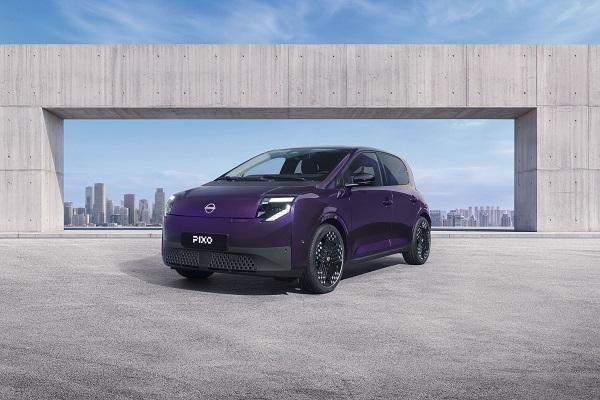
Combining practicality, progressive design and a seamless driving experience, Nissan has unveiled the all-new Nissan PIXO, a small electric city car that’s an ideal companion for modern city life.
Designed specifically for Europe’s towns and cities, PIXO delivers a 259 kilometre range, 50kW DC rapid charging as standard across the range, One Pedal technology for comfortable city drive, independent rear sliding seats and Google built-in connectivity including Gemini.
PIXO also expands Nissan’s all-electric line-up in Europe, offering an accessible new option for urban drivers.
Small yet connected, it delivers the practicality and intuitive technology needed for everyday journeys, while bringing a fresh, distinctive character to Nissan’s growing electric vehicle (EV) range.
Electric range and charging designed for everyday city driving
PIXO’s 259 kilometre range comfortably covers typical urban journeys – from school runs and shopping trips to weekend outings – giving customers the confidence to complete daily trips with ease.
Charging has been designed to fit naturally into daily routines. 50kW DC rapid charging – fitted as standard on all grades – allows the battery to recover from 15% to 80% in 28 minutes, while 11kW AC charging makes home and workplace charging simple and convenient. This capability is enabled by PIXO’s all-new Lithium Iron Phosphate (LFP) battery – the first of its kind to be fitted to a Nissan model in Europe. This makes electric mobility more accessible for first-time EV customers seeking an efficient and reliable everyday vehicle.
PIXO delivers everything expected from a modern EV while exceeding segment expectations for comfort, versatility and practicality. Its compact footprint – 3,796mm long and 1,790mm wide – makes it easy to navigate narrow streets, busy city centres and tight parking spaces, while clever packaging maximises interior space, comfortably accommodating up to four adults. Independent rear sliding seats increase versatility, creating class leading additional space for larger items when needed.
While it may be small in stature, PIXO offers 18L in-cabin storage and a best-in-class 356L boot capacity – including a 50L cable storage – when the rear seats are raised, showing that small dimensions don’t have to come at the expense of practicality.
Bold exterior design with unmistakable Nissan character
PIXO introduces a fresh interpretation of Nissan’s design language for compact EVs. Its modern, progressive silhouette combines cube-inspired proportions with clean surfaces to create a confident stance, despite its compact dimensions.
Pixel-inspired lighting, a distinctive front-end signature and carefully integrated design details, including hidden including “23” Easter eggs (2-3 is”Ni-San” in Japanese) and the model’s playful “robot face” front bumper expression, give PIXO an instantly recognisable character. PIXO’s contemporary colour palette – including Wonder Purple and Gear Blue – further reinforces its youthful urban character, letting customers express their individuality.
Masato Koyama, Lead Exterior Designer, Nissan Global Design, said:“PIXO proves that great things can come in small packages. Its compact dimensions make it a natural fit for Europe’s cities, but we’ve worked hard to maximise the space within them, creating a cabin that feels open, practical and surprisingly roomy. I can’t wait to see how our customers embrace this bold and fun new EV – that is perfectly suited to urban environments.”
Connected technology for smarter urban driving
Gemini – a first in the A-segment – differentiates PIXO’s connected experience by providing personalised support throughout every journey. Available from launch in 16 languages and dialects, Gemini supports navigation, entertainment and communication through natural voice interaction. Conversation history allows Gemini to learn driver preferences over time, creating a more personalised in-car experience. The technology in PIXO has been designed to make everyday driving simpler. Google built-in provides intuitive navigation, real-time route planning and seamless connectivity, while MyNissan app and connected services enable customers to manage charging and vehicle functions in one place. Face ID also brings an added level of ease by recognising drivers and unlocking their personalised settings automatically. All this is delivered through a 7-inch driver display and a 10-inch touchscreen infotainment – helping you to plan routes, play music or consult Gemini with easy to grasp graphics and animations.
Agility
PIXO’s compact dimensions and tight turning circle (9,9m) helps it navigate tight city streets with ease, and its all-EV drivetrain gives instant response and acceleration off the line (max power 60kW).
Advanced driver assistance systems also help to deliver confidence, convenience and control from the very first journey. This includes adaptive cruise control that can stop and go with the flow of traffic, Lane Departure Warning, Hands-Free Parking and much more as standard. In addition, One-Pedal technology is included and allows the driver to start, accelerate, decelerate and stop using only the accelerator pedal – perfect for tricky stop-and-go city traffic.
Clíodhna Lyons, Vice President, Product, Brand & Marketing Strategy, Nissan AMIEO, said:“We believe the future of electric mobility isn’t about building bigger vehicles with more technology, it’s about building smarter vehicles that fit naturally into people’s lives. PIXO has been designed specifically for Europe and specifically for our cities, delivering everything customers need from an EV, without unnecessary complexity.”
“As fuel costs continue to rise, our focus remains simple: giving customers practical alternatives that help reduce the cost of every journey. Whether through our rapidly expanding EV line-up or our highly efficient e-POWER Hybrid technology, Nissan is delivering electrified solutions that lower running costs without compromising convenience.”
Nissan Vision in Action
The development of PIXO demonstrates Nissan’s Vision in action – combining customer-focused innovation with partners to bring new electric vehicles to market more efficiently.
Designed by Nissan and manufactured by long-standing partner Renault, PIXO has been engineered specifically for European customers and will be produced at Renault’s Novo Mesto, Slovenia, manufacturing facility. Customer deliveries are scheduled to begin from early 2027 with pricing, market specifications, and pre-order information to be announced from December onwards.
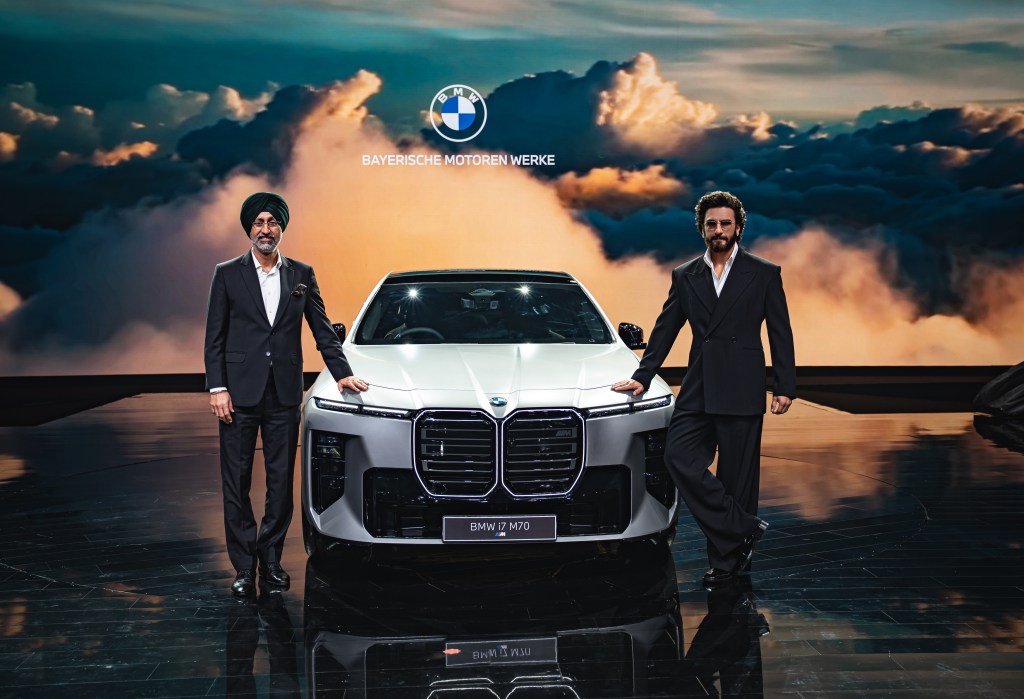
BMW India has launched the much-awaited new BMW 7 Series range in the country. With this, the BMW flagship sedan will be available in petrol and all-electric powertrains. The all-electric performance model, the BMW i7 M70 will also be available for customers in India, making it the most powerful BMW 7 Series of all time.
The new 7 was unveiled by superstar Ranveer Singh. The exclusive launch, crafted as a tribute to dedication, brought together two big icons – one at the pinnacle of modern luxury and the other at the pinnacle of cinematic excellence. On this occasion, Ranveer Singh was introduced as the Brand Voice for BMW India – a collaboration that brings a powerful, contemporary resonance to the commanding authority of the 7.
Mr. Hardeep Singh Brar, President and CEO, BMW Group India, said, “The new BMW 7 Series is more than our flagship sedan – it is our ultimate statement of modern luxury. It moves the leaders, changemakers and visionaries who are shaping tomorrow. Every detail has been crafted around one idea: those who have reached the pinnacle deserve an experience to match. The new 7 Series sets a benchmark, whether you choose to take the wheel or be driven. It is the new face of the BMW Luxury Class, while offering an early glimpse into technologies that will shape the Neue Klasse era. And with our Power of Choice philosophy, customers can choose from dynamic combustion engines to advanced electric mobility. Because true luxury is not about limiting choices – it is about expanding them. With the new 7, luxury doesn’t end with the drive; it begins there.”
Mr. Brar further added,“The new BMW i7 M70 xDrive is the most powerful 7 Series ever created – where M performance meets first-class luxury, without compromise. It brings together exhilarating electric performance and the refinement expected from the pinnacle of the BMW portfolio. This is a car for someone who wants the thrill of taking the wheel and, equally, the luxury of being driven. Few cars can make the driver’s seat and the rear seat equally desirable. The i7 M70 does. It represents our belief that sustainability and performance are not competing choices. The future of luxury can be electric, exhilarating and extraordinary – all at once.”
Developed with passion and designed to perfection, the BMW 7 Series sedan has established itself as an innovation leader and technological pioneer around the world since it first took to the stage in 1977. Each generation has brought fresh impetus to its era – from groundbreaking safety functions and revolutionary operating concepts to digital worlds that set new standards.
In addition to the 7 Series, the new BMW i7 will also now be locally produced at BMW Group Plant Chennai. With this, India becomes the only other country apart from Germany where the i7 is locally produced. The new BMW i7 M70 will be available as a completely built-up unit.
The cars are available at an ex-showroom price of:
The new BMW 740 M Sport – INR 1,95,00,000
The new BMW i7 50 xDrive M Sport – INR 1,95,00,000
The new BMW i7 M70 xDrive – INR 2,65,00,000
The cars can be booked at BMW India dealerships, and the deliveries will commence from October 2026.
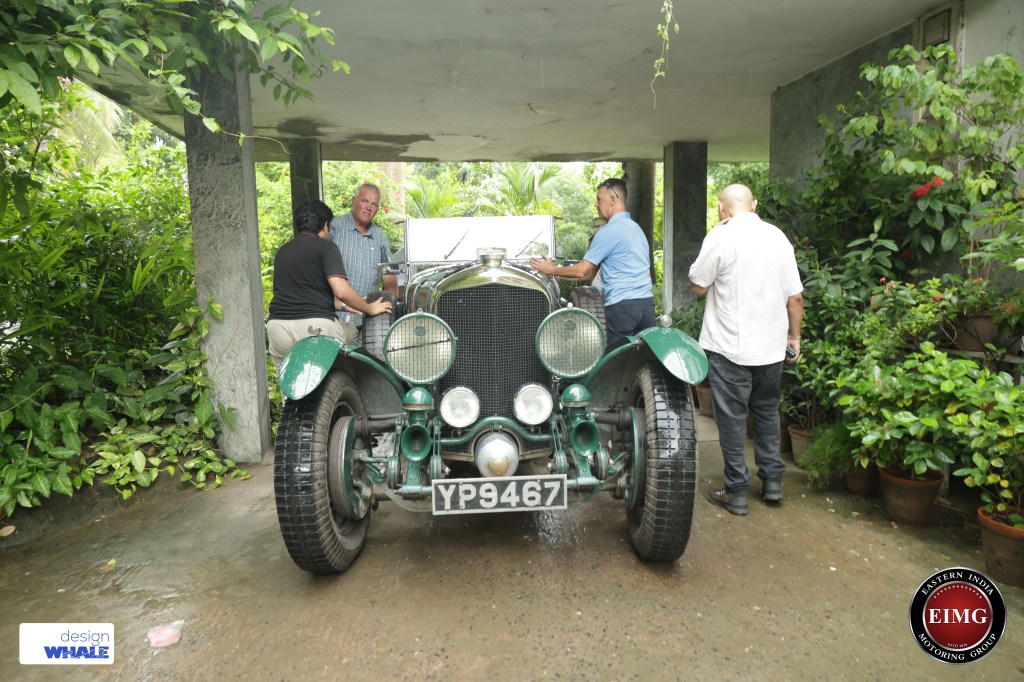
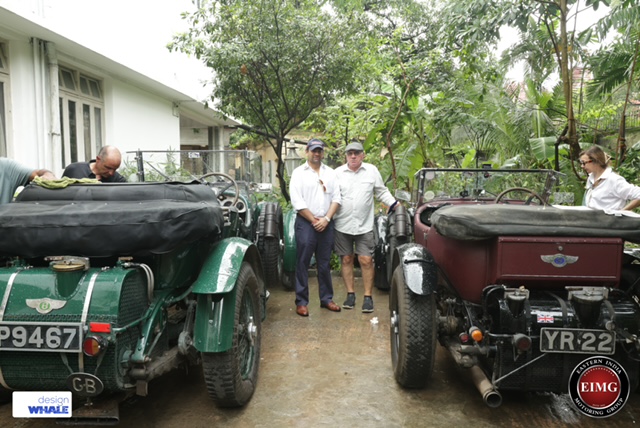
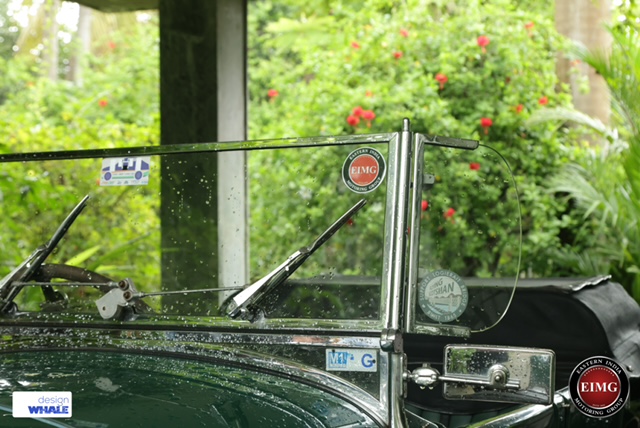
Englishmen Robert Wilkinson and John Walton are on a round-the-world adventure in their 1926 and 1927 Bentleys. During the India leg, the business rivals turned friends stopped by in Kolkata for a few days to discover the City of Joy.
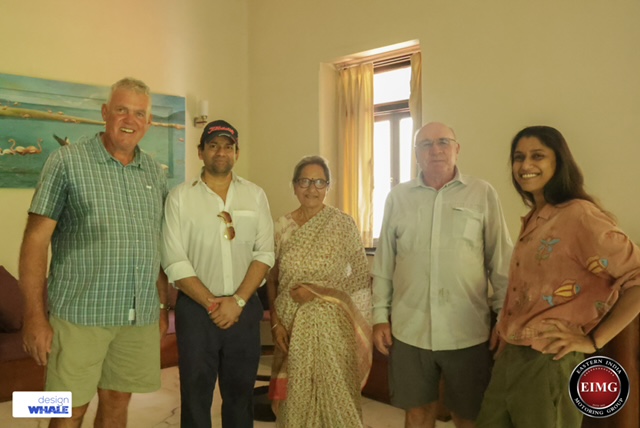
Ms.Surbhi Bajoria, one of the Directors of the Hooghly Group is a long time friend of both Robert and John. She has been instrumental in organizing the duo’s visit to Kolkata.On Saturday, September 12, Surbhi’s mother Ms.Lata Bajoria, a revered name in the jute industry and the present owner of the Hooghly Jute Mill hosted Robert and John at the heritage bungalow of their iconic mill.
Eastern India Motoring Group (EIMG) Founder & President Mr. Shrivardhan Kanoria, himself a heritage vehicle collector and restorer of national repute, was among the guests of the Bajoria family. The Kanorias and Bajorias are long-time family associates. Being well aware of Shrivardhan’s enviable collection and his passion for heritage vehicles, they found it most befitting for him to be present at the occasion.
This presented Shrivardhan with an opportunity to intimately interact with both Robert and John and learn about their adventures in India and their beloved century-old Bentleys.
During their conversation, the Englishmen spoke about their fabulous experiences in India and how the people of India with their warm hospitality, welcoming attitude and compassion has left an indelible mark on them.
The duo also threw light on their visits to various industrial & manufacturing plants and expressed their amazement upon visiting the Hooghly Jute Mill having witnessed the process of how raw jute is converted into world class finished products which are then sold in both national and international markets.
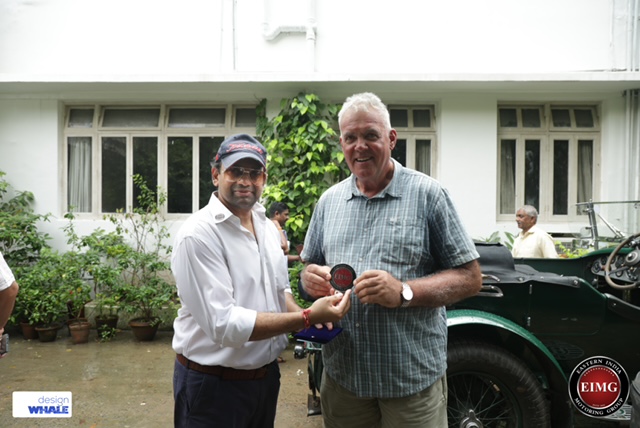
Robert and John expressed words of appreciation towards EIMG for consistently making a meaningful contribution towards keeping the heritage vehicle movement alive in eastern India. As a mark of friendship, Shrivardhan presented Robert and John with EIMG car badges and stickers which they will proudly adorn on their Bentleys for many more adventures to come in the future years.
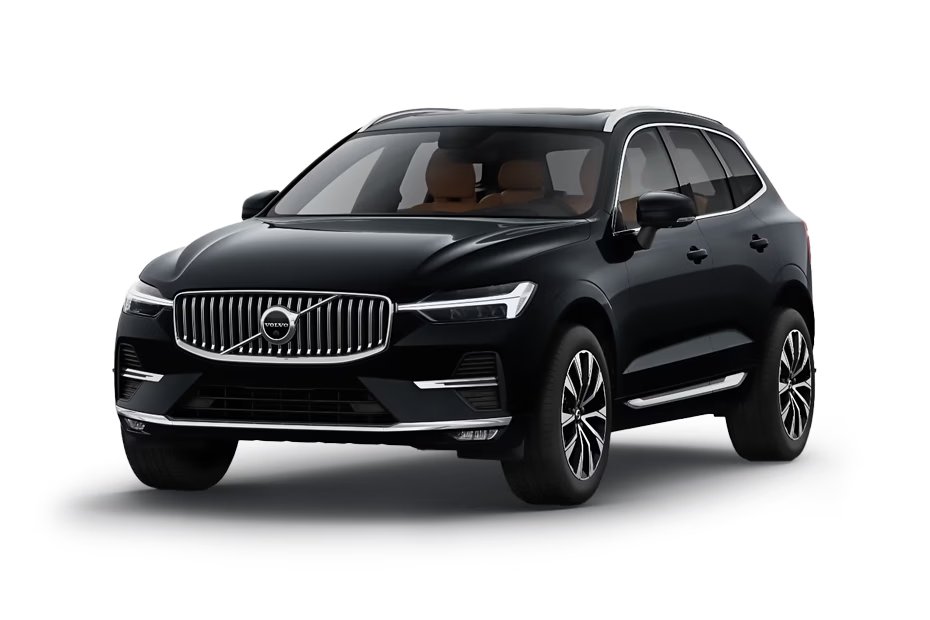
This festive season, Volvo Car India has announced specially curated offers for its SUV portfolio, bringing enhanced ownership confidence, value protection, and peace of mind to customers and prospects.
“As we embrace the festive spirit this season, we want to make the experience of choosing and owning a Volvo even more rewarding with enhanced features, stronger value protection, exclusive customer benefits, and greater peace of mind,” said Jyoti Malhotra, Managing Director, Volvo Car India. “Attractive EMIs and assured buyback give greater confidence as well as value protection through our customer’s ownership journey.”
Volvo XC60 Festive Benefits
Assured 65% Buyback: Valid after three years, providing greater confidence and strong value protection throughout the ownership journey. Peace of Mind Package: Offers a comprehensive 5-year warranty coupled with a 5-year service package. Predictable Ownership: Complemented by an attractive EMI of ₹49,999 for a 5-year tenure to ensure maximum convenience while owning Volvo’s global bestseller. One can reach out to their nearest dealership for more details as terms and conditions are applied.
Volvo XC90 Festive Benefits
Peace of Mind Package: Offers a comprehensive 5-year warranty coupled with a 5-year service package. Predictable Ownership: Complemented by an attractive EMI of ₹79,999 for a 5-year tenure to ensure maximum convenience while owning Volvo’s flagship luxury SUV. One can reach out to their nearest dealership for more details as terms and conditions are applied.
In addition to these model-specific offers, select existing and new Volvo customers can access exclusive Loyalty and Welcome Bonuses to further enhance their festive value proposition (subject to terms and conditions).
Furthermore, the MY27 XC60 now comes with air suspension, making it more desirable to the right audiences. Additionally, despite rising input costs, geopolitical uncertainties, and global supply chain disruptions, Volvo Car India has made a conscious effort to maintain competitive pricing. This commitment shields buyers from immediate market-driven price adjustments, allowing them to confidently maximize these current festive benefits.