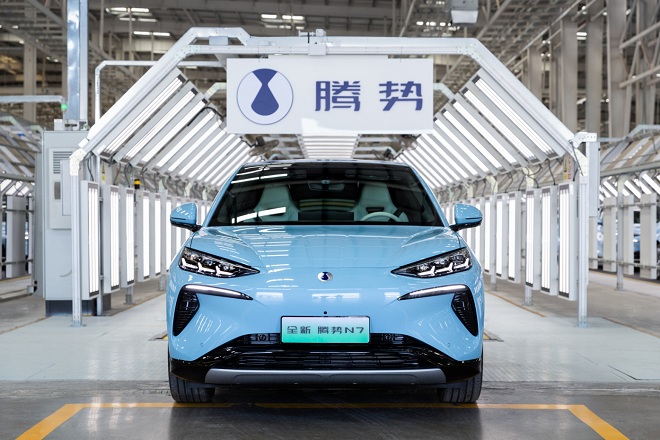
On March 25, BYD, the world’s leading manufacturer of new energy vehicles and power batteries, became the world’s first automaker to roll off its 7 millionth new energy vehicle, the DENZA N7, which was unveiled at its Jinan factory in China, symbolizing another groundbreaking accomplishment for the brand.
BYD reached the production of 1 millionth NEV in May 2021 and rapidly multiplied this figure threefold within 18 months, then surpassed 5 million units in merely 9 additional months. In just 7 months from this mark, BYD accelerated to the 7 million milestone, showcasing a robust end-to-end supply chain and the effect of scale. In 2023, BYD’s cumulative annual sales of NEV soared to 3.02 million units, solidifying its status as the global leader in NEV sales. A variety of models from its extensive brand portfolio consistently led sales rankings within their individual categories.
Proactively engaging with the international market, BYD quickly expanded its global footprint in 2023, witnessing a surge in overseas new energy passenger car sales that exceeded 240,000 units—a 337% year-on-year growth—making it the top Chinese exporter of NEVs in 2023. Up to now, BYD’s new energy passenger vehicles have been introduced to 64 countries and regions globally, with strategic investments in manufacturing facilities in Thailand, Brazil, Uzbekistan, and Hungary. This year, BYD also becomes the official partner of UEFA European Football Championship 2024™, showcasing its new energy vehicles on the world stage.
Looking ahead, BYD commits to broadening and deepening localization strategies for its products, technologies, and brand presence across international markets, continuing to drive the global automotive industry towards a greener era.
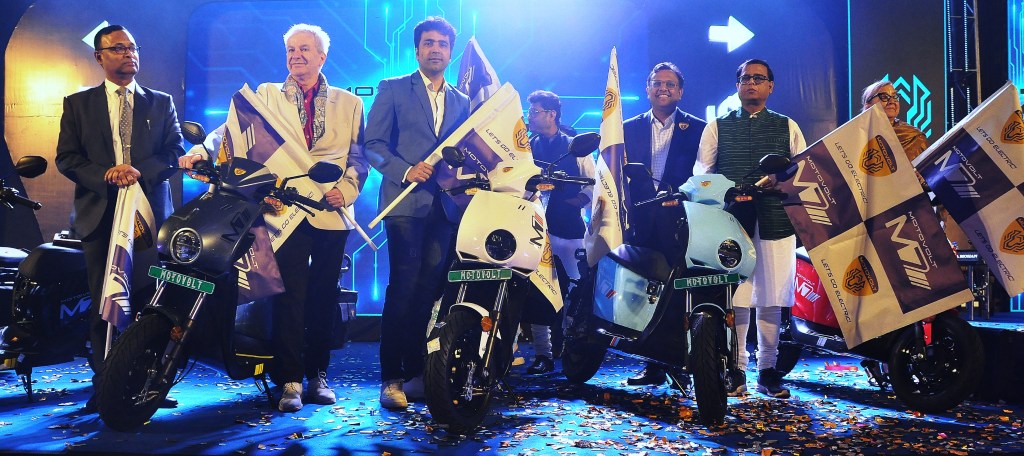
(L-R) – Dr Soumitra Mohan, IAS, Secretary, Department of Transport, Government Of West Bengal, Mr Andreas Zurwehme, CEO, eROCKIT, Germany, Renowned Actor, Mr Abir Chatterjee, Mr Tushar Choudhary, Founder & CEO, Motovolt Mobility Pvt Ltd, Mr Snehasis Chakraborty, Hon’ble Minister Of Transport, Government Of West Bengal and Ms Barbara Voss, Consul General of Germany at the launch of Motovolt M7 – India’s first multi -utility e-scooter in Kolkata
Motovolt Mobility Pvt Ltd, has announced the launch of the Motovolt M7. This multi-utility e-scooter (MUSe) marks the company’s entry into the high-speed electric scooter segment. Infused with German technology, the M7 sets a new standard for safety, quality, comfort, and sustainability.
Earlier this month, the Motovolt M7 was launched by Mr Snehasis Chakraborty, Hon’ble Minister Of Transport, Government Of West Bengal in the presence of Dr Soumitra Mohan, IAS, Secretary, Department of Transport, Government Of West Bengal, Ms Barbara Voss, Consul General of Germany in Kolkata, Tollywood actor, Mr Abir Chatterjee, Mr Andreas Zurwehme, CEO, eROCKIT, Germany and Mr Tushar Choudhary, Founder & CEO, Motovolt Mobility Pvt Ltd.
Designed with sustainability at its core, the M7 reduces plastic use, opting for a blend of efficient metals. Its modular design aims to enhance travel convenience, featuring an intelligently crafted rear section for carrying loads with ease. The M7’s seating is ergonomically designed, supported by a double cradle heavy-duty mild steel frame that accommodates a payload of up to 180 Kg ensuring stability and durability.
The M7 battery, a robust 3kWh unit, boasts advanced LFP cell chemistry, making it durable and safe with over 1000 charge cycles. It comes encased in aluminium, adhering to AIS 156 standards (IP67), ensuring it is both fire and waterproof. With the in-house design and packaging, the battery is portable and can be easily carried and charged anywhere, offering a range of 166 km in IDC mode (ARAI certified). The M7L variant is available with a single battery with the option to upgrade to a dual system, managed by a sophisticated battery control system.
Motovolt’s partnership with Swobbee, a European leader in battery-swapping technology, endows the M7 with seamless battery swapping capabilities at multiple locations across the country. This convenience is part of the company’s future vision to integrate Swobbee’s platform more comprehensively.
Sharing his thoughts Mr Tushar Choudhary, Founder & CEO of Motovolt Mobility, said, “At Motovolt, our mission is to provide an efficient and sustainable commuting alternative. The M7, is Made in India and Made for India and seamlessly integrates advanced features, providing a personalized and connected experience for our riders. By addressing the unique challenges of urban mobility, we aim to enhance the quality of life and contribute to a cleaner environment. We have kept the introductory offer price of M7 at Rs 1,22,000/-, with the initial booking amount being Rs 999/-.”
Talking about the M7, Mr Andreas Zurwehme, CEO, eROCKIT, said, “I am elated to have been involved in the development of the M7 electric scooter. The exchange of technology between our German engineers and their Indian counterparts has been a cornerstone of this project. The outcome is an exceptional product that symbolizes a synergy of versatility, reliability, and dedication. I am confident that the M7 will appeal to Indian consumers and deliver a distinctive and gratifying experience on the road. Looking ahead, we are also exploring opportunities to introduce the M7 into European markets, broadening its horizon and potential impact.”
The M7 is enhanced with a sophisticated telematics system, accessible through the Motovolt app, designed to streamline fleet management for businesses. This application offers an array of features such as real-time location tracking through historical ride data, the convenience of over-the-air software updates, and predictive analytics for proactive performance management. It also sends service reminders and monitors the health of the vehicle to ensure timely maintenance. This comprehensive solution is tailored to improve the efficiency and reliability of business fleets by leveraging advanced features.
Personalisation is key with Motovolt’s MUSe, offering six striking colour choices: Lightning Grey, Galaxy Red, Blue Jay, Dove White, Canary Yellow, and Puma Black. Promising maximum vehicle uptime, lower total cost of ownership, extended range, and easy access to spare parts, the Motovolt M7 offers a hassle-free, cost-effective ownership experience.
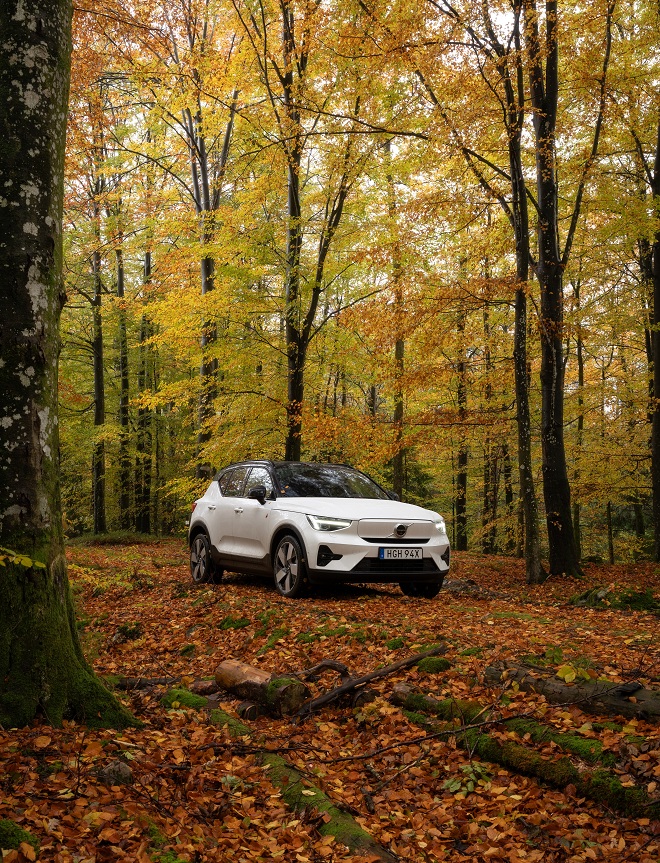
Volvo Car India has announced commencement of bookings for its recently launched new variant of XC40 Recharge. Starting from March 19, 2024, bookings for the XC40 Recharge will be exclusively online and can be done on the Volvo Car India Website with a booking amount of one Lakh. This is the third EV model from Volvo in India to be assembled at the Company’s plant at Hosakote in Bengaluru, Karnataka and offered exclusively online.
Setting new benchmarks in performance and range, the XC40 Recharge Single Motor Variant offers a remarkable driving experience. With a range of 475 kilometers as per WLTP standards and 592 kilometers under ICAT testing conditions on a single charge, this EV empowers drivers to explore with confidence. Boasting a power output of 238hp and a torque of 420Nm, the XC40 Recharge comes with an 8-year battery warranty and includes a wall box charger as a standard fitment.
The XC40 Recharge Single Motor Variant represents a significant milestone in Volvo’s commitment to sustainable mobility. With its advanced electric drivetrain and innovative features, this model offers an unparalleled driving experience while contributing to a sustainable environment.
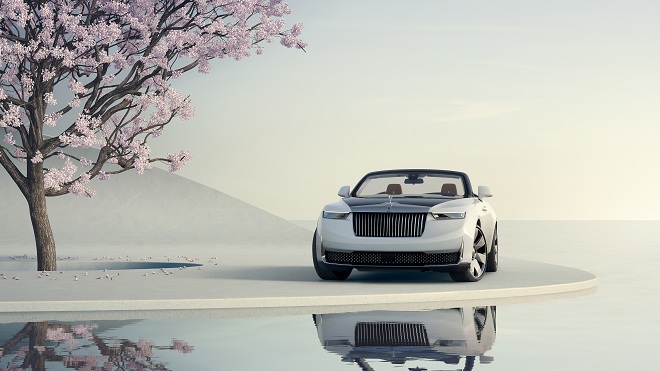
Rolls-Royce Motor Cars is delighted to present Rolls-Royce Arcadia Droptail, an exquisite coachbuilt expression of tranquillity. Arcadia Droptail is the epitome of quiet irreverence, celebrating purity of form and natural materials while serving as a bold statement of the client’s personal taste. Commissioned by an individual who possesses a distinct affinity for architecture and design, Arcadia Droptail is a testimony to the patron’s sensibilities and personal codes of luxury, defined by purity and subtle restraint, reflecting their firm belief in distilling complexity to reveal the inherent, fundamental essence.
This coachbuilt commission takes its name from the mythical realm of Arcadia, a place depicted in Ancient Greek mythology as ‘Heaven on Earth’ – a land renowned for its extraordinary natural beauty and perfect harmony. Like the haven that inspires its name, Arcadia Droptail was envisioned by the client as a serene space characterised by reduction, material depth and tactility that would serve as a refuge from the complexities of their business life.
In capturing the theme of tranquillity, Coachbuild designers embarked on an exploration of design, sculpture and architecture from the client’s favourite regions around the world. This included the precision and richness of modernist tropical sky gardens seen in Singapore, Indonesia and Vietnam as well as British ‘Biomimetic’ architecture, where organic forms and material honesty are celebrated.
In addition to these references, the client was also inspired by the motor car itself and the purity of the Droptail design concept. The commissioning client insisted that their Coachbuild motor car should be absolutely faithful to the earliest hand-drawn sketch they were first presented with in 2019.
It was the profile of this highly contemporary projection of the roadster body type that resonated so strongly with the commissioning client. They were particularly compelled by the motor car’s bold, low stance, ensconcing cabin design and dramatic body lines. They also immediately recognised the nautical inspiration behind Droptail’s ‘sail cowls’: named after their resemblance to a yacht’s jib, these sharp, angular forms rise behind the doors and curve gently inwards, subtly directing the eye to the motor car’s occupants.
EXTERIOR: A TRIBUTE TO DROPTAIL In order to fulfil the client’s ambition to honour Droptail’s form, Rolls-Royce Coachbuild designers developed a calm, natural duotone colourway for the motor car’s coachwork. The client’s aspiration was to define a timeless white, appearing as a solid colour at first glance, but creating a level of intrigue upon further study under natural light. To achieve this, the main body colour is a solid white infused with aluminium and glass particles. This not only creates an effervescent shimmer when the light strikes the coachwork but, upon close inspection, creates the illusion of unending depth in the paint. Rolls-Royce specialists developed a more faceted, striking metallic using larger sizing of aluminium particles. The client was very particular and involved in their request for the Bespoke silver to contrast against the white, not only in colour, but also in terms of intensity.
In a key departure from the other three coachbuilt Droptails in this series, the carbon fibre used to construct the lower sections of Droptail is painted in the solid Bespoke silver colour rather than left fully or partially exposed, visually ‘lifting’ the motor car in profile to intensify its lithe, dynamic intent.
In tribute to the brilliant mirror finish of brightwork on historical Rolls-Royces, which particularly fascinate the client, the exterior grille surround, ‘kinked’ vane pieces and 22-inch alloy wheels have been fully mirror-polished.
While Arcadia Droptail’s exterior palette is rich in subtle detail, its primary intention is to celebrate the form and proportions of the coachwork. The client was particularly compelled by Droptail’s clean, monolithic surfacing and bold use of negative sculpture – features that are amplified by the motor car’s muted paint colours, which reflect sunlight and cast dramatic shadows, highlighting Droptail’s many subtle design gestures.
INTERIOR: THE CENTRALITY OF WOOD As the exterior of Rolls-Royce Arcadia Droptail celebrates the motor car’s form, the interior is a deeply personal reflection of the client’s individual aesthetic, reflective of the style they have curated in their residences and business spaces around the world. Arcadia Droptail’s colour palette and material treatment was envisioned to be a truly personal statement and instantly recognisable as a personal signature of the commissioning client.
Wood development was central to Arcadia Droptail’s interior and the client’s focus, whose very specific expectations concentrated on the texture, grain, colour and richness of the material itself. The client shared many examples of preferences and inspiration from architecture, residences and classic cars, to guide Rolls-Royce Coachbuild designers and material specialists.
Santos Straight Grain was eventually selected as the most modern statement, based upon its rich texture and visual intrigue, which is derived from its unique, interlocking grain pattern.
Using this high-density hardwood on Droptail’s interior posed a significant challenge for the marque’s craftspeople. Santos Straight Grain has one of the finest grain types of all the wood species used within a Rolls-Royce – if not handled with the greatest care, it easily tears when machined and ‘checks’ (a crack that appears parallel to the grain) during the drying process. Despite the challenges of working with this delicate material, Santos Straight Grain is used throughout Droptail, including the aerodynamically functional rear deck section, where the grain of the open pore veneer is laid at a perfect 55° angle. To achieve a perfect composition over complex geometry, Rolls-Royce artisans used a total of 233 wood pieces throughout Arcadia Droptail, with 76 pieces applied to the rear deck alone.
Given that Arcadia Droptail will be used internationally, including some tropical climates, specific attention was paid to developing a protection system and testing process for the exterior wood surfaces. Coatings used on superyachts were initially considered but rejected given that they require regular servicing and re-application. Instead, a Bespoke lacquer was developed that requires just one application for the lifetime of the motor car.
To validate this coating, Rolls-Royce specialists conceived a unique testing protocol wherein veneer pieces were subject to a punishing cycle inside a specialist machine simulating global weather extremes. This involved spraying sample wood pieces with water intermittently, between periods of leaving them to dry in darkness and exposing them to heat and bright light.
This was repeated for 1,000 hours on 18 different samples before the marque’s specialists were satisfied with the endurance of the pieces. In total, the wood pieces and protective coating required more than 8,000 hours of development.
INTERIOR: A STUDY IN WHITE The leather interior is finished in two entirely Bespoke hues, named after the client and reserved exclusively for their use. The main leather colour is a Bespoke White hue, continuing the exterior paint theme, while the contrast leather is a Bespoke tan colour, developed to perfectly complement the selected wood.
The interior also includes the exquisite shawl panel that unites all four Droptail motor cars and is the largest continuous wood section ever seen on a Rolls-Royce motor car. In Arcadia Droptail, it is made in the same Santos Straight Grain open pore veneer as the rear deck, book-matched at the same 55° angle, with individually shaped leave stripes running seamlessly into the door linings. CAD tools were used to map the placement of each wood piece, and although it appears to be constructed from just two mirrored sections of veneer, this panel alone is made up of 40 sections, each digitally mapped before being fixed to the motor car.
Applying wood to the complex curvatures of Droptail’s interior required Rolls-Royce engineers to develop an entirely new substructure for several components. The dramatic geometry of the dashboard, door linings and central cantilevered ‘plinth’ armrest had to be incredibly rigid to ensure the stability of the wood pieces once they were laid in place. Engineers called on carbon fibre layering techniques used in Formula 1 motor racing to develop an incredibly stiff base onto which the wood could be applied, ensuring that it remained secure regardless of the dynamic extremes the motor car experienced.
BESPOKE TIMEPIECE: A PRECISION INSTRUMENT The Santos Straight Grain veneer fascia incorporates a clock conceived and developed by Rolls-Royce Coachbuild designers and craftspeople. This expression of haute horlogerie is the most complex Rolls-Royce clock face ever created: the assembly alone was a five-month process, which was preceded by more than two years of development.
The clock incorporates an exquisite geometric guilloché pattern in raw metal with 119 facets. This is a symbolic nod to the marque’s heritage; as the client first saw a preview of the motor car in late 2023 – the year when Rolls-Royce celebrated its 119-year anniversary. The specially designed clock face also includes partly polished, partly brushed hands and 12 ‘chaplets’ – or hour markers – each just 0.1mm thick. To ensure the readability of the timepiece, specialists gave each chaplet an infill bridge and painted them by hand using a camera capable of magnifying an image by up to 100x.
While many haute horlogerie methods were used to develop the timepiece, the testing and validation standards at Rolls-Royce are higher than those of the watch world. This required the marque’s specialists to draw on an expansive palette of materials. For example, instead of anodizing the timepiece’s minute marker, which is common practice in watch manufacturing, it is finished in a ceramic coating chosen because of its stability over time as well as its aesthetic merits. Small areas of the coating were laser-etched away to reveal the mirror finish of the aluminium material beneath it. Like every piece within the timepiece, including the Bespoke ‘double R’ monogram, they were individually machined from solid stainless-steel billet and polished by hand prior to assembly.
Themes from the clock are paired with the instrument dials, sharing materials, techniques and execution. They feature the same repeated guilloché pattern, as well as brushed and polished brightwork and frosted white inserts, recalling the colourway of the motor car.
STATEMENT OF A COSMOPOLITAN LIFESTYLE Reflecting the patron’s international lifestyle, the motor car is specified with left-hand drive to facilitate its use around the world. This international dimension was so important to the commissioning client that the Coachbuild Collective wanted them to experience the motor car in multiple locations around the world before it was built. Coachbuild designers used the marque’s ‘holodeck’ to facilitate this – a unique virtual 3D environment in which the client uses an advanced virtual reality (VR) headset to view the motor car as it would appear in specific locations around the world.
ARCADIA DROPTAIL: AN ELEGANT SPACE IN THE DROPTAIL CANON While every Rolls-Royce client is different, they each share a powerful strength of conviction, and this individual’s requirements were clearly stated from the outset. However, translating these complex, highly personal sensibilities into a coherent, workable design was the product of a significant body of work. It was here that the Coachbuild process, with its unprecedented investment of time – over four years in total – and uniquely close relationship between the client and the marque, paid incalculable dividends.
Coachbuild designers invested many months examining and interrogating the client’s tastes in everything from clothes and furnishings to food and travel destinations. From this, they defined and codified an aesthetic rooted in the client’s truth and experience; an objective portrait of their internal world and external surroundings, backed by the certainty and authority of the design team’s own discernment, understanding and professional judgment. Other family members, notably the client’s daughter, also become engaged with the process. When the final design was ready, the client’s wider family were invited to review it: all agreed that it perfectly captured the client’s aesthetic and character.
The client derived enormous pleasure from having their tastes and identity so clearly rationalised and projected back to them. Indeed, the process revealed the client had a far more modern outlook than they realised, defined by lightness, the use of natural materials and a clear passion for precision. Arcadia Droptail has since become a reference point for the client’s commissions from other luxury houses and architects.
This unique expression of Rolls-Royce Droptail reflects this remarkable client’s confidence, clarity of vision and long-term relationship with Rolls-Royce Motor Cars. Its significance lies both in its exquisitely minimal execution and the unique skill of Rolls-Royce Coachbuild designers in capturing the sensibilities and soul of an individual.
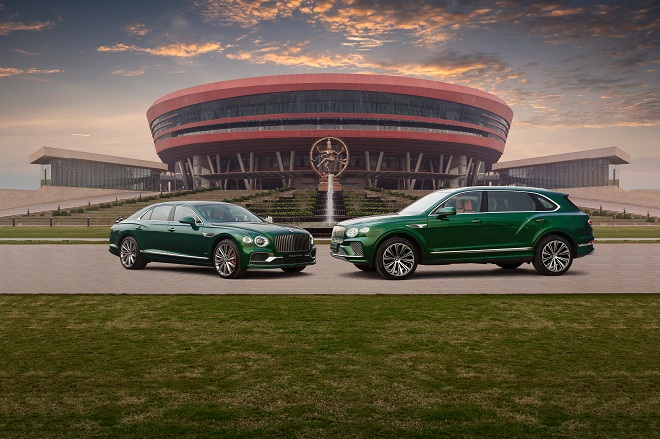
Five individually curated Bentley models, commissioned by a Bentley retailer, comprise the first Mulliner Bespoke Edition created exclusively for the Indian Market. All feature an extensive specification, with unique exterior and interior finishes inspired by the colours of the Indian flag. Each example is handcrafted in Crewe, England, by Mulliner, Bentley’s in-house personalisation and bespoke department.
The Opulence Edition for India is limited to just five vehicles: a Continental GT Speed, a Flying Spur Speed and three Bentayga EWB Azure models. All five are presented in Scarab Green exterior finish, an exclusive Mulliner development inspired by the iridescent green exo-skeleton of the Scarab beetle. Complemented by bespoke interior colourways of Mandarin and Cumbrian Green hide, each car is a tribute to India’s national colours.
Bespoke elements of the Opulence Edition Although different in character, all five models in the Opulence Edition have key bespoke elements in common. All feature the lustrous Scarab Green exterior finish that was first developed for Bentley’s first coachbuilt barchetta, the Bacalar. Inside, the orange and green of India’s national colours are represented by upholstery of Mandarin main hide and Cumbrian Green secondary hide. The mirror-like Piano veneer of the fascia and trim is also finished in Cumbrian Green, with an inset chrome motif on the fascia of wild horses and mountain peaks. From the initial brief, designers and artisans painstakingly produced multiple depictions until the perfect composition was achieved. The design was ultimately hand-drawn, and carefully applied to the fascia using a chrome overlay technique. This unique colour and trim specification is the outcome of close collaboration between Bentley Mumbai and the Mulliner team, and celebrates the first-ever Mulliner bespoke edition created for the Indian market.
Performance delivered by the Opulence Edition Continental GT Speed The 659 PS Continental GT Speed is the ultimate performance-focused iteration of the world’s benchmark luxury Grand Tourer, and the Opulence Edition complements its character perfectly. The Scarab Green exterior and 22” Speed wheels in dark tint finish focus one’s attention on its poised and muscular lines, while the LED welcome lamps, and self-levelling wheel centre badges are typical of Mulliner’s perfectionist attention to detail.
Open the driver’s door, and the full drama of the two-colour interior is revealed, with knurled switchgear and instrument bezels set on a fascia of Cumbrian Green in a piano finish. Contrast stitching in Mandarin picks out the lines of the upholstery and the diamonds of the quilted sections. The Opulence Edition Continental GT Speed was limited to one example, and this has already been delivered to its delighted owner.
Opulence Edition Flying Spur Speed’s bespoke craftsmanship The Opulence Edition Flying Spur Speed’s lavish specification includes diamond knurling on bezels and switchgear, Naim for Bentley audio and the unique Bentley rotating display. Throughout the cabin, the perforated, quilted seat upholstery is bordered by side bolsters with Mandarin contrast stitching and Speed-embroidered headrests.
This Bentley’s performance focus finds the perfect expression in the Opulence Edition’s Scarab Green exterior finish, complemented by 22” dark tint Speed wheels with self-levelling wheel centre badges. The illuminated Flying B radiator mascot is finished in polished stainless steel, providing a contrast to the dark tint brightwork of the Speed specification.
The pinnacle performance model of the Flying Spur line up is powered by a 626 bhp 6.0-litre twin turbocharged W12 engine, with Electronic All Wheel Steering, Torque Vectoring by Brake technology and Bentley Dynamic Ride as standard. Just one Opulence Edition Flying Spur Speed will be produced.
The Opulence Edition Bentayga EWB Azure While the Bentayga EWB is more than capable of soul-stirring performance, the emphasis with the Opulence Edition is on space, wellbeing and abundant luxury. The Opulence Edition Bentayga, of which three examples will be made, comes in four-seat configuration with the Mulliner console bottle cooler separating the two rear seats. Contrast stitching in Mandarin runs around the lip of the fascia top roll, and around the edge of the Cumbrian Green seat bolsters, while contrast stitching in Cumbrian Green can be seen in the outer diamonds of the quilted seat inner areas and the Azure-embroidered headrests.
With the Bentley Dynamic Ride 48V active anti-roll control system providing the optimum balance between ride comfort, handling and body control, the Opulence Edition Bentayga EWB Azure provides a haven of calm and comfort.
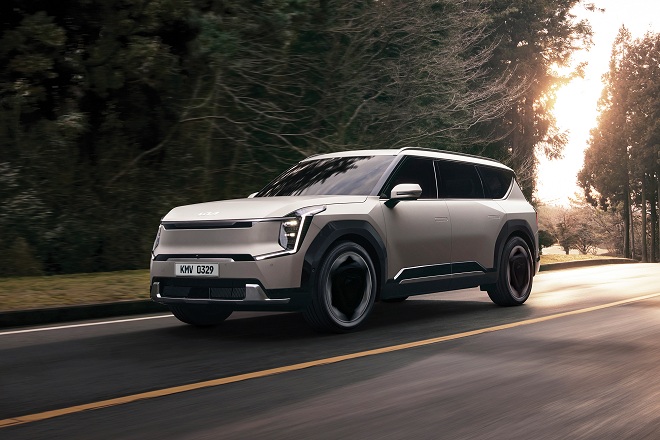
The 2024 Kia EV9 has been named as a Top Three in the World finalist in two categories for the upcoming 2024 World Car Awards. The selection places the all-electric EV9 as a contender in the final round of judging for the World Car of the Year and World Electric Vehicle titles.
Inaugurated in 2003, the World Car Awards are renowned globally as a benchmark for excellence, celebrating outstanding achievements in the automotive industry. Recognition for the Kia EV9 in this year’s competition comes from a jury of more than 100 accomplished global automotive journalists.
The 2024 Kia EV9, named as a Top Three in the World finalist in the World Car of the Year and World Electric Vehicle categories, is Kia’s first dedicated three-row EV SUV. Embodying bold and modern design, the flagship SUV offers the latest in EV technology as well as exceptional versatility and generous space for all occupants.
A potential double victory for the EV9 this year would mark yet another significant milestone for Kia, following wins at the World Car Awards with the Kia Telluride in 2020 and the Kia EV6 GT in 2023.
The final winners will be announced live at the World Car Awards ceremony during the 2024 New York International Auto Show (NYIAS) on March 27, 2024.
The countdown to the Concours of Elegance Germany starts, with event set to commence in just under 150 days. Home to the world’s most revered and historic motoring brands, the first truly international Concours of Elegance will open with its Bavarian Tour on 22 July, with 25 stunning cars embarking on a meticulously curated four-day exploration of the very best that Bavaria has to offer.
Presented by prestigious German watchmaker A. Lange & Söhne, Concours of Elegance Germany will build on the success of the prestigious Concours of Elegance at Hampton Court Palace and the London Concours events, welcoming an exquisite array of automobiles to Gut Kaltenbrunn on the shores of Lake Tegernsee from 22-27 July 2024.
Among the cars on display will be truly exceptional examples of the 1971 Ferrari 365 GTB4 and the 1967 AC Frua. Designed by Pininfarina and constructed by Scaglietti, two icons of the Italian automotive industry, there were just 156 right-hand drive models of the GTB4 ever made. Fusing US V8 horsepower and Italian styling, the AC Frua was also made in remarkably small numbers, with just 29 convertibles leaving the production line.
Detailed arrangements for the spectacular new international event continue at pace, with many more of the world’s rarest and finest collectible cars to be announced in the coming weeks.
Concours of Elegance Germany has already secured a line-up of prestigious partnerships that will contribute the extraordinary event. RM Sotheby’s, the esteemed Official Auction Partner, has confirmed that it will hold a highly anticipated sale on 27 July at the exquisite Gut Kaltenbrunn. Hospitality will be provided throughout the event by Official Hospitality Partner, Käfer – Germany’s most renowned purveyor of food and beverages.
Classic Driver, the German-founded platform, will serve as the Official Digital Media Partner, providing extensive coverage of the Concours of Elegance Germany across various digital and social channels. Automotive & Collectibles Media Partner, Octane Germany, will contribute comprehensive coverage in print, capturing the essence of the event from the run-up to the final moments. These partnerships, along with several others, underscore the significance of Concours of Elegance Germany, promising an unforgettable showcase of automotive excellence at Lake Tegernsee. In upcoming weeks, several other partners to the concours will be revealed.
Head of the event’s Hospitality Partner, Michael Käfer, commented: “We are truly thrilled to be supporting and hosting the internationally renowned Concours of Elegance in Germany, where the world’s biggest automotive collectors can congregate against the stunning backdrop of Lake Tegernsee. The event will be a celebration of the rare and exceptional, showcasing some of the world’s most elusive collectible cars. All of us at Käfer are very much looking forward to welcoming enthusiasts to witness a truly unforgettable showcase of automotive beauty and elegance, celebrated in true Bavarian style here at Gut Kaltenbrunn.”
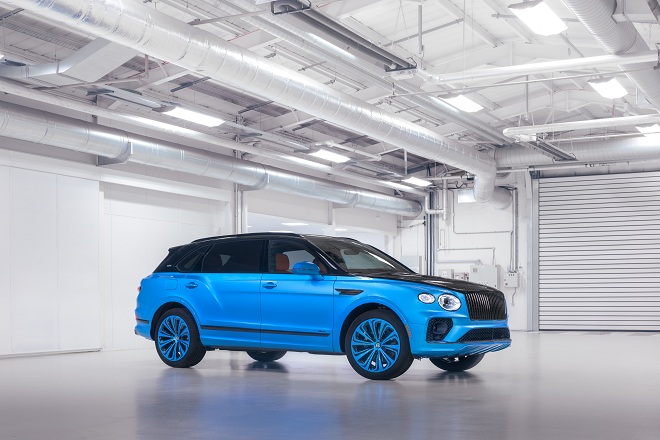
A striking, highly personalised duo-tone Bentayga EWB Azure V8 – the first of its kind – has been delivered to its expectant customers, having been crafted by hand by Bentley’s bespoke and personalisation division, Mulliner.
An example of the growing trend among Bentley customers for personal commissions, the car is a stunning example of a truly individual Bentley – the result of the free rein that a Mulliner commission provides. Among the unique features requested by the owners was a bespoke two-tone exterior finish, prompting Bentley Motors to bring forward its introduction of two-tone finishes for Bentayga EWB by 12 months.
Going beyond the tens of billions of specifications possible from the Bentley options list, Bentley customers are encouraged to participate in the design of unique vehicles, as part of a process that Mulliner terms ‘co-curation’. Vibrant colour schemes, bespoke materials and customised features are welcomed as a challenge in the Mulliner workshops by their team of designers and skilled artisans.
A commission by a couple in Irvine, California for a Bentayga EWB is typical of the way a Bentley handcrafted by Mulliner can evolve. The customers originally visited Bentley Newport Beach to order a Bentayga EWB Azure V8 First Edition, intending to select exterior colours and interior finishes from the 46 billion different configurations available with the standard options range.
But with the help of Mulliner’s Design Manager, Phill Dean, the couple were soon inspired to let their imaginations roam free. They were instantly attracted to Kingfisher, a brilliant metallic electric blue finish, but felt it needed a contrast exterior colour to complement the Blackline styling specification. Conversations with Bentley’s Paint Shop established that a duo-tone would be possible, initiating a process to bring the launch of this option on Bentayga EWB forwards by a year.
“With a Mulliner commission, anything is possible,” explains Dean. “We started to discuss the specification in the showroom at Newport Beach, but it soon became clear that we needed more time to go over every tiny detail. We resumed the commissioning at the customers’ home – we finished at around 1.00 am” he recalls.
The Bentayga EWB commissioned by the customers is a striking and individual creation, with a duo-tone exterior of Onyx over Kingfisher Blue conceived to dazzle in the California sunshine. Having established a base specification of the Azure wellness-focused package, complete with Blackline and Touring specifications, the couple also requested rear privacy glass and the deletion of Bentley lettering on the tailgate, being content to let the winged B badge speak for itself.
The Onyx finish chosen for the bonnet, roof and upper body is seamlessly integrated with the gloss black grille, front air intakes, wing vents, side coachlines and rear diffuser of the Blackline specification. It makes a dramatic contrast with the Kingfisher blue finish, while the dark roof and cabin creates a lower, sportier visual impression. The colour split is repeated in the 22” ten-spoke wheels with a painted finish in Kingfisher and Beluga. Self-levelling Bentley wheel badges add the finishing touch to the exterior.
The interior of this unique Bentayga EWB is as stunning as it is meticulously crafted, and the customers spent many hours exploring the palette of choice with Phill Dean. Their choices included the four-seat configuration with Bentley’s airline seat specification for the two rear seats, Naim for Bentley audio system and mood lighting. More vibrant however is the customers’ own vision of luxury, with a cabin in the dramatic combination of Mandarin and Imperial Blue leather. Light, contemporary and sustainable Open Pore Koa Veneer was chosen for the fascia, rear centre console, door inners and picnic tables. But it’s the flashes of Kingfisher accent hide that make the most dramatic impact, appearing on the seat bolsters, lower fascia, six o-clock tab on the steering wheel, gear lever and door trim. Kingfisher hide is also revealed on the upper surface of the picnic tables when extended.
A Mulliner key box provides security for jewellery and valuables and is delivered in a combination of Imperial Blue hide and Mandarin, with Imperial Blue Alcantara for the inner surfaces. Bentley seat emblems are embroidered in Kingfisher, with the same colour being used for contrast stitching throughout the cabin. Even the Imperial Blue overmats feature Kingfisher micro piping with Mandarin stitching and outer binding. Fittingly, the door treadplates are engraved with a “One of One” message bespoke to the customer.
The two-tone exterior finish chosen for this Bentayga EWB is now offered as a factory option, one of many examples where customers have helped to shape the company’s product options in colour and trim. Meanwhile, the trend for Mulliner bespoke commissions continues to grow, with around 75 per cent of the vehicles that left Bentley’s Dream Factory in Crewe, England in 2023 featuring Mulliner content. This represents a 43 per cent rise in Mulliner content over 2022 (itself a record year), proof of the growing demand for luxury personalisation across the Bentley line-up.
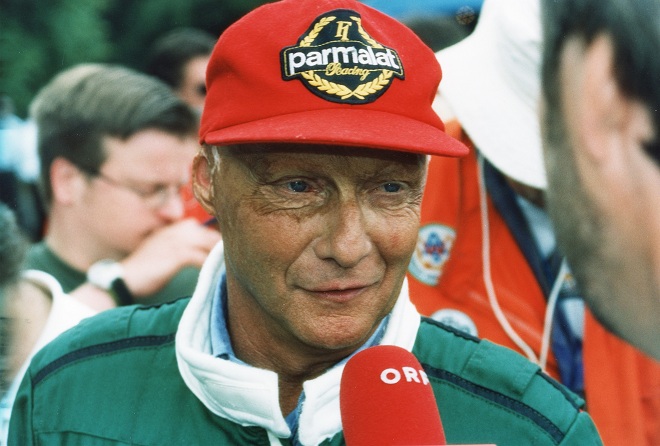
Goodwood is proud to announce that three-time Formula 1 World Champion Niki Lauda will be celebrated with a special on-track demonstration at the 81st Members’ Meeting presented by Audrain Motorsport.
2024 will mark several significant anniversaries for Lauda, including 50 years since his first Grand Prix victory in the 1974 Spanish Grand Prix, 40 years since his third and final World Championship, and 75 years since the Formula 1 Champion’s birth, this coming Thursday, 22 February.
Taking place across the weekend, the Goodwood Motor Circuit will welcome Lauda’s 1985 Dutch Grand Prix-winning McLaren MP4/2B for an on-track moment to honour the acclaimed driver. The demonstration will put the McLaren MP4/2B in the spotlight, in tribute to one of the greatest Formula 1 World Champions.
Niki Lauda is remembered as one of the true icons of motorsport, and one of the most intelligent and mentally resilient drivers ever to set foot in a racing car. In a Formula 1 career that ran from 1971-85, during which he won 25 Grands Prix and three World Championships, he recovered from a near-fatal accident at the Nurburgring in 1976, abruptly retired in 1979 saying he was “tired of driving round in circles”, and made a successful comeback three years later, culminating in his final World Championship in 1984.
After taking his final victory at the Dutch Grand Prix in 1985 (beating none other than Alain Prost and Ayrton Senna into second and third!), he retired from driving to focus on Lauda Air (the airline business he had founded after his first retirement in 1979), but later returned to Formula 1, first as an advisor for Ferrari, then as Jaguar’s team principal, and finally as Non-Executive Chairman of the Mercedes-AMG Formula One Team. It was in the latter role that he was instrumental in persuading Lewis Hamilton to switch from McLaren, heralding a period of unprecedented dominance for team and driver.
As part of a continued celebration for Lauda at Goodwood’s headline motorsport events this year, the legendary driver will also be honoured at the Festival of Speed presented by Mastercard, with various cars from across his racing career taking to the Goodwood Hill.
The Duke of Richmond said: “It’s a privilege to be honouring Niki Lauda at this year’s Members’ Meeting and Festival of Speed. The word ‘Icon’ is overused, but Niki was certainly that. He achieved incredible success in everything he did, from driving to team management, and even running an airline, and always on his own terms. It was a pleasure to welcome him to Goodwood, including the final time in 2017, when he joined us for our tribute to his friend Bernie Ecclestone. He was straight talking and irreverent, but also intelligent, charming and funny, and is much-missed by all who knew him. This year’s special moments will pay tribute to his outstanding racing career and celebrate his influence and enduring legacy across the world of motorsport.”
Taking place across the weekend, the Niki Lauda celebration joins alongside the previously announced Can-Am demonstration, competitive sidecar Shoot-Out and full race schedule for the 81st Members’ Meeting.
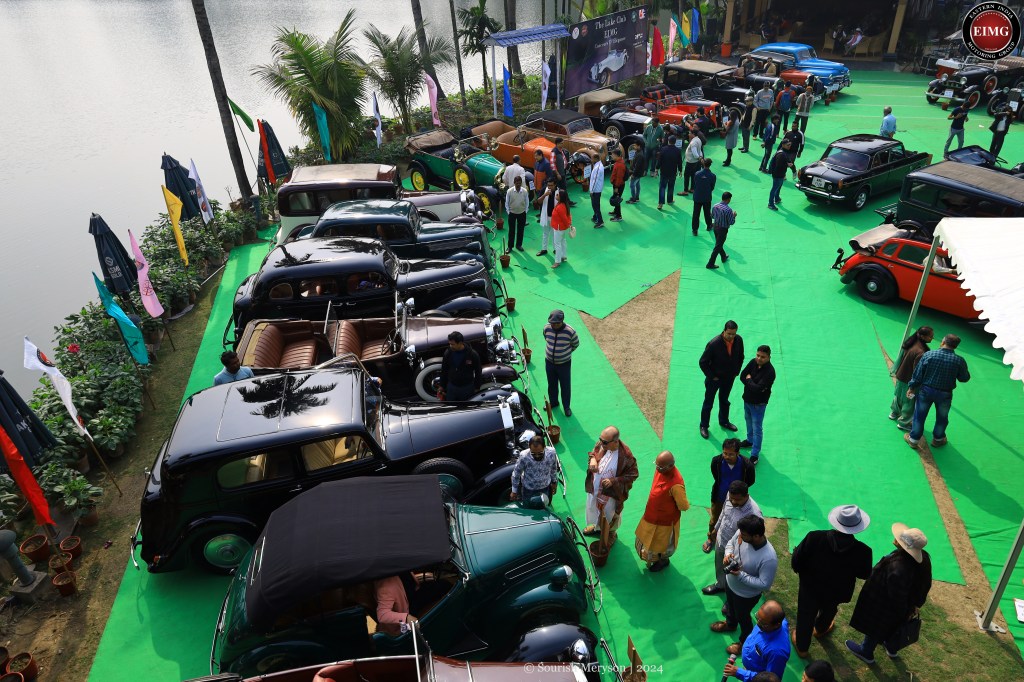
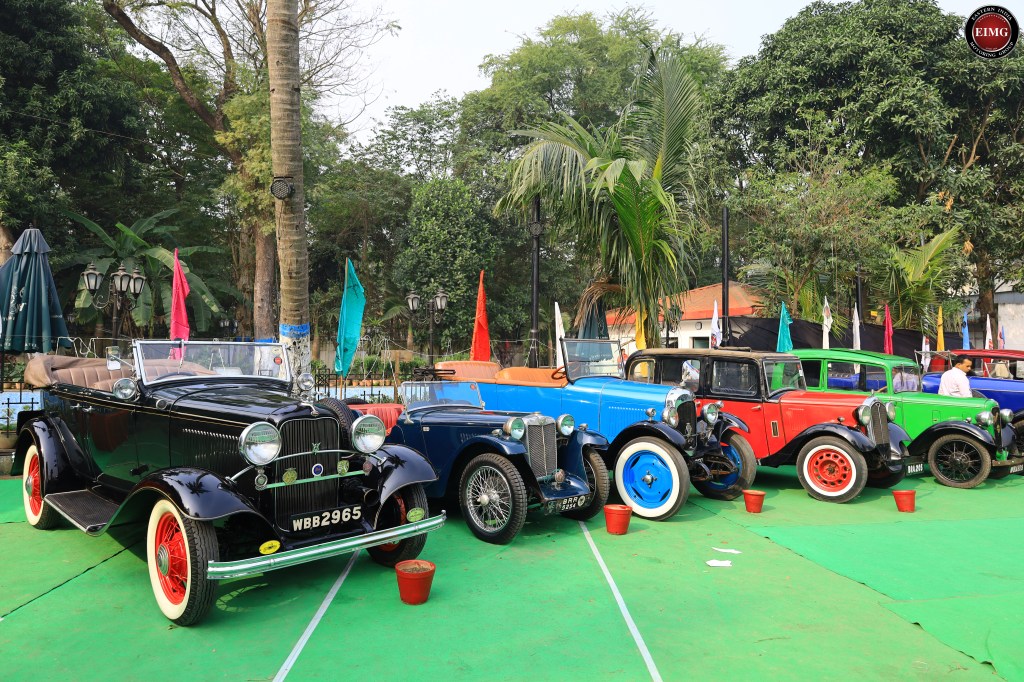
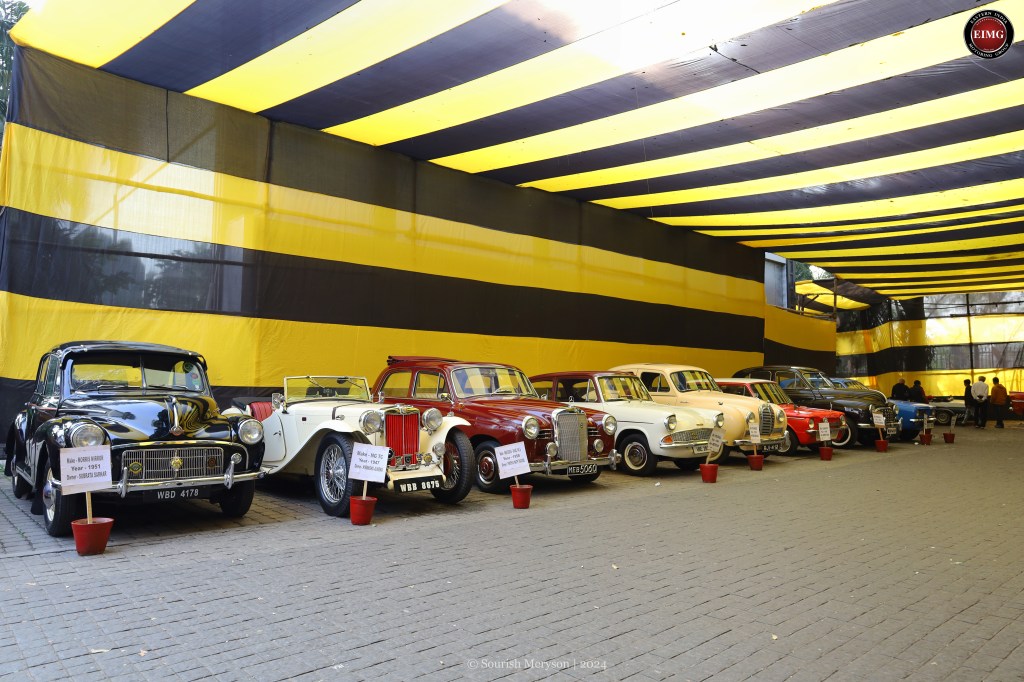
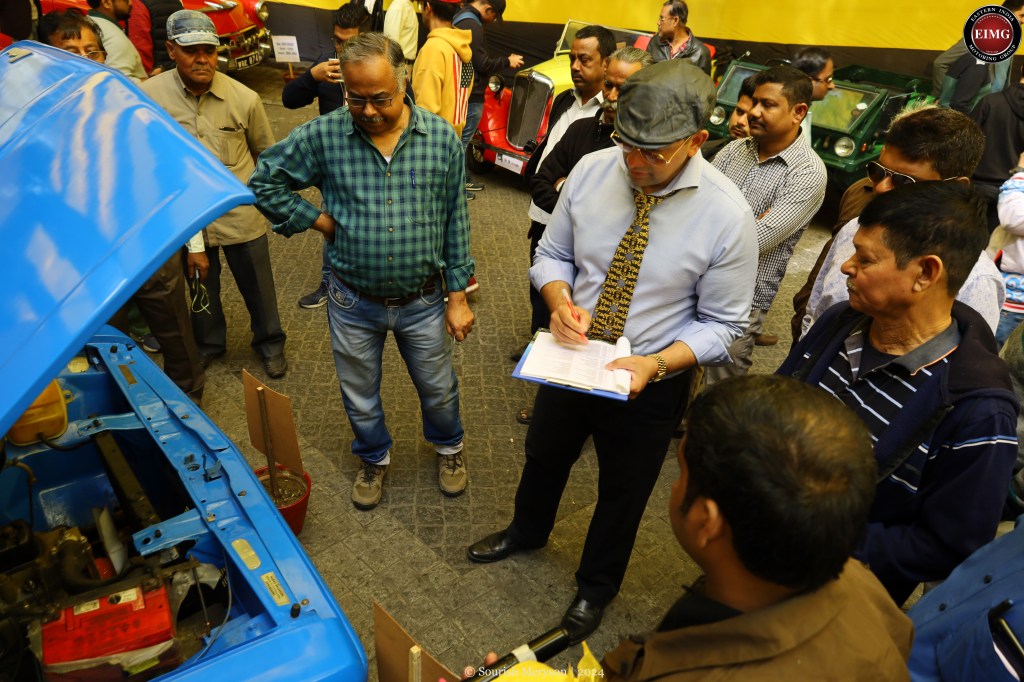
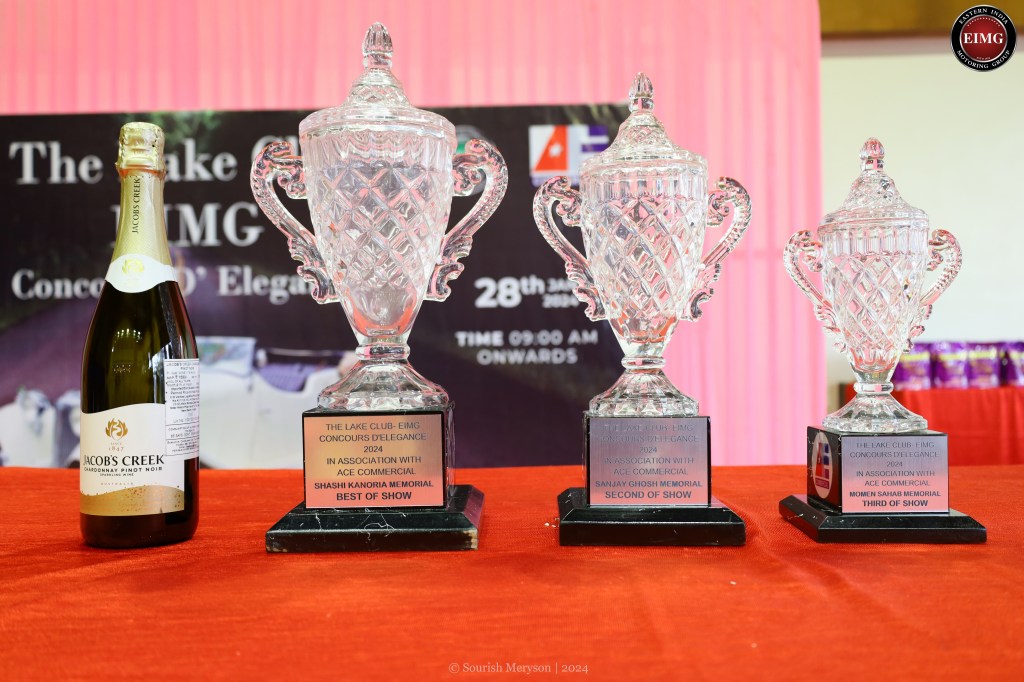
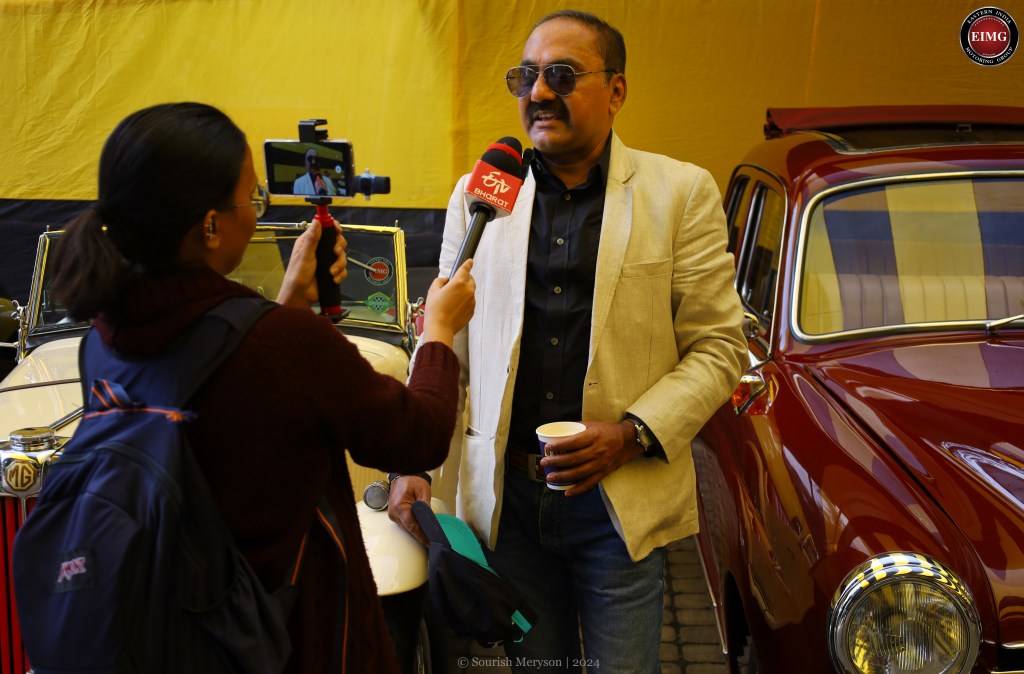
On Sunday, January 28, all roads led to The Lake Club as the EIMG Concours d’Elegance 2024 set the City of Joy ablaze with 95 scintillating exotic vehicles which took part in this annual heritage event. Now in this third edition, the event was organised by Eastern India Motoring Group (EIMG) in collaboration with The Lake Club and supported by ACE Commercial.
With the majestic Rabindra Sarobar in the backdrop, clear blue sky above, the sprawling green lawn of the The Lake Club made for the perfect setting for a memorable rendezvous with motoring heritage.
The icing on the cake was the seven beautiful Rolls-Royces which adorned the club lawns like seven spectacular jewels. Keeping them company was a century old Stoewer, the oldest entrant of this year’s Concours. The car has served four generations of Chowdhury family, namely Ishwar Chandra, Shantinath, Pratap and now Ananda who has maintained this car in pristine condition.
A 1938 Rolls-Royce 20/25 owned by vintage car connoisseur Avik Naha made its debut at this year’s Concours d’Elegance. This stunningly beautiful car had everyone drooling in admiration. This Rolls is a real stunner and prized possession of its owner.
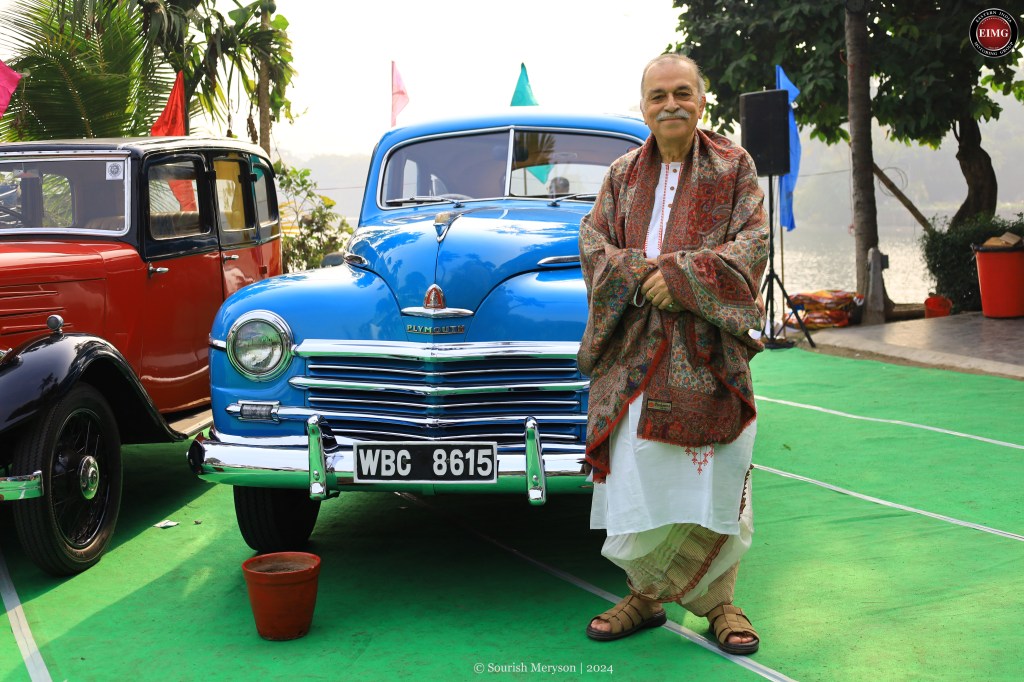
The 1948 Plymouth Special Deluxe once driven by legendary singer and composer Hemanta Mukhopadhyay and now owned by SK Lahiri was another beauty on display. The Lahiri family bought this car in the early 1970s and thoroughly restored it. Fondly referred to as ‘Nilu’, the car is meticulously maintained till date.
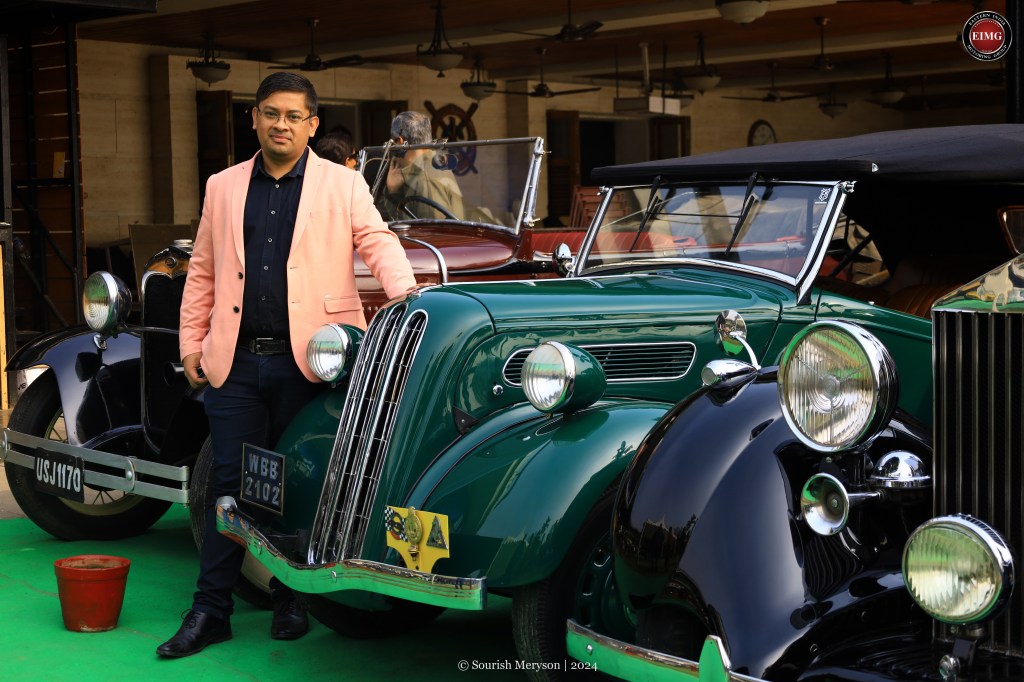
Saurjya Pratim Mitra’s brilliantly restored 1937 Ford 7W10 invited admiration and envy in equal measure. Rajiv Ghosh’s 1932 Ford V8, also referred to as The Ladybird also participated in this year’s Concours. A brilliant car which once belonged to Justice JP Mitter has been the proud possession of the Ghosh family and immaculately restored by the legendary Sanjay Ghosh.
A rare German car Adler manufactured in 1938 was proved to be a huge crowd puller. Presently owned by former top cop Mr. Gadai Chandra Dey, this car has a fascinating history. It was buried after the owner of the vehicle heard in 1939 that it would be acquisitioned by the American Army for its officers serving USA during World War II. It was later salvaged in 1965 and completely restored.
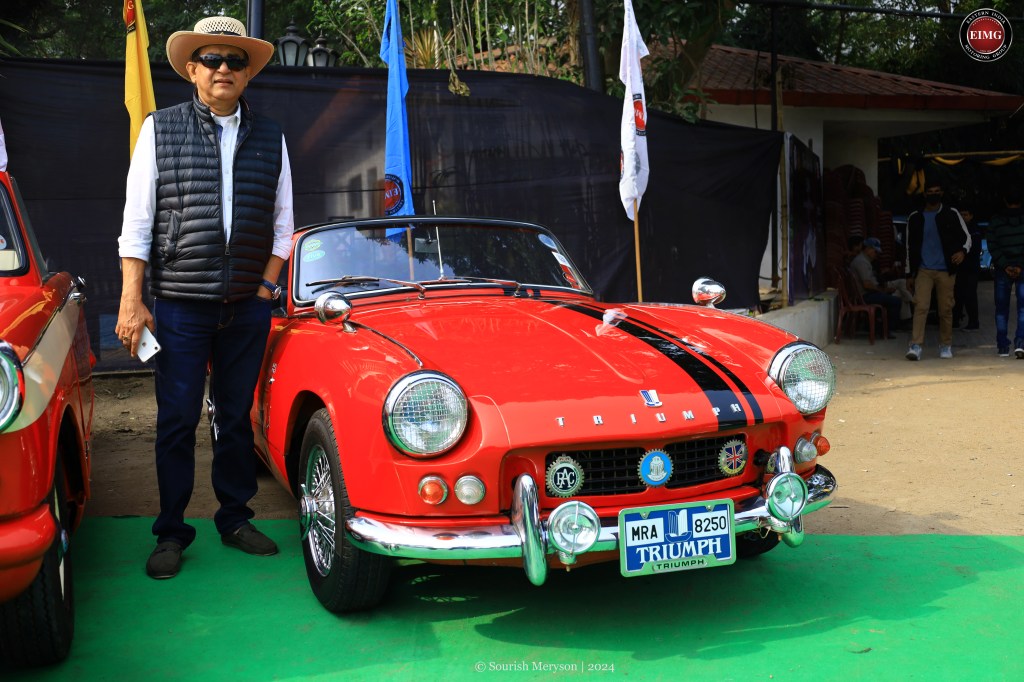
A 1963 Triumph Spitfire which was once owned by Bollywood actor Jackie Shroff has always been a popular car in the Kolkata circuit, much like its debonair owner Saikat Dutta. A Ford Anglia whose reference one gets in the writings of JK Rowling’s Harry Potter also evoked admiration from the visitors. Once owned by ace footballer Subhas Bhowmick, this car is presently the prized possession of Amritendu Roy.
Other noteworthy vehicles which took part in The Lake Club EIMG Concours d’Elegance 2024 were Avik Naha’s 1948 Buick Super 8, Siddharth Swarup’s 1947 Wolseley 14, Indrajit Sircar’s 1957 Wolseley 6/90, Sourajit Pal Choudhuri’s 1928 Ford Model A, Sarmistha Hazra’s 1965 Hillman Imp, Prithvi Nath Tagore’s 1958 Mercedes-Benz 180 A and Sarojesh Mukerjee’s 1959 Ford Zephyr.
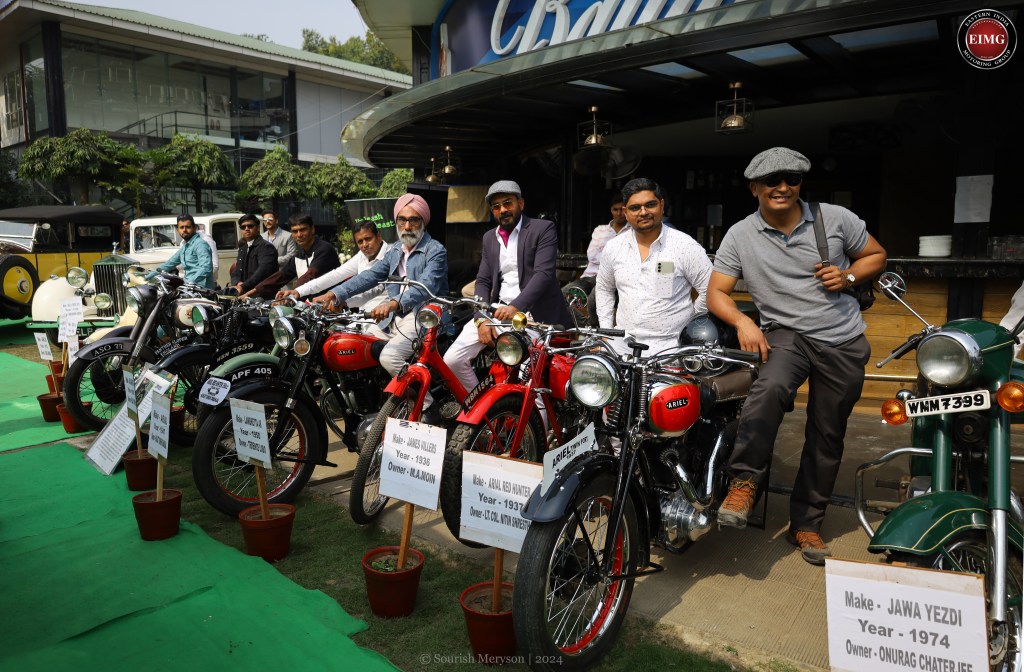
The two-wheeler section had as many as 14 participants among which Terence Lobo’s 1940 Triumph 3HW, Chandan Basu Mallik’s 1950 Norton Dominator, Lt. Col. Nitin Shrestha’s 1937 Arial Red Hunter deserve special mention.
Four immaculately restored Rolls-Royces along with a 1931 Chevrolet belonging to the Shrivardhan Kanoria Collection were also exhibited in the Concours. While these beauties weren’t entered in the competition, however, they added a touch of elegance and aristocracy to the event.
The heritage vehicles were judged by Shrivardhan Kanoria and his Concourz Restoration Team on the basis of Authenticity, Restoration, Maintenance, Historical Importance, and Rarity.
List of Winners:
Cars Built Upto 1930 – 1930 Plymouth Type 30U – Arijit Dutta
Cars Built From 1931 to 1940 – 1932 Ford V8 – Rajiv Ghosh
Cars Built From 1941 to 1950 – 1948 Plymouth Special Deluxe – SK Lahiri
Cars Built From 1951 to 1975 – 1958 Mercedes-Benz 180 A- Prithvi Nath Tagore
Vintage Two Door Cars – 1937 Opel Cabrio – Rajiv Ghosh
Classic Two Door Cars – 1947 MG TC – Himanshu Ajmera
Indian Heritage Cars – 1958 Standard Vanguard – Sarojesh Mukerjee
Two Wheelers – 1937 Arial Red Hunter – Lt. Col. Nitin Shrestha
Oldest Car Award – 1913 Stoewer – Ananda Chowdhury
Oldest Two Wheeler Award – 1923 Panther Sloper – Afzal Hossain
Preservation Award – 1947 Wolseley 14 – Siddharth Swarup
Restoration Award – 1937 Ford 7W10 – Saurjya Pratim Mitra
Resurrection Award – 1957 Wolseley 6/90 – Indrajit Sircar
Admirable Award – 1938 Rolls-Royce 25/30 – Avik Naha
Judge’s Choice Award – 1968 Fiat Delight – Rajiv Ghosh
Special Car Award – 1937 Rolls-Royce 25/30 – S.K. Karnani & ORS (HUF)