SEAT Break The Barrier Of 10 Million Vehicles Manufactured In Martorell

10m vehicles at Martorell 131218

The SEAT factory in Martorell, which this year celebrates its 25th anniversary, reached another milestone in 2018 by exceeding the figure of 10 million vehicles produced. In the past quarter century, 39 different models have rolled off the production lines of Spain’s largest car factory, ranging from the second generation SEAT Ibiza and the first SEAT Cordoba to the SEAT Arona or the Audi A1, which is now into its first few weeks of production.

The factory was inaugurated in 1993 following an investment of 244.5 billion pesetas (1.47 billion euros). SEAT transferred production there after 40 years in the old Zona Franca factory in Barcelona and since then, the brand’s main models have been made in Martorell, as well as Audi’s Q3 and A1. The factory is the Volkswagen Group’s third largest in Europe, and has become the benchmark smart factory of Industry 4.0.

The vehicle number 10 million, an Arona FR 1.5 TSI combining the colours Desired Red and Midnight Black, is on display this week in the Martorell factory as a part of the exhibition to commemorate the plant’s 25th anniversary. This Arona was built on the MQB A0 platform, which it shares with the Ibiza and newcomer Audi A1. SEAT was the Volkswagen Group’s first brand to use this platform, which allows for greater manufacturing flexibility as it supports various models and enables different kinds of body styles within the same segment, and has made it possible for Martorell to add three new models to its lines in the past 18 months.

SEAT Vice-president for Production and Logistics Dr. Christian Vollmer stated that “since its inauguration in 1993, the heart of SEAT has been known for being at the forefront of innovation. Thanks to continuous investment in technology and a highly qualified workforce, the factory has improved the quality of products and processes year after year until becoming what it is today – the factory that makes the most cars in Spain and a benchmark of Industry 4.0 and digitalisation.”

In these past 25 years, the production processes in the factory have evolved considerably. In this sense, SEAT is firmly committed to transforming the Martorell plant to Industry 4.0, with the goal of creating a factory that is smart, digitalised and connected, which adapts to production needs and processes, and which manages resources and communication among areas with greater efficiency.

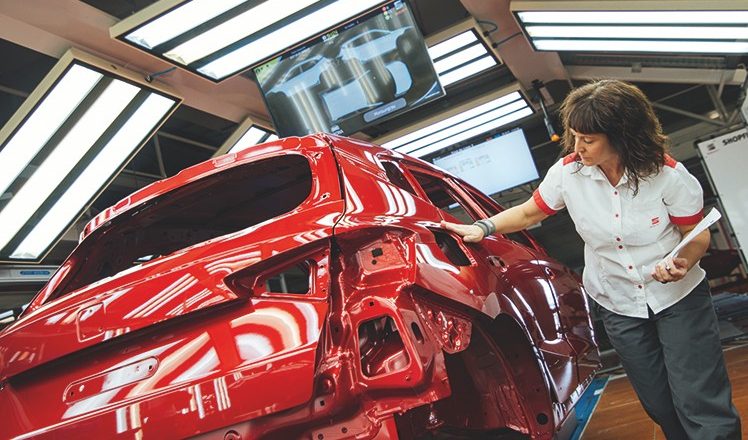
As an example of this transformation, today the factory has more than 2,000 robots which play an essential role. They are in constant movement to assemble the more than 3,000 parts that go into every new car, and they will play an even more important role in upcoming years. All of these 4.0 novelties coexist with the 8,000 workers at the factory, who turn out 2,400 cars every day, which is the equivalent of one car approximately every 30 seconds.

SEAT’s product offensive over the past two years has required a record investment and R&D expenditure figure, which last year amounted to 962 million euros. Today, the factory produces the Ibiza and the Leon, which will launch a new generation in 2019, as well as the urban crossover Arona. In addition, the Audi A1 has recently been added to the production lines. It is only being made in the SEAT factory and distributed to all the markets where it is sold. Audi allocated it to Martorell in the wake of the production success of the Audi Q3, which was made there exclusively for seven years.

Owing to the increase in production and in the number of models produced at the Martorell factory, as well as the launch of strategic projects related with car connectivity and the company’s digitalisation and the development and launch of the Tarraco, the workforce has increased to more than 15,000 professionals. Of these, more than 12,500 work In Martorell, both on the production line as in the company’s central services and the SEAT Technical Centre, where all of the brand’s vehicles are designed and developed. In 2018 alone, more than 500 employees joined the company with an open-ended contract.
Nissan India Open Bookings For New Nissan Kicks

Nissan Kicks 2

Nissan India commenced bookings of the new Nissan Kicks at Rs 25,000 across all Nissan dealerships in India. Customers can also book the Kicks online on http://www.nissan.in

Commenting on the announcement, Hardeep Singh Brar, Director, Sales and Commercial, Nissan Motors India Ltd., said, “The new Nissan KICKS is a testimony to our commitment to bring the best of global products and technology to our customers in India. We are confident that with its progressive SUV design and advanced technology, the KICKS will appeal to new-age urban adventure seekers.”

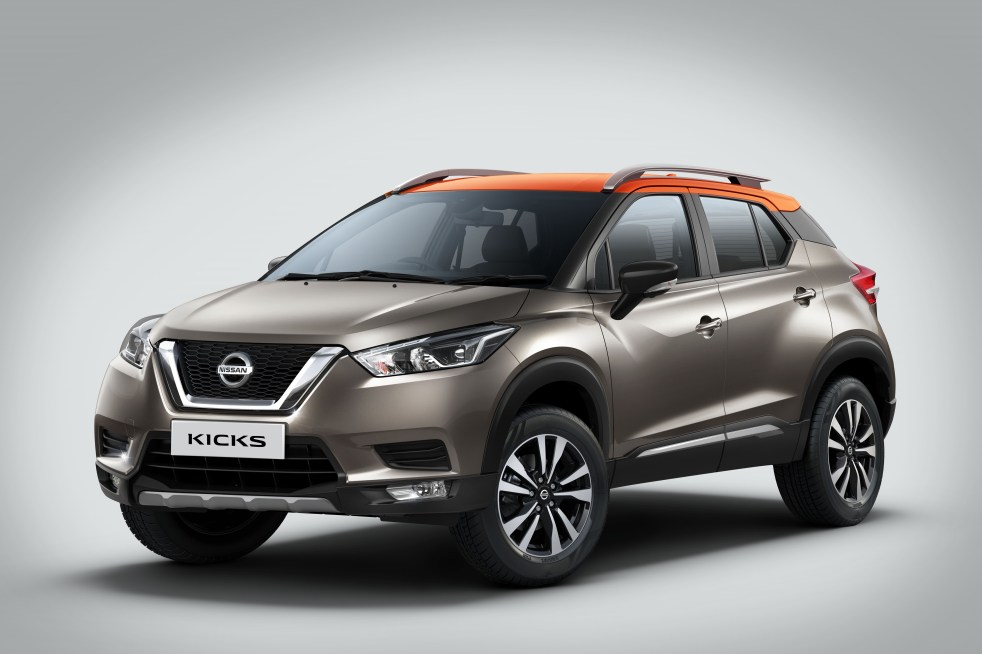
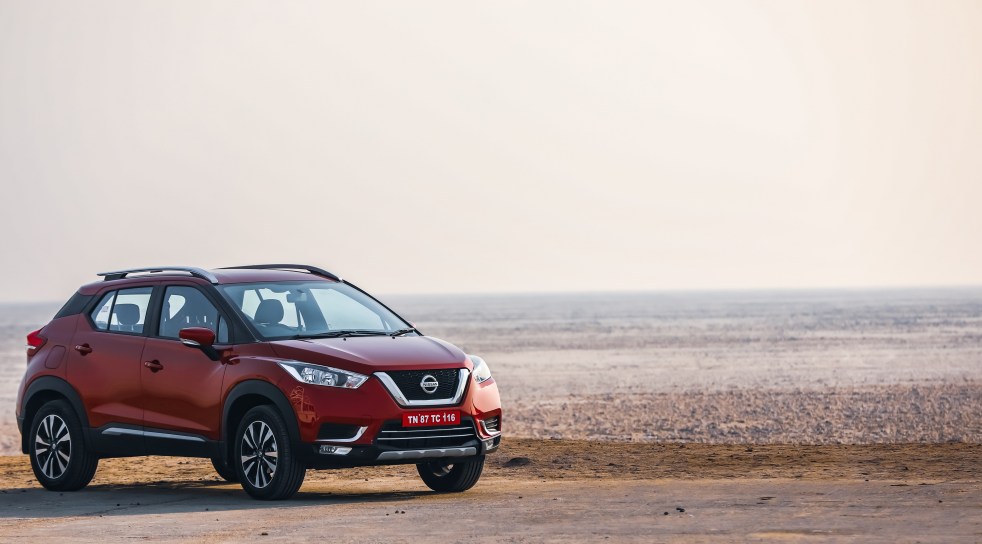
The Nissan Kicks sports a wider and robust style underlined by a Dynamic Sonic Plus line, Wheel-oriented Stance and a Distinctive 3-dimensional presence. The body is designed and built with GRAPHENE (Gravity-philic Energy Absorption) body structure, which has inherent capability to absorb impact energy making the new Nissan Kicks safer and durable on Indian roads.

The Nissan Kicks offers a host of established design signatures and features e.g. floating roof design created by blacked out pillars with stylish roof rail and signature LED DRL, shark fin antenna, front fog lamps and door mounted ORVS with indicators. The bold V-motion grille, a signature motif in Nissan’s design language adds to new Kicks’ distinctive presence. The uniquely designed headlamps and tail lights feature iconic boomerang-shaped LED signature lamps to add character.

The wheel-oriented stance is further enhanced by R17, 5-spoke machined-alloy wheels. The bold styling with dynamic stance and glamorous fender arch bring out the solidity and elegance in the new Nissan Kicks, while substantial face and back style provide a masculine and rugged presence on the Indian roads.

Ducati Forays Into The Pre-Owned Bike Segment In India With Ducati Approved

Ducati-Multistrada-1200-Enduro-Pro-L

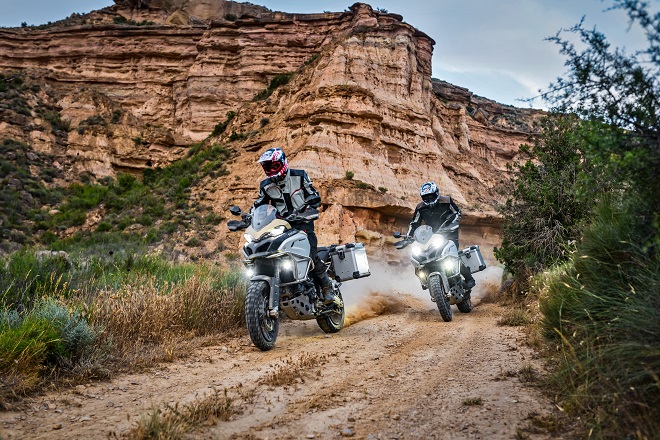
Luxury motorcycle brand, Ducati has announced its entry in the pre-owned bike market in India through the Ducati Approved program. The program allows motorcycle enthusiasts to enter the world of Ducati with a pre-owned motorcycle with the certainty of its quality and performance for a true Ducati experience.

Ducati Approved is a certified pre-owned motorcycle program wherein Ducati entrusts the work to qualified Ducati Service technicians who select and inspect every bike, certifying its history. Only a bike less than 5 years old, with certified mileage lower than 50,000 km and that has passed 35 rigorous technical checks can be certified as Ducati Approved.

Ducati Approved program includes specialised assistance by the official Ducati network in India including Roadside Assistance. The program extends 12-month warranty coverage with the possibility of warranty transfer to the new owner in case of sale. Under this program, costs of materials and labour charges will be covered by Ducati dealers without any advance payment and as per agreed terms & conditions.

Sergi Canovas, Managing Director, Ducati India, said “Our entry in the pre-owned segment in India will make Ducati more accessible to passionate bikers who aspire for the luxurious & premium experience offered by Ducati motorcycles. I believe that Ducati Approved program will help bike enthusiasts in upgrading themselves to their dream machine in a cost efficient and assured manner. With this program, our aim is to sell bikes with the same level of sophistication and authenticity as offered with a new Ducati.”

Nissan India Announces The Production Of New Kicks

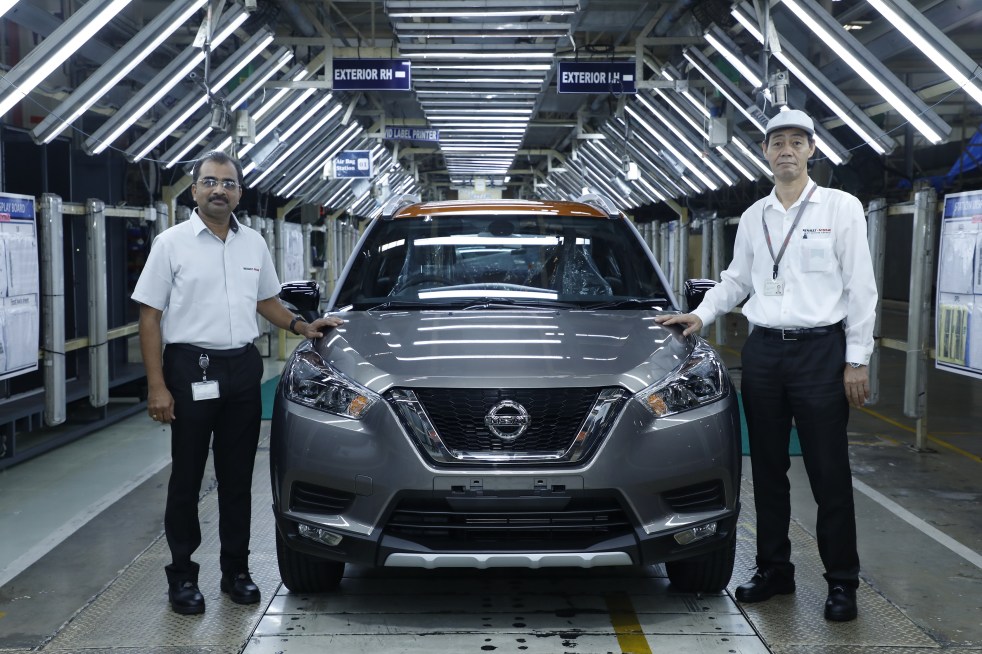
SOP New Nissan KICKSL to R: Biju Balendran, Managing Director and Chief Executive Officer, Renault Nissan Automotive India (RNAIPL) and Takashi Hashimoto, SVP, RNTBCI (Renault-Nissan Technology and Business Centre India Private Ltd)
Nissan India today announced the start-of-production of New Kicks by rolling out the first vehicle from its Chennai plant. With this, the company is gearing up for the launch of this SUV in January 2019.

“Commenting on the announcement, Thomas Kuehl, President, Nissan India Operations said, “We are excited to announce the start-of-production of New Nissan KICKS at our plant in Chennai. We had recently showcased the New Nissan KICKS which has created a lot of buzz and excitement amongst SUV enthusiasts across the country. Designed to appeal to the new-age urban adventure seeker, the KICKS is a testimony to our commitment to the Indian consumers and also reflects the SUV heritage of Nissan.”

Aston Martin Works Create First Reversible EV Powertrain Concept

1652040_Heritage EV Concept (7)

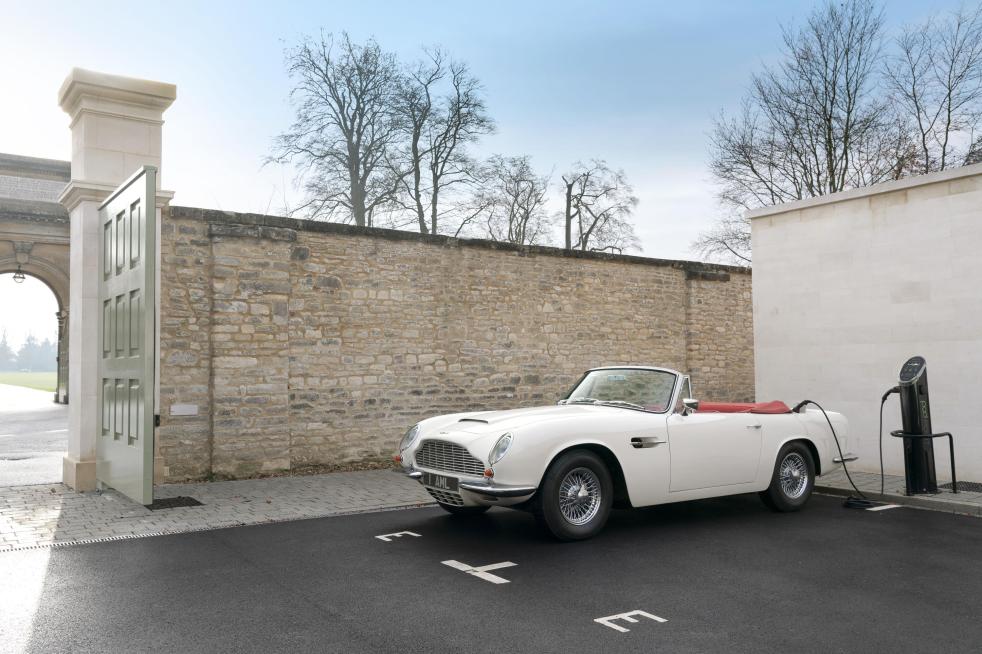
With interest in classic cars growing every year and values of heritage models at an all-time high, Aston Martin Lagonda has pioneered a bold new plan: to future-proof these increasingly precious machines by creating the world’s first reversible EV powertrain conversion.

Conceived as an integral part of the company’s wider EV strategy, the Heritage electrification concept has been led by Aston Martin Works at Newport Pagnell. Developed around a so-called “cassette” EV powertrain, the objective is to mitigate any future legislation to restrict the use of classic cars by offering a zero emissions conversion.

1652046_Heritage EV Concept (13)

Using knowledge acquired by Aston Martin during the final phase development of the Rapide E and future planning of the all-new range of Lagondas, the Aston Martin Works’ Heritage EV conversion employs state-of-the-art thinking and technology. Production versions of the revolutionary EV cassette will include key components from the Rapide E programme.

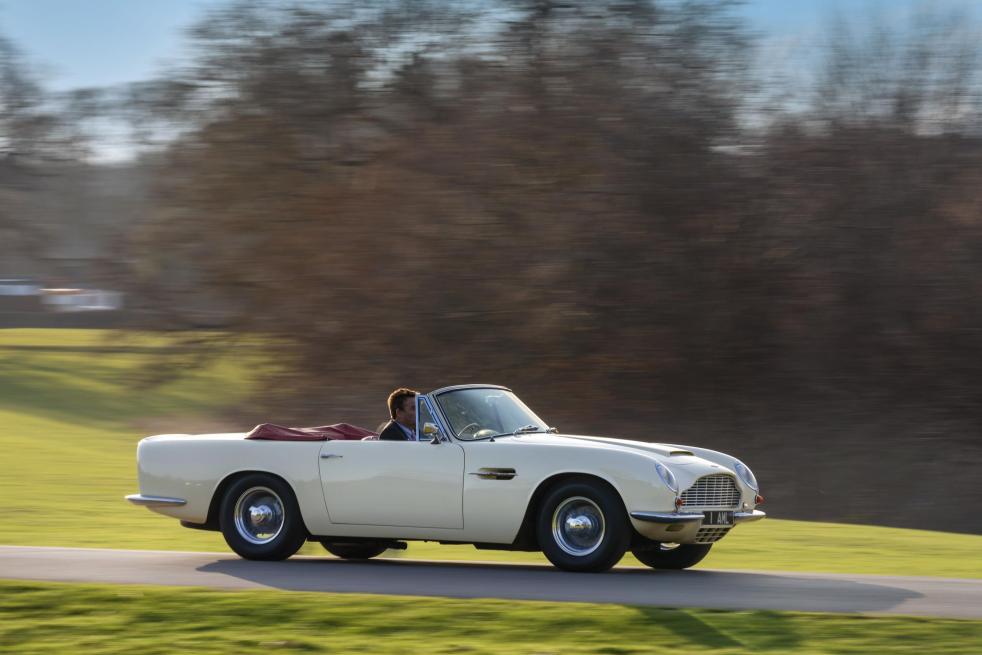
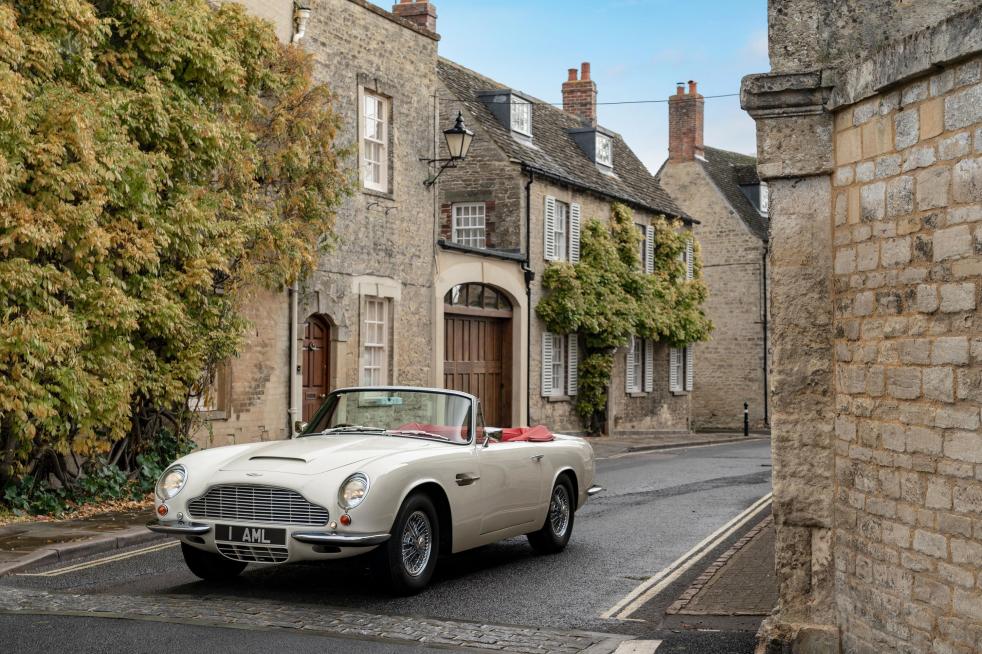
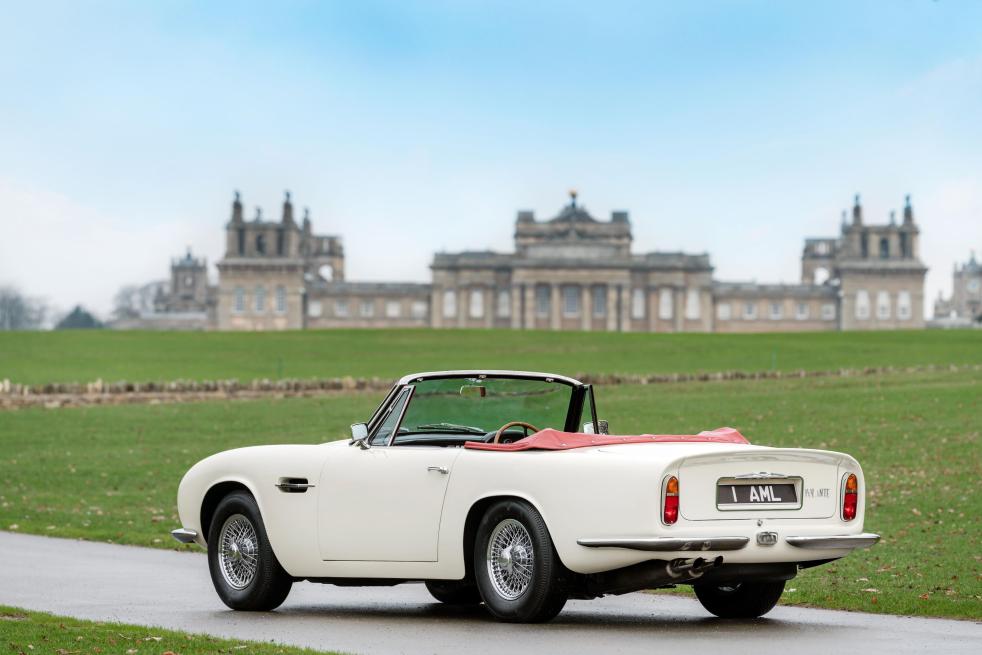
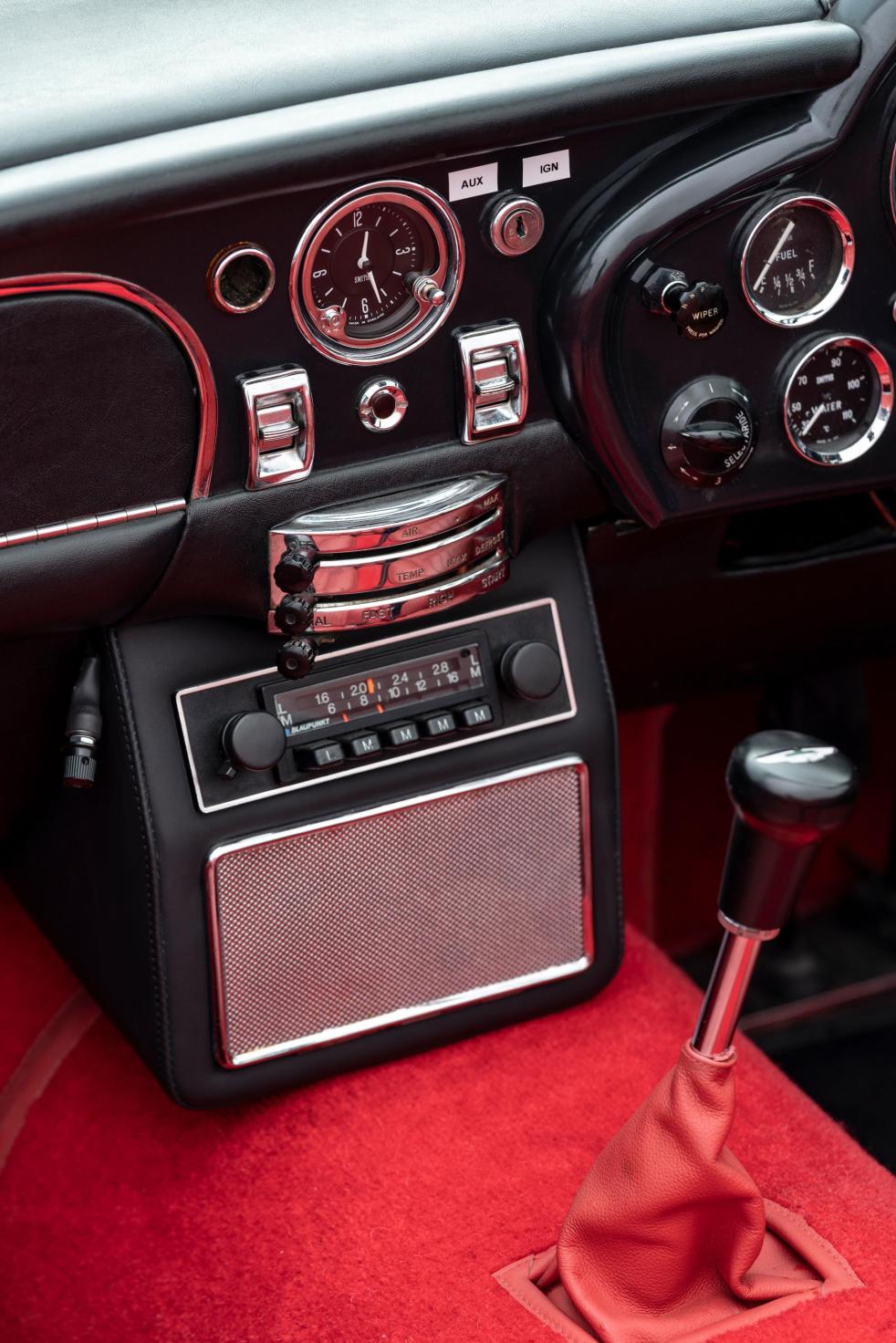
The first car to receive the radical new EV powertrain is an original 1970 DB6 MkII Volante, which would have been originally hand-crafted at Newport Pagnell. Sitting on the original engine and gearbox mountings, the cassette is enclosed within its own self-contained cell. Umbilical cords from the power unit then feed the car’s electrical systems. Power management is operated via a dedicated screen, which is discreetly fitted to the car’s interior.

1652020_Heritage EV Concept (4)

Given the historical significance of these collectors cars it’s vital any EV conversion is sympathetic to the integrity of the original car. The cassette system offers the perfect solution, offering owners the reassurance of knowing their car is future-proofed and socially responsible, yet still an authentic Aston Martin with the ability to reinstate its original powertrain if desired.

Andy Palmer, Aston Martin Lagonda President and Group Chief Executive Officer, said of the Heritage EV concept: “We are very aware of the environmental and social pressures that threaten to restrict the use of classic cars in the years to come. Our Second Century Plan not only encompasses our new and future models, but also protects our treasured heritage. I believe this not only makes Aston Martin unique, but a truly forward-thinking leader in this field.”

1652030_Heritage EV Concept (1)

Paul Spires, President Aston Martin Works commented: “We have been looking for some time to find a way of protecting our customers’ long-term enjoyment of their cars. Driving a classic Aston Martin on pure EV power is a unique experience and one that will no doubt be extremely attractive to many owners, especially those who live in city centres. We also foresee collectors adding another dimension to their collection by commissioning EV-converted heritage cars.”

Having handled the initial concept evaluation and build of the proof-of-concept DB6 Volante, Aston Martin Works will also be responsible for completing customer Heritage EV conversions, which are expected to commence in 2019.

A bold and progressive solution to a growing issue, the Heritage EV programme ensures Aston Martin’s glorious past also has a sustainable, bright and exciting future.

1652051_Heritage EV Concept (9)

Nissan Unleashes All-New Leaf NISMO RC Electric Race Car

1650220_2018 LEAF NISMO RC track 21

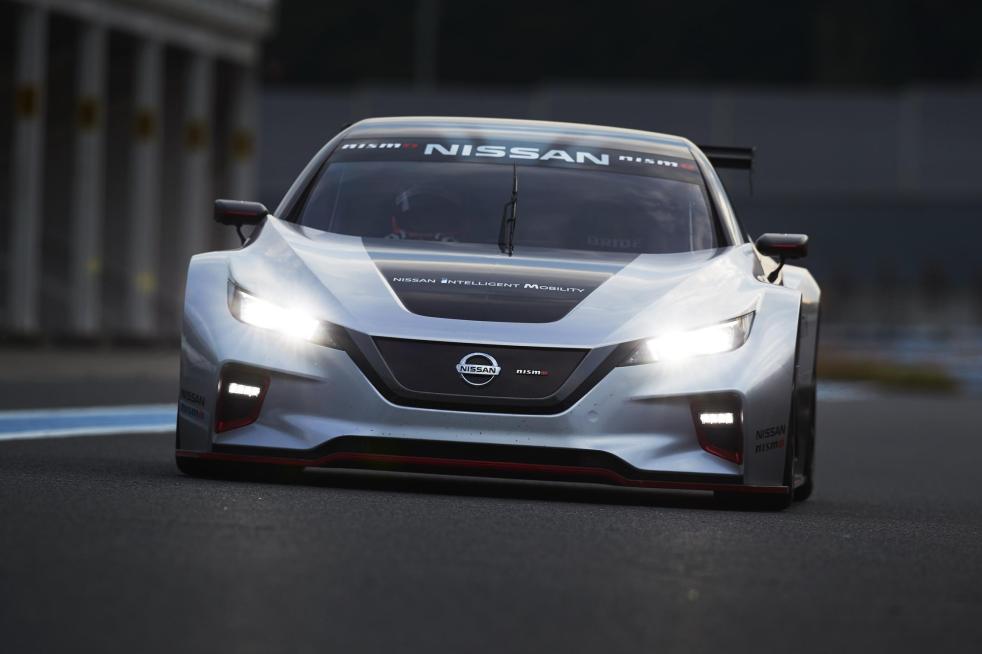
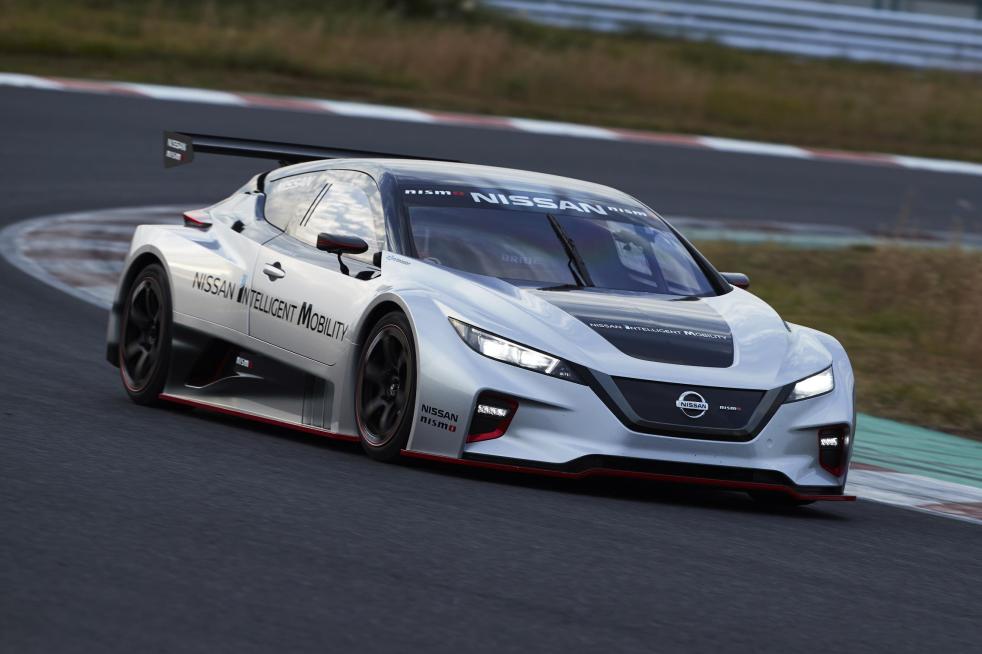
The all-new Nissan Leaf NISMO RC, an electric race car with more than double the maximum power and torque output of its predecessor, was unveiled today in Tokyo.

The unveiling took place at Nissan Crossing in the city’s Ginza district. The car, which was developed by Nissan’s racing arm, NISMO, with its race technology know-how, will officially debut on December 2 at the annual NISMO Festival at Fuji International Speedway, appearing alongside Nissan’s new Formula E electric race car.

With dual electric motors, all-wheel drive and an aggressive, restyled body shape, the purpose-built car demonstrates how Nissan’s electric vehicle technology can deliver exciting yet quiet, zero-emission power – a key component of the company’s Nissan Intelligent Mobility vision. The model is equipped with advanced battery technology and drivetrain components from the Nissan Leaf, the world’s best-selling electric car.

“The all-new LEAF NISMO RC shows how we’re setting our sights even higher when it comes to raw power and performance – making electric vehicles even more exciting for customers,” said Executive Vice President Daniele Schillaci, Nissan’s global head of marketing, sales and electric vehicles. “It’s our most thrilling expression yet of the philosophy of Nissan Intelligent Mobility.”

Nissan plans to build six all-new Leaf NISMO RC vehicles to deploy around the world, so that fans can experience the power and excitement firsthand.

1650223_2018 LEAF NISMO RC track 02

Powering the all-new Nissan Leaf NISMO RC are two electric motors at opposite ends of the chassis. The motors produce 240 kilowatts combined (120 kW each) and an astounding 640 Nm of instant torque to the wheels. They more than double the maximum power and the torque output of the previous Leaf NISMO RC, which was introduced in 2011. Drivetrain technology sourced from the new Nissan Leaf include the high-capacity lithium-ion battery and inverters.

A new all-wheel-drive system gives the Leaf NISMO RC its outstanding cornering prowess. Power is managed independently to each axle, instantly supplying torque to the tire with the most grip to let the car maneouvre quickly and efficiently around the track. Similar to the previous model, chassis weight balance has been optimized by the midship location of the battery pack, with the electric motors and inverters ideally placed over the front and rear tires.

The Leaf NISMO RC features a multitude of lightweight components and a full carbon-fiber racing monocoque structure, allowing it to tip the scales at just 1,220 kilograms. The power-to-weight ratio results in an impressive performance of 0 to 100 kmph (0-62 mph) in just 3.4 seconds – 50 per cent quicker than the previous model.

While the exterior of the all-new Nissan Leaf NISMO RC is based on the original Leaf NISMO RC, it sports a more aggressive exterior. A long hood and Nissan’s signature V-motion grille highlight the totally restyled front end. The distinctive silver-and-black paint scheme with NISMO red accents – similar to the Nissan Formula E car – make the Leaf NISMO RC seem like it’s in constant motion, even when sitting still at the starting line.

The car’s three-piece bodywork includes removable front and rear sections, fixed windows, LED headlights and tail lights, and an adjustable rear wing for ideal downforce on the tarmac. The model is slightly longer than its predecessor, with an overall length of 4,546 mm and a wheelbase that measures 2,750 mm. The Nissan Leaf NISMO RC sits wide and low to the ground, with its wind-cutting form measuring only 1,212 mm from roof to road – more than 300 mm less than the production Nissan Leaf.

New Nissan Kicks Is The ‘Official Car Of The ICC Cricket World Cup’

Nissan_Kicks_Front

The most awaited SUV in India, New Nissan Kicks is also the ‘Official Car of ICC Cricket World Cup 2019’. As the Official Car, Nissan Kicks will carry the ICC Cricket World Cup Trophy during its tour across India scheduled from 30th November till 26th December.

Talking about the Nissan ICC association and the Trophy Tour in India, Thomas Kuehl, President, Nissan India Operations, said, “Cricket in India is much more than just a sport. And we take pride in being an integral part of this sport which unites the nation together. As the official car, NEW Nissan KICKS makes a debut for our consumers in the country and is proud to drive the ICC Cricket World Cup 2019 Trophy Tour to millions of fans across India”.

The India leg of the tour will see the New Nissan Kicks take the baton and carry the ICC Cricket World Cup trophy across eight major cities, starting from Mumbai and covering Pune, Ahmedabad, Bangalore, Chennai, Kolkata, Hyderabad and Delhi/NCR. As part of the tour, the trophy along with the new Nissan Kicks will be on display at key locations in each of the cities including shopping malls, colleges and business centers. Cricket fans will get a chance to see the trophy before Team India embarks on its mission to win the ICC Cricket World Cup for the third time, after 1983 and 2011. Familiar celebrities in the cricketing world like Gautam Gambhir, Akash Chopra, Gaurav Kapur and Mayanti Langer will be part of the Trophy Tour activations as well. The ICC Cricket World Cup is scheduled from 30 May to 14 July 2019 and will be hosted by England and Wales.

The ICC Cricket World Cup Trophy will be the first public display of the New Nissan Kicks and consumers will get an opportunity to see the car up close. Nissan Kicks is scheduled to be launched early next year. With its progressive SUV design and advanced technology it is set to appeal to the new age urban adventure seeker, many of them being die-hard cricket fans.

Nissan has an 8-year partnership with the International Cricket Council, part of its commitment to the most exciting and innovative global sports, which also includes the UEFA Champions League, City Football Group and FIA Formula E.

Aston Martin DBX Prototype Begins Testing

1642173_Aston Martin DBX_Prototype_01

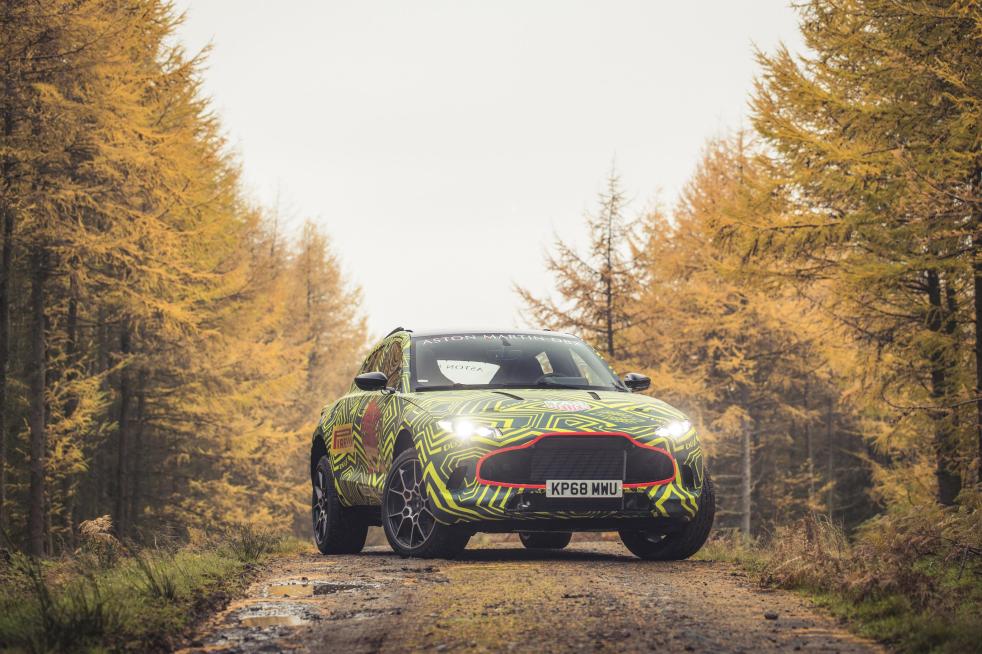
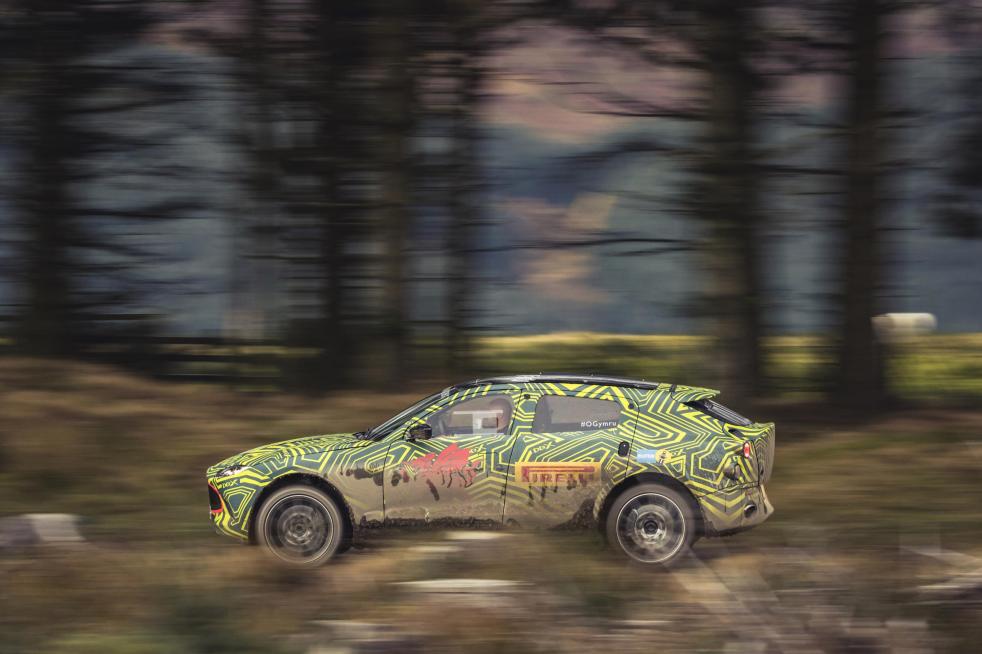
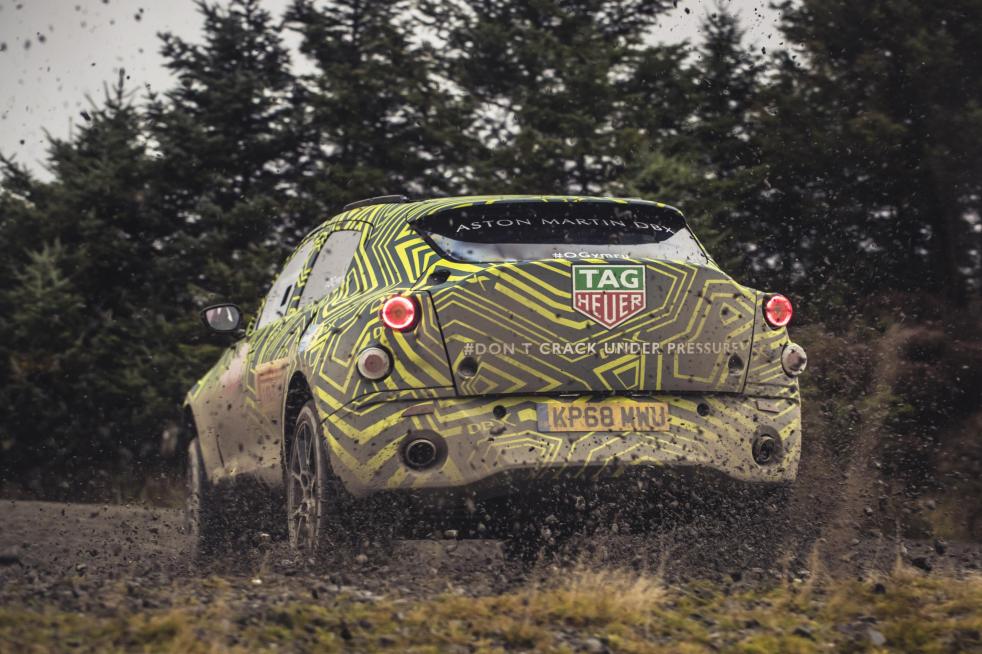
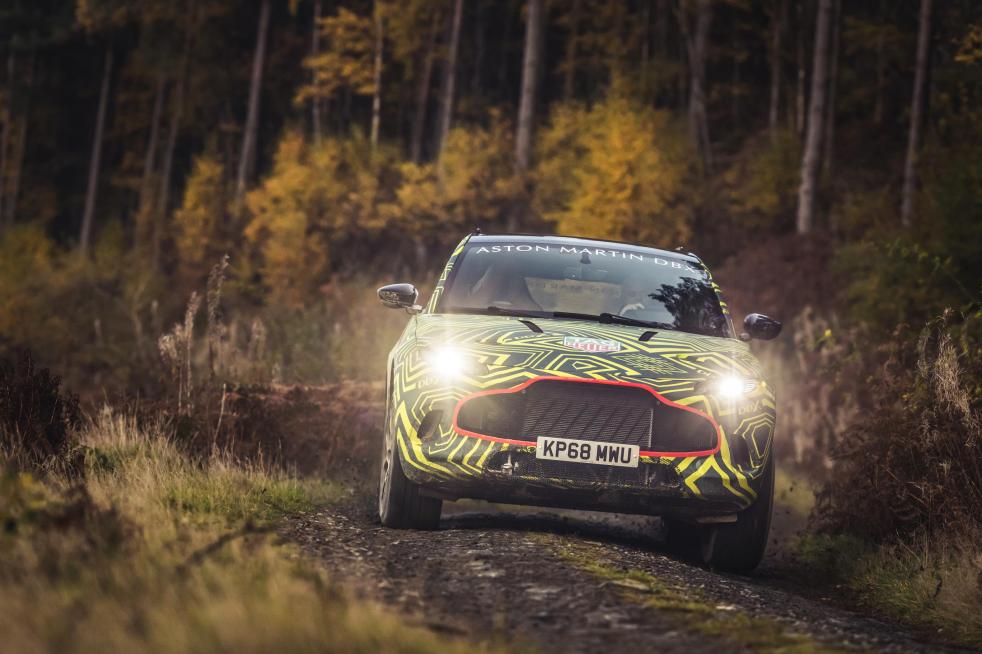
Aston Martin has made a significant and symbolic stride towards the luxury brand’s first SUV – now officially confirmed as being named DBX – with the first development prototype being put through its paces along a demanding Welsh Rally stage in the hands of the company’s Chief Engineer, Matt Becker.

This first test for DBX signifies the start of an extensive testing programme. One that has begun in Wales, as a nod to Aston Martins’ new St Athan production facility in the Vale of Glamorgan.

1642211_Aston Martin DBX_Prototype_07

Though simulation is an essential part of DBX’s early development phase, this first prototype drive in Wales signifies the start of ‘real world’ testing, in which the SUV will be subjected to a punishing regime that will ultimately see development prototypes of the all-new machine tackle some of the world’s harshest environments, from the frozen Arctic and scorching deserts of the Middle East to high Alpine passes and the high-speed demands of the German autobahnen and Nurburgring Nordschleife.

The unique nature of DBX in the Aston Martin range means it requires a dedicated test programme; one that features new processes, procedures and standards that reflect its all-purpose role. So, while it will perform with the verve and poise of a true Aston Martin, its dynamic envelope has to extend into areas previously off-limits to the marque’s sporting roots. Naturally this includes impressive multi-terrain and towing capabilities as befits a state-of-the-art SUV.

1642187_Aston Martin DBX_Prototype_05

Speaking of his drive in the DBX development prototype, Aston Martin Chief Engineer, Matt Becker, said: “We have already developed and tuned DBX in the driving simulator, which has enabled us to make excellent progress in advance of the first physical prototype cars being available. Still, it’s always a big day when you get to put the first actual miles on an early prototype and I’m delighted with the near perfect correlation between the simulator and this prototype. As an engineer, it’s genuinely exciting to get a feel for the car you’re working to create. DBX is a very different kind of Aston Martin, but we will be testing it in all conditions and across all terrains to ensure it delivers a driving experience worthy of the wings badge”

1642186_Aston Martin DBX_Prototype_03

DBX is scheduled to be unveiled in the last quarter of 2019 and will be built at Aston Martin Lagonda’s St Athan facility; a state-of-the-art luxury manufacturing plant that will ultimately become the ‘Home of Electrification’ when the marque’s fully-EV models enter production.

Aston Martin Lagonda President and Group Chief Executive Officer, Andy Palmer said: “Seeing a DBX development prototype in action is a momentous chapter in the story of our first SUV, for it is the moment it really comes alive. DBX is so much more than ‘just’ an SUV; it will be the first model built at our brand-new facility in St Athan. As such, it is very much the start of a bold new era in the company’s long history.”

SEAT 1400 Celebrates Its 65th Anniversary

1400_13.11.53

The car that launched SEAT is celebrating its 65th anniversary this year. The SEAT 1400 marked the beginning of the brand’s story and formed the platform for its future success.

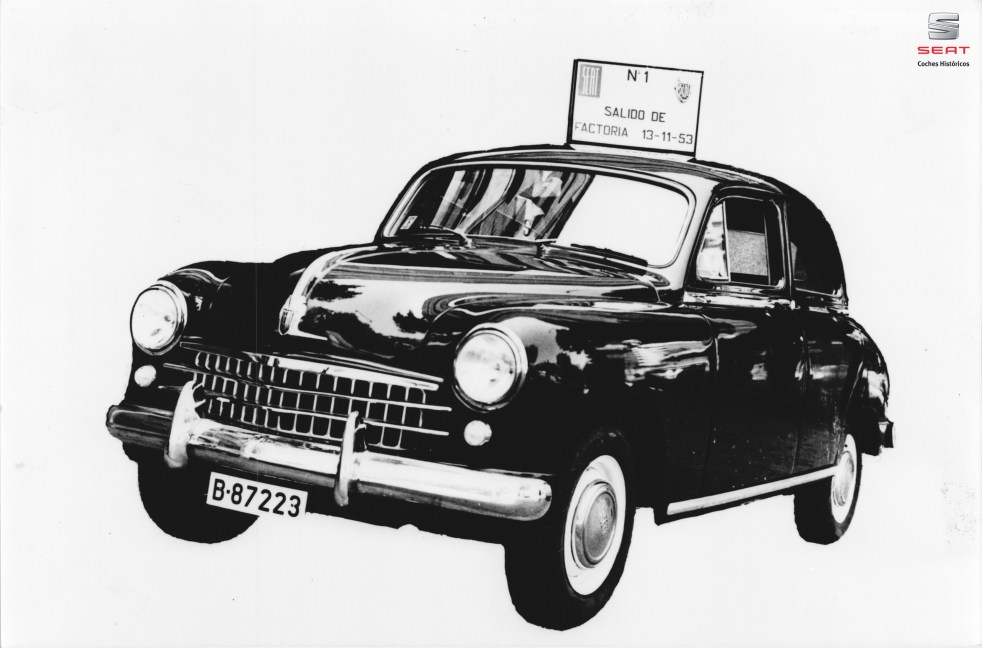
The first SEAT 1400 – with registration plate number B-87.223 – rolled off the production line at the brand’s Zona Franca factory in Barcelona on the 13th November 1953, just three years after the brand had been formed.

Priced at 117,000 pesetas (around €705 or £616), the production rate was just five vehicles a day during the first year, but that number would rapidly climb.

Conceived as the vehicle to build the foundations of SEAT’s business, the 1400 was an impressively executed four-door, front engine, rear-wheel drive saloon, equally at home as an official state authority vehicle or providing transportation to the masses as a public taxi.

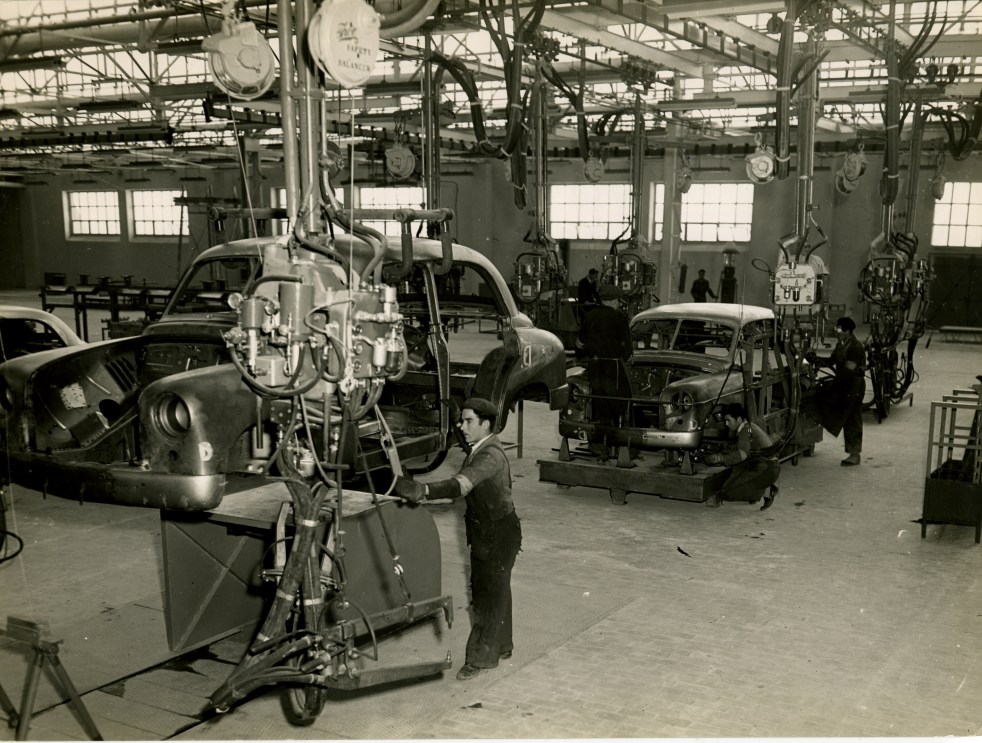
Built at SEAT’s manufacturing plant in Barcelona, with an initial workforce of 925 employees, the 1400’s technical specifications were reflective of the period: longitudinally mounted petrol engine at the front with power delivered to the rigid rear axle which incorporated a differential.

SEAT 1400-B FABRICACION 1956

That engine was a four-cylinder unit with a displacement of 1,395cc, linked to a four-speed manual transmission and with a maximum output of 44 PS, giving it a top speed of 120 kmph.

The chassis incorporated helical springs that produced an elastic effect on the rear suspension, and longitudinal semi-cantilever springs – which acted as thrust arms – to give it anti-roll stabilisation. A Panhard rod ensured the lateral positioning of the axle. This setup was ultra-modern for the time.

The 1400’s exterior took its design cue from American vehicles of the time, with a rounded rear shape extenuated by conical-shaped rear lights, but it also introduced curved, one-piece windscreens and a heating system to the market.

As well as appealing aesthetics, the SEAT 1400 also offered more than sufficient performance. Its 48-litre fuel tank gave it significant range thanks to its fuel consumption figure of 10.5 litres/100km (27mpg) and it would gladly cruise at 100 kmph (62 mph).

By the end of the SEAT 1400’s initial production run in 1954, 1,345 units had been produced, but that was just the beginning of the car’s life. The 1400 family continued with the introduction of the 1400 A in 1954, the 1400 B in 1956 and 1400 C in 1960, along with a number of special versions.

With each version came improvements to the performance and design, helping solidify its position in the market and grow SEAT as a brand.

The 1400 helped SEAT’s growth skyrocket. Initial production numbers were small, by the end of 1954, 959 units were delivered, however a year later annual production was tipping towards 3,000 – and the 1400 was produced with nearly 100 per cent nationally sourced components.

In 1956 7,000 vehicles were manufactured, with that number hitting 10,000 a year later. By the end of its life, 98,978 units had been sold and its place in history was guaranteed.

Jaguar F-TYPE Rally Cars Celebrate 70 Years Of Sports Car Heritage

1640730_Jaguar_F-TYPE_Rally_Special_01_121118

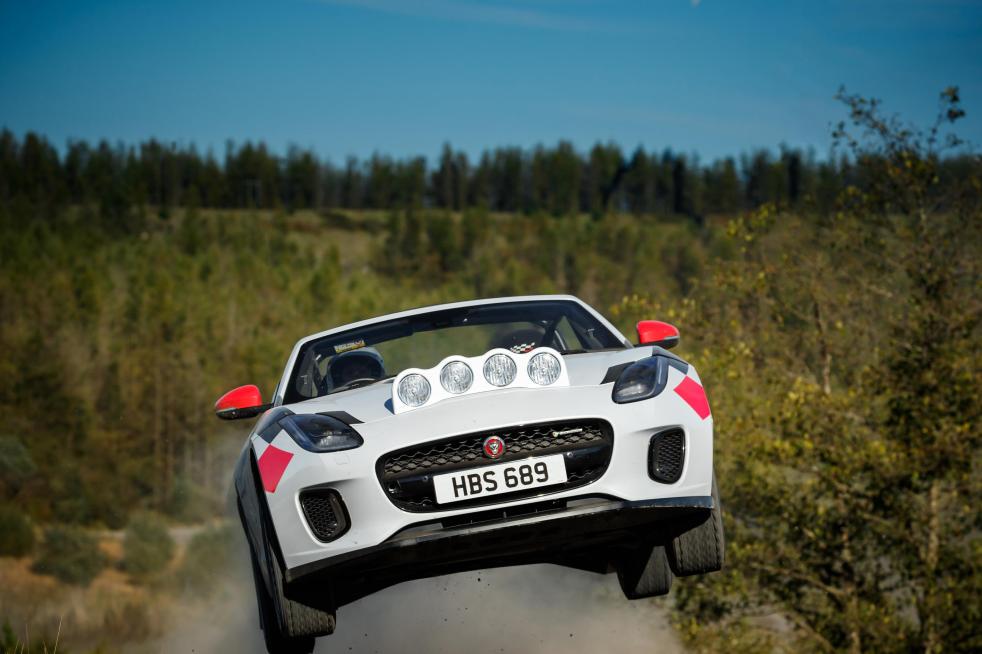
Jaguar has developed two F-TYPE Convertible rally cars, with design cues from the F-TYPE Chequered Flag Limited Edition, to continue its celebration of 70 years of sports car heritage since the XK 120 was revealed in 1948.

The one-off F-TYPE rally cars also pay homage to the legendary Jaguar XK 120 registered ‘NUB 120’ which, in the early 1950s in the hands of Ian Appleyard, completed three consecutive Alpine Rallies without incurring a single penalty point, and won the RAC and Tulip.

Both rally-specification F-TYPE Convertibles are powered by Jaguar’s 300PS 2.0-litre Ingenium four-cylinder petrol engine. With modifications overseen by Jaguar Design and Engineering, both cars were built to FIA specification, with comprehensively upgraded brakes and suspension fitted alongside a protective roll-cage, race-seats with six-point harness, bonnet-mounted light pod and fire extinguisher.

Ian Callum, Jaguar Director of Design, said: “The opportunity to design a rally car doesn’t come along very often so I was fascinated to see how we could take our modern day sports car to a similar character. These models are a fitting tribute to the XK 120 and all the great Jaguar sports cars since its reveal 70 years ago, including the latest F-TYPE Chequered Flag Limited Edition.”

The rally F-TYPEs feature upgrades to the brakes, suspension and drivetrain including the addition of grooved discs with four-piston calipers front and rear. Hand-built competition dampers and softer springs ensure the high performance cars can be driven flat-out over rough rally stages. Three-way adjustable dampers allow the cars to be tuned for different surfaces and feature spherical bearings for added precision. With motorsport-spec wheels and tyres specifically for use on gravel, a limited-slip differential improves power delivery on loose surfaces while a hydraulic handbrake helps drivers tackle hairpin bends.

The celebratory models were put through their paces at Walters Arena rally stage, South Wales, to demonstrate their performance credentials and will now attend a series of Jaguar events over the next few months.

The rally cars’ livery takes design inspiration from the new F-TYPE Chequered Flag Limited Edition, which features a range of subtle exterior visual enhancements, including unique 20-inch Gloss Black wheels with a Diamond Turned finish and a Black Contrast roof on the Coupé. Inside, the luxurious Ebony Windsor Leather interior features Performance seats with embossed Chequered Flag headrests and a Dark Brushed Aluminium centre console trim finisher.