New Naming Strategy At Volkswagen

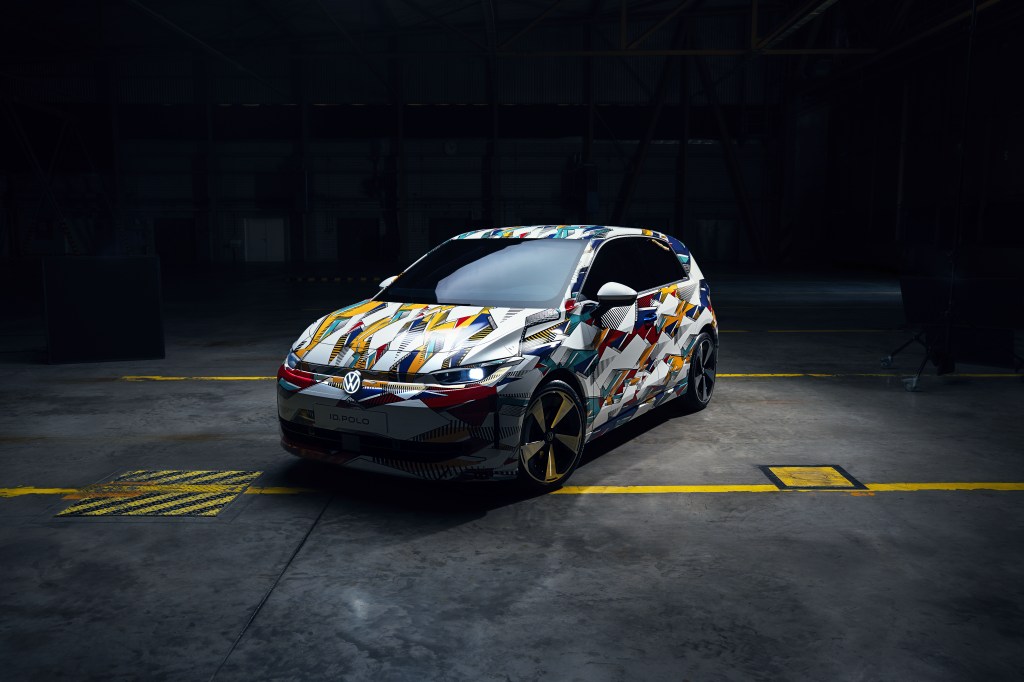
Volkswagen is also setting the course for the future when it comes to model names: with a new naming strategy that also transfers the familiar designations of combustion-engine models to its all-electric ID. family. The first model to be launched will be the ID. Polo1 from 2026. The concept car is known as the ID. 2all.

Thomas Schäfer, CEO of the Volkswagen brand, Head of the Brand Group Core and member of the Group Board of Management: “Our model names are firmly anchored in people’s minds. They stand for a strong brand and embody characteristics such as quality, timeless design and technologies for all. That’s why we’re moving our well-known names into the future. The ID. Polo is just the beginning.”

Volkswagen will transfer more established names to the electric portfolio with each new model generation. At the same time, all vehicles with conventional drives will continue to run under their previous names. With this strategy, Volkswagen is bringing together the electric and combustion engine worlds, helping customers navigate the brand’s product range more easily in the future.

The designation ID. stands for advanced technologies and electric mobility. The Polo has always stood for quality, safety and democratisation of innovations. The new ID. Polo combines these characteristics and will be launched with its new name in the Polo’s 50th anniversary year as the first model of this strategy.

Martin Sander, Member of the Volkswagen Brand Board of Management for Sales, Marketing and Aftersales: “Our cars often accompany people for many years – they shape memories and stages of life. A model like the Polo shows just how powerful a name can be: it stands for reliability, personality and history. That’s precisely why we are again giving our ID. models names that arouse emotions and are anchored in people’s everyday lives. Electric mobility should not only be progressive, but also accessible and personal.”

The second future ID. model for the small car segment will evoke special emotions. Martin Sander: “We are bringing one of our strongest brands, the GTI, into the electric world. Also launching in 2026, the ID. GTI Concept2 model will go into production as the ID. Polo GTI. It will offer outstanding dynamics and plenty of driving pleasure.”

The still-camouflaged ID. Polo and ID. Polo GTI will make their first public appearance worldwide at the IAA MOBILITY in Munich (8 to 14 September). The day before, on 7 September, Volkswagen will unveil the concept vehicle for an electric compact SUV, the new ID. CROSS Concept, in a world premiere. The production version of this concept vehicle – the ID. Cross1 – will be launched at the end of 2026 as the electric counterpart to the T-Cross.

For Volkswagen, the premiere of the smaller and more compact vehicles in its electric family marks the start of a new era – it will make electric driving more affordable than ever, thanks to new models such as the ID. Polo and ID. Cross. These new models show clearly that Volkswagen is responding closely to customer feedback. This is evident, among other things, in the high level of quality with soft materials, the intelligent combination of digital and physical controls such as buttons and knobs in the steering wheel and cockpit, as well as the intuitive operating concept.

Volkswagen introduced the naming of the ID. family in 2018. It designates the stand-alone all-electric product range in the Volkswagen brand portfolio. The first model to be launched was the ID.3. Further models followed, which are also differentiated by model numbers depending on the vehicle segment. The largest model is the ID.7, available as a saloon and estate. This is currently the market leader in Germany and Europe.
Volkswagen Cars Now More Finely Tuned Than Ever Before

Millions of motorists are about to hit the open road as they head to music festivals and make the most of the August Bank Holiday – so Volkswagen has created the perfect playlist for summer drives.

Whether singing along to The Beatles in a Beetle or blasting N-Dubz in a V-Dub, the best road trips are accompanied by the perfect soundtrack. Volkswagen fans across the UK were asked online to suggest songs that make them wind down the windows and turn up the volume. From festival anthems to classic hits and nightclub bangers, the result is almost three hours of Volkswagen-inspired tunes.

The playlist is available on Spotify – just search for Volkswagen Summer Drives. Highlights include California Soul, VW Van and Young At Heart, which featured in a memorable Volkswagen TV advert in the early 1990s. Other favourites include Ride Like The Wind, In The Summertime and Ventura Highway; there’s even space for more niche tastes, with Autobahn by Kraftwerk.

The Summer Drives playlist is part of the new Volkswagen UK account on Spotify, which also lists hot hits and trending tunes from Volkswagen Retailer staff across the UK. Search for Volkswagen Retailer Top Hits to listen to their favourite tracks.

Whatever the preferred tunes or genres, Volkswagen’s latest cars make sure passengers can hear every beat, high note and harmony. Smartphones can be paired wirelessly with infotainment screens in seconds using Apple CarPlay and Android Auto, and models fitted with Harman Kardon speakers deliver razor-sharp acoustics.

From Beach Boys nostalgia to electropop Dragons
Volkswagen fans clearly have wide-ranging tastes in music. The Summer Playlist spans more than five decades of hits, from timeless classics to modern anthems. The oldest song is from 1964 (I Get Around by The Beach Boys) while the youngest was released in 2017 (Thunder by Imagine Dragons).

American rock seems to be the pick of the genres, followed by pop with a smattering of country, blues and electronic music. Volkswagen drivers also seem to like songs that are energetic and nostalgic; 12 songs on the list match both of these moods, the rest being uplifting, melancholic and dreamy (playlist facts compiled with the help of AI).

Škoda Auto Celebrates 25 Years In India

Škoda Auto entered the highly dynamic Indian market 25 years ago: In January 2000 the Czech car manufacturer laid the foundation stone for its plant in Chhatrapati Sambhajinagar (formerly Aurangabad until 2022) and was the first Volkswagen Group brand to establish a presence on the local market. The Škoda Octavia became the first model assembled locally. To date, India has become a key market in Škoda’s internationalisation plans, helping the company to effectively leverage existing sales potential in the ASEAN region, Middle East, Australia and New Zealand. On behalf of the Volkswagen Group, Škoda Auto has been spearheading all activities in the region jointly since 2018. Today, the brand developed and produces three models locally in India for India, based on the localised MQB A0–IN platform: the Kushaq, the Slavia, and, most recently, the Kylaq compact SUV, which expands the line-up into the popular sub-4-metre segment.

Klaus Zellmer, CEO of Škoda Auto: “We have built on 25 years of experience in India to make this thriving market the cornerstone of our international growth strategy. With its tremendous talent pool, growing consumer demand, and access to other markets, India is becoming our second pillar outside Europe and helping leverage further sales potential in ASEAN, the Middle East, and the Indo-Pacific region. Škoda has been a notable brand in India since we entered the market with the Octavia in 2001. We now produce in two plants. We have launched three all-new models specifically for India, achieving localization of up to 95 per cent: the Škoda Kushaq, Slavia, and just recently the Kylaq compact SUV, which complement the Octavia and Superb we also sell through a growing dealer network. In the last two years, we have increased customer touchpoints across the country by 35%. India also contributes to the global sustainability goals of Škoda Auto. One plant already runs entirely on green energy, while the plant in Pune expanded its photovoltaic system to deliver up to 30% of its electricity needs. I want to thank all our Indian colleagues for helping power the next stage of our growth, and especially our customers for their trust in our products. With this passion, we can achieve even greater things in the next 25 years!”

The first Škoda model introduced to Indian customers was the first generation of the modern Octavia, assembled from imported parts in rented facilities alongside the construction of the plant in Chhatrapati Sambhajinagar. Over time, other Škoda models, such as the Fabia, Rapid, and later the Superb and Kodiaq, also attracted the attention of Indian customers.

A decisive step for Škoda in India came in 2018 when the Volkswagen Group entrusted the brand with jointly spearheading all Group activities on the market. As part of this, Škoda was tasked with developing the MQB-A0-IN platform, designed exclusively for the Indian market. The first vehicle built on this platform was the Kushaq, which entered production in Pune in 2021. Just a year later, the Slavia sedan was launched, with its development and manufacturing also carried out in Pune. The latest addition to Škoda’s portfolio for the Indian market is the Kylaq SUV, Škoda’s first model in the popular sub-4-metre segment, accounting for nearly 50% of car sales in the Indian market. The new model received 10,000 orders within just ten days of its launch and will contribute to the brands annual sales target of 100,000 cars in India by 2026.

The quality and reputation of Škoda’s vehicles in India is reflected not only in strong customer interest but also in numerous prestigious awards. For instance, the Škoda Slavia was named India’s Sedan of the Year in 2022 and won Car of the Year 2023 at the Acko Drive Awards.

In the meantime, the Indian market has developed into one of the key markets for Škoda and a strategic hub for the wider ASEAN region, the Middle East, Australia, and New Zealand. In addition to its assembly lines in Chhatrapati Sambhajinagar and manufacturing plant in Pune, Škoda has established a Technology Centre there. Moreover, in October 2023, Škoda opened a modern logistics facility for the export of components to Vietnam, a market the company entered in 2023.

Sustainable production is a major priority for Škoda, also in its Indian plants: The facility in Chhatrapati Sambhajinagar operates entirely on green energy, while the Chakan plant in Pune is on track to achieve CO2 neutrality by 2030. On top of that, this 500-hectare plant site provides a habitat for more than 300 species of plants, trees and animals. Furthermore, the company is involving local suppliers in India and plays an active role in infrastructure development, supporting education and social initiatives. At its plant in Pune, Škoda expanded its photovoltaic system which is now capable of producing up to 26.6 GWh of electricity annually, covering up to 30% of the site’s electricity consumption.

Škoda Auto Volkswagen India Plays A Vital Role In Ethical Sourcing Of Indian Coffee

In an innovative move towards sustainable development and community empowerment, Škoda Auto Volkswagen India (SAVWIPL) is supporting Škoda Auto a.s. ‘Curiosity Fuel’ initiative by connecting with Indian coffee planters. This unique project endorses the nation’s ‘Make-in-India’ initiative by enabling Indian coffee to reach European markets directly.

Focus on sustainability and circular economy principles:

Škoda Auto a.s. is using coffee bean husks as a tanning agent for leather seats in Škoda’s Kodiaq and Octavia models, leading the way in eco-friendly automotive manufacturing. This innovative use of an agricultural by-product exemplifies the group’s commitment to the circular economy, transforming what was once considered waste into a valuable resource.

Empowering family-owned coffee farms in Coorg (Karnataka, India):

India, the world’s eighth-largest coffee producer with an export value of close to USD 1.25 billion, is known for its unique coffee flavours,. The annual coffee consumption at Škoda Auto Volkswagen India’s headquarters in the Czech Republic amounts to approximately 25 tonnes. Recognising India’s rich coffee heritage, the brand strategically chose to directly source the coffee and, in turn, support family-owned coffee farms in Coorg. The ‘Curiosity Fuel’ initiative is redefining the coffee supply chain by directly engaging with local farmers and eliminating multiple intermediaries. This approach not only ensures fair trade practices certified by the Rainforest Alliance but also promotes permaculture farming, emphasizing ecological and social responsibility.

Škoda Curiosity Fuel Initiative:

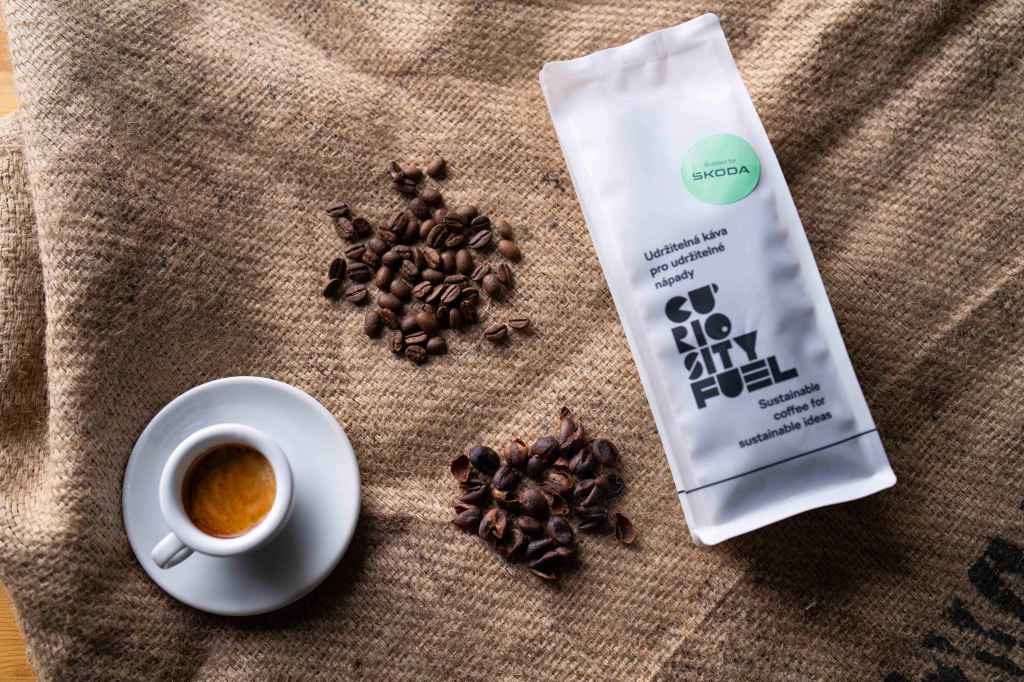
Škoda Auto a.s. has rolled out a new coffee called ‘Curiosity Fuel’ across the company in the Czech Republic. This special blend is grown, roasted, and packaged in a way that is friendly to both nature and farmers. Specially created for Škoda Auto a.s., ‘Curiosity Fuel’ is designed to inspire staff with fresh ideas and further the group’s sustainability objectives as outlined in Strategy 2030.

Karsten Schnake, Board Member for Procurement at Škoda Auto a.s. commented, “Our ‘Curiosity Fuel’ initiative highlights Škoda Auto’s commitment to innovative sustainability by integrating social, environmental, and circular economy principles into our supply chain. From ethically sourced coffee for our employees to utilizing coffee byproducts in our vehicles, we’re setting new sustainability standards in the automotive sector.”

Piyush Arora, Managing Director & CEO, Škoda Auto Volkswagen India Private Limited, added, “Our ‘Curiosity Fuel’ project demonstrates Škoda Auto Volkswagen India’s commitment to holistic sustainability. By bridging the gap between Coorg’s coffee planters and our global operations, we’re fostering community development. This initiative exemplifies our belief that true progress in the automotive sector must encompass environmental responsibility and community empowerment. It’s about creating a symbiotic relationship between our industry and India’s rich agricultural heritage.”

By connecting agriculture and automotive innovation, Škoda is showcasing how cross-sector collaboration can drive sustainable development and rural prosperity, promoting a more regenerative and inclusive economic model.

Volkswagen Celebrates 50 Years Of Golf At The Nürburgring 24-Hour Race

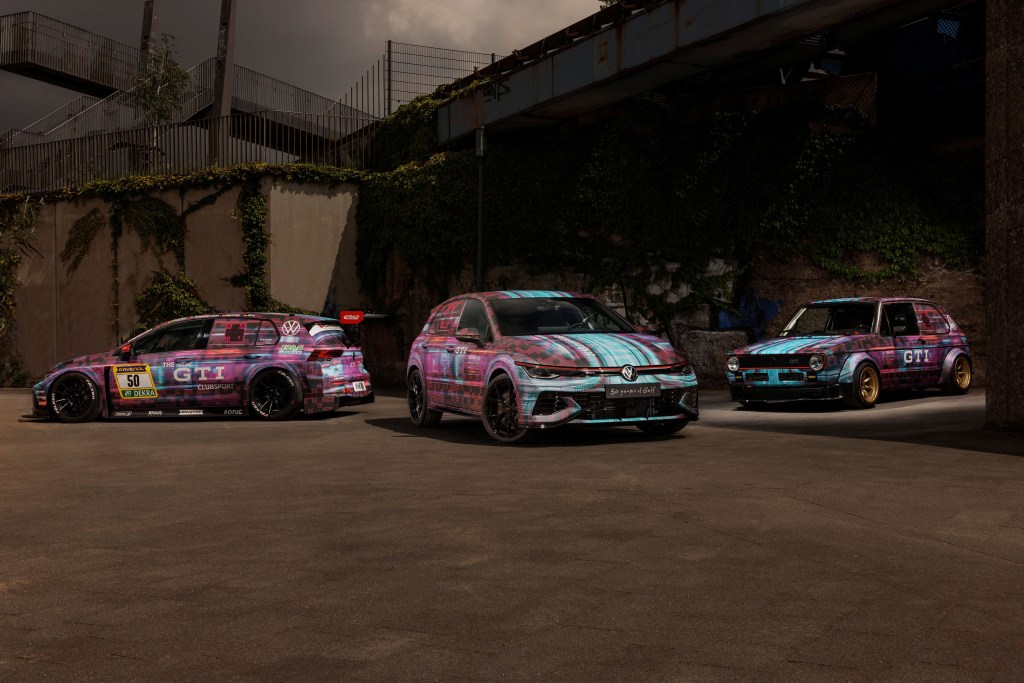
Golf GTI Clubsport 24h, Golf GTI Clubsport and Golf GTI 1st Generation

The countdown for Germany’s largest motorsport event has started: the legendary ADAC 24-hour race will start at the Nürburgring on June 1, with more than 200,000 spectators expected. This time, the event will also be a stage for the most successful European car of all time: the Golf. Volkswagen is celebrating the icon’s 50th birthday at the Nürburgring. And this celebration will be quite impressive: Volkswagen is presenting the new Golf GTI Clubsport1 with powerful drive and high-end sports suspension to visitors as a world premiere. The second highlight is the participation of the Golf GTI Clubsport 24h in the 24-hour race. The one-off GTI with an output of 256 kW / 348 PS2 will be driven by motorsport stars such as Benny Leuchter (Germany) and Johan Kristoffersson (Sweden). The starting number of the GTI race car powered by alternative fuel: the number 50, of course – a birthday gift from the organiser for half a century of the Golf success story. In addition, as a tribute to the more than 37 million Golf vehicles built to date, three classic Golf GTIs will take part in the ADAC 24h Classic race.

World premiere of the new Golf GTI Clubsport.

This represents the start of a true GTI weekend: on Friday, May 31, Volkswagen will unveil the Golf GTI Clubsport, the most powerful Golf with front-wheel drive, in front of thousands of visitors and present it on the ‘Ring Boulevard’. The enhanced Golf GTI Clubsport is characterised by a completely redesigned front, which has become even more powerful and more distinct. The standard LED Plus headlights have been revamped. In addition, the Volkswagen logo at the front is illuminated for the first time. A large roof spoiler at the rear ensures maximum downforce. The LED tail light clusters have also had a makeover. The 19-inch Queenstown3 alloy wheels are also new. With their striking design of five oval semi-circles, they evoke the classic Detroit wheel, which was introduced for the fifth-generation Golf GTI. As a further option, the Golf GTI Clubsport can be configured with the new 19-inch Warmenau3 forged wheel. With a weight of only eight kilograms per wheel rim, the forged wheels reduce the unsprung masses and thus optimise performance. The functions of the Golf GTI Clubsport are coordinated via a newly developed multifunction leather sports steering wheel and a new Infotainment system. This is extremely intuitive and ensures that the driver can concentrate even better on the road ahead. In addition, the new GTI top model has the new voice assistant IDA with Chat GPT integration.

The “Special” driving profile is adapted to the Nordschleife.

The performance and torque of the GTI turbocharged engine are transferred to the track via an electronically controlled front differential lock. The DCC adaptive chassis control is available as optional equipment. Another highlight of the Golf GTI Clubsport is the exclusive Special driving profile. This matches systems relevant for driving dynamics to the special track characteristics of the Nürburgring Nordschleife – in order to compensate for the undulations typical of the Nordschleife, maximum performance is achieved by means of a specific vertical setup of the DCC adaptive chassis control and a modified lateral dynamics setup of the standard Vehicle Dynamics Manager.

Motorsport becomes a test laboratory for the use of alternative fuels.

The Golf GTI Clubsport 24h used by Max Kruse Racing in the 24-hour race impressively demonstrates the potential of the new Golf GTI Clubsport because the production GTI served as the development basis for the race car. The latter was built by Volkswagen Motorsport, and the car was initially transferred to Volkswagen Classic in 2021 after the end of its motorsport activities. The prototype has now been reactivated and further perfected by racing driver Benny Leuchter and his team Max Kruse Racing specifically for use on the race track also known as ‘The Green Hell’. The race car will start in the AT3 class (SP3T / class for vehicles with “alternative fuels”), as the 348 PS 2.0-litre turbocharged engine is powered by a new bioethanol fuel from technology partner Shell: the high-tech fuel E20. The extremely knock-resistant fuel enables significantly more efficient operation of the near-production GTI engine thanks to software adaptation and ensures a significantly greater reduction in CO2 emissions than the familiar bioethanol fuels E5 and E10. The E20 fuel developed at the Shell Technology Centre in Hamburg reduces CO2 emissions in the well-to-wheel balance by 35 to 40 per cent, as it contains a further 40 per cent share of renewable components from residual and waste materials in addition to the 20 per cent bioethanol content.

Powerful race car, strong team.

The 270 km/h Golf GTI Clubsport 24h delivers first-class performance for a compact athlete. This is due firstly to its technical basis: the 1,170 kg Volkswagen has a weight-to-power ratio of 3.36 kg/PS. The turbocharged engine sends a maximum of 450 Nm of torque to the front axle. The efficient E20 fuel, of which the Golf GTI Clubsport 24h has up to 100 litres in the tank, also ensures excellent power output. The second success factor for the race is the driver team put together by Max Kruse Racing. Benny Leuchter won a class victory in the 24-hour race at the Nürburgring in 2017 driving a Golf GTI TCR. In 2019, he was also the first German to win a WTCR qualifying race – in the Golf GTI TCR at the Nürburgring. One of the best racing drivers in the world is Johan Kristoffersson, who has written motorsport history with Volkswagen as the current and six-time FIA World Rallycross Champion. The Swede was Benny Leuchter’s teammate in the WTCR and also won a Nürburgring race there with the Golf GTI TCR. This well-established team is supported by the two German Nürburgring professionals Nico Otto and Heiko Hammel. From the outside, the Golf GTI Clubsport 24h, equipped with a racing camera, attracts attention with its sophisticated aerodynamics and a special camouflage design that was previously only used on the Golf GTI Clubsport’s camouflaged production vehicles.

Three GTIs in the ADAC 24h Classic race.

Before the main race, three first-generation classic Golf GTIs will create a fantastic atmosphere among visitors to the Eifel track at the ADAC 24h Classic. All three cars will start in the KWL Motorsport team, which is celebrating its 45th anniversary in 2024. 45 years of KWL, 50 years of Golf – a perfect double anniversary on the Nordschleife. The team from Burscheid will enter a legendary Golf GTI 16S Oettinger (Group 4) from 1981 that has an output of 208 PS. Just as legendary: a 1978 Golf GTI Kamei (Group 2) with 183 PS. The third classic model is wrapped in the GTI camouflage design (with the ‘50 years of Golf’ logo): a 1980 Golf GTI from Group 2 with an output of 184 PS.