As Bridgestone India marks 30 years of its presence in the country, the company has unveiled its latest digital film, ‘Tyres Carry Life’, highlighting a simple yet powerful thought, a tyre is more than a product; it carries the lives, journeys and aspirations of people every day. The film brings alive the responsibility that comes with making a product that plays such a critical role in mobility.
The ‘Tyres Carry Life’ film captures this responsibility and reinforces why quality at Bridgestone goes beyond being a product attribute. Every decision, from design and engineering to testing and manufacturing, carries significance when the product is ultimately entrusted with people’s safety and journeys. The film is inspired by Bridgestone’s founder Mr. Shojiro Ishibashi’s philosophy of “Serving Society with Superior Quality.” For Bridgestone, this philosophy extends beyond manufacturing quality to the people and lives that depend on its products.
A tyre may leave the factory as a finished product, but the responsibility associated with it continues long after it is fitted onto a vehicle. From daily school runs and family holidays to business journeys, road trips and late-night drives, tyres become an integral part of countless moments in people’s lives, many of which the manufacturer may never get to witness.
Speaking about the film, Mr. Rajiv Sharma, Executive Director – Sales and Marketing, Bridgestone India, said,“India is playing an increasingly important role in shaping the future of mobility. Every day, millions of journeys begin on India’s roads, and customers expect tyres that deliver safety, performance, value and trust. For Bridgestone India, this responsibility gives our work deeper purpose. Tyres are not only a product of rubber, tread and technology; they support people’s mobility needs, enable progress and contribute to safer journeys. ‘Tyres Carry Life’ reflects this responsibility and reinforces our commitment to creating long-term value for customers, dealers, partners and society.”
The campaign reiterates Bridgestone’s commitment to continuously raising its standards through superior quality, innovation, safety and performance. As India advances towards a new era of mobility, shaped by electric vehicles, evolving customer expectations and a transforming retail landscape, Bridgestone India remains focused on strengthening customer value, accelerating innovation and building robust partnerships across the mobility ecosystem.
As Bridgestone looks beyond its 30-year milestone in India, the film underscores the company’s continued focus on quality, safety and customer trust. With mobility needs evolving, Bridgestone India will continue to remain close to customers while contributing to a safer, smarter and more sustainable mobility future in the country.
MINI India has delivered a standout first half of 2026, powered by an exciting product line-up, stronger brand engagement and a focused retail network expansion plan. Between January and June 2026, MINI delivered 504 cars to customers, registering +70% growth year-on-year. The performance reinforces MINI’s distinctive appeal among customers who value expressive design, go-kart-like driving fun and a premium urban lifestyle with unmistakable character.
Mr. Hardeep Singh Brar, President and CEO, BMW Group India said, “MINI India has had a remarkable start to 2026, growing by +70% in the first half of the year. This momentum reflects the strong connection customers have with MINI’s unmistakable design, spirited performance and vibrant lifestyle appeal. The success of our special editions and the continued popularity of the MINI Countryman show how strongly MINI’s unique character is resonating in India. As we look ahead, the locally produced MINI Countryman C will play a defining role in the next phase of MINI’s journey in India. It brings the brand closer to more customers, makes MINI ownership even more accessible and will be instrumental in strategically catapulting MINI’s growth in the country. With an expanded product offering, richer brand experiences and a stronger retail footprint, MINI is well-positioned to build on this momentum.”
MINI Product Offensive
MINI’s product strategy continued to spark excitement through a series of distinctive special editions in 2026. The MINI Cooper S Victory Edition and MINI Convertible JCW Pack were completely sold out, highlighting strong customer enthusiasm for exclusive offerings that bring together individuality, performance and MINI’s high-character appeal.
Retail Network Expansion
A focused retail network expansion plan is strengthening MINI’s growth journey in India by bringing the brand closer to customers in high-potential markets. With Retail.NEXT, MINI is creating future-forward retail spaces designed to make every interaction more immersive, innovative and personal. Today, MINI has 18 sales touchpoints across 17 cities. In 2026, MINI network expansion across new markets includes Jaipur, Jodhpur, Ranchi, Guwahati, Surat, Vijayawada and Lucknow, while deepening its presence in key cities such as Mumbai, Pune and Gurugram. This wider and more experience-led footprint will help MINI engage more customers, strengthen brand visibility and support the next phase of growth
Brand Connect and Experience
MINI continued to strengthen its connection with customers and fans through engaging experiential platforms. Signature engagements such as MINI Go-Kart Days saw strong participation, reinforcing the brand’s emotional pull and the enduring appeal of MINI’s fun-to-drive spirit.
BMW Group India has announced the launch of BMW Summer Service Campaign 2026 across its nationwide dealer network, reinforcing its commitment to proactive customer care and premium ownership experience. The campaign is designed to ensure seamless mobility during the demanding summer months through preventive maintenance, expert diagnostics and exclusive service benefits.
Mr. Hardeep Singh Brar, President and CEO, BMW Group India said, “Indian summers can be tough, both for drivers and their cars. At BMW Group India, we believe a truly premium ownership experience goes beyond the vehicles we build. It is about the confidence and peace of mind we provide throughout the ownership journey. With the BMW Summer Service Campaign 2026, we are helping customers prepare better through timely preventive maintenance and advanced vehicle diagnostics for hassle free driving through summers. Our aim is to make proactive care simple, transparent, and reliable so that customers can enjoy every drive without worry. We remain committed to delivering seamless and precise service that ensures the performance, reliability and effortless driving pleasure that define the BMW experience.
The campaign aims to ensure customers are well prepared for the summer season with a list of prescribed checks. The campaign combines preventive vehicle inspection with value-added benefits and expert guidance to support effective vehicle management and on-time maintenance. Customers can book prior appointments for servicing at their preferred workshop and may also update their personal details to receive relevant service communications and offers from their authorised BMW dealer.
Following are the complimentary services covered under BMW Summer Service Campaign 2026:
AC Filter Check
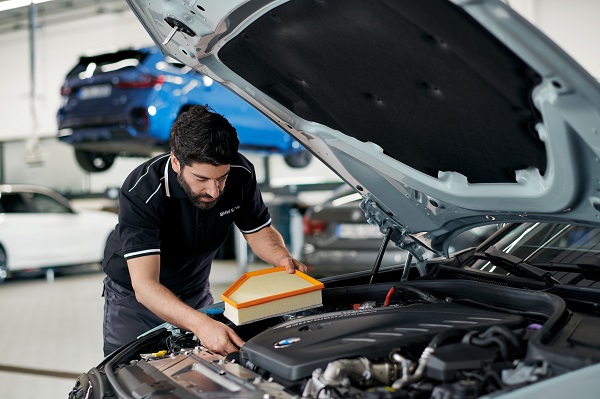
Air Filter Check
Tyre Condition Check
Complimentary Battery Check*
Up to 10% off on AC Fumigation
Up to 25% off on labour on any AC related repair
Up to 10% off on any VAS (Value Added Services)
*Complimentary Battery Check will be applicable only on non-EV vehicles.
Customers can also explore a wide range of BMW accessories to enhance the appearance and everyday functionality of their vehicles.
BMW India conducts periodic service campaigns across the country to help ensure that every BMW remains ready for the road. Cars older than five years can also benefit from special advantages under the ‘BMW Joy Rewards’ programme. Details of the offers and recommended vehicle checks will be available at participating authorised workshops during the campaign period.
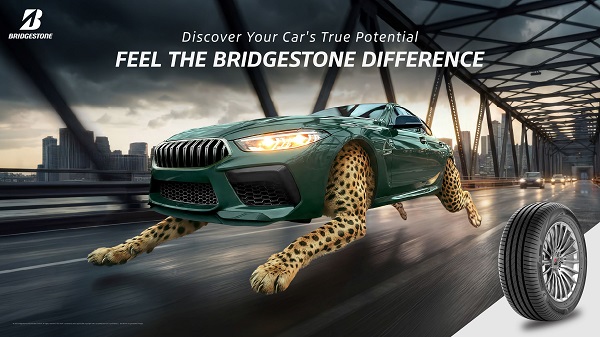
Bridgestone India has launched its new brand campaign, ‘Feel the Bridgestone Difference’, built around a simple but powerful thought—every car is designed for a certain level of performance, but it can only deliver its true potential when fitted with the right tyres. The campaign highlights one of the most overlooked component in the car that is tyre – when in reality tyre is the critical contact point between the car and the road.
Whether it is control, safety, confidence, or a smoother driving experience, tyres play a much bigger role than most people realise. A car may be engineered to perform at its best, but without the right tyre fitment, that experience remains incomplete. Bridgestone tyres are designed to help drivers unlock that full potential and truly feel the difference in every journey.
For the last 30 years, Bridgestone India has been delivering that difference to Indian consumers. With a strong focus on technology, manufacturing excellence, innovation, and quality, the company has built products that stand apart—and customers can feel that difference every time they drive.
A key highlight of the campaign is the difference that Bridgestone tyres are making by constantly staying ahead of the curve without any compromise. It offers better grip, stronger braking, smoother handling, lower road noise, improved fuel efficiency, and longer tyre life, creating a more balanced, comfortable, and reliable driving experience.
The campaign also takes inspiration from nature, featuring animals like the mountain goat, the cheetah and a rhino—symbols of grip, speed, unyielding strength and control in their natural terrains. Just as they move effortlessly in challenging environments, Bridgestone tyres are built to perform confidently across India’s diverse road and driving conditions.
Speaking about the campaign, Rajiv Sharma, Executive Director – Sales and Marketing, Bridgestone India, said: “Bridgestone has been a trusted name for Indian consumers, and that trust has come from consistently delivering safe, high-quality products and a superior driving experience. Our customers have experienced the Bridgestone difference over the years—whether in better control, smoother rides, or long-lasting performance. ‘Feel the Bridgestone Difference’ is a campaign people will instantly relate to because it reflects something they have already felt. With this campaign, we want to take that experience to a larger audience and help more people understand how the right tyre fitment can completely transform the way a car performs.”
The campaign highlights the performance Bridgestone tyres offer and it is a reminder that while every car has built-in potential, the right tyres are what truly bring it to life.
The campaign will be promoted across multiple platforms across the country, further strengthening Bridgestone India’s promise of performance, safety, and reliability for every driver.
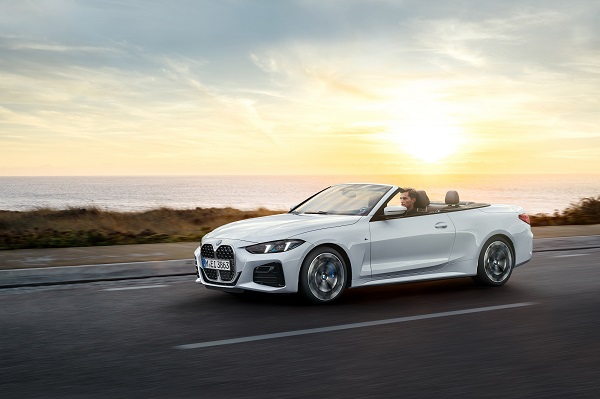
The all-new BMW M440i xDrive Convertible was launched in India at an ex-showroom price of INR 1,09,00,000. This eye-catching convertible will be available in the country as a Completely Built-Up Unit (CBU) model from today onwards.
The all-new BMW M440i xDrive Convertible stands for the perfect combination of driving pleasure and elegant sporty design. These have been hallmark brand values of BMW since its earliest days, and this convertible embodies them even more intently than ever. This evolution is best felt with the top down, where the rush of the open air meets the sharpened performance of an M-tuned athlete. By combining a classic soft-top silhouette with modern agility, the all-new BMW M440i xDrive ensures the freedom of outdoor driving is always felt alongside world-class precision.
Mr. Hardeep Singh Brar, President and CEO, BMW Group India said, “The all-new BMW M440i xDrive Convertible exemplifies BMW’s passion for combining exhilarating performance with timeless elegance. With its unmistakable design, powerful M tuned performance and refined open top driving experience, it delivers a new expression of sporting freedom. At BMW Group India, we are proud to introduce a convertible that not only excites behind the wheel, but also represents a distinctive, aspirational lifestyle for our customers.”
Sporting potency and elegance are the key themes reflected with authenticity in the design of the all-new BMW M440i. The visually powerful front end shaped by sharp adaptive LED headlights and a vertically arranged BMW kidney grille in High Gloss Black give the car an aggressive look. The headlights are complimented by the M Lights Shadowline line which adds a sporty black tint making for an imposing front fascia. The imposing rear too showcases true sportiness with the M rear diffuser in high gloss black. The new CSL Style taillights inspired from M4 CSL, with their intricate woven laser pattern provide an even greater appeal. The attractive new 19-inch M light-alloy wheels in double-spoke design in a bi-colour finish and mixed tyre profile are lightweight, durable and attention-grabbing.
The all-new BMW M440i will be available in eight striking colours – Portimao Blue, Brooklyn Grey, Cape York Green, Fire Red, Arctic Race Blue, Black Sapphire, Mineral White and Alpine white. For those seeking a truly bespoke finish, further individualisation is possible upon request to ensure the vehicle is a unique reflection of your taste. Inside, the cabin can be tailored with Sensatec upholstery available in Black, Tacora Red, or Cognac.
A highlight feature is its panel bow soft-top roof, which combines the solidity of a retractable hardtop with the classical aesthetic of a fabric hood. The roof’s electric drive mechanism can be activated while travelling at up to 50 km/h; the opening/closing process takes 18 seconds.
Step inside the all-new BMW M440i and you are greeted with a sleek and sophisticated interior. The large BMW Curved Display brings a fresh and particularly modern interpretation of the driver focus for which the brand is renowned. The Luxury Instrument Panel with Sensatec makes for an even more sophisticated appearance in the cockpit. The sensatec perforated Sports Seats come with electric adjustments, memory and lumbar support. The M leather steering wheel in three-spoke design with a flat-bottomed rim and a discreet centre marking stands out with its modern and sporty design. Now fitted as standard, the paddles enable particularly swift manual interventions in the gear selection process and underscores the car’s sharper sporty profile. The new Aluminium Rhombicle Anthracite M interior trim with ambient lighting offers an elegant feel. Also available are M Seat belts with a woven stripe pattern in BMW M GmbH colours. Harman Kardon surround sound system with 12 speakers provides an intense musical feast for the ears.
The all-new BMW M440i is powered by the iconic B58 inline 3-litre 6-cylinder engine which produces an output of 374 hp and 500 Nm maximum torque. This makes it the most powerful car in its segment. It is accompanied by a characteristic sound thanks to the M Sport exhaust unit. The 48V mild hybrid setup significantly improves performance as well as efficiency. The car completes the sprint from 0 to 100 km/hr in 4.9 seconds, that makes it the fastest car in the segment. The top speed is 250 km/h.
The eight-speed Steptronic Sport automatic transmission performs smooth, almost imperceptible gearshifts. At any time, in any gear, the transmission collaborates perfectly with the engine, enabling it to develop its full power and efficiency. For even greater driving pleasure, it is available with steering wheel paddle shifters and cruise control with braking function as standard.
BMW xDrive, the intelligent all-wheel drive technology monitors the driving situation and is quick to respond to ensure maximum traction, agility and vehicle stability. The standard M Sport rear differential enhances traction and cornering by electronically controlling the distribution of power to each individual wheel. It helps to avoid understeer and oversteer in situations involving multiple changes of direction and load. With kinematics and elastokinematics tuned for dynamic driving, the Adaptive M suspension offer significantly increased sportiness without compromising driving comfort. The Variable Sport Steering is precise and responsive even when only a slight steering input is applied. M Sport brakes provide excellent braking performance and intuitive feel, whether negotiating city streets or driving around a circuit on a track day. The brake callipers are painted red and display the M logo.
BMW ConnectedDrive technology breaks the innovation barrier and turns the car into an interconnected digital device. Host of ConnectedDrive features include Digital Key Plus, Emergency Call, Real-time Traffic Information and Remote Services through MyBMW app. BMW Live Cockpit Professional includes the freestanding 14.9” BMW Curved Display with Navigation, a 12.3-inch digital information display behind the steering wheel and BMW Head-up Display.
The latest BMW iDrive with Operating System 8.5, offers all the possibilities for interaction between occupants and the vehicle – using touch or speech. It is complemented by the BMW Intelligent Personal Assistant system which has a self-learning intelligence that adopts a driver’s individual habits, proactively provides useful tips on new driving functions and seamlessly integrates smartphone apps. Wireless smartphone integration and regular Remote Software Upgrades ensure that the car is always up to date.
My BMW App keeps an eye on vehicle status and includes ‘Learning Navigation’ which offers destination suggestions and traffic information based on driving habits. BMW Digital Key Plus turns a smartphone into a vehicle key enabling remote locking / unlocking and driving the car.
The spread of driver assistance systems is more extensive than ever. Parking Assistant with 360 surround view makes parking in tight spots easier. The Reversing Assistant provides unmatched support in reversing out of a parking spot or through narrow driveways. It keeps a record of the last 50 metres driven and assists by taking over the steering.
BMW EfficientDynamics includes features such as Auto Start-Stop, Brake-Energy Regeneration, Electronic Power Steering, ECO PRO mode in Driving Experience Control. An Adaptive M suspension tuned with Bespoke chassis technology for a sporty driving experience offers excellent body rigidity for a sportiness and comfortable ride. Intelligent lightweight design, 50: 50 weight distribution and optimized aerodynamic properties provide an ideal basis for endowing the all-new BMW M440i xDrive Convertible with remarkably agile and dynamic handling abilities.
BMW Safety technologies include six airbags, Attentiveness Assistance, Anti-lock Braking System (ABS) with Brake Assist, Dynamic Stability Control (DSC) including Dynamic Traction Control (DTC), Cornering Brake Control (CBC), electric parking brake with auto hold, side-impact protection, electronic vehicle immobilizer and crash sensors, Tyre Pressure Indicator, ISOFIX child seat mounting and tyre repair kit.
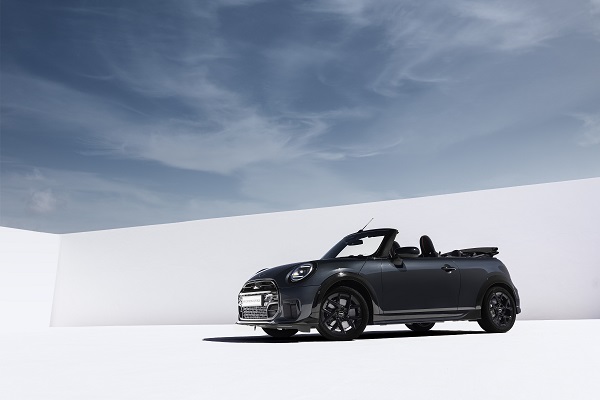
The new MINI Convertible John Cooper Works Pack was launched in India at an ex-showroom price of INR 61,50,000. The car will be available in the country as a completely built-up unit (CBU) and can be booked at all MINI India dealerships. Deliveries for the same will commence immediately.
The latest generation of MINI Convertible perfectly embodies the brand’s openness. Whether in the city, on winding hills or on the long stretches, the MINI Convertible offers pure freedom and go-kart thrills.
Mr. Hardeep Singh Brar, President and CEO, BMW Group India said, “The new MINI Convertible has always been the ultimate expression of open-top freedom, and with the introduction of the John Cooper Works Pack, we are taking its unmistakable character a step further. This edition is for those who want their MINI to reflect a bold, assertive personality without losing the signature ‘go-kart’ feel they love. By blending premium design with the joy of open-air motoring, the MINI Convertible JCW Pack is a car that looks as fast as it feels, delivering a sporty JCW aesthetic that perfectly complements your cruises.”
The exterior design of the new MINI Convertible JCW Pack focuses on classic MINI characteristics. The front end shows the typical face of the brand with its iconic round headlights and the newly designed front grille. The exterior colour options legend grey or midnight black are complemented by mirror caps & sport stripes in black for the legend grey exterior colour. The John Cooper Works trim stands out with unique design features of the grille, bumpers, side skirts, and door entry sills. The piano black exterior trim and wheel arches add to the sporty look of the car.
Standard LED headlights have three light signatures to emphasise the car’s character. A specially orchestrated welcome and goodbye animation with MINI logo projections on the sides enhances the emotional connection even before you get in. On the side, the clean sporty lines create a striking contrast along with the short overhangs and long proportions. To match the unmistakable driving fun, this MINI is available with aerodynamically optimized 17-inch JCW sprint spoke black alloys. The rear view is characterised by the flush design of the vertically aligned oval shaped LED rear lights. The rear section features a black handle strip with striking model badge, whose horizontal alignment emphasises the MINI Convertible JCW Pack’s wide stance.
The high-quality black soft top protects the occupants in all weathers. The electrically folding soft top can be fully opened in 18 seconds, even at speeds of up to 30 kmph. At the same time, the window bars and side windows are lowered to provide a completely unobstructed view of the surroundings. The soft top closes in 15 seconds at the touch of a button. It can also be partially opened to act as a sunroof, to a length of 40 centimetres, regardless of speed. When the top is open, the MINI Convertible JCW Pack has a luggage compartment volume of 160 litres. When closed, it expands to 215 litres.
With its clean shapes and minimalist controls, the interior of the new MINI Convertible JCW Pack evokes the design of the classic Mini. The sportiness is elevated with JCW sports seats, vescin/cord combination JCW black upholstery and JCW Dashboard Trim. The new JCW Steering Wheel with paddle shifters adds to the hallmark MINI go-kart feeling. The focal point in the cockpit is the round high-resolution OLED display. Known as the MINI Interaction Unit, it combines the functions of an instrument cluster and a central display.
Like all new-generation MINI models, the MINI Convertible JCW Pack uses MINI Operating System 9. Its intuitive interface is inspired by smartphone apps and feels instantly familiar to users. The MINI Intelligent Personal Assistant (IPA) can be activated by saying “Hey MINI” to control a wide range of functions such as navigation, telephony, entertainment and others. The innovative MINI digital key plus turns the smartphone into a car key via the MINI App and can be transferred to different users, along with their personal vehicle settings. Head-up Display projects all relevant information directly in the driver’s line of sight. Harman Kardon surround sound system is an aural treat. Other features include remote services, remote software upgrades, Apple CarPlay / Android Auto, teleservices, in-car weather and intelligent emergency call.
With the MINI experience modes, one can choose from several immersive driving experiences, from the race-inspired ‘Go-Kart Mode’ to the energy-saving ‘Green Mode’ or the lively ‘Vivid Mode’ and more. MINI Experience Modes extend the indoor experience by tuning the light, sound and graphics settings.
A distinctive toggle bar island gives access to the important driving functions including start/stop, gear selector, parking brake, experience modes and volume control. General storage area below the toggle bar provides space for a smartphone to be wirelessly charged.
Sports seats with electric adjustment are covered in vescin – a high-quality, perforated, artificial leather-free upholstery made from recycled materials. The driver also enjoys the Active Seat for added comfort.
The new MINI Convertible JCW Pack features the innovative and efficient petrol engine powered by the latest MINI TwinPower Turbo technology. It mobilises a peak output of 150 kW/204 hp at 5,000 – 6,500 rpm and produces a maximum torque of 300 Nm at 1450-4500 rpm. The car sprints from 0 – 100 kmph in just 6.9 seconds and the top speed is 240 kmph. The 7-speed double clutch steptronic sport transmission with boost mode offers efficient, comfortable and sporty driving due to a broader gear spread and smaller engine speed steps.
Advanced assistance systems such as cruise control and parking assistant increase comfort, control and safety and relieve the driver from monotonous and less demanding aspects of driving. With new addition of comfort access, the car is locked / unlocked automatically as it recognises the key is at a distance of less than 1.5 meters.
The standard minimalism technology includes auto start/stop function, brake energy recuperation, active cooling air ducts and electromechanical power steering. The alloy wheels depending on the variant radiate confidence while reducing carbon footprint thanks to their lightweight design and use of recycled aluminium.
The standard safety equipment comprises of front passenger airbags and side curtain airbags, rollover protection system, brake assist, 3-point seat belts, dynamic stability control, crash sensor, anti-lock braking system, cornering brake control, rear view camera, and tubeless tyres with tyre pressure indicator.
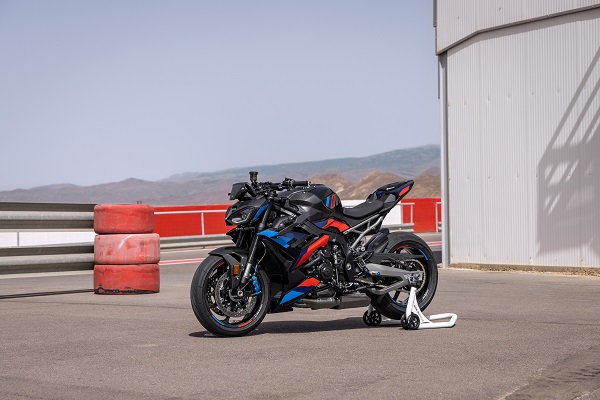
The new BMW M 1000 R supersport Roadster was launched in India today. Available as a completely built-up unit (CBU), this motorcycle can be pre-ordered at all BMW Motorrad India authorized dealerships from today onwards. The deliveries for the same will begin in May 2026 onwards.
Mr. Hardeep Singh Brar, President and CEO, BMW Group India said, “The new BMW M 1000 R is a powerful expression of our M genetics, where a high-performance superbike meets a dynamic roadster. It is meticulously crafted for those who demand uncompromising performance both on the streets and the racetrack. With its unmistakable four-cylinder roar, the new M R is built for riders who relentlessly push their limits. This machine brings the uncompromising standards on M performance to the road, ensuring every ride is an authentic experience of power and precision.”
The dynamic design language of the new BMW M 1000 R signals pure performance and sportiness. The proportions are ultra-compact, slim, slender and extremely aggressive. The new dual-flow LED headlight derived from the RR models and the M logo in the air intake between the headlights give this motorcycle an aggressive look. The roadster looks outstanding from the front with its M Winglets. The M Winglets produce significantly more aerodynamic downforce – both when riding upright and when leaning in corners. The refined black winglets generate aerodynamic downforce, and at 220 km/h, they increase the front-wheel load by 11 kg. The M Carbon wheels with M Competition Package stand out thanks to the clear lacquer coat that brings out the high-quality, deep black shimmering carbon fibre structure even more intensively. The brake ducts are integrated into the front mudguards, which have been optimised for improved airflow around the fork legs and brake callipers. In all color schemes, the rear frame and swingarm of the new model year are in Platinum Grey metallic. The M Quick action throttle reduces the angle of rotation needed to achieve full throttle, allowing for faster acceleration and less wrist strain.
The M Competition Package offers a fascinating mix of refined components for the racing technology gourmet and the aesthetic rider alike. The optional M Competition package is available in combination with the Blackstorm metallic/M Motorsport or White Aluminium metallic matt colour schemes, the M Competition package includes M Carbon wheels, M GPS-Laptrigger, M Carbon parts such as rear wheel cover and chain guard, front wheel cover, tank covers, airbox cover with tapes, wind deflector, sprocket cover, the M pillion package as well as the M pillion cover and a milled, fully adjustable M rider footrest system.
The new BMW M 1000 R is powered by the water-cooled inline 4-cylinder engine with a capacity of 999 cc, designed for maximum riding pleasure. It generates a peak output of 210 hp (154 kW) at 13,750 rpm and the maximum torque of 113 Nm is reached at 11,100 rpm. The new M R sprints from 0-100 Km in 3.2 seconds and can achieve maximum speed of 280 km/h.
The BMW ShiftCam technology offers increase in torque and pulling power in low and medium speed range with simultaneous gain in peak power. Other indispensable components are titanium valves, new spring assembly on the exhaust side, narrower and lighter cam followers and optimised camshafts. The intake system features shorter intake funnels for optimised charge exchange at high engine speeds.
The new BMW M 1000 R is equipped with an instrument cluster with large, perfectly readable 6.5-inch TFT display, start-up animation with M logo, new display of the rev counter and OBD interface for M GPS Datalogger and M GPS Laptrigger. Lightweight M battery, rear USB charging socket, powerful LED light units, adaptive turning light, electronic cruise control and heated grips are also available.
Riding modes “Rain”, “Road”, “Dynamic”, “Race” and “Race Pro1-3” as well as the latest generation of Dynamic Traction Control DTC and DTC wheelie function with 6-axis sensor box provide the new BMW M 1000 R an ideal adaptation to varied conditions of use. These enable individual adaptation of the most diverse control functions such as Engine (throttle), Engine Brake, Traction Control, Wheelie-Control, ABS and ABS Pro to suit the rider’s own skill level and riding style. Another feature that comes with the ‘Pro Modes’ is Launch Control and pit-lane limiter for perfect race starts and precise speed in the pit lane. The traction control DTC has also been revised. The control strategy has been derived from the RR models and, in combination with the M short-stroke throttle, brings a noticeable improvement, especially in Race mode for track days.
The tapes in M design on the rims emphasise this high-grade, high-tech look as well as the racing claim of M R. The functions of the brake and taillights are integrated into the side indicator lights.
A comprehensive range of optional equipment and original BMW Motorcycle accessories is available for further individualisation of the new BMW M 1000 R.
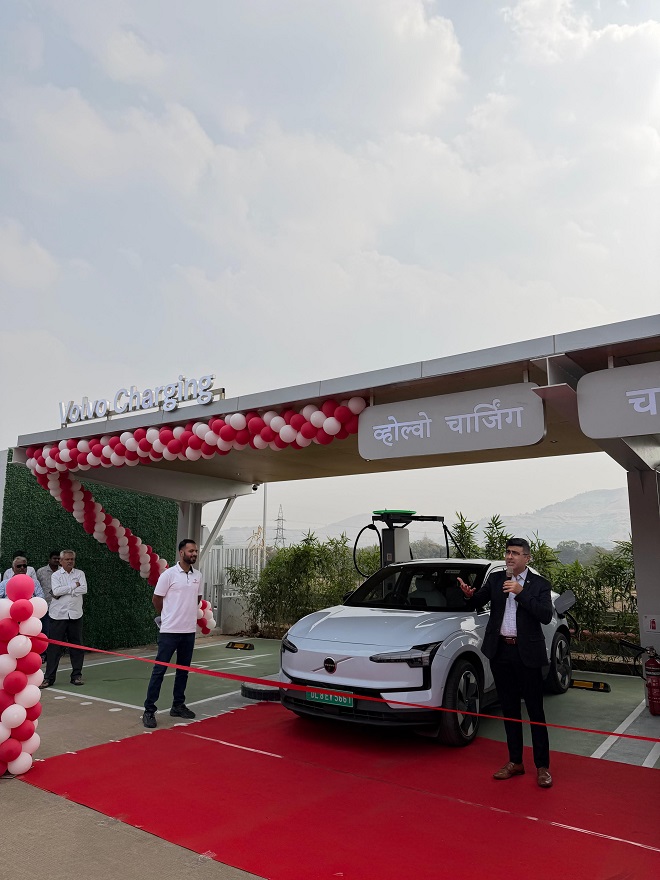
Swedish luxury car brand, Volvo Car India and ChargeZone®, India’s largest EV charging network, has inaugurated an ultra-fast charging station on the Mumbai-Nashik Highway that features a 360kW star charge power unit with two dynamic load balancing dispensers. This station is located at Food Hills, Mumbai-Nashik Highway, Near Igatpuri. This marks a significant milestone in their collaboration to build a premium nationwide supercharging network.
This intelligent configuration enables optimal power distribution, reduced waiting times and faster real-world charging experience for Volvo customers and other EV users. Strategically positioned on one of Maharashtra’s busiest intercity routes, the charging station offers dedicated bays for Volvo EVs, seamless app-based access for navigation and payments, and an elevated customer experience designed for convenience and reliability.
Jyoti Malhotra, MD, Volvo Car India, spoke during the ribbon cutting ceremony organized at the charging station today, “As a legacy brand, Volvo Cars is committed to driving the transition towards sustainable mobility, and this partnership with ChargeZone® is a testament to that vision. Together, we are ensuring that our customers not only enjoy the luxury and performance of Volvo EVs but also have access to a dependable and hassle-free charging infrastructure. The new 360kW station on the Mumbai-Nashik highway is the first step in delivering a world-class charging experience across India.”
Present at the event and speaking on the occasion, Mr. Kartikey Hariyani, Founder & CEO, ChargeZone®, said, “The launch of our first co-branded 360 kW ultra-fast charging station with Volvo Car India represents an important milestone in building a premium, future ready charging network for the country. The Mumbai Nashik hub showcases our focus on high speed, technology enabled infrastructure supported by intelligent features such as dynamic power loading that significantly improve the customer experience. As EV adoption accelerates, our priority is to ensure that long-distance travel becomes fast, predictable and seamless. We look forward to supporting India’s shift toward a cleaner and more sustainable mobility landscape.”
This installation follows the Memorandum of Understanding signed in 2025 between ChargeZone® and Volvo Car India to expand access to high-speed EV charging across key national corridors, and the plan is to get a few more charging stations added in 2026. The partnership reflects a shared commitment to improving long distance EV travel, strengthening charging availability, and advancing India’s transition to sustainable mobility, while encouraging the adoption of luxury and performance EVs across the country.
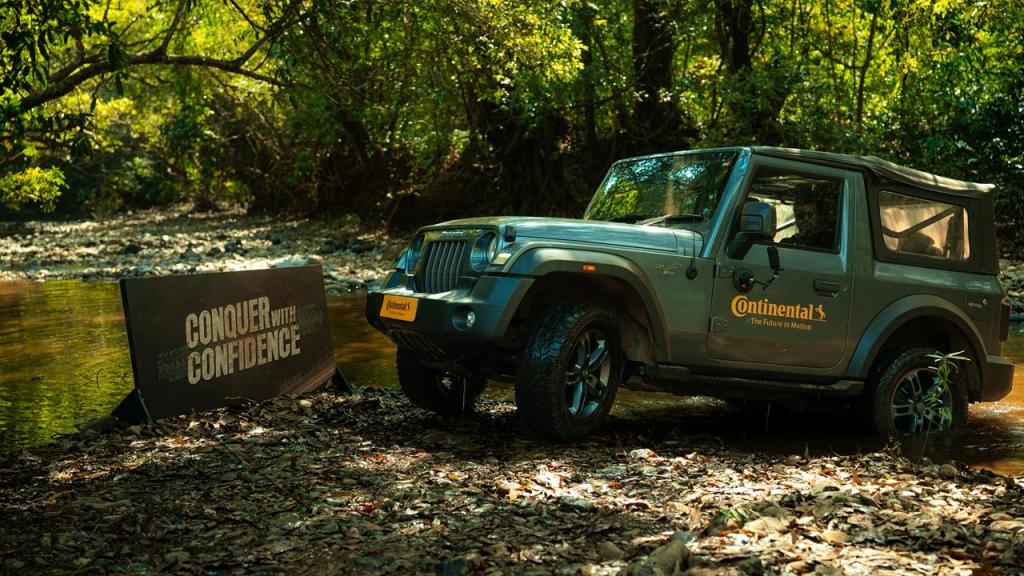
Continental Tires, a leading global tyre manufacturer, marked the Indian launch of its new all-terrain product, the CrossContact A/T², with an adventurous Continental Tires’ Track Day at Dot Goa 4X4. With this, the country becomes one of the first few markets globally to introduce this next-generation product, which blends German engineering precision with rugged versatility to ensure a smooth ride across challenging terrains.
The highly anticipated launch of the CrossContact A/T² reiterates Continental’s growing commitment to the Indian market.
“India’s 4×4 vehicle segment is experiencing sharp growth, driven by a growing passion for adventure and long-distance travel. With our ‘In the Market, For the Market’ approach, we continually innovate to meet the demands of Indian road conditions and deliver enhanced driving experiences. The CrossContact A/T² delivers high performance across the diverse terrains and topographies that India offers,” said Samir Gupta, Managing Director, Continental Tires India.
He further added, “India is the first market globally to introduce the CrossContact A/T². This decision is a testament to Continental’s commitment to the Indian market. We remain committed to delivering cutting-edge solutions tailored to our Indian customers.”
CrossContact A/T²: Engineered for Performance. Designed for Adventure
Built for power, performance, and precision, the CrossContact A/T² is engineered for SUVs and 4x4s, offering superior grip across all surfaces: mud, gravel, sand, wet highways or rocky trails. Designed for modern, adventurous lifestyles, it brings a confident on-road feel and unshaken off-road capability. Key Technologies in CrossContact A/T²:
● BlackPaw™ Compound: Adaptive traction tech that maintains elasticity and control across hot, cold, dry, and wet surfaces.
● Self-Cleaning Shoulders: Open tread patterns and stone ejectors dislodge slush, mud, and debris to keep you moving clean and steady.
● Rigid Tread Block Geometry: Reduces hydroplaning and enhances braking efficiency with precisely angled groove design.
● Reinforced Sidewalls: Built tough to resist cuts, abrasions, and trail damage, ensuring long-term durability and control.
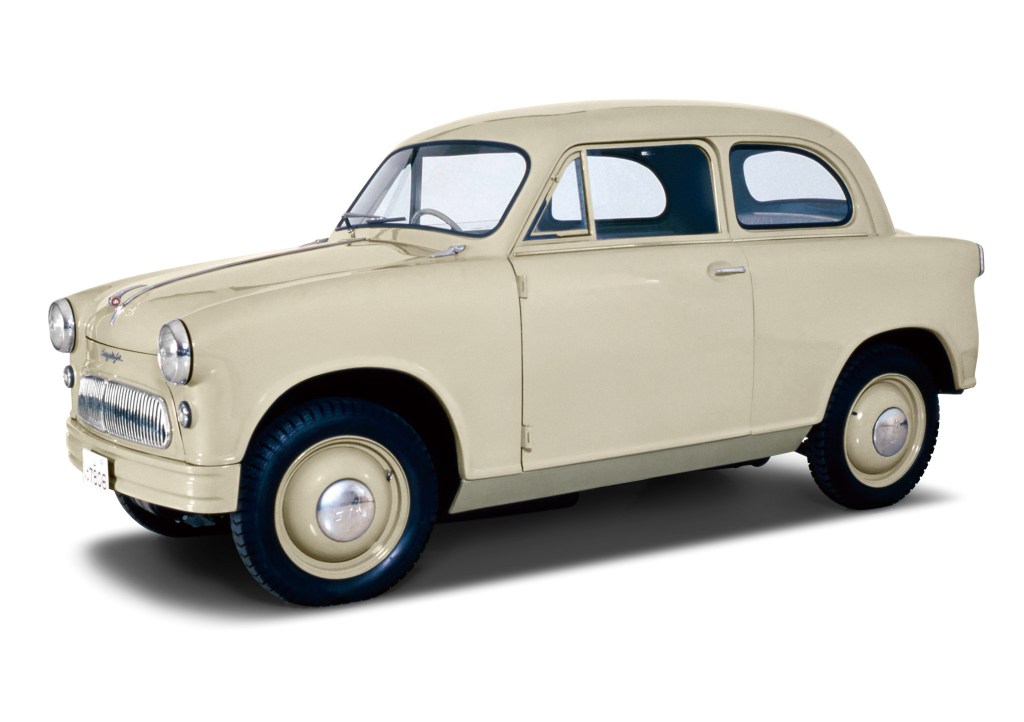
This Autumn, as Suzuki gets ready to launch e Vitara, it’s very first electric vehicle, it’s well worth reflecting on where it all began for Suzuki Motor Corporation 70 years ago. Back in the Autumn of 1955, Michio Suzuki personally delivered a Suzulight, his very first production car to a local doctor who had previously been conducting his house calls on a bicycle.
Although Michio Suzuki had first started in business much earlier than that in March 1920 with the manufacture of textile looms. These became more advanced in design and very popular right through to the early 1950’s when there was a global decline in the cotton industry; Suzuki then decided to diversify into motorised transport with introduction of its first motorcycle in 1953 and the first car followed two years later.
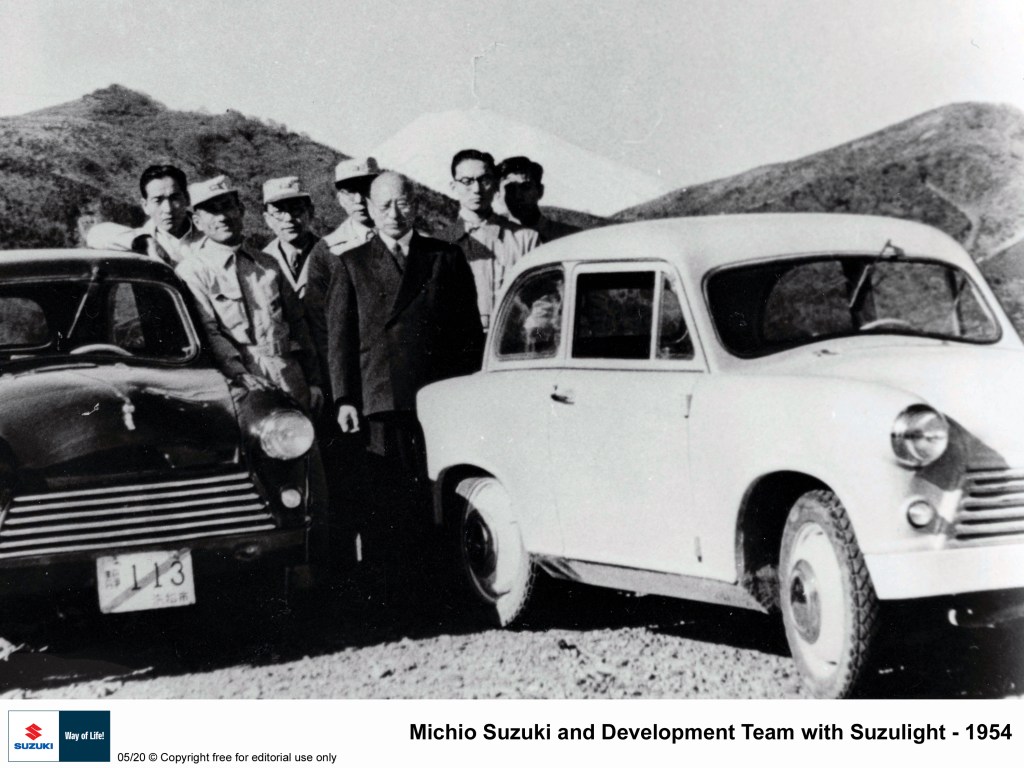
Initial research and development of Suzulight began as far back as 1937 although this had to be shelved later with the outbreak of the second World War. This development finally resumed in 1954 when Suzuki Motor Co Limited was formed.
Using Suzuki’s ‘Yaramaika’ spirit, (translated as ‘Let’s do it’) which was deep in the root of the Enshu region where Suzuki originated together with his determination to drive forward, Michio Suzuki quickly began researching vehicles produced overseas and gained a wealth of knowledge.
Suzulight was a compact vehicle measuring less than three metres in length and weighing just over 500kg. It was powered by a 360cc, 15PS two cylinder, two-stroke engine which was the first of its type to ever be fitted to a car. It was also the first car in Japan to feature a Front Wheel Drive / Front engine layout and was way ahead of its time with its independent coil spring suspension and rack and pinion steering.
Suzulight easily met the Japanese ‘Keijidosha’ or Kei light car legislation and Suzuki and his team quickly began their first development road testing of it. As a prototype, its most memorable early drive was a 300km trip across the Hakone mountainous region between Hamamatsu and Tokyo which proved very challenging on roads that had not yet been paved. Although arriving very late in the evening, the team arrived to present the car to the President of ‘Yanase Auto’ Japan’s leading authority on Automobiles.
The President had stayed on late to greet the team and made his way out to thoroughly test the car. Several hours later he returned very impressed and immediately gave Suzuki full approval to put the Suzulight into production. Production commenced in October 1955 with initial production of 3-4 cars per month but by early 1956 monthly volume had climbed to 30 units.
70 years on, Suzuki Motor Corporation remains globally renowned as the ‘small car experts’ and produces well over three million units per year with a projection of four million units annually by 2030. Michio Suzuki’s original strategy of design and production of lightweight vehicles lives on with platforms including ‘Heartect’ used in Swift, Vitara and S-Cross models and ‘Heartect-e’ which was specifically designed for e Vitara.