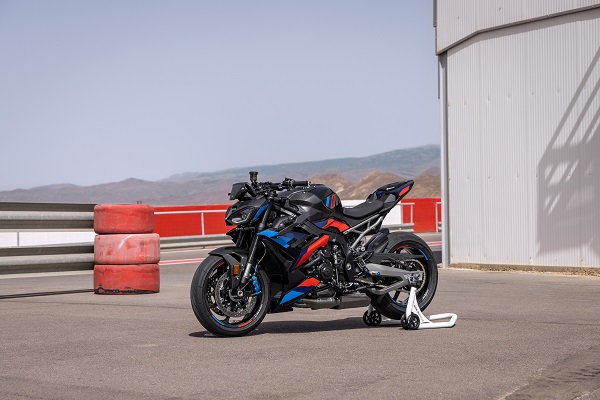
The new BMW M 1000 R supersport Roadster was launched in India today. Available as a completely built-up unit (CBU), this motorcycle can be pre-ordered at all BMW Motorrad India authorized dealerships from today onwards. The deliveries for the same will begin in May 2026 onwards.
Mr. Hardeep Singh Brar, President and CEO, BMW Group India said, “The new BMW M 1000 R is a powerful expression of our M genetics, where a high-performance superbike meets a dynamic roadster. It is meticulously crafted for those who demand uncompromising performance both on the streets and the racetrack. With its unmistakable four-cylinder roar, the new M R is built for riders who relentlessly push their limits. This machine brings the uncompromising standards on M performance to the road, ensuring every ride is an authentic experience of power and precision.”
The dynamic design language of the new BMW M 1000 R signals pure performance and sportiness. The proportions are ultra-compact, slim, slender and extremely aggressive. The new dual-flow LED headlight derived from the RR models and the M logo in the air intake between the headlights give this motorcycle an aggressive look. The roadster looks outstanding from the front with its M Winglets. The M Winglets produce significantly more aerodynamic downforce – both when riding upright and when leaning in corners. The refined black winglets generate aerodynamic downforce, and at 220 km/h, they increase the front-wheel load by 11 kg. The M Carbon wheels with M Competition Package stand out thanks to the clear lacquer coat that brings out the high-quality, deep black shimmering carbon fibre structure even more intensively. The brake ducts are integrated into the front mudguards, which have been optimised for improved airflow around the fork legs and brake callipers. In all color schemes, the rear frame and swingarm of the new model year are in Platinum Grey metallic. The M Quick action throttle reduces the angle of rotation needed to achieve full throttle, allowing for faster acceleration and less wrist strain.
The M Competition Package offers a fascinating mix of refined components for the racing technology gourmet and the aesthetic rider alike. The optional M Competition package is available in combination with the Blackstorm metallic/M Motorsport or White Aluminium metallic matt colour schemes, the M Competition package includes M Carbon wheels, M GPS-Laptrigger, M Carbon parts such as rear wheel cover and chain guard, front wheel cover, tank covers, airbox cover with tapes, wind deflector, sprocket cover, the M pillion package as well as the M pillion cover and a milled, fully adjustable M rider footrest system.
The new BMW M 1000 R is powered by the water-cooled inline 4-cylinder engine with a capacity of 999 cc, designed for maximum riding pleasure. It generates a peak output of 210 hp (154 kW) at 13,750 rpm and the maximum torque of 113 Nm is reached at 11,100 rpm. The new M R sprints from 0-100 Km in 3.2 seconds and can achieve maximum speed of 280 km/h.
The BMW ShiftCam technology offers increase in torque and pulling power in low and medium speed range with simultaneous gain in peak power. Other indispensable components are titanium valves, new spring assembly on the exhaust side, narrower and lighter cam followers and optimised camshafts. The intake system features shorter intake funnels for optimised charge exchange at high engine speeds.
The new BMW M 1000 R is equipped with an instrument cluster with large, perfectly readable 6.5-inch TFT display, start-up animation with M logo, new display of the rev counter and OBD interface for M GPS Datalogger and M GPS Laptrigger. Lightweight M battery, rear USB charging socket, powerful LED light units, adaptive turning light, electronic cruise control and heated grips are also available.
Riding modes “Rain”, “Road”, “Dynamic”, “Race” and “Race Pro1-3” as well as the latest generation of Dynamic Traction Control DTC and DTC wheelie function with 6-axis sensor box provide the new BMW M 1000 R an ideal adaptation to varied conditions of use. These enable individual adaptation of the most diverse control functions such as Engine (throttle), Engine Brake, Traction Control, Wheelie-Control, ABS and ABS Pro to suit the rider’s own skill level and riding style. Another feature that comes with the ‘Pro Modes’ is Launch Control and pit-lane limiter for perfect race starts and precise speed in the pit lane. The traction control DTC has also been revised. The control strategy has been derived from the RR models and, in combination with the M short-stroke throttle, brings a noticeable improvement, especially in Race mode for track days.
The tapes in M design on the rims emphasise this high-grade, high-tech look as well as the racing claim of M R. The functions of the brake and taillights are integrated into the side indicator lights.
A comprehensive range of optional equipment and original BMW Motorcycle accessories is available for further individualisation of the new BMW M 1000 R.
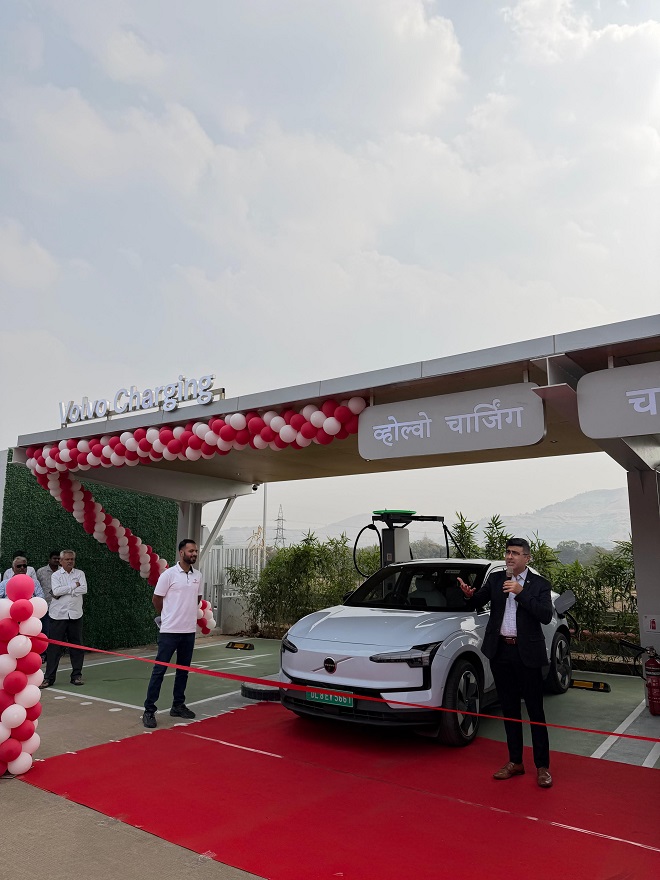
Swedish luxury car brand, Volvo Car India and ChargeZone®, India’s largest EV charging network, has inaugurated an ultra-fast charging station on the Mumbai-Nashik Highway that features a 360kW star charge power unit with two dynamic load balancing dispensers. This station is located at Food Hills, Mumbai-Nashik Highway, Near Igatpuri. This marks a significant milestone in their collaboration to build a premium nationwide supercharging network.
This intelligent configuration enables optimal power distribution, reduced waiting times and faster real-world charging experience for Volvo customers and other EV users. Strategically positioned on one of Maharashtra’s busiest intercity routes, the charging station offers dedicated bays for Volvo EVs, seamless app-based access for navigation and payments, and an elevated customer experience designed for convenience and reliability.
Jyoti Malhotra, MD, Volvo Car India, spoke during the ribbon cutting ceremony organized at the charging station today, “As a legacy brand, Volvo Cars is committed to driving the transition towards sustainable mobility, and this partnership with ChargeZone® is a testament to that vision. Together, we are ensuring that our customers not only enjoy the luxury and performance of Volvo EVs but also have access to a dependable and hassle-free charging infrastructure. The new 360kW station on the Mumbai-Nashik highway is the first step in delivering a world-class charging experience across India.”
Present at the event and speaking on the occasion, Mr. Kartikey Hariyani, Founder & CEO, ChargeZone®, said, “The launch of our first co-branded 360 kW ultra-fast charging station with Volvo Car India represents an important milestone in building a premium, future ready charging network for the country. The Mumbai Nashik hub showcases our focus on high speed, technology enabled infrastructure supported by intelligent features such as dynamic power loading that significantly improve the customer experience. As EV adoption accelerates, our priority is to ensure that long-distance travel becomes fast, predictable and seamless. We look forward to supporting India’s shift toward a cleaner and more sustainable mobility landscape.”
This installation follows the Memorandum of Understanding signed in 2025 between ChargeZone® and Volvo Car India to expand access to high-speed EV charging across key national corridors, and the plan is to get a few more charging stations added in 2026. The partnership reflects a shared commitment to improving long distance EV travel, strengthening charging availability, and advancing India’s transition to sustainable mobility, while encouraging the adoption of luxury and performance EVs across the country.
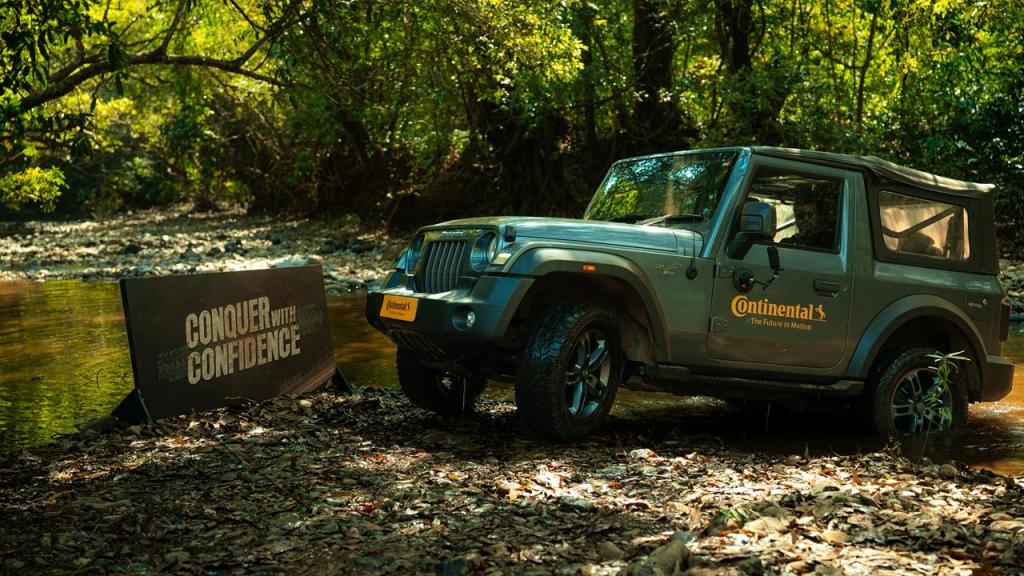
Continental Tires, a leading global tyre manufacturer, marked the Indian launch of its new all-terrain product, the CrossContact A/T², with an adventurous Continental Tires’ Track Day at Dot Goa 4X4. With this, the country becomes one of the first few markets globally to introduce this next-generation product, which blends German engineering precision with rugged versatility to ensure a smooth ride across challenging terrains.
The highly anticipated launch of the CrossContact A/T² reiterates Continental’s growing commitment to the Indian market.
“India’s 4×4 vehicle segment is experiencing sharp growth, driven by a growing passion for adventure and long-distance travel. With our ‘In the Market, For the Market’ approach, we continually innovate to meet the demands of Indian road conditions and deliver enhanced driving experiences. The CrossContact A/T² delivers high performance across the diverse terrains and topographies that India offers,” said Samir Gupta, Managing Director, Continental Tires India.
He further added, “India is the first market globally to introduce the CrossContact A/T². This decision is a testament to Continental’s commitment to the Indian market. We remain committed to delivering cutting-edge solutions tailored to our Indian customers.”
CrossContact A/T²: Engineered for Performance. Designed for Adventure
Built for power, performance, and precision, the CrossContact A/T² is engineered for SUVs and 4x4s, offering superior grip across all surfaces: mud, gravel, sand, wet highways or rocky trails. Designed for modern, adventurous lifestyles, it brings a confident on-road feel and unshaken off-road capability. Key Technologies in CrossContact A/T²:
● BlackPaw™ Compound: Adaptive traction tech that maintains elasticity and control across hot, cold, dry, and wet surfaces.
● Self-Cleaning Shoulders: Open tread patterns and stone ejectors dislodge slush, mud, and debris to keep you moving clean and steady.
● Rigid Tread Block Geometry: Reduces hydroplaning and enhances braking efficiency with precisely angled groove design.
● Reinforced Sidewalls: Built tough to resist cuts, abrasions, and trail damage, ensuring long-term durability and control.
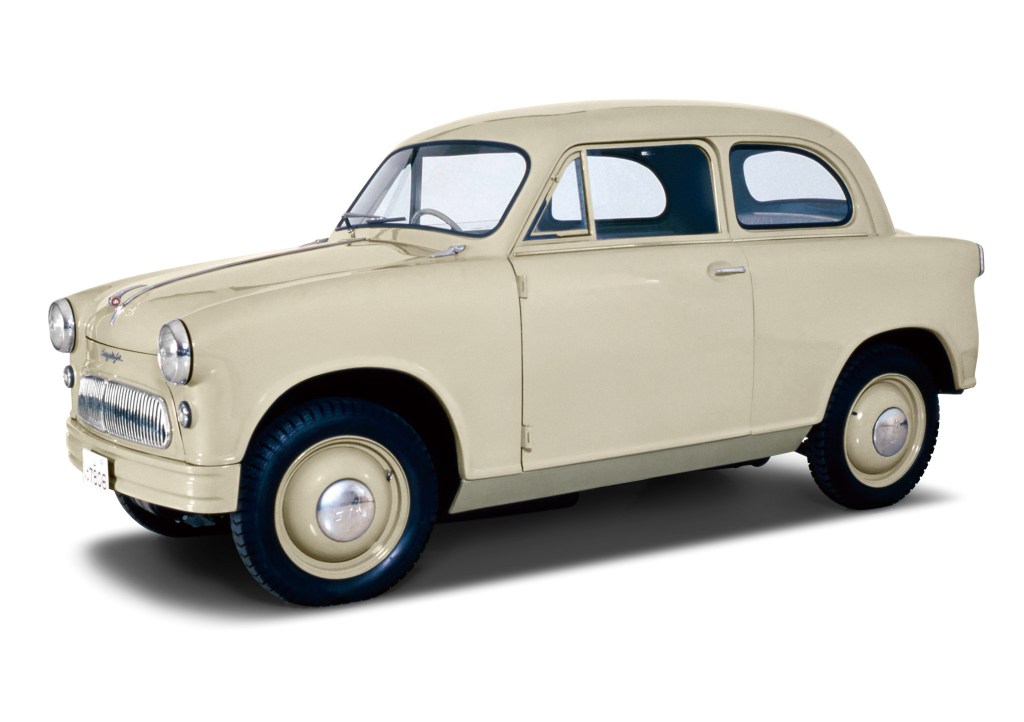
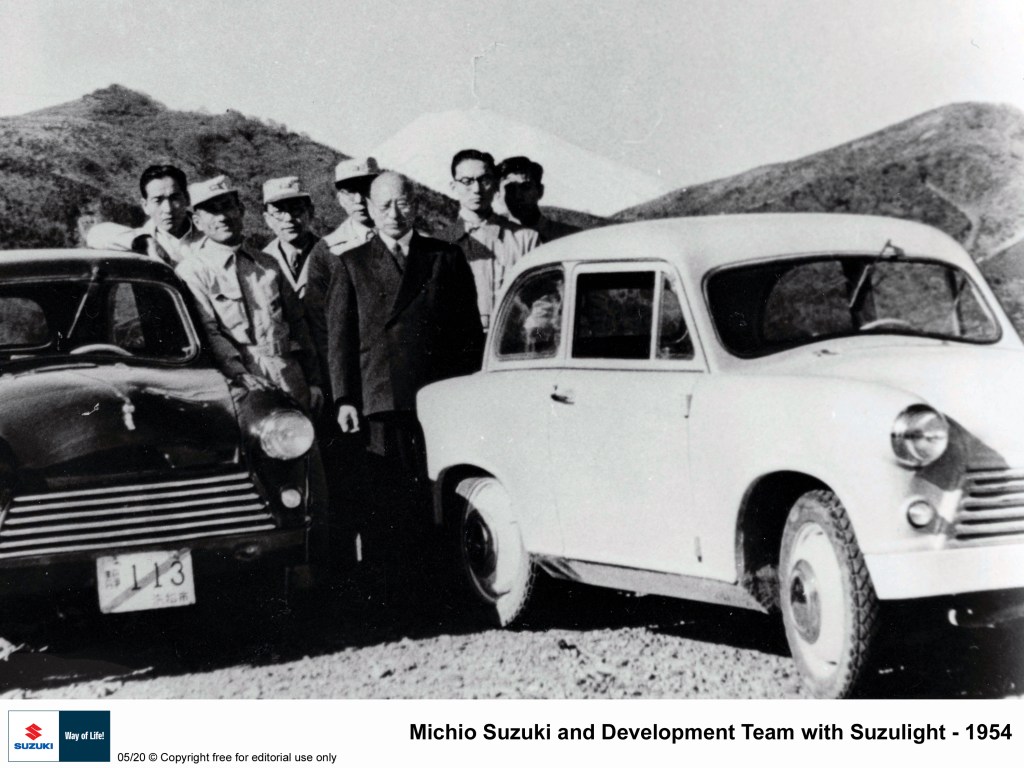
This Autumn, as Suzuki gets ready to launch e Vitara, it’s very first electric vehicle, it’s well worth reflecting on where it all began for Suzuki Motor Corporation 70 years ago. Back in the Autumn of 1955, Michio Suzuki personally delivered a Suzulight, his very first production car to a local doctor who had previously been conducting his house calls on a bicycle.
Although Michio Suzuki had first started in business much earlier than that in March 1920 with the manufacture of textile looms. These became more advanced in design and very popular right through to the early 1950’s when there was a global decline in the cotton industry; Suzuki then decided to diversify into motorised transport with introduction of its first motorcycle in 1953 and the first car followed two years later.
Initial research and development of Suzulight began as far back as 1937 although this had to be shelved later with the outbreak of the second World War. This development finally resumed in 1954 when Suzuki Motor Co Limited was formed.
Using Suzuki’s ‘Yaramaika’ spirit, (translated as ‘Let’s do it’) which was deep in the root of the Enshu region where Suzuki originated together with his determination to drive forward, Michio Suzuki quickly began researching vehicles produced overseas and gained a wealth of knowledge.
Suzulight was a compact vehicle measuring less than three metres in length and weighing just over 500kg. It was powered by a 360cc, 15PS two cylinder, two-stroke engine which was the first of its type to ever be fitted to a car. It was also the first car in Japan to feature a Front Wheel Drive / Front engine layout and was way ahead of its time with its independent coil spring suspension and rack and pinion steering.
Suzulight easily met the Japanese ‘Keijidosha’ or Kei light car legislation and Suzuki and his team quickly began their first development road testing of it. As a prototype, its most memorable early drive was a 300km trip across the Hakone mountainous region between Hamamatsu and Tokyo which proved very challenging on roads that had not yet been paved. Although arriving very late in the evening, the team arrived to present the car to the President of ‘Yanase Auto’ Japan’s leading authority on Automobiles.
The President had stayed on late to greet the team and made his way out to thoroughly test the car. Several hours later he returned very impressed and immediately gave Suzuki full approval to put the Suzulight into production. Production commenced in October 1955 with initial production of 3-4 cars per month but by early 1956 monthly volume had climbed to 30 units.
70 years on, Suzuki Motor Corporation remains globally renowned as the ‘small car experts’ and produces well over three million units per year with a projection of four million units annually by 2030. Michio Suzuki’s original strategy of design and production of lightweight vehicles lives on with platforms including ‘Heartect’ used in Swift, Vitara and S-Cross models and ‘Heartect-e’ which was specifically designed for e Vitara.
Phantom occupies a unique place in the history of Rolls-Royce. At any given time during the last 100 years, it has represented the very best in effortless luxury, engineering excellence, fine materials and exquisite, highly skilled craftsmanship. Across eight generations, each as storied as the last, Phantom has remained unrivalled – not just as the marque’s flagship motor car, but the world’s pinnacle luxury product – an icon of icons. As it enters its second century, Phantom remains an authoritative statement of connoisseurship, enjoyed by those who shape our world.
The stories of these individuals – and their motor cars – give Phantom its own place in history. Phantom has been associated with famous people and momentous events from its inception, signifying power and influence through its sheer size, dominant presence and – perhaps most significantly – its unique capacity to reflect its owner’s personality and significance.
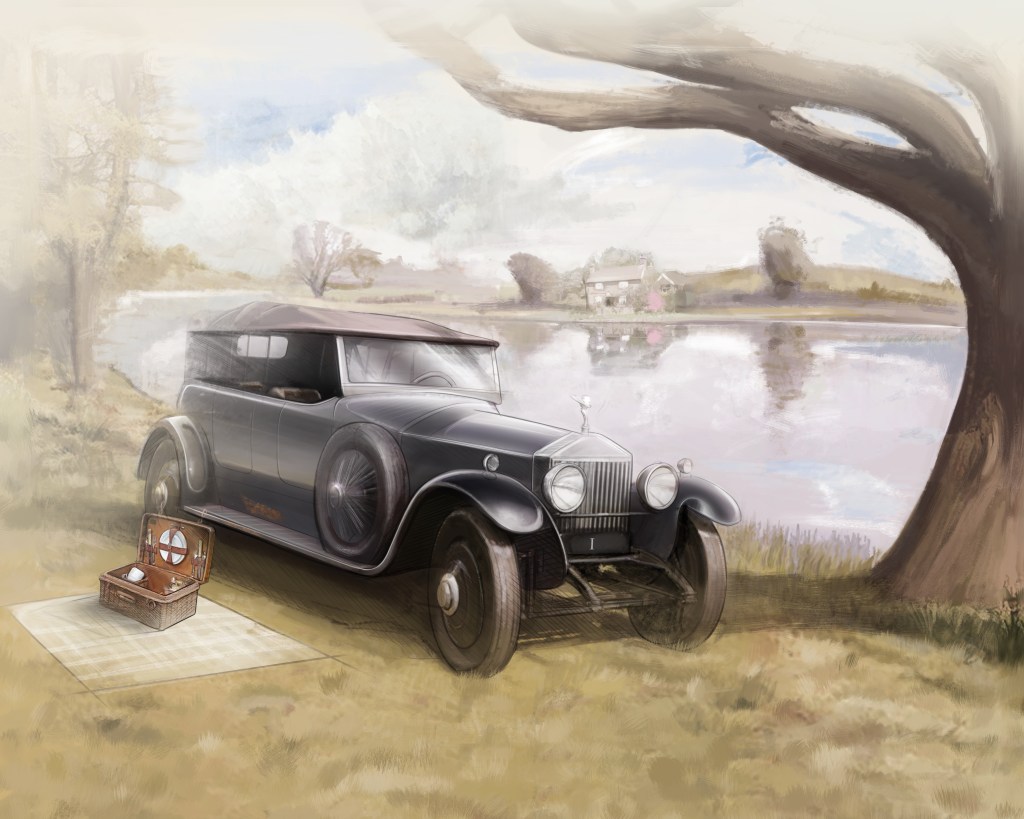
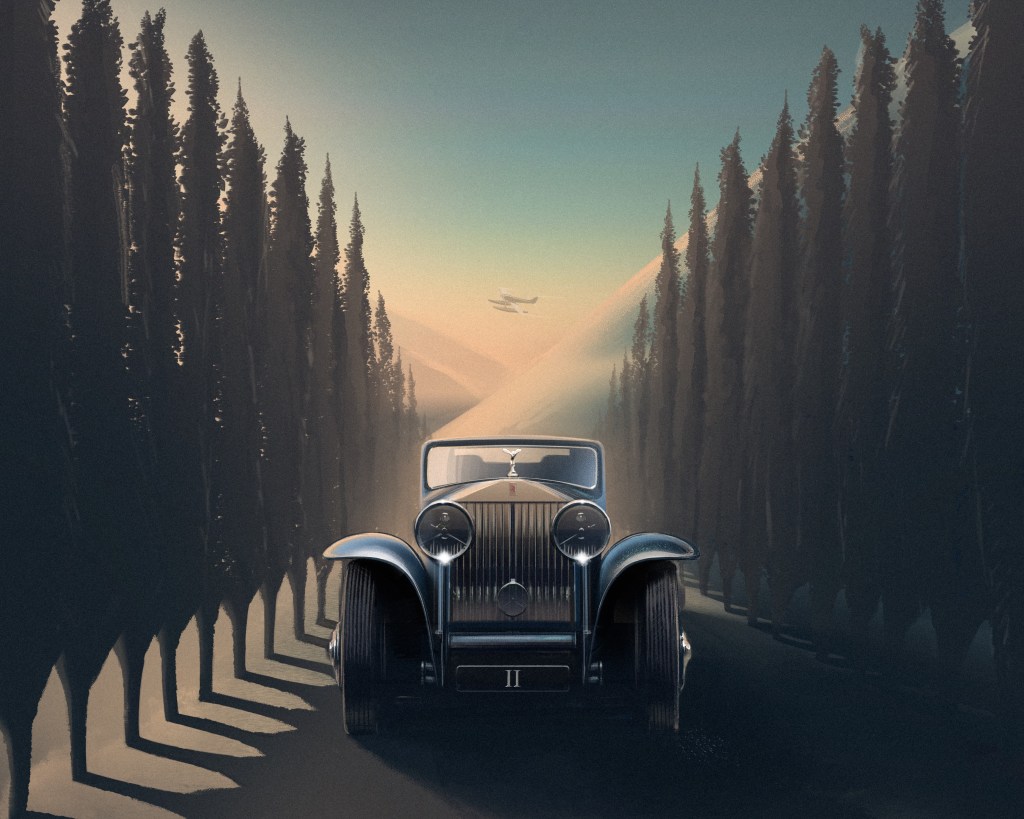
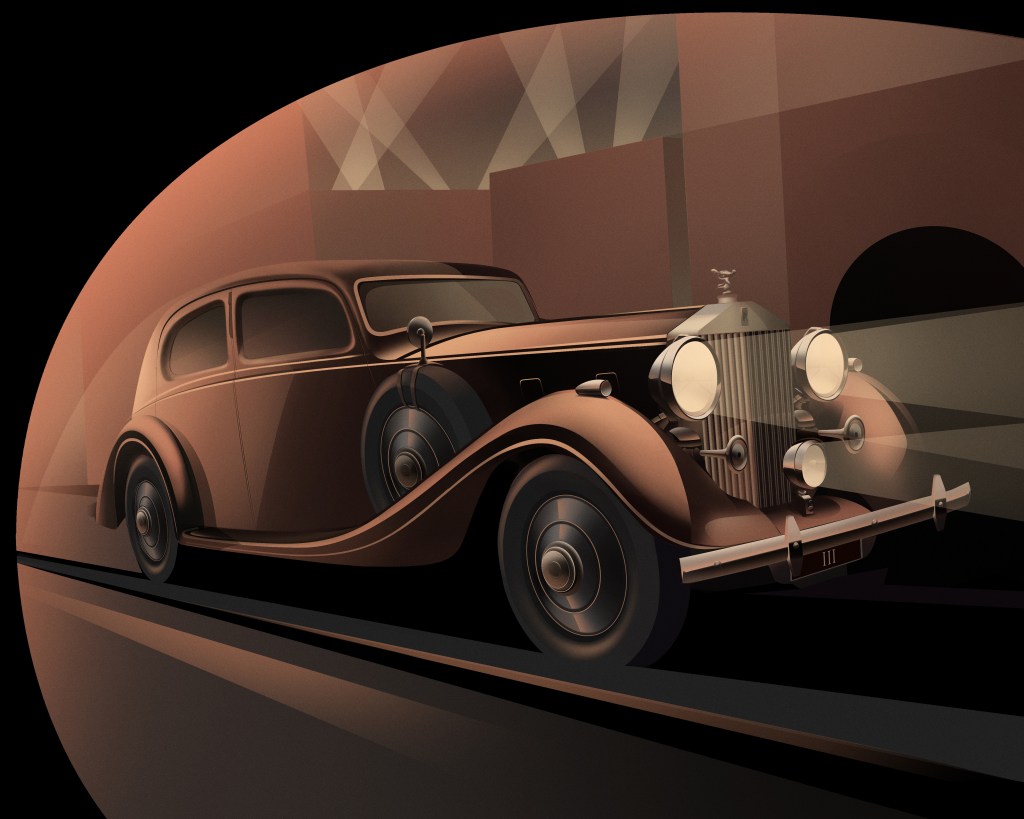
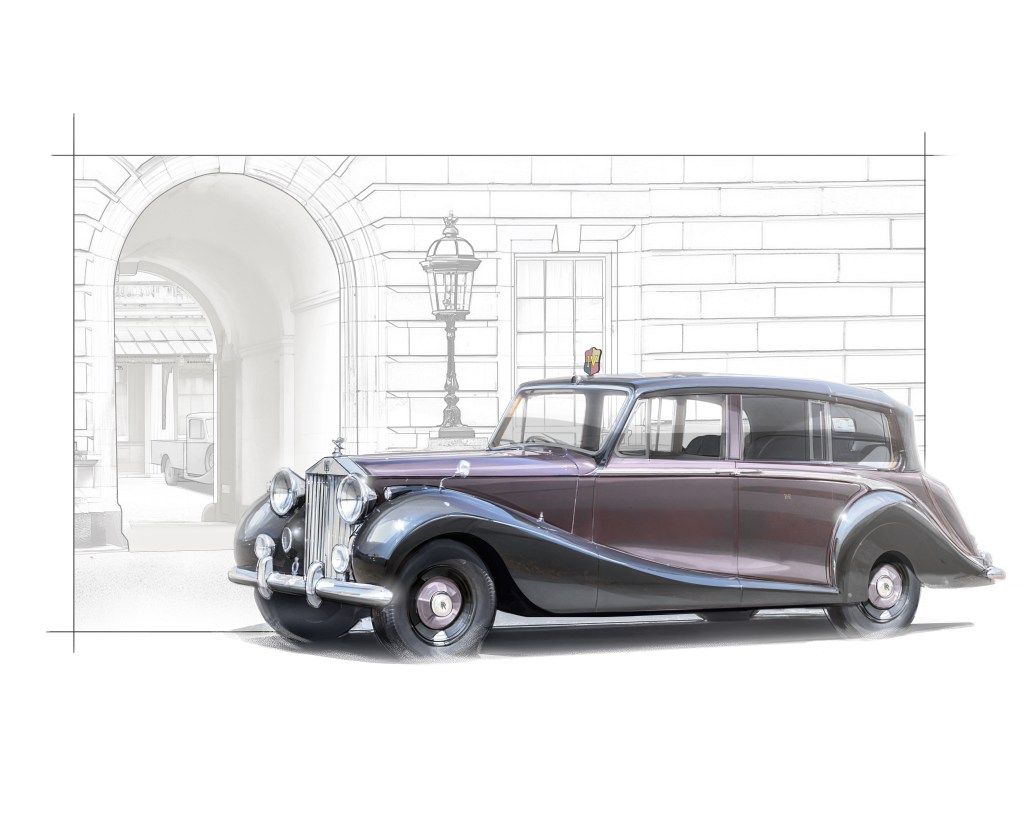
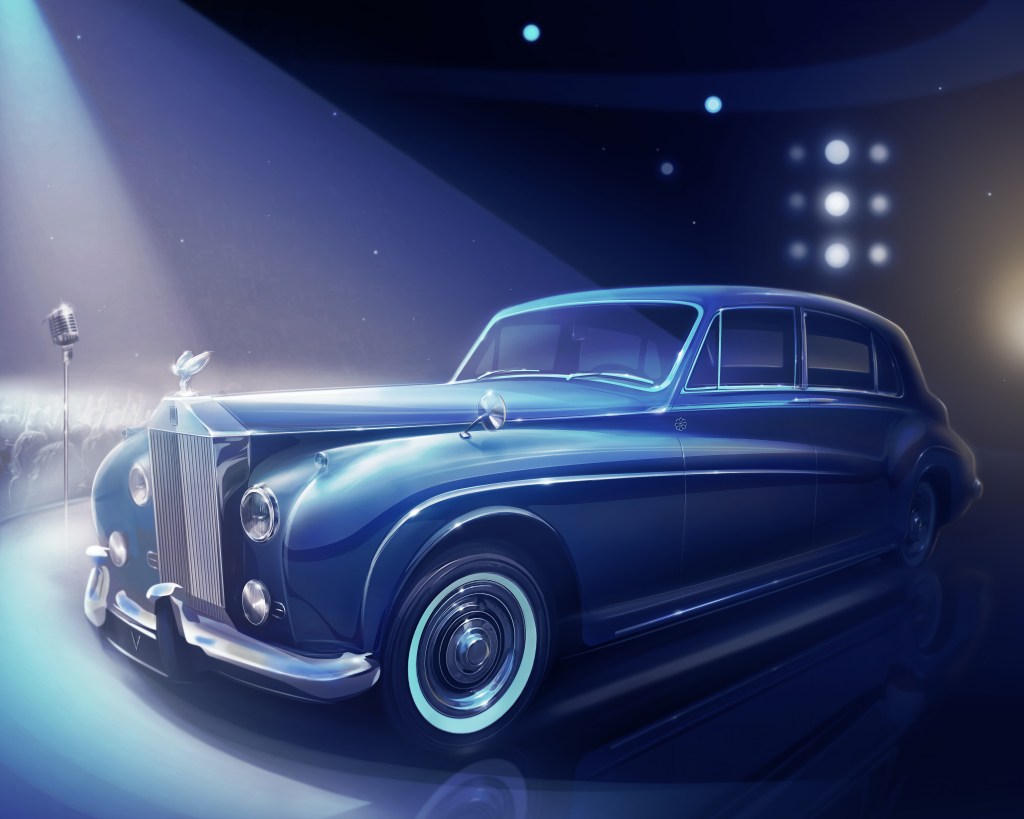
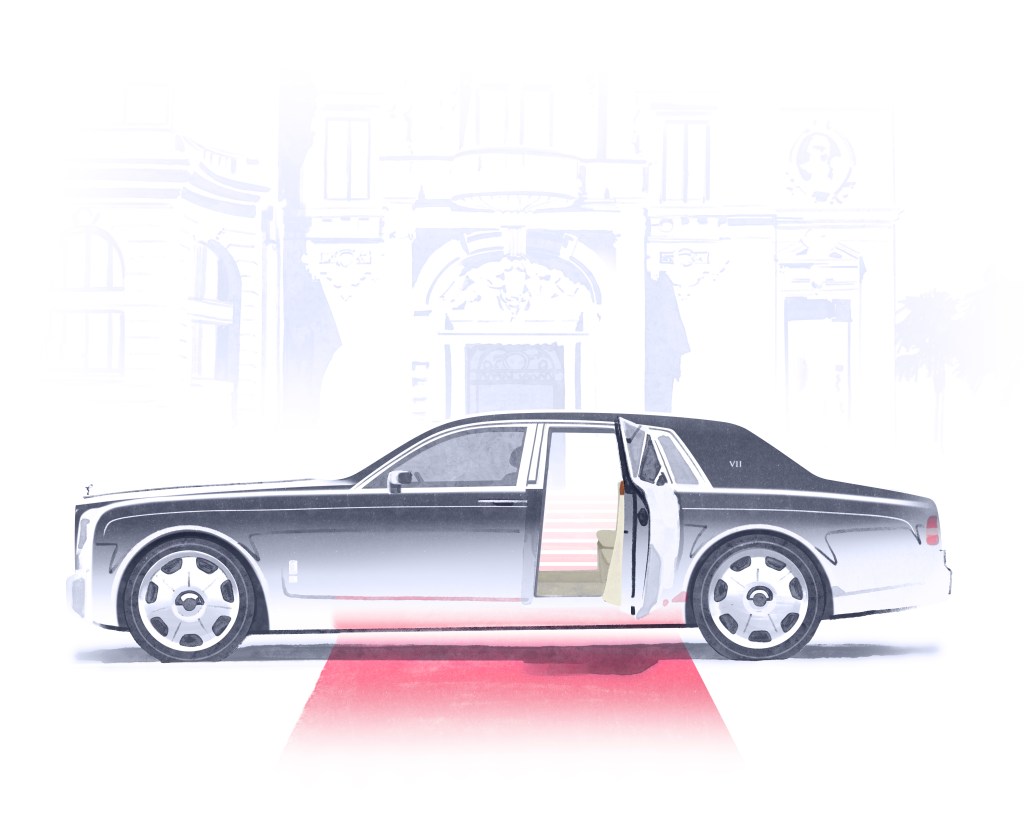
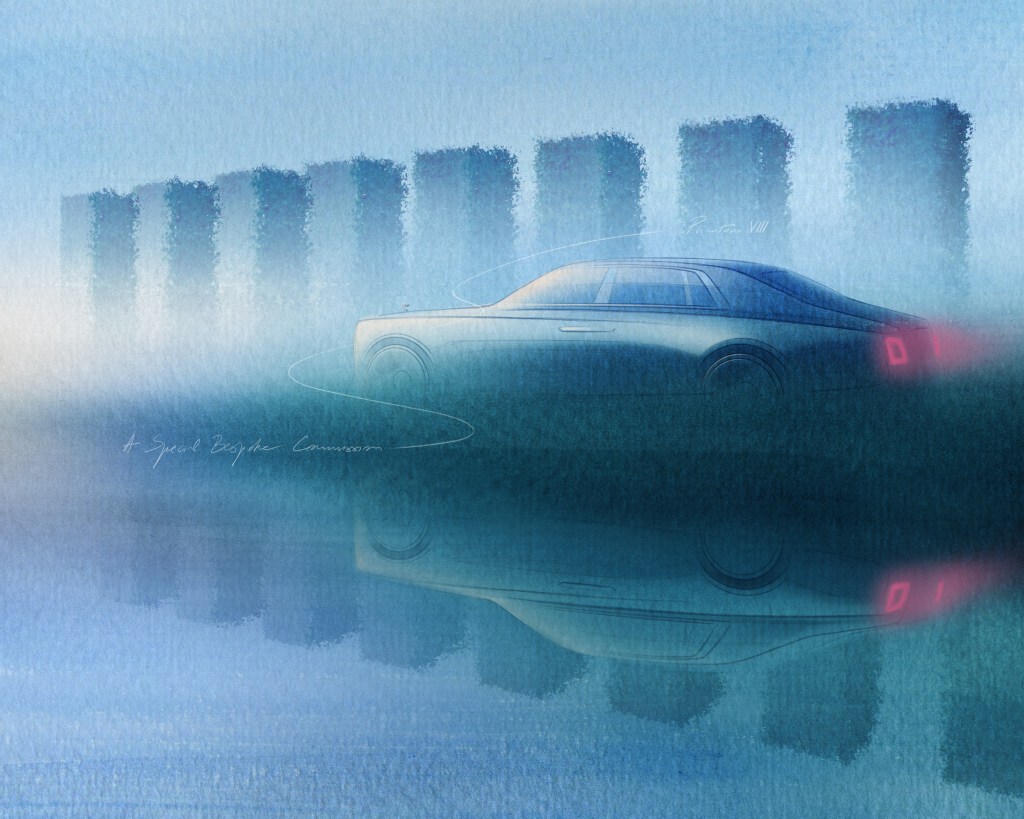
Rolls-Royce marks Phantom’s centenary by reflecting on some of the fascinating stories where Phantom has played a role. The marque’s designers have created a series of original artworks paying tribute to Phantom’s legacy, celebrating this remarkable motor car’s cultural impact through the decades and capturing the spirit of each of its eight generations.
These artworks echo a historical precedent dating back to 1910, when the artist Charles Sykes – who would later create the Spirit of Ecstasy mascot – was commissioned to produce six original oil paintings for the marque’s 80-page catalogue. These images showed Rolls-Royce motor cars arriving at the opera, a country house, the golf course and other venues, reflecting the tastes and lifestyles of its almost exclusively aristocratic owners at the time. The illustrations created by the marque’s designers in 2025 illustrate just how much that client profile has diversified over the past century.
While these contemporary illustrations celebrate Phantom’s evolving role in culture, they also echo a deeper truth: that for a century, Phantom has been present at defining moments in politics, society, and global history. From heads of state to stars of stage and screen, it has served those whose decisions and presence have helped shape the world we live in.
PHANTOM AS A STATEMENT OF AUTHORITY One of the great commanders of the Second World War, Field Marshal Bernard Law Montgomery, 1st Viscount Montgomery of Alamein, was nicknamed ‘the Spartan General’ for his austere lifestyle. His sole concession to comfort was in his personal transport. Recognising the power of image and symbolism, ‘Monty’ used a pair of Phantoms to communicate permanence, solidity and reliability, sending a clear signal to his troops that he would stick with them through the darkest hours.
Montgomery’s day-to-day transport was a 1936 Phantom III with coachwork by Freestone & Webb, requisitioned from the head of the Talbot Motor Company, Frederick Wilcock. In the build-up to D-Day in June 1944, he used this motor car to convey Winston Churchill, General Eisenhower and even King George VI to planning sessions at the Supreme Headquarters Allied Expeditionary Force in Southwick House, Hampshire.
On occasion, during the war years, he used the ‘Butler’ Phantom III, assigned to the Chief of the Imperial General Staff. This particular motor car was so named because it was originally commissioned for Alan Samuel Butler, Chairman of the De Havilland Aircraft Company. With bodywork by HJ Mulliner, its most distinctive feature was a front-sloping windscreen that made the Phantom 15% more aerodynamic, a quality further enhanced by its swept-tail rear profile and enclosed spare wheel and tyre. Montgomery bought the motor car in 1958 and kept the ‘Butler’ until 1963, during which time it served many eminent passengers including the Prime Ministers of Canada, Australia and New Zealand.
PHANTOM AS THE ROYAL STANDARD While Montgomery’s Phantoms were present at events that shaped the modern world, others took pride of place in royal households; none more so than in Rolls-Royce’s home of Great Britain.
In 1948, the Duke of Edinburgh, newly married to HRH Princess Elizabeth, paid a visit to Rolls-Royce. He was loaned an experimental car with a newly designed straight-eight 5.3-litre engine nicknamed ‘the Scalded Cat’ by the marque’s test drivers. Shortly after, he asked if the company could create a more formally bodied car for the use of HRH Princess Elizabeth and himself.
The Duke’s request was accepted, and the first Rolls-Royce Phantom IV chassis was laid down. With advice from Rolls-Royce, it was finished to His Royal Highness’ design. The order was confirmed on 15 November, and to preserve secrecy during its creation, it was given the code name Maharajah of Nabha. This historic motor car remains in active service at the Royal Mews under the name Maharajah to this day.
The British Royal Family subsequently commissioned another Phantom IV, two Phantom Vs, and two Phantom VIs to convey the sovereign. One of these is the renowned Silver Jubilee Phantom VI, which was presented to Queen Elizabeth II in 1977 by the British motor industry to celebrate her 25 years on the throne. Famously featuring a Bespoke raised roof, it would be used again in 2011 at the wedding of the then-Duke and Duchess of Cambridge, conveying the bride from the Goring Hotel to Westminster Abbey.
Across continents, another distinguished Phantom V became woven into the legacy of leadership, this time at the dawn of a new nation in the Middle East. Delivered in 1966 with coachwork by Mulliner Park Ward, the motor car was originally commissioned by Sheikh Zayed Bin Sultan Al Nahyan, revered as the ‘founding father’ of the United Arab Emirates. It was present at his inauguration as ruler of Abu Dhabi and played a pivotal role in his unification negotiations with the leaders of Dubai and other neighbouring Emirates. In 1971, this Phantom carried James Treadwell, the first British Ambassador to the UAE, to the ceremony that formally established the federation on 2 December.
Eight years later, that same Phantom V would return to prominence when it served as the official state conveyance for Her Majesty Queen Elizabeth II during her historic visit to the UAE in 1979 – a moment that brought the two royal legacies full circle.
Beyond ceremonial duties, Phantom has long played a quieter role in the theatre of diplomacy. In 1965, the use of Rolls-Royce motor cars by UK government departments was formally debated in Parliament, a reflection of their symbolic weight on the world stage. During this period, Phantom Vs became trusted envoys in themselves, serving British diplomats in postings as far-reaching as New York, Washington, Tokyo and New Delhi, with earlier examples used in Rome and other destinations.
Over the years, Phantom has also been used in official capacities in countries including Australia, Kuwait, Spain, Thailand and the United Arab Emirates – a testament to its role in the subtle language of statecraft. Indeed, the former British ambassador to Paris, Sir John Fretwell, told British newspaper, The Times, “My Rolls certainly helped when visiting the Élysée. The guards on the gate had no excuse for not knowing it was the British ambassador.”
Whether navigating the world stage or serving closer to home, Phantom has always been an imposing presence, as exemplified by Phantom V, launched in 1959 at 5.8m (almost 19ft) long. While no official documentation exists to prove it, some authors have posited that the minimum statutory distance between British parking meters was revised to accommodate its dimensions.
A PHANTOM FOR A BEATLE: ENTER JOHN LENNON Not every Phantom V was destined for royal service or diplomatic ceremony. Some would come to symbolise an entirely different kind of cultural power. In December 1964, Britain’s disruptor-in-chief, John Lennon, rewarded himself for the success of The Beatles’ A Hard Day’s Night by commissioning his own Rolls-Royce motor car. In typically iconoclastic fashion, Lennon specified his Phantom V should be black everywhere, inside and out. (There are, however, lines that even a Beatle can’t overstep; the motor car’s Pantheon grille and Spirit of Ecstasy mascot retained their conventional bright finish at the marque’s insistence.) This was one of the first cars in Britain to have blacked-out windows, made from darkened, reflective Triplex Deeplight glass.
As Lennon told a Rolling Stone interviewer in 1965, these were not only for privacy, “It’s partly that, but it’s also for when you’re coming home late,” the Beatle remarked. “If it’s daylight when you’re coming home, it’s still dark inside the car – you just shut all the windows and you’re still in the club.”
But this would not be this particular Phantom’s most famous iteration. In May 1967, just days before the release of Sgt. Pepper’s Lonely Hearts Club Band, this motor car was reborn. Inspired by the Romany-style caravan at his home in Weybridge, Lennon reportedly took the advice of Marijke Koger, one of the artists behind the design collective The Fool, and commissioned a complete transformation.
The once-black Phantom was repainted in vibrant yellow and covered with swirling, floral motifs and zodiac symbols. Lennon enlisted a local artist to realise the new design; the result was an artistic manifesto for the Summer of Love the same year, and was often parked proudly outside Lennon’s Kenwood home.
Not everyone approved. As the freshly painted Phantom drove down a promenade in London’s Piccadilly area that summer, Lennon claimed that an outraged Englishwoman shouted, “How dare you do that to a Rolls-Royce!” before attacking the motor car with her umbrella – a moment that only galvanised its legendary status.
Lennon’s Phantom moved with him to New York in 1971, where it became a familiar sight on Manhattan’s Upper West Side. In 1977, he donated it to the Cooper Hewitt Museum. When it was auctioned in 1985, the Phantom sold for $2,299,000 – then a world record for any piece of rock and roll memorabilia. A year later, it was gifted to the Province of British Columbia, where it remains in the care of the Royal British Columbia Museum: a countercultural artefact and perhaps the most famous Rolls-Royce in the world.
The Lennon motor car is just one example of Phantom’s deep ties to the creative industries. Since its inception, Phantom has been the reward of choice for influential figures who have shaped the cultural landscape, both as recognition for their success and as a canvas to express their own personality and vision.
TO HOLLYWOOD AND BEYOND: PHANTOM TAKES THE LEAD The era of silent movies effectively ended in 1927 with the advent of the ‘talkies’ – feature films with both synchronised recorded music and lip-synchronised singing and speech. Among the pioneers of this transformational art form was the Warner Brothers studio, whose co-founder Jack Warner rewarded himself with a Phantom. While some ‘silent’ stars like Mary Pickford – whose Phantom was famously fitted with a hidden compartment for carrying illicit alcohol in defiance of America’s Prohibition laws – never enjoyed the same success following the advent of synchronised sound, others including Greta Garbo and Fred Astaire effortlessly embraced the new order to become global icons – and, naturally, Phantom I owners.
In the years that followed, Phantom would make numerous appearances on the silver screen. Its annus mirabilis was 1964, in which Phantom took leading roles in two of the year’s major movie releases.
In Goldfinger, the film’s eponymous arch-villain uses his black-and-yellow 1937 Phantom III Sedanca de Ville to smuggle gold over the Furka Pass to his mountain lair, until he is finally thwarted by his nemesis, suave super-spy James Bond. This would be one of 12 appearances by Rolls-Royce motor cars in the long-running 007 franchise. In 2024, the marque commemorated the 60th anniversary of the film’s release with Phantom Goldfinger, a one-of-one Bespoke Phantom VIII, faithfully replicating the original’s distinctive finish and replete with innovative film-inspired details.
The same year also saw the premiere of The Yellow Rolls-Royce, written by legendary British dramatist Terence Rattigan and starring a 1931 Phantom II, with Sedanca de Ville coachwork by Barker. A three-part anthology film, it charts the motor car’s adventures with three different owners – an English aristocrat, a Chicago gangster, and an American socialite – and their lives and loves in the years prior to, and including, the outbreak of the Second World War. The all-star cast featured Rex Harrison, Ingrid Bergman, Shirley MacLaine, Omar Sharif, George C Scott, Alain Delon and Jeanne Moreau; the soundtrack song Forget Domani won a Golden Globe and was later recorded by both Perry Como and Frank Sinatra. The latter would also own a Rolls-Royce.
THE KING’S MOTOR CAR: A PHANTOM FOR ELVIS Other titans of popular culture naturally gravitated to Phantom as their fame grew across the globe. Elvis Presley, the ‘The King’ himself, loved cars and in 1963 bought his first Phantom V with coachwork by James Young. The suitably rock’n’roll extras included a high fidelity Blaupunkt Köln stereo system, Firestone whitewall tyres, a microphone and a rear armrest containing a writing pad, mirror and clothes brush. It was shipped in Midnight Blue with a grey cloth interior, but in a delightful domestic detail, Elvis had it repainted after his mother’s chickens started pecking at their reflections in the mirror-polish finish. The chosen lighter Silver Blue reportedly didn’t show the blemishes in the paintwork.
In 1968, Elvis donated his Phantom to the SHARE charity – an act which later inspired the song Elvis’s Rolls-Royce byLeonard Cohen and Was (Not Was).
A NEW GENERATION For decades, Phantom owners tended to fall into two groups: those born into wealth and those who rose to prominence in business, the arts or entertainment. Then, from the mid-1970s, a wave of personal technology began to shift this balance. The arrival of home video, personal computers, mobile phones and eventually the internet, gave individuals the tools to build influence and wealth on their own terms.
A new kind of success story was taking shape. Technology allowed people to make their own fortunes much earlier, and much faster than ever before. It also meant those who already had a public profile – sportspeople, movie stars, musicians and other celebrities – could capitalise on their own image, on their own terms.
This new generation of younger, self-made, entrepreneurial figures was new to luxury. Their tastes were eclectic, individual and unconventional; most importantly, they wanted products that would allow them to express not only their wealth and success, but also their own unique tastes, creative visions and personality.
Phantom VII arrived at the perfect time. As a true Rolls-Royce, it fully met the requirements and expectations of the marque’s traditional clients. But as an entirely new motor car, hand-crafted at the new Home of Rolls-Royce at Goodwood, West Sussex, it was the contemporary product this new generation was looking for. And while it was a complete motor car, it was explicitly positioned as the perfect blank canvas for Bespoke individualisation – just as the coachbuilt Phantoms that preceded it had been.
PHANTOM ENTERS THE SOCIAL MEDIA AGE For these new owners, Phantom was a motor car in which to be seen; and thanks to social media, they could be – by millions, around the world. In a neat full circle, many of the people who made their fortunes via YouTube and Instagram chose to invest in a Phantom, then used their platforms to share their ownership experience with the world. As its presence grew, Phantom became a fixture at award ceremonies and gala events; in 2012, three special edition Phantom Drophead Coupés made a surprise appearance at the closing ceremony of the London Olympics. The roof of the first retracted to reveal Jessie J, who sang as the motor cars performed laps of the stadium. A suitably grand arrival for such a momentous occasion, this event, along with numerous others in more recent history, was broadcast directly to the devices of millions, making Phantom a social media star in its own right.
PHANTOM TODAY For 100 years, Phantom has been a quiet but imposing presence in some of history’s most defining and memorable moments. Now in its eighth generation, it remains a potent symbol of power, influence, and success. As well as continuing to attract many of the highest achievers in modern culture, it transcends the automotive world, serving as both the pinnacle of luxury and a cultural icon in its own right.
Whether making cameo appearances in music videos from Calvin ‘Snoop Dogg’ Broadus and Pharrell’s Drop It Like It’s Hot to Drake’s Started From the Bottom, represented in cultural institutions like the Saatchi Gallery and the Serpentine, or serving as a collaborative canvas for brands including Hermès and Iris van Herpen, it continues to reflect and shape the world around it.
Phantom continues to serve as the ultimate canvas for personal expression, facilitating the finest creative hand craftsmanship. Since the dawn of Rolls-Royce’s Goodwood era, it has inspired some of the most extraordinary Bespoke commissions in the marque’s modern age – each a reflection of its commissioning client’s imagination, values and legacy. From intricate expressions of cultural heritage to contemporary works of art, these remarkable motor cars reaffirm Phantom’s position not only as the pinnacle of luxury, but as a medium for self-expression.
As Phantom enters its second century, its journey through culture, communities and continents continues, gathering more momentum than ever. Each new commission adds another chapter to a story still being written – one shaped by the achievements of those who commission it and the timeless commitment to excellence and individuality that have always defined Phantom. In a rapidly changing world, it remains a reassuring constant: the ultimate expression of presence, purpose and personal legacy.
Chris Brownridge, Chief Executive, Rolls-Royce Motor Cars, said: “Phantom is much more than a motor car. For 100 years, it has stood at the pinnacle of all Rolls-Royce motor cars – a cultural phenomenon that both reflects and influences the world around it. From its earliest days, Phantom has been one of the most desired rewards for success and a potent symbol of power and prestige on the world stage. Beyond status, it has always offered its owners a canvas for personal expression, transformed through Bespoke craftsmanship into a moving work of art. Across music, politics, art and beyond, Phantom has been present at many of history’s defining moments. The stories that surround it – and the images they’ve inspired our designers to create – reveal its extraordinary reach, and its enduring connection to greatness.”
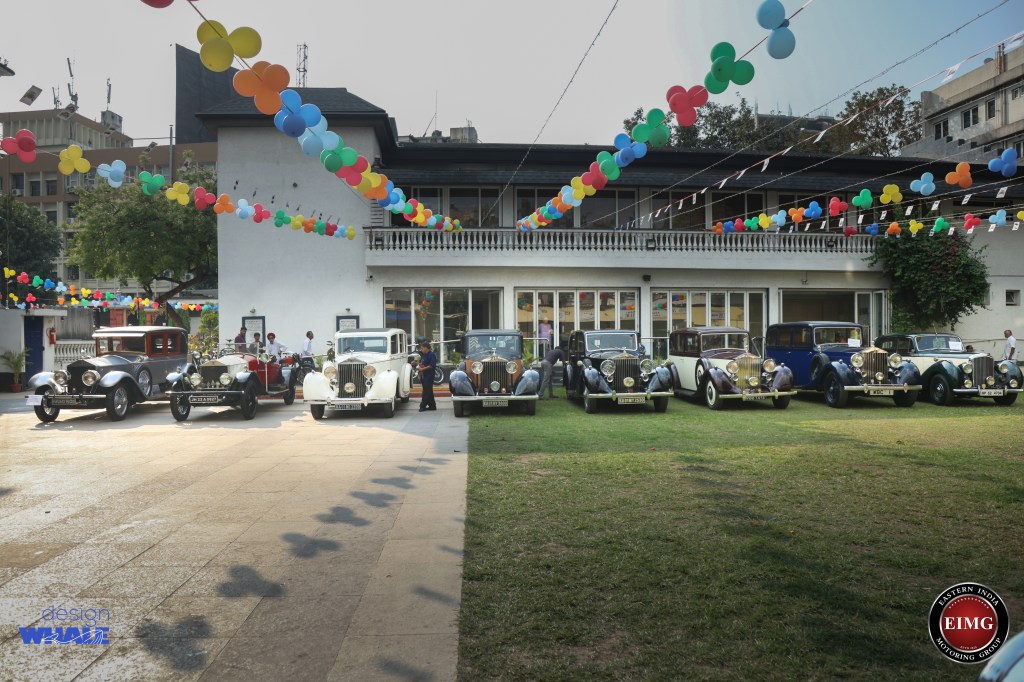
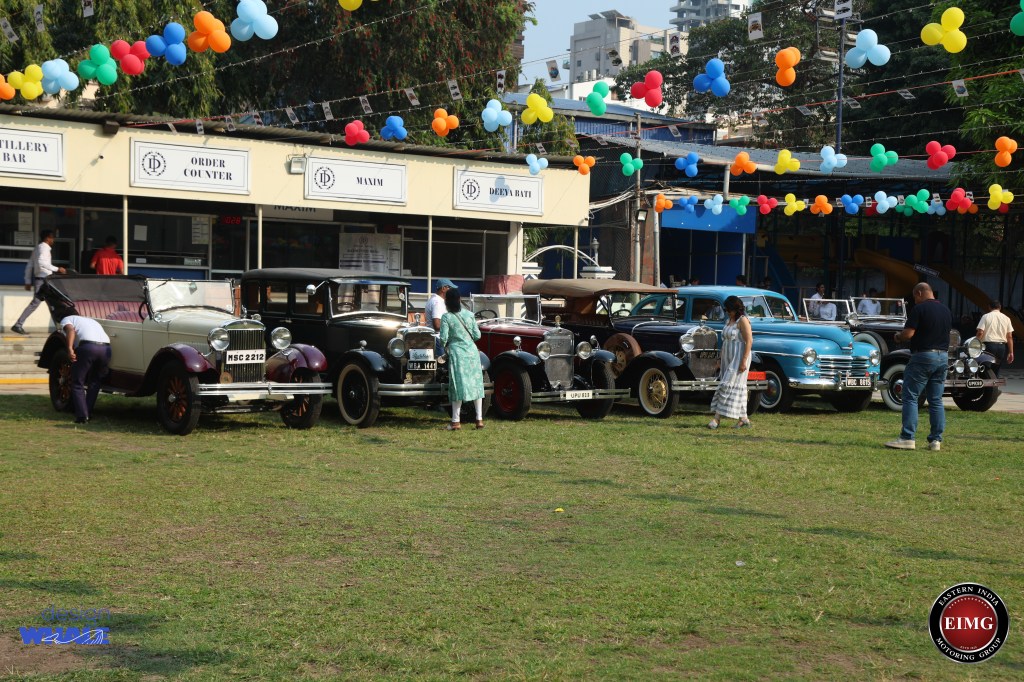
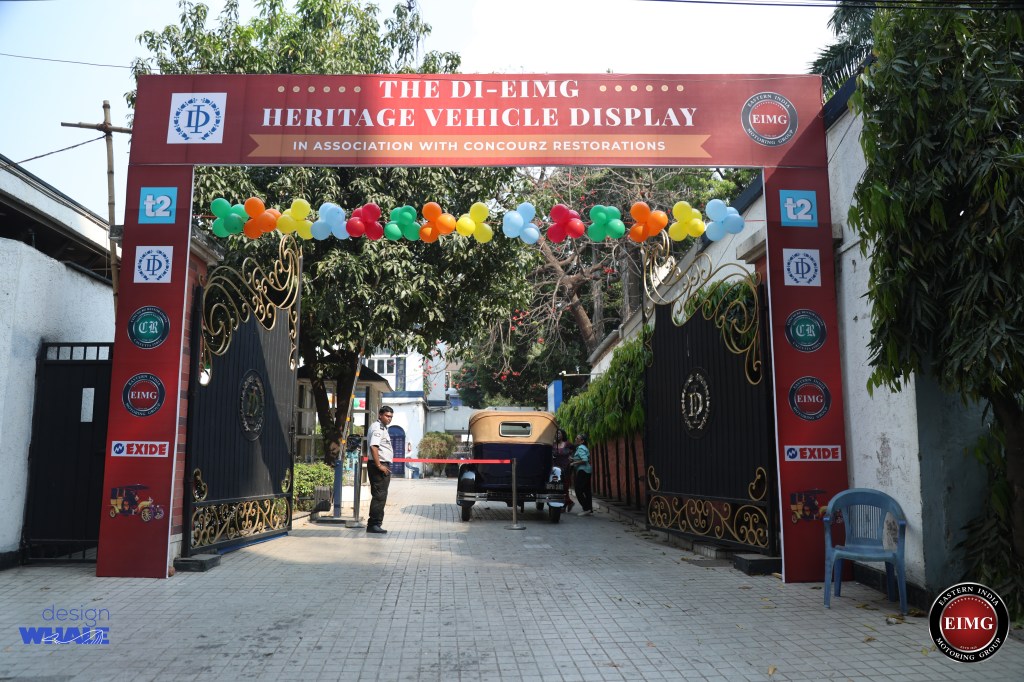
The Dalhousie Institute (DI) and Eastern India Motoring Group (EIMG) in association with Concourz Restorations joined hands to organise the third edition of THE DI EIMG HERITAGE VEHICLE DISPLAY on Sunday, March 9, 2025.
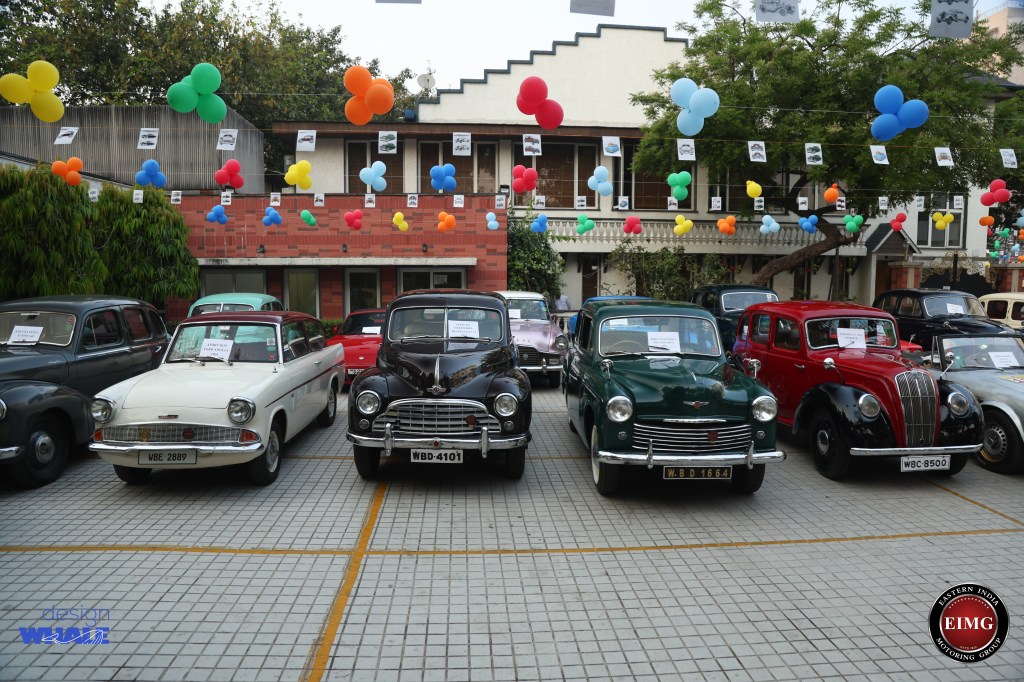
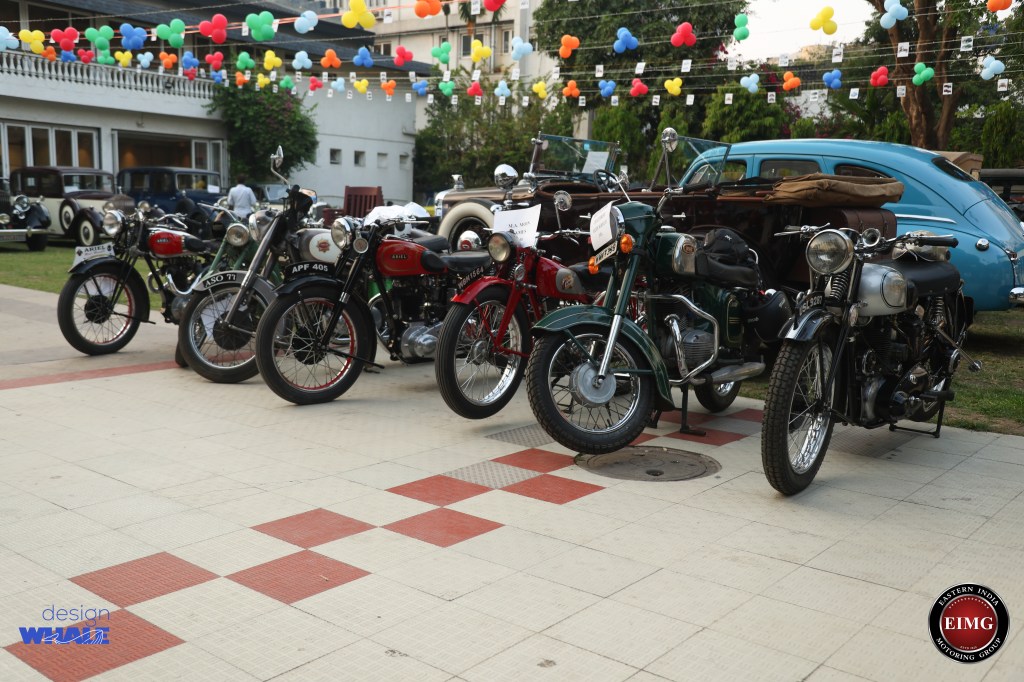
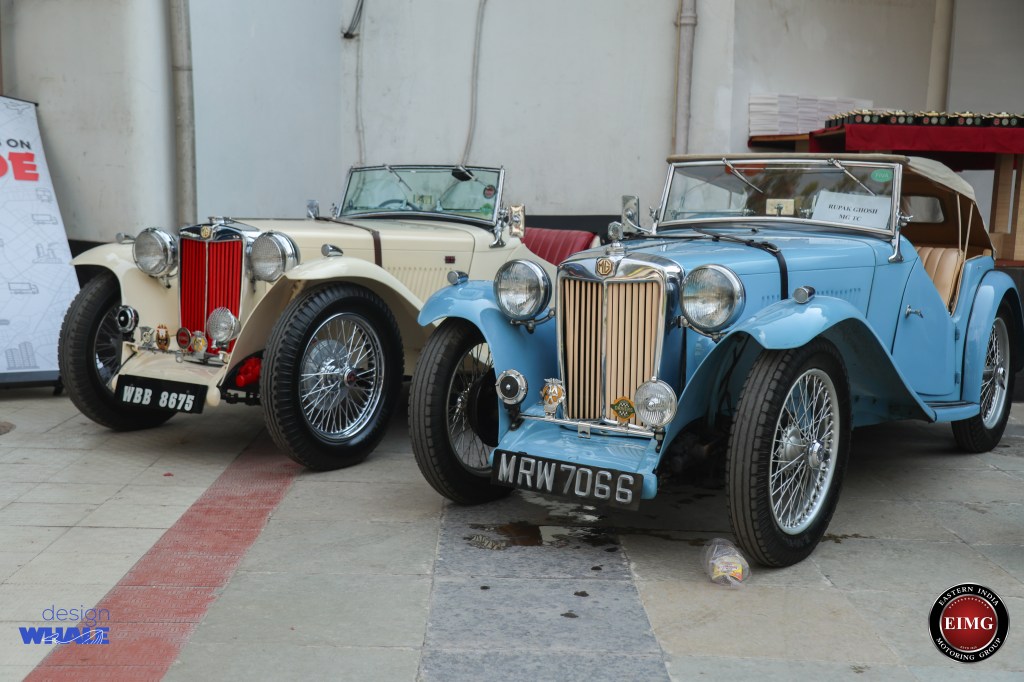
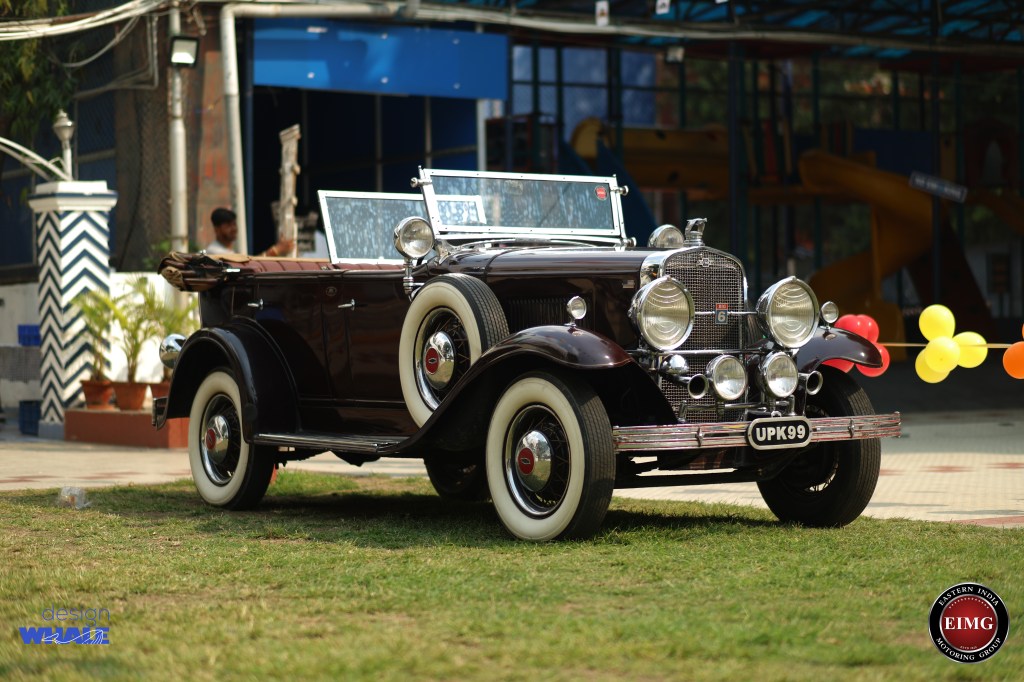
The event was held at the lawn and the courtyard of The Dalhousie Institute where a bevy of 75 heritage vehicles including four and two wheelers were displayed.
The member of DI along with their guests were in for a visual treat as some rare and exotic heritage wheels made the onlookers drool in admiration and envy.
Established in 2020, EIMG has since been anchoring the revival of the heritage motoring movement in Kolkata. Under the leadership of Founder & President Mr. Shrivardhan Kanoria (himself a collector & restorer of national repute) and his team, EIMG has been instrumental in organising some of the most widely appreciated and admired heritage motoring events in the city.
These stellar events has provided the much needed impetus to heritage vehicle owners and restorers to pursue their passion with added zest to ensure that these beauties turn up at each event looking their best.
Founded in 1859, The Dalhousie Institute is a venerable social club with a rich legacy and heritage of its own. It was just a matter of time that these two organization – DI and EIMG – came together to create an evening of automobile magic.
This collaboration was made possible with the effort of Mr. Shubhajit Kumar, EIMG Secretary and a collector himself – who acted as the bridge between DI and EIMG.
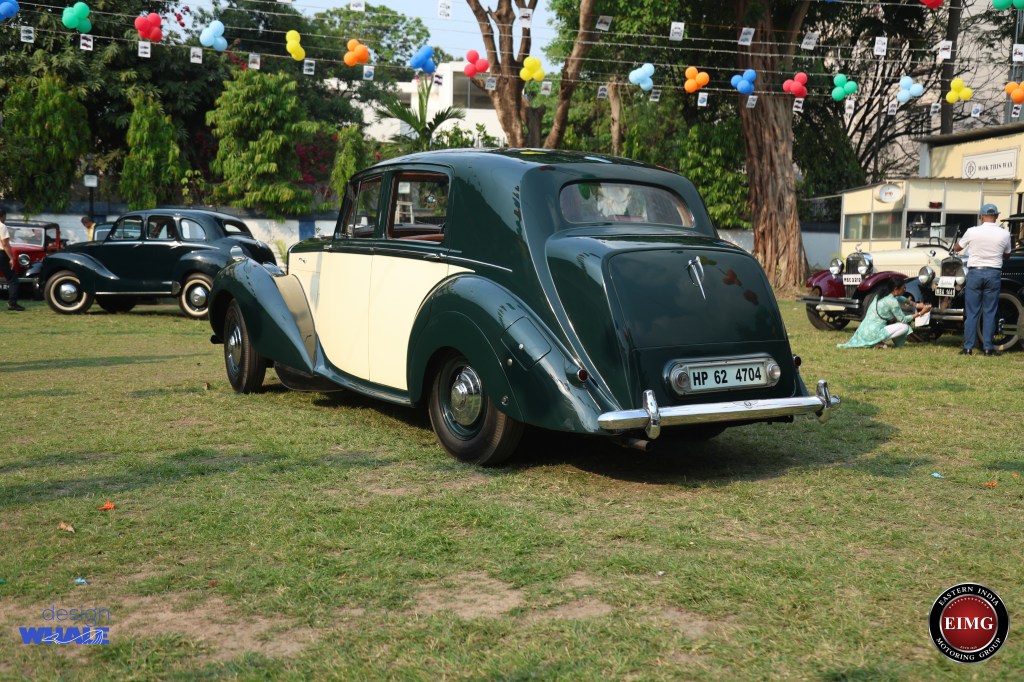
Kanoria had handpicked 75 heritage vehicles which was part of this grand display. The vehicles were segmented into four different categories namely Vintage Cars, Classic Cars, Indian Heritage Cars and Two Wheelers.
All the vehicles selected for this event were spectacular in their own right with significant historical importance.
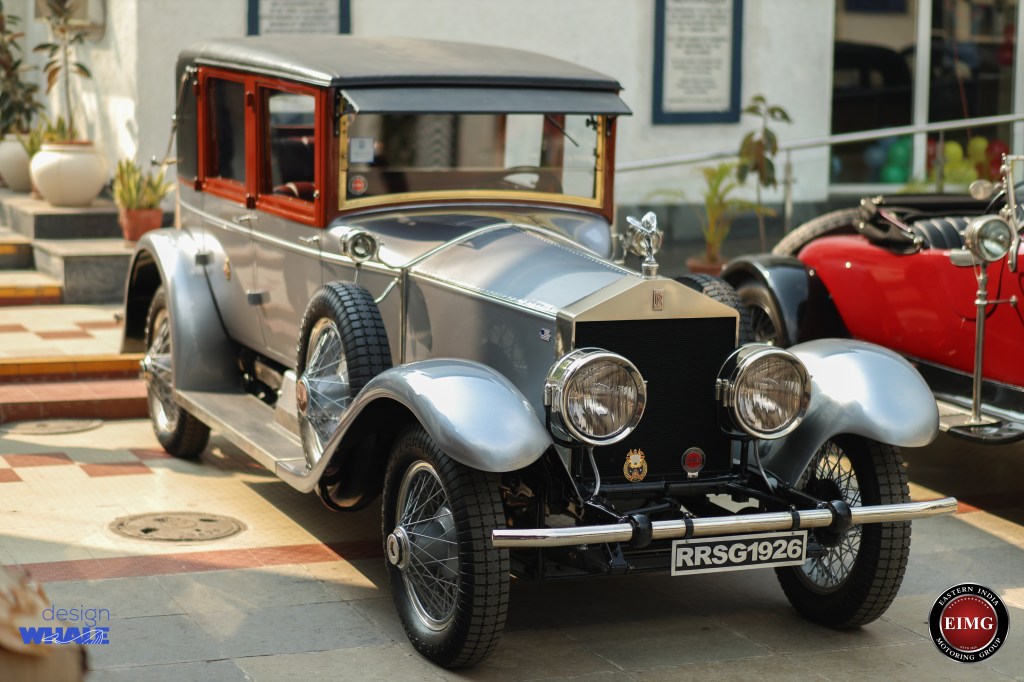
Eight vintage Rolls-Royces including a rare Bentley graced the display, which included three Rolls-Royces from the Shrivardhan Kanoria Collection itself.
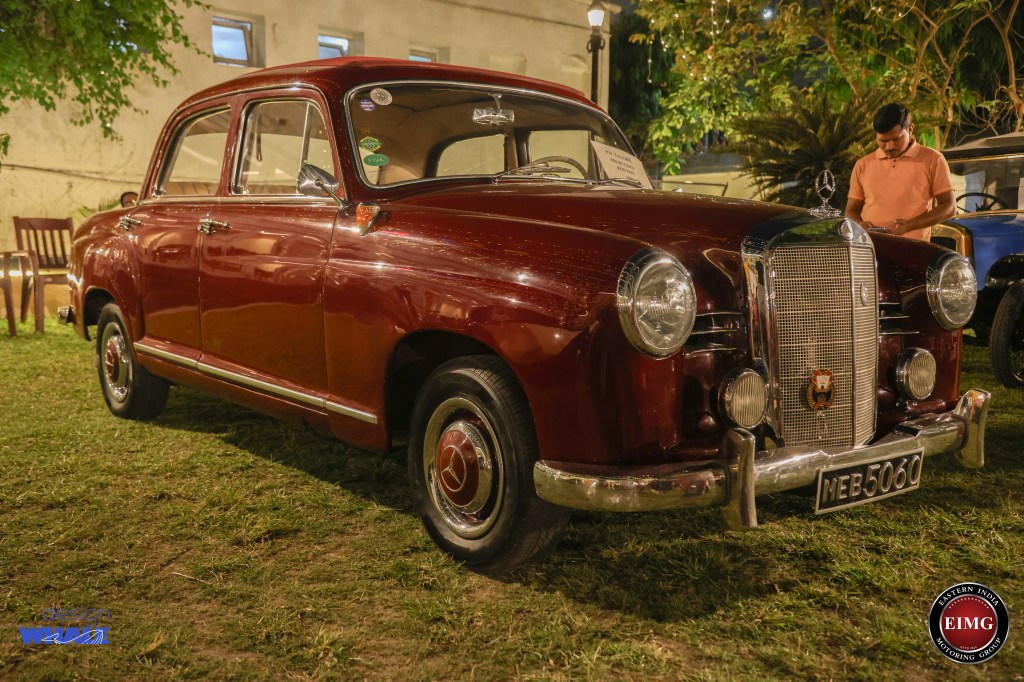
Other notable cars on display included an ultra rare 1934 SS1 Sports, 1948 Plymouth Special Deluxe, 1931 Chevrolet Big 6, 1937 Opel Cabrio, 1947 MG TC, 1950 Austin 8, 1958 Mercedes Ponton, and 1965 Hillman Imp.
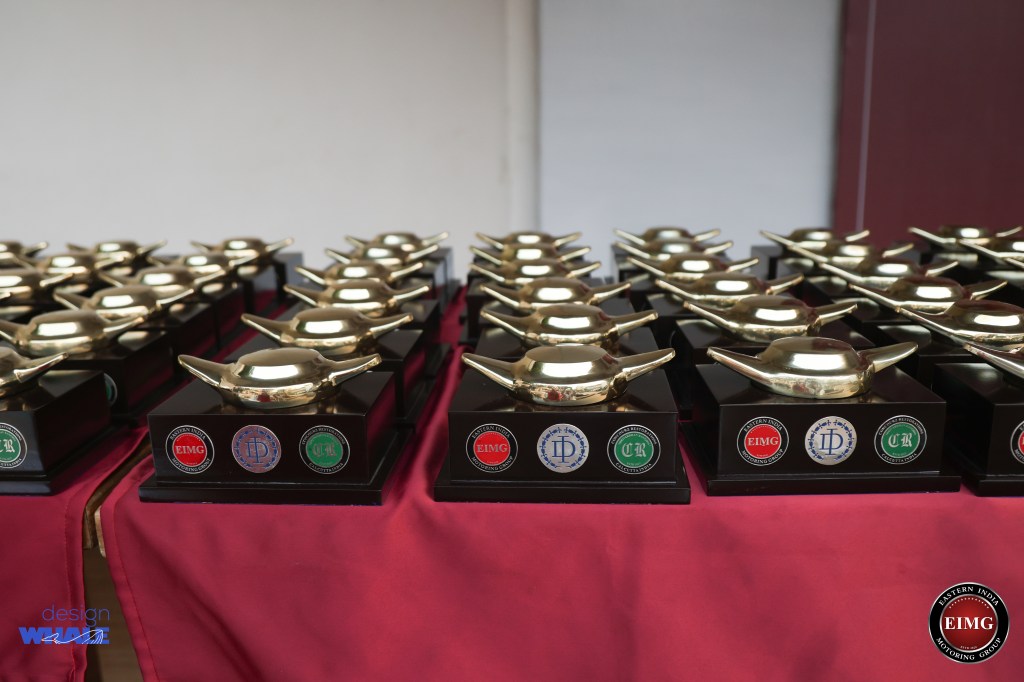
The Thanksgiving Ceremony was conducted by EIMG President Mr. Shrivardhan Kanoria wherein the beautiful mementos sponsored by Concourz Restorations were presented to the heritage vehicle owners and other important stakeholders.
In his thanksgiving address Mr. Kanoria said, “I would like to express my gratitude to the committee members of The Dalhousie Institute for their support and cooperation for making this event possible. Special mention to the Club President and Club Secretary. Heartfelt gratitude to Mr. Shubhajit Kumar for being instrumental for this collaboration between DI and EIMG. Lastly thank you to Telegraph T2 and Exide for supporting this event.”
The thanksgiving ceremony was followed by a sumptuous dinner hosted by EIMG President Mr. Shrivardhan Kanoria.
From its foundation in 1904, Rolls-Royce built rolling chassis, upon which clients commissioned coachwork from an independent coachbuilder. The marque produced its first complete monocoque cars in the 1960s, but continued to offer rolling chassis until the 1980s.
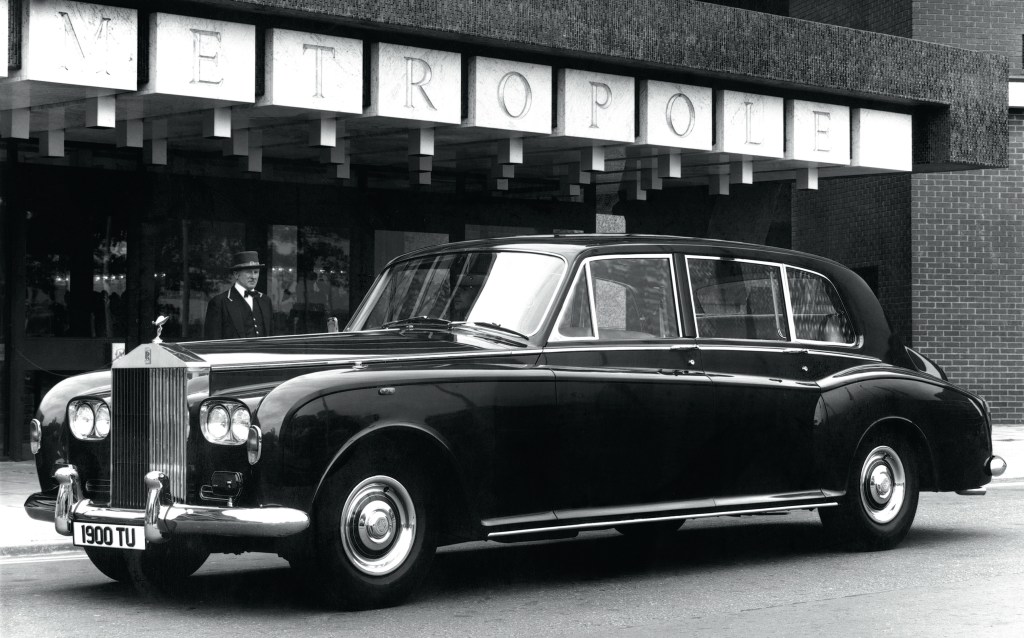
Phantom VI was the last Rolls-Royce to be made available in this form. In line with standard Rolls-Royce practice, established by Sir Henry Royce himself, Phantom VI was born out of the upgrades and enhancements to its predecessor, Phantom V. The accumulated improvements reached the point where Rolls-Royce engineers judged it sufficiently evolved to be worthy of a new designation.
Even so, Phantom VI already felt like something of an anachronism. Phantom V clients had been able to choose coachwork from four great names: H. J. Mulliner, Park Ward, Hoopers and James Young. By 1961, the latter two had closed their doors, while Rolls-Royce had acquired and amalgamated the other two to create its own in-house coachbuilder, known as H. J. Mulliner Park Ward, which would provide the bodies for virtually all Phantom VI motor cars.
Like all Rolls-Royce models, Phantom VI underwent various changes during its lifecycle, including a more powerful 6.75-litre V8 engine and a modern three-speed automatic gearbox to replace the original four-speed version inherited from the Silver Cloud era. It also had specially engineered brakes, which used the Silver Shadow-style high-pressure hydraulics to operate rams connected to twin master cylinders; the brake drums were designed for improved heat dissipation and more efficient linings.
Changes in safety legislation required front-hinged doors with burst-proof locks, flush interior door handles and a steering column that would collapse upon impact. New crash-testing protocols also meant the prototype Phantom VI chassis, PRH1500, suffered the indignity of being driven into a 100-tonne concrete block at 30mph (48km/h) – a test it passed so effortlessly it was subsequently rebuilt and is still in service as a courtesy car at a Swiss hotel to this day.
Although coachbuilding was by now a niche offer even for Rolls-Royce, Phantom VI provided a fitting ‘last hurrah’ for this longstanding traditional craft. The seven ‘Special Limousines’, codenamed ‘Alpha’, for example, were superficially similar to other Phantom VIs; but close examination revealed wider, chrome-plated window trims and 16” wheels with tyres inflated to 90psi. These modifications were required to accommodate the 5mm thick glass and 7mm of armour plating that rendered the rear passenger compartment both bullet and bomb-proof. No such provision was made for the luckless chauffeur, however.
Phantom VI was also the last truly coachbuilt Rolls-Royce to offer both Sedanca de Ville and Landaulette coachwork. The Landaulette was available opening either to the B-pillar or over the rear seat, the latter variant being the choice of HM Queen Elizabeth The Queen Mother. Her daughter, HM Queen Elizabeth II, owned two Phantom VIs. The first, codenamed ‘Oil Barrel’, had its roof height raised by 13cm (5″) and a Perspex rear cupola that could be quickly covered by a two-piece, black-painted aluminium dome when the occupants required privacy. The second, delivered for the Royal fleet in July 1987, was codenamed ‘Lady Norfolk’ and had a standard roof height. Both remain in service at the Royal Mews today.
Increasing difficulty in obtaining minor chassis and coachwork components manufactured in the Silver Cloud era finally put paid to Phantom VI production. The last iteration commissioned by a client was delivered in May 1991; its 117 bespoke features included a solid silver fruit bowl to sit atop the cabinet behind the division, kept in place by concealed magnets.
In its 23-year lifecycle, just 374 Phantom VIs were built. The very last example to be completed was a Landaulette finished in black over red, with red leather in the front and red velvet in the rear compartment. Rolls-Royce had originally intended to retain the car itself, but recessionary pressures finally persuaded the company to part with it in 1993.
Phantom VI was the last Rolls-Royce model with traditional coachbuilt bodywork. It represented both the pinnacle and the swansong of the traditional coachbuilder’s art, with a purity of line and finesse of detail unequalled until Rolls-Royce embarked on its contemporary coachbuilding renaissance at Goodwood, with ‘Sweptail’, more than two decades later.
Andrew Ball, Head of Corporate Relations and Heritage, Rolls-Royce Motor Cars, said: “The launch of Phantom VI marked a significant chapter in the Rolls-Royce story; it would go on to become the marque’s final model offered as a rolling chassis, ending a line unbroken since 1904. However, the coachbuilding era ended in suitably magnificent style with Phantom VI. Launched in 1968, just 374 were built in a production cycle that extended over two decades; however, the 1980s can be regarded as its true heyday – only six examples were completed after 1990. The last fully coachbuilt Rolls-Royce, Phantom VI had coachwork by H. J. Mulliner Park Ward, then a wholly in-house operation; the best-known commissions were likely those built for the Royal fleet, which remain in service today. It would be more than 20 years before coachbuilt motor cars of comparable quality and detail would become available, when Rolls-Royce began its modern-day coachbuilding operation at Goodwood with ‘Sweptail’ in 2017. This was followed by the announcement of a dedicated department within Rolls-Royce named Coachbuild, and the unveiling of Boat Tail in 2021, then Droptail in 2023. Phantom VI is thus an important marker in the Rolls-Royce story, as both the swansong of traditional coachbuilding, and a model for the new generation that would follow.”
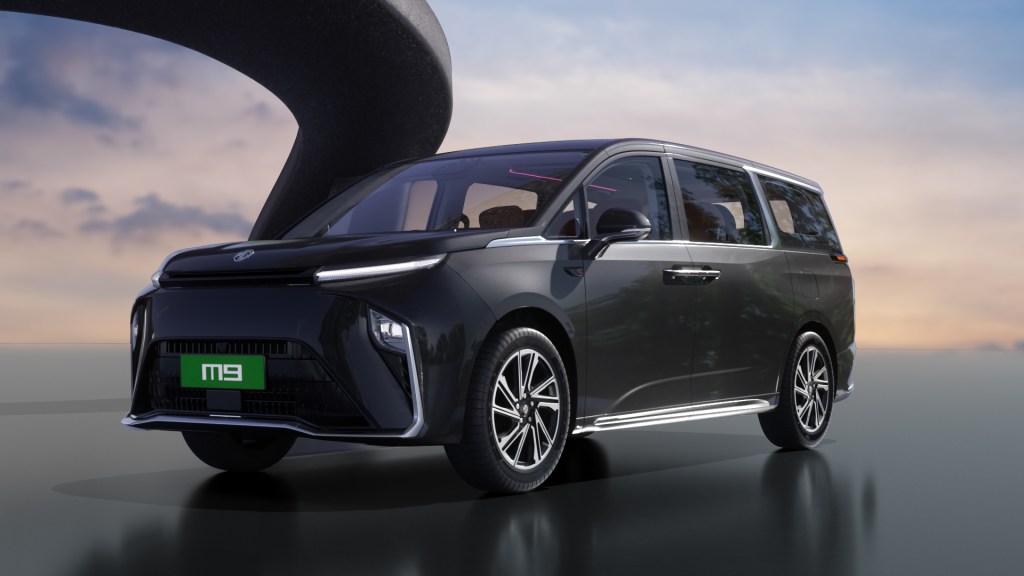
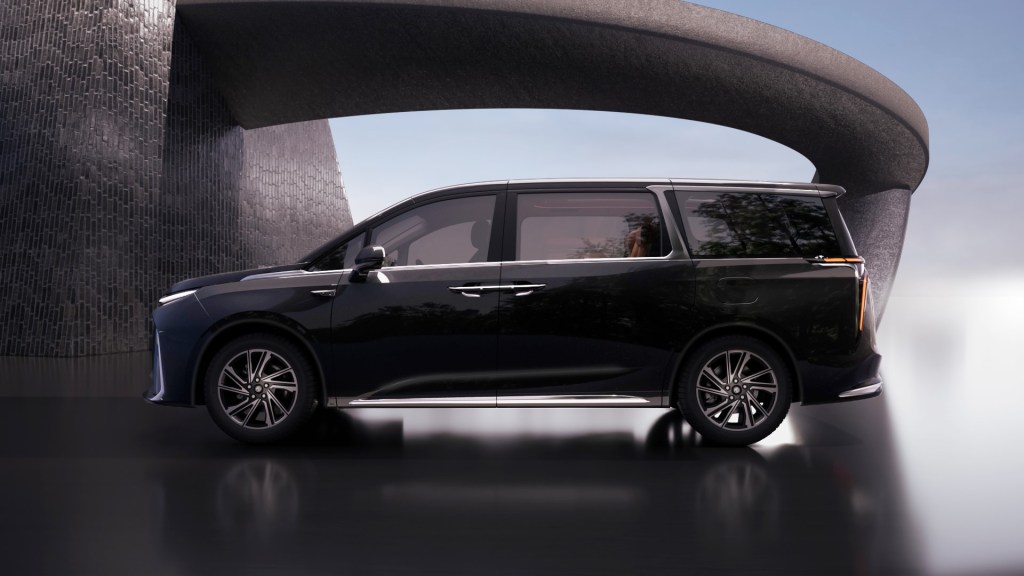
JSW MG Motor India’s newly launched luxury brand channel, MG Select, has unveiled the name of the second car from its portfolio – ‘MG M9’. An exclusive sanctuary, the M9 is a luxurious limousine designed for the discerning few. Its spacious cabin adorns opulent interiors and is equipped with advanced technology to offer supreme comfort and sophistication. The majestic limousine is set to premiere at the Bharat Mobility Global Expo 2025.
The MG M9 limousine is conceptualised to provide ultimate comfort and luxury on wheels. The Limousine is built with a charismatic blend of signature styles, from its touchscreen handrail on reclining ottoman seats in the second row to the trapezoidal front grills on the exterior. With 8 massage modes in the ottoman seats and the 3-zone climate control, it ensures an elevated sense of comfort, all of which can be controlled from the touchscreen panel on the handrail. This majestic limousine is for the discerning few who long to travel with the best amenities and can comfortably seat seven passengers across three rows.
Talking about the MG M9 EV, Gaurav Gupta, Chief Growth Officer, JSW MG Motor India, said, “A personalised masterpiece, the MG M9 offers bespoke interiors, meticulous craftsmanship, and cutting-edge technology. It is the epitome of comfort and refined luxury for those who wish to immerse themselves in the world of elegance. We envision a future where luxury mobility is a norm, and M9 is a step in that journey.”
JSW MG Motor India, known for its commitment to excellence and innovation, is redefining accessible luxury with the launch of MG Select, its luxury brand channel. It is designed for discerning customers who value purposeful experiences. With exclusive experience centres in 12 cities in phase 1, this channel blends innovation, sustainability, and curated experiences to set new benchmarks in luxury and is rooted in the rich legacy of Morris Garages.
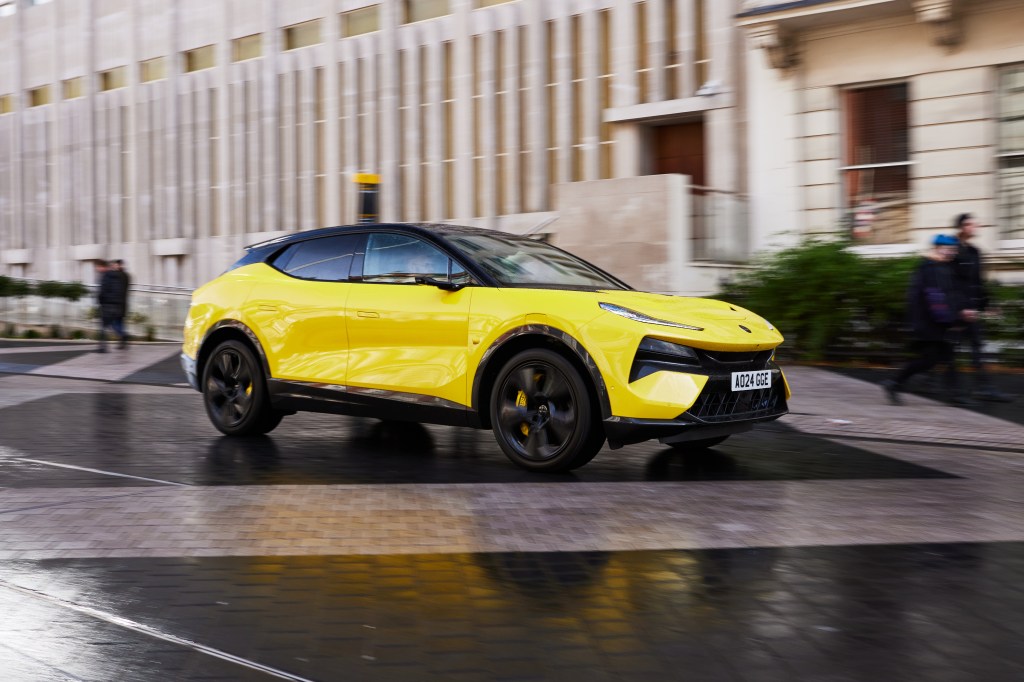
This October, Uber riders in London will have the chance to experience high-end luxury and sustainability in one ride, as a fleet of ultra-luxurious Lotus Eletre Hyper-SUVs joins the Uber Green fleet for a limited time. Riders can book these cutting-edge electric vehicles via the Uber app’s Uber Green option and experience the future of zero-emission transport.
With nearly 30% of Uber’s miles in London now fully electric, the initiative supports the city’s journey toward a cleaner, greener future. To encourage more riders to go electric, Uber has launched a special competition: the rider who saves the most emissions by the end of November by taking Uber Green trips will win free Uber Green rides for a decade.
Riders will have until November 30 to rack up their electric miles. All Uber riders can track the emissions they’ve saved by taking Uber Green using the in-app Emissions Savings tool, which launched earlier this year.
Andrew Brem, General Manager for Uber UK, said: “We’re thrilled to team up with Lotus to combine cutting-edge luxury with sustainable travel. Uber drivers are already leading the way, going electric far quicker than regular motorists – making London Uber’s global capital for electrification. Now we’re excited to allow our riders to experience one of the world’s most exciting electric cars.”
Conor Horne, Commercial Director of UK and Ireland at Lotus said: ”We are incredibly excited to partner with Uber to have a fleet of our all-electric Lotus Eletre available in London via the app for passengers to experience and enjoy. We hope this initiative will not only enhance the riding experience for Uber customers but also contribute to a greener city, something we at Lotus are very passionate about.”
Uber Green, which first launched in central London in 2021, allows riders to book a zero-emissions ride for the same price as an UberX, since its launch Uber has saved 55,000 tonnes of carbon emissions in London. Drivers taking Uber Green trips also earn 10% more on those trips compared to an UberX. Uber drivers are making the switch five times quicker than regular motorists.
The Eletre, Lotus’ first all-electric Hyper-SUV, redefines the passenger experience by combining luxurious comfort with cutting-edge technology. Passengers can enjoy a spacious interior designed for relaxation, featuring premium materials and a world-class infotainment system.
Through the combination of exceptional aerodynamics, outstanding comfort, and true Lotus performance, the Eletre is the perfect option for those seeking an exceptional drive with a new luxury experience.
The cars will be licensed and managed via Otto Cars, London’s largest private hire provider. Gurinder Dhillon, Otto Cars CEO, said: “We are delighted to power-up this concept for Uber and Lotus. Let’s prove that a sustainable ride can be a thrilling experience, without the smoke.”
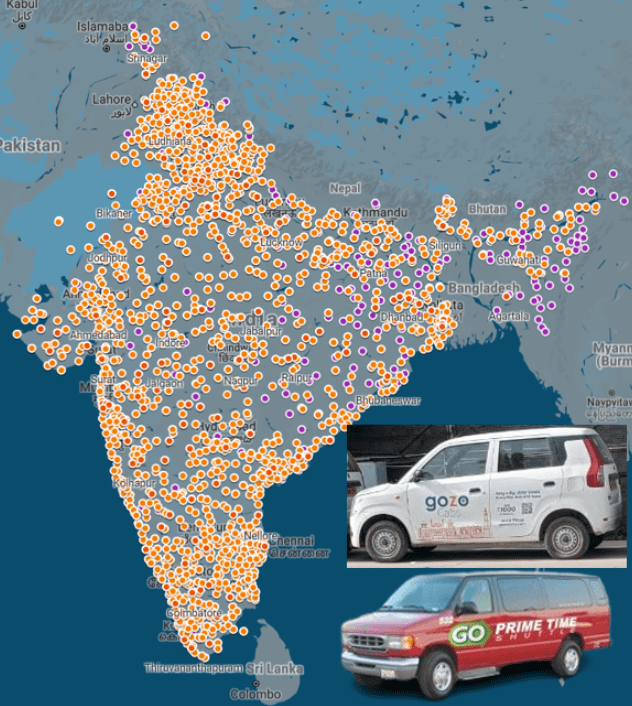
Gozo Cabs, India’s leader in long distance intercity travel and airport transfers, and Prime Time Shuttle, a trailblazer in ground transportation in the USA, announced a strategic alliance. Under this alliance, the two companies are bridging their transportation solutions across continents. Going forward, clients of either company shall be able to access the reach and expanse of both organizations and avail affordable & reliable ground transportation all across the United States & India.
Through this alliance, Gozo clients can avail Prime Times exceptional reach across the USA and Prime Times customers can travel anywhere in India safely, comfortably & economically. Travelers enjoy a seamless travel experience irrespective of whether they are traveling in India or USA. This is a significant move enabling Indo-US travelers to pre-book ground transportation well ahead of their travel.
Prime Time Shuttle has been a pillar in the transportation industry for over 40 years. With over 50 million satisfied customers, it has built a reputation for safety, security, and reliability. As a long-standing leader in the ground transportation space, Prime Time Shuttle offers a range of services designed to meet the needs of various travelers, from solo adventurers to large groups.
Founded by Rattan Joea, Prime Time Shuttle is known for its customer-centric approach and competitive pricing. Joea’s vision was to create a transportation service that prioritizes the customer experience, offering high-quality service at prices that are accessible to all. This focus has allowed Prime Time Shuttle to remain a top choice for travelers seeking dependable, affordable transportation solutions.
Rattan Joea expressed enthusiasm about the partnership, stating, “We are thrilled to join forces with Gozo, a company that shares our commitment to exceptional service and customer satisfaction. We will bring unparalleled transportation solutions to the U.S. market, offering all a seamless and enjoyable travel experience.”
“Today, more Indians travel internationally than ever before and so many people of Indian origin are settled abroad. By partnering with Prime Time Shuttle, Gozo has once again delivered on our promise of an easy, reliable, affordable, safe, pre-booked ride for our travelers even if their trip originates in the USA” said Deepesh Arora, Co-Founder & CEO of Gozo Cabs.
Deepesh Arora also added “Services are available for chauffeur driven hourly-as-directed rentals, Airport transfers, Long distance inter-city one-way, round trips, and multi-city trips providing travelers with comprehensive transportation solutions whether traveling in India or the United States. The joint vision is to make ground travel easy for global travelers. The companies hope to expand their alliance to offer even more convenient and streamlined travel options within India, US and soon in even more places across the globe. Through this alliance, we hope to soon deliver seamless multi-modal transportation choices that include ground transportation from their door in the US to the final leg of their journey, smoothly & safely to any place in India.”






 Power Drive