The All-New Mazda6e Unveiled

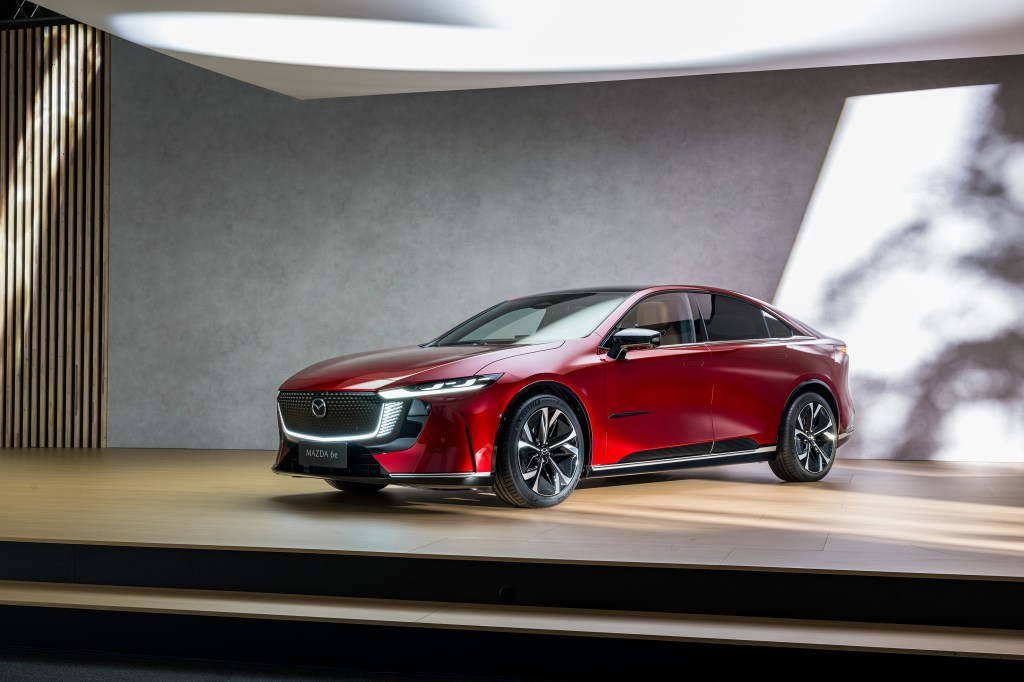
The all-new Mazda6e is the latest addition to Mazda’s fully electric lineup in Europe. A stylish electric hatchback with a fastback saloon style, the Mazda6e embodies a perfect balance between dynamic aesthetics and everyday practicality.

“The exterior is a true expression of its ‘Authentic Modern’ design philosophy,” explains Jo Stenuit, Director of Mazda’s European design studio in Oberursel, Germany. The vehicle’s sleek, coupé-inspired silhouette features a short rear deck, creating a sporty saloon-like appearance while maintaining the practicality of a five-door hatchback. It embodies harmony through contrast, balancing light and shadow, sharpness and roundness, to create a sense of dynamic motion even when stationary.

Mazda’s “Kodo – Soul of Motion” design language is brought to life through fluid surfaces and a low-slung profile, with parallel lines enhancing the car’s dynamic presence. This is further emphasised by the Aero-Fusiform shape—resembling a beautifully sculpted barrel, where all lines appear to converge at a single point. This seamless, flowing form reinforces the car’s aerodynamic elegance and sense of motion.

The sculpted door panels, inspired by the spray of a speedboat cutting through water, create a light-catching effect that further enhances the sense of movement. The rear end exudes power and stability, incorporating four distinct cylindrical taillight elements—a subtle homage to Mazda’s rich design heritage.

For the first time at Mazda, a glowing signature wing illuminates the Mazda6e’s front, featuring dynamic light animation as a visual charging indicator. The rear blends modern and classic design, with a horizontal line adding sleekness and width, while four cylindrical elements honour Mazda’s heritage.

Frameless doors and integrated handles enhance the seamless look, while an electrically extendable rear spoiler improves aerodynamics and stability at high speeds.

“The cabin of the Mazda6e is inspired by Japanese simplicity, built around the design principle of ‘ma’—the power of empty space,” says Jo Stenuit. “By intentionally creating emptiness, Mazda achieves a harmonious balance that enhances both aesthetics and functionality.”

A floating horizontal dashboard stretches across the cabin, creating a sense of openness and serenity, while the prominent centre console enhances driver focus and security. The interior design prioritises minimalism with depth, replacing excess buttons and screens with intuitive, thoughtful placement of controls.

The standard panoramic glass roof invites natural light into the cabin, reinforcing the expansive and airy feel. Tinted glass and heat insulation ensure comfort in all conditions. The sophisticated ambient lighting system, featuring 64 customisable colours, enhances the premium atmosphere with soft, indirect illumination.

The mono-form front seats, with their integrated headrests, deliver both modern elegance and exceptional comfort. Mazda offers a choice of high-quality upholstery: Beige or Black artificial leather in the Takumi trim, and luxurious Tan Nappa and Suede cloth woven fabric in the Takumi Plus trim. Subtle satin chrome accents and meticulous stitching complete the refined, sophisticated look.

The all-new Mazda6e is a masterclass in design, seamlessly blending form and function to create a vehicle that is as visually striking as it is practical. With its fluid exterior lines, cutting-edge lighting technology, and a minimalist yet luxurious interior, the Mazda6e represents the next chapter in Mazda’s design evolution.

Bridging tradition and innovation, the all-new Mazda6e marks a bold step into the electric future while staying true to the craftsmanship and aesthetic excellence that define the Mazda brand. Entering a new era, the Mazda6e is more than just a car—it is a statement of Mazda’s commitment to design, technology, and electrification.

The Mazda6e is the next chapter in Mazda’s EV story in Europe.
Continental Bags Award For “Tire Manufacturer of the Year” And Recognized For Environmentally Friendly Tire Production

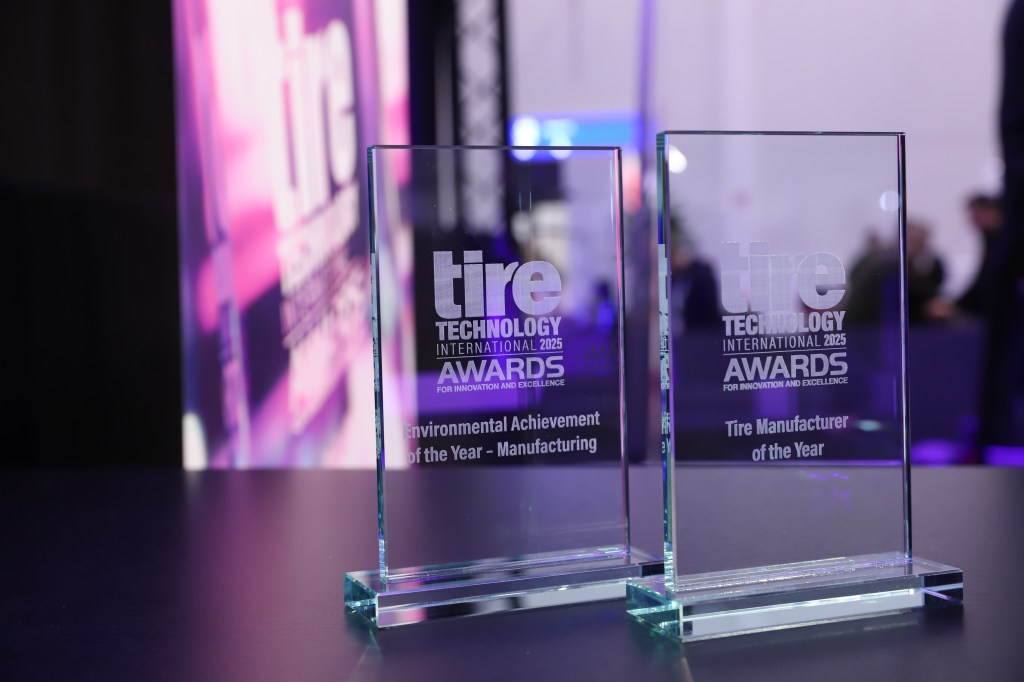
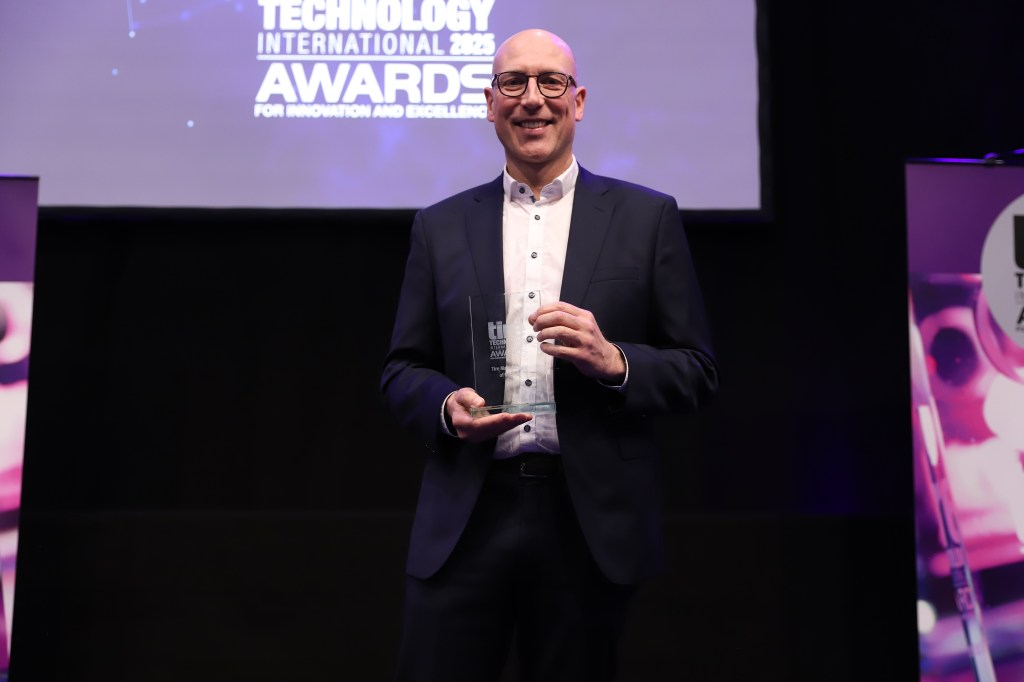
Continental has been awarded “Tire Manufacturer of the Year” at this year’s Tire Technology International Awards for Innovation and Excellence. The premium tire manufacturer received a further honour for its tire plant in Lousado, Portugal, which has produced tires CO2-neutrally since last year. This makes Continental the only tire manufacturer to win two of the prestigious awards, outperforming the competition as “Tire Manufacturer of the Year” as well as in the category “Environmental Achievement of the Year – Manufacturing”. The awards were bestowed as part of the Tire Technology Expo on March 4 at the exhibition center in Hanover. They are regarded as some of the top honours in the industry.

“We are especially proud to be the only manufacturer to be honored twice at the Tire Technology Awards in an extremely competitive field,” says Edwin Goudswaard, Head of Research and Development at Continental Tires. “Both awards highlight our strong commitment to sustainable tire development and manufacturing. In such a highly competitive market, this success demonstrates our innovative prowess and our ability to actively shape the future of the industry.”

Competition in both categories was fierce. As “Tire Manufacturer of the Year,” Continental outperformed competitors from the USA, Italy, and France. This marks the fourth time Continental has received this title – most recently in 2022.
Sustainability efforts are becoming an increasingly important focus for the industry, and therefore for the awards. By naming Continental “Tire Manufacturer of the Year” for 2024, the jury of 27 independent industry experts acknowledged Continental’s ongoing achievements on the road to greater sustainability. The projects considered in their deliberations included increasing the share of sustainable materials through recycled PET bottles at further Continental plants, expanding the plant in Rayong, Thailand, according to the highest energy-efficiency standards, obtaining the international sustainability certification ISCC-PLUS for its plants in Lousado, Portugal, Puchóv, Slovakia, and Hefei, China, as well as upgrading the tire plant in Hefei with automation technology in line with state-of-the-art sustainability standards.

Continental has also repeatedly impressed the jury in award categories that specifically recognize environmentally friendly development and production measures. In 2024, for example, the company took top spot in the category “Environmental Achievement of the Year – Tire Design” with its sustainable production of the tire UltraContact NXT. This year, Continental won the prize in the “Manufacturing” category for the sustainability measures at its tire plant in Lousado, Portugal. Since 2024, the plant has been testing a CO2-neutral production process that advances the company’s ambition to achieve carbon neutrality. Thanks to a fully electric steam boiler, Continental generates the steam using both in-house produced solar power and renewable energy from the grid. Steam is needed to heat the rubber compound for the tires during the so-called vulcanization. During this process, raw rubber is turned into a flexible, elastic form. In the tire industry, a large proportion of the consumed energy is used for generating steam. Previously, the Lousado tire plant relied exclusively on natural gas for steam generation. With an annual production capacity of 18 million tires, the plant in Lousado is considered a mega plant. Continental is aiming to switch all of its tire plants to fully carbon-neutral production processes by 2040 at the latest.

The Tire Technology International Awards for Innovation and Excellence have been bestowed since 2008 as part of the Tire Technology Expo in Hanover each spring. The prizes span 13 categories honoring the latest innovations in tire technology and major advances on the road to a more sustainable tire industry. The award ceremony is coordinated by the industry magazine “Tire Technology International.”

90 Years Of Škoda Superb

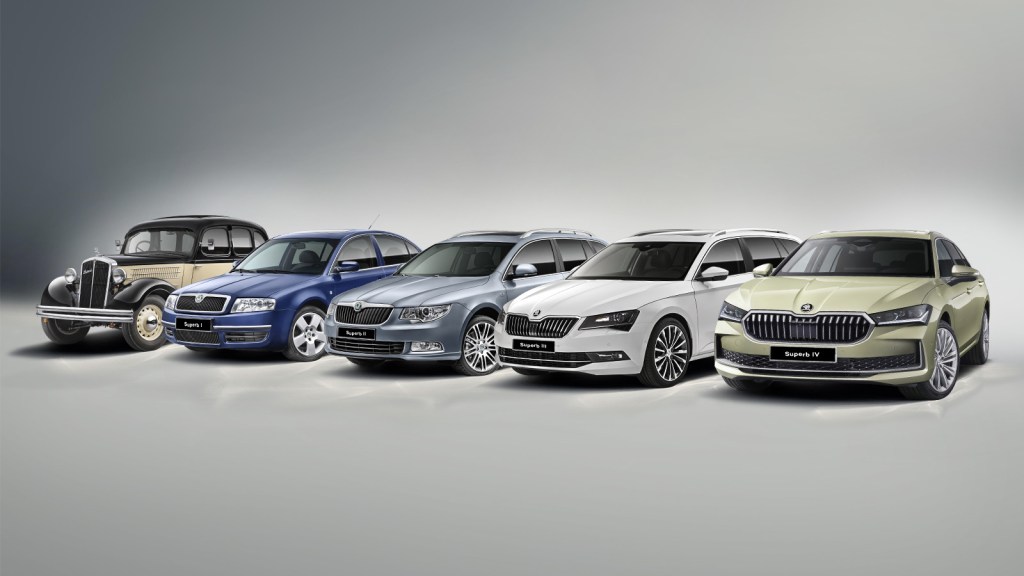
Ninety years ago, Škoda Auto began production of the Superb at its Mladá Boleslav plant. The model quickly became synonymous with a comfortable, refined, and dynamic driving experience, even on poor road surfaces. It impressed with its spacious interior – offering seating for up to seven passengers – generous equipment, and outstanding craftsmanship. Production continued until 1949. In 2001, the legendary name returned with the first modern-generation Škoda Superb. Now in its fourth generation, the Superb is available as a Hatch or Estate, featuring a choice of petrol and diesel engines, as well as mild-hybrid and plug-in hybrid powertrains. The plug-in hybrid variants, the Superb Estate iV and Superb Hatch iV, offer an electric range of more than 75 miles. Customers can also opt for front- or all-wheel drive.

Technical innovation and progress: 1934–1949
In the spring of 1934, Škoda introduced a new generation of vehicles featuring a backbone chassis frame and independent wheel suspension. By the October of that year, the company had decided to name its flagship model ‘Superb’, catering to the most demanding customers. Series production commenced in Mladá Boleslav in March 1935. The first model, the Škoda 640 Superb, was powered by a six-cylinder engine producing 55 hp (40.5 kW). Right from the start, the Superb featured hydraulic brakes and a state-of-the-art 12V electrical system. The highlight of the range was a 96 hp (70.7 kW) 4.0-litre V8 engine. Offering generous space for up to seven passengers and their luggage, the Superb was available with various wheelbase lengths and body styles, including open-top and bespoke designs. By the time production ended in 1949, approximately 890 passenger cars and 1,630 military derivatives had been built – including a unique 4×4 version.

The Superb legacy: Four generations of innovation
The Superb reflects Škoda’s ongoing transformation over its 130-year history. After a 50-year hiatus, the name was revived in September 2001 with the introduction of the first modern-generation Škoda Superb. This saloon offered exceptional interior space and came with a range of engines producing between 85 kW and 142 kW (193 hp), including a range topping 2.8-litre V6 with Tiptronic automatic transmission and bi-xenon headlights for enhanced comfort and safety.

Subsequent generations, launched in 2008, 2015, and most recently in 2023, further developed the Superb’s legacy. The second generation introduced a more practical Hatch and, for the first time, an Estate version, offering more powerful yet efficient powertrains and extensive standard equipment. The third generation continued this trajectory, integrating advanced technologies and innovative design.

The Superb’s popularity has grown significantly across generations. The first modern generation, produced from 2001 to 2008, saw 137,000 units sold. Its successor, introduced in 2008 and available for the first time as both a saloon and an Estate, achieved 6,18,000 sales, with 65% of customers opting for the saloon. The third generation, launched in 2015, continued this strong growth course, with 805,000 units sold – 56% of which were Estate models.

Now in its fourth modern generation, the Superb continues to set new benchmarks. Customers can choose between Hatch and Estate body styles, with petrol, diesel, mild-hybrid, and plug-in hybrid powertrains and more than 65,000 have been sold at this time. The latest plug-in hybrid models offer an electric range of more than 75 miles (WLTP). Equipped with cutting-edge technologies, sustainable materials, and smart solutions like Smart Dials, the new Superb is designed for modern mobility.

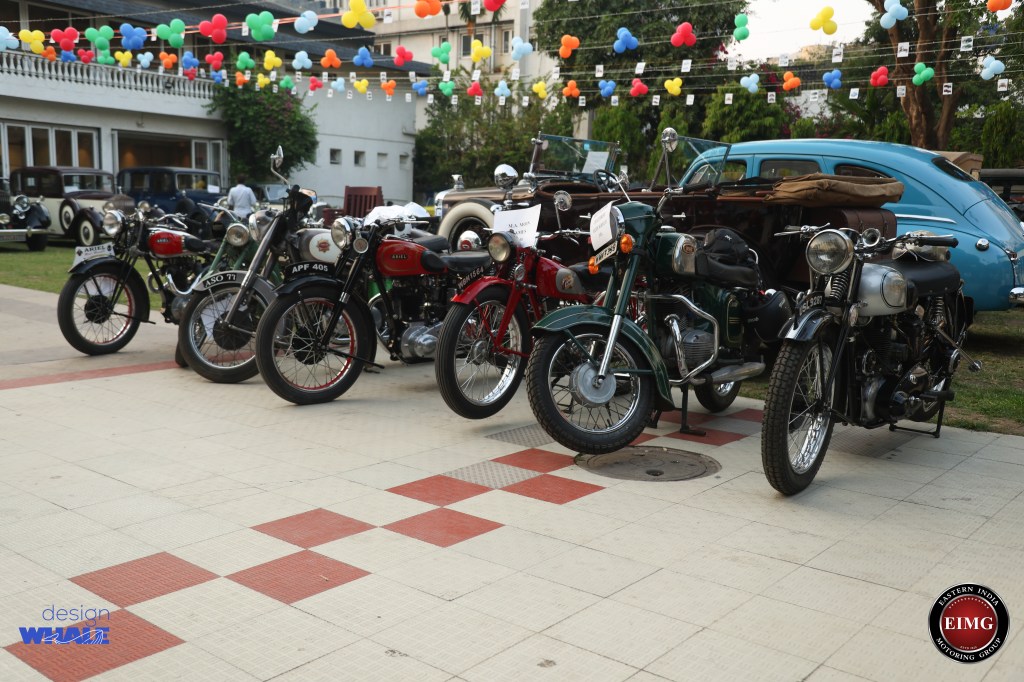
A Spectacular Sunday At The DI EIMG Heritage Vehicle Display

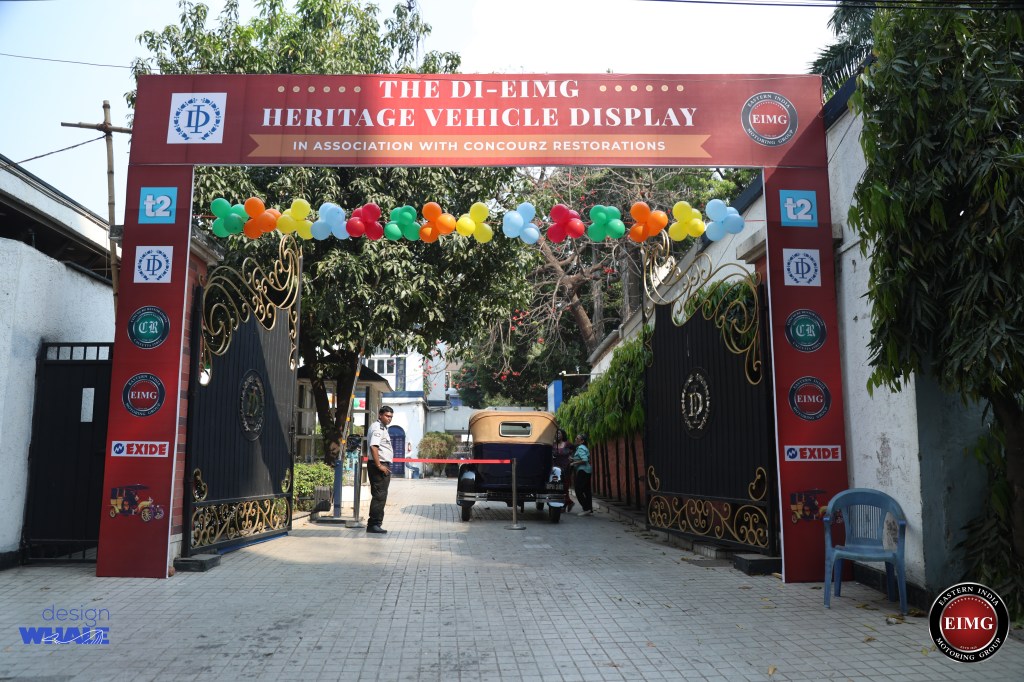
The Dalhousie Institute (DI) and Eastern India Motoring Group (EIMG) in association with Concourz Restorations joined hands to organise the third edition of THE DI EIMG HERITAGE VEHICLE DISPLAY on Sunday, March 9, 2025.

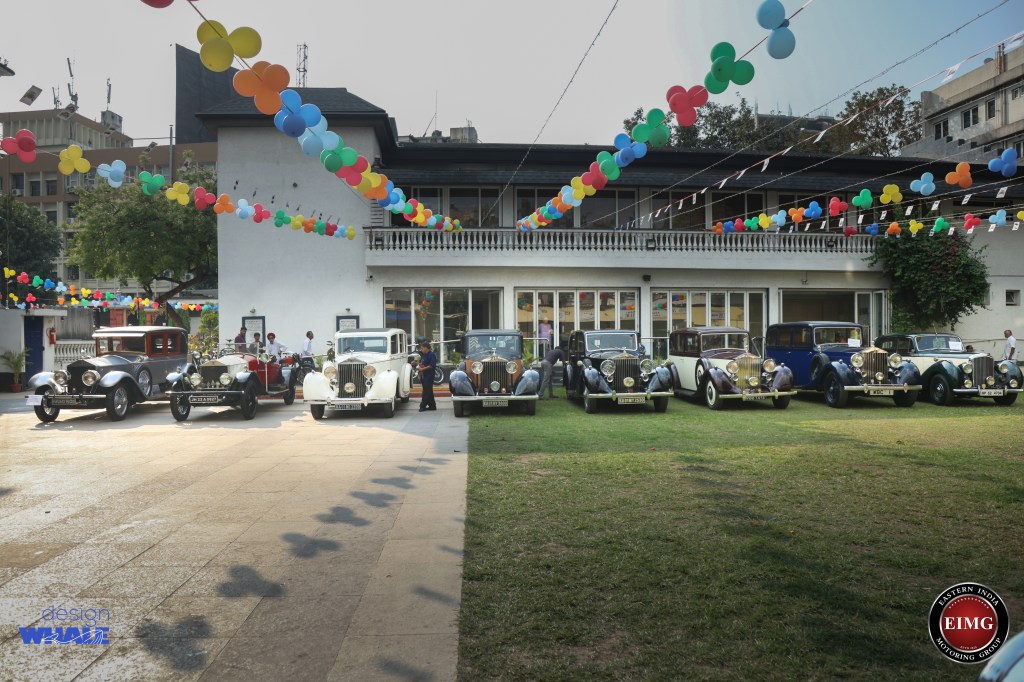
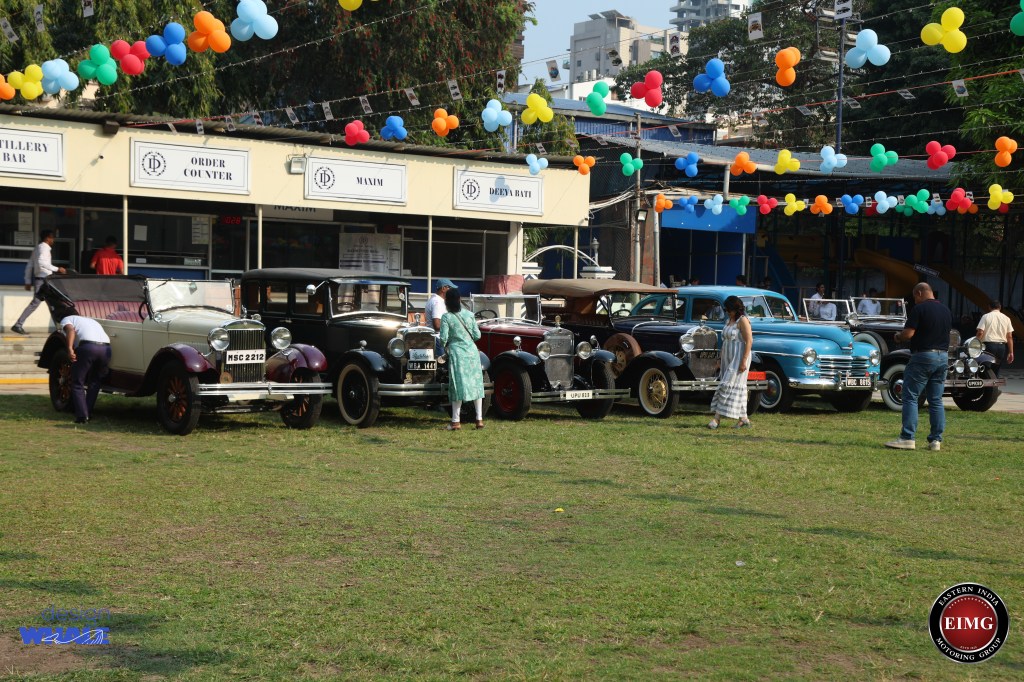
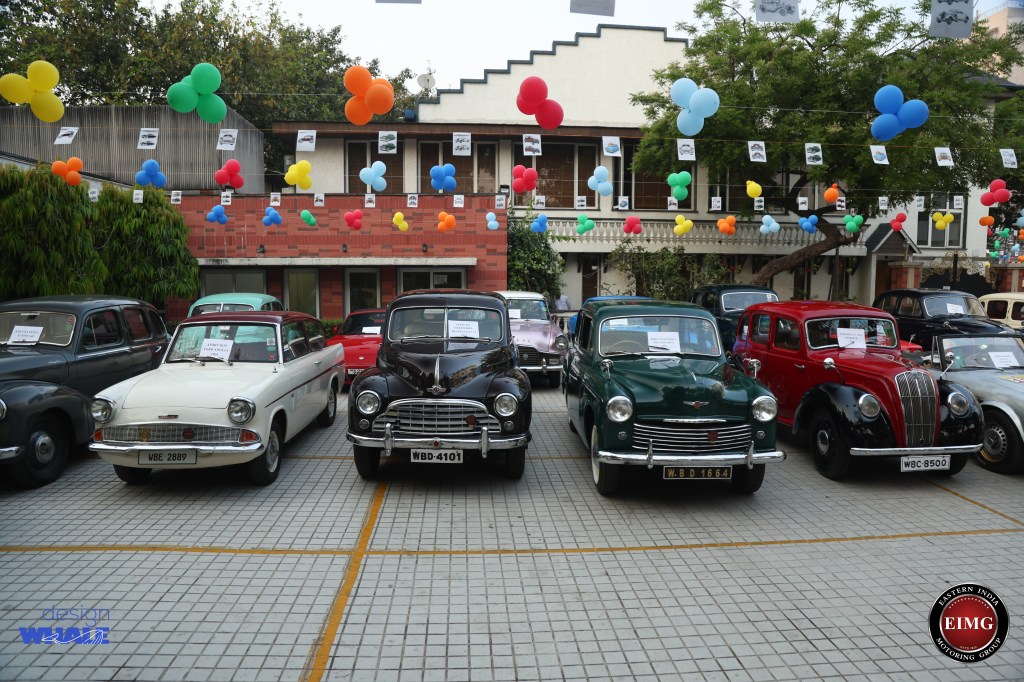
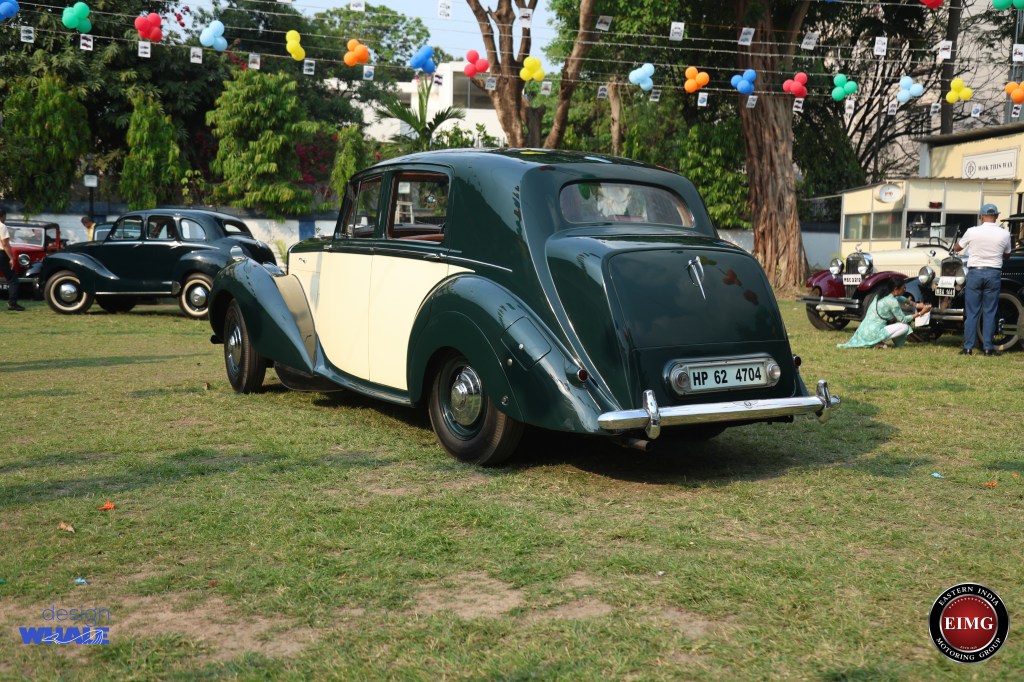
The event was held at the lawn and the courtyard of The Dalhousie Institute where a bevy of 75 heritage vehicles including four and two wheelers were displayed.

The member of DI along with their guests were in for a visual treat as some rare and exotic heritage wheels made the onlookers drool in admiration and envy.

Established in 2020, EIMG has since been anchoring the revival of the heritage motoring movement in Kolkata. Under the leadership of Founder & President Mr. Shrivardhan Kanoria (himself a collector & restorer of national repute) and his team, EIMG has been instrumental in organising some of the most widely appreciated and admired heritage motoring events in the city.

These stellar events has provided the much needed impetus to heritage vehicle owners and restorers to pursue their passion with added zest to ensure that these beauties turn up at each event looking their best.

Founded in 1859, The Dalhousie Institute is a venerable social club with a rich legacy and heritage of its own. It was just a matter of time that these two organization – DI and EIMG – came together to create an evening of automobile magic.

This collaboration was made possible with the effort of Mr. Shubhajit Kumar, EIMG Secretary and a collector himself – who acted as the bridge between DI and EIMG.

Kanoria had handpicked 75 heritage vehicles which was part of this grand display. The vehicles were segmented into four different categories namely Vintage Cars, Classic Cars, Indian Heritage Cars and Two Wheelers.

All the vehicles selected for this event were spectacular in their own right with significant historical importance.

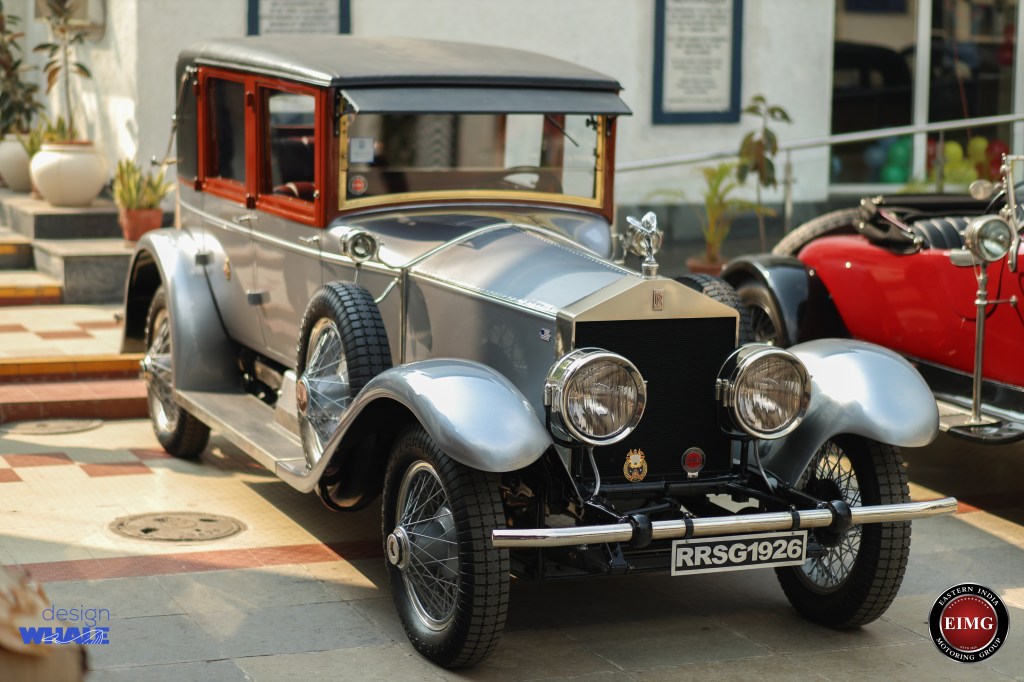
Eight vintage Rolls-Royces including a rare Bentley graced the display, which included three Rolls-Royces from the Shrivardhan Kanoria Collection itself.

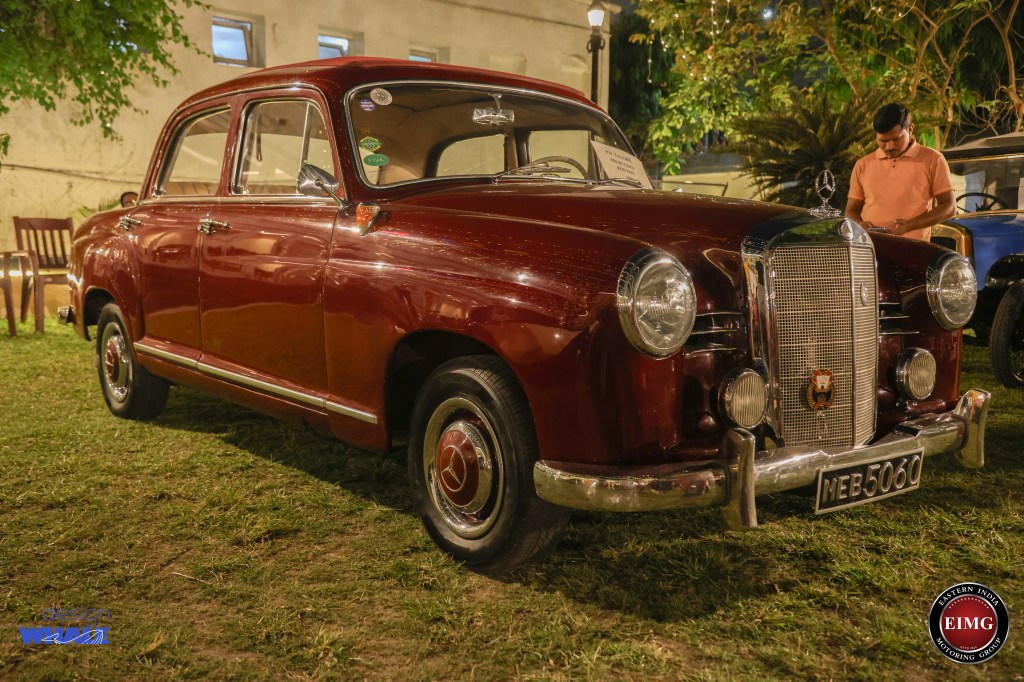
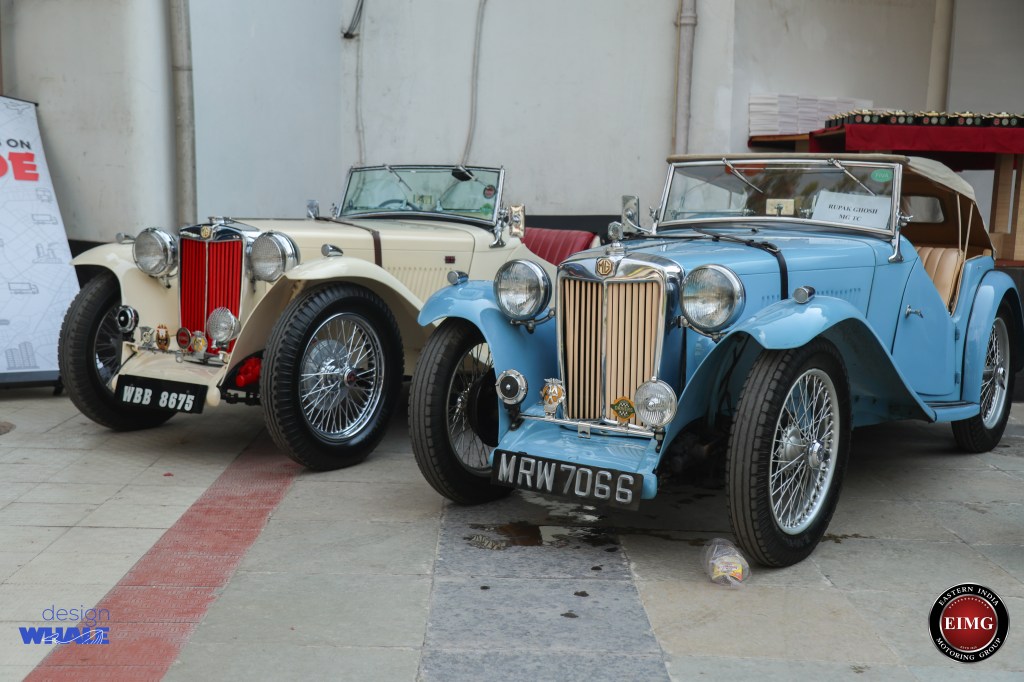
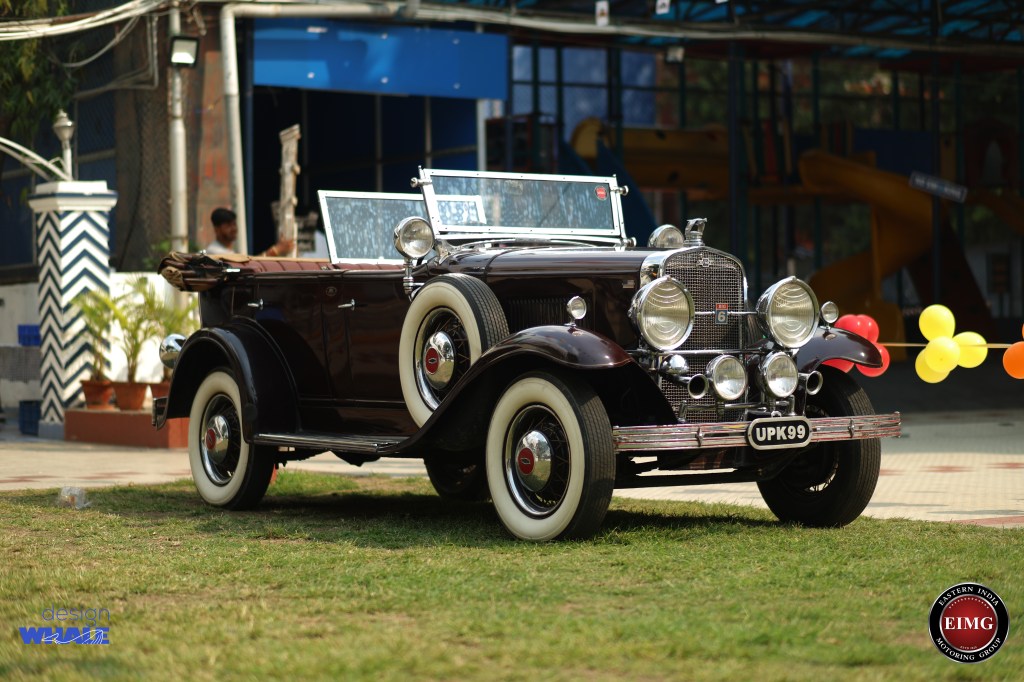
Other notable cars on display included an ultra rare 1934 SS1 Sports, 1948 Plymouth Special Deluxe, 1931 Chevrolet Big 6, 1937 Opel Cabrio, 1947 MG TC, 1950 Austin 8, 1958 Mercedes Ponton, and 1965 Hillman Imp.

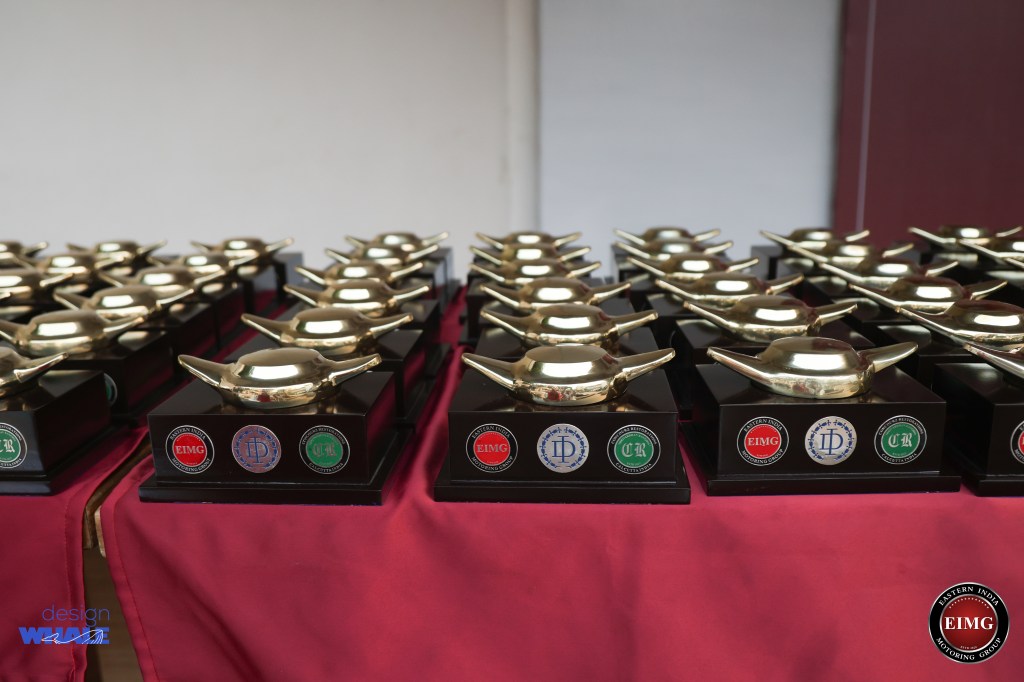
The Thanksgiving Ceremony was conducted by EIMG President Mr. Shrivardhan Kanoria wherein the beautiful mementos sponsored by Concourz Restorations were presented to the heritage vehicle owners and other important stakeholders.

In his thanksgiving address Mr. Kanoria said, “I would like to express my gratitude to the committee members of The Dalhousie Institute for their support and cooperation for making this event possible. Special mention to the Club President and Club Secretary. Heartfelt gratitude to Mr. Shubhajit Kumar for being instrumental for this collaboration between DI and EIMG. Lastly thank you to Telegraph T2 and Exide for supporting this event.”

The thanksgiving ceremony was followed by a sumptuous dinner hosted by EIMG President Mr. Shrivardhan Kanoria.

Photographs by Mohammed Adnan Aslam

Volvo Car India Launches The New XC90

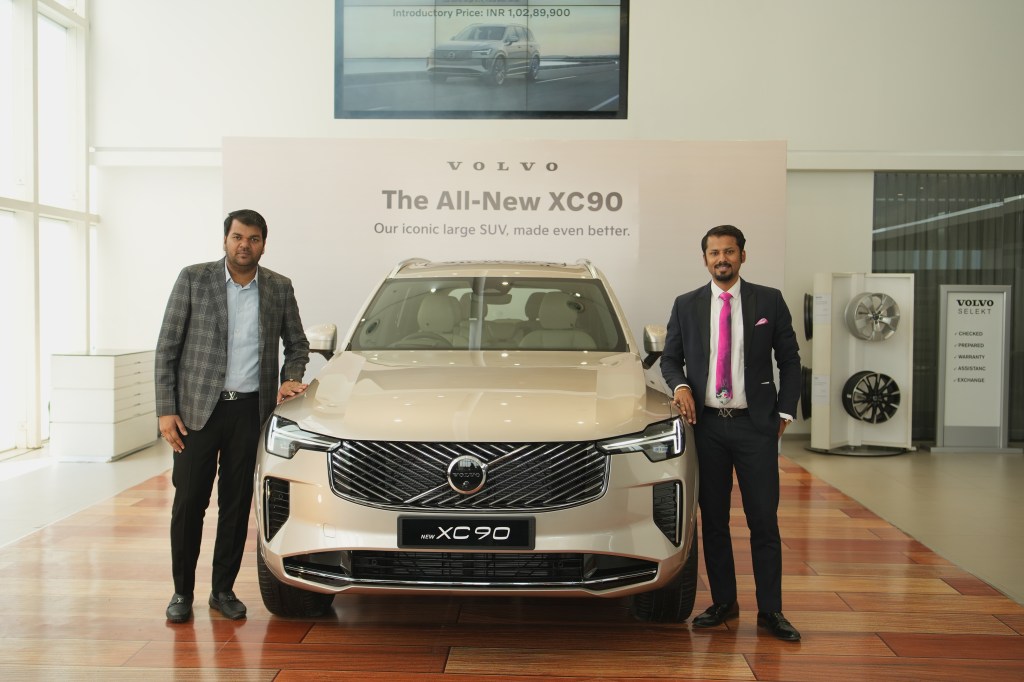
Volvo Car India has unveiled the new XC90, at SPL Volvo dealership in Kolkata, with an ex-showroom price of Rs. 1,02,89,900. The new XC90 showcases a suite of advanced technology and refined design elements, further elevating the award-winning and best-selling flagship SUV.

“This iconic SUV has long been a cornerstone of our success, and we are thrilled to unleash the new XC90 onto the Indian market,” stated Mr. Jyoti Malhotra, Managing Director, Volvo Car India. “The SUV embodies the pinnacle of Swedish luxury and design, seamlessly integrating innovation and safety, the hallmarks of the Volvo brand. This vehicle delivers unparalleled comfort, spaciousness, versatility, and efficiency. Its refreshed, contemporary exterior design reinforces its commanding presence on the road.”

As with every Volvo, the new XC90 is designed to be one of the safest vehicles on the road. It features a robust safety cage and a comprehensive array of active safety technologies, ensuring the protection of occupants and other road users.

Utilizing the radar and front camera, the new XC90 can detect unintentional lane drifts and automatically steer the vehicle back into its lane, preventing potential collisions. It also includes run-off road mitigation and collision avoidance systems that can detect and react to other vehicles, pedestrians, cyclists, and large animals.

The new XC90 delivers unparalleled driving experience, characterized by exceptional seating comfort and an upgraded standard suspension. The individual dampers now adapt mechanically to real-time road conditions, optimizing both comfort and stability for a confident and relaxed journey.

The optional air suspension system, working in conjunction with an active chassis, monitors the vehicle, road, and driver 500 times per second to ensure the most comfortable ride. This system allows ride height adjustments, lowering the vehicle by 20mm for improved aerodynamics or raising it by 40mm for challenging terrains. Enhanced insulation further reduces wind and road noise, creating a serene cabin environment.

The redesigned interior of the new XC90 reflects contemporary Scandinavian design, featuring a more horizontal dashboard with premium recycled material decorative panels and new vertical air vents. Enhanced ambient lighting adds to the luxurious ambiance.

A new 11.2-inch central touchscreen with higher resolution and an updated user interface provides seamless access to a range of features, apps, and over-the-air software updates.

“We are thrilled to unveil the new Volvo XC90 at our dealership today,” said Mr. Nikunj Sanwaria, Dealer Principal of SPL Volvo. “This iconic SUV sets a new standard for the luxury auto segment in the Indian market. We are confident that our customers will be impressed with the XC90’s advanced technology, refined interior, and unparalleled comfort. We invite everyone to visit our showroom and experience the magnificence for themselves.”

Volkswagen Provides Preview Of Entry-Level Electric Model

Since the Beetle, Volkswagen has been enabling affordable mobility for millions of people with compact and likeable cars. Now, with the world premiere of the ID. EVERY11 show car, the German car manufacturer is presenting an entry-level all-electric model. Volkswagen will launch the production version in 2027 – with a starting price of around 20,000 euros. The ID. 2all1 will be launched in the 25,000 euro class as early as in 2026. Both models are part of the new Electric Urban Car Family with front-wheel drive, which is being developed under the umbrella of the Core brand group in the Volkswagen Group. They are based on Volkswagen’s new modular electric drive platform: the MEB with front-wheel drive.

Maximum variety

Attractive mobility in the electric era from Europe for Europe is one of the central pillars of the brand’s plan for the future. With the European launch of the all-electric Urban Car Family from 2026, Volkswagen will offer the most diverse portfolio in the high-volume segment – from efficient combustion-engine models and advanced hybrids to future-oriented all-electric vehicles. Thomas Schäfer: “The ID. EVERY1 represents the last piece of the puzzle on our way to the widest model selection in the volume segment. We will then offer every customer the right car with the right drive system – including affordable all-electric entry-level mobility,” says Schäfer. “Our goal is to be the world’s technologically leading high-volume manufacturer by 2030. And as a brand for everyone – just as you would expect from Volkswagen.”

Focus on people

“In the future model, we talk about Customer Defined Vehicles. The ID. EVERY1 shows that we are putting our customers, their wishes, interests and preferences at the centre of vehicle development more consistently than ever,” says Kai Grünitz, member of the Volkswagen Brand Board of Management responsible for Development. The production version of the ID. EVERY1 will be the first model in the entire Group to use a fundamentally new, particularly powerful software architecture. This means that the future entry-level Volkswagen can be equipped with new functions throughout its entire life cycle if its users so wish. Even after purchase of a new car, the vehicle can still be individually adapted to their needs.

Characteristic design with charisma and identity

The up! – the immediate predecessor of the ID. EVERY1 – built until 2023 still impresses today with its clear, unmistakable design. The new Volkswagen design language also picks up on characteristic elements in the EVERY1. Volkswagen Head of Design Andreas Mindt: “Our ambition was to create something bold yet accessible. The ID. EVERY1 has a self-assured appearance but remains likeable – thanks to details such as the dynamic front lights and the ‘smiling’ rear. These design elements make it more than just a car: they give it character and an identity that people can relate to.”

New MEB with electric front-wheel drive

Following the ID. 2all and the sport version ID. Concept GTI, the ID. EVERY1 belongs to the Electric Urban Car Family and is based on the new modular electric drive platform. Thanks to the electric front-wheel drive, the MEB platform offers revolutionary space utilisation and maximum efficiency. The concept vehicle reaches a top speed of 130 km/h and is powered by a newly developed electric drive motor with 70 kW (95 PS). The range is at least 250 kilometres. With a length of 3,880 mm, the ID. EVERY1 is positioned between the former up! (3,600 mm), the ID. 2all (4,050 mm) and the current Polo (4,074 mm). Inside, it offers space for four people and a luggage compartment volume of 305 litres.

The future plan of the Volkswagen brand

With the “Future Volkswagen” agreement, Volkswagen AG agreed with the employee side at the end of December 2024 on a vision that combines economic stability, employment and technological leadership in the field of sustainable mobility. Binding targets and the measures agreed for them form the foundation for key future projects. The Volkswagen brand is pursuing a clearly defined three-phase plan for this:

Catch up

Strengthen competitiveness and expand the existing model range in a targeted manner. Coming next, the Volkswagen brand will give a further preview of the new Electric Urban Car Family in autumn 2025. There will be nine new models by 2027 including the production version of the ID.2all for less than €25,000 and the ID. EVERY1 for about €20,000. Volkswagen aims to become the technologically leading high-volume manufacturer with the safest, most innovative and best-selling cars by 2030.

The New Volvo ES90 Adds 300km In 10 Minutes And Goes 700km On One Charge

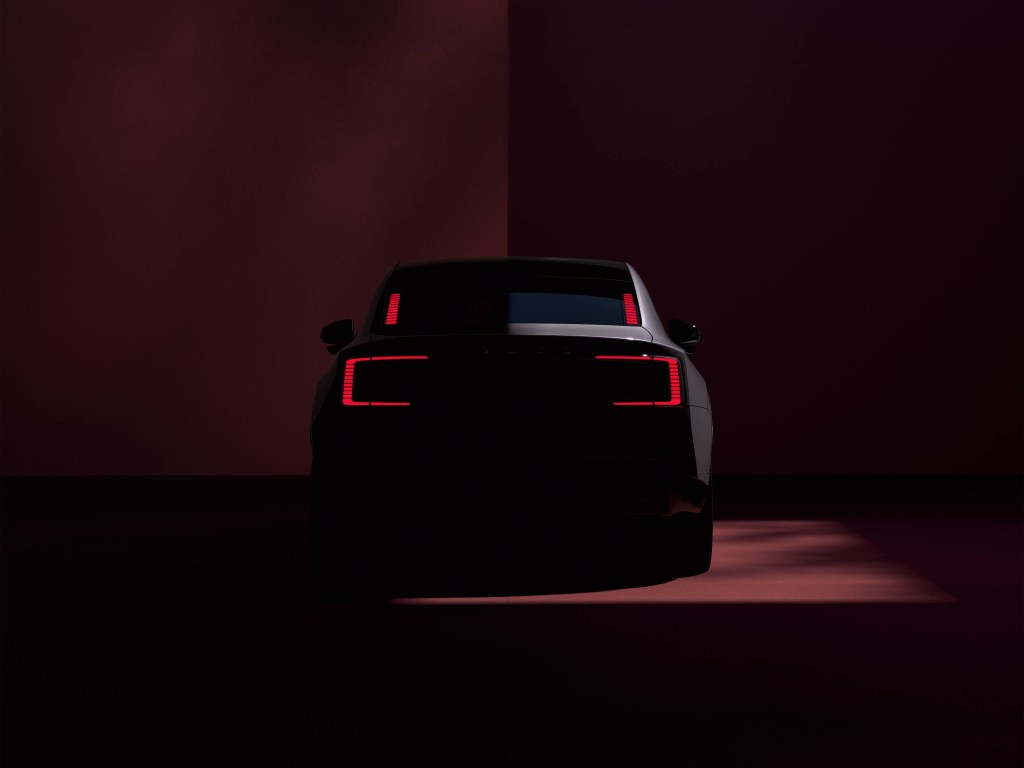
Volvo ES90 teaser image

How about a new, fully electric Volvo car that can go just that little bit farther with less charging time? The upcoming Volvo ES90 does exactly that, thanks to the new 800V technology, which makes its debut in their latest fully electric model.

The benefits of an 800-volt electric system are numerous: your battery gets charged faster, your electric car gets an improved overall performance, and the electric system is more efficient compared with a 400-volt system.

Combine this with completely new battery management software and hardware, as well as a progressive design, and you get a car that goes farther and charges faster than any electric Volvo before. The ES90 can add 300 kilometres of range in just 10 minutes at 350kW fast-charging stations and offers a driving range of up to 700 kilometres under the WLTP testing cycle.

The ES90 is designed to be a premium Volvo car that gives you quality time with the people you love, providing you with peace of mind and balance, as well as a sense of convenience and control. A state-of-the-art electric system that enables faster charging and longer range is key to achieving that ambition. No matter where or how far your trip goes, the ES90 is designed to get you there reliably and comfortably.

“Our 800V technology marks another significant technological upgrade for our customers as we move towards full electrification,” says Anders Bell, Chief Engineering and Technology Officer. “It makes our electric cars even more efficient, helps you charge your electric Volvo faster and go farther on a single charge.”

To create the new 800-volt system, every component in the electric system has been upgraded to be compatible with 800 volts, including the battery cells, e-motors, inverter, charging as well as the climate and thermal systems. That creates benefits in terms of charging, efficiency and performance.

A higher-voltage system means that it can deliver more power (in kilowatts, or kW) and range with the same current as a 400-volt system. This approach generates less heat, meaning your battery can be charged faster up to 350kW without overloading the electric system.

The 800-volt system also contains lighter e-motors and other components, which reduces the car’s overall weight. This also improves the system’s efficiency, while boosting the car’s acceleration and driving range.

The brand-new in-house-developed battery management software creates a more robust charging experience. Compared to other electric Volvo cars, our new software cuts the time it takes to charge your ES90 from 10 to 80 per cent by as much as 30 per cent, down to 20 minutes. This is partly thanks to the integration of adaptive charging software from Breathe Battery Technologies, a company Volvo has invested in last year via the Volvo Cars Tech Fund, our corporate venture capital arm.

However, battery technology is not the only area in which the ES90 is a star performer. It also helps Volvo make progress in other sustainability-related areas. For example, the ES90 is packed with recycled and natural materials that contribute to lower CO2 emissions in production. 29 per cent of all aluminum and 18 per cent of all steel used in the ES90 is recycled, while the ES90 also contains 16 per cent recycled polymers and bio-based materials. The wood panels inside the ES90 are made from FSC-certified wood.

The ES90 also comes with Volvo’s battery passport. Based on blockchain technology, this allows the company to track raw materials. The passport tells you where the lithium, cobalt, nickel and graphite used in the battery originate from. It also highlights the CO2 footprint of the full battery pack and other relevant information. For customers, this provides transparency about how Volvo sources raw battery material in a responsible way.

Hyundai Motor Company President and CEO José Muñoz Holds Town Hall With Employees At Namyang R&D Center

Hyundai Motor Company President and CEO José Muñoz held a town hall meeting with employees at the company’s Namyang R&D Center, his first such meeting since assuming the role of Hyundai Motor CEO. At the event, Muñoz underscored his commitment to direct communication with employees and that engineers share the common language of data and statistics.

Beginning the town hall, President Muñoz spoke directly about future business plans, emphasizing the importance of Hyundai Motor’s customer-centric philosophy and achieving the highest quality standards to ensure sustainable success amid the rapidly changing business environment.

“As an engineer myself, I have been looking forward to spending time with the outstanding team here at Namyang. I tend to challenge engineers, because I have high expectations for people I care about, like my family,” said President Muñoz.

President Muñoz shared his reflections on his first two months as CEO and outlined Hyundai Motor’s management strategy, future vision, and approach to overcoming key challenges. In relation to electric vehicles (EVs) and autonomous driving technology, Muñoz emphasized that Hyundai and its employees can achieve greater success together through advanced technology development and strategic partnerships.

“We will succeed by continuing to deliver beautifully designed, high-quality vehicles with technology that customers want. We must treat our customers as honored guests and provide exceptional service,” he said.

Muñoz also shared his leadership approach, offering insights from his extensive global automotive and mobility industry experience. Since joining Hyundai Motor Company in 2019, he has driven significant growth and profitability, solidifying his leadership in the global mobility industry.

Speaking at the town hall, President and CEO Muñoz said, “It’s an honor to serve our customers, employees, dealers, suppliers and other stakeholders in this new capacity. I’m excited and motivated by the tremendous opportunities for Hyundai around the world.”

Attended by more than 800 employees – including President and Head of Research and Development Division, Heui Won Yang, and Executive Vice President and Hyundai Motor Company Chief HR Officer, Hae In Kim – the hour-long session reinforced the pivotal role the Namyang R&D Center has played in Hyundai Motor’s position as a top three global mobility brand, as well as its importance in the company’s future. The Center plays a key function in leading Hyundai Motor’s differentiated product strategies tailored to the needs of local markets, as well as delivering industry-leading quality, safety and technology innovations.

Celebrating its 30th anniversary this year, the 3.47 million-square-meter facility is a comprehensive research and development hub, with world-class capabilities in software development, design and engineering, and vehicle testing and evaluation.

“Namyang, our global center for R&D, has a phenomenal track record of delivering beautifully designed, high-quality, safety-focused vehicles with technology and features that our customers value,” Muñoz commented.

“This is evidenced through Hyundai’s increasing sales, market share, profitability, and industry accolades around the world. I don’t think any brand has won more World Car of the Year Awards than Hyundai in the last few years, and we can trace this back to all the excellent work happening here in Namyang. This is where the magic happens!” he added.

Joining those at Namyang digitally, the town hall was also livestreamed globally to Hyundai Motor colleagues across the world, including at headquarters in Seoul and operations in China, Japan, the United Arab Emirates, India, and the Asia-Pacific regional offices in Indonesia and Australia.

The session included an open Q&A, encouraging direct dialogue between leadership and employees. Asked about overcoming the challenge of global EV adoption, Muñoz highlighted the company’s strategic approach:

“We continue to lead the transition to electrification. We understand that this business is based on consumer demand, which is why we continue to invest in hybrid electric vehicles, extended range electric vehicles (EREV), hydrogen fuel cell vehicles, and vehicles powered by internal combustion. More powertrain choices across our lineup are emblematic of our flexible approach.”

Muñoz took questions on other areas of Hyundai Motor’s global business, including autonomous driving technology, outlining that, “Autonomous driving has incredible potential to make driving safer by drastically reducing accidents, as well as being more convenient and efficient. We are making long-term investments with autonomous driving. Our Advanced Vehicle Platform division is doing a great job leading this internally here in Namyang.”

Closing the event, Muñoz called on all Hyundai Motor employees worldwide to continue striving for excellence, encouraging them to “Stay humble, stay hungry, work hard and always have a customer service mindset – I am here to serve you so we can serve our customers together.”

Kia To Present Global EV Leadership Strategy And Key Models At 2025 Kia EV Day

Kia Corporation’s 2025 Kia EV Day will take place later this month at Tarraco Arena in Tarragona, Spain. The event follows the first Kia EV Day in Korea in 2023 and will showcase the brand’s latest electric models, concepts, and technologies to advance Kia’s global EV leadership in sustainable mobility.

The second Kia EV day will also underscore Kia’s role as a Platform Beyond Vehicle (PBV) first mover. It presents a vision of a new paradigm in EV usability with vehicles that offer users exceptional flexibility through radical modularity.

Kia’s 2025 EV Day will mark the global debut of the Kia EV4, unveiled in concept form at the brand’s first EV Day, and the Kia PV5, the first of Kia’s dedicated PBV model, displayed as a concept at the 2024 Consumer Electronics Show (CES) in Las Vegas. Kia will also present the Concept EV2, a compact EV and the newest member of its dedicated EV model family.

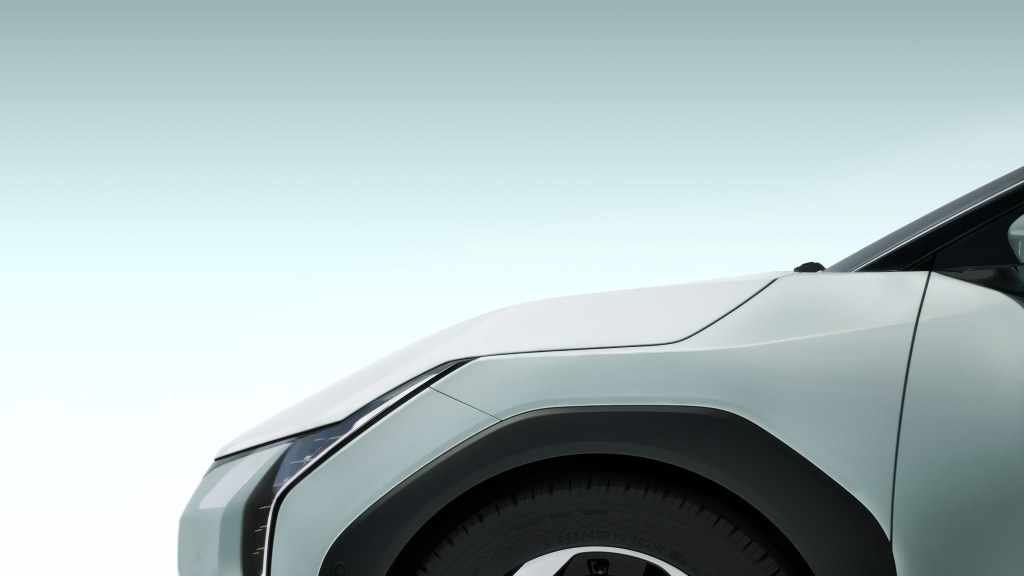
Teaser images and video footage that hint at the concept’s styling, along with close-ups of the new models, offer a preview of Kia’s innovative design approach. Each vehicle showcases aesthetics inspired by Kia’s Opposites United design philosophy, with the visual assets offering a glimpse into the unique characteristics of the Kia EV4, PV5, and Concept EV2.

These three models represent Kia’s bold new electric vehicle strategy. The Kia EV4, Kia PV5, and Kia Concept EV2 feature the brand’s cutting-edge electric platform technology and demonstrate Kia’s clear determination to lead global sustainable mobility in the passenger and business sectors to satisfy customers’ diverse needs everywhere.

Kia will share its overall PBV strategy, providing full details of the business, vision, product line-up, and launch to support the roll-out of the PV5. In addition, the company will also display its game-changing PBV platform. This dedicated battery electric skateboard architecture underpins the brand’s new PBV business by enabling the flexible combination of various types of vehicle bodies.

Key members of Kia’s senior leadership team will take to the stage throughout Kia EV Day. In addition to presenting the EV4, PV5 and Concept EV2, the leadership team will also reveal Kia’s expanded electrification strategy, which is set to transform the global EV market. The event video will be released on the Kia Worldwide YouTube channel in March.

Goodwood Revival To Celebrate Alfa Romeo

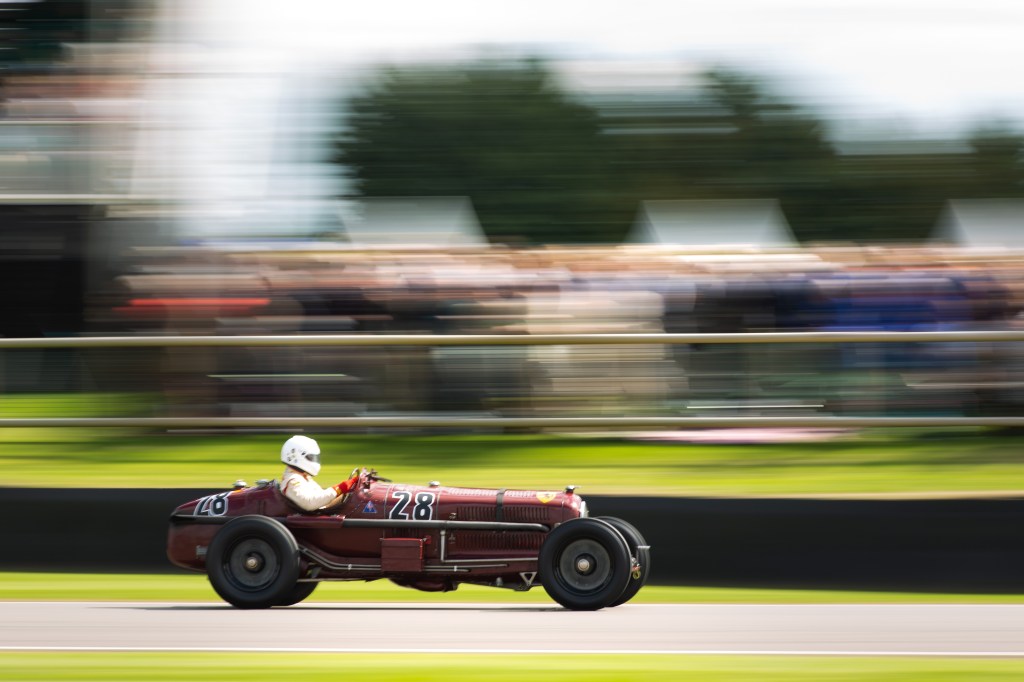
The Goodwood Revival will bring together a collection of cars from Alfa Romeo’s competitive history to celebrate the centenary of the marque’s victory in the inaugural Manufacturer’s World Championship.

Taking place across the weekend, the demonstration will feature Grand Prix cars, sports cars, touring cars and prototypes, including the machines that became renowned for competing at races including the 24 Hours of Le Mans, Mille Miglia and Targa Florio. Visitors can expect to see the likes of the first Formula 1 Championship-winning car, the 158 ‘Alfetta’, Tipo 308C, TZ2 and Tipo 33 prototypes – each telling a story of bold innovation and mechanical artistry from 1925 through to 1975.

The celebration will reflect on Alfa Romeo’s domination of motorsport – including celebrating the 50th anniversary of the marque’s victory at the 1975 World Sportscar Championship. The Revival will remember the legendary drivers who piloted these machines, including four-time Grand Prix winner Antonio Ascari; five-time World Champion Juan Manuel Fangio; five-time Grand Prix winner and first World Drivers’ Champion Giuseppe Farina; and Alfa Romeo’s most famous and celebrated pre-war driver Tazio Nuvolari.

Earlier in the year, the Festival of Speed will also recognise the centenary of the Manufacturers’ World Championship. The Prologue class, which forms part of the F1 75 celebrations at the event, will showcase the cars that predate the World Championship, with examples from Alfa Romeo.