Driving With Diabetes: Understand The Risks Before Getting Behind The Wheel

Road safety and breakdown organisation GEM Motoring Assist has produced a line-up of handy information to assist older people who may be concerned about driving with diabetes. The advice comes as figures show an estimated 3.6 million people aged 16 and over in England – that’s eight per cent of adults in England – are now diagnosed with type 2 diabetes, with a further one million undiagnosed.

GEM says it’s more important than ever for drivers and their families to understand diabetes and the risks it may pose, as well as to recognise what they can do to ensure they stay safe on road journeys.

“Diabetes cases are rising and older drivers are at increased risk,” says GEM’s head of road safety James Luckhurst. “However, better awareness, early action and proactive management are key to reducing risk on the roads.

“It’s important to look after yourself, to understand some of the risks posed by diabetes and to know what you should do to minimise those risks. So before embarking on a road journey, particularly a long one, take time to plan the route and build in regular breaks. This can help you assess alertness and sensation in your feet. If you don’t feel well, then avoid driving at all.

“Families can play a key role in supporting older drivers with diabetes. So, by encouraging regular health check-ups and discuss any changes in driving ability, relatives are playing their part in ensuring safe road journeys.”

GEM answers questions on diabetes and driving:

What is the difference between Type 1 and Type 2 diabetes?
Type 1 diabetes is what’s known as an autoimmune condition, where the body’s immune system attacks and destroys insulin-producing cells in the pancreas. This leads to a lack of insulin. The condition usually develops in childhood or early adulthood. The more common type 2 diabetes typically develops in adults, occurring when the body becomes resistant to – or does not produce enough – insulin. It’s important to recognize that both types of diabetes can lead to high blood sugar levels and certain long-term complications.

What is peripheral neuropathy and how is it related to diabetes?
Peripheral neuropathy is damage to the peripheral nerves. You may feel tingling, numbness, weakness or pain – particularly in the hand and feet. Both type 1 and type 2 diabetes can cause peripheral neuropathy, because long-term high levels of sugar in the blood can lead to nerve damage.

How does peripheral neuropathy affect driving ability in older adults with diabetes?
Peripheral neuropathy can cause loss of sensation, and can also cause us to lose awareness of where our feet are. This can impair our ability to feel the pedals or to know which pedals our feet are on, which clearly increases the risk of a driving incident.

What are the DVLA rules for older drivers with diabetes treated with insulin?
If you have type 1 diabetes, then you must inform the DVLA and will be issued a medically-restricted licence, typically lasting between one and three years. You must check your blood sugar levels at least twice a day (even on days you don’t drive), as well as within two hours before driving, then every two hours while driving. After experiencing a severe hypo while driving, you must inform the DVLA at the earliest opportunity.

Do drivers with type 2 diabetes need to tell the DVLA?
If you have type 2 diabetes and are on insulin, then you need to follow the same steps as someone with type 1. You do not need to inform the DVLA if your diabetes is managed by diet or tablets, unless a doctor specifically advises you otherwise. However, if you experience complications such as visual problems or severe hypoglycaemia, then you must notify the DVLA.

What is a severe hypo and what should I do if I experience one?
A severe hypo (hypoglycaemia) is an episode of low blood sugar where you require assistance from someone else to recover. It’s estimated by the Diabetes Safety Organisation that between two and six severe hypos and 40 non-severe hypos occur each month for every 1,000 drivers—events that can incapacitate someone in seconds. Following even just one severe hypo while at the wheel, you must inform the DVLA at the earliest opportunity. Also, if you have more than one severe hypo while awake in the course of a year you must stop driving.

If I have diabetes, what can I do to reduce my risk while driving?
You should regularly monitor and manage your blood sugar, check levels before and during journeys, and avoid driving if your blood sugar is low. Be mindful of complications such as neuropathy or vision impairment, and seek medical advice if these develop.

Why is regular foot care important for older drivers with diabetes?
Peripheral neuropathy can lead to loss of feeling in the feet, as well as ulcers and infections. Regular foot check-ups help identify problems at an early stage, reducing the risk of complications that could affect your ability to drive as well as your overall mobility.
The All-New Mazda6e Unveiled

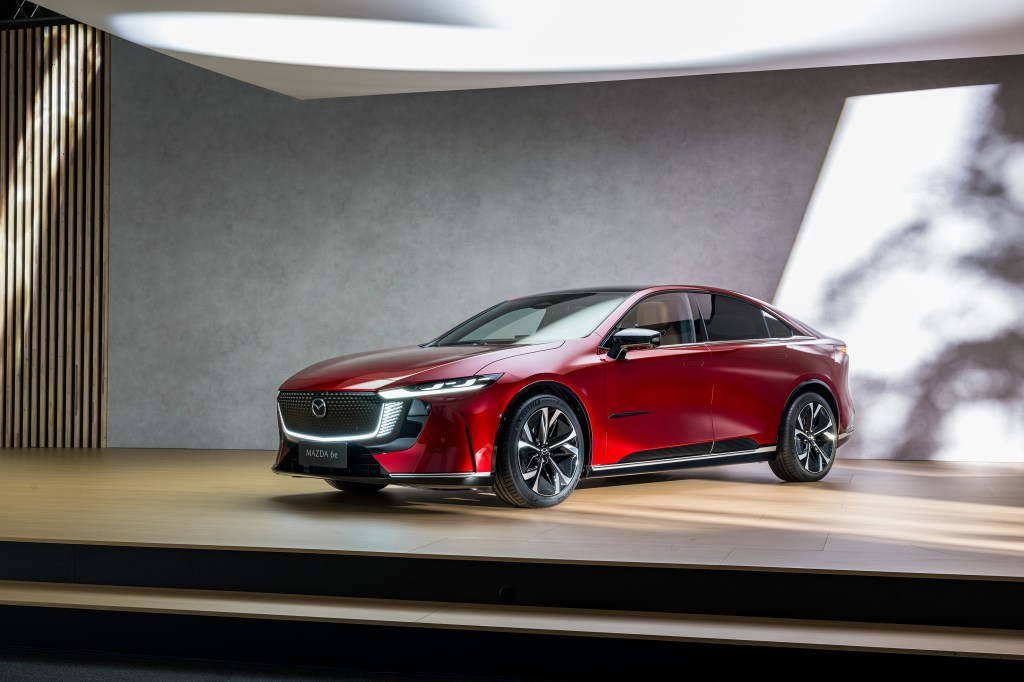
The all-new Mazda6e is the latest addition to Mazda’s fully electric lineup in Europe. A stylish electric hatchback with a fastback saloon style, the Mazda6e embodies a perfect balance between dynamic aesthetics and everyday practicality.

“The exterior is a true expression of its ‘Authentic Modern’ design philosophy,” explains Jo Stenuit, Director of Mazda’s European design studio in Oberursel, Germany. The vehicle’s sleek, coupé-inspired silhouette features a short rear deck, creating a sporty saloon-like appearance while maintaining the practicality of a five-door hatchback. It embodies harmony through contrast, balancing light and shadow, sharpness and roundness, to create a sense of dynamic motion even when stationary.

Mazda’s “Kodo – Soul of Motion” design language is brought to life through fluid surfaces and a low-slung profile, with parallel lines enhancing the car’s dynamic presence. This is further emphasised by the Aero-Fusiform shape—resembling a beautifully sculpted barrel, where all lines appear to converge at a single point. This seamless, flowing form reinforces the car’s aerodynamic elegance and sense of motion.

The sculpted door panels, inspired by the spray of a speedboat cutting through water, create a light-catching effect that further enhances the sense of movement. The rear end exudes power and stability, incorporating four distinct cylindrical taillight elements—a subtle homage to Mazda’s rich design heritage.

For the first time at Mazda, a glowing signature wing illuminates the Mazda6e’s front, featuring dynamic light animation as a visual charging indicator. The rear blends modern and classic design, with a horizontal line adding sleekness and width, while four cylindrical elements honour Mazda’s heritage.

Frameless doors and integrated handles enhance the seamless look, while an electrically extendable rear spoiler improves aerodynamics and stability at high speeds.

“The cabin of the Mazda6e is inspired by Japanese simplicity, built around the design principle of ‘ma’—the power of empty space,” says Jo Stenuit. “By intentionally creating emptiness, Mazda achieves a harmonious balance that enhances both aesthetics and functionality.”

A floating horizontal dashboard stretches across the cabin, creating a sense of openness and serenity, while the prominent centre console enhances driver focus and security. The interior design prioritises minimalism with depth, replacing excess buttons and screens with intuitive, thoughtful placement of controls.

The standard panoramic glass roof invites natural light into the cabin, reinforcing the expansive and airy feel. Tinted glass and heat insulation ensure comfort in all conditions. The sophisticated ambient lighting system, featuring 64 customisable colours, enhances the premium atmosphere with soft, indirect illumination.

The mono-form front seats, with their integrated headrests, deliver both modern elegance and exceptional comfort. Mazda offers a choice of high-quality upholstery: Beige or Black artificial leather in the Takumi trim, and luxurious Tan Nappa and Suede cloth woven fabric in the Takumi Plus trim. Subtle satin chrome accents and meticulous stitching complete the refined, sophisticated look.

The all-new Mazda6e is a masterclass in design, seamlessly blending form and function to create a vehicle that is as visually striking as it is practical. With its fluid exterior lines, cutting-edge lighting technology, and a minimalist yet luxurious interior, the Mazda6e represents the next chapter in Mazda’s design evolution.

Bridging tradition and innovation, the all-new Mazda6e marks a bold step into the electric future while staying true to the craftsmanship and aesthetic excellence that define the Mazda brand. Entering a new era, the Mazda6e is more than just a car—it is a statement of Mazda’s commitment to design, technology, and electrification.

The Mazda6e is the next chapter in Mazda’s EV story in Europe.

SSI MantraM Unveiled At The Second Global SMRSC 2025

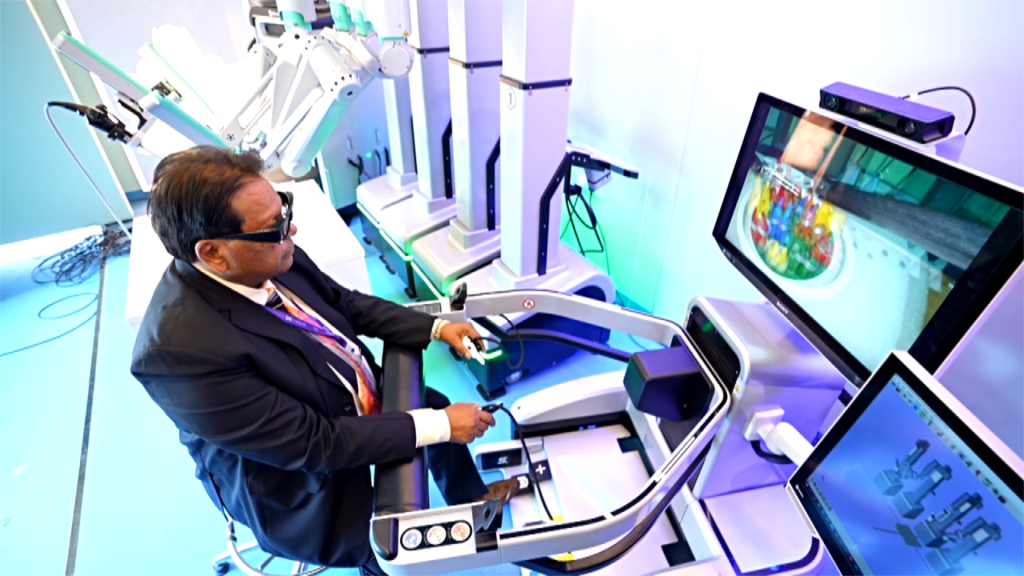
SS Innovations, the maker of India’s first and only home-grown Surgical Robotic System – SSI Mantra, hosted the Second Global SSI Multi-Speciality Robotic Surgery Conference (SMRSC) 2025 at the Leela, Gurgaon. The two-day event saw enthusiastic participation from over 1200+ world-renowned medical professionals, who gathered on a single platform to explore the transformative potential of robotic surgery.

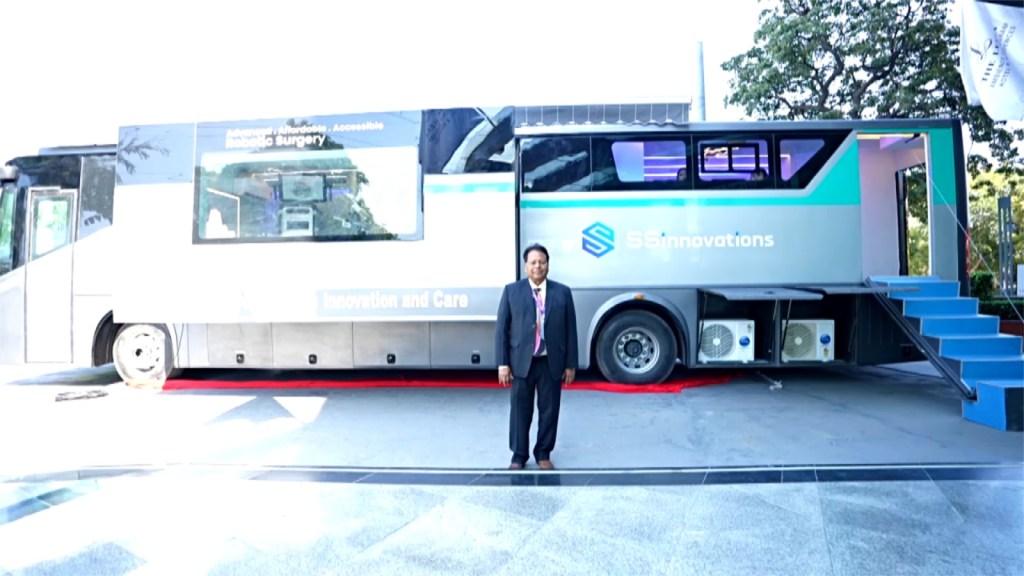
In a groundbreaking announcement at the SMRSC 2025, SS Innovations unveiled the SSI Mantra Tele-Sync Mobile Unit – “SSI MantraM”, a first-of-its-kind innovation set to transform the landscape of robotic surgery and telemedicine in India. This revolutionary mobile tele-surgical unit reflects SS Innovations’ unwavering commitment to advancing medical technology, redefining healthcare infrastructure, and expanding access to cutting-edge surgical care.

With this breakthrough, SS Innovations continues to push the boundaries of med-tech, revolutionizing surgical infrastructure and cementing India’s position as a global leader in robotic surgery and health-tech innovation.

Equipped with state-of-the-art telesurgery capabilities, SSI MantraM breaks barriers in surgical care by delivering world-class robotic-assisted procedures to remote and underserved regions. The Tele-Sync Mobile Unit seamlessly integrates the SSI Mantra Surgical Robotic System, high-speed connectivity, and advanced surgical robotics to enable real-time collaboration between remote and on-site surgical teams. This innovation empowers expert surgeons to perform and guide procedures with minimal latency, making advanced surgical care more accessible than ever.

Speaking on the launch of SSI MantraM, Dr. Sudhir Srivastava, Founder & Chairman of SS Innovations said,”SSI MantraM is more than a mobile telesurgical unit, it’s a movement to democratize and decentralise world-class healthcare. With high-speed telecommunication and satellite connectivity, it breaks geographical barriers, delivering life-saving robotic-assisted surgery to underserved communities. Beyond tele-surgical procedures, SSI MantraM serves as a powerful platform for surgical education, tele-mentoring, and real-time patient data analytics. With continuous research and innovation, SSI is taking a major step toward ensuring that advanced robotic surgery reaches those who need it most.”

Building on the success of SMRSC 2024, this year’s conference elevated discussions on innovations in robotic surgery and telesurgery, with a focus on Urology, General Surgery, Gynecology, Oncology, Head & Neck, and Cardiothoracic surgery. The event served as a platform to showcase the advanced capabilities of SS Innovations’ flagship surgical robotic system- SSI Mantra 3, which continues to redefine modern surgical care. Installed in over 70 hospitals nationwide, SSI Mantra has facilitated more than 3400 multi-speciality surgeries, including complex cardiac procedures, setting new benchmarks in surgical precision and patient outcomes. SMRSC 2025 brought together an extraordinary lineup of global visionaries shaping the future of healthcare and technology.

Dr. Michio Kaku, a renowned theoretical physicist and futurist, captivated the audience with his thought-provoking insights on the future of medical technology. He highlighted how advancements in AI, quantum computing, and robotics are set to redefine surgery, making precision medicine and real-time remote procedures a reality. His presence underscored the intersection of scientific innovation and healthcare advancements. Mr. Sonam Wangchuk, acclaimed engineer, innovator, and education reformist, highlighted the critical role of infrastructure and technological breakthroughs in transforming healthcare. His insights resonated deeply with SSI MantraM’s mission to decentralize surgical care through pioneering engineering and connectivity solutions. Dr Fredric Moll, widely recognized as the Father of Surgical Robotics and Vice-Chairman of SS Innovations International Inc., shared his expertise on the evolution of robotic-assisted surgery, offering a glimpse into the next era of precision-driven medical advancements.

Dr. Michio Kaku, renowned theoretical physicist and futurist, speaking on the future of medical technology said, “Congratulations to SSI for making history by igniting the next revolution in robotic surgery. Today marks the beginning of an exciting new era, with SSI at the forefront of a transformation that will redefine the medical field. When historians look back, they will recognize that this moment set into motion a movement that will reverberate across the world, redefining the way surgery is performed. But this is only the beginning. We are witnessing the dawn of the next phase that goes beyond where we stand today. While this phase will shape the future for years to come, I can already see the emergence of something even greater: the integration of quantum mechanics into surgery. This will not just be robotic surgery; it will be quantum mechanical robotic surgery, an evolution that will once again revolutionize medicine. Years from now, history will mark SSI as the epicentre of this transformation, the place where visionaries, driven by energy and foresight, propelled this revolution forward. I eagerly await the next great leap, where quantum mechanics and robotic surgery merge, opening yet another frontier in medical innovation.”

Mr. Sonam Wangchuk, innovator and education reformist said, “Just as a doctor heals the sick, an environmental engineer heals the planet, diagnosing its ills and restoring its balance. By harnessing innovation, sustainable technology, and community-driven solutions, we can democratize environmental care, making sustainability accessible to all. A healthier planet isn’t just a vision; it’s a necessity for a just and thriving future.”

Dr. Fredric Moll, Father of Surgical Robotics, and Founder of Intuitive Surgical, said, “I am truly amazed by the progress made in developing the SSI Mantra, which is impressive both in its clinical capabilities and the remarkably short time in which it has been achieved. This accomplishment is a testament to the exceptional talent of Dr. Sudhir Srivastava and the SSI engineering team. Having lived and worked in the robotics space, I understand the immense challenges involved in such a feat. SSI’s creativity, persistence, and determination have been key to bringing this system to its current state. As robotics continue to evolve and become more intelligent, we are entering a new era of capabilities that will serve both patients and humanity in profound ways. I am incredibly excited to be a part of this journey.”

SMRSC 2025 featured insightful discussions on the transformative role of AI in robotic surgery, from pre-operative planning to intra-operative decision-making and post-operative care. The event also showcased groundbreaking live telesurgeries and tele-proctoring sessions, broadcasting real-time robotic surgeries across cardiac and multispeciality disciplines.

Furthermore, for the first time in India, telesurgery was performed across a distance of 1,700+ km, with Prof. Dr. Somashekhar S P, Surgical Oncologist, operating remotely from SS Innovations Headquarters, Gurgaon, while Dr. Kushal Agrawal, Associate Consultant – Surgical Oncology, assisted on-site at Aster CMI Hospital, Bangalore. This breakthrough, led by SSI, is a significant step toward making advanced surgical care accessible across long distances.

Acknowledging the gathering of the renowned medical fraternity at SMRSC 2025, SS Innovations Founder, Chairman, and CEO, Dr. Sudhir Srivastava, said, “SMRSC 2025 is a testament to the power of collaboration, where the brightest minds in medicine come together to shape the future of robotic surgery. With a strong ‘Made in India’ vision, we are proud to lead the charge in robotic surgery innovation, bringing world-class technologies to the forefront. Robotics is the future, and as we move forward, these technologies will play a pivotal role in redefining precision, efficiency, and accessibility in healthcare. By bridging geographical gaps, enhancing surgical outcomes, and empowering medical professionals with unparalleled capabilities, we are transforming lives and setting new benchmarks in surgical excellence, ensuring that world-class healtcare reaches every corner of the globe.”

The conference culminated on a mesmerizing note with a soulful musical evening led by Padma Vibhushan awardee and Sarod maestro, Ustad Amjad Ali Khan. His captivating performance brought a cultural touch to the event, seamlessly connecting science, technology, and the arts.

With a strong emphasis on collaboration and knowledge-sharing, SMRSC 2025 is actively redefining the future of robotic-assisted surgery. The conference serves as a premier platform for surgeons, medical professionals, healthcare leaders, and technology innovators to come together and drive advancements in surgical excellence and innovation. By bridging the gap between medical expertise and technological breakthroughs, SMRSC 2025 highlights the transformative power of robotics in modern healthcare. As the landscape of surgery continues to evolve, the event stands as a testament to the impact of cutting-edge innovation, global collaboration, and a shared vision for accessible and precision-driven healthcare.