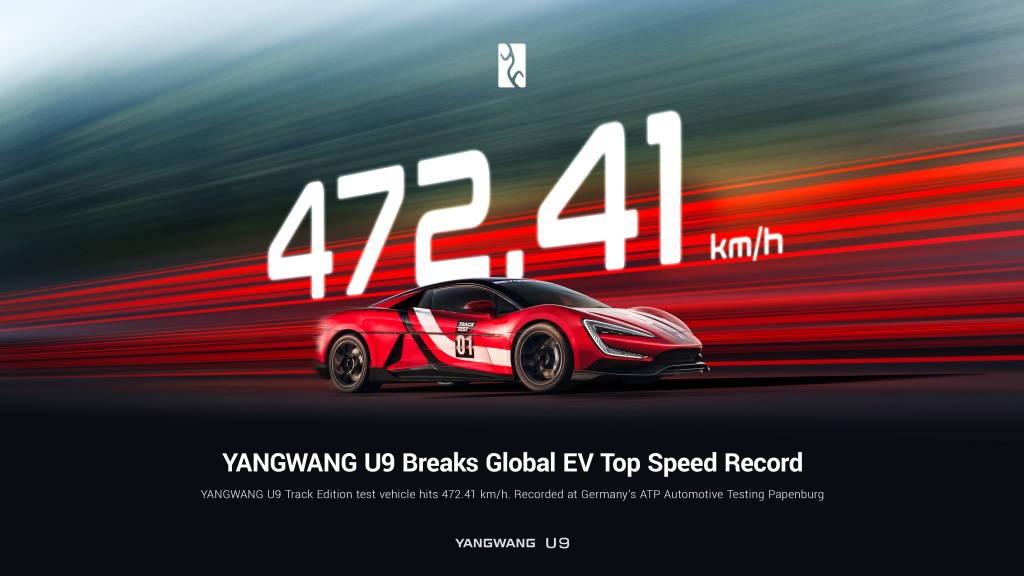
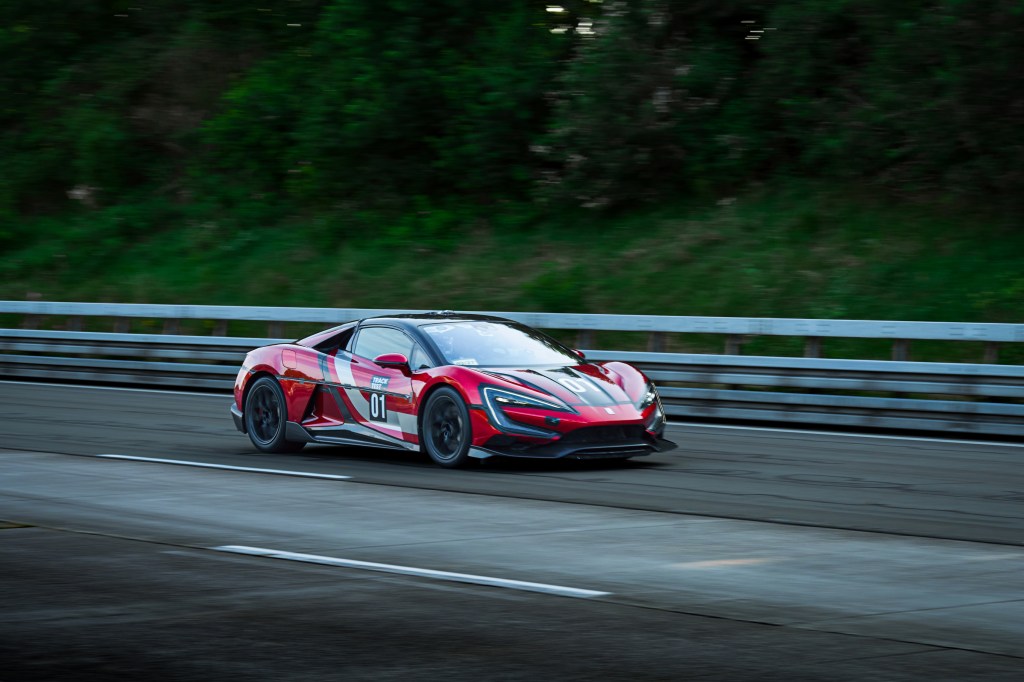
YANGWANG, BYD’s high-end sub-brand, has set a new global electric vehicle (EV) top-speed record of 472.41 kmph at the ATP Automotive Testing Papenburg test track in Germany. The feat was achieved with YANGWANG’s latest U9 Track Edition supercar on August 8, 2025, making it the world’s fastest EV.
The YANGWANG U9 Track Edition is built upon the same e4 Platform and DiSus-X core technical architecture as the YANGWANG U9 currently on sale in China. On top of this, it features the world’s first mass-produced 1200V ultra-high-voltage vehicle platform, paired with a thermal-management system optimised for extreme conditions. This combination of an existing technical footprint and ground-breaking enhancements elevates the YANGWANG U9 Track Edition’s performance to unprecedented levels.
Breaking world records demands both relentless power delivery and exceptional high-speed stability. The YANGWANG U9 Track Edition’s e4 Platform — the world’s first quad-motor system to feature 30,000rpm high-performance motors — delivers peak power of 555kW per motor, with a combined system output exceeding 3,000PS. This grants the vehicle an astonishing power-to-weight ratio of 1,217PS per tonne, placing it among the top tier in the global automotive industry.
Beyond this, the e4 Platform’s quad-motor independent torque-vectoring system continuously monitors road feedback, adjusting each wheel’s torque at an ultra-high frequency that exceeds 100 times per second. Even at high speeds, it maintains absolute control over body posture, ensuring no wheel slip or loss of traction.
The DiSus-X Intelligent Body Control System performs rapid, independent vertical adjustments to the suspension at each corner of the vehicle during aggressive acceleration and cornering, or on uneven surfaces. This not only suppresses pitch and roll — enhancing driver comfort and confidence — but also actively optimises the contact patch between the tyres and the road, maximising grip. Working in synergy with the e4 Platform, it delivers dual guarantees for vehicle stability and driving safety.
Unlike traditional supercars, the YANGWANG U9 adopts the innovative “e4 Platform + DiSus-X” technical architecture, introducing “body posture control” to racetrack scenarios and exploring the boundaries of safety and performance for supercars in track environments. Furthermore, the YANGWANG U9 Track Edition retains the aerodynamic design of the current YANGWANG U9 and is equipped with an enhanced, optional carbon-fiber front splitter that is already in mass production, fully verifying the scientific design and technical reliability of the YANGWANG U9 under ultra-high-speed operating conditions.
To enhance tyre performance and durability under extreme driving conditions, YANGWANG, building on data gleaned during extensive testing and achievements in Germany in 2024, has engaged in a collaboration with Giti Tire to develop a track-focused semi-slick tyre. This high-performance tyre features optimised compound materials and a bespoke tread design, while an innovative knurling treatment at the wheel-rim interface, combined with high-viscosity lubricant, minimises relative slippage between the tyre and the rim during hard acceleration or braking. This reduces torque loss and tyre wear, while improving predictability and stability during dynamic manoeuvres.
The record was set by German professional driver Marc Basseng, who was behind the wheel for the previous global EV speed record in 2024. After completing the high-speed test for YANGWANG, he said, “Last year, I thought I’d peaked. I never expected to break my own record so soon — but here we are, at the same track, with new technologies that have made it possible.”
By setting a new global EV speed record, YANGWANG redefines the sustainable supercar. Backed by BYD’s innovation and sustainability commitments, YANGWANG employs cutting-edge tech to deliver unmatched performance, safety, and driving experience.
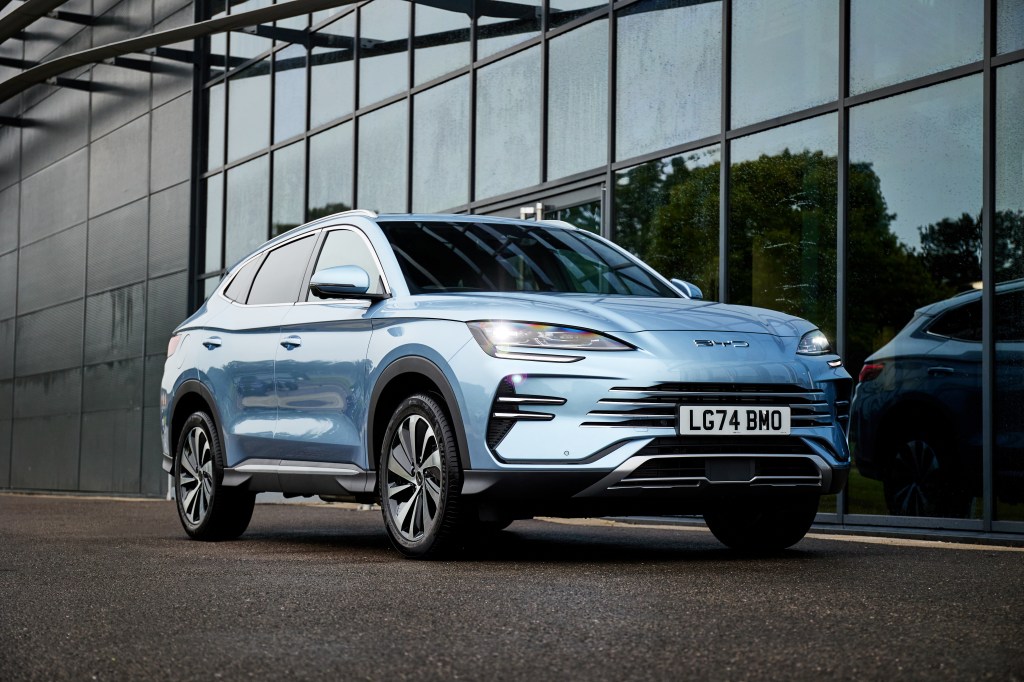
Almost one in five (18%) Brits believe that you cannot take an electric vehicle (EV) charger with you when moving house, according to new research by BYD UK. EVs are shaping the future of motoring, but the manufacturer’s latest research reveals that myths surrounding EVs remain prevalent across the UK.
To address these misconceptions, BYD surveyed 2,000 people in the UK via OnePoll to identify the most common EV myths. Steve Beattie, Sales and Marketing Director at BYD UK, debunks these myths as part of the company’s mission to accelerate the shift to sustainable mobility.
The most widely believed myth is that you cannot take an EV charger with you when moving house, with 18% of respondents agreeing. Steve explains: “While EV chargers are fixed to homes, they can be professionally uninstalled and reinstalled at a new address. Many people don’t realise this, but with professional help, moving a charger is straightforward. It’s worth considering the cost, though, as installation is often included with new chargers.”
Another misconception, believed by 17% of people, is that an EV can be manual. Steve adds: “EVs are automatic by design, thanks to their consistent power delivery, which removes the need for a clutch or gearbox. They’re built for simplicity and efficiency, making them easier and smoother to drive.”
Almost one in six (14%) respondents think an EV cannot drive through water. Steve comments: “Modern EVs are built to rigorous safety standards, with waterproofed components that allow them to drive through water just as safely as petrol or diesel cars. Whether it’s rain, puddles, or car washes, EVs are thoroughly tested for water resistance, so drivers don’t need to worry.”
One in seven (13%) people believe that EVs will not last as long as internal combustion engine (ICE) cars. Steve explains: “EVs typically have fewer moving parts, which reduces wear and tear over time. Long warranties, like BYD’s 8 year or 125,000 mile battery guarantee, highlight their durability, and reflect manufacturers’ confidence in their longevity.”
Another 13% believe that EVs can charge themselves. Steve clarifies: “This could be due to confusion around regenerative braking. Regenerative braking does recover energy during deceleration, but it doesn’t fully charge the battery. It’s an efficient way to extend range and improve performance, but EVs still need to be plugged in for a complete charge.”
The survey also revealed that 11% of respondents think EVs cannot be towed. Steve adds: “EVs can be safely towed, as long as the correct method is used. Flatbed tow trucks are the safest option for any vehicle, including EVs. Dolly towing is also possible for some EVs if they can be placed in neutral gear. It’s just about using the right approach.”
Finally, 7% of people believe EVs cannot go through a car wash or get wet. Steve reassures: “This misconception comes from concerns about water and electricity, but EVs are built to meet stringent safety standards. Rain, puddles, and car washes are perfectly safe for electric cars.”
Older generations are the most sceptical of these myths, according to BYD’s research, with nearly nine in ten (89%) over-55s rejecting all misconceptions.
In contrast, younger generations are more likely to believe EV myths. Only 17% of 18 to 24 year-olds rejected all misconceptions, followed closely by 25 to 34 year-olds, where 23% dismissed them.
Steve summarises: “Our research shows that while electric vehicles are changing the way we drive, there are still a lot of misconceptions out there. Clearing up these myths is key to building trust and helping drivers feel confident about EV technology as we move towards a zero-emission future.
“At BYD, we’re focused on helping drivers understand the realities of electric vehicles and making sustainable transport more accessible to everyone. By tackling these myths head-on, we hope to encourage more people to see the benefits of EVs and make the switch.”
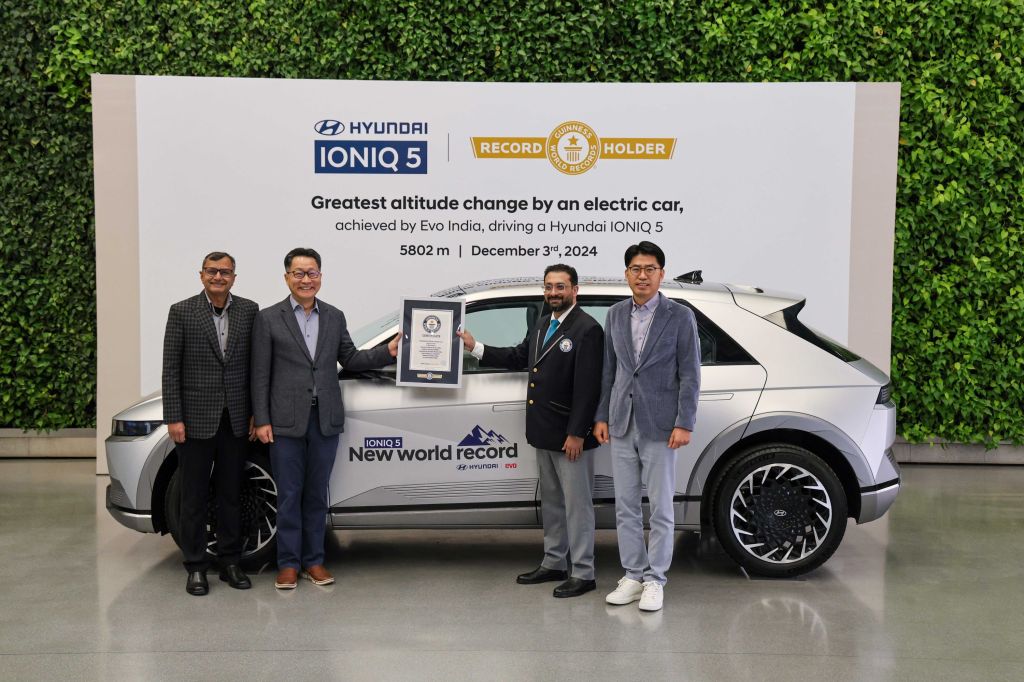
Hyundai Motor India Limited (HMIL), is proud to announce that its flagship electric SUV, the Hyundai IONIQ 5, took part in a prestigious Guinness World Records title attempt for the Greatest altitude change by an electric car. Driven by the professional team from Evo India, the Hyundai IONIQ 5 set a remarkable record by registering an altitude change of 5802 metres—from India’s highest drivable point, Umling La in Leh Ladakh, located 5799m (19,024 feet) above sea level, to Kuttanad in Kerala, situated 3 metres below sea level.
The extraordinary feat was accomplished in just 14 days, covering an extensive distance of over 4900 kilometres across challenging terrains and extreme climatic conditions, truly demonstrating the Hyundai IONIQ 5’s resilience, advanced technology, and superior performance. Throughout the journey, the Hyundai IONIQ 5 reaffirmed its position as a benchmark in electric mobility, seamlessly navigating harsh environments, from freezing temperatures and steep mountain passes in the Himalayas to humid coastal regions in Kerala.
Speaking on the achievement, Mr. Unsoo Kim, Managing Director, Hyundai Motor India Limitedsaid, “We are incredibly proud to see the Hyundai IONIQ 5 create history by achieving the Guinness World Record for the highest altitude change by an electric car. This achievement is a testament to Hyundai’s unwavering commitment to innovation, technological excellence, and sustainability. The IONIQ 5’s performance in such extreme conditions reflects its engineering prowess and durability. At Hyundai, we are dedicated to pushing boundaries and setting new benchmarks in e-mobility, and this record further reinforces our vision of ‘Progress for Humanity.”
The Hyundai IONIQ 5, developed on the state-of-the-art Electric-Global Modular Platform (E-GMP), has been designed to redefine smart mobility experiences. It features a futuristic and progressive design inspired by Hyundai’s iconic PONY, a revolutionary step towards a new era of electric mobility. Equipped with a high-capacity 72.6 kWh battery, the Hyundai IONIQ 5 delivers exceptional driving range, advanced safety, and cutting-edge smart technologies, offering customers an exhilarating and versatile e-mobility experience.
The Hyundai IONIQ 5 has once again proven its capabilities, setting a new standard in the electric vehicle segment while offering an unmatched combination of performance, safety, technology, and design. Hyundai Motor India remains committed to delivering advanced mobility solutions and shaping a sustainable future for all.
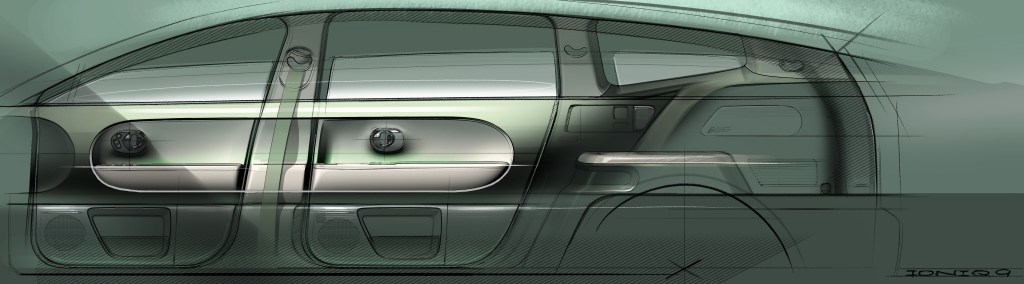
Hyundai Motor Company has shared initial details of the interior of its much-anticipated IONIQ 9, the brand’s first all-electric three-row SUV. This milestone addition to the IONIQ lineup underscores the company’s commitment to electric vehicle (EV) technology, cementing its electrification leadership.
IONIQ 9 signifies Hyundai Motor’s entry into the large electric vehicle sector, building on the success of the award-winning IONIQ 5 and IONIQ 6. With its spacious and comfortable interior, IONIQ 9 is set to revolutionize the EV experience.
“IONIQ 9 offers the ultimate lounge-like environment,” said Simon Loasby, Senior Vice President and Head of Hyundai Design Center. “Its nature-inspired, lounge-like interior reflects our progressive approach of how we envision the technology, customer-centric design and tranquility, coming together seamlessly in the future of mobility.”
IONIQ 9’s ‘Aerosthetic’ silhouette gives way to an interior tailored to relaxation. Hyundai Motor’s advanced Electric-Global Modular Platform (E-GMP) provides a spacious cabin that features a flat floor across all three rows, enabling easy movement within the vehicle.
Beyond its impressive level of spaciousness, IONIQ 9’s interior features soft, elliptical design elements, such as the door trim and door handle, that contribute to a serene and sophisticated atmosphere.
As a large, three-row all-electric SUV, IONIQ 9 is capable of seating up to seven occupants comfortably. Its interior design delivers the versatility to accommodate different needs and situations, allowing each passenger to utilize the space flexibly.
Coupled with the IONIQ lineup’s groundbreaking electrification capabilities, IONIQ 9’s spatial innovations are set to deliver an unparalleled and distinctive customer experience.
More detailed information will be revealed at IONIQ 9’s World Premiere in Los Angeles later this month.
SAIC Motor, a global Fortune 500 company with a presence in over 100 countries and JSW Group, a revered Indian corporate with varied business interests entered into a joint venture – JSW MG Motor India Pvt. Ltd. in 2023.
At the time of formation of the joint venture, JSW MG Motor India announced that their goal will be to build a smart and sustainable automotive ecosystem while continuing to stay focused on developing a diverse portfolio of vehicles to give car buyers better access to advanced technologies and futuristic products with attractive value propositions.
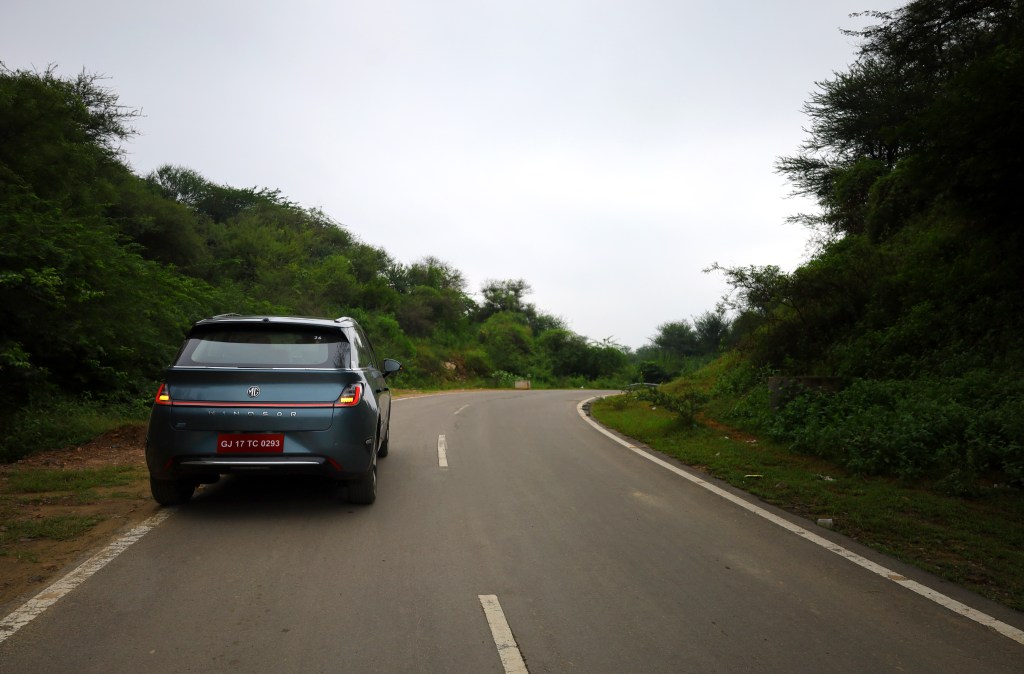
Fast forward to September 2024 and JSW MG Motor India has launched their first car since the formation of the JV – the MG Windsor EV. Launched at the price of a manual compact SUV, the Windsor, combining the comfort of a sedan and the expanse of an SUV, will be offered with innovative aerodynamic design, spacious and premium interiors, smart connectivity, driving comfort, and many hi-tech features.
Built on a ‘Pure EV Platform’ with BaaS – a unique ownership program, MG Windsor is being offered at an industry disrupting price of Rs 9.99 lakhs + Rs 3.5 per kilometre of battery usage – a path-breaking ownership concept introduced by a carmaker for the very first time in India.
And for the conventional purists who believe in the age-old concept of outright purchase, the Windsor comes at an unbeatable ex-showroom price of Rs. 13.49 lakhs for the base variant going upto Rs 15.49 lakhs for the top trim.
Recently, we were invited for the national media drive of the MG Windsor. Read on to find out all that you want to know about the newest kid in the block.
Design and Engineering
The MG Windsor is being positioned as a CUV or Crossover Utility Vehicle. It is an interesting cross between a sedan and a compact SUV. From the engineering standpoint, balancing and blending two different body styles isn’t an easy task, however, the designers at MG deserves a pat on their back for pulling it off well.
The MG Windsor measures 4,295mm in length, 2,126mm in width, and stands 1,677mm tall. The best-in-segment 2,700mm wheelbase ensures that the MG Windsor offers a great balance between ride & handling and comes with a specious passenger cabin.
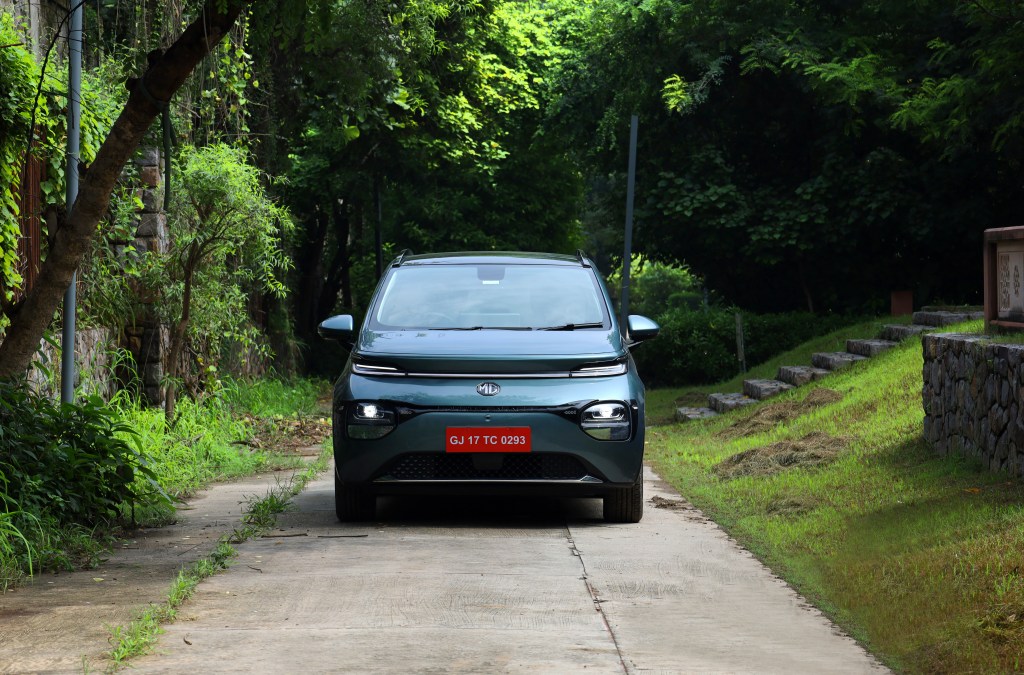
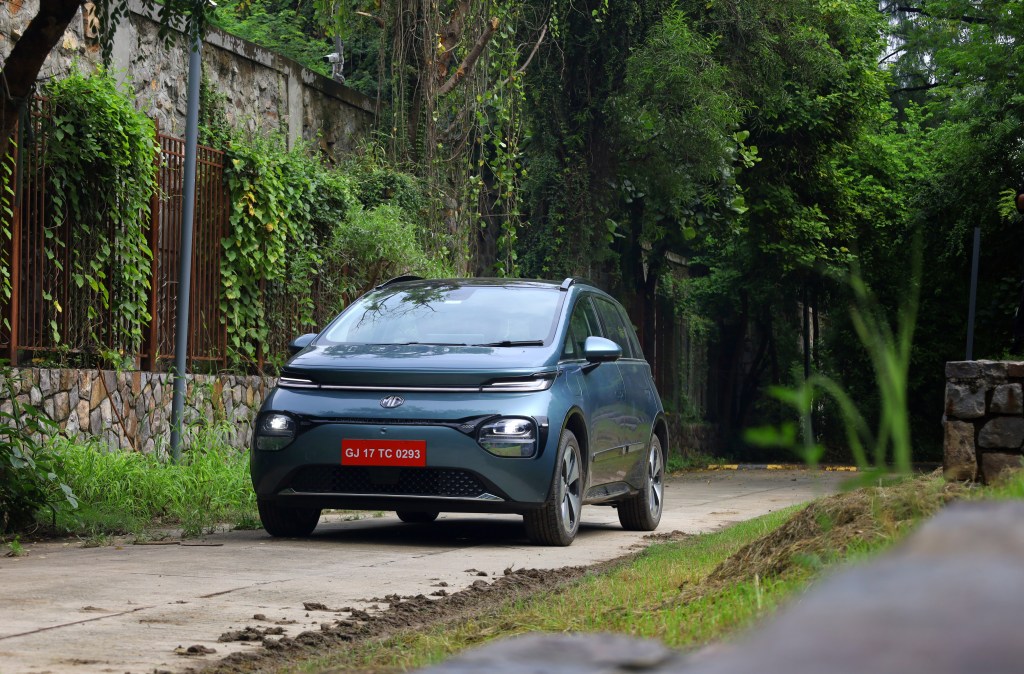
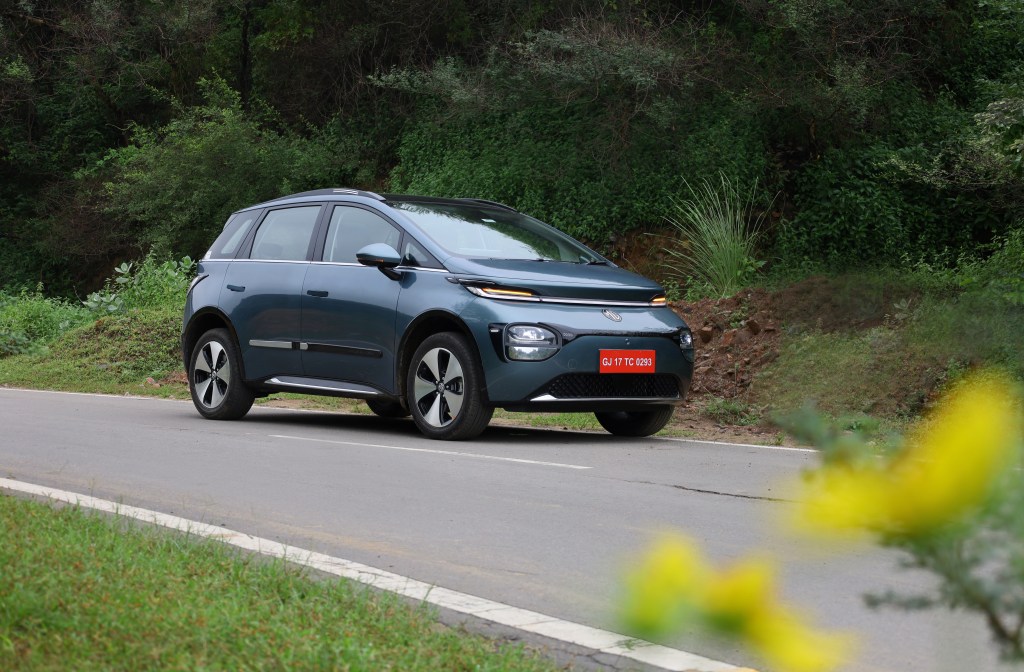
The MG Windsor features an AeroGlide design language, which is futuristic and transcends the concept of traditional segmentation. The nose and bonnet have a distinct two-deck layout. The horizontal daytime running lamps strip forms the base of the bonnet, while the headlights sit below in the bumper. Integrated into the headlight area is a mirror-like panel that reflects images with clarity. MG has added some black trim bits bracketing the headlights, with the one inside connecting the two units and carrying the Morris Garages lettering, above which sits an illuminated MG logo.
MG’s AeroGlide design language is more prominently visible when viewed from the side. The MG Windsor features smart flush door handles which look very trendy. The R18 diamond cut alloy wheels further enhances the striking good looks of the MG Windsor. At the top, the roof rails add to the aesthetics.
At the rear, the LED tail lights look sleek, and the lower bumper edge is finished off with a nice diffuser-style contrasting black panel. Topping the rear is a spoiler with an integrated stop light. Overall, the MG Windsor EV looks impressive and is sure to turn heads on the road.
The NVH levels are also well contained. The MG Windsor is being offered in three variants: base trim Excite, mid-level variant Exclusive, and top-of-the-line Essence; and four colours: Starburst Black, Pearl White, Clay Beige, and Turquoise Green.
Interior and Comfort
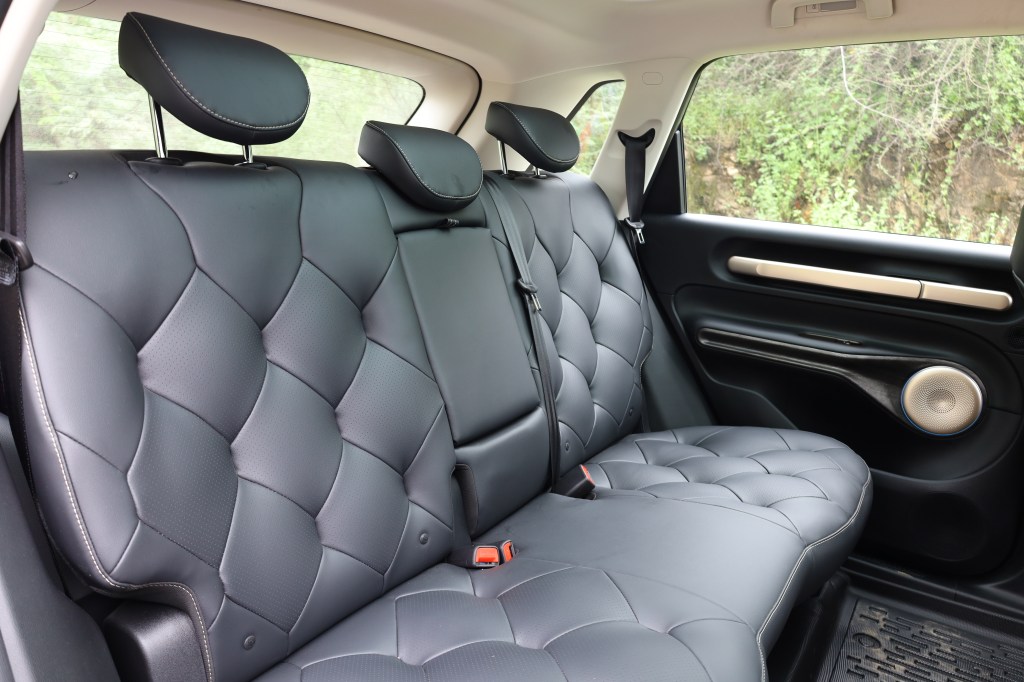
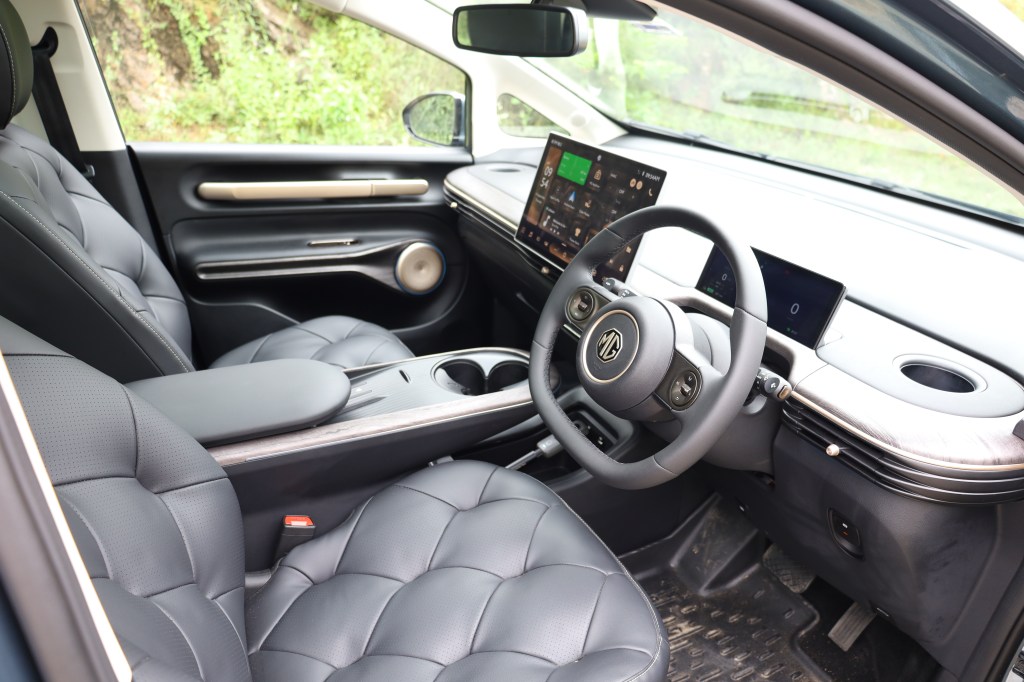
Step inside the MG Windsor EV and you will be welcomed into a premium passenger cabin with aero lounge seats that can be reclined upto 135 degrees, coupled with the expansive infinity view glass roof, adding to the business class experience.
The cabin is spacious with adequate head, shoulder and knee room for both front and rear passengers along with easy ingress and egress. The seats are well bolstered & comfortable and wear an opulent look. The front seats are ventilated with the driver’s seat coming with a 6-way adjustable option.
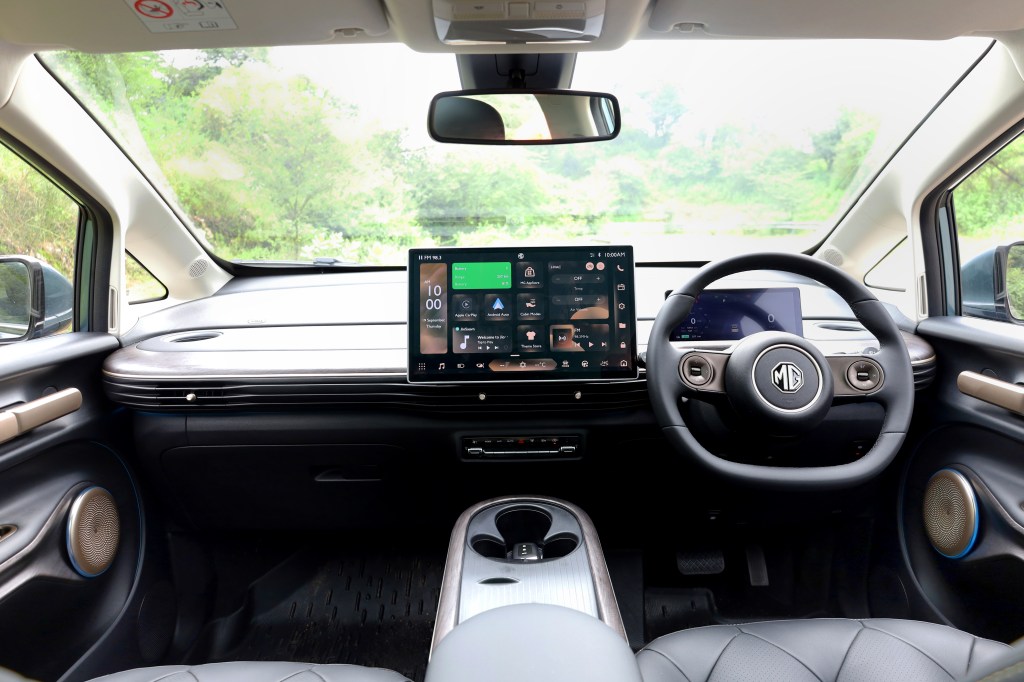
Immersive entertainment and smart connectivity features are powered by a massive 15.6-inch Grand View Touch Display in the central console. For music lovers, the MG Windsor also comes equipped with nine speakers (4 speakers, 4 tweeters, 1 subwoofer) that make your listening experience more pleasurable.
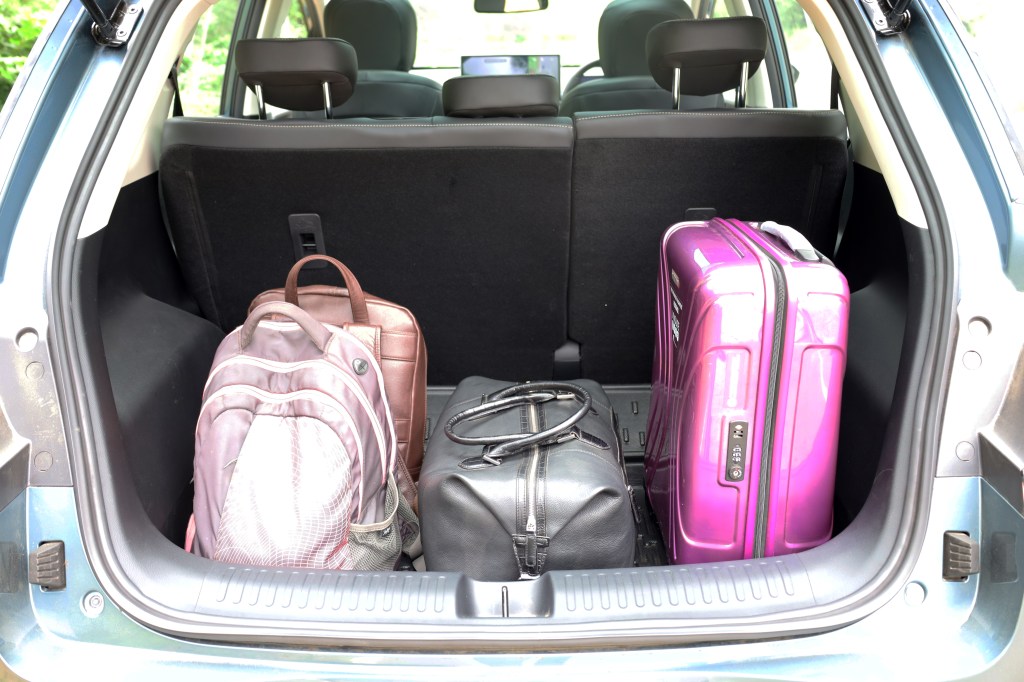
The MG Windsor also allows you to choose from an array of 256 ambient lighting options with auto change technology and make your drives express the way you feel. Other features in the MG Windsor includes Wireless Android Auto & Apple CarPlay, multi-function steering controls, wireless smartphone charger, wooden finish highlights, driver armrest storage, rear-centre armrest with cupholders, and 604 litres of boot space – all of which makes the MG Windsor an attractive proposition.
Performance and Handling
The MG Windsor comes equipped with the powerful PMS Motor which is IP67 certified. Impressive performance is derived through a 38 kWh Li-ion battery pack and four driving modes (Eco+, Eco, Normal and Sport) that deliver 100KW (136PS) power and 200Nm of instant torque, offering a range of 331 kilometres. The battery can be charged in 40 minutes at any DC fast charger. The prismatic cells battery meets the optimal safety standards and is certified to operate with durability and stability.
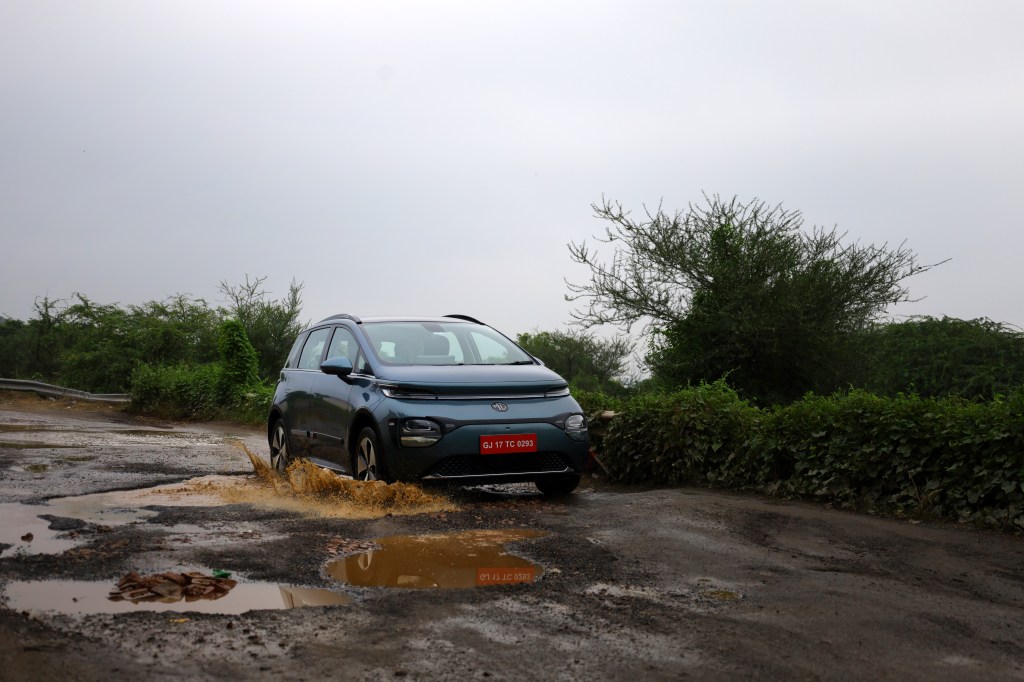
The throttle response in great with almost no power lag. Driving the Windsor both within the city or on the highway feels like a breeze. The MG Windsor stays firmly planted on the ground even while navigating tight corners. The engineers at MG has achieved a commendable balance between good ride and handling. The suspension set up featuring MacPherson strut in the front and torsion beam at the rear is well tuned for Indian road conditions and absorbs the undulation on the road with relative ease. On the whole, the MG Windsor promises to be a good city car while also proving its worthiness on the highway.
Safety
With growing awareness among consumers, safety has emerged as one of the top priorities of carmakers around the world. The MG Windsor comes with 6 airbags (dual front, side & curtain) as standard across all variants. It also features 360° surround view cameras and rear parking sensors to ease your parking woes in tight spaces especially in the crowded neighbourhood within the city. Electronic stability programme, electric parking brake auto hold, hill-start assist control, auto dimming inside rear view mirror, hill descent control, rain sensing wipers, and tyre pressure monitoring system are some of the other features in the MG Windsor EV which assures you of great all around safety.
Battery-as-a-Service (BaaS)
For the first time in India’s passenger vehicle segment, JSW MG Motor India is introducing an innovative ownership plan through Battery-as-a-Service (BaaS) offering, which makes owning an electric CUV at the price of a manual engine-based compact SUV possible. This flexible ownership program eliminates the upfront cost of the battery, enabling customers to pay only for its usage. Essentially, buyers pay a nominal fee per kilometre driven, which is 40% of the fuel costs of conventional vehicles. This model significantly reduces the initial acquisition cost and lowers the per-kilometre expense, ensuring an economical and hassle-free ownership experience.
In addition, the company is offering a first-of-its-kind lifetime battery warranty to the first owner of MG Windsor. With the eHUB by MG app, the company is offering one year of free public charging, making it easier than ever for Windsor owners to power up anytime, anywhere. JSW MG Motor India is also introducing its 3-60 assured buyback plan for the Windsor which ensures that it will retain 60% of its value after 3 years/45,000kms.
Verdict
The MG Windsor is the first car that has come out of the JV between JSW & MG Motor India. The whole team has worked very hard to bring this car to India. As a crossover utility vehicle, the Windsor successfully manages in merging the comfort of a sedan with the expanse of an SUV, making it an ideal car for the Indian household. With its delightful features and easy to drive dynamics, MG Windsor will certainly invite newer sets of customers to try EVs. It is an ideal vehicle for customers looking to beat the bustling urban roads and tighter spaces in smaller towns, in comfort and style. With its advanced features, innovative design, and disruptive pricing, the Windsor most definitely sets a new benchmark.
Hyundai Motor Company is marking its historic achievement of producing 100 million vehicles worldwide with the grand opening of its ‘One step further’ exhibition at Hyundai Motorstudio Seoul. The exhibition showcases the driving forces behind the 100-million-unit production milestone and conveys Hyundai’s gratitude to those customers who have been part of the journey.
This exhibition is a continuation of the 100 million production celebration held at Hyundai Motor’s Ulsan Plant on September 30. At that event, the company delivered the 100 million and first vehicle, an IONIQ 5, to its new owner, representing the brand’s gratitude to its customers for their unwavering support.
“It takes thousands of parts and pieces to build a car, with combined efforts of millions of people involved in R&D, design and manufacturing over many years,” said Sungwon Jee, Senior Vice President and Global Chief Marketing Officer at Hyundai Motor Company. “We wanted to shed light on these behind-the-scenes efforts that went into producing 100 million vehicles and tell the story of Hyundai Motor’s transformation from a traditional automaker to a leading smart mobility solutions provider.”
Spanning five floors, the exhibition begins on the first floor by introducing the journey to 100 million units, featuring the Cortina Mark 2, Hyundai Motor’s first production model; and the Pony, Hyundai Motor’s first independently developed model.
The second floor offers a retrospective on how Hyundai has helped its customers’ lives and showcases the history of major Hyundai Motor plants, including the evolution of production processes over time.
The exhibition’s third floor highlights key drivers in achieving the production milestone of 100 million vehicles globally, focusing on three iconic models: the first-generation Sonata, the first-generation Elantra and Scoupe. These vehicles exemplify Hyundai Motor’s relentless pursuit to go ‘one step further’ in driving its incredible achievement.
The first-generation Sonata showcased Hyundai’s craftsmanship and dedication to enhancing product quality. The first-generation Elantra, a steady seller, laid the foundation for the company’s 100-million-unit production capability with the introduction of an automated production line. The Scoupe – equipped with the Alpha series, Hyundai’s first proprietary engine – pioneered the sports car segment in Korea and demonstrated the company’s engineering prowess.
The exhibition’s fourth and fifth floors feature the brand’s modern SUV lineup – Santa Fe, Kona and Inster; and electric vehicle (EV) lineup – IONIQ 5, IONIQ 5 N and IONIQ 6. This final section looks ahead to Hyundai Motor’s future as it moves ‘one step further’, transforming from a traditional automaker to a smart mobility solutions provider.
The exhibition is testament to Hyundai Motor’s unwavering commitment to innovation, customer satisfaction and a future of continued growth and success. Held from October 10 to November 10, admission is free to all visitors.
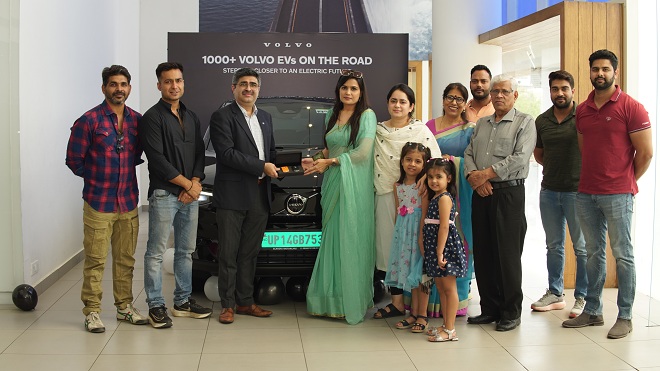
Volvo Car India has announced that the company has crossed the historic milestone of delivering over one thousand EVs. Volvo Car India’s EV journey started in November 2022 with the company delivering its first XC40 Recharge. The XC40 Recharge was also the first locally assembled luxury electric SUV in India. Volvo Car India offers three EV models in India, the XC40 Recharge, the born electric C40 Recharge and the single motor XC40 Recharge. All these are delivered under the company’s ambitious Online Direct Sales model through the Volvo Car India website. All Volvo EV customers also get an exclusive membership to the company’s ultimate luxury program called ‘Tre Kronor Experience’.
“On the occasion of World Environment Day, we are happy to announce that Volvo Car India has delivered over 1000 EV cars. This achievement is another milestone on our journey towards becoming an all-electric company by 2030. Our robust progress is a reflection of strong customer confidence our cars command as well as our commitment to grow the luxury EV market in India.” said Mr. Jyoti Malhotra, Managing Director, Volvo Car India.
Volvo Car India had a strong growth in 2023, with a remarkable 31% increase in overall sales compared to 2022. The Pure electric models XC40 Recharge & C40 Recharge together account for 28% of the total sales.
Volvo Car India is committed to launch one electric vehicle every year with an aim to turn its entire portfolio into electric vehicles ahead of 2030.
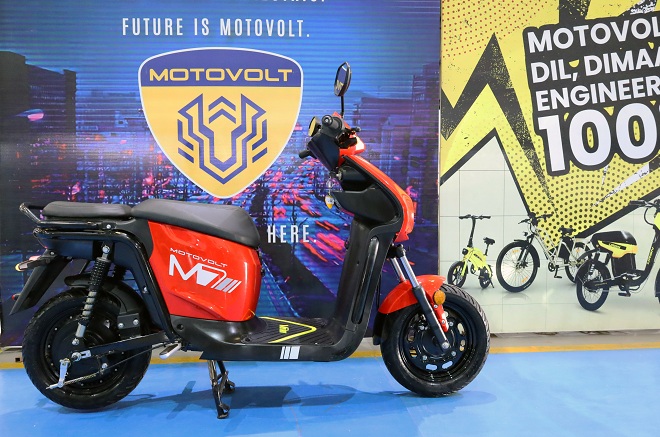
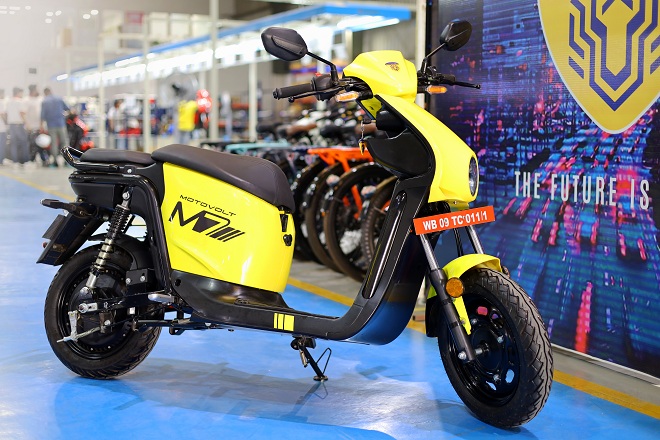
Kolkata based mobility company Motovolt has recently announced the launch of the Motovolt M7 with the introductory offer price starting at INR 1,22,000. This multi-utility e-scooter (MUSe) marks the company’s entry into the high-speed electric scooter segment. Infused with German technology, the M7 aims to set new standards for safety, quality, comfort, and sustainability.
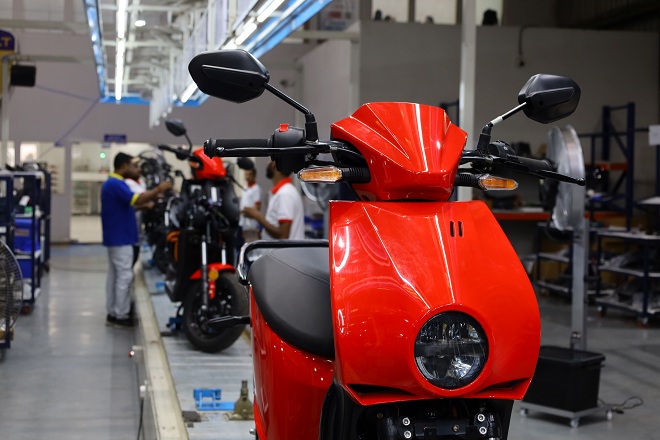
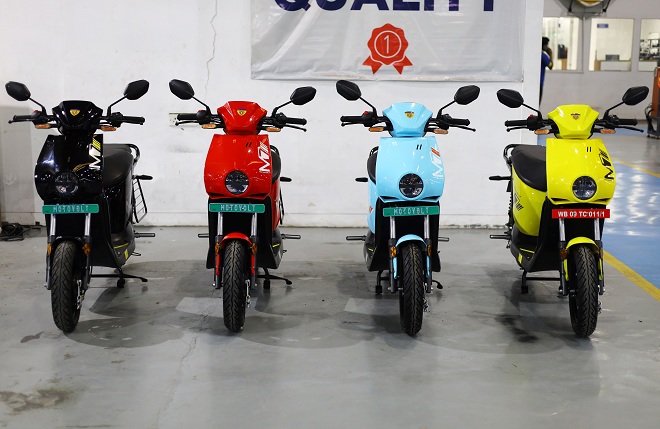
Motovolt’s manufacturing unit in Taratala, Kolkata is a symbol of innovation and sustainability in the world of electric 2-wheelers. The state-of-the-art facility streamlines the manufacturing process to ensure the durability and reliability of each product. Through technological prowess and environmental stewardship, Motovolt aims to set new benchmarks in the electric mobility industry.
Recently, Power Drive was invited to their manufacturing facility to get a close view of the high testing and manufacturing standards maintained by Motovolt Mobility. We also got the opportunity to get up close and personal with the Motovolt M7. Read on to find out what we discovered.
Design and Engineering
Designed with sustainability at its core, the Motovolt M7 reduces the use of plastic, opting for a blend of efficient metals. Its modular design aims to enhance travel convenience, featuring an intelligently crafted rear section for carrying loads with ease.
The M7’s seating is ergonomically designed, supported by a double cradle heavy-duty mild steel frame that accommodates a payload of up to 180 kilograms ensuring stability and durability.
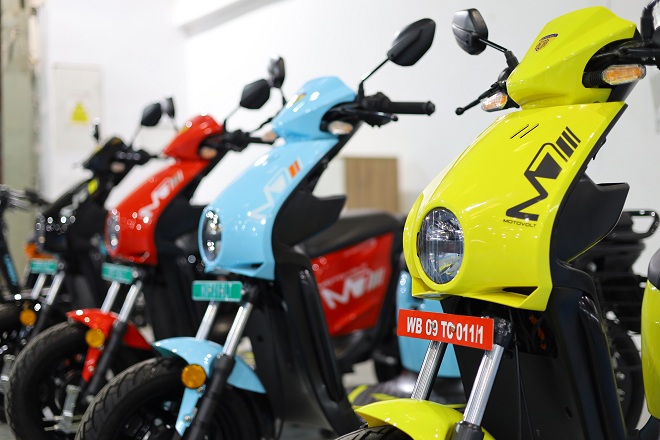
Personalisation is the key with Motovolt M7 which is offered in six striking colour options – Lightning Grey, Galaxy Red, Blue Jay, Dove White, Canary Yellow, and Puma Black.
Performance and Handling
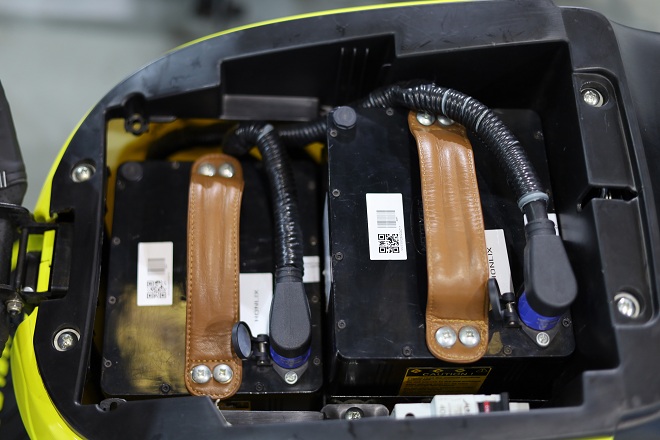
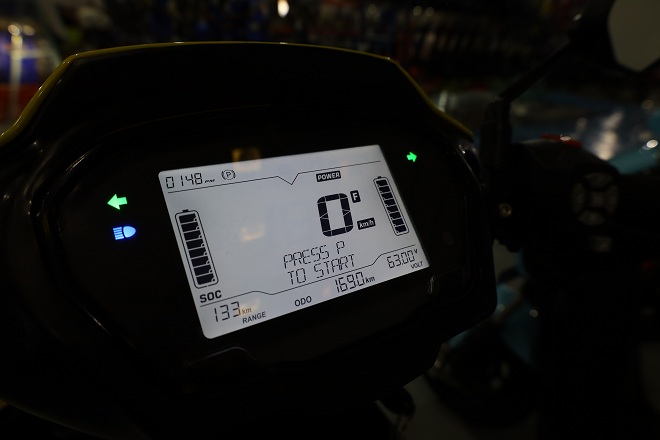
The Motovolt M7 is powered by a robust 3kWh unit, which boasts of advanced LFP cell chemistry, making it durable and safe with over 1,000 charge cycles. It comes encased in aluminium, adhering to AIS 156 standards (IP67), ensuring it is both fire and waterproof. With the in-house design and packaging, the battery is portable and can be easily carried and charged anywhere, offering a range of 166 km in IDC mode (ARAI certified).
The M7L variant is available with a single battery with the option to upgrade to a dual system, managed by a sophisticated battery control system. It can churn out 2.5 kW of maximum power and 120 Nm of peak, and capable of reaching a top speed of 60 kmph.
The suspension of the Motovolt M7 has been set up keeping the Indian road conditions in mind. It features telescopic forks on the front and spring loaded dual adjustable shock absorbers in the rear ensuring that it delivers a comfortable ride quality.
Safety
The Motovolt M7 comes with the M7 app which has an anti-theft smart lock on the app that alerts you if anyone attempts to steal the M7. It also comes equipped with a key switch which also acts as a handle lock, to prevent your scooter from getting stolen. In addition to this, the Motovolt M7 also has a side stand sensor that has an indicator on the dashboard. If the side stand has been put down, the vehicle will not start.
Verdict
Motovolt Mobility aims to provide an efficient and sustainable commuting alternative. The M7, is Made in India and Made for India and seamlessly integrates advanced features, providing a personalized and connected experience to the riders. By addressing the unique challenges of urban mobility, the M7 aims to enhance the quality of commuting and contribute to a cleaner environment. This multi-utility e-scooter represents a strong value proposition and is all set to become a strong contender in the e-scooter segment.
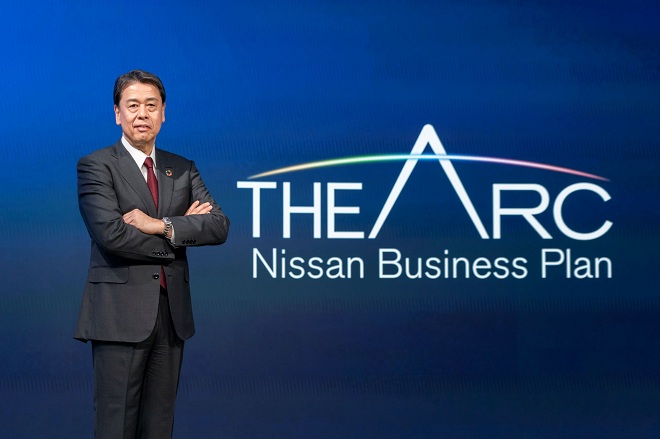
Nissan Motor Co., Ltd, has launched The Arc, its new business plan to drive value and strengthen competitiveness. The plan is focused on a broad-based product offensive, increased electrification, new approaches to engineering and manufacturing, the adoption of new technologies, and the use of strategic partnerships to increase global unit sales and improve profitability.
The plan is positioned as a bridge between the Nissan NEXT business transformation plan running from fiscal 2020 through fiscal 2023 and Nissan Ambition 2030, the company’s long-term vision. The new plan is split into mid-term imperatives for fiscal years 2024 through 2026, and mid-long-term actions to be carried out through 2030.
Nissan President and Chief Executive Officer Makoto Uchida said: “The Arc plan shows our path to the future. It illustrates our continuous progression and ability to navigate changing market conditions. This plan will enable us to go further and faster in driving value and competitiveness. Faced with extreme market volatility, Nissan is taking decisive actions guided by the new plan to ensure sustainable growth and profitability.”
Under the two-part plan, Nissan will first take actions to ensure volume growth through a tailored regional strategy and prepare for an accelerated transition to EVs, supported by a balanced electrified/ICE product portfolio, volume growth in major markets and financial discipline. Through these initiatives Nissan aims to lift annual sales by 1 million units and increase its operating profit margin to more than 6%, both by the end of fiscal year 2026. This will pave the way for the second part of the plan aimed to enable the EV transition and realize long-term profitable growth, supported by smart partnerships, enhanced EV competitiveness, differentiated innovations and new revenue streams. By fiscal year 2030, Nissan sees a revenue potential of 2.5 trillion yen from new business opportunities.
Balanced product portfolio
Nissan plans to launch 30 new models over the next three years, of which 16 will be electrified, and 14 will be ICE models, to meet the diversified customer needs in markets where the pace of electrification differs. Nissan plans to launch a total of 34 electrified models from fiscal year 2024 and 2030 to cover all segments, with the model mix of electrified vehicles expected to account for 40% globally by fiscal year 2026 and rise to 60% by the end of the decade.
Ensuring market growth through a tailored regional strategy
In key regions and markets, Nissan’s actions by fiscal year 2026 (unless otherwise indicated) include:
Americas:
Increase across-region sales by 330,000 units (in fiscal year 2026 and compared to fiscal year 2023) and invest 200 million USD in integrated customer experience in the U.S.
In the U.S. and Canada: Launch seven all-new models
In the U.S.: Refresh 78% of passenger vehicle line-up for Nissan brand and launch e-POWER and plug-in hybrid models
China:
Refresh 73% of Nissan-brand models and launch eight new-energy vehicles (NEVs), including four Nissan-branded models
Target 1-million-unit sales in fiscal year 2026, representing an increase of 200,000 units
Start vehicle exports in 2025; Aim for 100,000 unit level
Continue to optimize production capacity with local partners
Japan:
Refresh 80% of passenger model line-up, launching five all-new models
Achieve a 70% electrified level in passenger vehicle line-up
Increase sales by 90,000 units (compared to fiscal year 2023) to 600,000 units in fiscal year 2026
Africa, Middle East, India, Europe and Oceania:
Increase across-region sales units by 300,000 units (in fiscal year 2026 and compared to fiscal year 2023)
In Europe: Launch six all-new models; achieve 40% EV passenger-vehicle sales mix
In the Middle East: Launch five all-new SUVs
In India: Launch three all-new models and become a hub for exports, at a level of 100,000 units
In Oceania: Launch a 1-ton pickup and introduce a C crossover EV
In Africa: Launch two all-new SUVs and expand A-segment ICE vehicle
EV competitiveness
The product offensive will be supported by new development and manufacturing approaches aimed to make EVs more affordable and increase profitability. By developing EVs in families, integrating powertrains, utilizing next-generation modular manufacturing, group sourcing, and battery innovations, Nissan aims to reduce the cost of next-generation EVs by 30% (when compared to the current model Ariya crossover) and achieve cost-parity between EVs and ICE models by fiscal year 2030.
In the area of family development alone, the cost of subsequent vehicles – those developed based on the main vehicle in the family – can be reduced by 50%, the variation of trim parts reduced by 70% and development lead time shortened by four months. By adopting modular manufacturing, the vehicle production line will be shortened, reducing the production time per vehicle by 20%.
Under the Arc plan, more plants in Japan and overseas will adopt the Nissan Intelligent Factory concept, with the Oppama and Nissan Motor Kyushu plants in Japan, the Sunderland Plant in the UK and Canton and Smyrna plants in the U.S. starting the adoption from fiscal year 2026 through 2030. Meanwhile the EV36Zero production approach will be extended from Sunderland in the UK to plants including Canton, Decherd and Smyrna in the U.S., and Tochigi and Kyushu in Japan from fiscal year 2025 through 2028.
New technologies
The plan includes proposals to accelerate the evolution of vehicle intelligence technologies such as next-generation ProPILOT driver-assistance system, which realize door-to-door autonomous driving technology from on-highway to off-highway, private premises, and parking.
Nissan will offer enhanced NCM li-ion, LFP and all solid-state batteries to provide diversified EVs to meet different customer needs. Nissan will significantly enhance NCM li-ion batteries, reducing quick-charging time by 50% and increasing energy density by 50% compared to the Ariya. LFP batteries, to be developed and produced in Japan, will be launched that will reduce cost by 30% compared to the Sakura EV minivehicle. New EVs with enhanced NCM li-ion, LFP and all-solid-state batteries will be launched in fiscal year 2028.
Strategic partnerships
Nissan will harness strategic partnerships to stay competitive and offer a global portfolio of products and technology. Nissan will continue to leverage the alliance with Renault and Mitsubishi Motors in Europe, LATAM, ASEAN and India. In China, Nissan will fully utilize its local assets to meet the needs of China and beyond; and explore new partnerships in Japan and the U.S. Batteries will be developed and sourced with partners to bring 135 gigawatt hours of global capacity.
Financial discipline to deliver resilient, profitable performance
Underpinning the plan is firm financial discipline, enabling stable CAPEX and R&D investment ratio versus net revenue of between 7% to 8% excluding battery capacity investment. Additionally, Nissan plans to invest more than 400 billion yen in battery capacity. Meanwhile, investment in electrification will increase progressively, becoming more than 70% by fiscal year 2026.
Managing these investments is aimed to allow delivering benefits to all stakeholders, with Nissan maintaining positive free cash flow before M&A – even after electrification investments. This is to secure total shareholder return at more than 30%. Nissan aims to maintain net cash at a healthy level of 1 trillion yen throughout the Arc plan period.
“Under this comprehensive plan we will enhance Nissan’s competitiveness and achieve sustainable profitability,” added Uchida. “Nissan is confident that it has what it takes to properly execute this plan, which will provide us with the firm foundation we need to bridge to our Nissan Ambition 2030 vision.”
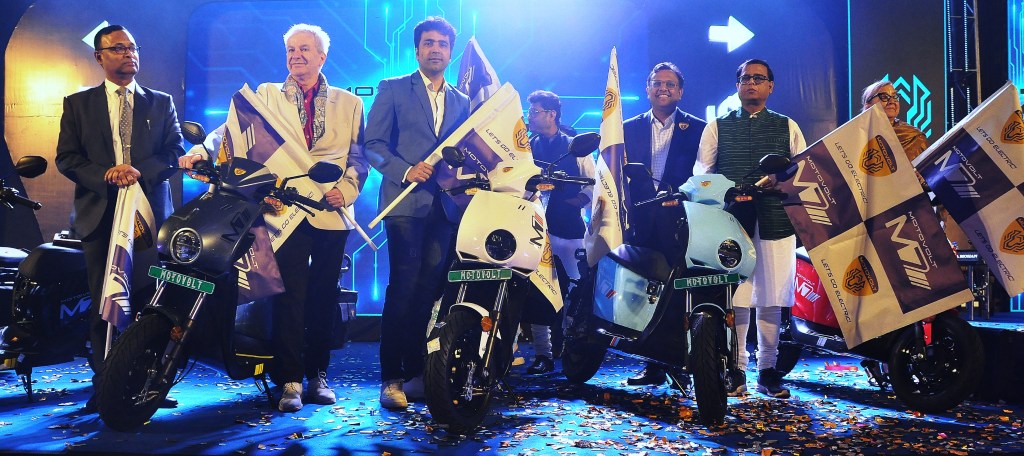
(L-R) – Dr Soumitra Mohan, IAS, Secretary, Department of Transport, Government Of West Bengal, Mr Andreas Zurwehme, CEO, eROCKIT, Germany, Renowned Actor, Mr Abir Chatterjee, Mr Tushar Choudhary, Founder & CEO, Motovolt Mobility Pvt Ltd, Mr Snehasis Chakraborty, Hon’ble Minister Of Transport, Government Of West Bengal and Ms Barbara Voss, Consul General of Germany at the launch of Motovolt M7 – India’s first multi -utility e-scooter in Kolkata
Motovolt Mobility Pvt Ltd, has announced the launch of the Motovolt M7. This multi-utility e-scooter (MUSe) marks the company’s entry into the high-speed electric scooter segment. Infused with German technology, the M7 sets a new standard for safety, quality, comfort, and sustainability.
Earlier this month, the Motovolt M7 was launched by Mr Snehasis Chakraborty, Hon’ble Minister Of Transport, Government Of West Bengal in the presence of Dr Soumitra Mohan, IAS, Secretary, Department of Transport, Government Of West Bengal, Ms Barbara Voss, Consul General of Germany in Kolkata, Tollywood actor, Mr Abir Chatterjee, Mr Andreas Zurwehme, CEO, eROCKIT, Germany and Mr Tushar Choudhary, Founder & CEO, Motovolt Mobility Pvt Ltd.
Designed with sustainability at its core, the M7 reduces plastic use, opting for a blend of efficient metals. Its modular design aims to enhance travel convenience, featuring an intelligently crafted rear section for carrying loads with ease. The M7’s seating is ergonomically designed, supported by a double cradle heavy-duty mild steel frame that accommodates a payload of up to 180 Kg ensuring stability and durability.
The M7 battery, a robust 3kWh unit, boasts advanced LFP cell chemistry, making it durable and safe with over 1000 charge cycles. It comes encased in aluminium, adhering to AIS 156 standards (IP67), ensuring it is both fire and waterproof. With the in-house design and packaging, the battery is portable and can be easily carried and charged anywhere, offering a range of 166 km in IDC mode (ARAI certified). The M7L variant is available with a single battery with the option to upgrade to a dual system, managed by a sophisticated battery control system.
Motovolt’s partnership with Swobbee, a European leader in battery-swapping technology, endows the M7 with seamless battery swapping capabilities at multiple locations across the country. This convenience is part of the company’s future vision to integrate Swobbee’s platform more comprehensively.
Sharing his thoughts Mr Tushar Choudhary, Founder & CEO of Motovolt Mobility, said, “At Motovolt, our mission is to provide an efficient and sustainable commuting alternative. The M7, is Made in India and Made for India and seamlessly integrates advanced features, providing a personalized and connected experience for our riders. By addressing the unique challenges of urban mobility, we aim to enhance the quality of life and contribute to a cleaner environment. We have kept the introductory offer price of M7 at Rs 1,22,000/-, with the initial booking amount being Rs 999/-.”
Talking about the M7, Mr Andreas Zurwehme, CEO, eROCKIT, said, “I am elated to have been involved in the development of the M7 electric scooter. The exchange of technology between our German engineers and their Indian counterparts has been a cornerstone of this project. The outcome is an exceptional product that symbolizes a synergy of versatility, reliability, and dedication. I am confident that the M7 will appeal to Indian consumers and deliver a distinctive and gratifying experience on the road. Looking ahead, we are also exploring opportunities to introduce the M7 into European markets, broadening its horizon and potential impact.”
The M7 is enhanced with a sophisticated telematics system, accessible through the Motovolt app, designed to streamline fleet management for businesses. This application offers an array of features such as real-time location tracking through historical ride data, the convenience of over-the-air software updates, and predictive analytics for proactive performance management. It also sends service reminders and monitors the health of the vehicle to ensure timely maintenance. This comprehensive solution is tailored to improve the efficiency and reliability of business fleets by leveraging advanced features.
Personalisation is key with Motovolt’s MUSe, offering six striking colour choices: Lightning Grey, Galaxy Red, Blue Jay, Dove White, Canary Yellow, and Puma Black. Promising maximum vehicle uptime, lower total cost of ownership, extended range, and easy access to spare parts, the Motovolt M7 offers a hassle-free, cost-effective ownership experience.





 Power Drive