MG ZS EV Review

Introduction

The MG ZS EV was first launched in India on January 23, 2020. Positioned as the country’s first pure electric internet SUV, the ZS EV instantly found patronage among those customers who desired an electric SUV with premium features and competitive pricing.

On March 7, 2022, a little over two years since its inaugural launch, the face-lifted version of the ZS EV drove in with revised styling, added features and most importantly, an extended drive range that set the Indian car market on fire.

Very recently, the MG ZS EV came to visit us at Power Drive where we got an opportunity to get up close and personal with the ZS EV. Did the MG ZS EV live up to our expectations? Does the ZS EV offer the best value proposition in its segment? Read on to find out what we discovered.

Design & Engineering

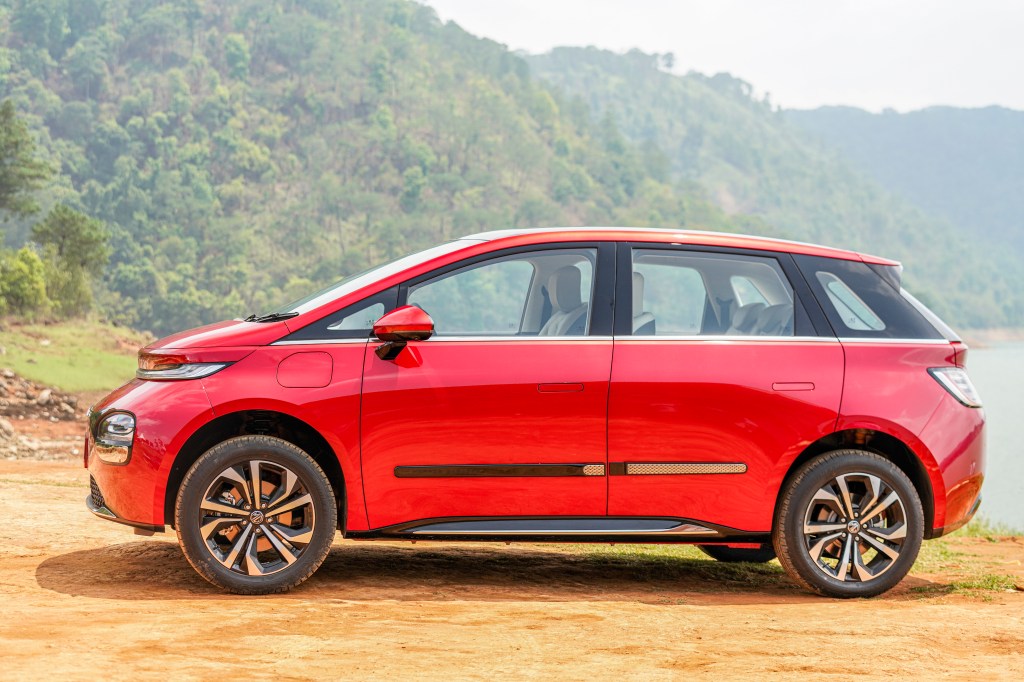
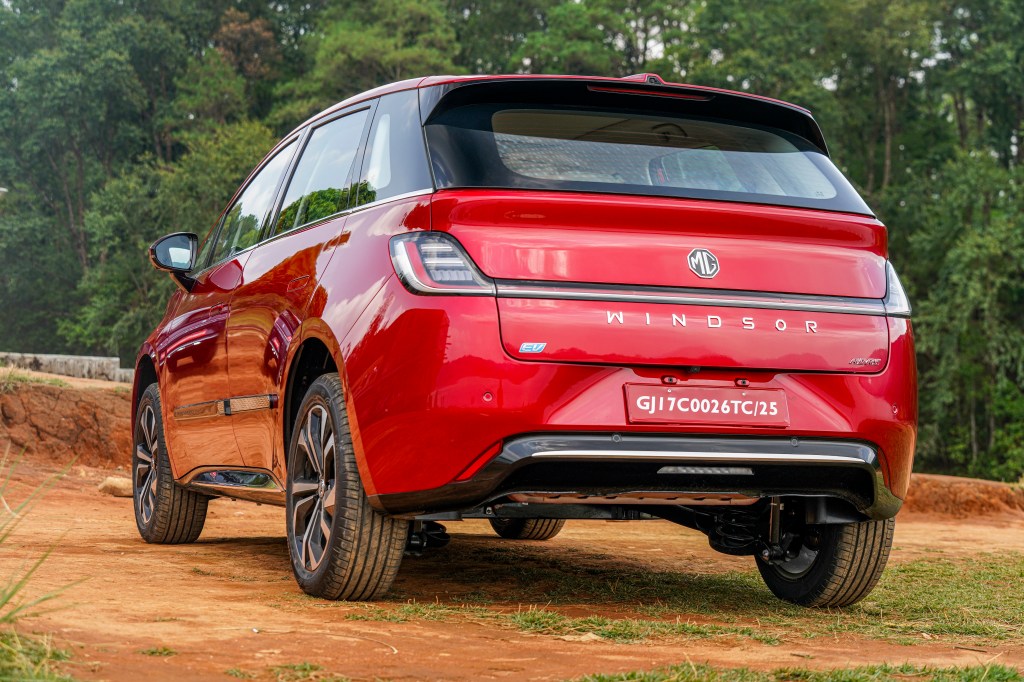
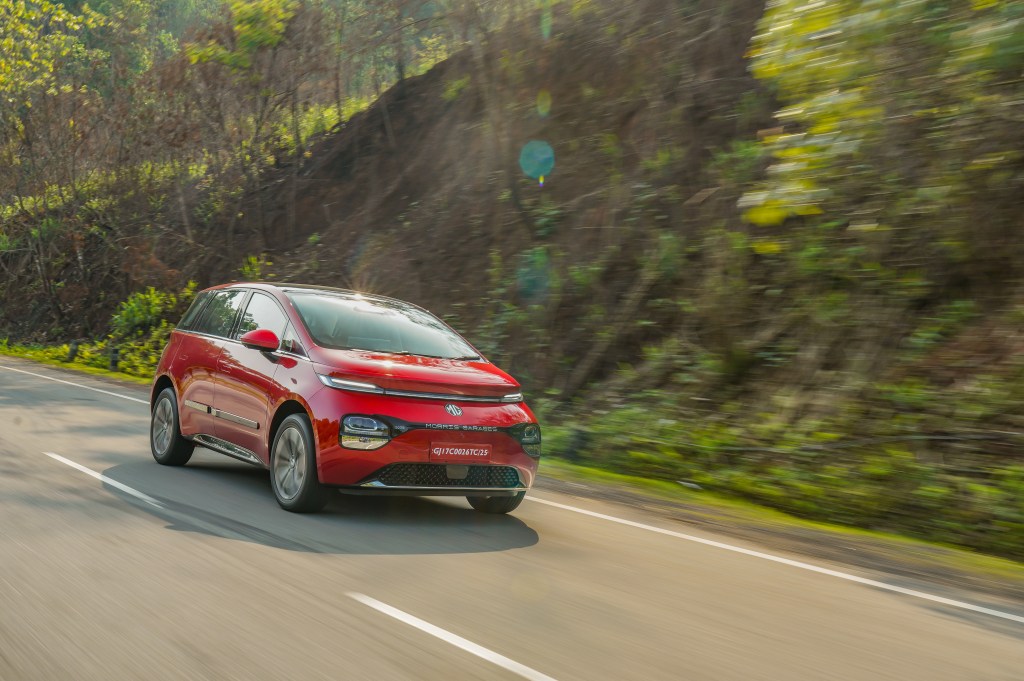
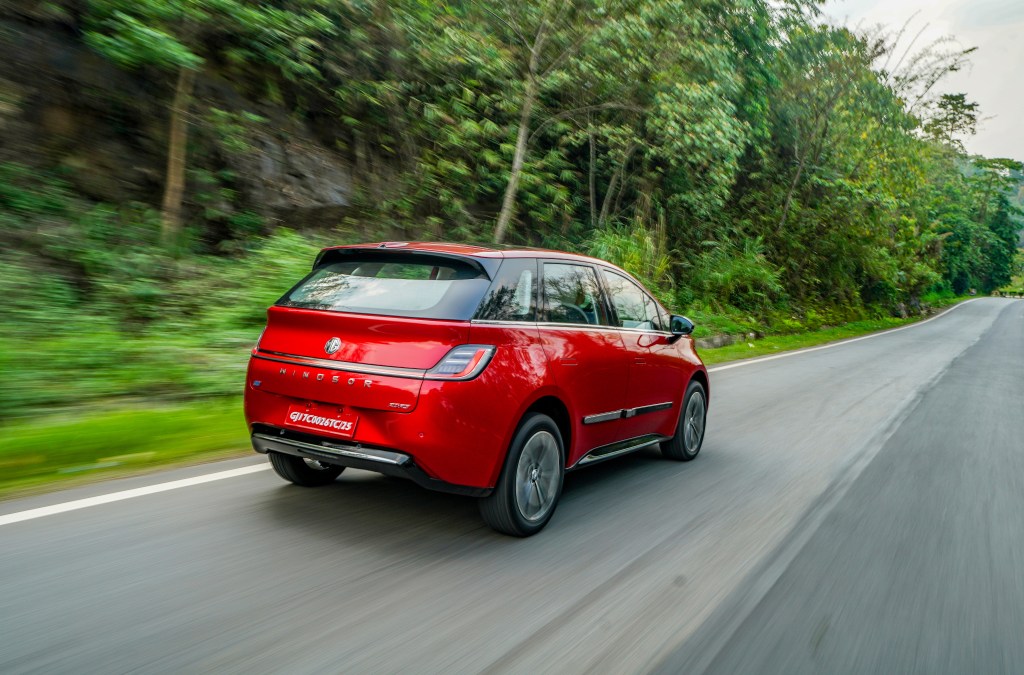
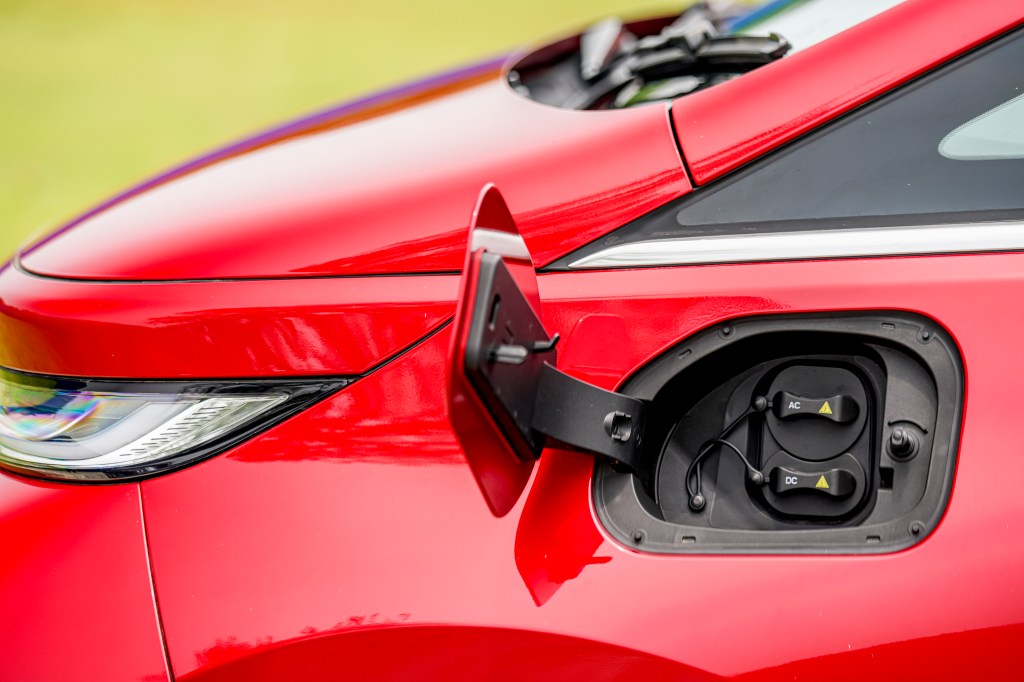
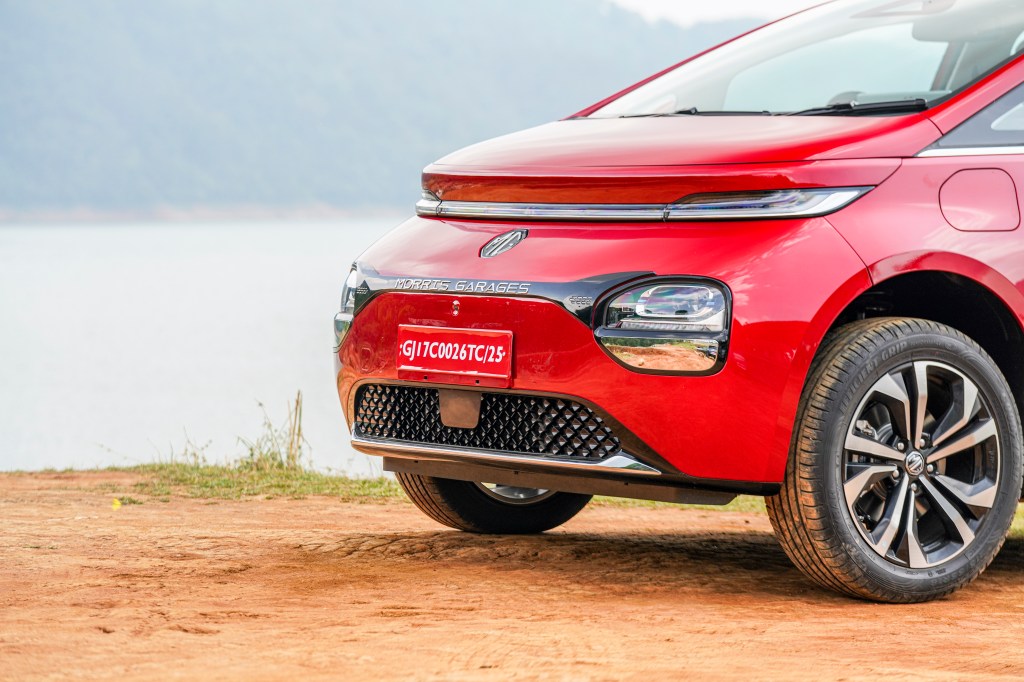
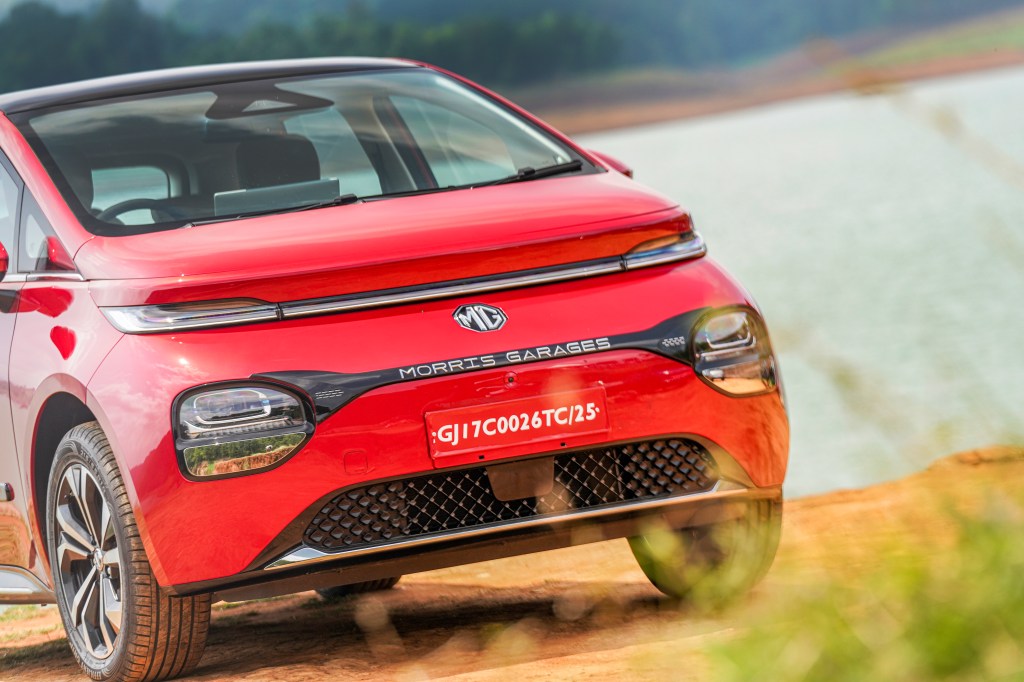
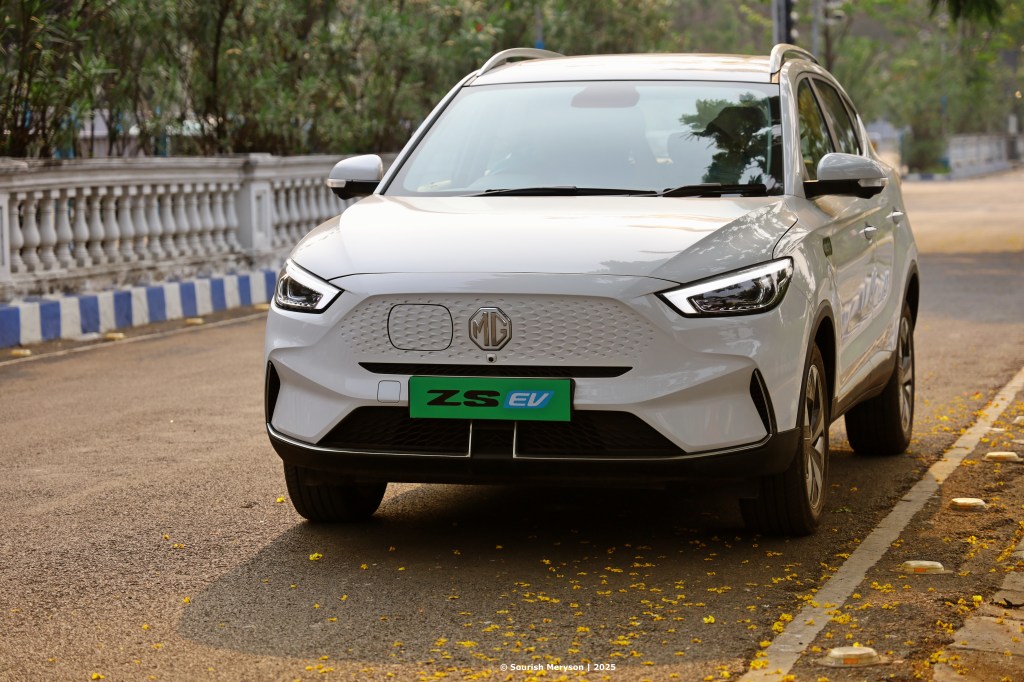
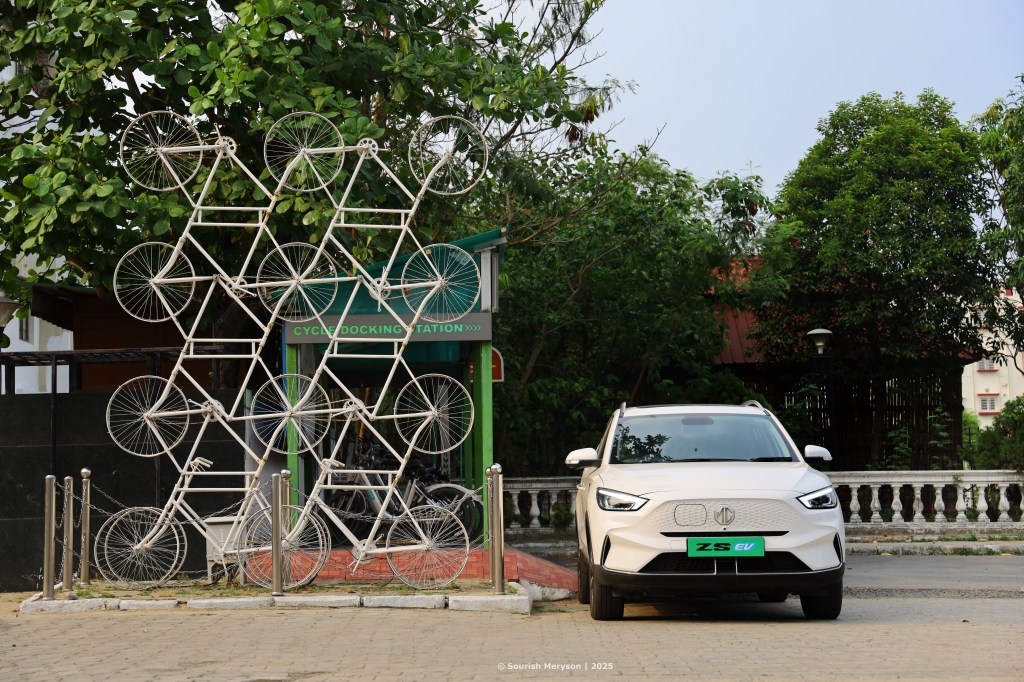
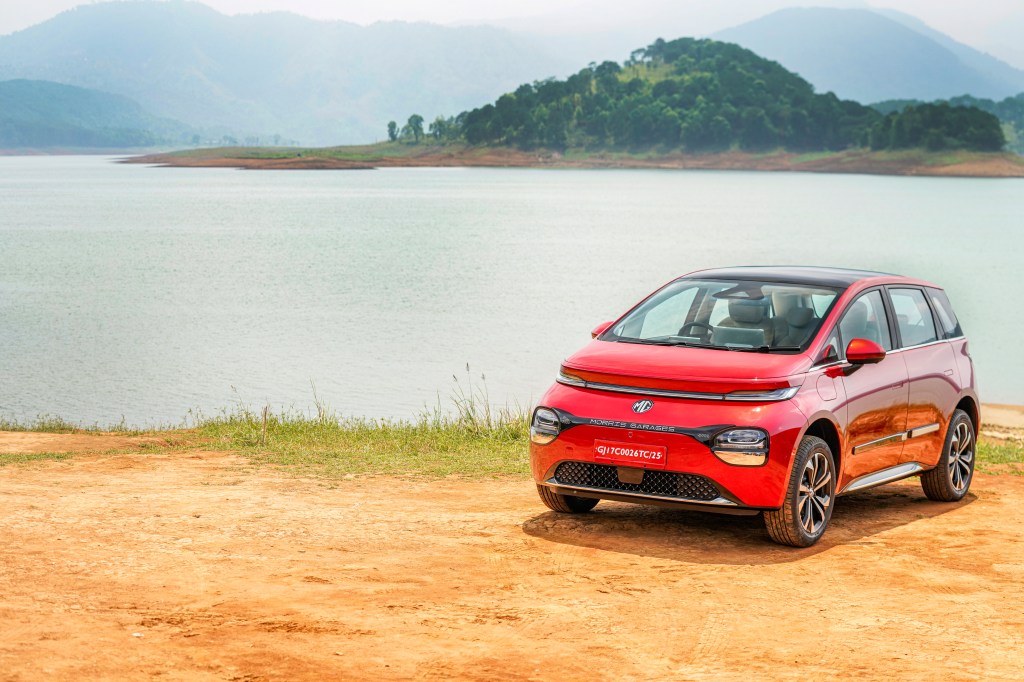
The new MG ZS EV still very much looks like the earlier ZS from every angle, but now features a closed-off grille at the front. The charging port that was earlier under the big MG logo has been shifted to the side and the new stylish bumpers are the most prominent revisions that catches the eye and offers the ZS EV a highly distinctive appearance on the road.

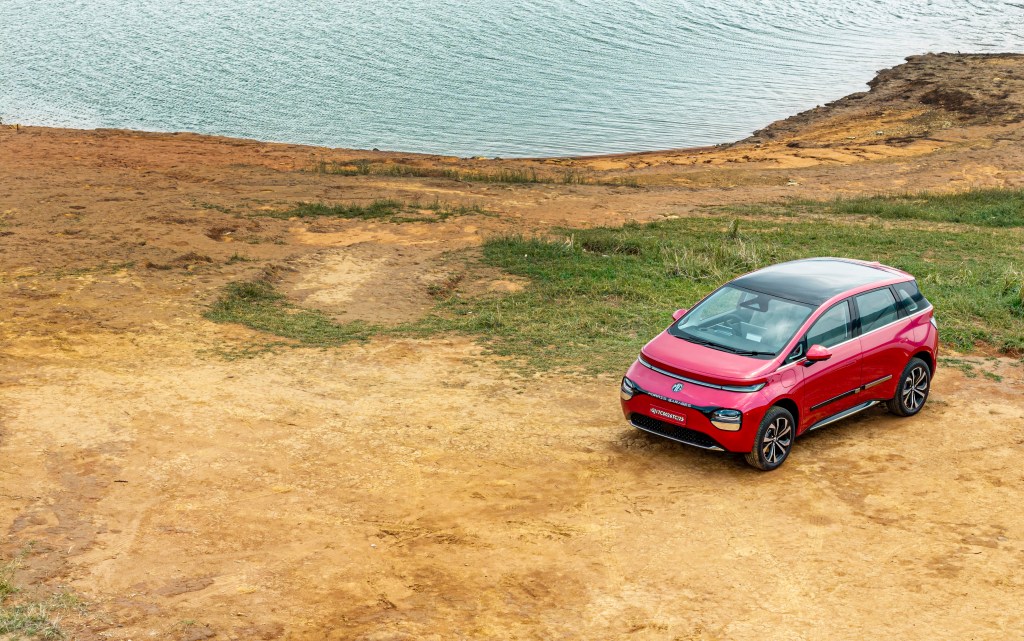
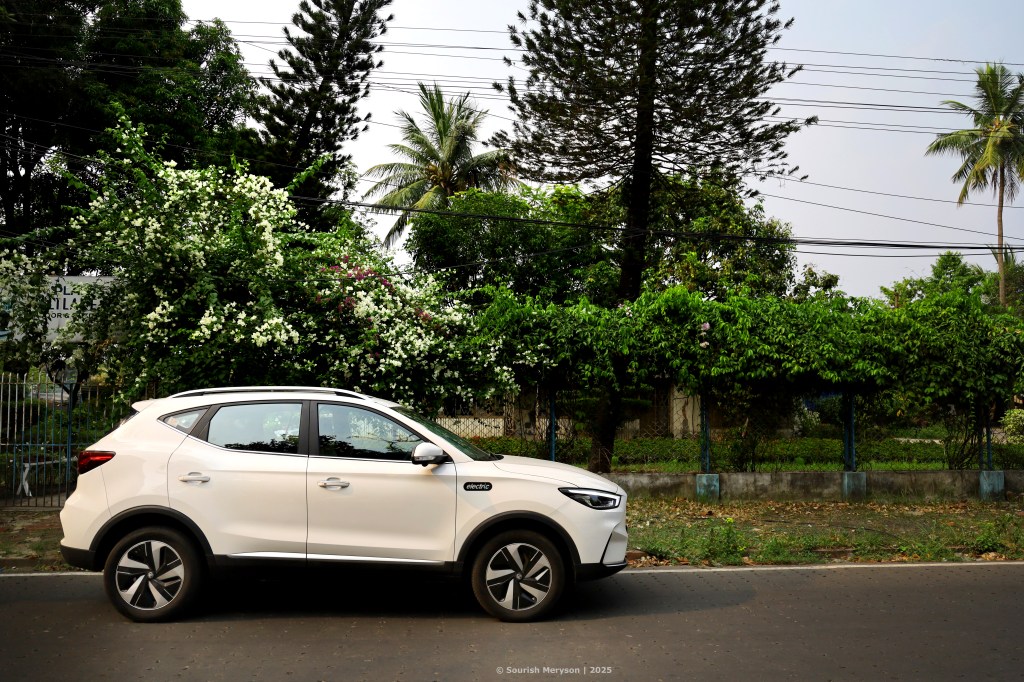
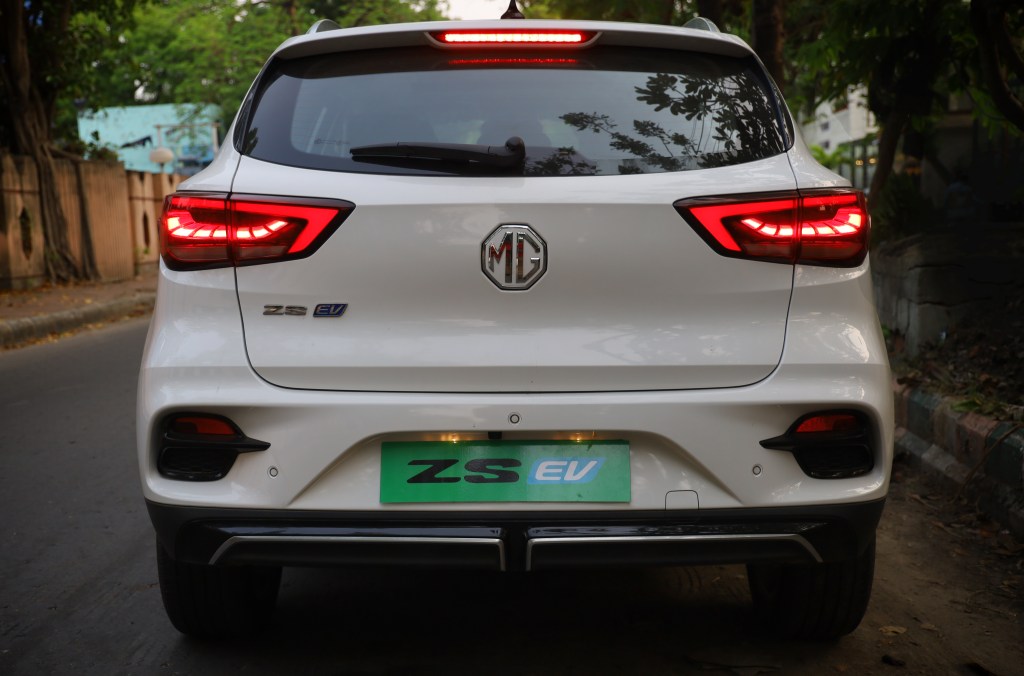
The dynamic lines and a unique style combined with the wide SUV stance gives the ZS EV its progressive look. The MG ZS EV also features full LED Hawkeye headlamps in addition to full LED tail lamps that accentuate its overall look.

The MG ZS EV also comes with 17-inch alloy wheels (43.18cm) with Tomahawk hub design adding to the bold look to the SUV. Overall, these tweaks in the external design and styling have added value to the MG ZS EV.

The MG ZS EV is available across four trim levels – Executive, Excite Pro, Exclusive Plus and Essence and comes in four attractive colour schemes which include Glaze Red, Aurora Silver, Starry Black and Candy White.

Interior & Comfort

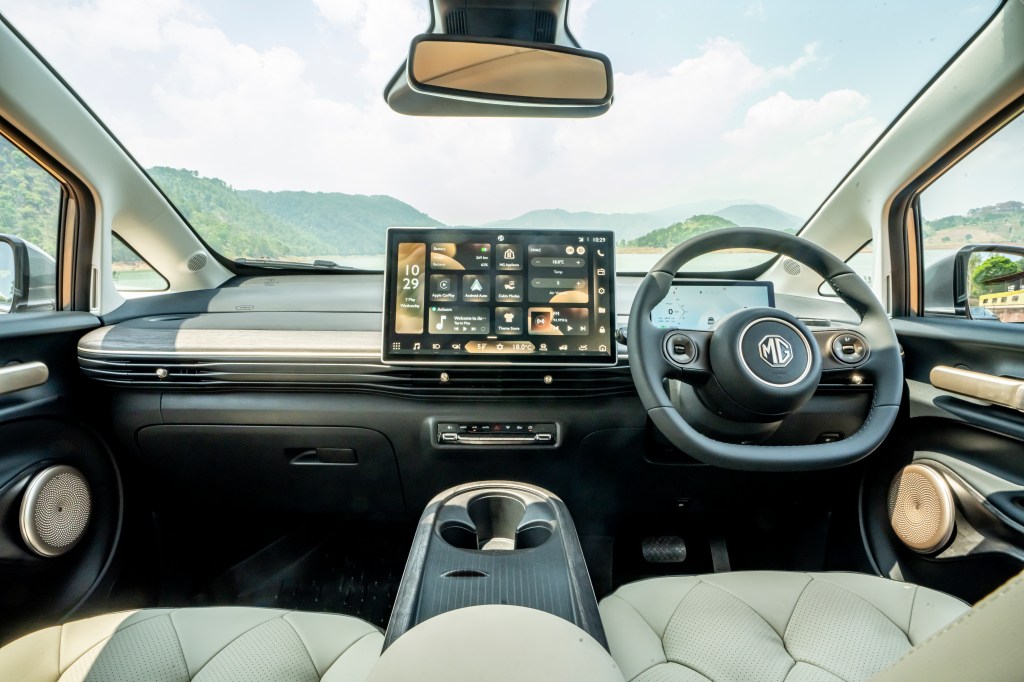
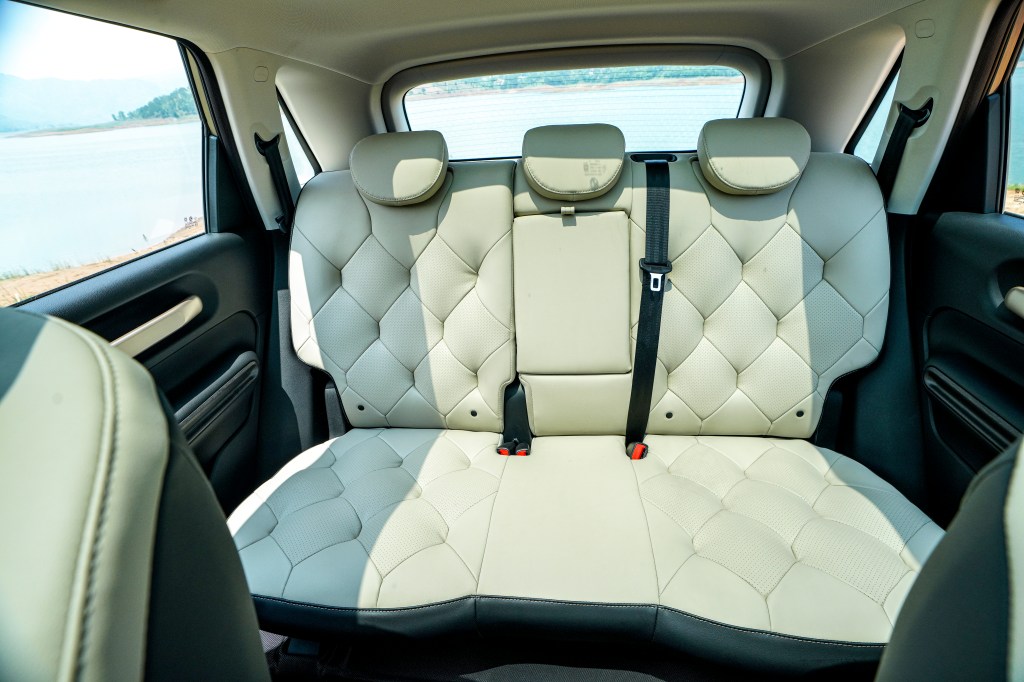
Step inside the new MG ZS EV and you will be welcomed into a spacious and premium passenger cabin with plush interiors in dark grey interior theme or the new dual tone iconic ivory interior theme. The ZS EV is far roomier inside than many electric cars in this price bracket. Thanks to intelligent packaging, space up front is good, with plenty of head and leg room for the driver and passenger. Rear space too is excellent. There’s also more than enough head room for a six-footer despite the sky roof. The seats are well bolstered and comfortable resulting in a relaxing ride.

The interior boasts of superb build and quality, and an overall fit & finish that is worthy of a car in this price segment. The new MG ZS EV also features a panoramic sky roof that lets you enjoy the ride in the comfort of extra light and fresh air.

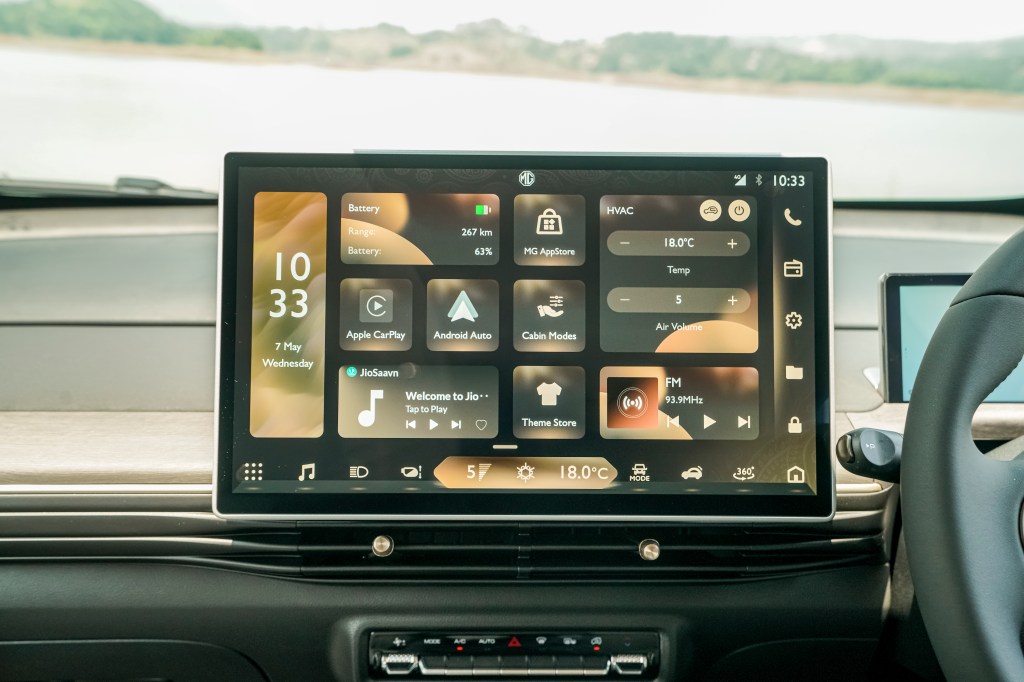
The MG ZS EV comes loaded with the largest-in-segment 25.7 cm HD touchscreen infotainment that gives you all the information at a single glance and allows you to manage complete vehicle settings with just a touch. The ZS EV features a full digital cluster with the largest-in-segment 17.78 cm embedded LCD screen that makes your drive more seamless.

The i-SMART technology combines hardware, software, services and applications to make your driving experience easier and smoother. The MG ZS EV offers 75+ connected car features, ushering in an era of convenient connected drives.

Performance and Handling

The MG ZS EV is powered by a 50.3 kWh battery with a permanent magnet synchronous motor mated to an automatic transmission. It produces 176.75 PS of maximum power and 280 Nm of peak torque delivering a company claimed range of up to 461 kilometres in a single charge. The estimated 7.4 kWH charge time from 0-100% ranges between 8.5 to 9 hours.

The MG ZS EV is excellent to drive within the city making is an ideal choice for the urban daily commute. The electric motor is quite responsive to throttle inputs with sufficient power in the tap for overtaking when necessary.

Despite its tall design, the body roll is well contained as the ZS EV stays well planted to the tarmac while navigating sharp turns at reasonable speeds. The suspension set up with MacPherson Strut in the front and Torsion Beam in the rear, is well tuned for Indian road conditions with the ZS EV absorbing undulations on the roads with relative ease resulting in a comfortable ride.

17 Autonomous Level-2 Features

Advanced Driver Assistance System or ADAS, like it’s popularly known now, is a group of safety and convenience functions intended to improve comfort and safety for drivers. The MG ZS EV is equipped with 17 ADAS features which work on three levels of sensitivity – low, medium and high and three levels of warning – haptic, audio and visual.

ADAS implements possible safeguards in the vehicle and automates driving controls. Autonomous Level-2 features not just makes driving more comfortable but also keeps your safety at the forefront. With level-2, the system can not only perform acceleration/ braking functions but can also activate steering control to assist the driving.

Safety

MG ZS EV comes with 6 airbags, which include dual front airbags, front-seat side-impact airbags, and side-curtain airbags that work together with the seatbelts. It also comes equipped with Electronic Stability Control, ABS + EBD + Brake Assist, Emergency Stop Signal (ESS), Hill Climb Assist, Hill Descent Control (HDC), Electric Parking Brake with Auto Hold, Tyre Pressure Monitoring System (TPMS) and Reverse Parking Camera as standard across all trim levels.

Verdict

The problem with electric SUVs is that, while they are economical to run, however, they can be rather expensive to buy in the first place. There is one notable exception, though – the MG ZS EV which has decimated this myth, despite its premium positioning. The MG ZS EV looks dynamic, is spacious, well-equipped and extremely well priced for what MG is offering in the car. Shortcomings if any, when pitted against rival electric SUVs, the MG ZS EV makes up for that with its competitive price tag, high levels of equipment, impressive electric range and great practicality. This is the car to add in your garage and a fantastic daily runner, especially within the city and occasionally during weekend escapades.

Photographs courtesy Sourish Meryson

Exciting Times Ahead For Nissan As The Company Gears Up To Launch New Products Backed By Best Single Year Performance In FY 24-25

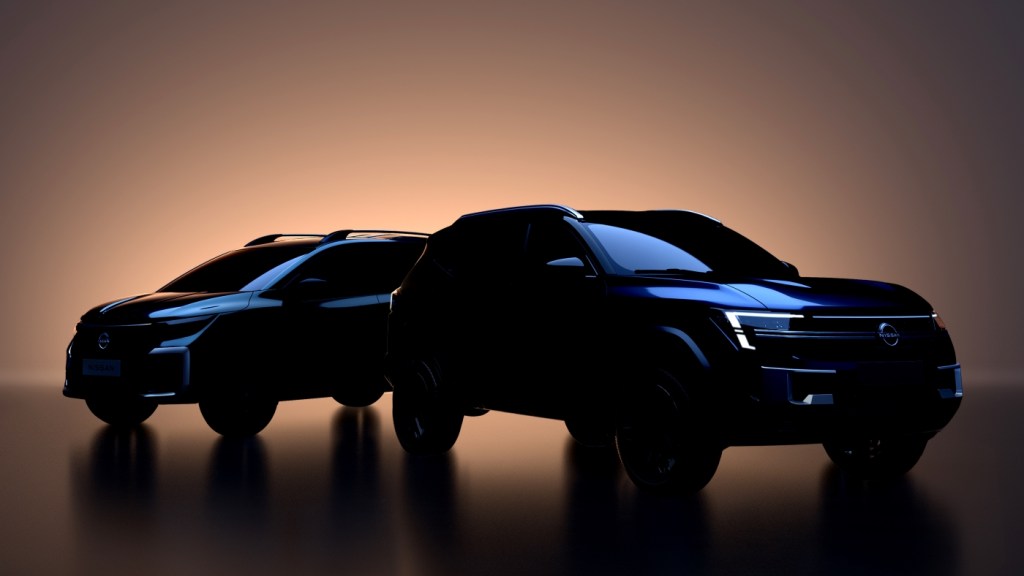
Nissan Motor India has announced an all-new 7-seater B-MPV (multi-purpose vehicle) to their existing line-up. The company showcased two new products slated for India at their recently concluded Global Product Showcase Event held in Yokohama, Japan. This is in line with the company’s plans for the India business to reshape its new products to meet the rising aspirations of its customers and deliver products in all high-growth segments such as the B-MPV and C-SUV segments in addition to its existing share in the B-SUV segment led by the New Nissan Magnite.

Nissan will continue to strengthen its presence in India’s rapidly growing market, enhancing domestic performance and expanding exports. Nissan’s planned product offensive has begun with the first-time global reveal of an all-new 7- seater B-MPV scheduled to launch in FY25 as a brand new addition to the India product portfolio.

This will be followed by a previously announced 5-seater C-SUV (compact sports utility vehicle) in early FY26. The company has shared two brand new teasers for Indian audiences which confirm the developments and timelines for both vehicles. Nissan Motor India remains on track to have 4 products by FY26 for Indian customers across the B/C and D-SUV segments.

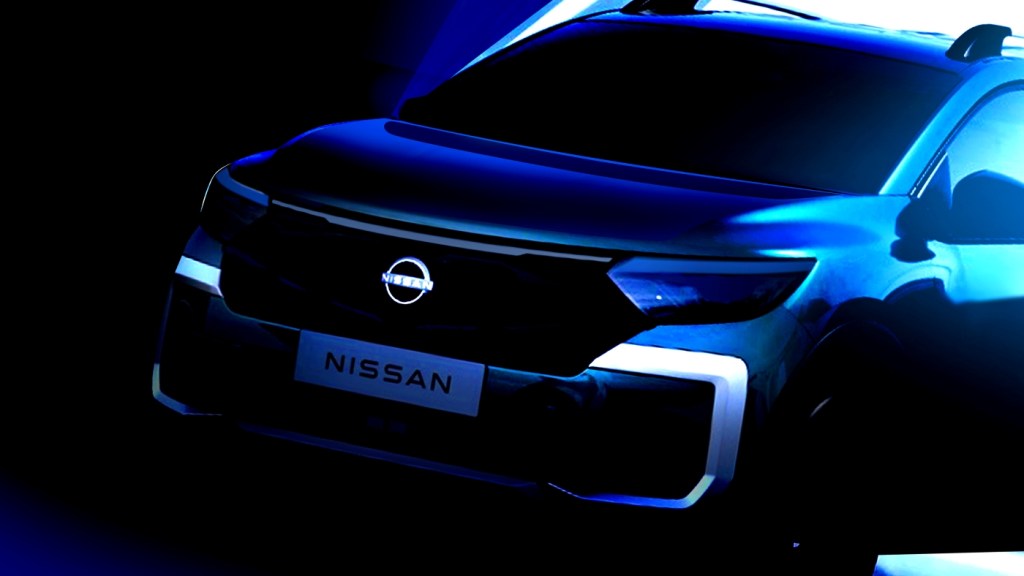
The C-SUV has been designed to disrupt the segment in India. It will be feature- packed and be delivered with state-of-the-art proprietary advanced technologies. Inspired by another iconic Nissan SUV, the new C-SUV takes its design cues from the Nissan Patrol. The C-SUV will deliver true Nissan SUV DNA and deliver the same robust reliability, premium craftsmanship and technology that Nissan is renowned for globally. The C-SUV with unmistakable presence will offer a high approach and departure angle making it the perfect companion for Indian road conditions.

The Nissan 7-seater B-MPV on the other hand aims to deliver unmatched value, quality and comfort to its core customer driven by value conscious customers seeking to maximize their purchase in the segment. The Nissan B-MPV will deliver muscular styling that is unique to Nissan’s distinct design philosophy. It has been designed to ensure comfort for passengers on all rows without compromising on driving pleasure.

Building on the success of the New Nissan Magnite, Nissan is introducing a new C- SUV that will also be made in India and exported globally. This 5-seater C-SUV will be the second model from the Chennai plant to follow the ‘One Car, One World’ strategy, reinforcing Nissan’s commitment to expanding its presence in both domestic and international markets.

Nissan Motor India Pvt. Ltd. (NMIPL) continued consistent and sustainable growth in India, delivering best single year performance for FY 2024-25 in the last seven years despite multiple headwinds faced by the domestic auto industry. The year was marked by the continued success of the New Nissan Magnite, which remains a key pillar of Nissan’s domestic business plan and a vital part of the company’s global export operations. In FY 2024-25 Nissan Motor India recorded total domestic volume of 28,000+ units led by the New Nissan Magnite introduced in October 2024. This strong performance was delivered despite the rising consumer preference for alternate fuel vehicles in the B-SUV segment in India.

On the export front, the company expanded its operations from 20 markets to 65+ international markets and registered an unprecedented and historic export sales of 71,000+ units further reinforcing India’s role as a growing manufacturing and export hub for Nissan globally. This brings the consolidated sales of the company to 99,000+ units for FY 2024-25.

Nissan is setting its sights on achieving an ambitious target of 1,00,000 units in both annual domestic sales and exports from India. To support this goal, the company will locally manufacture both new products at the Alliance JV plant in Chennai. This approach ensures that every vehicle manufactured here meets global standards, catering to both domestic and international markets.

Commenting on the performance, Frank Torres, Divisional Vice President of AMIEO Region Business Transformation & President of Nissan India Operations said, “India remains a strong pillar of growth for Nissan driven by the continued success of the Nissan Magnite. The export of the new Nissan Magnite expanded to over 65 international geographies including LHD markets this year.

On the restructuring of the India business operations as a part of the global turnaround actions, he said “Nissan remains committed to the Indian market, customers, dealer partners, employees & stakeholders. Nissan & its dealer partners will continue to provide Sales & Service to customers of existing and future new models. Nissan’s stated India product offensive remains intact, including the plan to introduce 1 all-new B-MPV & 2 new C-SUVs. We will continue our plans to export vehicles to other parts of the world as per our One Car, One World plan. This restructuring is part of our efforts worldwide to become a leaner and more agile company, as part of our global turnaround actions.”

Saurabh Vatsa, Managing Director, Nissan Motor India said, “This year has been a challenging one for the auto industry. Despite this, the New Magnite has shown and has proven that it remains a strong favorite amongst the B-SUV customers. The continued expansion of our dealership network reflects our commitment to improving accessibility and customer service. As we move forward, with the recent announcement of the additions of an All-New 7-seater B-MPV and 5-seater C-SUV and we are focused on offering an exciting product portfolio and expanding our dealer network further for enhancing customer experience.”

Nissan Motor India also announced that it will increase the price of New Nissan Magnite across all trims by up to 3 per cent from 1st April 2025 onwards. This price hike will be done to offset the rising input costs and operational expenses.

The Nissan Magnite has consistently performed well in its segment. In August 2024, the Nissan Magnite crossed a cumulative sale of 150,000 units. October 2024 marked the launch of the New Nissan Magnite after which it gained an even stronger momentum and global appeal, surpassing 10,000+ bookings milestone within three
months of the launch. The New Nissan Magnite also achieved an export milestone of 50,000 units, embodying Nissan’s ‘One Car, One World’ philosophy by exporting to 65+ LHD and RHD markets.

Manufactured at the Chennai plant, the new Magnite includes 20+ Segment-first features in India and a bold new design. Strengthening its sustainability commitment, it is now fully E20 fuel compliant. The new Magnite’s success was amplified by its recent debut in Saudi Arabia as the first left-hand-drive (LHD) market.

Volkswagen Provides Preview Of Entry-Level Electric Model

Since the Beetle, Volkswagen has been enabling affordable mobility for millions of people with compact and likeable cars. Now, with the world premiere of the ID. EVERY11 show car, the German car manufacturer is presenting an entry-level all-electric model. Volkswagen will launch the production version in 2027 – with a starting price of around 20,000 euros. The ID. 2all1 will be launched in the 25,000 euro class as early as in 2026. Both models are part of the new Electric Urban Car Family with front-wheel drive, which is being developed under the umbrella of the Core brand group in the Volkswagen Group. They are based on Volkswagen’s new modular electric drive platform: the MEB with front-wheel drive.

Maximum variety

Attractive mobility in the electric era from Europe for Europe is one of the central pillars of the brand’s plan for the future. With the European launch of the all-electric Urban Car Family from 2026, Volkswagen will offer the most diverse portfolio in the high-volume segment – from efficient combustion-engine models and advanced hybrids to future-oriented all-electric vehicles. Thomas Schäfer: “The ID. EVERY1 represents the last piece of the puzzle on our way to the widest model selection in the volume segment. We will then offer every customer the right car with the right drive system – including affordable all-electric entry-level mobility,” says Schäfer. “Our goal is to be the world’s technologically leading high-volume manufacturer by 2030. And as a brand for everyone – just as you would expect from Volkswagen.”

Focus on people

“In the future model, we talk about Customer Defined Vehicles. The ID. EVERY1 shows that we are putting our customers, their wishes, interests and preferences at the centre of vehicle development more consistently than ever,” says Kai Grünitz, member of the Volkswagen Brand Board of Management responsible for Development. The production version of the ID. EVERY1 will be the first model in the entire Group to use a fundamentally new, particularly powerful software architecture. This means that the future entry-level Volkswagen can be equipped with new functions throughout its entire life cycle if its users so wish. Even after purchase of a new car, the vehicle can still be individually adapted to their needs.

Characteristic design with charisma and identity

The up! – the immediate predecessor of the ID. EVERY1 – built until 2023 still impresses today with its clear, unmistakable design. The new Volkswagen design language also picks up on characteristic elements in the EVERY1. Volkswagen Head of Design Andreas Mindt: “Our ambition was to create something bold yet accessible. The ID. EVERY1 has a self-assured appearance but remains likeable – thanks to details such as the dynamic front lights and the ‘smiling’ rear. These design elements make it more than just a car: they give it character and an identity that people can relate to.”

New MEB with electric front-wheel drive

Following the ID. 2all and the sport version ID. Concept GTI, the ID. EVERY1 belongs to the Electric Urban Car Family and is based on the new modular electric drive platform. Thanks to the electric front-wheel drive, the MEB platform offers revolutionary space utilisation and maximum efficiency. The concept vehicle reaches a top speed of 130 km/h and is powered by a newly developed electric drive motor with 70 kW (95 PS). The range is at least 250 kilometres. With a length of 3,880 mm, the ID. EVERY1 is positioned between the former up! (3,600 mm), the ID. 2all (4,050 mm) and the current Polo (4,074 mm). Inside, it offers space for four people and a luggage compartment volume of 305 litres.

The future plan of the Volkswagen brand

With the “Future Volkswagen” agreement, Volkswagen AG agreed with the employee side at the end of December 2024 on a vision that combines economic stability, employment and technological leadership in the field of sustainable mobility. Binding targets and the measures agreed for them form the foundation for key future projects. The Volkswagen brand is pursuing a clearly defined three-phase plan for this:

Catch up

Strengthen competitiveness and expand the existing model range in a targeted manner. Coming next, the Volkswagen brand will give a further preview of the new Electric Urban Car Family in autumn 2025. There will be nine new models by 2027 including the production version of the ID.2all for less than €25,000 and the ID. EVERY1 for about €20,000. Volkswagen aims to become the technologically leading high-volume manufacturer with the safest, most innovative and best-selling cars by 2030.

Seven Common Myths About Electric Vehicles, Debunked

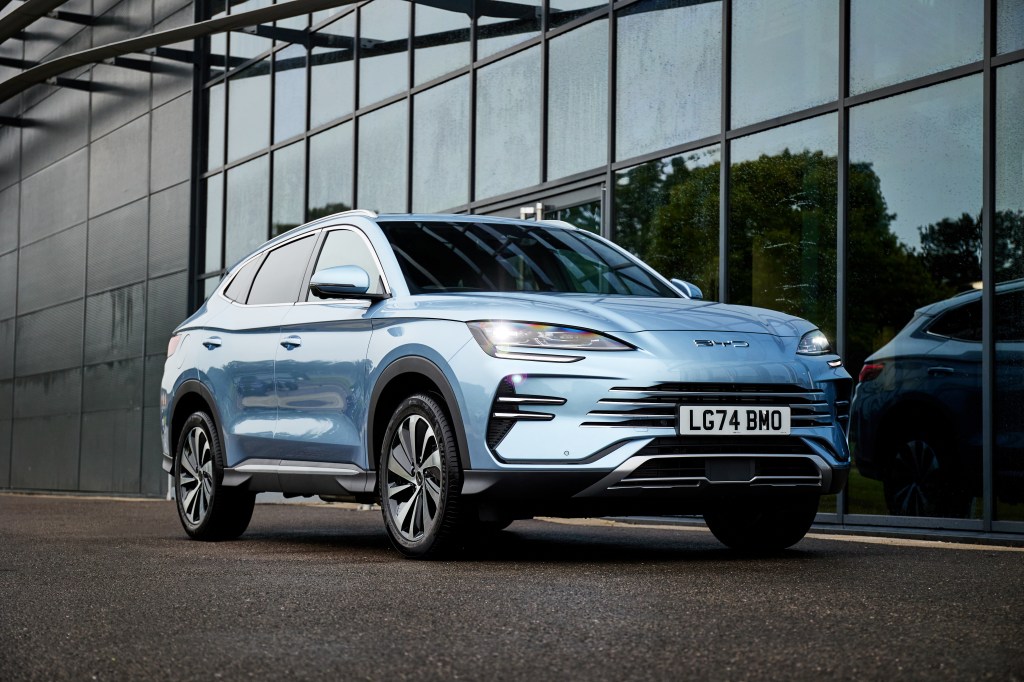
Almost one in five (18%) Brits believe that you cannot take an electric vehicle (EV) charger with you when moving house, according to new research by BYD UK. EVs are shaping the future of motoring, but the manufacturer’s latest research reveals that myths surrounding EVs remain prevalent across the UK.

To address these misconceptions, BYD surveyed 2,000 people in the UK via OnePoll to identify the most common EV myths. Steve Beattie, Sales and Marketing Director at BYD UK, debunks these myths as part of the company’s mission to accelerate the shift to sustainable mobility.

The most widely believed myth is that you cannot take an EV charger with you when moving house, with 18% of respondents agreeing. Steve explains: “While EV chargers are fixed to homes, they can be professionally uninstalled and reinstalled at a new address. Many people don’t realise this, but with professional help, moving a charger is straightforward. It’s worth considering the cost, though, as installation is often included with new chargers.”

Another misconception, believed by 17% of people, is that an EV can be manual. Steve adds: “EVs are automatic by design, thanks to their consistent power delivery, which removes the need for a clutch or gearbox. They’re built for simplicity and efficiency, making them easier and smoother to drive.”

Almost one in six (14%) respondents think an EV cannot drive through water.
Steve comments: “Modern EVs are built to rigorous safety standards, with waterproofed components that allow them to drive through water just as safely as petrol or diesel cars. Whether it’s rain, puddles, or car washes, EVs are thoroughly tested for water resistance, so drivers don’t need to worry.”

One in seven (13%) people believe that EVs will not last as long as internal combustion engine (ICE) cars. Steve explains: “EVs typically have fewer moving parts, which reduces wear and tear over time. Long warranties, like BYD’s 8 year or 125,000 mile battery guarantee, highlight their durability, and reflect manufacturers’ confidence in their longevity.”

Another 13% believe that EVs can charge themselves. Steve clarifies: “This could be due to confusion around regenerative braking. Regenerative braking does recover energy during deceleration, but it doesn’t fully charge the battery. It’s an efficient way to extend range and improve performance, but EVs still need to be plugged in for a complete charge.”

The survey also revealed that 11% of respondents think EVs cannot be towed.
Steve adds: “EVs can be safely towed, as long as the correct method is used. Flatbed tow trucks are the safest option for any vehicle, including EVs. Dolly towing is also possible for some EVs if they can be placed in neutral gear. It’s just about using the right approach.”

Finally, 7% of people believe EVs cannot go through a car wash or get wet.
Steve reassures: “This misconception comes from concerns about water and electricity, but EVs are built to meet stringent safety standards. Rain, puddles, and car washes are perfectly safe for electric cars.”

Older generations are the most sceptical of these myths, according to BYD’s research, with nearly nine in ten (89%) over-55s rejecting all misconceptions.

In contrast, younger generations are more likely to believe EV myths. Only 17% of 18 to 24 year-olds rejected all misconceptions, followed closely by 25 to 34 year-olds, where 23% dismissed them.

Steve summarises: “Our research shows that while electric vehicles are changing the way we drive, there are still a lot of misconceptions out there. Clearing up these myths is key to building trust and helping drivers feel confident about EV technology as we move towards a zero-emission future.

“At BYD, we’re focused on helping drivers understand the realities of electric vehicles and making sustainable transport more accessible to everyone. By tackling these myths head-on, we hope to encourage more people to see the benefits of EVs and make the switch.”

The New Volvo ES90 Adds 300km In 10 Minutes And Goes 700km On One Charge

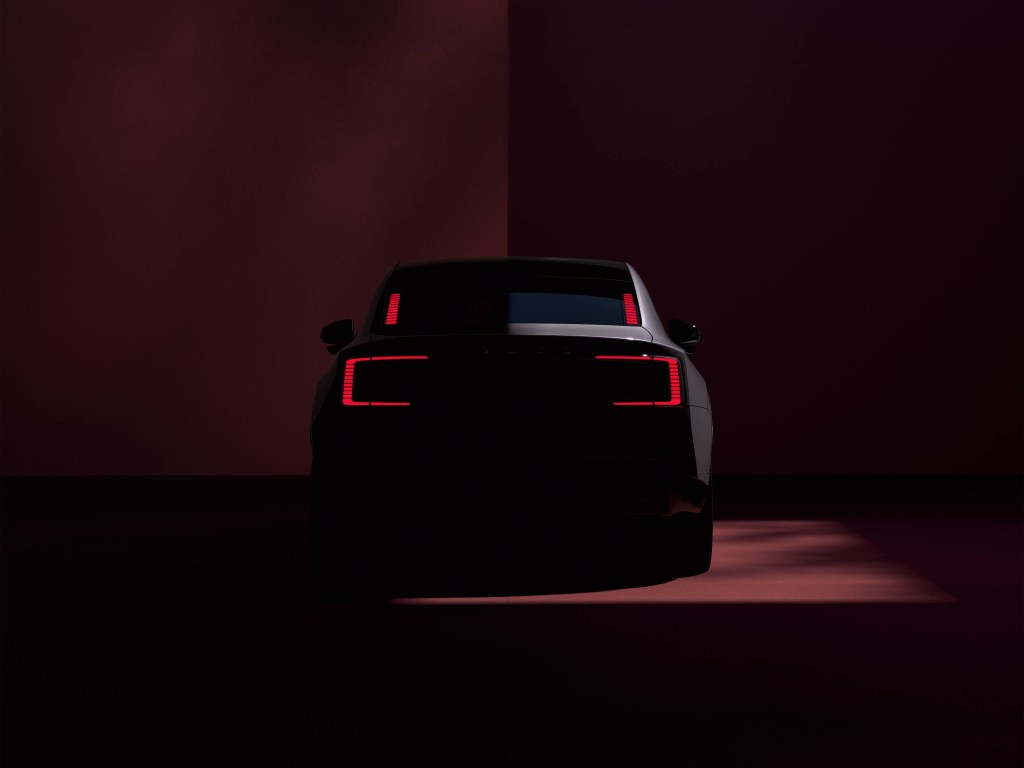
Volvo ES90 teaser image

How about a new, fully electric Volvo car that can go just that little bit farther with less charging time? The upcoming Volvo ES90 does exactly that, thanks to the new 800V technology, which makes its debut in their latest fully electric model.

The benefits of an 800-volt electric system are numerous: your battery gets charged faster, your electric car gets an improved overall performance, and the electric system is more efficient compared with a 400-volt system.

Combine this with completely new battery management software and hardware, as well as a progressive design, and you get a car that goes farther and charges faster than any electric Volvo before. The ES90 can add 300 kilometres of range in just 10 minutes at 350kW fast-charging stations and offers a driving range of up to 700 kilometres under the WLTP testing cycle.

The ES90 is designed to be a premium Volvo car that gives you quality time with the people you love, providing you with peace of mind and balance, as well as a sense of convenience and control. A state-of-the-art electric system that enables faster charging and longer range is key to achieving that ambition. No matter where or how far your trip goes, the ES90 is designed to get you there reliably and comfortably.

“Our 800V technology marks another significant technological upgrade for our customers as we move towards full electrification,” says Anders Bell, Chief Engineering and Technology Officer. “It makes our electric cars even more efficient, helps you charge your electric Volvo faster and go farther on a single charge.”

To create the new 800-volt system, every component in the electric system has been upgraded to be compatible with 800 volts, including the battery cells, e-motors, inverter, charging as well as the climate and thermal systems. That creates benefits in terms of charging, efficiency and performance.

A higher-voltage system means that it can deliver more power (in kilowatts, or kW) and range with the same current as a 400-volt system. This approach generates less heat, meaning your battery can be charged faster up to 350kW without overloading the electric system.

The 800-volt system also contains lighter e-motors and other components, which reduces the car’s overall weight. This also improves the system’s efficiency, while boosting the car’s acceleration and driving range.

The brand-new in-house-developed battery management software creates a more robust charging experience. Compared to other electric Volvo cars, our new software cuts the time it takes to charge your ES90 from 10 to 80 per cent by as much as 30 per cent, down to 20 minutes. This is partly thanks to the integration of adaptive charging software from Breathe Battery Technologies, a company Volvo has invested in last year via the Volvo Cars Tech Fund, our corporate venture capital arm.

However, battery technology is not the only area in which the ES90 is a star performer. It also helps Volvo make progress in other sustainability-related areas. For example, the ES90 is packed with recycled and natural materials that contribute to lower CO2 emissions in production. 29 per cent of all aluminum and 18 per cent of all steel used in the ES90 is recycled, while the ES90 also contains 16 per cent recycled polymers and bio-based materials. The wood panels inside the ES90 are made from FSC-certified wood.

The ES90 also comes with Volvo’s battery passport. Based on blockchain technology, this allows the company to track raw materials. The passport tells you where the lithium, cobalt, nickel and graphite used in the battery originate from. It also highlights the CO2 footprint of the full battery pack and other relevant information. For customers, this provides transparency about how Volvo sources raw battery material in a responsible way.

Hyundai Motor Company President and CEO José Muñoz Holds Town Hall With Employees At Namyang R&D Center

Hyundai Motor Company President and CEO José Muñoz held a town hall meeting with employees at the company’s Namyang R&D Center, his first such meeting since assuming the role of Hyundai Motor CEO. At the event, Muñoz underscored his commitment to direct communication with employees and that engineers share the common language of data and statistics.

Beginning the town hall, President Muñoz spoke directly about future business plans, emphasizing the importance of Hyundai Motor’s customer-centric philosophy and achieving the highest quality standards to ensure sustainable success amid the rapidly changing business environment.

“As an engineer myself, I have been looking forward to spending time with the outstanding team here at Namyang. I tend to challenge engineers, because I have high expectations for people I care about, like my family,” said President Muñoz.

President Muñoz shared his reflections on his first two months as CEO and outlined Hyundai Motor’s management strategy, future vision, and approach to overcoming key challenges. In relation to electric vehicles (EVs) and autonomous driving technology, Muñoz emphasized that Hyundai and its employees can achieve greater success together through advanced technology development and strategic partnerships.

“We will succeed by continuing to deliver beautifully designed, high-quality vehicles with technology that customers want. We must treat our customers as honored guests and provide exceptional service,” he said.

Muñoz also shared his leadership approach, offering insights from his extensive global automotive and mobility industry experience. Since joining Hyundai Motor Company in 2019, he has driven significant growth and profitability, solidifying his leadership in the global mobility industry.

Speaking at the town hall, President and CEO Muñoz said, “It’s an honor to serve our customers, employees, dealers, suppliers and other stakeholders in this new capacity. I’m excited and motivated by the tremendous opportunities for Hyundai around the world.”

Attended by more than 800 employees – including President and Head of Research and Development Division, Heui Won Yang, and Executive Vice President and Hyundai Motor Company Chief HR Officer, Hae In Kim – the hour-long session reinforced the pivotal role the Namyang R&D Center has played in Hyundai Motor’s position as a top three global mobility brand, as well as its importance in the company’s future. The Center plays a key function in leading Hyundai Motor’s differentiated product strategies tailored to the needs of local markets, as well as delivering industry-leading quality, safety and technology innovations.

Celebrating its 30th anniversary this year, the 3.47 million-square-meter facility is a comprehensive research and development hub, with world-class capabilities in software development, design and engineering, and vehicle testing and evaluation.

“Namyang, our global center for R&D, has a phenomenal track record of delivering beautifully designed, high-quality, safety-focused vehicles with technology and features that our customers value,” Muñoz commented.

“This is evidenced through Hyundai’s increasing sales, market share, profitability, and industry accolades around the world. I don’t think any brand has won more World Car of the Year Awards than Hyundai in the last few years, and we can trace this back to all the excellent work happening here in Namyang. This is where the magic happens!” he added.

Joining those at Namyang digitally, the town hall was also livestreamed globally to Hyundai Motor colleagues across the world, including at headquarters in Seoul and operations in China, Japan, the United Arab Emirates, India, and the Asia-Pacific regional offices in Indonesia and Australia.

The session included an open Q&A, encouraging direct dialogue between leadership and employees. Asked about overcoming the challenge of global EV adoption, Muñoz highlighted the company’s strategic approach:

“We continue to lead the transition to electrification. We understand that this business is based on consumer demand, which is why we continue to invest in hybrid electric vehicles, extended range electric vehicles (EREV), hydrogen fuel cell vehicles, and vehicles powered by internal combustion. More powertrain choices across our lineup are emblematic of our flexible approach.”

Muñoz took questions on other areas of Hyundai Motor’s global business, including autonomous driving technology, outlining that, “Autonomous driving has incredible potential to make driving safer by drastically reducing accidents, as well as being more convenient and efficient. We are making long-term investments with autonomous driving. Our Advanced Vehicle Platform division is doing a great job leading this internally here in Namyang.”

Closing the event, Muñoz called on all Hyundai Motor employees worldwide to continue striving for excellence, encouraging them to “Stay humble, stay hungry, work hard and always have a customer service mindset – I am here to serve you so we can serve our customers together.”

Kia To Present Global EV Leadership Strategy And Key Models At 2025 Kia EV Day

Kia Corporation’s 2025 Kia EV Day will take place later this month at Tarraco Arena in Tarragona, Spain. The event follows the first Kia EV Day in Korea in 2023 and will showcase the brand’s latest electric models, concepts, and technologies to advance Kia’s global EV leadership in sustainable mobility.

The second Kia EV day will also underscore Kia’s role as a Platform Beyond Vehicle (PBV) first mover. It presents a vision of a new paradigm in EV usability with vehicles that offer users exceptional flexibility through radical modularity.

Kia’s 2025 EV Day will mark the global debut of the Kia EV4, unveiled in concept form at the brand’s first EV Day, and the Kia PV5, the first of Kia’s dedicated PBV model, displayed as a concept at the 2024 Consumer Electronics Show (CES) in Las Vegas. Kia will also present the Concept EV2, a compact EV and the newest member of its dedicated EV model family.

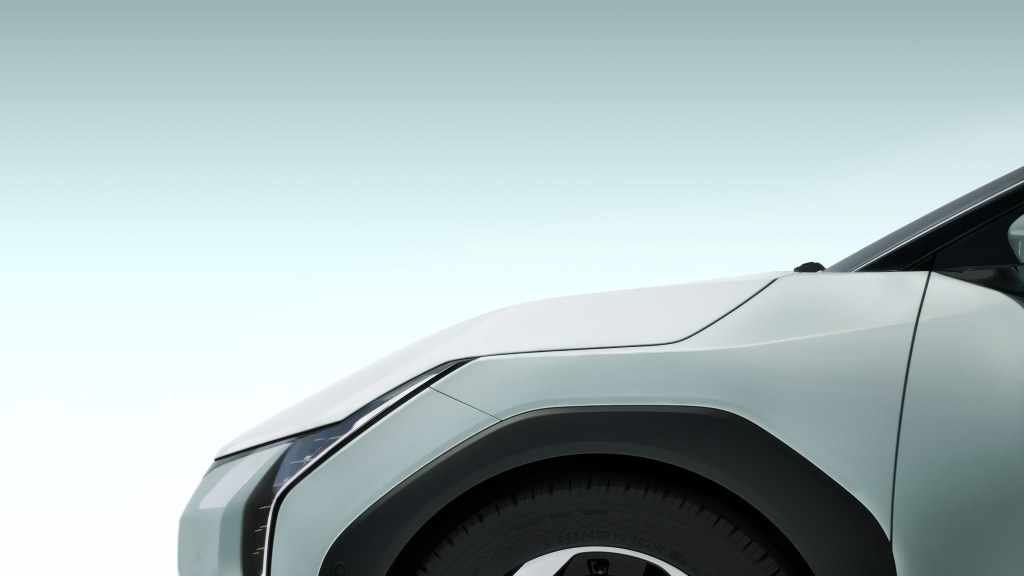
Teaser images and video footage that hint at the concept’s styling, along with close-ups of the new models, offer a preview of Kia’s innovative design approach. Each vehicle showcases aesthetics inspired by Kia’s Opposites United design philosophy, with the visual assets offering a glimpse into the unique characteristics of the Kia EV4, PV5, and Concept EV2.

These three models represent Kia’s bold new electric vehicle strategy. The Kia EV4, Kia PV5, and Kia Concept EV2 feature the brand’s cutting-edge electric platform technology and demonstrate Kia’s clear determination to lead global sustainable mobility in the passenger and business sectors to satisfy customers’ diverse needs everywhere.

Kia will share its overall PBV strategy, providing full details of the business, vision, product line-up, and launch to support the roll-out of the PV5. In addition, the company will also display its game-changing PBV platform. This dedicated battery electric skateboard architecture underpins the brand’s new PBV business by enabling the flexible combination of various types of vehicle bodies.

Key members of Kia’s senior leadership team will take to the stage throughout Kia EV Day. In addition to presenting the EV4, PV5 and Concept EV2, the leadership team will also reveal Kia’s expanded electrification strategy, which is set to transform the global EV market. The event video will be released on the Kia Worldwide YouTube channel in March.

The New Volvo EX30 Cross Country

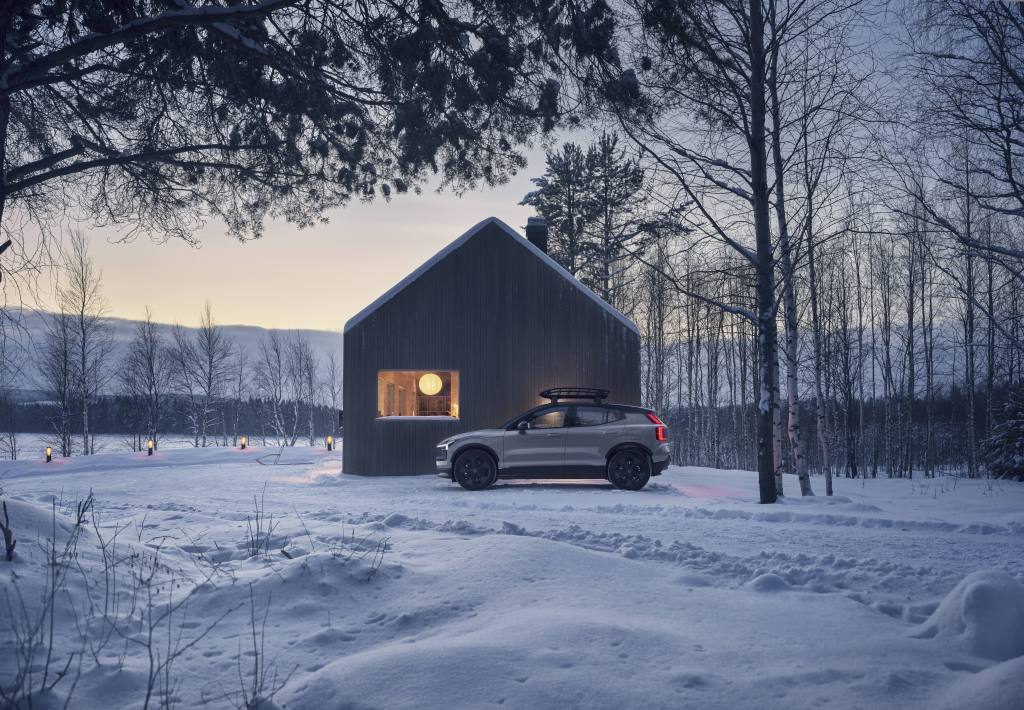
Volvo EX30 Cross Country with Swedish winter cabin

Sweden is home to deep lakes, endless forests, great mountain ranges, some of the harshest winters on the planet – and some of the best and most enjoyable cars ever made. So today Volvo unveils not only the new Volvo EX30 Cross Country, but a whole new experience to go with it.

Revealed today as part of a literal fireside chat including outdoors equipment brand Fjällräven at a secluded winter cabin in the north of Sweden, the EX30 Cross Country is designed for people who want big experiences from their small, fully electric SUV.

It takes the successful recipe of the EX30 and adds rugged ingredients, making it perfect for the growing number of people who want to explore beyond their crowded cities – come rain, come shine, or when everything is covered in snow and ice.

We think that ‘Cross Country’ should be an experience, not just a car, so alongside the EX30 Cross Country we’re also launching a new experience package for customers who buy the car, with access to accessories, gear and information aimed at giving you the full potential to explore the great outdoors.

“We launched our first Cross Country car more than 25 years ago, and this concept of durable and all-weather cars is core to the Volvo brand,” said Jim Rowan, Volvo Cars’ CEO. “In Sweden we face harsh winters, but we also like to make the most of them by getting out and exploring our amazing nature, even when it’s minus 20 Celsius outside. That’s why we want to deliver a fully rounded experience, not simply a car, to our EX30 Cross Country customers.”

From city to trail
As a small SUV, the EX30 Cross Country is perfect for the city. It is fully electric, with a range of up to 427 kilometres and zero tailpipe emissions, and can be charged from 10-80 per cent in as little as 26 minutes. But it also has several extra features that enable a seamless switch from one natural EX30 habitat to another.

For example, we’ve raised the car higher off the ground compared with the standard EX30, to help you navigate rough terrain more easily. It also has special, bigger wheels, with the option of an 18-inch all-terrain accessory tyre to make those regular countryside outings even easier.

Naturally, the EX30 Cross Country also comes with all-wheel drive, making it more than capable of handling the tough and slippery conditions that are part and parcel of life outside the city.

A style to match ability
The first model in our Cross Country range was introduced in 1997. Designed to cope with the demanding Scandinavian climate, Volvo’s Cross Country cars perform in a wide variety of road conditions – from muddy tracks and ankle-deep snow to highway driving – with the comfort and convenience elements that Volvo drivers have come to expect.

While its real-world capabilities come first, the EX30 Cross Country is also designed to excel in more diverse conditions – and to look good while doing so.

The front shield of the car and the boot lid get a special dark colour, with the front featuring a unique piece of artwork showing the topography of the Kebnekaise mountain range in Arctic Sweden – an inspiration for many of our designers. Chunky front and rear skidplates as well as wheelarch extensions complete the more rugged look and underline that this car is ready to get out into the wild.

Functional and as safe as you’d expect from a Volvo car
Inside, the EX30 Cross Country is highly functional and contains all the clever tech, storage and design that made the original EX30 such a hit from the moment Volvo revealed it. The doors contain large storage compartments, because the company removed the speakers and incorporated them into the soundbar on the dashboard.

A versatile central storage tunnel between driver and passenger can be slid out as a cupholder for your morning coffee or your travel mug, or back if you need to store more things. There’s also a big storage compartment on the floor between driver and passenger. The glove compartment has been placed beneath the centre console, providing easy access for both driver and passenger.

Rear passengers get a neat storage box that slides out from beneath the central tunnel. This box is also removable and washable, so can double up as a waste bin. At the rear, on the boot lid, we included a handy ‘Will it fit?’ guide, so you know exactly how much of your gear you can get in.

Like every new Volvo car, the EX30 Cross Country has Google built in. That means you get a variety of Google products as standard – including Google Maps, one of the best mapping systems in the world. Finding your way to the most remote nature locations was never easier. To make sure you can get straight into a nice warm car, the Volvo EX30 app allows you to precondition your car while you’re still exploring nature.

And naturally, the EX30 Cross Country is as safe as you’d expect a Volvo car to be. Volvo have applied their high standards of protective safety should you need it, but aim to help prevent you getting into a collision in the first place with some clever tech. Braking and steering support will help you avoid collisions with oncoming vehicles, pedestrians and cyclists, while a driver-monitoring sensor will give you a nudge if it seems like you are distracted or tired.

Embrace the experience
To further bring the Cross Country concept to life, Volvo is also launching a Cross Country Experience, to create concrete, tangible benefits that will help you to embrace your inner explorer even more. This means that EX30 Cross Country owners will benefit from an array of bespoke offers. Think of a dedicated, discounted ‘Cross Country Experience’ package of accessories for your car, which includes a load carrier, a roof basket, 18-inch all-terrain tyres and mudflaps.

“We know that more and more people are seeking ways to get closer to nature,” says Jim Rowan. “This is why with our new Cross Country Experience, we aim to create an entire ecosystem around those models, supporting our customers as they embrace adventure.”

In short, the new Volvo EX30 Cross Country is an all-road car that delivers safety, comfort and performance in a capable and adventurous package. The Volvo EX30 Cross Country is available to order now in selected markets, with deliveries starting later this spring.

TVS King EV Max To Revolutionise The Electric Three-Wheeler Segment

TVS Motor Company has announced the launch of its connected passenger electric three-wheeler, TVS King EV MAX. The vehicle has best-in-class features including bluetooth connectivity through TVS SmartXonnect. The TVS King EV MAX combines innovative technology with eco-friendly solutions, catering to the growing demand for sustainable urban mobility.

Speaking at the launch, Mr. Rajat Gupta, Business Head, Commercial Mobility, TVS Motor Company, said, “The launch of TVS King EV MAX is a significant step forward in our commitment to providing sustainable solutions for last-mile connectivity. As urban areas continue to grow, the demand for clean mobility options has never been more critical. The TVS King EV MAX combines advanced electric propulsion with superior comfort and connectivity. The distinctive blend of long-range, impressive acceleration and quick charging time guarantees high uptime, enabling more trips and increased earning potential for customers, including fleet operators. The vehicle is being launched in UP, Bihar, J&K, Delhi and West Bengal, right away. It will be available across the country in the coming months.”

With a range of 179 kilometres on a single charge, quick charging in just two hours and 15 minutes for 0 – 80% charge and 3.5 hours for 100% charge; smart features like TVS SmartXonnect, the King EV MAX offers users real-time navigation, alerts and vehicle diagnostics through their smartphones. It combines excellent performance, comfort and connectivity, making it a standout choice for modern urban mobility.

The TVS King EV MAX is powered by a high-performance 51.2V lithium-ion LFP battery enabling making it perfect for urban commuting. With a top speed of 60 kmph (ECO Mode: 40 kmph; City: 50 kmph; Power: 60 kmph), the vehicle ensures efficient travel while maximising passenger comfort through its spacious cabin and ergonomic seating design.

The TVS King EV MAX is now available across select dealerships in UP, Bihar, J&K, Delhi and West Bengal, at a price of INR 2,95,000 (ex-showroom). It also comes with a warranty of 6-years / 150,000 kilometres (whichever is earlier), along with 24/7 road-side-assistance for the first three years.

1.7 Million Deliveries In 2024: Audi Forges Ahead With Its Model Initiative

Audi CEO Gernot Döllner, the Premium Platform Electric and with it the Audi Q6 e-tron model series are the next technological leap towards electric premium quality.

Audi delivered around 1.7 million vehicles worldwide in 2024. More than 164,000 of those were fully electric models. Reasons for this overall decline of almost 12 percent (8 percent for fully electric models) compared to the previous year included the challenging economic conditions, an intensely competitive market, and limited availability of parts. In addition, the new product portfolio is only gradually having an impact on global sales volumes.

“We have a clear vision of how we are redefining Vorsprung durch Technik. Our ongoing model initiative shows the direction Audi is taking. The year 2024 was part of a transitional phase as we move towards our new product portfolio,” says Audi CEO Gernot Döllner. “Global economic uncertainties and intensified competition also shaped the past year. Despite these challenges, we are convinced that we will achieve our long-term goals. With a clear product and technology road map, Audi is systematically rejuvenating its product portfolio with over 20 new models in 2024 and 2025.” Last year, Audi already presented more than half of these, including the new battery-electric vehicles Audi Q6 e-tron and Audi A6 e-tron, plus combustion-engine vehicles such as the Audi A5 and Audi Q5. “In 2025, we will continue our model initiative and renew key model families such as the Audi A7 and the Audi Q3. Customers can look forward to numerous new plug-in hybrids as well.”

After a record year in 2023, geopolitical and industrial conditions impacted delivery figures in 2024. A general economic environment characterized by stagnation and structural problems as well as a tense political situation posed major challenges for the entire automotive industry and influenced consumer behaviour on an international scale.

“From the beginning, 2024 was considered a transitional year. We have strong models entering the markets, but they will only gradually become significant in terms of sales volume. At the same time, some models have been phased out. Challenging economic conditions and the intransparency in terms of government incentive structures are currently causing a certain reluctance to buy affecting the entire industry, especially when it comes to fully electric vehicles,” says Marco Schubert, Board Member for Sales and Marketing.

“With our three-pronged approach of electric cars, plug-in hybrids, and combustion-engine vehicles, we are positioned flexibly and robustly for the coming years and offer our customers a diverse range of premium vehicles. With our clear strategy and the strong commitment of our retail partners and international teams, we are setting ourselves up for the future.”

Sales performance in Europe, North America, and China
Audi delivered more than 164,000 fully electric models to customers worldwide (–8 percent) in 2024. Demand was notably strong for the Audi Q4 e-tron, with almost 108,000 units delivered globally. Since its market launch in the third quarter, the new Audi Q6 e-tron recorded almost 15,000 deliveries.

In addition to the all-electric models, the Audi Q5 (298,000 units), the Audi A6 (244,000 units), and the Audi Q3 (215,000 units) sold particularly well.

Audi Sport delivered more than 41,000 high-performance vehicles worldwide, a decrease of roughly 14 percent. In the USA, Audi Sport models recorded over 9,000 deliveries – their best result ever (+4 percent).

With around 466,000 vehicles, the number of deliveries in Europe (excluding Germany) was almost 6 percent below the previous year. The number of electric vehicles was just below 81,000 units (+6 percent). The most popular models in Europe were the Audi A3 (84,000 units), Audi Q3 (79,000 units), and Audi Q4 e-tron (57,000 units).

In Germany, Audi delivered over 198,000 cars (–21 percent). This figure includes roughly 22,000 fully electric vehicles (–33 percent).

In the UK, the number of deliveries was around 123,000 units (–11 percent), in France around 48,000 units (–3 percent). For electrically powered models, Audi recorded an increase of 24 percent in France compared to 2023. Audi also showed a solid result in Italy, delivering more than 67,000 units (+1 percent), including roughly 3,000 electric vehicles (+7 percent). In Spain (incl. Canary Islands), Audi delivered over 39,000 units (–4 percent) to customers.

In North America, Audi sold just below 241,000 vehicles (–13 percent) in 2024 – almost 29,000 of those were fully electric (–6 percent).

In the intensely competitive market of China, Audi delivered a total of more than 649,000 cars to customers. This represents a decline of around 11 percent compared to the previous year.

In the overseas and emerging markets, Audi delivered over 116,000 vehicles (–18 percent) in 2024.