Maranello Legends To Light Up Salon Prive

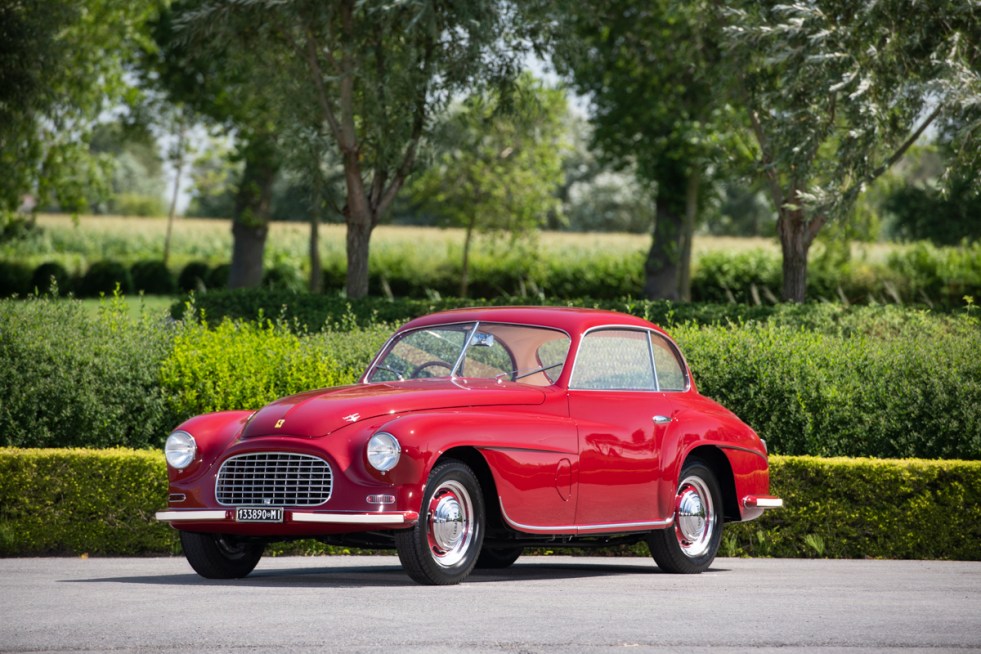
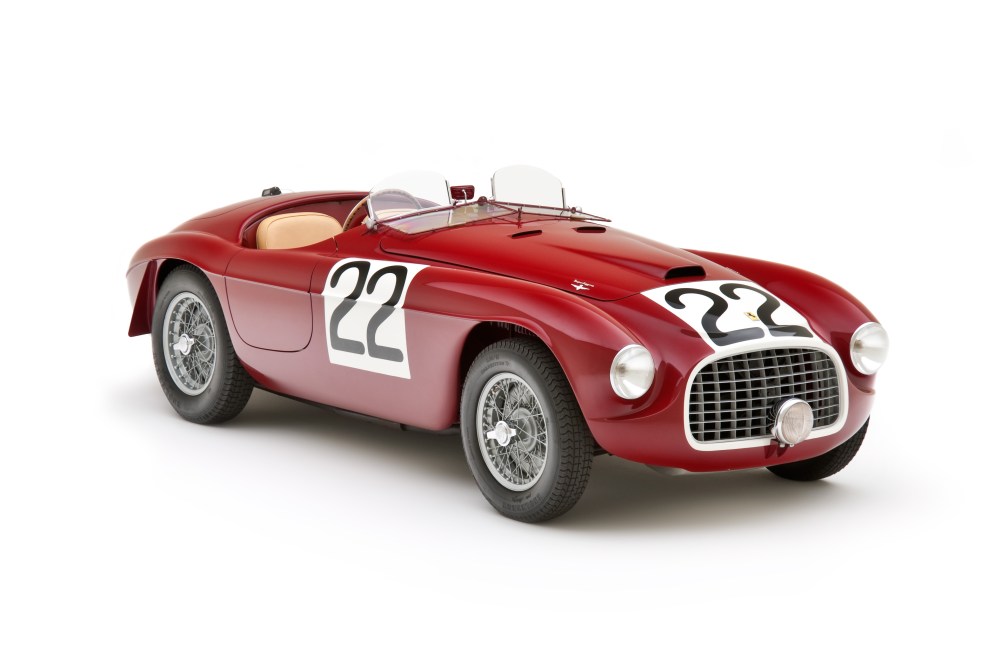
Ferrari166MMMilleMigliaandLeManswinner

A sensational trio of early Ferraris confirmed for this year’s Salon Privé Concours d’Elégance, including perhaps the most significant car in the Italian marque’s illustrious history.

The 166MM that will grace the lawns of Blenheim Palace scored two famous victories during 1949, and in doing so it helped to create the Ferrari legend. In April of that year, the works-entered chassis 0008M won the Mille Miglia in the hands of Clemente Biondetti and Ettore Salani. Then, two months later, Lord Selsdon and Luigi Chinetti took it to victory in the world’s most high-profile motor race – the Le Mans 24 Hours. It remains the only car to have won both of those prestigious and gruelling events in the same year.

The historic 166MM will be joined by another of the very earliest Ferraris – a 1948 166 Inter Coupé, chassis number 0015S. This Touring-bodied beauty was displayed at the 1949 Geneva Salon and retains its original jewel-like 1995cc V12 engine. Completing the trio is a 1952 Vignale-bodied 212/225 Export that boasts significant period competition history.

166InterCoupé(2)

Ferrari has a history of success in the Salon Privé Concours d’Elégance, and last year collected more class awards than any other marque courtesy of such iconic models as the 250 GT LWB California Spyder and the 250 GT SWB. In 2020, Maranello’s finest will join some of the most coveted motor cars in the world, with the entry encompassing everything from a 1904 Napier to a 2019 McLaren Senna. All will be judged to the very highest standards by the International Chief Judge Advisory Group (ICJAG).

Ferraris are also bound to feature prominently within Friday’s Salon Privé Masters by Pirelli and Lockton. This year, the event celebrates the evolution of the supercar, from the dawn of the genre in the 1960s to the technological wonders of the 21st century. Ferrari models set to take part both in the Masters and the Concours d’Elégance include mid-engined V8s such as the 308, 328 and 355, the front-engined V12 599, and supercars in the form of the F50 and the landmark F40.

The Ferrari Owners’ Club of Great Britain is an official supporter of Salon Privé, and on Saturday more than 1000 cars will converge on the South Lawn and battle it out for the coveted Club Trophy. Classic and modern greats from Aston Martin, Bentley, Lamborghini, McLaren, Porsche and many more will be attempting to steal the spotlight from Ferrari’s finest.

Bringing the story right up to date, Ferrari will be showcasing its latest models during Salon Privé Week. The all-new Ferrari Roma continues a long tradition of sublime GT cars from Maranello, and features a front-mid-mounted turbocharged V8 engine giving more than 600bhp. Test drives will be available for clients who have pre-registered with their local official dealer.

The Ferrari Roma will be displayed alongside the SF90 Stradale – named for the 90th anniversary of Scuderia Ferrari – the 812 GTS and the F8 Spider.

Salon Privé Director David Bagley said: “We’re incredibly excited to welcome the most famous name in automotive history to Blenheim Palace. Few marques inspire the sort of devotion that Ferrari does, and the cars that we’ll have on show – from the earliest racers to the very latest road cars – are sure to quicken the pulse of any enthusiast.”

The All-New BMW S 1000 XR Now In India

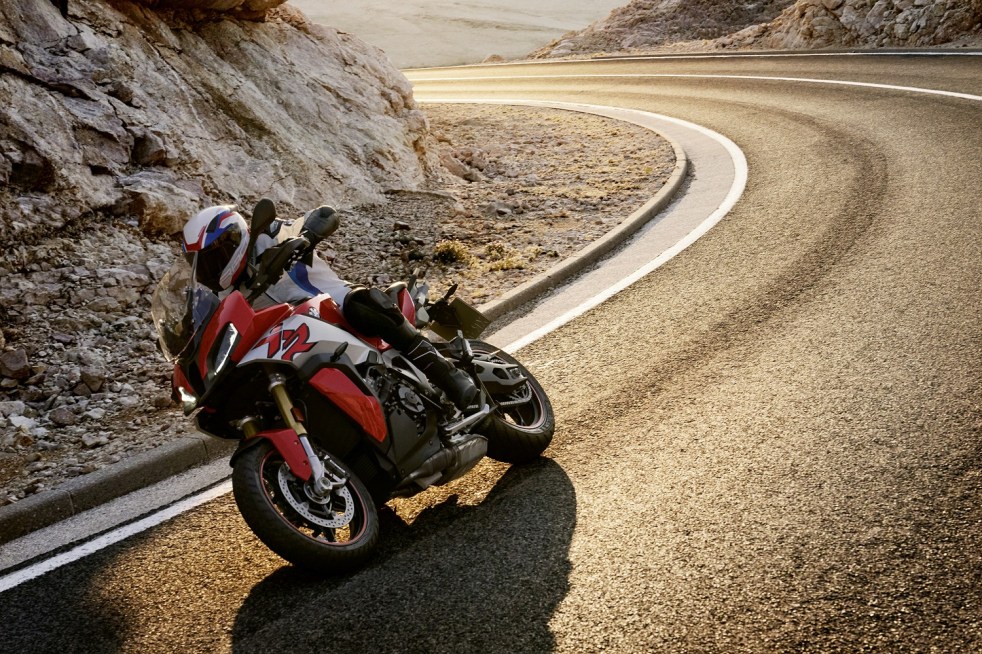
01 Image The all-new BMW S 1000 XR

BMW Motorrad India has launched its internationally best-selling adventure sport bike, the all-new BMW S 1000 XR in India. The new bike can be ordered as a completely built-up unit (CBU) wffective immediately throughout the BMW Motorrad dealer network.

The all-new BMW S 1000 XR is an all-days sports bike that uniquely blends sporty and long-distance performance in perfect form. Its sporty aggressiveness comes from the RR. Its outstanding GS ergonomics with the upright, relaxed seat position, lets the riders enjoy all curves and straight roads.

Arlindo Teixeira, acting President, BMW Group India said, “The all-new BMW S 1000 XR is an agile achiever that sets a new benchmark in the adventure sports segment. It is a power-packed performer that brings the real racetrack feel to everyday roads. With its newly developed engine and uncompromising ergonomics, it offers awe-inspiring performance, sporty ride and long-distance capabilities. Riders waiting for a distinctive experience will be drawn to the multi-faceted all-new BMW S 1000 XR. It’s a perfect companion, ready to hit the road for all kind of journeys with sheer motorcycling enjoyment.”

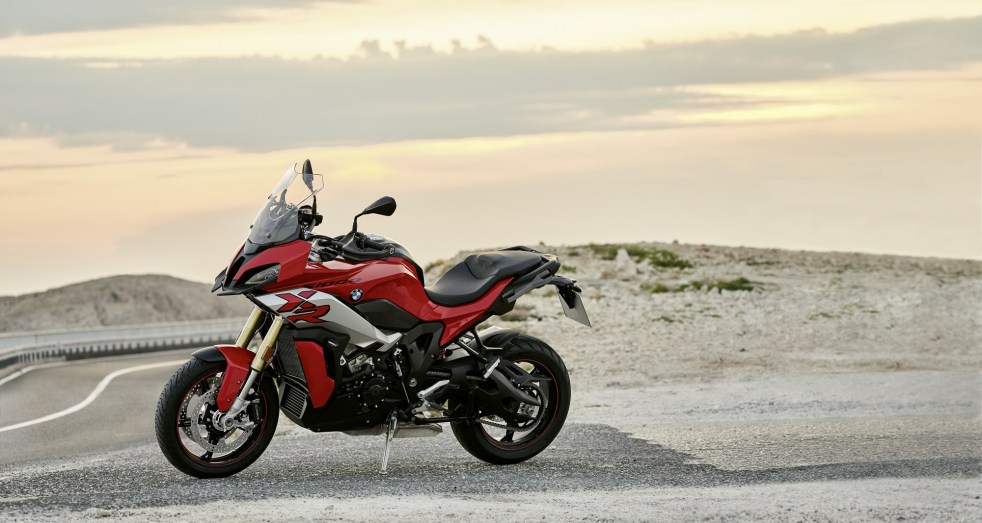
03 Image The all-new BMW S 1000 XR

The all-new BMW S 1000 XR will be offered in a Pro variant in Ice Grey and Racing Red colour options. The ex-showroom price is as follows:

The all-new BMW S 1000 XR Pro : INR 20,90,000

For complete peace of mind and to ensure that the journey of pure motorcycling continues uninterrupted at all times, the all-new BMW S100 XR comes with a standard warranty for ‘three years, unlimited kilometres with an option to extend the warranty to fourth and fifth year. Road Side Assistance, a 24×7 365 days package further ensures prompt services in case of breakdown and towing situations.

Ford Adds A New Automatic Variant To 2020 EcoSport Line-Up

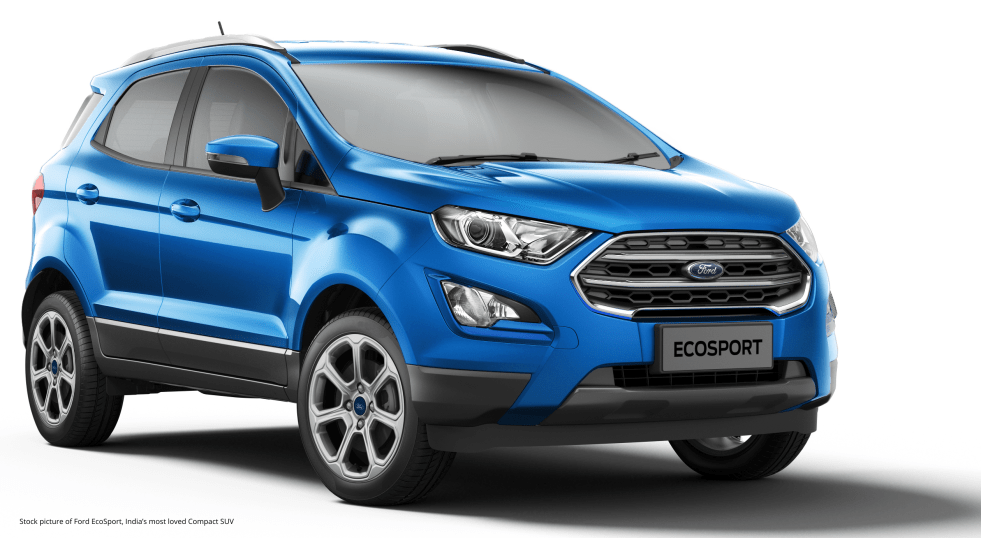
EcoSport AT Representational Image

Ford India has introduced a new automatic variant of its compact SUV EcoSport, at a special price of INR 10.66 Lakh (Ex-Showroom Delhi).

The new Ford EcoSport Titanium AT trim offers six-speed, torque converter automatic gearbox that is paired to Ford’s latest, Bharat Stage 6 compliant three-cylinder 1.5L petrol engine. The new Titanium variant in the 2020 line-up will deliver 122 PS of power and 149 Nm of peak torque.

“With the new Titanium trim in the 2020 EcoSport line-up, we wish more consumers to enjoy the convenience of an automatic without compromising on the fun-of-driving. The outstanding value on offer will ensure that consumers no longer settle for underwhelming automatic technologies available in the market,” said Vinay Raina, Executive Director for Marketing, Sales and Service at Ford India.

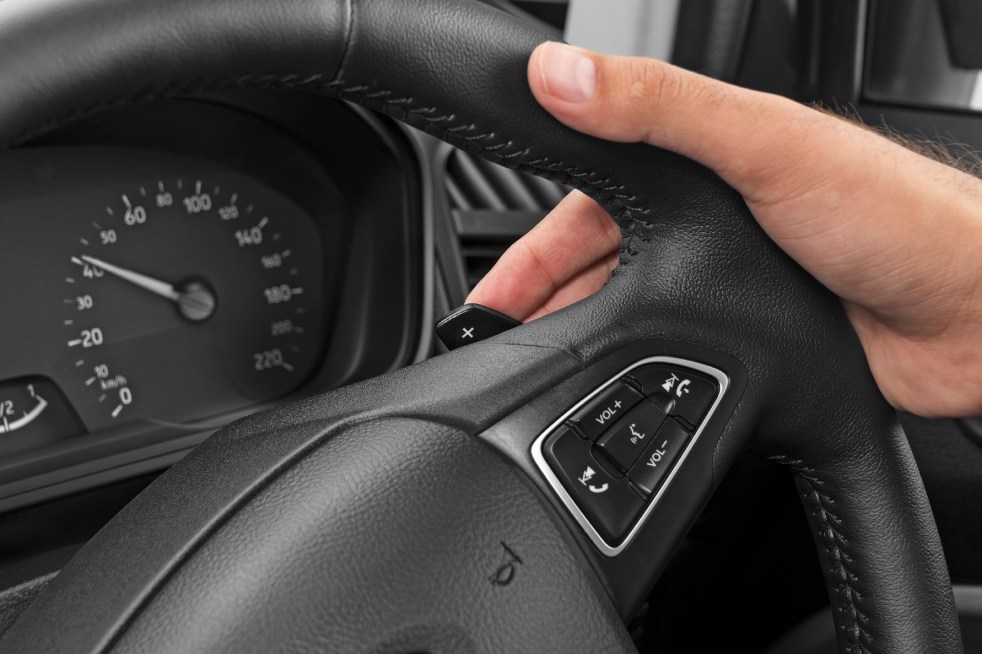
The new EcoSport Titanium Automatic offers several other features including paddle shifters, cruise control, push start/stop for greater convenience.

Paddle Shifter on New EcoSport Titanium AT

The variant offers a superior technology with a touchscreen infotainment system with embedded navigation, as well as superior safety with standard dual airbags, traction control system, electronic stability control and hill launch, assist among other features.

The new variant will also be the only automatic compact SUV in its price range to offer mobility and connectivity solution FordPassTM, a one-stop smartphone app meeting diverse ownership needs, at no additional cost.

With a factory-fitted cloud-connected device, owners of the new Titanium trim will be able to perform several vehicle operations — like starting, stopping, locking or unlocking remotely, via the FordPassTM app.

The Ford EcoSport has been setting a benchmark in value of ownership with 3-year or 100,000 KM standard warranty, longer service intervals of 10,000 KM, compared to 5,000 KM for most compact SUVs. Ford EcoSport owners spend as low as INR 1,400 for scheduled service in the first year while the 100,000-KM or 10-year service is surprisingly affordable at just INR 4,700.

FORD ECOSPORT AT – VARIANTS PRICE
Titanium AT (New Introduction) INR 10,66,500
Titanium+ AT INR 11,56,500


Hector Plus Launched At Rs 13.48 Lakhs

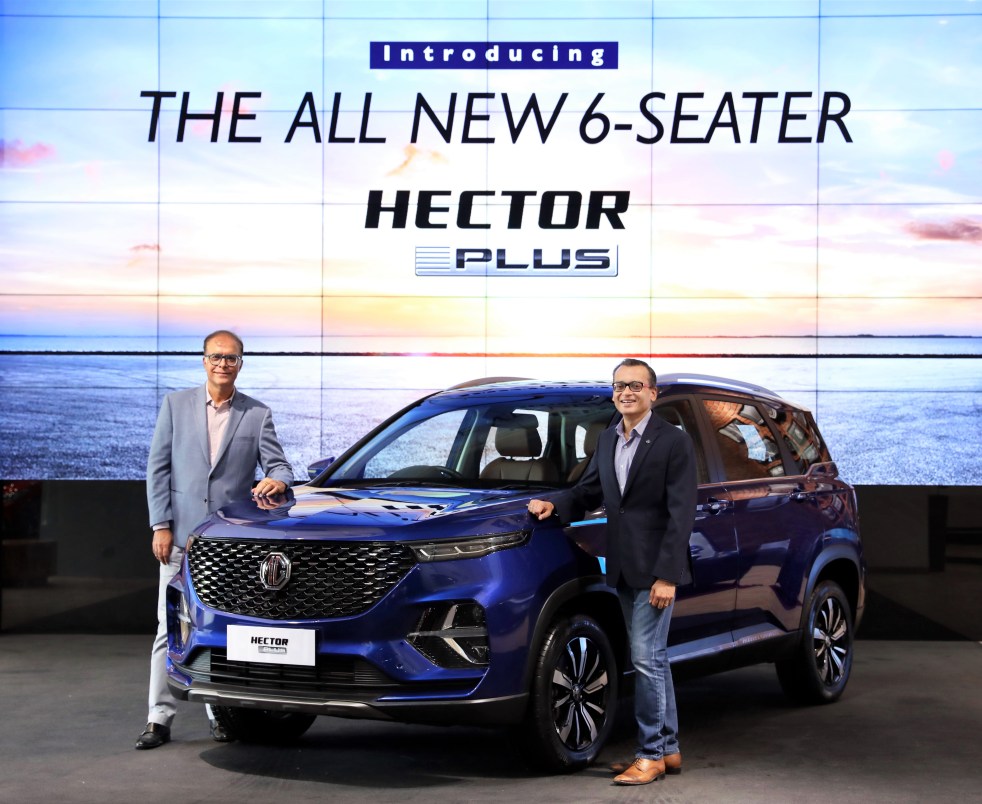
Rajeev Chaba, President and Managing Director (L) and Gaurav Gupta, Chie...

MG (Morris Garages) Motor India has launched the much-anticipated MG Hector Plus at an introductory price of Rs 13.48 Lakhs (ex-showroom, New Delhi). Hector Plus is a 6-seater SUV with panoramic sunroof will be manufactured at the carmaker’s manufacturing facility at Halol near Vadodara in Gujarat.

The latest addition to the MG Hector family, the 6-seater Hector Plus, comes with comfortable captain seats in the middle row. The 6-seater SUV features an all-new dual-tone Smoked Sepia Brown interiors, along with stylish new headlamps, a new Chrome-Studded Front Grille, and a Chit-Chat feature on i-SMART Next Gen interface. It also comes with other attractive features including the all-new Smart Swipe, Front and Rear Bumpers, New Rear Tail Light Design, and Revised Skid Plates.

Like MG Hector, MG Motor India has further assured its customers of the resale value of their Hector Plus. The carmaker has tied up with CarDekho for the same. The latter will buyback MG Hector Plus at a residual value of 60 per cent after three years of ownership under the “3-60” plan, which customers can purchase at a very compelling price.

Speaking on the launch, Rajeev Chaba, President and Managing Director, MG Motor India said, “We entered the Indian automobile market in 2019 with MG HECTOR. Our vision has been to touch the lives of car owners in India by offering them the world’s best technology including connected mobility. The launch of MG HECTOR PLUS is a new milestone in our journey that is committed to serving customers with the top-notch products and services. The 6-seater internet SUV is a blend of luxury and comfort aided by technology to provide the perfect family moments to all our customers.”

MG Hector Plus offers both MG Shield and the MG Shield+ to provide an assuring experience to its customers. Under MG Shield, MG extends the Free-three ‘5s’, i.e. 5-year/Unlimited KMs warranty, 5-year Roadside Assistance, and Free Labour Charges for the first 5 services. All these elements under ‘MG Shield’ are aimed at enhancing the MG ownership experience and providing complete peace of mind to MG customers. The 6-seater SUV’s Total Cost of Ownership (TCO) is very competitive in the segment. It is 45 paise per kilometre for its petrol variants and 60 paise per kilometre for the diesel ones (calculated up to 100,000 KMs of usage). MG Hector Plus further offers the best prepaid maintenance plans starting at INR 8,000 for 3 years with its Classic package.

Nissan Magnite Concept Revealed

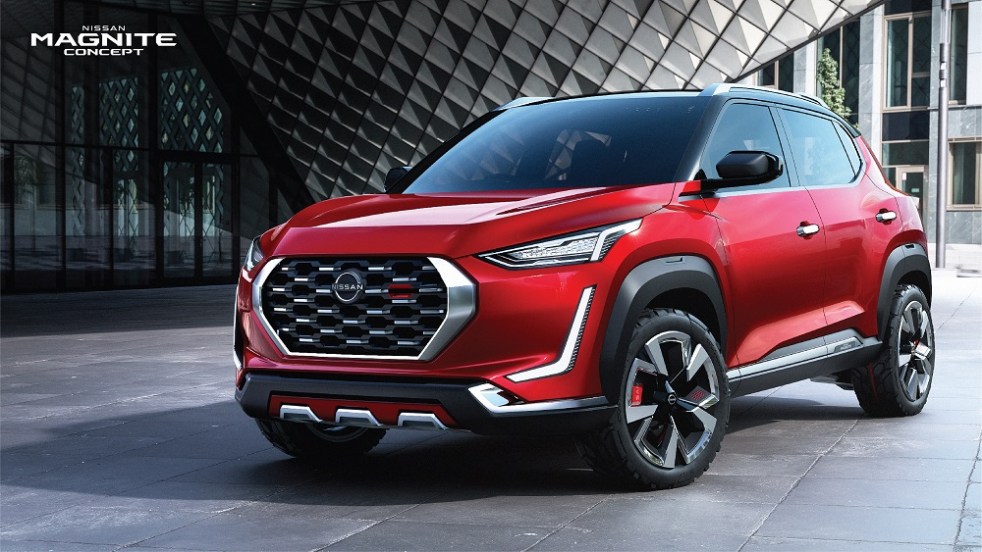
Magnite Front

Nissan India today revealed the concept version of its highly anticipated B-SUV. Christened as the Nissan Magnite, the technology-rich and stylish B-SUV will be launched in FY 2020 in India.

Magnite is a portmanteau of the words “magnetic” and “ignite”. Whereas magnetic highlights the design and the product attributes that will attract customers, ignite emphasises on the beginning of a new era that Nissan wants to bring in India.

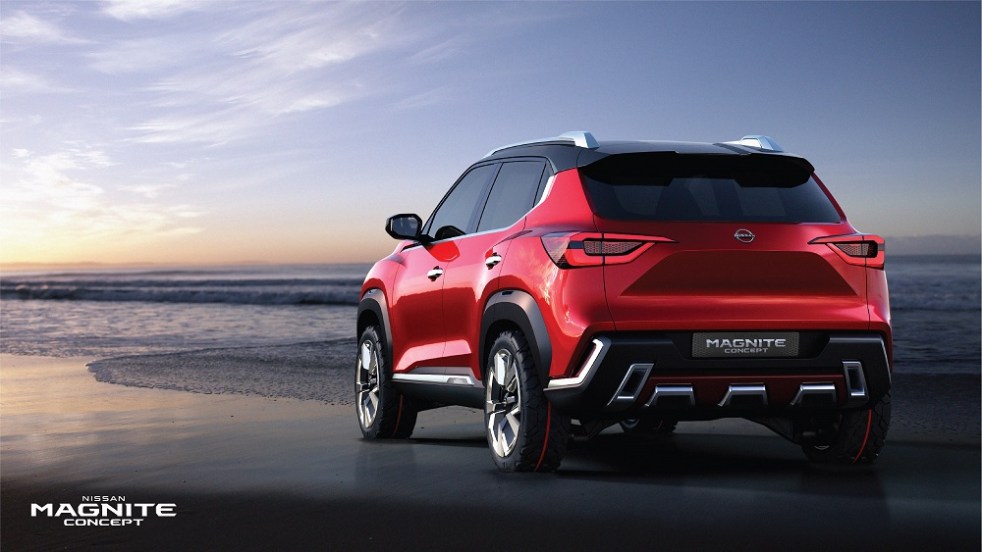
Magnite Back

“The Nissan Magnite is an evolutionary leap in Nissan’s global SUV DNA. With cutting-edge technology onboard, it will be a game-changer in its segment. A bold offering in the sub-four-meter category, we are confident that Nissan Magnite will redefine the B-SUV segment for the industry. The Nissan Magnite is made on the philosophy of ‘Make in India, Make for the World’ and has been designed in Japan while keeping in mind the requirements and aspirations of Indian customers.” said Rakesh Srivastava, Managing Director, Nissan Motor India.

The Nissan Magnite will be a feature rich premium offering with stylish design for a strong and dynamic road presence.

Nissan Opens A New Chapter With The Ariya

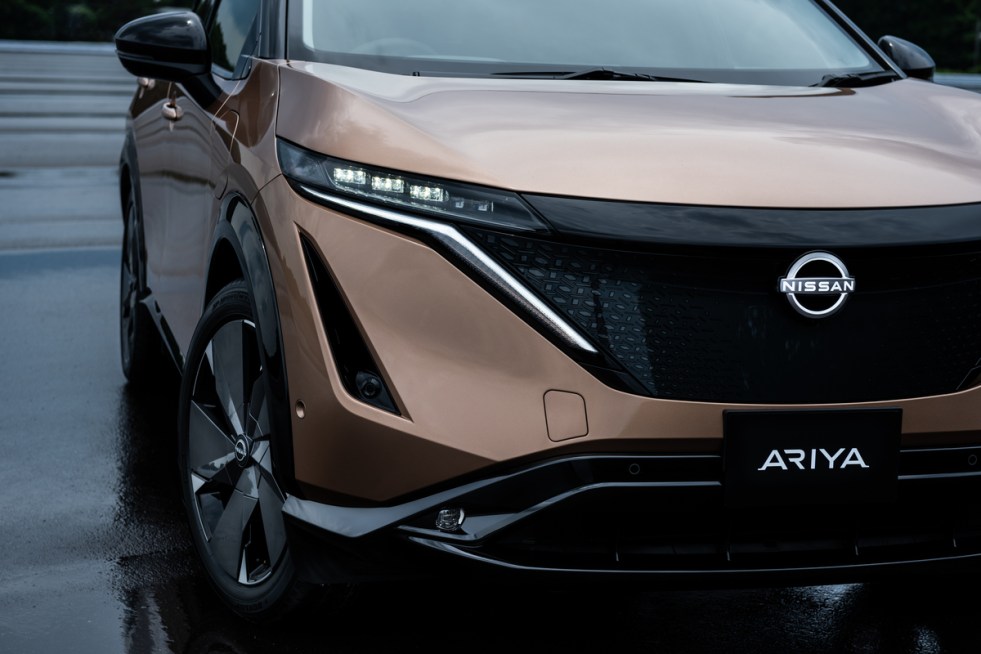
200715-01_011-1200x800

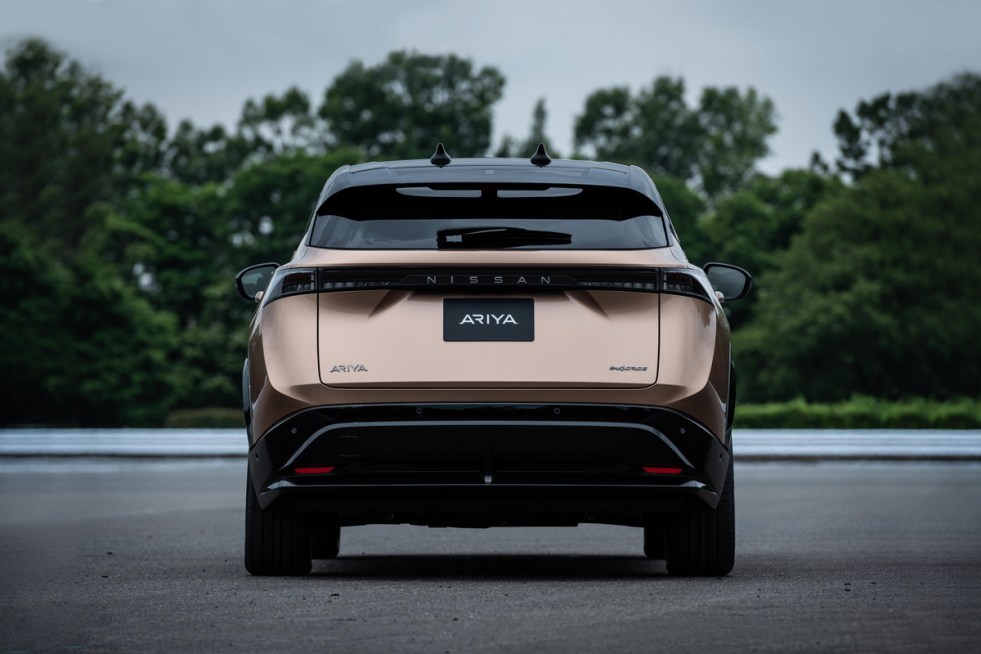
Marking a key milestone in its Nissan NEXT transformation plan, Nissan has unveiled the all-new Ariya. As the company’s first all-electric crossover SUV, the Ariya opens a new chapter for the Nissan brand and embodies the company’s vision: enriching people’s lives.

Representing the pinnacle of Nissan’s technologies and design, the 100 per cent electric Nissan Ariya debuted during a digital event in Yokohama. The model is a major step in Nissan’s transformation as the company refocuses on key strengths, including electrified vehicles and SUVs.

“We created the Nissan Ariya as an answer to the aspirations and practical needs of today’s customers,” said Nissan CEO Makoto Uchida. “Combining our strengths in EVs and crossovers, it’s a showcase for Nissan’s new era of excitement and design.”

The Ariya sets the pace for Nissan’s plan to roll out 12 new models in 18 months. The all-new crossover demonstrates Nissan’s commitment to meeting customer demand for new electrified, autonomous and connected technologies.

200715-01_018-1200x800

Nissan expects sales of EVs and e-Power electrified models to be more than 1 million units a year by the end of fiscal 2023. By then, the company also aims to introduce autonomous driving technologies in more than 20 models in 20 markets, and to have sold more than 1.5 million vehicles equipped with these systems.

The Nissan Ariya sports Nissan’s new logo, which also made its world premiere. Symbolizing the company’s dedication to keep innovating for new generations of customers, it will adorn coming Nissan models as they’re introduced or refreshed.

The new logo looks to the future while staying proudly connected to the company’s rich heritage and tradition of innovation. The company name remains at the center of the logo, communicating an instantly recognizable brand that evokes past milestones and memories while also conveying evolution.

“The Nissan Ariya opens a new chapter in our history as we begin our journey of transformation in our business, in our products, and in our culture,” Uchida said. “It defines what matters to Nissan, represents what we stand for, and embodies the essence of who we are: a passionate, innovative challenger.”

18th International Jawa Day Celebrated Virtually Across The Globe

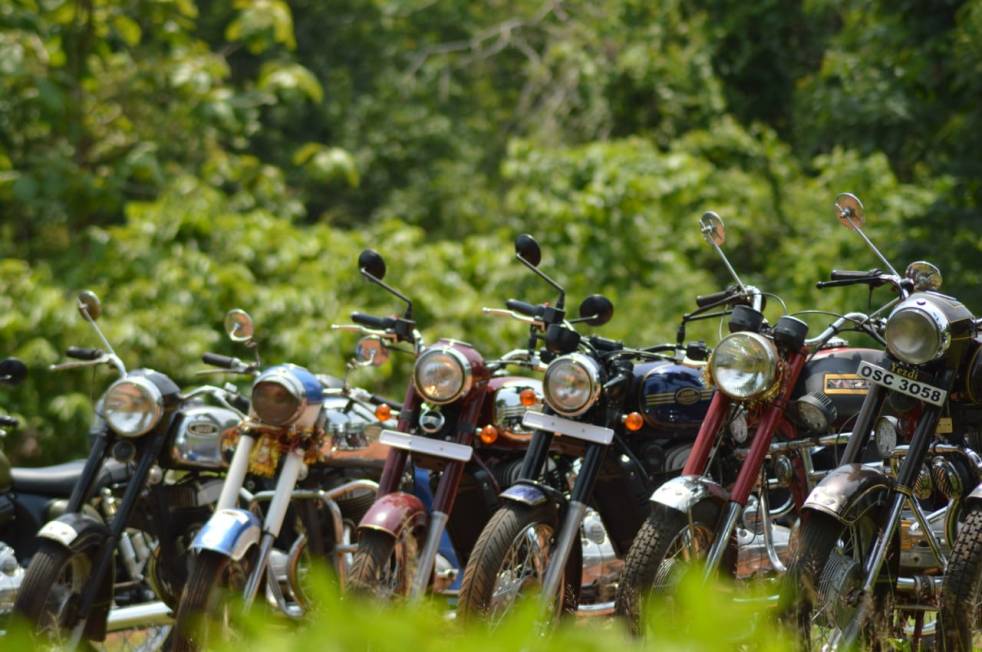
Jawa Day_symbolic

Although this day would see thousands of Jawa and Yezdi motorcycles gathered across the country, and the globe, to celebrate the iconic brand and the camaraderie, the current global pandemic situation gave a virtual twist to the 18th edition of International Jawa Day (IJD) this year.

IJD, which is celebrated on the second Sunday of July every year, witnessed the global Jawa Kommuniti come together for an online meet up this year for a virtual celebration. This one-of-its-kind gathering witnessed a blast of expressions across the internet with about 300,000 people engaged and talking about the Jawa day and thousands finally logging in to watch the two hour live cast of festivities online.

Members from the major Jawa & Yezdi Motorcycle Clubs in India took the mantle of organising the virtual event, bringing together Kommuniti members not just from clubs across the country but also countries like Netherlands, Czech Republic, Poland, USA, Vietnam and Cuba to come together for a virtual celebration.

The festivities began with a session aptly named ‘Legendshala’ an evening prior to set the mood with stories of the yore from people who kept the legacy of Jawa alive over decades. Moderated by renowned auto journalist and author of ‘The Forever Bike’ Adil Jal Darukhanawala, the session saw veteran racers like Somender Singh, CK Chinappa, Shyam Kothari narrate their experiences of racing on Jawa motorcycles over their careers while Prashanth PK, a collector of all things Jawa talked about his prized possessions.

The livestream on Jawa Day consisted of veteran Kommuniti riders come together on a common platform to reminisce their experiences about previous Jawa Day celebrations, long rides and friendly banter that connects them as Jawa riders. Riders from 10 international clubs as well as 35 clubs from India were invited to do their bit for the celebrations. The club members shared recordings from their locations sending out wishes for their fellow riders and the promise of riding their Jawa motorcycles together soon.

The session saw riders from across the spectrum showing off their motorcycles ranging from pristine vintage ones to shining new models over video clips, just like they would on a live event. The platform also engaged female riders with a dedicated segment with the participants telling encouraging stories about women in motorcycling. The session honoured the ‘ustaads’, technicians who have kept the Jawa motorcycles of the past running perfectly over the years.

In keeping with the tradition, the organising panel of the show hosted contests on social platforms to engage with the Kommuniti. The contests witnessed a stirring response from avid Jawa and Yezdi riders and followers. Categories included best dressed rider, picture of a bike in unexpected location, best 90 second video, picture of a ride with public message regarding traffic rules, recreation of old pictures in a collage with year mentioned etc.

The virtual meetup session was full of enthusiastic members of the Jawa Kommuniti and while the ongoing lockdown situation did put brakes on the physical rides and celebrations, it didn’t curb their enthusiasm to come together as one family on an online forum.

The event this year also saw a higher active participation from new Jawa owners. The Kommuniti spirit among the new owners is on a rise and it reflected in the new clubs alongside the older ones in big numbers to celebrate this event.

In some cities such as Chandigarh, Ludhiana, Jalandhar, Cochin, Kannur and Jaipur where unlock rules allowed riding with safety protocols, Kommuniti members went about riding in the spirit of Jawa day to celebrate.

BMW Motorrad Celebrates 40 Years Of BMW GS Models

40 Years of GS History

A motorcycle concept that is as legendary as it is sophisticated will celebrate its anniversary in 2020: The BMW GS models are turning 40. In autumn 1980 BMW Motorrad presented the R 80 G/S, a motorcycle which combined two very special areas of riding for the first time: Off-road and on-road. Thanks to its unique combination of road, touring and off-road capability – without compromising on everyday use – the R 80 G/S became the conceptual forerunner of the new motorcycle category of touring enduros created by BMW Motorrad. And what is more: The BMW GS models became the perfect synonym for the perfect partner on two wheels to explore even the most remote corners of our planet. To date, BMW Motorrad has been able to hand over more than 1.2 million BMW GS models to customers.

Legendary BMW GS talents: Riding dynamics, off-road mastery, comfort and robustness.

But it wasn’t just motorcycle adventures that were ideally suited for the BMW GS right from the outset; the R 80 G/S and its descendants also quickly proved their qualities in racing. In 1981 Hubert Auriol rode to victory in the equally prestigious and challenging Paris – Dakar Rally. This is just one of the many motorsport successes that BMW Motorrad was able to celebrate with a GS. The outstanding talents of the boxer GS models – riding dynamics, off-road mastery, comfort and robustness – have been continuously maintained and developed by BMW Motorrad over the past 40 years and successfully transferred to other BMW Motorrad model series. In 1993, the F 650 “Funduro” was the first single-cylinder BMW enduro to come onto the market. While this bike drew its riding dynamics from its low weight and the thrust of the 47 hp single cylinder, the changing of the guard took place simultaneously on the BMW GS models with boxer engine.

The GS as an innovation driver: Four-valve technology and Telelever.

With the BMW R 1100 GS, BMW Motorrad not only presented the first GS with a 4-valve boxer and 80 bhp output, but also trod new paths with regard to suspension technology for large touring enduros. For the first time in an enduro, the engine and gearbox acted as load-bearing elements of the chassis, making a main frame superfluous. While the BMW Paralever rear wheel suspension system had already eliminated the drive reactions of the shaft drive in the models with the two-valve boxer years earlier, the BMW engineers had now created an innovative way of guiding the front wheels using the Telelever suspension. With the pitch compensation and highly sensitive response they set new standards in this area. In addition, the new R 1100 GS was the first enduro ever to be equipped with ABS – a safety plus that is now standard equipment on all BMW motorcycles.

The GS models of the F series: GS fascination for the middle range.

In addition to numerous new and further developments, including the F 650 GS (first single-cylinder with electronic fuel injection, catalytic converter and ABS), which was manufactured in Berlin from the year 2000 onwards, the F 650 GS and F 800 GS models launched in 2007 marked another outstanding milestone in BMW GS history. With their powerful, high-torque 2-cylinder in-line engine and torsionally stiff tubular frame, they interpreted the BMW GS theme in their own, yet very typical BMW way. With these new models, BMW Motorrad not only presented the successors to the extremely successful F 650 GS with its single-cylinder engine, but at the same time expanded the enduro offer in the medium range.

Advanced DOHC boxer with two overhead camshafts.

BMW Motorrad presented another highlight in autumn 2009 with the launch of the revised BMW R 1200 GS. Now equipped with the even more free-revving DOHC boxer with two overhead camshafts per cylinder, it offered 81 kW/110 hp and even more advanced riding dynamics. In the 2010 anniversary year, BMW Motorrad paid tribute to the 30th anniversary of the GS models and their successes in both production motorcycle manufacturing and motorsport alike with the “30 Years GS” special models of the BMW R 1200 GS, R 1200 GS Adventure, F 800 GS and F 650 GS painted in the BMW Motorrad Motorsport corporate colours.

BMW Motorrad continued the success story of the GS models in autumn 2010. With the BMW G 650 GS, BMW Motorrad added another attractive member to the BMW GS family. Thanks to its slender, wiry off-road stature, the new single-cylinder enduro looked bold, light and adventurous. At the same time it clearly stood out from its competitors in terms of quality, equipment and comfort. In combination with its comparatively low weight and the reduced seat height, it was the attractive entry bike into the world of motorcycling and into the fascinating BMW GS world of experience.

The power GS: Newly designed boxer featuring vertical flow.

The dynamic development of the BMW GS theme continued unabated in the fourth decade. When BMW Motorrad presented the new R 1200 GS at Intermot in autumn 2012, interest was particularly focused on the completely redesigned engine. The air/liquid-cooled flat twin engine introduced cylinder heads featuring vertical flow; they had an integrated gearbox and a shaft drive on the left side from then on, supplemented by state-of-the-art chassis technology and electronic control systems such as ABS, traction control or semi-active chassis. With an output of 92 kW (125 hp), the new R 1200 GS also provided superior riding performance. Barely one and a half years later, in March 2014, the 500,000th BMW motorcycle of the boxer-engine GS model series rolled off the assembly line at the plant in Berlin – this was an R 1200 GS Adventure.

The GS for the capacity segment below 500 cc: the G 310 GS.

In autumn 2016, BMW Motorrad presented yet another GS model. This time it was the G 310 GS. It transferred the core qualities of a BMW GS to the engine capacity segment below 500 cc and interpreted these in its own style. Extremely compact, yet fully grown and comfortable, it opened up a whole new world of experience in its segment and became unique in the entry-level segment, above all due to its versatility. With the new R 1200 GS, BMW Motorrad expanded the GS portfolio not only with further product optimisations but also by broadening the motorcycle’s range of properties. For the first time, customers were able to give a BMW GS a more marked touch of enduro or distinguished style to suit its preferred area of use by ordering the style packages Rallye and Exclusive.

In the same year a completely different interpretation of the GS theme came on the scene: the R nineT Urban G/S. The R nineT Urban G/S drew on the genes of the very first and legendary BMW R 80 G/S of the year 1980, transporting them into the modern era with contemporary technology in the form of a classic enduro-style BMW motorcycle with boxer engine. As with the other R nineT models, the powerful, air/oil-cooled boxer engine with 81 kW (110 hp) output in combination with a six-speed transmission was installed.

New engine, new chassis: The new GS models of the F series.

In 2017 BMW Motorrad continued to write GS history with the two completely redesigned F 750 GS and F 850 GS enduro models. BMW Motorrad consistently built on the typical GS strengths in the successor models to the successful 2-cylinder F 650 GS, F 700 GS and F 800 GS motorcycles with the aim of making good things even better. As before, the GS abbreviation again represented a perfect synthesis of touring and long-distance capability combined with racing dynamics and supreme offroad performance. In short: A BMW GS is the perfect companion when it comes to discovering remote corners of the world by motorcycle. At the heart of the new development was a newly designed, powerful 2-cylinder in-line engine with two balancer shafts and 270/450 degrees ignition distance for optimised running characteristics and emotional sound. It generated 57 kW (77 hp) for the F 750 GS and 70 kW (95 hp) for the F 850 GS from 853 cc, thus providing superior drive power for both GS models.

This meant even more power, torque and efficiency for the big boxer-engined GS.

In autumn 2018, BMW Motorrad once again introduced a radical upgrade for the boxer engine of the large GS models in order to further improve power and torque yield as well as reduce fuel consumption and emission values. For this purpose, BMW ShiftCam Technology was used for the first time in the serial production of BMW Motorrad engines: this allowed valve timings and valve stroke on the intake side to be varied. In addition, the intake camshafts were designed for asynchronous opening of the two intake valves, resulting in enhanced swirl of the fresh, incoming mixture and therefore more effective combustion. Other technical changes to the engine related to the camshaft drive – now taken care of by a toothed chain (previously a roller chain) – optimised oil supply, twin-jet injection valves and a new exhaust system.

The First New DB5 In More Than 50 Years Rolls Off The Line As Inaugural Aston Martin DB5 Goldfinger Continuation Car Is Completed

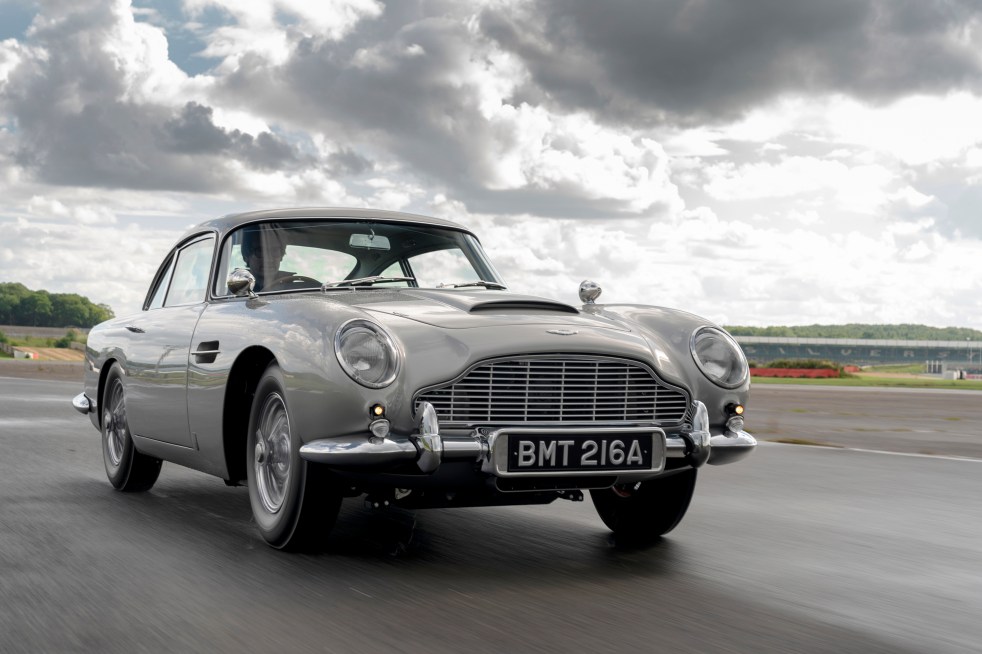
AstonMartinDB5GoldfingerContinuation_01

Many of the UK’s most talented craftspeople and engineers put the finishing touches to the first in a new but very familiar series of Aston Martin sports cars, as the first customer car in the DB5 Goldfinger Continuation programme left the production line last week.

The ‘Job 1’ DB5 represents not only another significant design and engineering success, but also becomes the first new DB5 to be built by Aston Martin in more than half a century as the British luxury sports car maker’s Continuation programme once again makes history.

Dubbed ‘the most famous car in the world’ and renowned as being among the most desirable and sought-after classic Aston Martin models, the DB5 has become a byword for timeless style and sports car desirability. Fewer than 900 saloon examples were built between 1963 and 1965, with by far the most famous of the original owners being the world’s best-known secret agent – James Bond – who first drove the car that is today inextricably linked with him in the 1964 film, Goldfinger.

Now, 55 years after the last new DB5 rolled elegantly off the production line at Aston Martin’s then global manufacturing base in Newport Pagnell, Buckinghamshire, work is ongoing there on a strictly limited number of new DB5 models.

Created in association with Bond filmmaker EON Productions, and featuring a broad suite of working gadgets first seen in the film, the Aston Martin DB5 Goldfinger Continuation cars really are history in the making. The new cars include an array of functioning devices created by Bond film special effects supervisor Chris Corbould OBE.

The list of Bond-inspired gadgets includes:

Exterior:

Rear smoke screen delivery system
Rear simulated oil slick delivery system
Revolving number plates front and rear (triple plates)
Simulated twin front machine guns
Bullet resistant rear shield
Battering rams front and rear
Simulated tyre slasher
Removable passenger seat roof panel (optional equipment)

Interior:

Simulated radar screen tracker map
Telephone in driver’s door
Gear knob actuator button
Armrest and centre console-mounted switchgear
Under-seat hidden weapons/storage tray
Remote control for gadget activation
Each of the 25 new cars are meticulously detailed authentic reproductions of the DB5 seen on screen, with some sympathetic modifications and enhancements to ensure the highest levels of build quality and reliability. All the Goldfinger edition cars are being built to one exterior colour specification – Silver Birch paint – just like the original.

The cars feature original DB5 styled aluminium exterior body panels cloaking an authentic DB5 mild steel chassis structure. Under the bonnet there’s a 4.0-litre naturally aspirated inline six-cylinder engine with a six-plug head, three SU carburettors and oil cooler, that’s capable of generating in the order of 290 bhp. This is mated to a five-speed ZF manual transmission in the rear-wheel drive DB5, which also features a mechanical limited slip differential.

Servo-assisted hydraulic Girling-type steel disc brakes, rack and pinion steering – which does not feature assistance – and a suspension set-up comprising coil over spring and damper units with anti-roll bar at the front, and a live axle rear suspension with radius arms and Watt’s linkage, complete the dynamic package.

Scores of world-class Aston Martin craftsmen and women, technicians, development engineers and designers have been involved in the project, working carefully with a suite of handpicked suppliers from across the world and ensuring that each new DB5 matches not only the aspirations of its owner, but also the duty to the brand’s proud 107-year heritage.

Marek Reichman, Chief Creative Officer of Aston Martin Lagonda, said: “The DB5 is, without question, the most famous car in the world by virtue of its 50-plus year association with James Bond. To see, the first customer car finished, and realise that this is the first new DB5 we have built in more than half a century, really is quite a moment.

“It is a genuine privilege, and significant responsibility, to have been involved in the shaping of this new DB5 and to be helping to lead the creation of new versions of this automotive icon. I’m absolutely certain that the 25 lucky owners who are beginning to take delivery of these cars will be thrilled with them.”

First deliveries of the DB5 Goldfinger Continuation to customers have commenced and will continue through the second half of 2020.

Nissan India Releases Glimpses Of The Much-Awaited Upcoming B-SUV

Nissan B-SUV_Teaser

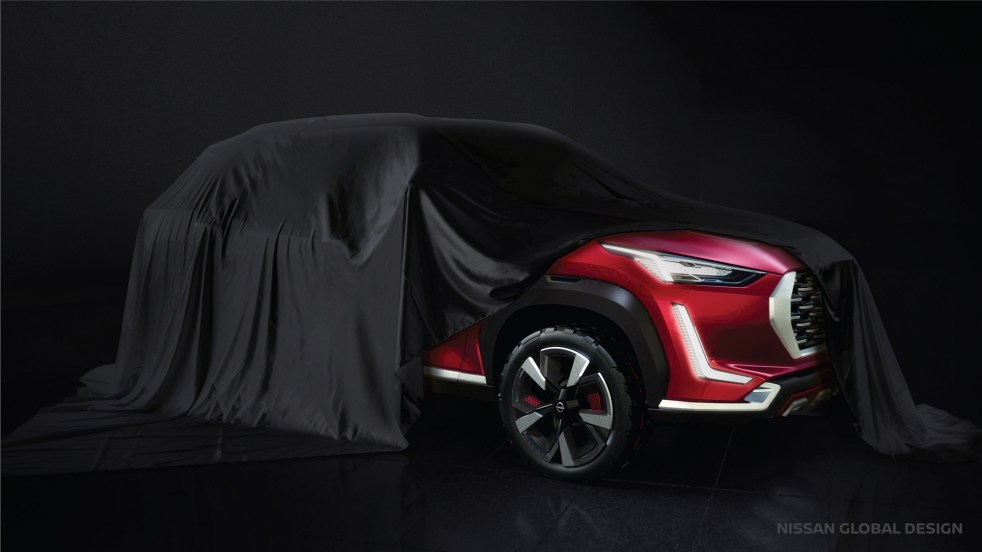
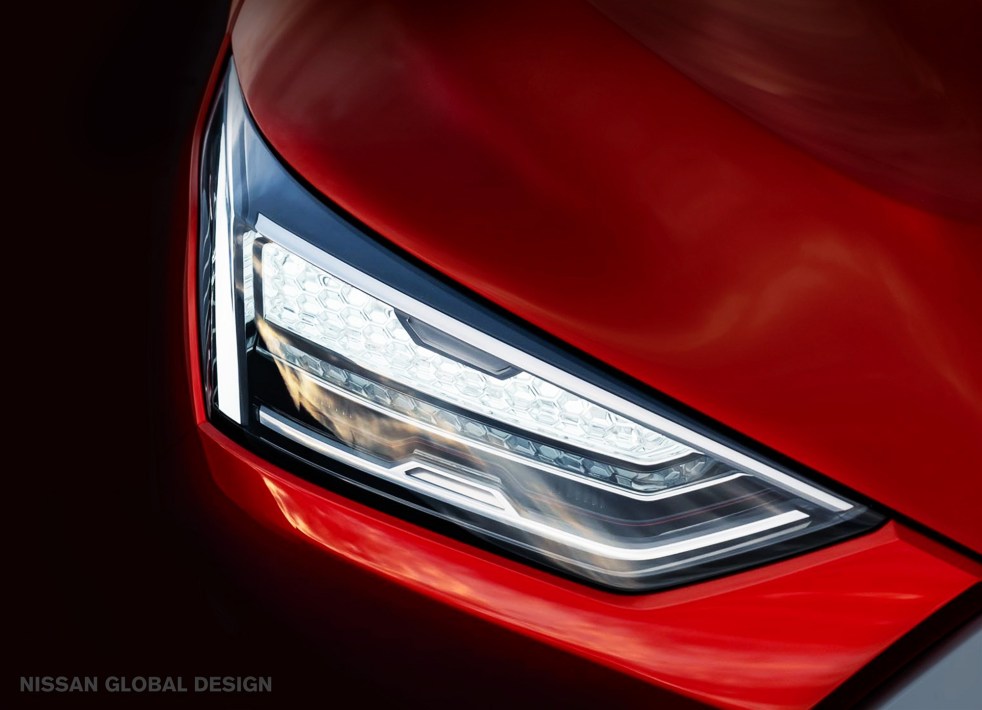
Nissan India today revealed glimpses of the headlights and grill of its new B-SUV concept. For the first time, the B-SUV concept will be showcased to the world on July 16, 2020 at the global headquarters.

The company’s first Compact B-SUV for the Indian market reflects Nissan’s philosophy aimed at empowering people through breakthrough products and technologies. The compact B-SUV is scheduled to be introduced in the second half of FY 2020-21.

Nissan B-SUV_Teaser_

Building on Nissan’s global SUV heritage and advanced technology, the New Compact SUV is designed for tomorrow’s journey as a feature-rich premium offering with stylish design for a strong and dynamic road presence. Nissan’s new SUV features the latest technology as a part of Nissan Intelligent Mobility, the company’s vision as to how vehicles are powered, driven and integrated into society.

The B-SUV is a testimony to Nissan’s Global SUV DNA and Japanese engineering, building on Nissan’s iconic models such as the Patrol, Pathfinder, Armada, X-Trail, Juke, Qashqai and KICKS.