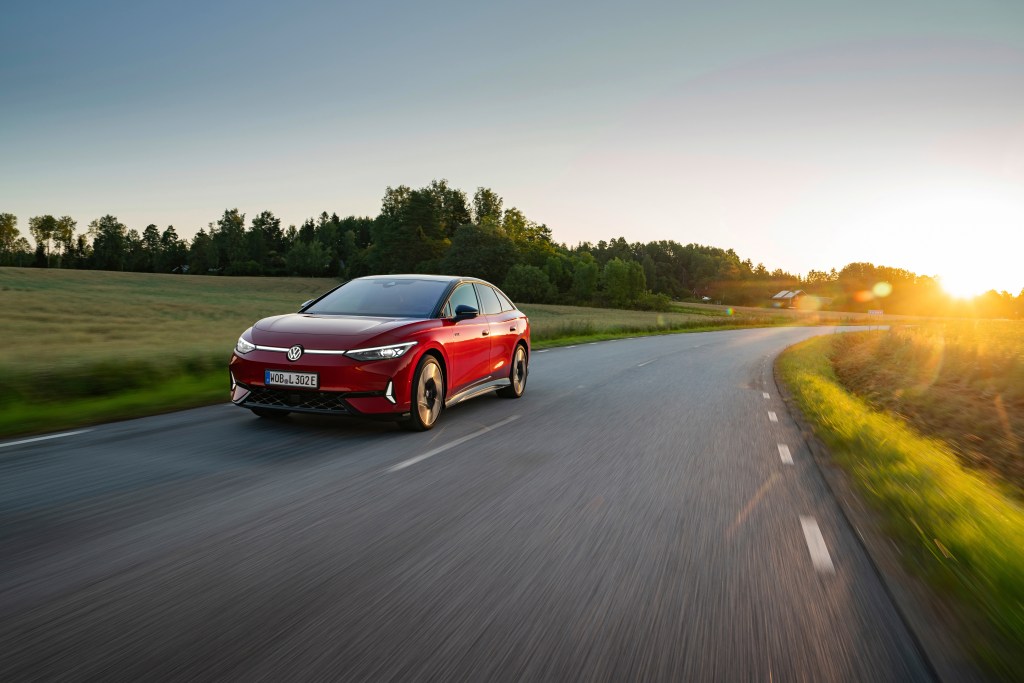
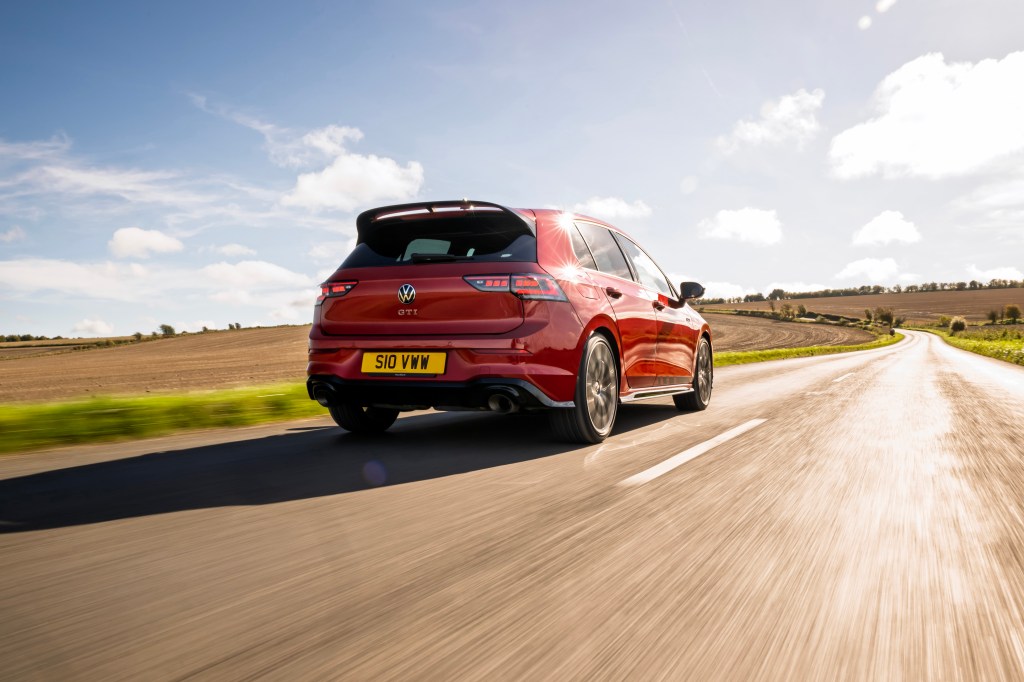
Millions of motorists are about to hit the open road as they head to music festivals and make the most of the August Bank Holiday – so Volkswagen has created the perfect playlist for summer drives.
Whether singing along to The Beatles in a Beetle or blasting N-Dubz in a V-Dub, the best road trips are accompanied by the perfect soundtrack. Volkswagen fans across the UK were asked online to suggest songs that make them wind down the windows and turn up the volume. From festival anthems to classic hits and nightclub bangers, the result is almost three hours of Volkswagen-inspired tunes.
The playlist is available on Spotify – just search for Volkswagen Summer Drives. Highlights include California Soul, VW Van and Young At Heart, which featured in a memorable Volkswagen TV advert in the early 1990s. Other favourites include Ride Like The Wind, In The Summertime and Ventura Highway; there’s even space for more niche tastes, with Autobahn by Kraftwerk.
The Summer Drives playlist is part of the new Volkswagen UK account on Spotify, which also lists hot hits and trending tunes from Volkswagen Retailer staff across the UK. Search for Volkswagen Retailer Top Hits to listen to their favourite tracks.
Whatever the preferred tunes or genres, Volkswagen’s latest cars make sure passengers can hear every beat, high note and harmony. Smartphones can be paired wirelessly with infotainment screens in seconds using Apple CarPlay and Android Auto, and models fitted with Harman Kardon speakers deliver razor-sharp acoustics.
From Beach Boys nostalgia to electropop Dragons Volkswagen fans clearly have wide-ranging tastes in music. The Summer Playlist spans more than five decades of hits, from timeless classics to modern anthems. The oldest song is from 1964 (I Get Around by The Beach Boys) while the youngest was released in 2017 (Thunder by Imagine Dragons).
American rock seems to be the pick of the genres, followed by pop with a smattering of country, blues and electronic music. Volkswagen drivers also seem to like songs that are energetic and nostalgic; 12 songs on the list match both of these moods, the rest being uplifting, melancholic and dreamy (playlist facts compiled with the help of AI).
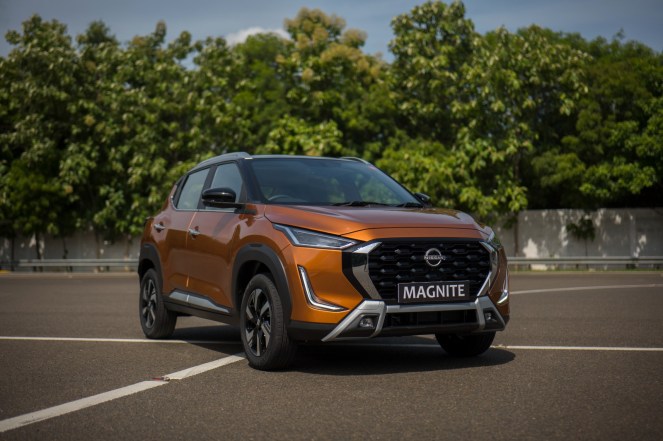
Nissan Motor India has launched a first of its kind 10-Year Extended Warranty Plan for the New Nissan Magnite. This is a segment first customer-focused initiative that underscores the brand’s long-term commitment to quality, reliability, and peace of mind. This plan has been announced immediately after the success of the New Nissan Magnite scoring a 5-star rating on overall passenger safety with a perfect 5-star rating on AOP (Adult Occupant Safety).
The plan offers 3 years of standard warranty, extendable through flexible plans of up to a 10-Year Extended Warranty Plan, ensuring a full decade of driving confidence and protection applicable for up to 10 years/2 lakh kilometres at a super affordable price of just 22 paise/kilometre or 12 INR/Day.
This 10-Year Extended Warranty Plan is designed to give customers greater confidence and peace of mind. This is part of Nissan’s customer service promise which includes service with value, trust and aimed at a sustainable future for Nissan customers. It reinforces Nissan’s global promise of Japanese DNA, quality standards, robust reliability and premium craftsmanship and technology.
With Nissan’s 10-Year Extended Warranty Plan, customers can enjoy complete peace of mind for up to 10 years. Comprehensive coverage offers cashless repairs across the country at any Nissan-authorised service workshops, with no limit on the number or value of claims. It ensures significant savings on unforeseen repair costs while guaranteeing high-quality service using genuine Nissan spare parts. Additionally, the Extended Warranty Plan can be easily financed through Nissan Finance along with the purchase of a new vehicle, offering customers seamless and convenient ownership experience.
Saurabh Vatsa, Managing Director, Nissan Motor India, said: “The New Nissan Magnite has emerged as a symbol of quality, reliability, safety, and long-term value for Indian customers, and we’re proud to see it stand tall with a prestigious 5-star safety rating from Global NCAP making it one of the safest B-SUVs in India. With the launch of our 10-Year Extended Warranty Plan, we’re going beyond the normal to offer a bold promise—a worry-free ownership for a decade. This initiative gives customers the freedom to enjoy their New Nissan Magnite without compromise, backed by Nissan’s proven quality, engineering and service excellence. We want our customers to focus on creating memorable journeys with the new Nissan Magnite, while we take care of the rest.”
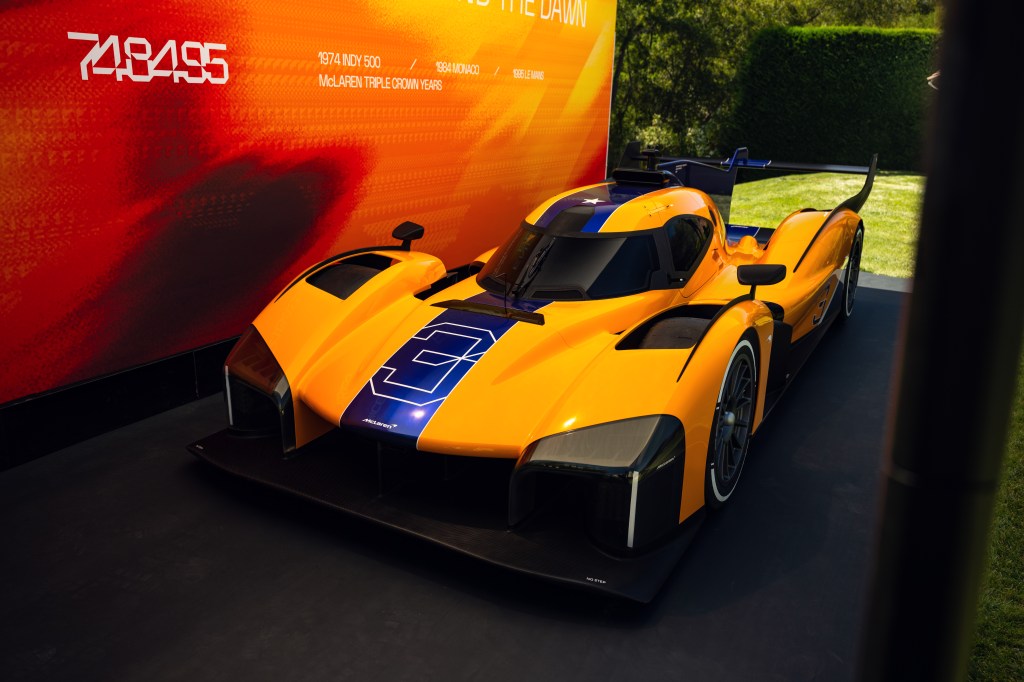
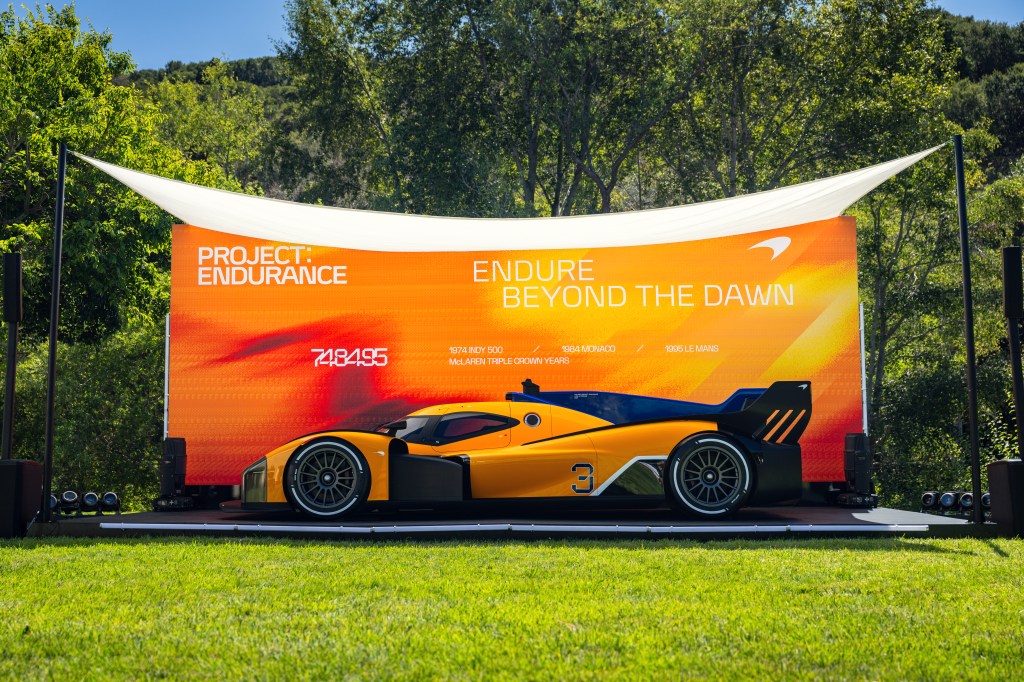
The McLaren Le Mans Hypercar was unveiled in a new livery for depositors and prospective buyers of the highly exclusive Project: Endurance customer car program during a private event at Monterey Car Week. Presented by McLaren Group Holdings CEO, Nick Collins and McLaren Racing CEO, Zak Brown, and hosted by Justin Bell, third place overall finisher at the 1995 24 Hours of Le Mans in the #51 McLaren F1 GTR, Project: Endurance showcased a new livery with a nod to the famed 1974 Indianapolis 500 winning McLaren M16.
First revealed at the 24 Hours of Le Mans in June, the McLaren Hypercar will make its competitive debut in the 2027 FIA World Endurance Championship (WEC) as McLaren campaigns to again win the Triple Crown of motorsport – this time in a single season.
The new livery takes its inspiration from the first of McLaren’s Triple Crown victories, when the M16, driven by Texan Johnny Rutherford, won the 1974 Indianapolis 500. The body colour is updated to McLaren Orange with a dark blue centre strip that is inspired by the colour of the Texas flag, and the roof of the cockpit is adorned with the lone white star of Texas as carried on the helmet design used by Rutherford – who was known as ‘Lone Star JR.’ The livery carries Lone Star JR’s race number 3 as well as McLaren’s Speedy Kiwi and Speedmark logos.
Project: Endurance offers the opportunity to own an authentic Le Mans Hypercar – a driving experience few will ever experience – and to be at the very heart of an elite motorsport development and testing program. This includes full behind-the-scenes access to the upcoming McLaren United AS WEC campaign, key team personnel and drivers as well as a comprehensive track driving program at world-famous race circuits.
Nick Collins, CEO, McLaren Group Holdings, said: “There is a huge level of excitement for Project: Endurance around the globe with customers and fans. The opportunity to be one of only a few to own this Le Mans Hypercar and be directly involved in the development and testing program is a very special proposition. We’re looking forward to showcasing Project: Endurance, with a livery tied specifically to our motorsports heritage in the US, to Americas customers and prospects throughout August.”
Inclusive to the Project: Endurance ownership experience, customers will enjoy a two-year McLaren customer track program that includes some of the world’s best race circuits. Each owner will receive driver coaching from a race professional, with individual pit crew and race engineers supporting throughout, allowing them a pathway to master their hypercar and push their limits at the pinnacle of sportscar racing.
Project: Endurance will be further showcased at events in Dallas and Miami through the end of August.
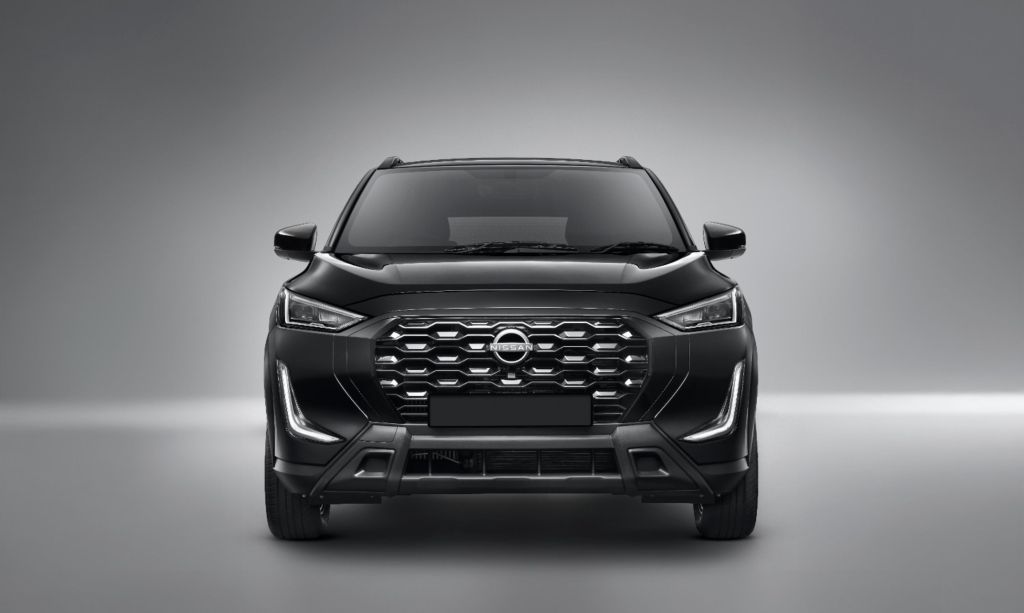
Nissan Motor India Private Limited (NMIPL) today announced the launch of its much-awaited New Nissan Magnite KURO Special Edition, a striking and premium, black-themed variant of its popular compact SUV. Starting at INR 8.30 Lakhs (ex-showroom, Delhi), the KURO Special Edition embodies ‘the boldest black’ philosophy, blending ‘boldest styling’, ‘suave interior black theme’ and Japanese-inspired design cues. The New Nissan Magnite KURO Special Edition is available for bookings at an attractive amount of INR 11,000. Customers can reserve their vehicle through authorized Nissan Motor India dealerships or by visiting the official Nissan Motor India website: http://www.nissan.in
The Magnite KURO Special Edition takes its name from the Japanese word for ‘BLACK’, celebrating an elevated sense of sophistication and Japanese design precision. This Special Edition offers a unique visual identity, boasting an all-black exterior and interior, making a premium, imposing and stylish statement both outside and inside. To enhance the customer experience and convenience, the Magnite Kuro Special Edition is available on the Nissan website through a visually impactful 3D configurator with photorealistic visuals, feature interactions and end to end journey.
FEATURE HIGHLIGHTS:
· The Magnite KURO Special Edition is being offered with both turbo-petrol and naturally aspirated petrol powertrain options
· A distinct and exclusive ‘KURO’ badge under the Magnite branding on the left fender
· A piano black front grille, resin black front and rear skid plates, gloss black roof rails, R16 diamond cut alloy wheels, and black door handles
· The Magnite KURO Special Edition comes with Signature Black LED headlamps with Lightsaber Turn Indicator as standard for better visibility and commanding road presence
· A premium and dark-themed interior with midnight themed dashboard, piano black finished gear shift garnish, piano black finished steering insert, sun visors and door trims
· Feature upgrades include sable black wireless charger as standard and a stealth dash cam as an accessory
Saurabh Vatsa, Managing Director, Nissan Motor India, said: “The New Nissan Magnite KURO Special Edition embodies bold design and refined craftsmanship, thoughtfully created in response to strong customer demand for a distinctive, premium, and feature-packed offering. The previous edition of the Nissan Magnite KURO Special Edition received an overwhelming response from customers for its striking all-black aesthetic and unique identity”.
He further added, “The New Nissan Magnite KURO Special Edition elevates the Magnite’s SUV presence while staying true to Nissan’s core promise of exceptional value, advanced innovation, and uncompromised safety. The recent 5-star GNCAP is testimony to our commitment to safety and deliver world class products from India under our ‘One Car, One World’ strategy. To celebrate this achievement, we are also introducing a brand new colour – Metallic Grey to the Magnite line-up.”
Further strengthening its appeal, the New Nissan Magnite has recently been awarded a 5-star Overall Passenger Safety rating from Global NCAP, making it one of the safest SUVs in India and South Africa. It achieved a perfect 5-star rating in the most credible GNCAP tests. Built on the enhanced CMF-A+ platform, the New Nissan Magnite, launched in October 2024, boasts of over 40 + standard safety features including 6 airbags, improved body structure incorporating 67% high tensile strength steel (>440Mpa), 6 Airbags, ABS + EBD, ESC, TCS, HSA, Brake Assist, TPMS among others.
Building on the Magnite’s success and recent GNCAP rating accolades, Nissan Motor India has also introduced a new metallic grey colour option, offering customers a fresh choice to match their personal style. The colour option will be available in the Tekna, Tekna + and N Connecta variants.
It is a little-known fact that the Kent town of Royal Tunbridge Wells hosted the first motor show in Great Britain. In 1895 the Royal Tunbridge Wells Horseless Carriage Exhibition attracted huge crowds, and this motoring milestone will be celebrated on the weekend of Saturday 2nd and Sunday 3rd August when more than 20 curated classic cars will be displayed along the tree-lined Georgian walkways of The Pantiles at the heart of the picturesque town.
This unique motoring festival will feature an eclectic display, exhibited by local world-renowned specialists, restorers and racing teams, in a celebration of the area and 130 years of motoring history.
Mazda’s history in the town is focused on the fact, that prior to the founding of Mazda UK in 2001, Mazda’s importer was based in town from the early 1970s until the end of the century, while today Mazda UK’s heritage fleet is still stored and maintained in the Kent town. Local dealer Hendy Group opened a new dealership earlier this year, located on the Kingstanding Business Park, it’s the latest evolution of Mazda’s retail presence in Tunbridge Wells.
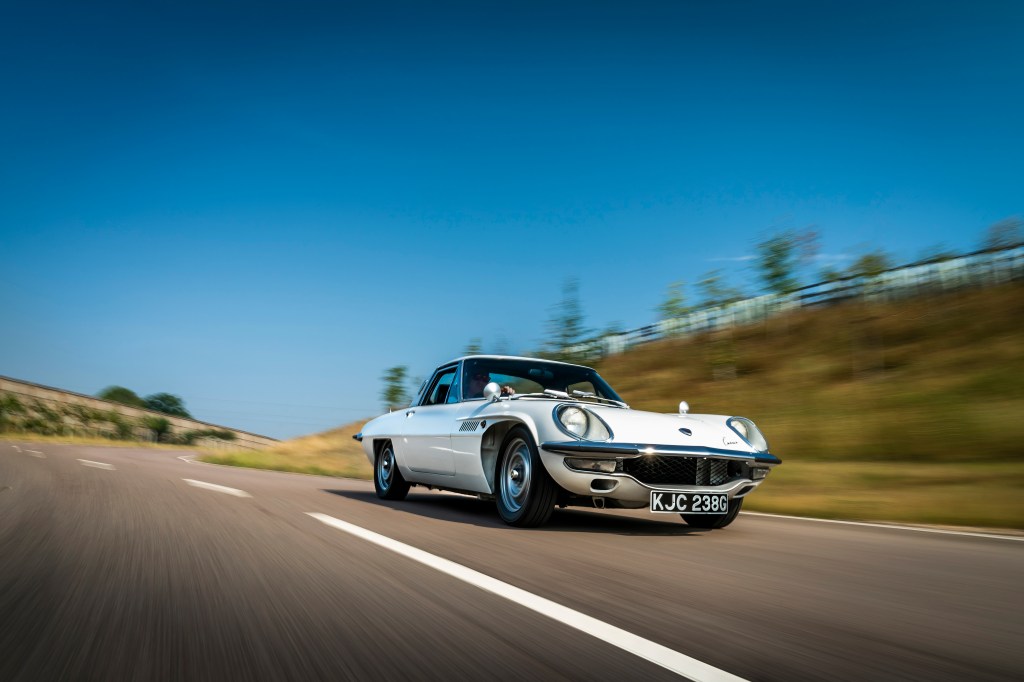
Thanks to this local connection, Mazda UK’s 1969 Mazda Cosmo will be displayed across the weekend at this significant motoring showcase that is presented in association with Octane Magazine.
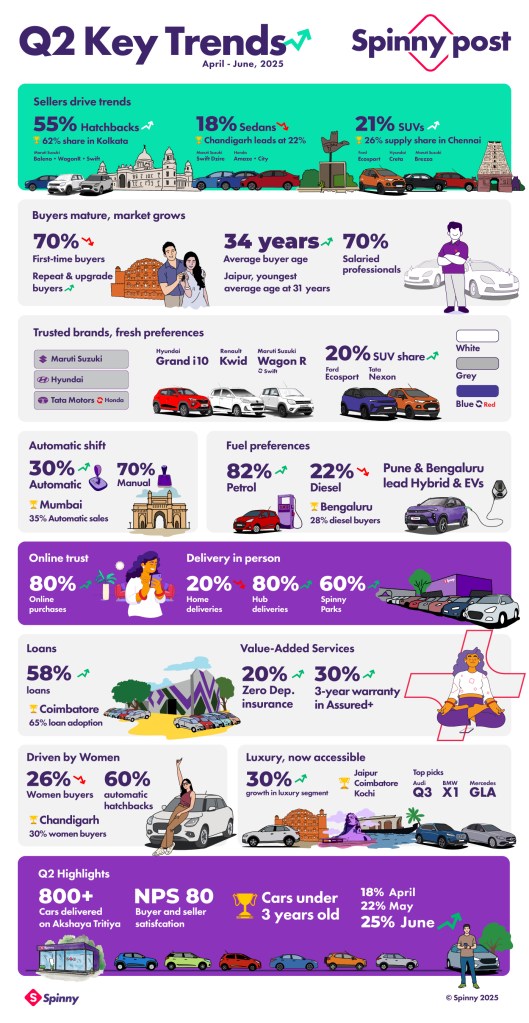
India’s used car market continues to evolve digitally, demographically, and geographically. Spinny, the country’s leading full-stack used car platform, has released its Q2 2025 Trend Report, offering a data-backed, consumer-first view of shifting buying behaviour across channels, formats, and regions.
Key Highlights Q2 2025
Automatic Cars – 30%
Home Deliveries – 20%
Hub Deliveries – 80%
Online Purchases – 80%
Women Buyers – 26%
Average Buyer Age – 34
Car Finance – 58%
First-Time Buyers – 70%
Petrol Preference – 82%
Sellers drive trends
Spinny’s Q2 data shows that hatchbacks made up the majority of seller supply at 55%, with Maruti Suzuki dominating the list of most-sold cars by sellers.
The WagonR, Baleno, and Swift were the most frequently sold models by sellers. In Kolkata, hatchbacks accounted for 62% of the city’s total vehicle supply.
SUVs accounted for 21% of the inventory, led by the Ecosport, Creta, and Brezza. Chennai recorded the highest SUV share, with 26% of vehicles supplied in the city falling under this segment.
Sedans made up 18% of total supply, with the Honda City, Honda Amaze, and Swift Dzire as the leading models. In Chandigarh, sedans comprised 22% of the city’s total vehicle supply.
Buyers mature with used car market growth
70% of Q2 buyers were first-time car owners, down from 74% in Q1, indicating rising repeat and upgrade buyers.
The average buyer age rose from 32 to 34 years, suggesting more thoughtful, value-driven decisions and a growing preference for used cars.
Trusted Brands, Fresh Preferences
● Maruti Suzuki and Hyundai retain the top two brand positions.
● Tata Motors moves ahead to third, replacing Honda, driven by new models and diverse fuel options.
● Top models include the Hyundai Grand i10, Renault Kwid, and Maruti WagonR, which overtook the Swift from Q1.
● White and Grey remain the most popular colours, while Blue has surpassed Red—signalling a shift toward bolder, trendier choices.
● SUVs continue to grow, holding a 20% share, led by the Ford EcoSport.
Fuel and transmission shifts
● Automatic cars accounted for 30% of Q2 sales, up from 29% in Q1, led by Mumbai with 35% automatic purchases.
● Petrol vehicles remain dominant at 82%, while Bengaluru had the highest share of diesel buyers at 28%.
● Pune and Bengaluru are showing growing interest in hybrids and EVs.
City-by-City landscape diversifies
Spinny’s data highlights unique regional trends:
● Bengaluru was the fastest-growing city overall, with diverse fuel preferences and strong demand
● Kochi led in home deliveries, with over 40% opting for doorstep handovers
● Chandigarh had the highest share of women buyers (30%+)
● Jaipur hosted the youngest buyers, with an average age of 31 years
● Delhi NCR, Bengaluru, and Hyderabad remained top markets by volume, while Pune continued its upward climb
Online Trust, Delivery in Person
80% of Spinny customers bought their cars online in Q2, up from 77% in Q1. This digital-first journey—powered by transparent pricing, verified vehicle histories, and doorstep convenience—has become the norm.
While home deliveries dipped slightly to 20%, hub-based pickups increased to 80%, with 60% of those occurring through Spinny Parks. This shows that while customers trust booking online, many still value the touch-and-feel experience that hubs provide. Spinny Parks offer a premium, new-car-like buying experience.
Loans and VAS at work
● Financing continues to surge, becoming the preferred mode of ownership for salaried customers.
● 58% of buyers opted for car loans in Q2, up from 57% in Q1
● 70% of Spinny’s buyers are salaried professionals
● Coimbatore topped the chart with over 65% loan adoption
● Assured+ Warranty attach rate grew to 30% till June, reflecting growing demand for post-sale assurance
Women buyers: A consistent growth story
Women buyers accounted for 26% in Q2, a slight dip from 28% in Q1, but part of a strong multi- year growth trend. Over the last three years, women’s share on the platform has more than doubled, driven by rising independence, 60% preferred automatic hatchbacks, and gender- inclusive financing options.
Chandigarh led with over 30% women buyers, the highest in India, with strong presence also in Delhi NCR, Hyderabad, and Bengaluru. Continued focus on women-centric services is expected to drive further adoption in H2.
Luxury, now accessible
● Luxury demand remains strong, driven by experienced urban buyers and accessible pricing.
● Audi Q3, BMW X1, and Mercedes GLA were the top premium models in Q2
● Metro repeat buyers lead this segment, often choosing upgrades over first-time ownership
● Tier 2 cities like Jaipur, Coimbatore, and Kochi outpaced metros with over 30% luxury segment growth
Q2 Highlights
● Akshaya Tritiya marked Spinny’s highest-ever single-day sales, with over 800 cars delivered.
● Net Promoter Score (NPS) reached a record 80 in June, reflecting strong buyer and seller satisfaction.
● Preference for cars under 3 years old rose steadily, peaking at 25% in June—driven in part by the Spinny Assured+ program offering a 3-year warranty.
○ April: 18%
○ May: 22%
○ June: 25%
Q3 2025 Outlook: Festive, Fast, and Financially Enabled
Looking ahead, Spinny expects:
● A surge in purchases during Onam and Diwali
● Continued growth in finance-enabled, digital-first journeys
● Deeper EV and hybrid interest, especially in tech-forward cities
● Stronger focus on women buyers, supported by tailored services and support models
“India’s car buyers today are more confident, better informed, and increasingly digital,” said Niraj Singh, CEO and founder of Spinny. “We see a diverse market coming together through trust and transparency. Spinny continues to enable this journey—city by city, car by car.”
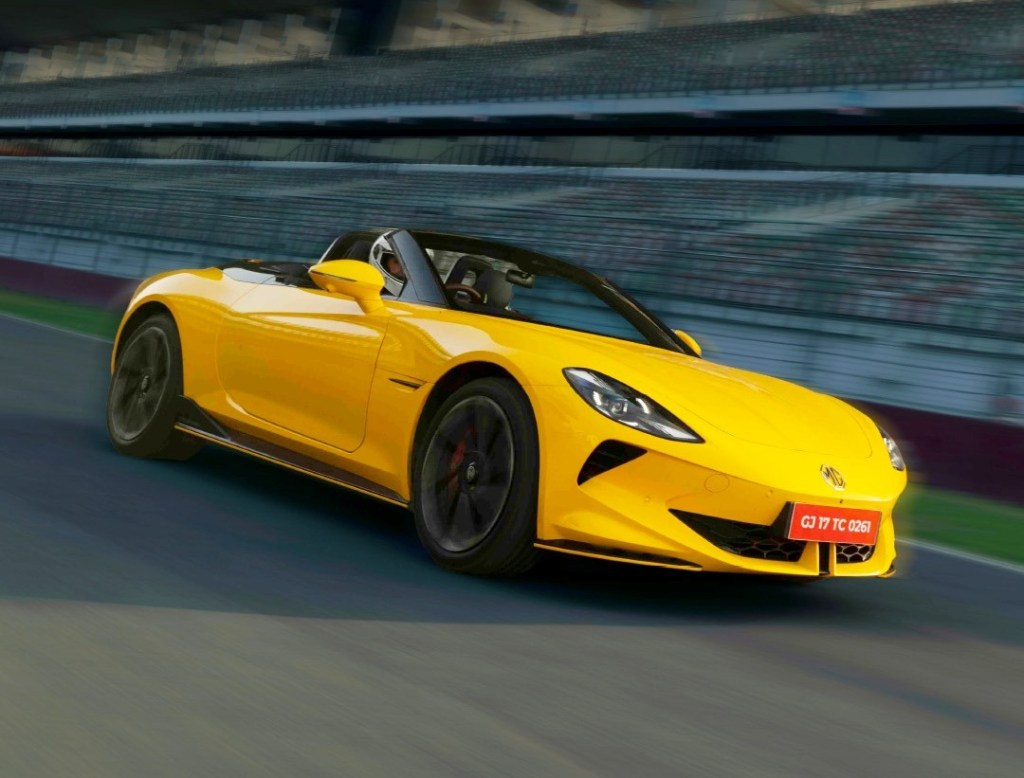
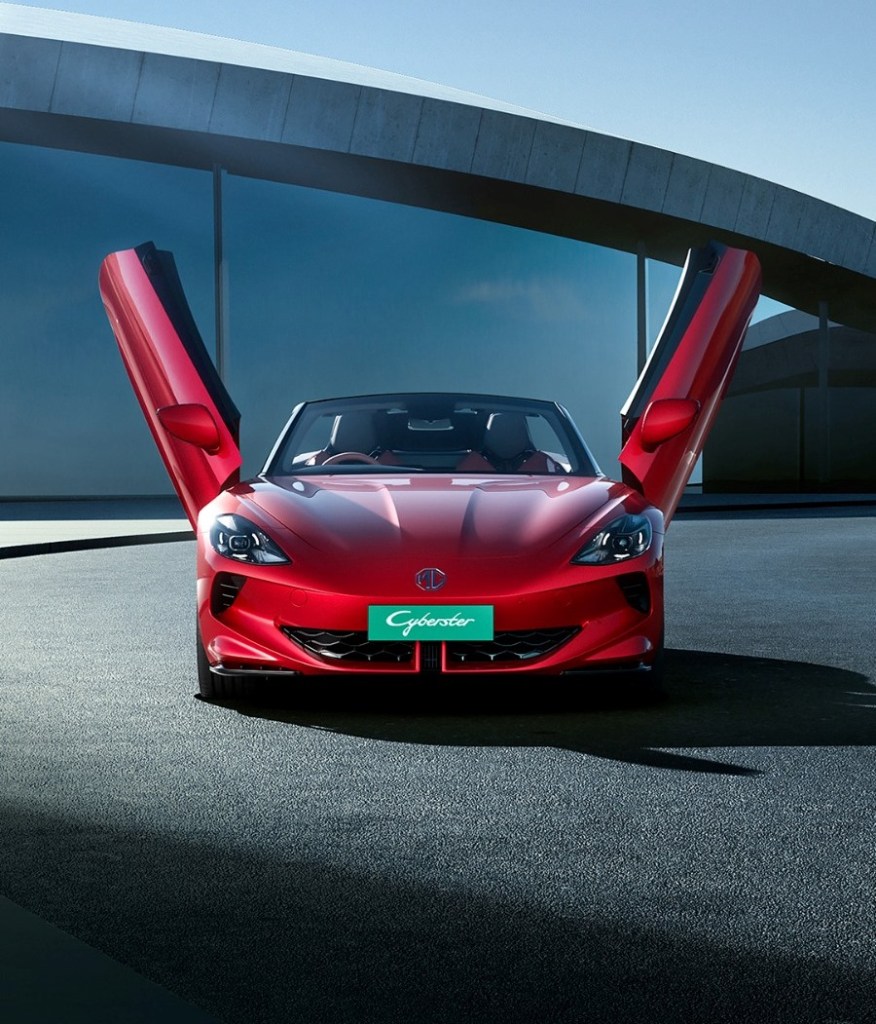
MG SELECT, the luxury brand channel of JSW MG Motor India has announced the launch of Cyberster – the World’s Fastest MG, embodying the brand’s motoring heritage and crafted for future. Available at a price of INR 74.99 Lakh for fresh bookings and INR 72.49 Lakh for Pre-Reserved bookings, the Cyberster fuses modern performance with the timeless appeal of classic open-top motoring.
Rooted in the spirit of the legendary MGB, the Cyberster reinterprets the roadster silhouette for the electric age, blending muscular proportions, elegant lines, and high-performance engineering in a form that is as captivating as it is conscious.
Anurag Mehrotra, Managing Director, JSW MG Motor India, said “At MG SELECT, we aim at curating experiences that spark emotion, inspire desire, and lead the shift towards conscious mobility. The MG Cyberster is a powerful expression of that philosophy. It is a car that is engineered for performance and designed to be remembered. For many, roadsters were once daydreams. The Cyberster brings that dream to life, with the freedom of the open road and the conscience of an electric future”.
The Cyberster’s silhouette is sculptural yet purposeful. Its electric scissor doors and soft-top roof evoke a sense of emotion. Its drag coefficient of 0.269 Cd attests to aerodynamic finesse. From the signature headlamps to the Kammback rear and active aero elements, every line carries intent. The front fascia is defined by distinctive LED lighting, sharp DRLs, and a sculpted bonnet, while the rear tapers elegantly into a full-width LED light bar with integrated indicators. The 20-inch staggered lightweight alloy wheels, paired with Pirelli P-Zero tyres, are engineered for superior grip and performance.
The interior mirrors this dynamic character. A wraparound, driver-centric cockpit is anchored by a futuristic triple-display interface—featuring a central 10.25-inch touchscreen and two 7-inch digital panels for seamless access to real-time vehicle data, entertainment, and settings. Dual-zone automatic climate control with PM2.5 filtration, along with steering-mounted paddle shifters for regenerative braking and drive modes, enhance the intelligent performance.
Sustainable Dinamica suede and premium vegan leather upholstery delivers a tactile, elevated feel, while a BOSE audio system with noise compensation ensures every drive is immersive and refined.
The Cyberster is available in four expressive dual-tone exterior combinations: • Nuclear Yellow with Black Roof • Flare Red with Black Roof • Andes Grey with Red Roof • Modern Beige with Red Roof
Beneath its sculpted exterior, the Cyberster is driven by a dual-motor all-wheel-drive powertrain that delivers 510 PS and 725 Nm of torque. With Launch Control Mode engaged, it sprints from 0 to 100 kmph in just 3.2 seconds, performance that is visceral. A 77 kWh ultra-thin battery pack, the slimmest in the industry at just 110 mm, offers an MIDC certified range of 580 kilometres and aids weight distribution and handling. An advanced thermal management system ensures long-term efficiency.
Engineered with the suspension and chassis expertise of former Formula 1 engineer Marco Fainello, the Cyberster features double wishbone suspension and a precise 50:50 weight distribution for razor-sharp handling and everyday comfort. Brembo 4-piston front brake callipers bring the vehicle to a stop from 100 kmph in just 33 m, delivering confident braking to match its performance.
Safety is built into the core. A high-strength H-shaped full cradle structure and Static Stability Factor (SSF) of 1.83 ensure best-in-class rollover resistance. Level 2 Advanced Driver Assistance Systems (ADAS), a real-time Driver Monitoring System, and a suite of features, including dual front and combination side airbags, electronic stability control, and electronic differential lock, work in concert to keep performance and protection seamlessly aligned.
(All India Ex-Showroom)
Pre Reserve Price
Post Launch Price
Cyberster
INR 72,49,800
INR 74,99,800
Post Launch Price will be applicable for bookings done after the launch
Pricing is inclusive of 3.3 kW portable charger, 7.4 kW wall box charger and standard installation.
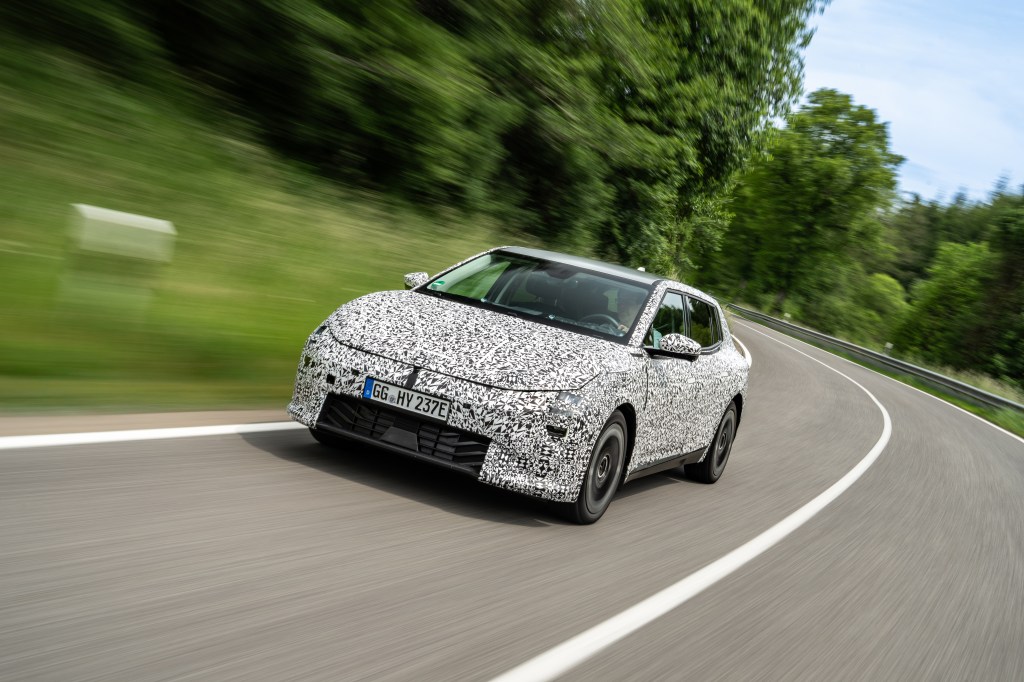
Kia continues to raise the bar for EV endurance for standard-performance models with the EV4, the company’s latest all-electric compact model. Designed with durability in mind, the EV4 features innovations that ensure stable performance over long distances, challenging climates, and extended use.
The EV4’s endurance can mostly be attributed to Kia’s fourth-generation battery system. The system combines advanced thermal management with optimised coolant distribution over all cell units. These enhancements ensure that the battery operates within safe temperature levels, even under high-stress conditions. By doing so, the system ultimately extends battery life and maintains consistent performance.
Following comprehensive endurance trials, including a 110,000-kilometre European road durability test and a 10,000-kilometre Nürburgring campaign simulating 90-to-95% of the model’s maximum performance output, the EV4 showed minimal wear and sustained battery efficiency. Repeated hypercharging sessions between laps at the Nürburgring added to the potential strain on the battery system. However, the EV4 maintained impressive performance throughout.
“To provide our customers a reliable, everyday EV, we had to validate the EV4’s durability both in real-world and extreme environments,” said Stephan Hoferer, Manager Durability Development at Hyundai Motor Europe Technical Center. “With the rigorous testing – from icy roads to racetracks, we’re confident the EV4 will deliver dependable performance well beyond everyday needs.”
Engineers confirmed a battery State-of-Health (SoH) of 95% after 10,000 kilometres of track testing and 110,000 kilometres of road testing, Kia’s extensive endurance testing programme proves the EV4 as a reliable, high-endurance EV for customers looking for confidence during long-term ownership.
On top of its battery performance, the EV4 benefits from regenerative braking. The system improves long-term efficiency by reducing battery strain and recapturing up to 25% of energy during deceleration. Thanks to its robust design and intelligent energy management, the EV4 is guaranteed to retain at least 70% of its battery capacity after 160,000 kilometres driven or eight years of regular use.
Nissan Motor India Pvt Ltd has announced that the New Nissan Magnite has been awarded a 5-star overall safety rating by the Global New Car Assessment Program (GNCAP). The New Nissan Magnite is manufactured at the Chennai plant and is exported to 65+ countries under Nissan Motor India’s ‘One Car, One World’ strategy for RHD and LHD markets. The New Nissan Magnite (RHD) spec sold in India and South Africa both, was tested by GNCAP and received a perfect rating of 5-star rating in adult safety and 3-star rating in child safety accumulating an overall 5-star safety rating for the passengers.
The New Nissan Magnite underwent rigorous testing, including assessments of adult occupant protection, child safety, and safety assist features. The vehicle demonstrated exceptional performance across all categories, showcasing its robust build quality, advanced safety features, and innovative design aimed at safeguarding drivers and passengers alike. The New Nissan Magnite, launched in October 2024, boasts of over 40 + standard safety features including 6 airbags, improved body structure incorporating 67% high tensile strength steel (>440Mpa), 6 Airbags, ABS + EBD, ESC, TCS, HSA, Brake Assist, TPMS among others.
Global NCAP’s crash test protocols assess frontal and side impact protection for all models, as well as ESC. Pedestrian protection and side pole impact protection assessments are required for vehicles scoring the highest star ratings.
Commenting on the achievement, Mr Saurabh Vatsa, Managing Director, Nissan Motor India, stated, “We are delighted to receive a 5-star safety rating for the Made In India New Nissan Magnite. Safety remains at the core of our engineering philosophy, and this reflects our dedication to providing our customers with secure, reliable, and technologically advanced and safe vehicles. As per our One Car, One World strategy, Nissan remains committed to the production and sale of the highest quality and safest cars in India for the domestic and export markets”.
The New Nissan Magnite is equipped with a comprehensive suite of safety features, including multiple airbags, anti-lock braking systems (ABS), electronic brake-force distribution (EBD), vehicle dynamic control, and more, ensuring protection on every journey. It also offers enhanced safety with a reinforced body structure, over 40 standard safety features including six airbags, electronic stability control, traction control system, and hydraulic brake assist. The Magnite’s bold and stylish design, 20+ first & best-in-segment features, and 55+ safety features make it a standout choice in the compact SUV segment.
Additional safety features such as three-point seatbelts for all seats, seatbelt reminders, child lock, ISOFIX child seat anchorages, and rear parking sensors now come as standard across all variants, ensuring every journey is not just comfortable but more secure than ever.
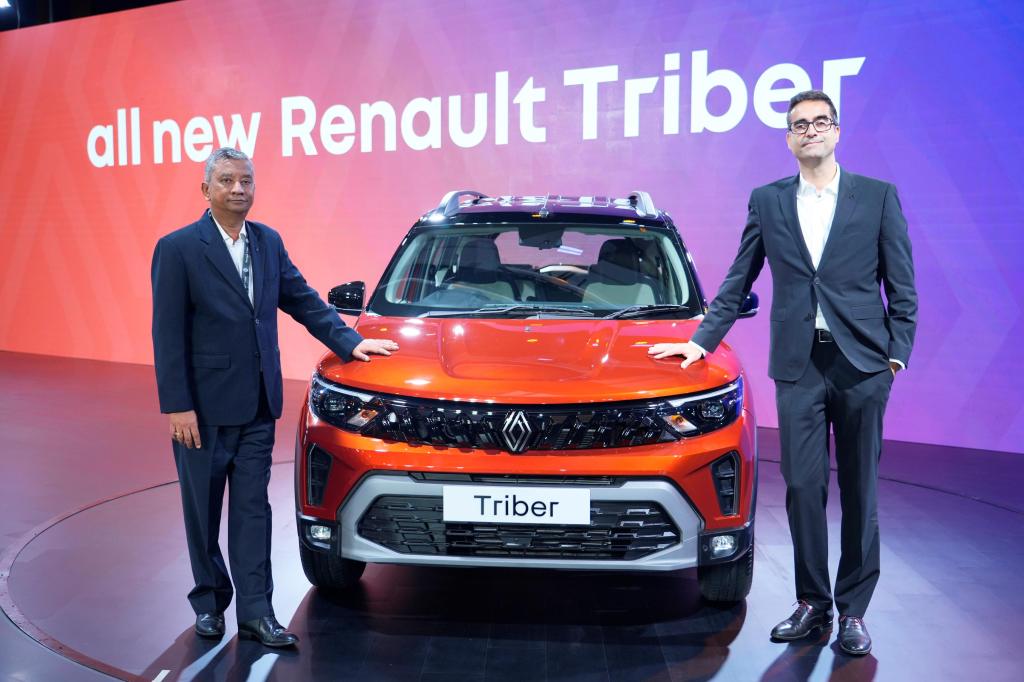
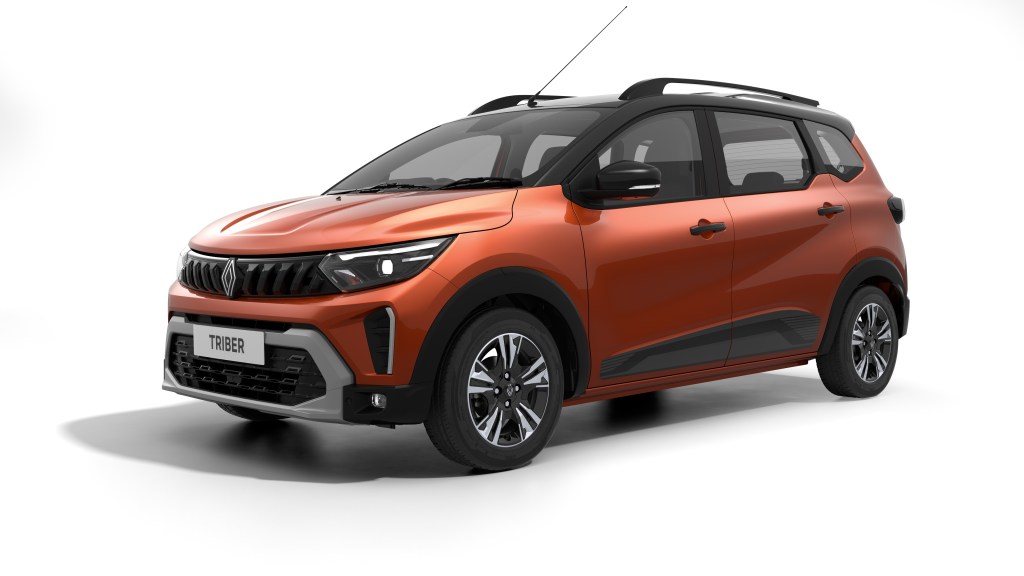
Renault India has launched the All-New Renault Triber with ex-showroom prices starting at INR 6,29,995. The new Triber comes with new and modern design language along with comfort enhancing features, while retaining its unique DNA of modularity, adopting to rethink space philosophy.
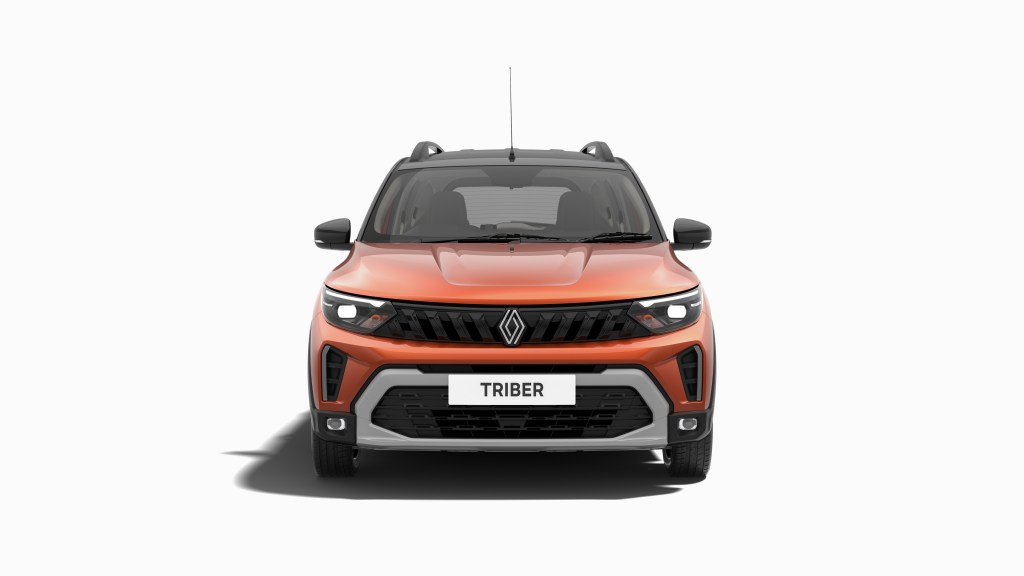
The All-New Renault Triber sports a completely redesigned front fascia, featuring a bold new grille, sculpted new hood, refreshed bumper, new sleek LED projector headlamps with integrated LED DRLs and new LED fog lamps.
Inside, the cabin has been revamped with a stylish dual-tone dashboard, seamlessly integrated with an 8-inch floating touchscreen display that supports wireless Android Auto and Apple CarPlay. The renewed interior also includes new seat upholstery, a modern LED instrument cluster, LED cabin lighting, and blacked-out door handles for a premium touch.
At the rear, the new Triber showcases a redesigned bumper, updated LED tail lamps, a new skid plate, and a stylish tail lamp connecting embellisher, completing its contemporary makeover.
The car equipped with 35 new features, is the first ever product under renault. rethink. brand transformation strategy. In line with rethink space philosophy, it offers best-in-class modular seating with 3rd row Easy-Fix seats configurable as a 5, 6, or 7-seater, complemented by a segment-leading boot space of up to 625 litre, allowing customers to use the car in unique and innovative ways to fulfil their varied lifestyle utilities.
Designed with thoughtful enhancements, the new Triber is now available in four new variants, Authentic, Evolution, Techno and Emotion.
The new Triber now comes fitted with 21 standard safety features including 6 Airbags, ESP, TPMS, EBD with Brake Assist to name a few. Further adding on the safety features is Front Parking Sensor, available for the first time in the segment.
Speaking at the launch, Mr. Venkatram Mamillapalle, Managing Director, Renault India, said, “India remains a cornerstone of Renault’s global strategy, driven by a strong product pipeline, expanding export operations, and a renewed focus on customer satisfaction — exemplified by the launch of the All-New Triber. This model is also the first in India to proudly feature Renault’s new brand logo, symbolizing the company’s bold, modern direction and deep alignment with Indian aspirations.”
He further added that “As a fully integrated operation with a manufacturing plant, R&D centre, and design studio based in India, Renault continues to develop and produce vehicles tailored specifically for Indian customers — truly by India, for India. The new Triber is over 90% localized, underscoring Renault’s long-term commitment to the Indian market.”
Asserting the significance of the new launch, Mr. Francisco Hidalgo, Vice President (Sales & Marketing), Renault India, said, “The Triber has always reflected our deep understanding of the evolving needs of Indian families — blending smart engineering, modularity, and exceptional premium value. With the All-New Triber, we continue to champion our ‘rethink space’ philosophy, offering India’s most spacious sub-four metre car, now with a fully renewed design and features. This launch brings the spirit of renault. rethink. to life in the most tangible way, and we are confident it will further accelerate our momentum and strengthen Renault’s footprint in India.”
All-New Triber delivers a maximum power output of 72 PS at 6250 rpm and a maximum torque of 96 Nm at 3500 rpm. Transmission options include a 5-speed manual transmission available across all variants. The top-end Emotion variant also offers the advanced Easy-R AMT, enhancing driving comfort and convenience. This powertrain setup ensures a smooth and responsive performance suited for both city and highway driving.
Offering an absolute peace of mind, the car comes with 3-year standard Warranty extendible up to 7 years / unlimited kilometres coverage under Renault Secure program. To enhance the accessibility, now the new Triber is available with government approved CNG retrofitment kits across country along with a 3-year warranty.
The made in India Triber already enjoys 1.84 lakhs happy customers in the country and it is exported to over a dozen countries around the world. The All-New Triber flaunts bolder looks, rich features and packed with thoughtful premium technology upgrades, reaffirming Renault’s commitment to design-led and people-centric innovation for the Indian customers.
The brand is well entrenched in the country with over 350+ sales and 450+ service touchpoints across the country. The introduction of the All-New Triber marks an important milestone in Renault’s product renewal strategy, aimed at claiming its due position in the dynamic and competitive Indian automobile market.



 Power Drive