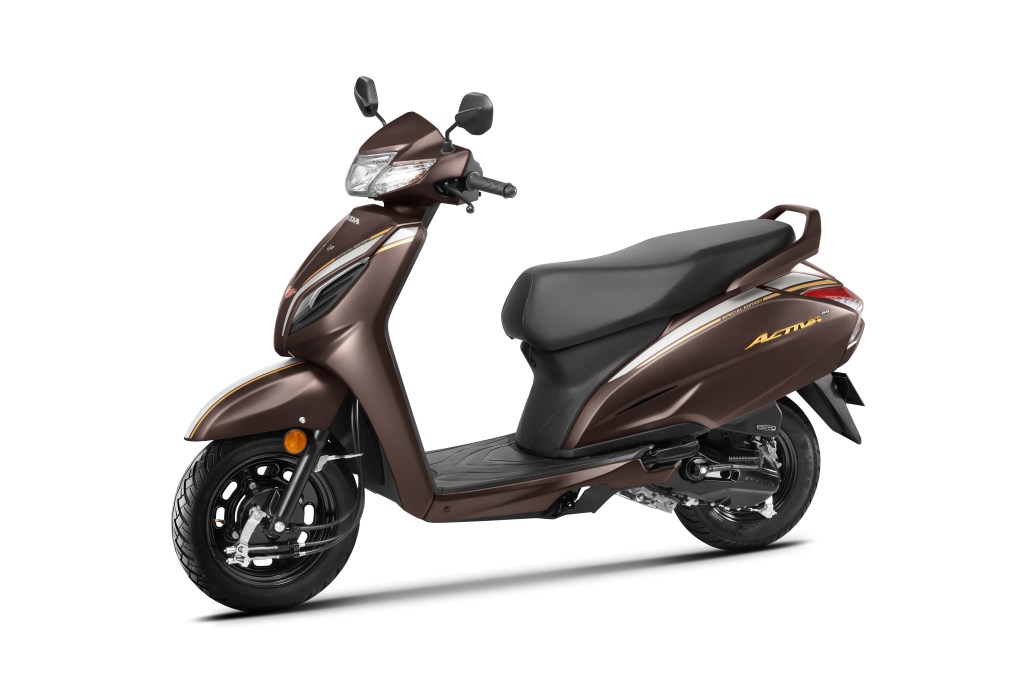
The Honda Activa has entered into its two decades of successful run in the country. Celebrating the success of Activa’s 20-years journey of trust of over 2 crore Indian customers, Honda Motorcycle & Scooter India Pvt. Ltd. has launched the special 20th anniversary edition of Activa 6G.
Talking about the 20-year journey of Activa, Mr. Atsushi Ogata, Managing Director, President & CEO, Honda Motorcycle & Scooter India Pvt. Ltd. said, “The legend was born 20 years ago, when Honda realized The Power of Dreams of India with its debut model – Activa. Since then, every new generation of Honda Activa has introduced Indian riders to advance global technologies ahead of time – be it Combi-Brake System in 2009 (a decade before the norms), Honda Eco Technology (HET) in 2013 or the latest enhanced Smart Power (eSP) technology and 26 new patent applications in 2020 Activa 6G. Celebrating Indian customers love and trust on Activa – the true gold standard of unisex family commute, we are delighted to launch the special 20th Anniversary edition of Activa 6G.”
Introducing the 20th anniversary edition of Activa 6G, Mr. Yadvinder Singh Guleria, Director – Sales & Marketing, Honda Motorcycle & Scooter India Pvt. Ltd. said, “Delighting lacs of new customers every month, Activa is the torch bearer of India’s two wheeler industry. We are proud to be a part of everyday life of incredible India. Today, there is hardly any place in India where you can’t spot a Activa. As a first choice of every Indian family, this specially curated 20th anniversary edition is to celebrates Activa’s inseparable bond with our customers. Starting from the brand new Matte Mature Brown colour which is a first ever introduction on any Honda scooter to the distinctive gold embossed logos and more distinctive design cues, Activa 6G – 20th anniversary edition is as precious as gold!”
The overall appeal of 20th anniversary edition Activa 6G is enhanced by the all new colour – Matte Mature Brown with matching rear grab-rails. Providing more distinctive look are the shiny embossed 20th year anniversary logo and the special golden Activa logo. Instantly recognizable new stripes on front adds to the visual drama and makes the Activa 6G standout in the crowd. The firm on road grip gets stylish with the help of black steel wheels on both front and rear. Further accentuating the modern looks are the brown inner cover and seats. Enclosing the compact weight crankshaft is the black crankcase cover.
With a BSVI engine powered by eSP, the Activa 6G is developed with as many as 26 patent applications and a plethora of advanced features. Honda’s trusted 110cc PGM-FI HET (Honda Eco Technology) engine brings future technology to the present and results in 10 per cent increased mileage. The sophisticated and precise Enhanced Smart Power (eSP) technology with unique Honda ACG starter for a Silent Start every time. Adding new value to this, are the many new incredible features. The new telescopic suspension with increased ground clearance ensures smoother rider over rough roads. Moreover, the new engine start/stop switch, new external fuel lid easily accessible by the integrated dual function switch and bigger 12-inch front wheel make the Activa 6G – a true game changer.
Deliveries starting immediately, the 20th Anniversary edition of Activa 6G is available in two variants (Standard & Deluxe) priced at INR 66,816 for Standard and INR 68,316 for Deluxe (ex-showroom, Gurugram, Haryana).
In the run-up to the launch of the all-new Nissan Magnite next month, Nissan India has further strengthened customer-centric services with highly-trained channel partners, an end-to-end digital ecosystem and virtual showroom with vehicle configurator:
The vehicle configurator provides a seamless exterior and interior experience of all grades, powertrain and feature combinations including “tech pack”
End-to-end E-commerce from booking to delivery including finance process
First-in-industry virtual test-drive feature that allows the customer to take a test drive from home on their personal device. This is a unique interactive experience where the customer gets a first-hand experience of being on a test drive of the all-new Nissan Magnite on road with a virtual sales consultant
Furthermore, Nissan India is enhancing its customer connectivity with 30 new service stations and 20 new showrooms across the country. This is in line with the Nissan NEXT strategy to prioritize and invest in the Indian market for sustainable growth.
“Nissan India’s focus is onto improving customers connectivity by providing a seamless journey through these company-owned platforms. We are adapting and adopting the changes in the marketplace to strengthen Nissan’s commitment to the Indian customer on product and service assurances,” said Sinan Ozkok, President, Nissan Motor India.
Nissan India has also introduced ‘Nissan Express Service’ to deliver a quick and comprehensive service experience in just 90-minutes. Nissan will extend the service reach to its customers by conducting “Nissan Service Clinics” in 100+ upcountry locations. Nissan customers may book services and even check costs online through the Nissan Service Cost Calculator via Nissan Service Hub (website) or Nissan Connect, bringing utmost transparency to the process supported by Nissan’s 24/7 Roadside Assistance available in over 1500 cities.*
Keeping health and safety of its customers in mind, Nissan’s ‘Convenience of Doorstep Service’ follows firm standard operating procedures to provide customers with best car service without having to leave their home. Nissan India also offers ‘Pick-up & Drop-off’ services of Nissan cars to and from dealerships which mitigates the risk of infection and minimizes disruptions in the schedule of customers.
“With India gradually becoming a more strategic base for value-added services, Nissan’s new and improved initiatives will underscore our desire to give customers a hassle-free, safe, and satisfying sales and service process that is enhanced by a comprehensive digital ecosystem for discerning customers,” said Rakesh Srivastava, MD, Nissan Motor India.
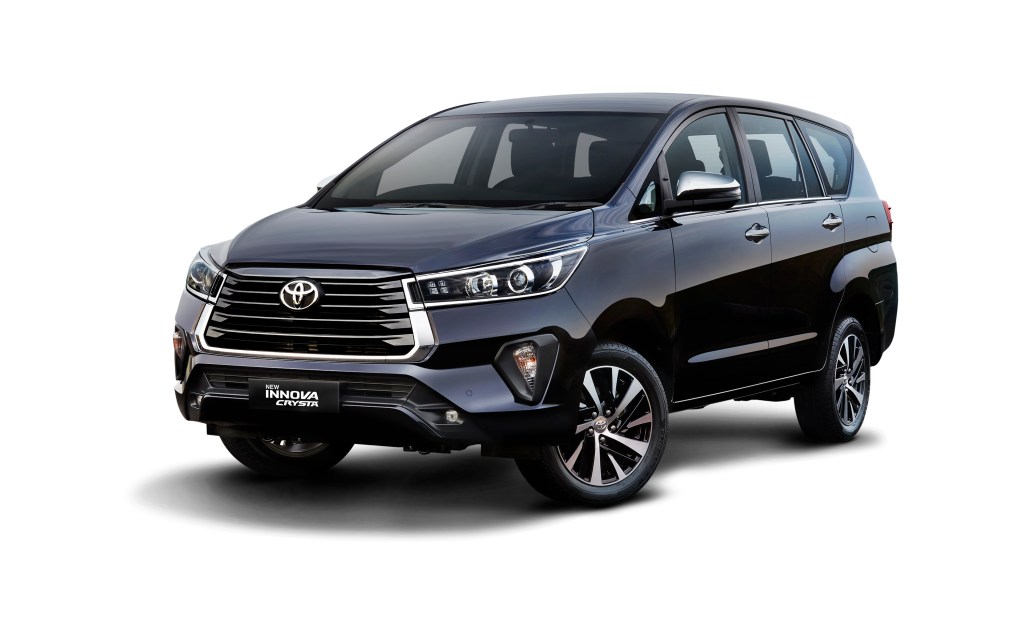
Toyota Kirloskar Motor (TKM) today announced the launch of the new Innova Crysta loaded with a host of features and a savvy new connected infotainment system. The new Innova Crysta is available in three variants – GX, VX & ZX grades and bears a price tag of INR 16,26,000 for the base variant and going upto INR 24,33,000 for the top trim (ex-showroom).
The new Innova Crysta gets a stylish and tougher exterior with features such as a new trapezoidal piano black grille with chrome ornamentation that smoothly merges into the headlamps, a sharper front bumper design and diamond-cut alloy wheels for a contemporary look. This much-loved MPV, has always been one of the safest vehicles with features such as seven airbags, Vehicle Stability Control and Hill Start Assist. Safety has been further bolstered with front clearance sonar (with MID display) to prevent collisions while parking in tight spaces and offer a stress-free driving experience.
To further increase the luxury quotient, the interiors get a fresh look too with the option of new upholstery colour of Camel Tan in the ZX grade. In line with the latest trend of connected infotainment, a new and larger Smart Playcast touchscreen audio with Android Auto and Apple Carplay has been introduced in the upgraded Innova. Besides, customers can now enjoy vehicle connectivity features such as real-time vehicle tracking, geofencing, last parked location and many more as optional accessories in the new Innova Crysta.
Speaking about the launch, Mr. Naveen Soni, Senior Vice President, Sales and Service, TKM, said, “The Innova redefined the segment when it was introduced in India more than 15 years ago as a premium MPV that offers unrivaled comfort, convenience and looks, these skillfully combined with Toyota’s Quality, Durability and Reliability, made it a winner. Over the years, we have strived to make the Innova even better by imbibing the advanced technologies and features and launching improved versions regularly. The new and bolder Innova Crysta continues that legacy in accordance with our tradition of customer-first approach. We are confident that the customers will look forward to the latest avatar of the iconic Innova. The launch is particularly timed for those customers who are seeking unmatched safety and unrivaled comfort during long distances travel with family or on business needs.
Further, we would like to thank our loyal customers for their relentless trust that has made Innova the best-selling MPV in the country. Innova Crysta continues its unrivaled dominance with 43% of segment share,” he added.
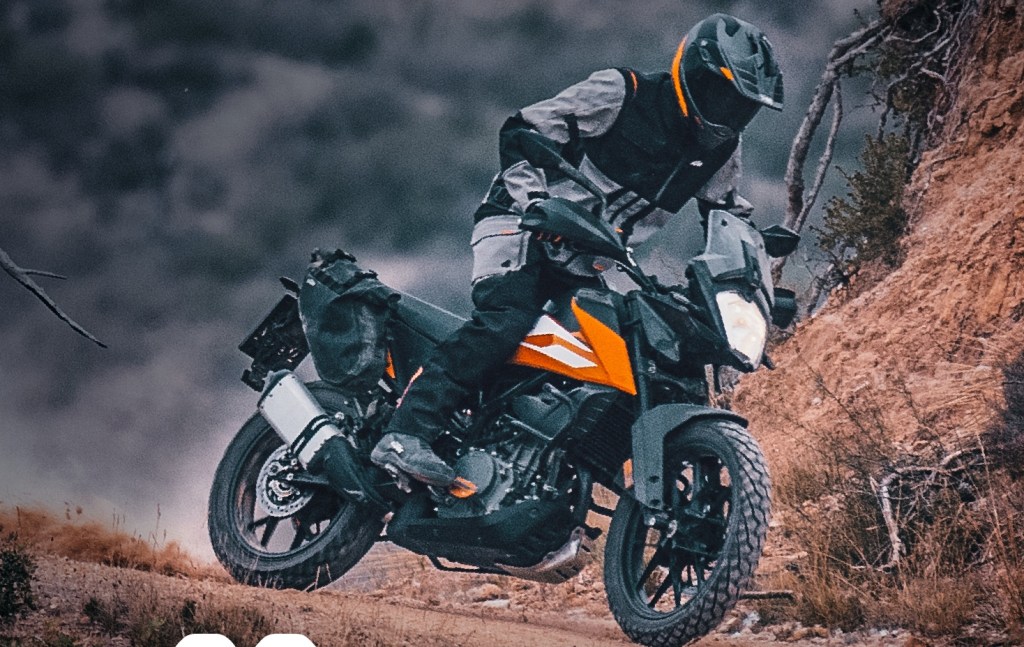
KTM announced the launch of the KTM 250 Adventure. Bookings commence at KTM showrooms across the country for the KTM 250 Adventure, priced at INR 2,48,256 (Ex-showroom Delhi).
KTM 250 Adventure is launched with the mission of expanding the emerging and rapidly growing segment of adventure motorcycles in India. Its elder sibling, the KTM 390 Adventure captured the imagination and aspiration of enthusiasts. The KTM 250 Adventure is expected to further grow the franchise by encouraging customers to take their first step into the world of Adventure biking.
Impressive handling and engine punch come in a lightweight package with this latest addition to the KTM Adventure family. Using elements of its larger displacement siblings, the KTM 250 Adventure is an extremely agile offering that forms the ideal entry point to the Travel-Enduro world.
The KTM 250 Adventure is powered by 248 cc DOHC four-valve single cylinder liquid cooled engine, which provides seamless delivery through the powerband that is also sprightly and fun when pushed more. Electronic Fuel Injection helps elevate the performance numbers to 30 hp power and 24 Nm torque. The technologically advanced Power Assist Slipper Clutch (PASC) assists with movement through the 6-speed gearbox and allows for smooth and jerk free clutch-less down shifting. In essence, the model adopts the high-quality of the craftsmanship, engineering and the Dakar Rally heritage that permeates the whole KTM Adventure line-up.
The KTM 250 Adventure uses a set of WP APEX suspension. The rear shock absorber has a 177 mm travel range with adjustable preload, while the WP APEX upside-down 43 mm front fork boasts 170 mm of travel. Matched with the heavy-duty cast wheels [19-inch /17-inch] and the travel-specific tubeless tyres, they provide outstanding damping in all conditions.
The cutting-edge BYBRE brakes made by Brembo feature a large 320 mm front brake disc with a 4-piston radially mounted calliper, together with a 230 mm rear disc. The ABS system by Bosch has an additional off-road mode that is engageable via a button on the dashboard, allowing you to steer the rear end into the corners with ease.
The 14.5-litre tank supported by the fuel efficient BS6 emission engines ensure that you are ready to take on adventures across long distances.
A wide array of KTM PowerParts has been specifically designed to further enhance the aesthetics and performance of the KTM 250 Adventure. The list of KTM PowerParts for the KTM 250 Adventure includes GPS brackets, radiator protection grill, crash bungs, headlamp protection and handlebar pads.
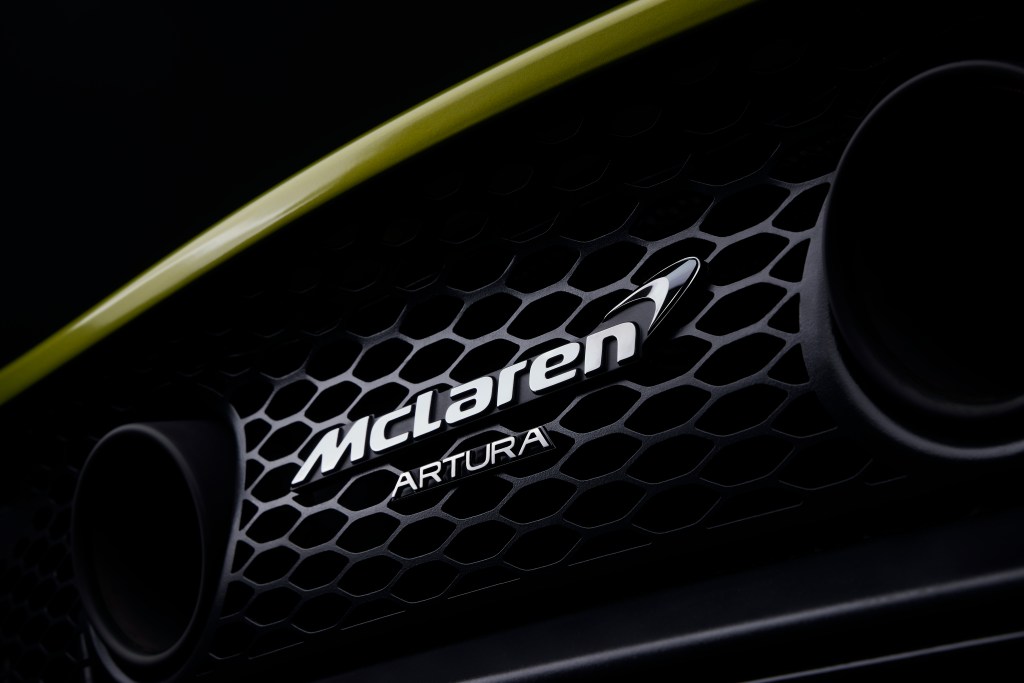
McLaren Automotive will bring the full force of its expertise in hybrid powertrain engineering to the supercar class next year with the introduction of the new Artura, a High-Performance Hybrid (HPH) developed with the benefit of more than half a century of McLaren knowledge, experience and engineering achievements in race and road cars.
All-new in every respect, the Artura marks the beginning of a new era for the pioneering British company. Building on the expertise in electrification first showcased in the McLaren P1TM hybrid hypercar unveiled in 2012 and more recently the Speedtail Hyper-GT, which entered production this year as McLaren’s fastest ever car with a top speed of 403kmph (250mph), the Artura is McLaren’s first High-Performance Hybrid series production supercar.
“Every element of the Artura is all-new – from the platform architecture and every part of the High-Performance Hybrid powertrain, to the exterior body, interior and cutting-edge driver interface – but it draws on decades of McLaren experience in pioneering super-lightweight race and road car technologies to bring all of our expertise in electrification to the supercar class”, said Mike Flewitt, Chief Executive Officer, McLaren Automotive.
The new Artura marks the debut of an all-new compact twin-turbocharged V6 petrol engine, designed to combine with an electric motor in a new lightweight High-Performance Hybrid powertrain that retains the performance benefits of McLaren’s larger capacity V8 engines and has the additional attraction of improved torque response at low engine speeds to deliver scintillating acceleration. The Artura can also run on electric power alone for everyday emission-free urban journeys.
The first car to be built on an all-new, platform architecture optimised for electrification and designed and manufactured in the UK at the McLaren Composites Technology Centre, the Artura furthers McLaren’s commitment to super-lightweight engineering principles that have their roots in motorsport. The additional mass of the High-Performance Hybrid system, for example, has been largely offset by the application of weight-saving technologies throughout the chassis, body and powertrain. Additionally, the McLaren Carbon Lightweight Architecture (MCLA) at the heart of the Artura not only enables the car’s class-leading weight advantage, it is also the base for the dynamic excellence inherent in every McLaren.
Nissan will reveal the price of the All-new Nissan Magnite on its launch in India on December 2, 2020. Customers will now get to experience the all- new Nissan Magnite and book it across all the Nissan showrooms in India.
“The upcoming launch of the all-new Nissan Magnite is a symbol of Nissan’s commitment to the Indian market for the discerning customers. The “Carismatic” SUV will come at a special introductory price with many special offerings for many of the Customers who have eagerly been waiting for its launch” said Rakesh Srivastava, Managing Director, Nissan Motor India.
2020 has been an imperative year for Nissan, right from the concept teaser to the global unveil to experiencing the SUV in the production state to now gearing up for the price and booking announcement.
“The all-new Nissan Magnite plays a vital role in Nissan NEXT. The all new Nissan Magnite is an SUV that is made in India, made for the world. As we continue to prioritize and invest in the Indian consumer, who is aspirational and discerning with vehicles, we aim for the all-new Nissan Magnite to be the first product that will enable sustainable growth. ” said Sinan Ozkok, President, Nissan Motor India.
At the heart of the all-new Nissan Magnite is the ‘Made in India’ engine, the HRA0 1.0-litre Turbo, which delivers maximum power of 100PS and maximum torque of 160Nm, while claiming to deliver fuel-efficiency of 20kmpl (ARAI figure).
The HRAO Turbo engine is available with a choice of either a 5-speed manual or a X-Tronic CVT gearbox. With Nissan’s cruise control and wider gear range, the all-new Nissan Magnite aims to delivers seamless performance even in peak city traffic. Its D-STEP logic control computer software uses dynamic inputs like vehicle speed, accelerator pedal position and application speed to determine the ideal gear ratio needed to deliver an exhilarating drive and smooth highway cruises.
“RNAIPL is proud to have begun the production of the HRA0, a first-of-its-kind Turbo engine in the country to offer such robust performance. Truly, the all-new Nissan Magnite is a testimony to Nissan’s global SUV DNA of relentless innovation, advanced technology, and Japanese engineering,” said Biju Balendran, MD & CEO, RNAIPL.
The HRAO Turbo engine borrows ‘mirror bore cylinder coating’ technology from world-class sports cars such as the Nissan GT-R, thus reducing resistance inside the engine, cutting weight, improving heat management and combustion, thus delivering smooth acceleration and efficient fuel use.
The HRAO Turbo engine also features six technical improvements that result in better fuel economy, lower CO2 emissions at 118.5g/km. The engine provides a new experience of responsive and quicker acceleration, whilst also refining noise, vibration, and harshness through improved powertrain and road noise isolation, resulting in a quieter cabin. The HRA0 1.0-litre Turbo engine also provides up to 50 per cent better acceleration compared to naturally aspirated engines, especially in take-off and overtaking situations.
Rakesh Srivastava, Managing Director, Nissan Motor India, commented: “The all-new Nissan Magnite embodies our philosophy of Nissan-ness, which stands for empowering people through breakthrough products and technologies. The development emphasizes on creating an effortless and highly enjoyable driving experience, while reducing emissions and offering great mileage – a compelling combination that every car owner can appreciate.”
The HRAO Turbo engine’s elastic accessory belt is made of a special material allowing it to run without a tensioner, reducing weight and friction, further improving fuel economy and reducing CO2 emissions. The compactly designed cylinder head, which features an integrated exhaust manifold and plastic cover, provides improved engine packaging and reduces the number of ducts for better and faster catalyst warming, resulting in cleaner emissions.
With a maximum power of 72 PS and maximum torque of 92 Nm, the all-new Nissan Magnite will also be available with the B4D naturally aspirated petrol engine. Paired with Nissan’s dual VVT system that delivers maximum response at all revs and ensures optimum acceleration, the B4D is the ideal choice for those looking for an engine that is easier to maintain.
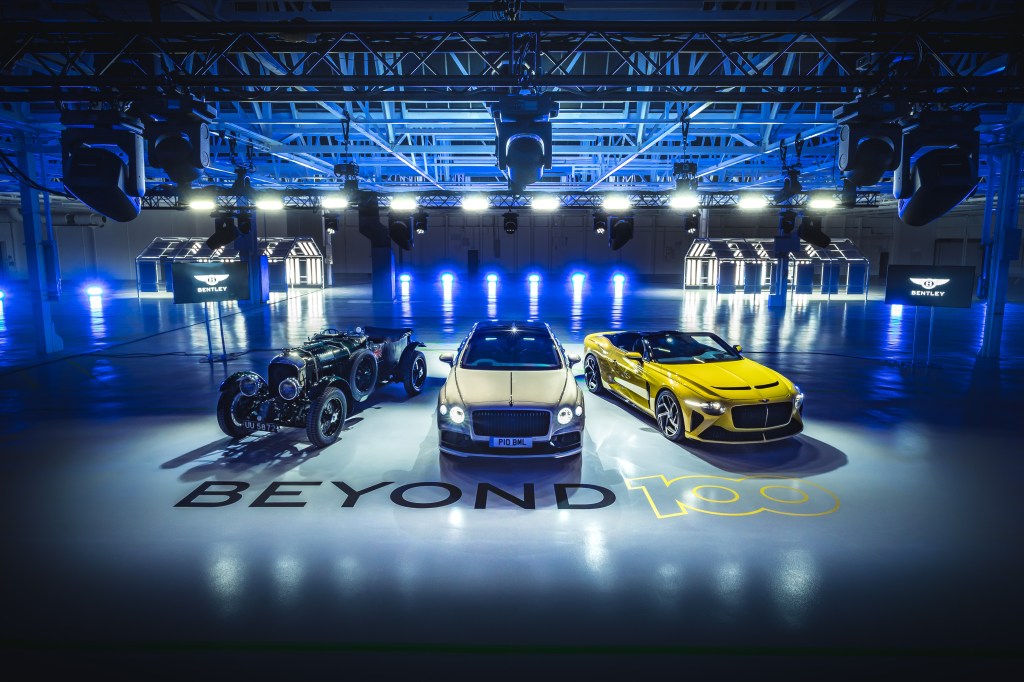
Bentley Motors has outlined plans to become a global leader in sustainable luxury mobility with further details of its Beyond100 strategy revealed today. With the promise to offer truly sustainable luxury, Bentley will reinvent every aspect of its business to become an end-to-end carbon neutral organisation as it embarks on its second century. The target is driven by a transformation programme across Bentley’s entire operations and products. This includes switching its model range to offer exclusively plug-in hybrid or battery electric vehicles by 2026, and full electric vehicles only by 2030.
The announcement highlights Bentley’s plans to provide extraordinary mobility for the next century, evolving from the world’s largest producer of 12-cylinder petrol engines to having no internal combustion engines within a decade, reinventing itself as a leader in sustainable luxury mobility.
The Beyond100 strategic plan is an extension of two decades of forward thinking, innovation and achievement. Acutely aware of the responsibility to consider its environmental, social and economic impact, Bentley has transformed its 80-year-old headquarters into the UK’s single carbon neutral luxury car factory. In parallel, the luxury marque has grown to operate in more markets than ever before, 68, while creating a long-term, consistent, sustainable business model, a truly solid basis to build for a second century.
Adrian Hallmark, Chairman and Chief Executive Officer of Bentley Motors, said: “Since 1919, Bentley has defined luxury grand touring. Being at the forefront of progress is part of our DNA – the original Bentley boys were pioneers and leaders. Now, as we look Beyond100, we will continue to lead by reinventing the company and becoming the world’s benchmark luxury car business
“Driving this change includes, and also goes beyond our products, delivering a paradigm shift throughout our business, with credibility, authenticity, and integrity. Within a decade, Bentley will transform from a 100 year old luxury car company to a new, sustainable, wholly ethical role model for luxury.”
Bentley’s aim to become an end-to-end carbon neutral luxury car brand by 2030 will be underpinned by a structured, business-wide sustainability programme. This includes the development of electrified models throughout the range, and further improvements on its operational environmental impact, that of its tier one supply chain and collaborating with its retailer network.
Bentley’s approach to redefining its business model will be built around its accelerated journey towards electrification. Having already committed that every model line will be offered with the option of a hybrid variant by 2023, with Bentley’s first pure electric model to be launched in 2025, Bentley is today announcing a move towards zero emission mobility.
Following the introduction of the first Bentley fully electric model in 2025 – Bentley’s first cradle to grave fully carbon neutral car – Bentley will exclusively offer plug-in hybrid and electric models only within its range in 2026. By 2030, this will change to battery electric vehicles only.
Bentley’s electrified future was previewed with the reveal of the all-electric EXP 100 GT concept car in its centenary year, which also featured a multitude of sustainable materials. These included 5,000-year-old copper-infused Riverwood, traditionally produced wool carpets and a leather-like textile upholstery made from a bi-product of wine-making. Bentley will continue to use only sustainably sourced materials throughout its current, and next generation of cars.
Last year, Bentley’s production facility in Crewe became the first luxury automotive factory in the UK to be certified carbon neutral by the Carbon Trust. This followed two decades of implementing innovative solutions, including a water recycling system in the paint shop, local tree planting, installation of a 10,000 solar panel carport, taking the total number of on-site solar panels to 30,000, and a switch to renewable-only electricity sources.
The Crewe facility will continue to improve its environmental operations. By the end of this year, all suppliers will have passed a sustainability audit, verifying their sustainability credentials. In the future, by the end of 2025, the company intends to reduce its factory environmental impact by focusing on energy consumption, CO2 emissions, waste water, use of solvents in the paint process and becoming plastic neutral. This will result in a climate positive factory by 2030, actively reducing levels of carbon in the atmosphere, while in parallel the business invests in renewable energy and forestation projects.
Achieving sustainable luxury mobility relies heavily on a sustainable business model, and Bentley’s aim is to become the world’s benchmark luxury car business, financially resilient and recession-proof. The challenging economic situation caused by the COVID-19 pandemic resulted in Bentley undertaking its biggest change programme in a century.
This change programme was driving for consistent financial resilience through rapid productivity improvements across the business, and a fundamental restructure. Previously announcing a voluntary release and redundancy programme with the aim of a workforce reduction of 1,000 permanent colleagues, this figure was reduced to 800 colleagues, including around 200 contractor positions.
Furthermore, the success of this voluntary release programme has resulted in a much smaller number of those remaining at risk of compulsory redundancy, less than 10, although Bentley continues to investigate opportunities to avoid this outcome if possible.
The results from this comprehensive cost and investment structure has placed the business in a position to achieve a positive financial performance for the full year 2020, in spite of the extenuating external circumstances. This platform will create a sustainable, consistently profitable business model for the next 100 years.
Achieving sustainable value creation is in large part down to the growth and collaboration of Bentley’s extraordinary people. Designing and building Bentleys of the future will require a greater diversity of talent, achieved by retraining in some areas and by developing and attracting a wide-range of talent including digital innovators and creative thinkers.
Bentley will continue to work with local schools and colleges to develop local talent in South Cheshire, building even closer links with the Crewe Engineering & Design UTC, which Bentley is a founding partner of. This includes becoming the employer of choice in the automotive sector with a clear brand, vision, mission, values and purpose. Bentley is focused on attracting diverse candidates and is targeting a management population of 30 per cent by 2025 that is truly diverse, increasing today’s figure of less than 20 per cent.
The company is committed to handcrafting cars in Crewe for the next 100 years, whilst also preparing for a digital future, and has confirmed it will be investing in two new Research and Development buildings, a vehicle test centre and a dedicated launch quality centre. This expansion and greater focus on digitalisation reinforces Bentley as a values-led organisation, matching customer values of sustainability, innovation and collaboration, which is more important than ever in a digital world.
Redefining digitalisation throughout the organisation extends to many of the brand’s valued customers. Bentley is building a network of connected services individual to the customer achieved through product visualisation, co-creation and a digital journey. This will deliver a truly 360 degree, curated customer experience.
As well as accelerating the product journey towards electrification, Beyond100 opens a new era for Bentley’s bespoke division, Mulliner, which now has a three-portfolio structure comprising Mulliner Classic, Mulliner Collections and Mulliner Coachbuilt. The recently revealed Bacalar signifies the start of this new age as the first member of the Mulliner Coachbuilt family and incorporates elements of the sustainable materials showcased in EXP 100 GT.
For 100 years, Bentley has defined grand touring. To maintain the brand’s reputation for delivering extraordinary customer journeys, means appealing to existing and new luxury customers who seek socially acceptable brands, driven to be pioneers and role models of sustainability, with Beyond100 placing Bentley Motors firmly at the vanguard.
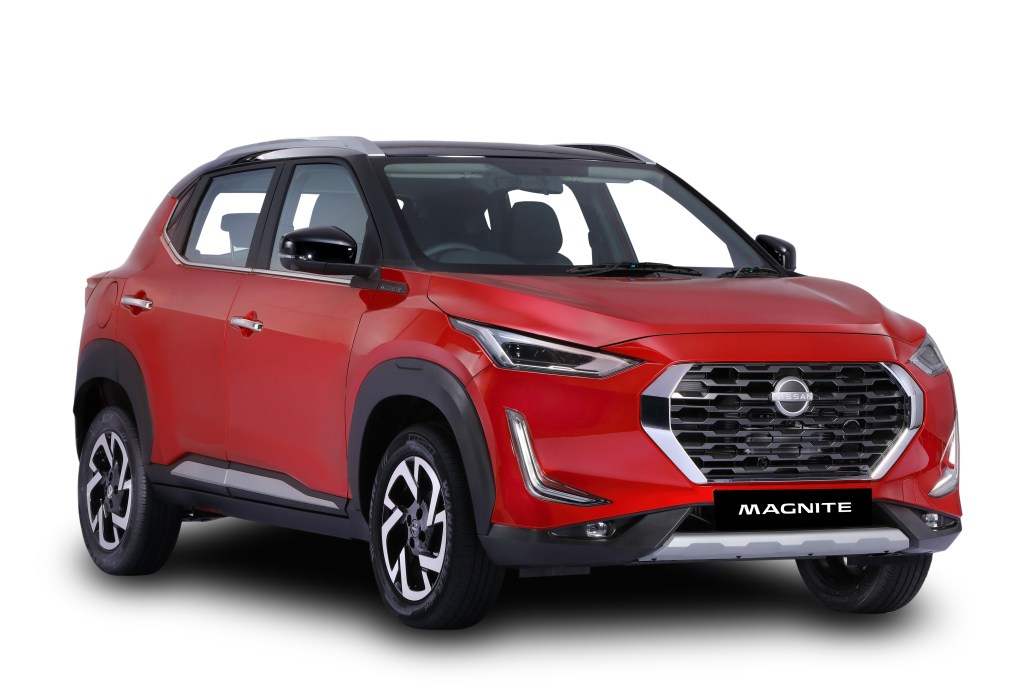
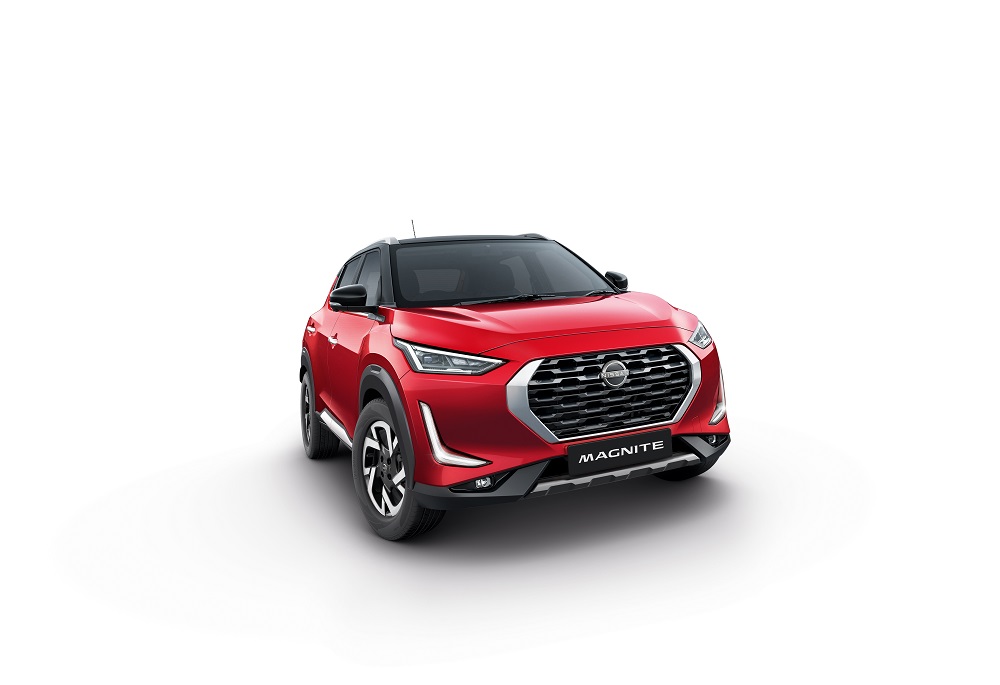
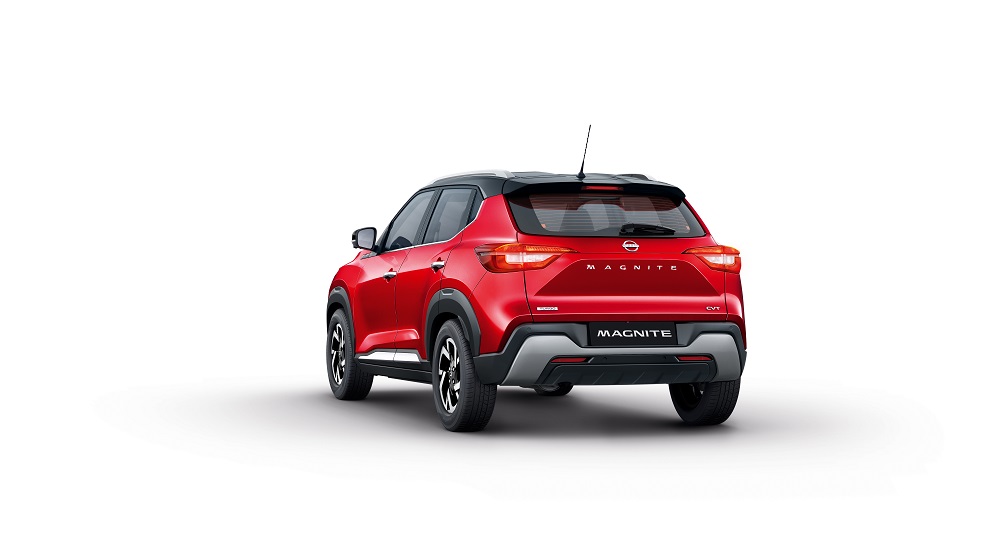
Built on the philosophy of ‘Make in India, Make for the World’, Nissan India has unveiled their much-awaited B-SUV, the all-new Nissan Magnite. This is the company’s first ever product under the Nissan NEXT strategy for the Indian market, scheduled to be introduced in the second half of FY 2020-21.
The all-new Nissan Magnite was unveiled to the global audience via a virtual event. Key spokespersons from Nissan’s leadership teams in Africa, Middle East, and India (AMI), presented the live streamed event, with Rakesh Srivastava, Managing Director, Nissan Motor India, driving in the all-new Nissan Magnite.
“The all-new Nissan Magnite plays a vital role in our Nissan NEXT strategy and represents Nissan’s undeniable commitment to the Indian market as a customer-centric organization. The car reiterates our brand philosophy of keeping customers at the heart of everything we do to deliver exciting products for enriching experiences. As we continue to prioritize and invest in the Indian consumer, who is aspirational and discerning with vehicles, we aim for the all-new Nissan Magnite to be the first product that will enable sustainable growth. Nissan will continue to be the primary brand in India,” said Sinan Ozkok, President, Nissan Motor India.
The all-new Nissan Magnite is a testimony to Nissan’s global SUV DNA of innovation, technology, and Japanese engineering. It features latest technology as a part of Nissan Intelligent Mobility (NIM), the company’s vision as to how vehicles are powered, driven, and integrated into society.
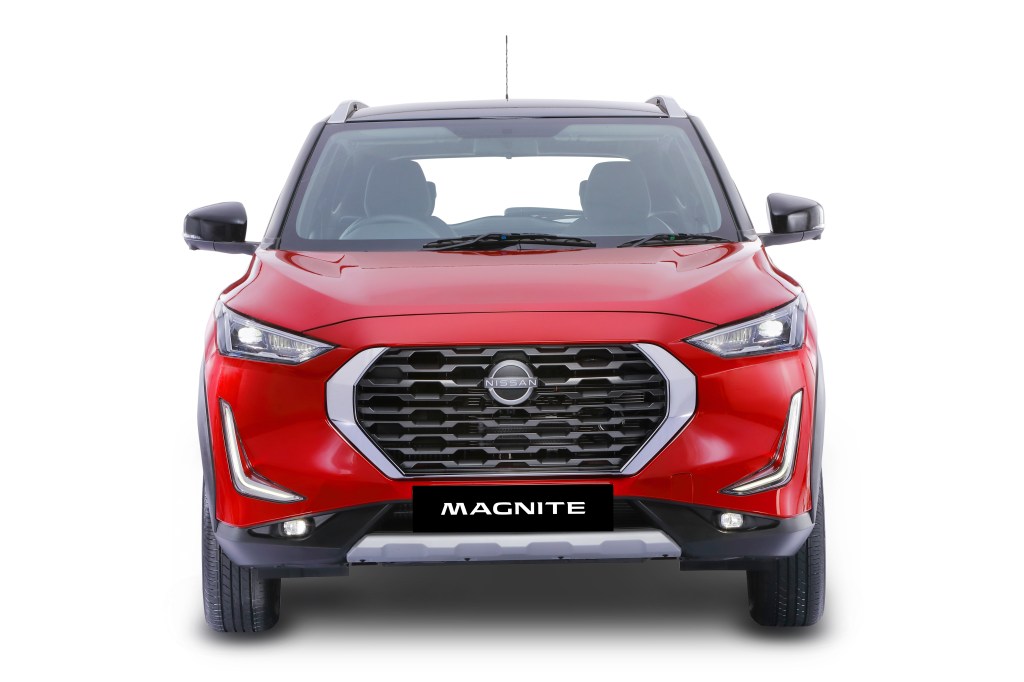
The all-new Nissan Magnite is made with the blend of style and functionality, its first-in-segment Flare Garnet Red (Tint-Coat) Colour exudes premium-ness through depth and quality, symbolic of India’s dynamic and vibrant energy. There are nine body colours, five monotone and four dual tone are available to suit customer tastes.
The car has sleek headlamps assembled with lightsaber-style turn indicators, while its L-shape LED Daytime Running Lights (DRL) and dominating front grille is unlike any other design in the B-SUV segment. When it comes to the interiors, the all-new Nissan Magnite has achieved the best level of packaging and seating comfort. Its horizontal instrument panel structure double deck console makes it wider, spacious and provides plenty of functional storages. Along with that, the all-new Nissan Magnite also has a tech pack which has a wireless charger, air purifier, puddle lamps and ambient /mood lighting, premium speakers (JBL powered by Harman).
With 60-40 split foldable rear seats for utmost flexibility, it is the most spacious B-SUV, which has a huge ‘couple distance’ (distance between the driver and side passenger) of 700mm + rear knee room of 593mm + rear headroom of 76mm. The front seats are designed to create an open interior space, delivering the spaciousness that one would experience while sitting in the rear, also known as the ‘one-class-above’ knee room.
The all-new Nissan Magnite’s luggage room capacity (336L) is top-level in its class and can accommodate 3 suitcases.
A first in its segment, the all-new Nissan Magnite is also equipped with one of Nissan’s top support technology, the Around View Monitor (AVM), which gives the driver a virtual bird’s eye view from above the vehicle.
The all-new Nissan Magnite, is spacious and premium as it is equipped with intuitive packaging and human-centric engineering, such as the best-in-segment 7-inch TFT meter with welcome animation and tyre pressure monitoring system and 8-inch infotainment display with full flush touchscreen, Wireless Apple CarPlay and Android Auto and built-in voice recognition. It also comes with Nissan’s innovative technology, Nissan Connect, that offers 50+ features (geo fence, roadside assistance, smart watch connectivity etc.) to transform the car as per customer needs.
Nissan Magnite is powered by the all-new HRA0 1.0-litre Turbo engine is first of its kind in the country and is available with Manual 5 speed and X-TRONIC CVT gearbox. The HRA0 1.0-litre Turbo engine adopts “mirror bore cylinder coating” technology from world-class sports cars such as the Nissan GT-R that reduces resistance inside the engine, thus delivering smooth acceleration and efficient use of fuel. It also features 6 technical improvements that result in better fuel economy, lower CO2 emissions. The HRA0 1.0-litre Turbo engine provides a new experience of responsive and quicker acceleration, whilst also refining Noise, Vibration and Harshness through improved powertrain and road noise isolation, resulting in a quieter cabin.
With Nissan’s signature X-TRONIC CVT gearbox, Cruise Control and wider gear range, the all-new Nissan Magnite delivers seamless performance even in peak city traffic. It’s D-step logic control computer software uses dynamic inputs like vehicle speed, accelerator pedal position and application speed to determine the ideal gear ratio needed to deliver an exhilarating drive and smooth cruises on the highways.
The all-new Nissan Magnite’s features are developed in compliance with Indian safety regulations to ensure customer safety. Built with high strength and impact absorbing efficient body structure, it is equipped with safety features such as Anti-lock Braking System (ABS), Electronic Brake-force Distribution (EBD), Hydraulic Brake Assist (HBA), Vehicle Dynamic Control (VDC), Traction Control System (TCS), Hill Start Assist (HSA), speed sensing door lock, central locking and SRS dual airbag system with pretension & load limiter seatbelt for driver and passenger.
Nissan’s unique Vehicle Dynamic Control (VDC) system increases the all-new Nissan Magnite’s stability, allowing the driver to have better control, especially in poor weather conditions. Additionally, the Anti-lock Braking System (ABS) helps improve the driver’s braking ability while maintaining control of the vehicle in an emergency.
“Given the growing popularity of B-SUVs in India, we aim for the all-new Nissan Magnite to redefine the segment and surpass customer expectations in the country. It is the ideal aspirational upgrade for hatchback customers in India who are weighing their options and looking to own a world-class SUV, from a globally renowned brand that has a strong SUV heritage,” said Rakesh Srivastava, Managing Director, Nissan Motor India. “The all-new Nissan Magnite is truly a complete package as the big, bold, beautiful and carismatic B-SUV that offers best in class space for family and friends; dynamic design and high ground clearance, HRA0 1.0-litre Turbo engine for thrill seekers; and advanced Japanese technology for today’s discerning customers and tech enthusiasts. We are confident of its capability to become a game changer in the Indian market,” he added.
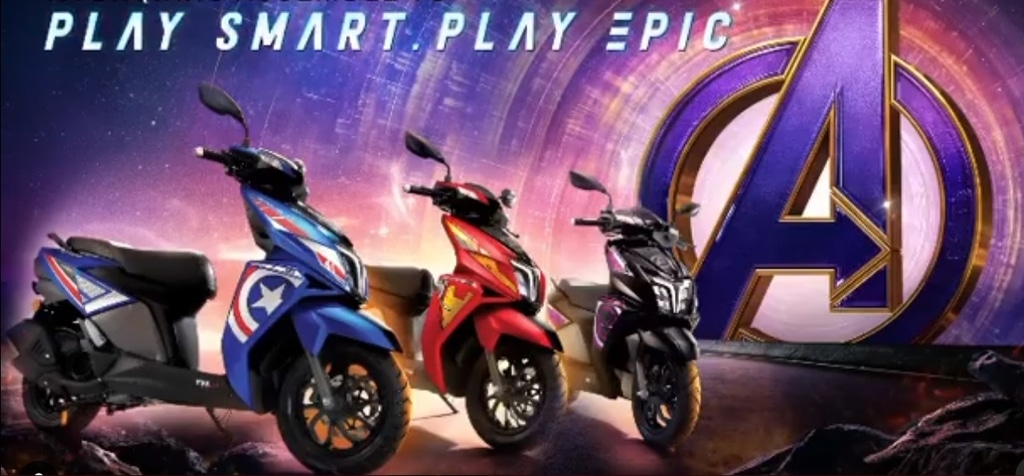
TVS Motor Company today launched the TVS NTORQ 125 SuperSquad Edition inspired by Marvel’s Avengers. The Company has associated with Disney India’s consumer products business to introduce a special SuperSquad edition of TVS NTORQ 125 – inspired by the iconic Marvel Super Heroes.
In 2018, TVS NTORQ 125 SuperSquad Edition will comprise three new enticing offerings, namely Invincible Red, Stealth Black, and Combat Blue inspired by Iron Man, Black Panther, and Captain America respectively. The edition brings forth finer nuances associated with each Marvel Super Hero through the product design. To further delight the enthusiasts, the fitting campaign tagline for the edition is ‘Play Smart. Play Epic’.
Speaking on the occasion, Aniruddha Haldar, Vice President (Marketing) – Commuter Motorcycles, Scooters & Corporate Brand, TVS Motor Company, said, “We are excited to launch the TVS NTORQ 125 SuperSquad Edition inspired by Marvel’s Avengers. With this association, our common Gen Z consumers can ‘Play Smart. Play Epic’. We have all had our favourite Super Hero, with whom we relate. We find ways to celebrate this relationship. The TVS NTORQ 125 SuperSquad Edition, gives new expression to this ageless fascination. The initial feedback has been nothing short of EPIC. We are sure that this too will be a blockbuster!”
The SuperSquad logo and the iconic Avenger’s ‘A’ are prominently placed on the front panel, leg shield, and below the speedometer.
Stealth Black
Inspired by Black Panther, this edition packs in the jet-black colour along with hues of purple. The scooter sports elements from the Black Panther suit as a large part of the decals. For enthusiasts, it packs more surprises with the signature salute Wakanda Forever and the inclusion of the number 66 (1966), denoting the year when the character was introduced in the Marvel Universe.
Invincible Red
Inspired by Iron Man, the decals replicate his Red and Gold suit giving it a stellar look. The Iron Man helmet is embossed on the leg shield, while the arc reactor finds its way to both panels. Enthusiasts will be delighted with the Mark XXIX encryption on both panels which signifies Fiddler, Iron Man’s 29th suit, along with the number 63 (1963) indicating the year when the character was introduced in the Marvel Universe.
Combat Blue
Inspired by Captain America, the scooter gets the blue, white, red colour tone associated with the First Avenger. True to the character, it sports the number 41 (1941), the year when Captain America was introduced in the Marvel Universe. The shield is at the front of the scooter and the edition flaunts Super Soldier on both panels with pride.
The TVS Connect App of the SuperSquad Edition is powered by SmartXonnect and will come with customised UI, inspired by the characters. The app opens with the silhouette of the respective characters and then important elements such as Captain America’s shield, Iron Man’s suit and Black Panther’s eyes along with the character crest are consistent across the app interface. Each app screen is crafted with a unique character trait of the selected Super Hero, making it a complete Marvel experience.
TVS NTORQ 125 SuperSquad Edition is priced at Rs. 77865 (ex-showroom, Delhi)


 Power Drive