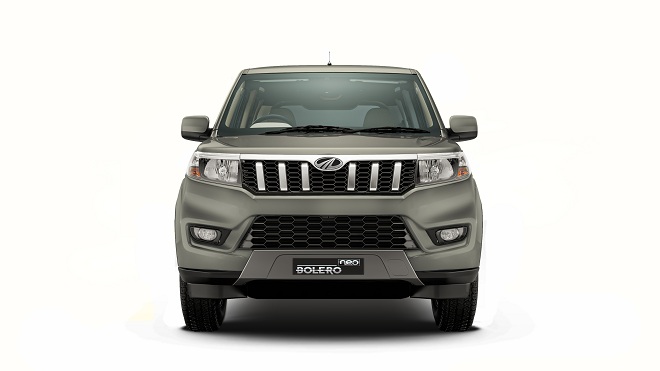
Mahindra & Mahindra Ltd. has launched the new ‘Bolero Neo’. Available at all Mahindra dealerships across India from today, the new Bolero Neo is launched at an introductory price of INR 8.48 Lakh (Ex-Showroom Price, All India) for the N4 variant.
The new Bolero Neo will cater to the evolving customers looking for an SUV that is tough and authentic yet modern and trendy. The existing Bolero will continue to sell along with the Bolero Neo in the market.
Veejay Nakra, Chief Executive Officer, Automotive Division, M&M Ltd., said, “The Bolero Neo combines the new age customer’s affinity towards a tough, powerful, go-anywhere capable SUVs with their persona and aspirations for a modern and trendy SUV. The design, performance, and engineering enhancements in the new Bolero Neo make it a modern, unmissable and authentic SUV for the bold and fearless Young India. The addition of Bolero Neo to our brand portfolio will help us retain Bolero amongst the top 10 selling SUV’s in the country.”
What makes Bolero Neo an Authentic yet modern SUV?
Modern unmissable presence design, premium Italian design interiors & host of comfort, convenience and connected features
Solid Performance with mhawk100 engine with 73.5 kW (100 BHP) power & 260 Nm torque
Tough go-anywhere capability with 3rd Gen Chassis which goes on Scorpio and Thar
Multi-Terrain Technology (MTT)
Remarkable Safety & low cost of ownership
Low cost of maintenance
Packed with modern design, powerful technology and plush features, the Bolero Neo is made for the young evolving customers. These include a stylish new design and premium interiors crafted by Italian automotive designer Pininfarina, comfortable cabin and safety technology such as standard dual airbags, anti-lock braking system (ABS) with electronic brake distribution (EBD) and cornering brake control (CBC) and ISOfix child seat. It is built on 3rd generation chassis shared with Scorpio and Thar and it comes with the proven Mahindra mHawk engine.
Velusamy R, Chief of Global Product Development, Automotive Division, M&M Ltd., said, “Built on the third-generation chassis which it shares with the Scorpio and Thar, the Bolero Neo has powerful attributes that set it apart. Its rugged body-on-frame construction, the proven Mahindra mHawk diesel engine and Multi Terrain Technology give Bolero Neo the ability and confidence to conquer rough terrain. Comprehensively loaded with all the key features, the Bolero Neo reiterates our unstinted commitment towards product quality, performance, core SUV attributes and value.”
The enhancements in the new Bolero Neo is reflected not just in design cues like an imposing stance and body cladding but also in the 100hp mHawk engine, tough built body and a go-anywhere set-up, thanks to the Body On Frame construction, rear wheel drive and multi-terrain technology.
The new Bolero Neo will offer a spacious 7-seater configuration and will be available in three variants (N4-base, N8-mid, N10- top) and seven colour options (namely Rocky Beige, Majestic Silver, Highway Red, Pearl White, Diamond White, Napoli Black and Royal Gold (coming soon). It will be available at Mahindra dealerships starting July 13, 2021.
An optional variant N10 (O) with Multi terrain technology (Manual Lock differential) will be launched subsequently.
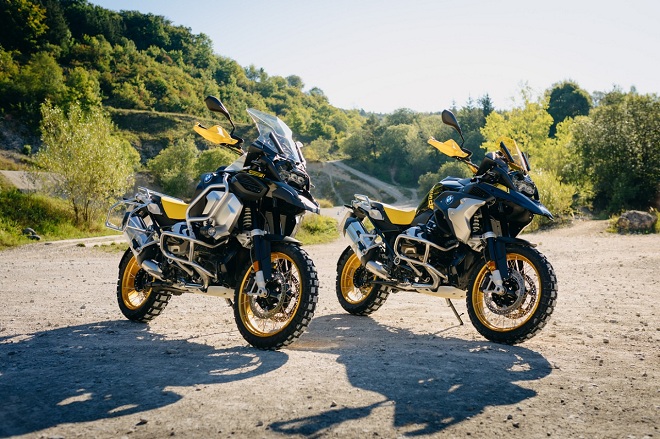
BMW Motorrad India has launched the new BMW R 1250 GS and BMW R 1250 GS Adventure motorcycles in India.
The new BMW R 1250 GS and the new BMW R 1250 GS Adventure will be available as Completely Built-up Units (CBU) and can be booked at BMW Motorrad dealerships from today onwards.
Mr. Vikram Pawah, President, BMW Group India said, “BMW Motorrad GS models are the ultimate icons of the adventure segment. GS is not just a motorcycle, it’s an attitude that always inspires. Consistent performance, an impressive range of equipment, and incomparable riding experience are the key attributes of the GS range. Built for ultimate challenges, the new BMW R 1250 GS and BMW R 1250 GS Adventure offers a perfect synthesis of road and off-road riding. It is your companion for cherishing life changing experiences, greater freedom and pure riding pleasure.”
The introductory ex-showroom prices are as follows:
BMW R 1250 GS Pro – INR 20,45,000
BMW R 1250 GS Adventure Pro – INR 22,40,000
The new BMW R 1250 GS and new BMW R 1250 GS Adventure are available in a basic colour scheme, style triple black variant and style Rallye variant. Additionally, also on offer is the limited edition special “40 Years GS” edition that celebrates the anniversary of the BMW GS family.
The design of the new BMW R 1250 GS and the new BMW R 1250 GS Adventure is authentic and purely GS. The motorcycles offer perfect ergonomics for rider and passenger for on and off-road adventures. In their respective basic colour versions, the new BMW R 1250 GS and R 1250 GS Adventure emphasise their more precise nature and universal talents in light white solid paint and ice grey solid paint.
The optional Style Triple Black enhances the masculine nature of the two motorcycles in and the Blackstorm metallic / black / agate grey colour combination. The black-coated drivetrain is surrounded by the main frame in metallic matt agate grey, a black rear frame and the black anodized tubular handlebars. In addition, front panel carrier, luggage carrier, slider tube and brake callipers are designed in black. The optional Style Rallye lends a sporty nature with the light white solid paint/ racing blue metallic / racing red solid paint colour combination, they present themselves particularly dynamically as off-road specialist touring endures. The masculine, robust nature of black elements such as the drive unit, slider tubes, tubular handlebars and front panel carrier.
The limited ‘40 Years GS’ edition scheme is dedicated to the ‘40 Years GS’ anniversary. For four decades, the GS has stood for a longing for vastness and boundless adventure. The BMW R 1250 GS Adventure in the ‘40 Years GS’ edition celebrates this #SpiritOfGS: It is a homage to the GS history. In striking black and yellow, it is reminiscent of the iconic BMW R 100 GS and impresses with its state-of-the-art technology and equipment. In the Blackstorm metallic colour for tank side panels, top front-wheel cover as well as tank centre cover and with yellow accents it is based on an icon from 40 years of BMW GS history. The graphic of the tank centre cover, the Rallye windscreen and the two-tone black and yellow low Rallye seat include yellow colour.
The new full LED adaptive headlight design lends a striking visual appeal. The X-shaped light icons included in the new headlights makes the new BMW R 1250 GS and new BMW R 1250 GS Adventure look unique when the headlight is switched on and while riding. New lighting functions, cruising light and function-integrated turn indicator bulbs are available as optional equipment. The new lighting function makes the experience even more intense and practical at the same time. The ‘Welcome’ light function is activated as soon as the ignition is switched on. The ‘Goodbye’ light function activates the front and rear lights for a short moment and then slowly dimmed after switching off the ignition. The new ‘Follow me Home’ function enables activation of the driving lights by briefly pressing the high beam button offering optimum visibility at night and for maneuvering in parking spaces. The newly developed turn indicator bulbs are standard and are state-of-the-art in terms of design and technology and generate a strikingly new appearance of the two new GS models.
Both models feature the powerful 2-cylinder in-line Boxer engine with a displacement of 1254cc, producing a power output of 100 kW (136 hp) at 7,750 rpm for dynamic performance and generates a maximum torque of 143 Nm at 6,250 rpm. The variable camshaft control BMW ShiftCam is an entirely new technology which provides supreme ridability along with an additional increase in power across the entire engine speed range, reduced emission and fuel consumption levels, optimised running smoothness and refinement.
The new BMW R 1250 GS and new BMW R 1250 GS Adventure are now equipped with the Pro riding modes. With the two ‘Rain’ and ‘Road’ riding modes, the riding characteristics can be adapted to varied conditions. The new standard ‘Eco’ riding mode increases the efficiency with soft throttle curve and moderate torque limitation. The riding mode button can be used to switch quickly and easily to a different riding mode when desired. The pro riding modes include Dynamic, Dynamic Pro, Enduro and Enduro Pro. In addition, the ‘Dynamic Pro’ and ‘Enduro Pro’ riding modes each have individualisation options for adapting the vehicle character to one’s own requirements and thus further increasing riding pleasure. The riding mode preselection can be used for quick individual selection of riding modes. The next generation optional Electronic Dynamic ESA provides higher dimension of riding safety, performance and comfort thanks to automatic and adaptive damping as per the riding conditions and manoeuvres.
The standard Dynamic Traction Control (DTC) ensures high level of riding safety due to the best possible traction. The set-off assistant Hill Start Control Pro (HSC Pro) is a standard feature in both models and noticeably improves the starting function in all conditions. The standard BMW Integral ABS Pro provides more safety when braking, even in inclined positions. The additional expansion of the riding mode concept results in more new functions. For example, the advanced adaptation of the ABS control characteristics to the respective riding mode.
Comfort features now include heated grips, two power sockets as standard for charging smartphone and other compatible devices. A 12-volts on-board socket is installed under the rider’s seat. A USB-A socket with 5-volt power supply is also available for quick charging. Both motorcycles are equipped with a 6.5 inch full-colour TFT display. Integrating operation via the BMW Motorrad multi-controller, it gives the rider quick access to vehicle and connectivity functions. Phone and media functions can be used without having to install an app. The rider can easily make telephone calls and enjoy listening to music with Bluetooth connection. In addition, the BMW Motorrad Connected app offers everyday-suitable and practice-oriented arrow navigation directly via the TFT display.
A comprehensive range of optional equipment and original BMW Motorcycle accessories is available for further individualisation of the new BMW R 1250 GS and new BMW 1250 GS Adventure.
The fifth-generation Kia Sportage has been carefully crafted from the ground-up to be the ultimate urban SUV.
The all-new Sportage symbolizes the pioneering DNA of the Kia brand. The past success of the Sportage is deeply rooted in a mindset of constant reinvention. Under the new Kia brand, a fifth generation Sportage once again brings an innovation that elevates the brand to the next level.
Developed on a new architecture, the all-new Sportage combines a driver-centric design with a premium interior featuring a swooping integrated curved display that houses the very latest advancements in connectivity tech.
Designers also focused on creating a pleasant space in which to spend time for all occupants. An intelligent package and clever use of space means that everyone inside Sportage can benefit from class-leading headroom and legroom. The SUV also sets the benchmark in luggage capacity, underscoring its everyday family-friendly practicality and useability.
The all-new Sportage also leads the way in safety featuring both passive and active high-tech systems – including Kia’s world-renowned comprehensive suite of advanced driver-assistance systems (ADAS).
To create a dynamic, engaging and optimal driving experience, the all-new Sportage debuts numerous highly innovative technology breakthroughs, including Kia’s E-Handling system that enhances the dynamic performance of the vehicle and improves agility and stability. A new-generation Electric Control Suspension (ESC) provides optimum comfort and superior safety levels at all times thanks to its continuous damping control in real-time.
A Terrain Mode gives all-new Sportage outstanding ride capabilities in more challenging conditions such as snow, mud and sand, allowing owners to pursue more adventurous leisure activities.
Advanced powertrains make the all-new Sportage a highly economical, low-emissions real-world operator but such frugality is paired with smooth and highly responsive power delivery, resulting in an SUV that is energetic, sporty and fun-to-drive.
The all-new Sportage is the first Kia vehicle to be available in long-wheelbase and short-wheelbase model variants depending on the region, ensuring that the fifth-generation family fully meets the diverse and specific needs of all markets.
“Our new Sportage is a true inspiration for the SUV category in every sense,” said Artur Martins, Senior Vice President and Head of Global Brand and Customer Experience Division at Kia Corporation. “Be it the forward-thinking design, stellar interior, next-generation tech, efficient and responsive powertrains, the highest levels in safety systems or the very latest engineering breakthroughs that guarantee a responsive and optimal drive – the all-new Sportage is the ultimate urban SUV.”
The exterior of the all-new Sportage establishes new design boundaries and dramatically sets the tone for the next generation family.
Tense and crisp lines ripple along the refined body, amplifying dramatic styling tensions. At the same time, clean but muscular surfaces join forces with intricate graphics to give the SUV a dynamic and assertive road presence.
“Reinventing the Sportage gave our talented design teams a tremendous opportunity to do something new; to take inspiration from the recent brand relaunch and introduction of EV6 to inspire customers through modern and innovative SUV design. With the all-new Sportage, we didn’t simply want to take one step forward but instead move on to a different level in the SUV class,” commented Karim Habib, Senior Vice President and Head of Global Design Center
Revealed earlier this year to great acclaim from the design community, Kia’s new design language – Opposites United – is at the core of the all-new Sportage, influencing every aspect of its appearance and character.
The thought-provoking and daring philosophy is formed of five pillars: Joy for Reason, Power to Progress, Technology for Life, Tension for Serenity and Bold for Nature. The last pillar – Bold for Nature – has profoundly influenced the design creation of new Sportage, embodying the natural world and creating a design identity that takes a daring, emotional, modern but organic form.
The all-new Sportage is the result of a collaborative effort between Kia’s main global design network in Korea, Germany, the US and China.
From the front, the all-new Sportage showcases a precise and intricate design form with its detailed-orientated black grille graphic stretching across the width of the face. The technical graphic pulls together the main frontal features of the all-new Sportage, presenting a striking look. The grille links Kia’s modern signature Tiger Nose grille to the distinctive futuristic-styled boomerang-shaped LED DRLs (daytime running lamps), which in turn create solid boundary lines for the striking Matrix LED head lamps.
Paying homage to its sports utility heritage, the side profile of the all-new Sportage creates a stirring road presence with taut lines cutting across clean but refined body surfaces that seamlessly blend the contrasting volumes together. Representing a first for the Sportage range, a black roof – a different color paint option to the vehicle’s body – is now available with the new model, helping to accentuate the sporting profile and highlight the architecturally dynamic C-pillar. The addition of a chrome beltline kicks up onto the rear of the all-new Sportage and into the D-pillar, creating harmonious lines with the rear spoiler that further adds to the sporting pedigree of the car.
All-new Sportage maintains its strong road presence at the rear with a muscular swooping fastback design that flows into the rear lamps, which have been crafted to give the impression that they cut into the body with fine precision. The razor rear lamps are connected by a slim horizontal design, giving the all-new Sportage a stunningly wide impression from the back.
Depending on spec and model, new Sportage rides on 17-inch, 18-inch or range-topping 19-inch wheels, with a choice of seven different alloy designs, colours and finishes.
The interior of the all-new Sportage plays with boldness in character, softness in qualities and innovation in technology, creating a driver-orientated space that is truly state-of-the-art. The cabin has been carefully crafted to fuse breakthrough tech with luxury features, premium materials and modern style.
At the center of the all-new Sportage’s modern cabin sits a beautifully sculpted integrated curved display with a slim touchscreen pad and finely detailed air vents. The curved display sweeps across the front of the interior, giving the cockpit dramatic width and depth.
The high-tech 12-inch touchscreen and advanced integrated controller act as the nerve center for driver and passenger connectivity, functionality and usability needs. Both systems have been created to be easy-to-use, highly intuitive and soft to touch. The 12-inch instrument cluster is equipped with the latest-generation full thin-film-transistor liquid-crystal display for incredibly precise and clear graphics. With such advanced and secure high-tech connectivity, all-new Sportage benefits from the latest over-the-air software and map updates.
An ergonomic center console has been optimally positioned for the driver and front passenger, providing storage, operating system configuration, cupholders and soft-touch switches, the latter sitting on a raised profile alongside the shift-by-wire transmission dial. A smartphone charging bay offers high-speed wireless charging.
Throughout the cabin, the highest quality materials that are sumptuous to touch have been used, while dynamic color options add vibrancy and energy. The driver and front passenger seats combine innovation and comfort in a sporting slim design.
The all-new Sportage’s intelligent interior space, which combines practicality, functionality and versatility, is underpinned by a compact wheelbase of 2,755mm, a width of 1,865mm, length of 4,660mm and height of 1,660mm. This has resulted in a package that is class-leading for legroom, headroom and luggage capacity. The all-new Sportage offers 1,050mm legroom for second-row passengers and 1,000mm headroom, while luggage capacity is 637 liters (VDA). To maximize convenience, the rear seats can fold down with the simple press of a button, allowing for a flat cargo space to be created seamlessly and quickly.
Fully immersive, in-car surround sound is delivered to the occupants of the all-new Sportage via an industry-leading speaker Harman Kardon premium sound system.
For the first time in the Sportage’s history, a more confident model has been specifically designed to convey a more vigorous, versatile sensibility. The X-Line Sportage features a lugged bumper, side sill and curved roof rack. On the inside, a signature sage green color is used, with bold quilting and black metal wood further bringing to life the model’s hardy persona.
Opposite to the X-Line in the new Sportage line-up is the GT-Line model, which has been designed to take on a more urban crossover SUV form with standout body colors that are vivid and spirited. The interior plays off strong contrasts between black and white, giving the GT-Line model a lively sporty environment.
The all-new Sportage will be launched with a comprehensive range of powerful, responsive and efficient powertrains, including the very latest-generation clean gasoline and diesel IC engine technology.
From the very start of development, all-new Sportage was intended to embrace the latest powertrain technology breakthroughs, making it one of the most efficient and eco-friendly SUVs available.
From launch, a high-tech 1.6-litre TGDI powertrain will be offered in the all-new Sportage line-up, generating 180PS and 265Nm torque. The four-cylinder unit realizes enhanced fuel efficiency through a new and optimized combustion process, breakthrough cooling technologies and key friction reduction measures, including an advanced integrated thermal management system and the use of a low-friction ball bearing.
Also included in the launch line-up is a new and highly efficient R2.0-litre diesel engine featuring an advanced variable geometry turbocharger that helps it to develop 186PS and 417Nm torque. The 2.0 four-cylinder unit has been designed in response to tightening emissions regulations and features an array of sophisticated technologies to drive down emissions output and enhance real-world fuel efficiency. Standout technical innovations include solenoid valve control, a variable capacity oil pump, an electric thermostat and an optimized lubricant and cooling setup.
The 1.6-litre TGDI engine is mated to a 7-speed dual-clutch automatic transmission (7DCT), while a 6-speed manual transmission is also available. The new R2.0-litre diesel engine comes with an extensively re-engineered 8-speed automatic transmission. The addition of a damper-controlled multi-disc torque converter serves to enhance fuel efficiency by enlarging the lock-up range and improves the new Sportage’s overall driving characteristics. The revised eight-speed benefits from a newly designed transmission structure that reduces oil leakage and improves control stability and gear shift response. It also features a new oil pump that has been optimized for capacity along with a high-efficiency tooth profile design.
Developed on an advanced architecture that encompasses the latest powertrain electrification innovations, the all-new Sportage range will also feature hybrid (HEV) and plug-in hybrid (PHEV) models that deliver a no-compromise eco-friendly SUV package. More information about the high-tech electrified all-new Sportage models, along with other gasoline and diesel variants, will be made available near start of sales.
Based on the company’s new N3 architecture, every element of the all-new Sportage has been designed and developed to enhance the SUV’s premium stature.
Representing a first for Kia is the creation of an all-new Terrain Mode that debuts on the fifth-generation Sportage. Developed for Sportage owners that want to pursue outdoor adventure and leisure activities, the highly-advanced Terrain Mode automatically adjusts the Sportage’s settings so that the vehicle realizes an optimal drive dynamic for any given road condition and environment, including snow, mud and sand.
Out of Terrain Mode, the Sportage defaults to Drive Mode, with the driver selecting from Comfort, Eco, Sport or Smart sub-settings. For convenience and added safety, all Drive Modes are displayed within the high-resolution digital cluster. An intuitive and highly visual graphic in the audio video navigation system disseminates how the vehicle has changed in terms of driving setup when changing from one Drive Mode sub-setting to another.
The new platform has also heavily informed all-new Sportage’s driving characteristics, combining a refined, stable and comfortable ride with agile and dynamic handling. An advanced steering and suspension system that has been meticulously tuned helps bring these qualities together. At the front, all-new Sportage benefits from a MacPherson strut type suspension while the rear gets a four-link type set-up.
A new Electric Control Suspension (ECS) provides optimum comfort and superior safety levels at all times thanks to its continuous damping control in real-time. An electronic 4WD system makes sure power is optimally distributed between the front and rear wheels depending on road conditions and driving situations, not only further enhancing driving performance but also boosting safety. In addition, HEV and PHEV versions of the all-new Sportage will gain the company’s new high-tech E-Handling system, further enhancing dynamic performance and improving agility and stability during turning-in and turning-out cornering maneuvers.
With safety being a top priority during development, the fifth-generation all-new Sportage is one of the safest vehicles in its class.
Underneath the sleek exterior design of all-new Sportage is a reinforced and lightweight body structure that has high torsional rigidity. All-new Sportage has different safety restraint and structure system applications, including driver airbag, passenger airbag, side curtain airbags and low-side airbags.
Kia’s acclaimed in-house developed Advanced Driver Assistance System (ADAS) technology helps the Sportage to avoid potential hazards, fully protecting occupants and other road users on every journey. As part of its ADAS package, the all-new Sportage features Kia’s industry-leading Forward Collision-Avoidance Assist (FCA), which helps avoid collisions with objects in front of the vehicle while driving. If the preceding vehicle suddenly slows down, or if a forward collision risk is detected, such as a stopped vehicle, a pedestrian, or a cyclist in front of the Sportage, FCA provides a warning. After the warning, if the risk of collision increases, FCA automatically assists with emergency braking of the vehicle.
Highway Driving Assist (HDA) helps maintain a set distance and speed from the vehicle ahead when driving on a highway, while also helping center the all-new Sportage in its lane.
Navigation-based Smart Cruise Control (NSCC) helps drive the all-new Sportage at a safe speed on the highway using real-time navigation data. Further extending the scope of NSCC, for parts of the highway where there are corners and curves, the technology automatically reduces the speed of travel before encountering the corner or curve. Upon getting back to the ‘straight’ of the highway, NSCC resets the speed limit to the original level.
When operating the turning signal to change lanes, if there is a risk of collision with a rear-side vehicle, a new Blind-Spot Collision-Avoidance Assist (BCA) system will provide a warning to the driver. After the warning, if the risk of collision increases, BCA actively controls the all-new Sportage to help avoid a collision. BCA is also active in situations such as parallel parking maneuvers, further helping to avoid collision with rear-side vehicles. Blind-Spot View Monitor (BVM) is also included on the all-new Sportage and further enhances safety and driver visibility when changing lanes by displaying a real-time rear-side image of the vehicle in the instrument cluster.
Remote Smart Parking Assist (RSPA) helps the driver to remotely park or exit a parking spot from outside the vehicle.
Due for global market launch later this year, more information on the all-new Sportage will be made available in due course.
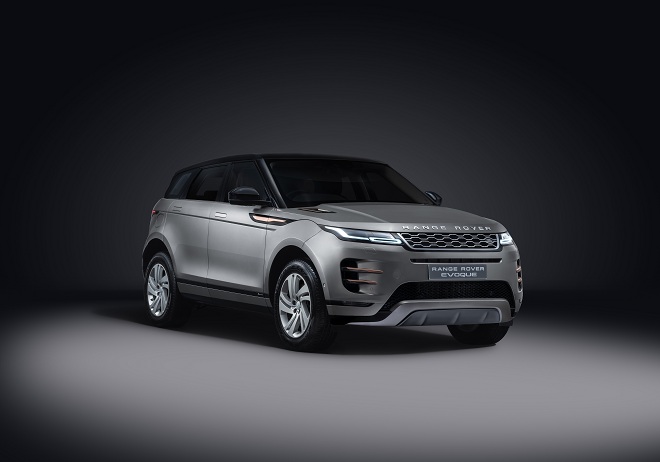
Jaguar Land Rover India, today announced that it has begun deliveries of the new Range Rover Evoque in India. The new Evoque is available in R-Dynamic SE trim on Ingenium 2.0 l petrol and the S trim on 2.0 I diesel powertrain. The 2.0 l petrol engine delivers a power of 184 kW (250 PS) and 365 Nm of torque and the 2.0 l diesel engine delivers a power of 150 kW (204 PS) and 430 Nm of torque. The new Range Rover Evoque pricing starts from INR 64.12 Lakh, ex-showroom in India.
Rohit Suri, President & Managing Director, Jaguar Land Rover India, said, “Range Rover Evoque has always turned heads with its unique, modernistic and smart design. With the introduction of new interior colorways and latest Land Rover technologies, the new Evoque’s style quotient is even more enhanced and the new Ingenium powertrains make it more powerful and efficient.”
The new Range Rover Evoque comes with exciting new features such as 3D Surround Camera, Cabin Air Ionisation with PM2.5 filter, Wireless Device Charging with Phone Signal Booster and new Pivi Pro infotainment system.
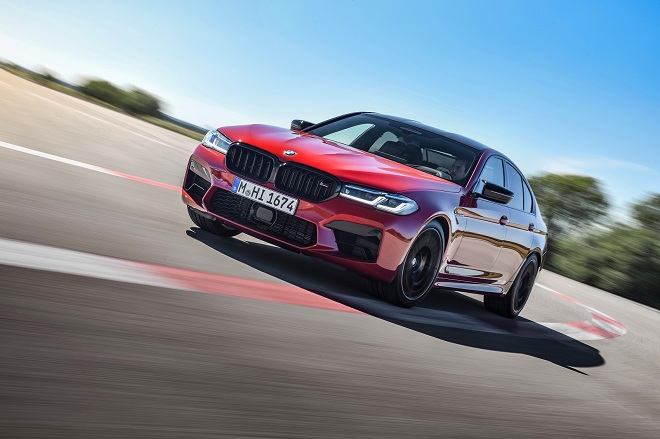
BMW India has launched the new BMW M5 Competition in the country. The power-packed sedan will be available as completely built-up unit (CBU).
The new BMW M5 Competition provides undiluted M feeling with immense performance features like retuned chassis, new shock absorbers, track mode, active M differential with centralized intelligent control, bespoke engine mounting, M multifunction seats and set-up button that come together to offer even better driving dynamics and superior comfort levels.
Mr. Vikram Pawah, President, BMW Group India said, “The M badge is boldly set for those who enjoy high performance and superior level of excellence. With the new BMW M5 Competition, we are strengthening our coveted performance portfolio in India. It is designed and engineered to offer unmatchable performance and signature attributes of BMW M. The new M5 Competition blends a business sedan’s everyday usability with unbeatable sports car dynamics more effectively than ever.”
The ex-showroom price of the new BMW M5 Competition is INR 1,61,90,000
Exterior of the new BMW M5 Competition makes an immediate impression with its front look that consist of newly designed BMW Laser lights and L-shaped light tubes connecting towards the kidney grille in narrow streaks. Black styling details all over the exterior underline its elite status. The BMW kidney grille surround, M-specific double bars, the mesh on the M gills, mirror caps and the additional rear spoiler on the boot lid all have a High-gloss Black finish. Black M5 Competition badges adorn the kidney grille, the gills and the boot lid, while the door sill plates have an illuminated version. The rear design features new 3D rear lights with densely illuminated LED bars which give a new interpretation to BMW typical “L-shape”. The rear apron includes black inserts. The tailpipes of the standard M Sport exhaust system are finished in Black Chrome.
Interior of the new BMW M5 Competition is sporty and luxurious. Bespoke upholstery in leather Merino elevates the interior in three choices – Silverstone, Aragon Brown and Black. As an exclusive option, the three choices are also available in full leather Merino upholstery with additional choice in Black / Midrand Beige. BMW Individual headliner anthracite and high-gloss Shadow Line provide a luxurious feel. M multifunction seats with integral head restraints, an illuminated ‘M5’ logo and extended functions come as standard. Exclusive functions such as M Seat belts, M footrest and pedals, M Leather Steering Wheel, seat heating (driver and front passenger), electrical seat adjustment with memory function, automatic tailgate add to the comfort. Adding to the sense of space is the large Carbon Fibre Reinforced Polymer (CFRP) sunroof. Ambient Lighting with six dimmable light designs creates an atmosphere for every mood while Automatic 4 zone A/C further enhances the in-cabin experience. Welcome Light Carpet, which is projected from the side sill, welcomes passengers in glamorous style. The car is equipped with Adaptive M-Specific Suspension, M Sport exhaust system, M high performance compound brakes and 20-inch M light alloy wheels in the standard profile. Customers can add more equipment of their liking and further enhance the car’s sporty looks and overall experience through optional offerings such as Rear Seat Entertainment, M Carbon ceramic brakes, BMW Individual Shadow line in lights, Ambient Air package, M Carbon engine cover and 20-inch 810 M double-spoke wheels in polished Orbit Grey.
The high performance V8 engine with M TwinPower Turbo Technology under the bonnet of the new BMW M5 Competition goes about its business in racing-car-derived, high-revving style. It imposes muscularity and supreme power delivery. Specially designed bespoke engine mounts with a stiffer spring rate result in even more rapid engine response offering greater directness and precision. The engine generates maximum output of 625 hp and peak torque of 750 Nm with 0-100 kmph acceleration in just 3.3 seconds.
The eight speed M Steptronic transmission enables extraordinary short shift times and fast, precise responses to every nudge of the accelerator. The driver can use both the selector lever and the shift paddles on the steering wheel to intervene manually. The damper response settings vary according to the mode selected with the Driving Experience Control switch, that allows the driver to choose between different modes to suit the driving conditions. The new two-button operating concept in the centre console originates from the BMW M8. Using the M Setup, the driver can further improve driving dynamics, be it comprehensive driving stabilisation. M Mode selector on the centre console. It adjusts the contents of the instrument cluster displays and the Head-Up Display and can be used to activate the ROAD and SPORT settings. The BMW M5 Competition also offers TRACK mode, for an undiluted M experience on race circuits.
Modern cockpit concept BMW Live Cockpit Professional with BMW Operating System 7.0 includes 3D Navigation, a 12.3-inch fully digital instrument display behind the steering wheel and a bigger 12.3-inch Control Display. This makes it even easier to keep a clear eye on the myriad functions associated with the driving dynamics systems and BMW M xDrive all-wheel drive, which can be altered to 2WD mode. The occupants can operate several functions simply by speaking to their BMW Virtual Assistant. Hands do the talking with BMW Gesture Control that recognizes six pre-defined hand movements for control of a number of functions. The smartphone holder integrated into the centre console allows inductive, Wireless Charging for mobile phones. Wireless Apple CarPlay / Android Auto ensures seamless smartphone connection with the car to access several functions. Harman Kardon Surround Sound System conjures an engrossing treat for the ears. High-end 16 speaker system with woofers generates an impressive audio experience in all seats and is unique worldwide in the automotive sector. The sound experience can be further upgraded to the optional Bowers & Wilkins Diamond Surround Sound system. BMW Head-Up Display to a special M View projects all information relevant to the journey directly into the driver’s field of vision. BMW Display Key allows drivers to keep in contact with their car round the clock.
The new BMW M5 Competition presents impressive driver assistance systems. Parking Assistant Plus with Surround View Camera makes parking in tight spots easier. Reversing Assistant provides unmatched support in reversing out of a parking spot or through narrow driveways. It keeps a record of the last 50 meters driven and assists by taking over the steering. The Comfort Access System makes it possible to open all four vehicle doors without using the key.
BMW EfficientDynamics includes features such as 8-speed Steptronic Sport Automatic Transmission, Auto Start-Stop, Brake-Energy Regeneration, Electronic Power Steering, 50:50 Weight Distribution and ECO PRO mode in Driving Experience Control.
BMW Safety technologies include six airbags, Attentiveness Assistance, Anti-lock Braking System (ABS) with Brake Assist, Dynamic Stability Control (DSC) including Dynamic Traction Control (DTC) and Electronic Differential Lock Control (EDLC), Cornering Brake Control (CBC), electric parking brake with auto hold, side-impact protection, electronic vehicle immobilizer and crash sensors, ISOFIX child seat mounting and emergency spare wheel.
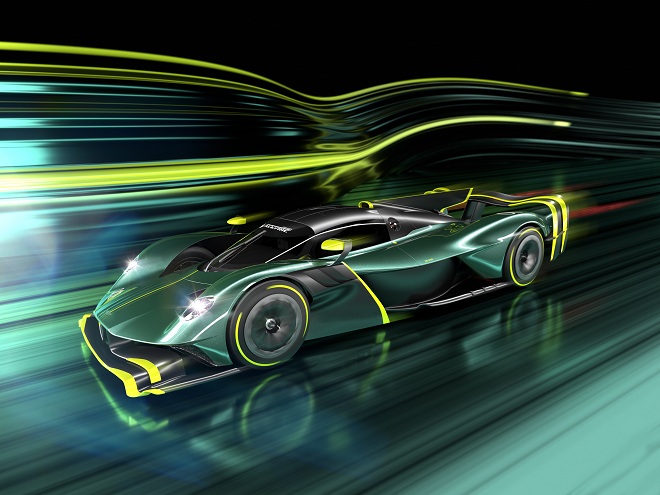
First came the revolutionary Aston Martin Valkyrie road car. Now comes the radical evolution, in the sensational form of the new Valkyrie AMR Pro: a machine which takes a car designed to win the Le Mans 24 Hours as its starting point, then pushes further to explore extremes of performance unconstrained by racing regulations or registration for road use.
In 2019, Aston Martin, Adrian Newey, Red Bull Advanced Technologies (RBAT) and engineering partner Multimatic worked intensively on an Aston Martin Valkyrie race car design, aimed at winning the 24H Le Mans race in the new Hypercar class. That well advanced design has now formed the basis of the radical new Valkyrie AMR Pro.
Where the original concept proposal – first seen at the 2018 Geneva Motor Show – was very much an exercise in squeezing as much performance from the road legal Valkyrie platform, the new Valkyrie AMR Pro benefits from the Le Mans project’s pure, race optimised chassis, aerodynamic and powertrain developments. Moreover, with its design and performance freed from race rule constraints, the AMR Pro’s capabilities now exceed those of the machine designed to challenge for outright victory in the Le Mans 24 Hours.
Continuing the technology partnership with Red Bull Advanced Technologies (RBAT), the Valkyrie AMR Pro is a car of unprecedented potency and mind-blowing capabilities. It uses a unique version of the Valkyrie chassis which is 380mm longer in wheelbase and 96mm wider in track at the front; 115mm at the rear. The Valkyrie AMR Pro also features an aggressive aerodynamic package which adds an additional 266mm in length, and thanks to mastery of underbody and overwing airflow, generates extraordinary levels of downforce. Delivering significantly more downforce than the Valkyrie road car, the Valkyrie AMR Pro will achieve lateral acceleration of more than 3G.
In the pursuit of the lightest weight and fastest lap times, the Valkyrie AMR Pro relies solely on a modified version of the sensational Cosworth-built 6.5-litre naturally aspirated V12 engine. Revving to 11,000rpm, this masterpiece of internal combustion is on-target to develop 1000bhp. Weight savings will come from deletion of the battery-electric hybrid system, plus a host of other weight saving measures, including ultra-lightweight carbon fibre bodywork, carbon suspension wishbones and Perspex windscreen and side windows. Together with an aerodynamic efficiency that exceeds Le Mans Hypercar regulations, the Valkyrie AMR Pro promises track performance approaching that of a Formula One car.
More details of the Valkyrie AMR Pro’s specification and performance will be released later this year, but with a target lap time around the 8.5-mile 24H Le Mans circuit of 3 minutes 20 seconds – blistering performance that would see the Valkyrie AMR Pro battling with the front running LMP1 cars for the outright win in the world’s greatest endurance race.
Aston Martin Chief Executive Officer, Tobias Moers said: “The entire Aston Martin Valkyrie programme has been an extraordinary adventure in engineering. As an expression of the passion and expertise that can be found within Aston Martin and its closest technical partners, Valkyrie AMR Pro is a project beyond compare, a true ‘no rules’ track-only version. The Valkyrie AMR Pro is testament to Aston Martin’s commitment to pure performance and this performance DNA will be evident in our future product portfolio. Nothing else looks like it, nothing else sounds like it, and I am absolutely certain nothing else will drive like it!”
To complement the track-only Valkyrie AMR Pro, customers will receive the opportunity to attend a bespoke track day experience, hosted by Aston Martin at a selection of International FIA Circuits around the world. The experience will include track and pit lane access, support from the Aston Martin Valkyrie Instructor team, as well as FIA exclusive racewear and a VIP hosted dinner. Track days will be open to all Aston Martin Valkyrie customers, along with a selection of Art of Living experiences, driving some of the most challenging and dynamic roads across the UK and Europe, The Americas and beyond. Additional information on these exclusive experiences will be released later this year but they promise to showcase the Valkyrie in the most exhilarating way.
With extensive development work completed using powerful simulation tools, physical testing of the Valkyrie AMR Pro is due to commence imminently and to ensure that Valkyrie AMR Pro gives the ultimate driving experience, the Aston Martin Cognizant Formula One® Team drivers will be involved from the start to develop the dynamic set-up of the car.
All cars will be left-hand drive, with a production run of 40 cars plus two prototypes. First deliveries are scheduled to commence in Q4 2021.
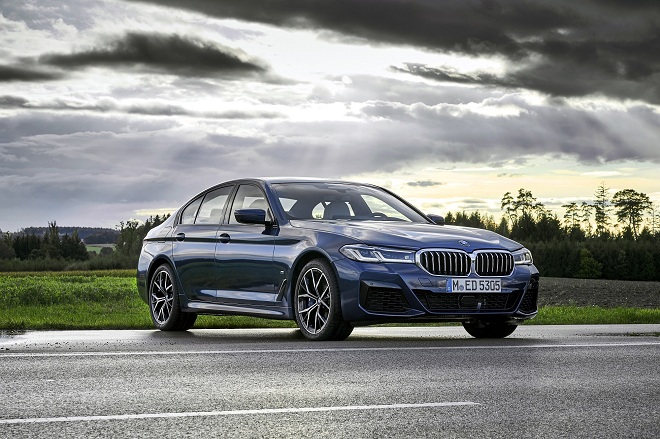
The new BMW 5 Series has been launched in India. Locally produced at BMW Group Plant Chennai, the car is available in one petrol (BMW 530i M Sport) and two diesel variants (BMW 530d M Sport and BMW 520d Luxury Line).
The new BMW 5 Series is ready to strengthen its leading position with immense style and numerous updates. Enhancing its sporting appeal is the most powerful performance in the segment. Cutting-edge technology comes into play with multiple driver assistance systems such as Remote-Control Parking, BMW Head-up Display, Reversing Assistant, Parking Assistant, BMW Gesture Control. An interior brimming with luxurious refinements and added comfort make each journey a pure indulgence.
Mr. Vikram Pawah, President, BMW Group India said, “For 50 years, the BMW 5 Series has enjoyed an unrivaled position globally and has set the benchmark in Sheer Driving Pleasure. This iconic business athlete has now evolved to be younger and smarter. The new BMW 5 Series is an individualist within the premium executive segment. It’s fresh design accents, best-in-class performance and cutting-edge technology will bolster its status as the only car to excite a winner – one who is always ready for ‘Power Play’!”
The car is available at attractive introductory prices (ex-showroom) as follows –
BMW 530i M Sport : INR 62,90,000
BMW 520d Luxury Line : INR 63,90,000
BMW 530d M Sport : INR 71,90,000
The new BMW 5 Series is available in new exciting colours. Offered for the first time – Phytonic Blue metallic and Bernina Grey Amber effect. Other colours are Alpine White and Black (Non-metallic) & Mineral White, Carbon Black, Black Sapphire, Glacier Silver, Bluestone (Metallic). Upholstery: BMW 530i features the new perforated Sensatec trim with contrast stitching. BMW 520d features Natural Leather Dakota upholstery. BMW 530d features refined ‘Nappa’ leather upholstery with diamond stitching. Interior trims: BMW 530i offers new-M specific Aluminium Rhombicle Smoke trim and individual high gloss Satin Chrome. BMW 520d offers fine-wood trim with an exclusive pearl chrome finish. BMW 530d offers M specific Aluminium Rhombicle Smoke trim.
The exterior design of the new BMW 5 Series is headlined by immense presence and exquisite sporting style with large, clean and tautly drawn surfaces. The new bold BMW kidney grille and new slimmer full-LED Adaptive headlights ensure a considerable visual impact from the front. Newly added BMW Laserlight (in M Sport variants) distributes light perfectly up to 650 metres and is unique in this vehicle segment. Distinct wheel arches give a luxurious and dynamic appearance to the car’s side profile. At the rear, the real eye-catcher is the brand-new L shape light graphic that emerges from the taillight in a three-dimensional form. A broad rear with clean horizontal lines emphasises the width.
Interior of the new BMW 5 Series blends contemporary elegance with driver-focused cockpit design. It provides the ideal environment for driving pleasure and comfortable ride over long distances. High-quality materials, bespoke upholstery and precise workmanship lend a modern, premium ambience. For the first time, perforated Sensatec upholstery is being offered in the BMW 5 Series (530i) that creates a luxurious impression with contrast stitching and fine quilting. BMW 520d offers Natural Leather Dakota upholstery and BMW 530d offers an even more refined ‘Nappa’ leather upholstery with diamond stitching. Seating in the new BMW 5 Series further enhances comfort for all occupants, at the front and at the back. Electrically adjustable Comfort Seats (530d) for driver and passenger provide perfect position. On the other hand, Sports Seats (530i) with leather covers, sports leather steering wheel and specific trim strips augment the sporty feel. Ergonomically optimised Lumbar Support enables vertical and lateral seat adjustment for a relaxed journey. Adding to the sense of space is the standard large glass sunroof. Ambient Lighting Package with six dimmable designs creates an atmosphere for every mood. Welcome Light Carpet, which is projected from the side sill, welcomes passengers in glamorous style. The car has four-zone automatic climate control with extended features and SYNC function.
Thanks to unrivalled BMW TwinPower Turbo technology, the petrol and diesel engines meld maximum power with exemplary efficiency and offer spontaneous responsiveness even at low engine speeds, with best-in-class acceleration figures. The 2-litre 4-cylinder petrol engine of the BMW 530i generates maximum output of 252 hp and peak torque of 350 Nm with 0-100 kmph acceleration in just 6.1 seconds. The 2-litre 4-cylinder diesel engine of the BMW 520d develops maximum output of 190 hp and peak toque of 400 Nm with 0-100 kmph acceleration in 7.3 seconds. The 3-litre 6-cylinder in-line diesel engine of BMW 530d produces maximum output of 265 hp and peak torque of 620 Nm with 0-100 kmph acceleration in 5.7 seconds, making it the quickest car in executive sedan segment.
The eight speed steptronic sport automatic transmission performs smooth, almost imperceptible gearshifts. For even greater driving pleasure, it comes with steering wheel paddle shifters and cruise control with braking function. Adaptive Suspension with its individual electronically controlled dampers offers exceptional precision and improve the drive and handling dynamics. The damper response settings vary according to the mode selected with the Driving Experience Control switch, that allows driver to choose between different modes to suit the driving conditions – Comfort, Sport, ECO PRO and Adaptive. M Sport variants offer an extra Sport+ mode for a sportier driving experience.
Modern cockpit concept BMW Live Cockpit Professional with BMW Operating System 7.0 includes 3D Navigation, a 12.3-inch fully digital instrument display behind the steering wheel and a bigger 12.3-inch Control Display. The occupants can operate several functions simply by speaking to their BMW Virtual Assistant. Hands do the talking with BMW Gesture Control that recognizes six pre-defined hand movements for control of a number of functions. The smartphone holder integrated into the centre console allows inductive, Wireless Charging for mobile phones. Wireless Apple CarPlay / Android Auto ensures seamless smartphone connection with the car to access several functions. Harman Kardon Surround Sound System conjures an engrossing treat for the ears. High-end 16 speaker system with woofers generates an impressive audio experience in all seats and is unique worldwide in the automotive sector. BMW Head-Up Display (530d) projects all information relevant to the journey directly into the driver’s field of vision. BMW Display Key allows drivers to keep in contact with their car round the clock.
The new BMW 5 Series presents best-in-class cutting-edge driver assistance systems. Parking Assistant Plus with Surround View Camera makes parking in tight spots easier. Newly introduced Reversing Assistant provides unmatched support in reversing out of a parking spot or through narrow driveways. It keeps a record of the last 50 meters driven and assists by taking over the steering. With the Remote-Control Parking function, a driver can manoeuvre the vehicle into a narrow parking space from outside using the BMW Display Key. The Comfort Access System makes it possible to open all four vehicle doors without using the key. The new intelligent Tyre Pressure Monitoring System warns about a drop in air pressure.
BMW EfficientDynamics includes features such as 8-speed Steptronic Sport Automatic Transmission, Auto Start-Stop, Brake-Energy Regeneration, Electronic Power Steering, 50:50 Weight Distribution and ECO PRO mode in Driving Experience Control. BMW Safety technologies include six airbags, Attentiveness Assistance, Anti-lock Braking System (ABS) with Brake Assist, Dynamic Stability Control (DSC) including Dynamic Traction Control (DTC) and Electronic Differential Lock Control (EDLC), Cornering Brake Control (CBC), electric parking brake with auto hold, side-impact protection, electronic vehicle immobilizer and crash sensors, ISOFIX child seat mounting and emergency spare wheel.
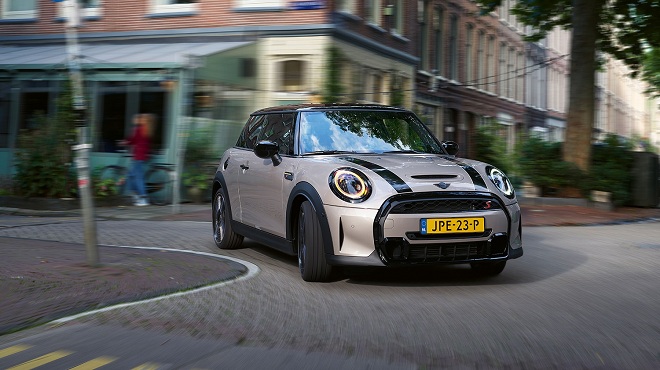
MINI India launches the all-new MINI 3-Door Hatch, the all-new MINI Convertible and the all-new MINI John Cooper Works Hatch in India. This all-new MINI range will be available in petrol engines as Completely Built-up Units (CBUs).
Mr. Vikram Pawah, President, BMW Group India said, “Since inception, authentic design, unique style and driving fun are timeless qualities that distinguish the iconic MINI. 20 years after the launch of the modern MINI, the latest model generation continues to reinvent itself all over again and amplifies its emotional design, go-kart feel and clever functionality. We are delighted to offer our customers in India a completely new range of MINI products with the launch of the new MINI Countryman in March and now the all-new MINI 3-Door Hatch, all-new MINI Convertible and the all-new MINI John Cooper Works Hatch. This significantly strengthens the exceptional position of MINI within the premium small car segment in India.”
The all-new MINI 3-Door Hatch, the all-new MINI Convertible and the all-new MINI John Cooper Works Hatch enter the next stage of evolution with an intensive makeover, an enhanced standard profile and a simplified offer structure. They embody MINI’s love for fun-filled driving as well as passion for agile handling along with a modern design. The new generation cars also introduce MINI’s new Brand Campaign ‘BIG LOVE’, that captures its inimitable spirit of celebrating individuality while embracing diversity.
The ex-showroom prices of the petrol engine variants is as follows:
The all-new MINI 3-Door Hatch : INR 38,00,000
The all-new MINI Convertible : INR 44,00,000
The all-new MINI John Cooper Works Hatch : INR 45,50,000
The all-new MINI 3-Door Hatch and the all-new MINI Convertible now look better than ever with their simplified and modernised design. This new exterior design language now puts MINI’s unmistakable appearance in a purist form with enhanced aesthetics. The front view is expressive and is dominated by the new characteristic hexagonal radiator grille which exudes a modern, sophisticated aura and the round hallmark MINI LED headlights. The fog lights are now integrated with the LED headlights. The LED side indicators are integrated into the redesigned side scuttles. The short overhangs continue to define the side view along with striking new contours of the wheel arch surrounds. The British-flag-inspired rear lights graphics are in Union Jack design. The rear fog light is now integrated into the rear apron as a narrow LED unit. The new air intakes are vertically integrated with the bodywork and increase aerodynamics.
The MINI John Cooper Works models are built to thrill. The all-new MINI John Cooper Works Hatch features a new hexagonal radiator grille at the centre section and has a characteristic honeycomb pattern with a cross member at the bottom edge finished in red. Reserved solely for the top athlete, the exclusive John Cooper Works bonnet stripes add a distinctively race-inspired look. The racing genes are enhanced further with a contrasting paint finish for the roof and mirror caps in white, black or exclusively for MINI John Cooper Works in Chilli Red. Aerodynamic features include the front apron with integral air ducts, side sills that ensure uninterrupted driving dynamics.
The MINI 3-Door Hatch and the MINI Convertible will be available in four new colours – Rooftop Grey metallic, Island Blue metallic, Enigmatic Black and Zesty Yellow (only for MINI Convertible). An optional Piano Black exterior is available where the door handles, side scuttles, fuel cap, MINI logos on the bonnet and luggage compartment lid, the model lettering and tailpipes of the exhaust system are now finished in high-gloss black in addition to the surrounds of the headlights, radiator grille and rear lights. Contrasting colours for the roof and exterior mirror caps are among the most striking design features. In addition to the Body Colour, Jet Black, Aspen White and Melting Silver paintwork (for MINI 3-Door Hatch and Convertible), as well as Chili Red for the MINI John Cooper Works, an new innovative and globally unique variant of the roof paint finish is offered for the MINI 3-door Hatch. The new Multitone Roof (MINI 3-Door and MINI JCW) features a colour gradient from San Marino Blue through Pearly Aqua to Jet Black, created with a new painting technique extending from the windscreen frame to the rear. Every MINI with Multitone Roof is unique due to slight deviations in the colour pattern.
The renewed range of 17-inch (43.66 cm) light-alloy wheels are available as standard for all-new MINI 3-Door Hatch and MINI Convertible. These include Light Alloy Wheels Roulette Spoke-Two-Tone, Light Alloy Wheels Tentacle Spoke-Black, Light Alloy Wheels Rail Spoke-Two-Tone and John Cooper Works Track Spoke-Black which is exclusive to all-new MINI John Cooper Works Hatch along with the option of an 18-inch (46.20 cm) John Cooper Works Course Spoke 2-tone.
The interior is fresh, sophisticated and comes with two new MINI Interior Surfaces Silver Chequered (sporty style in which the instrument panel surface and the elliptical ring in the door are available in a Chequered design) and MINI Interior Surfaces Aluminium (opposing diagonal lines represents a modern, visually impactful evolution of the classical herringbone design). Genuine materials meet innovative design in the upholstery options. The MINI 3-Door Hatch and MINI Convertible comes with two new standard upholstery options – Cloth-Leatherette combination in Black Pearl Light Chequered and Black Pearl Carbon Black. The sports seats use 100% recycled material for its surfaces in Light Chequered design. The Leatherette Carbon Black is also available as standard option. Additional upholstery options include MINI Yours Leather Lounge in Carbon Black, Leather Cross Punch in Carbon Black, Leather Chester in Satellite Grey and Malt Brown as well as JCW Sports Seats in Dinamica.
The new multifunction steering wheel design integrates more functions yet reduces the number of control surfaces. The premium look of the hallmark central instrument has also been optimised. An 8.8-inch (22.35 cm) colour touchscreen display, touch-sensitive favourite buttons and Piano Black high-gloss surfaces are now standard features. In addition, the audio control unit and the function buttons for hazard warning lights and driver assistance systems are integrated harmoniously into the circular control unit. In conjunction with the Ambient Light option, a new surface design with laser engraving accentuates the appearance of the LED light ring surrounding the central instrument. The operating system controller placed on the centre console now features an all-black surface in conjunction with a navigation system. The optional 5-inch (12.70 cm) multifunctional instrument display on the steering column gives the drivers cockpit a whole new feel.
The optional MINI Wired Package comes with Navigation System, Wireless Charging, enhanced Bluetooth mobile preparation. The multifunctional instrument display comes as standard with MINI Wired Package. Other infotainment options include Apple CarPlay along with MINI Radio Visual Boost + MINI Navigation or with Wired Package and Harmon Kardon Hi-Fi Speaker System.
The MINI Excitement Pack features LED interior and ambient lighting that illuminates the cockpit with a choice of selectable colours as well as a projection of the MINI logo from the exterior mirror on the driver’s side when opening and closing the car door. Additionally, the new ‘Lounge’ and ‘Sport’ modes offer a choice of six interior light colours each. In ‘Lounge’ mode, the content displayed is in a relaxing colour setting ranging between turquoise and petrol blue. The ‘Sport’ mode the screen backgrounds are red and anthracite.
When it comes to power, the MINI 3-Door Hatch and MINI Convertible makes no compromises and are powered by the latest MINI TwinPower Turbo Technology offering outstanding performance and fuel efficiency. The 2-litre 4-cylinder petrol engine with TwinPower Turbo Technology mobilises a peak output of 192 hp/141 kW and produces a maximum torque of 280 Nm at 1,350 – 4,600 rpm. The MINI 3-Door Hatch sprints from 0 to 100 kmph in 6.7 seconds while the MINI Convertible takes 7.1 seconds for 0 to 100 kmph.
Performance is paramount and keeps the adrenaline pumping in the MINI John Cooper Works Hatch. Awe-inspiring torque is generated by the 2.0 litre, 4-cylinder TwinPower Turbo engine that can hit 100 kmph in 6.1seconds, mobilising a peak output of 231 hp/170 kW and a maximum torque of 320 Nm at 1,450 – 4,800 rpm.
The precision-tuned 7-Speed Double Clutch Steptronic Transmission in MINI 3-Door Hatch and Convertible and the 8-Speed Steptronic Sport Transmission in MINI JCW Hatch offers even more efficient, comfortable and sporty driving thrill due to a broader gear spread and smaller engine speed steps. The MINI John Cooper Works Hatch features paddle shifters for an even sportier driving experience.
MINI Driving Modes enable an individualised vehicle set-up focusing on ride comfort, enhanced sportiness or efficiency according to driver’s preference. In addition to the standard MID mode there is a choice of SPORT and GREEN mode. Driver Assistance Systems include Cruise Control, Park Assistant, Rear View Camera and Head-Up Display.
The all-new MINI range is stacked with safety technology. The standard safety equipment comprises of front passenger airbags, Brake Assist, 3-Point Seat Belts, Dynamic Stability Control, Crash Sensor, Anti-lock Braking System, Cornering Brake Control, Run-Flat Tyres and Rear-View Camera as standard. The MINI Convertible features a Rollover Protection System for additional safety. The standard MINIMALISM technology includes auto start/stop function, brake energy recuperation, active cooling air flaps and electromechanical power steering.
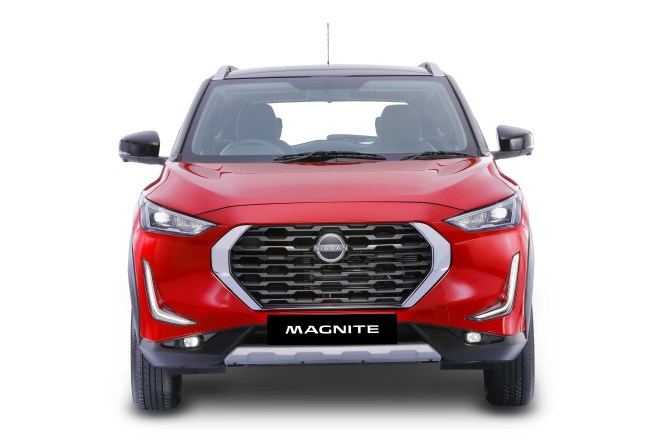
Nissan India today announced the exports of the all-new Nissan Magnite in Indonesia, South Africa and Nepal. Since the launch of the all-new Nissan Magnite in December 2020, Nissan India has produced 15,010 sub-compact SUVs (till end of May 2021) including 13,790 for India and 1,220 for exports.
Built on the philosophy of “Make in India, Make for the World”, the new vehicle has replicated its India success in the Nepalese market by achieving 760+ bookings within first 30 days of its launch in February 2021 in a market that has monthly passenger vehicle sales of 1,580 units.
“Following a successful global launch, the all-new Nissan Magnite has been very well received by the Indian consumers. Having already made a mark in the Indian market with its impeccable design and the latest technology, the all-new Nissan Magnite is driving excitement amongst customer on a global scale. Built on the philosophy of “Make in India, Make for the World, the all-new Nissan Magnite will explore more export markets after the overwhelming customer response it has received in the Nepal market. We are confident that the game changer SUV will strengthen the exports as part of Nissan NEXT transformation plan for our sustainable growth”. says Sinan Ozkok, President, Nissan Motor India Pvt. Ltd.
With the introduction of the third shift in its manufacturing process earlier this year, along with 1000+ new hires across the manufacturing plant, Nissan has been able to meet growing demands in the Indian and export markets. This early global exposure has helped Nissan India enhance its quality and attain global benchmarks.
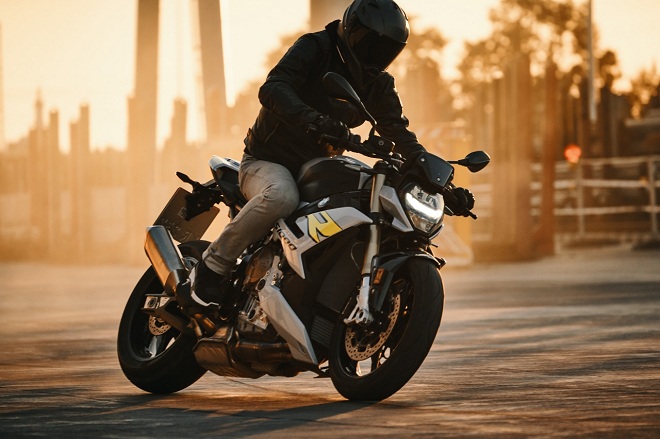
BMW Motorrad India has launched the all-new BMW S 1000 R in India. The roadster will be available as a completely built-up unit (CBU) and can be booked at all BMW Motorrad India dealerships from today onwards.
Mr. Vikram Pawah, President, BMW Group India said, “The second generation of the all-new BMW S 1000 R is designed as a power-packed roadster with supreme riding dynamics, athletic character combined with maximum safety and everyday practicality. We are delighted to offer yet another masterpiece for riding enthusiasts in India. It is a unique blend between fast sporty runs and track day fun.”
The motorcycle is available in three variants at the following ex-showroom prices –
The all-new BMW S 1000 R Standard – INR 17,90,000
The all-new BMW S 1000 R Pro – INR 19,75,000
The all-new BMW S 1000 R Pro M Sport – INR 22,50,000
The second generation of the all-new BMW S 1000 R is significantly more masculine and sharply defined. Sharp edges and accentuated beads clearly emphasises the precision of the machine. It is derived from the BMW S 1000 RR and enhances its character as a dynamic roadster. The ‘tail up – nose down’ look gives the all-new BMW S 1000 R an eye-catchingly visual impact along with its new body elements. It visually conveys a low weight, sporty lightness and a high level of riding performance. The new LED headlamp lends an even more muscular look. The fuel tank side panels, the tank center cover, the side panels in the shape of a stylised ‘R’ and the engine spoiler have also been redesigned. They also convey pure power for riding fun on urban roads and very fast laps on the racetrack. The new design is accompanied by ergonomic refinements such as a reversible handlebar clamp for increased reach and better riding position and options for the seat height adjustment.
The racing genes are amplified with the colour concept highlighting the sporty appearance of the all-new BMW S 1000 R. In addition to the basic colour Racing Red non- metallic, the M Motorsport paint finishes are available with the Style Sport and the M package options. The Style Sport option with the basic colour Hockenheim Silver metallic, in combination with Matt Copper metallic components such as the rear frame section and engine side covers as well as grey anodised components, emphases the technical highlights of the roadster. The all-new BMW S 1000 R is the first model in BMW Motorrad’s portfolio to inherit the iconic colours of the all-new BMW M 1000 RR. The exclusive M Motorsport paint finish is reserved for the M package with the base colour Light White non-metallic in combination with Light Blue, Dark Blue and Red.
The all-new BMW S 1000 R is fitted with a newly developed water cooled 4-cylinder in-line engine with a displacement of 999 cc. It is based on the all-new BMW S 1000 RR engine, which has been comprehensively modified for sporty performance. It generates a peak output of 165 hp (121 kW) at 11,000 rpm and a maximum torque of 114 Nm at 9,250 rpm to deliver supreme level of engine power. The all-new BMW S 1000 R sprints from 0-100 kmph in 3.2 seconds and can achieve maximum speed of 250 kmph. (Electronically Limited)
The engine speed range is wider, fuller and more harmonious with improved rideability due to the linear torque curve. The 4th, 5th and 6th gears now have longer gear ratios thus reducing the noise and fuel consumption as well as the engine speed level, especially at cruising speeds. In addition to a smoother, self-reinforcing anti-hopping clutch, the all-new BMW S 1000 R is equipped with engine drag torque control (MSR) for the first time as an optional extra. The engine drag torque control prevents the rear wheel from slipping due to abrupt throttling or downshifting.
The newly engineered suspension of the all-new BMW S 1000 R has enhanced riding dynamics and significantly reduced weight as compared to the predecessor model. It features a ‘Flex Frame’ which is the optimum interplay between the frame design and the engine as a load-bearing element. It improves the aerodynamics of the motorcycle and helps keep the weight low. The new suspension geometry results in clearer, improved feedback from the front and rear wheel. It further increases agility, feedback, ride precision and enhances the mechanical grip of the rear wheel.
For ideal adaptation to varied conditions of use, the all-new BMW S 1000 R is fitted with the four modes ‘Rain’, ‘Road’, ‘Dynamic’ and ‘Dynamic Pro’ as standard. These enable individual adaptation of the most diverse control functions such as Engine (throttle), Engine Brake, Traction Control, Wheelie-Control, ABS and ABS Pro to suit the rider’s own skill level and riding style. The fully configurable ‘Dynamic Pro’ mode is also available with a particularly wide range of setting options as part of the ‘Riding Modes Pro’ option. With ‘Riding Modes Pro’, the all-new BMW S 1000 R also features the ‘Engine Brake’ function in conjunction with the engine drag torque control (MSR) and the ‘Power Wheelie’ function. As part of the “Riding Modes Pro” option, Dynamic Brake Control (DBC) additionally supports the rider during emergency braking manoeuvres.
The Multifunctional instrument panel – the 6.5-inch TFT display – of the all-new BMW S 1000 R offers an unrivalled level of quality in terms of display and information in its segment. The Pure Ride screen displays the essentials or one of three Core Ride screens that display other important information. BMW Motorrad multi-controller gives the rider quick access to vehicle and connectivity functions. The all-new S 1000 R is equipped with BMW Motorrad Connectivity App, practical arrow navigation with route import and multiple waypoint guidance on the display.
A comprehensive range of optional equipment and original BMW Motorcycle accessories is available for further individualisation of the all-new BMW S 1000 R.


 Power Drive