Hyundai Motor India Limited (HMIL), has announced the introduction of its dedicated BEV Platform E-GMP (Electric Global Modular Platform) for India. With the introduction of its dedicated BEV platform, the company will take the lead in driving the BEV revolution for Smart Indians. Hyundai IONIQ 5 will be HMI’s first model to be introduced on the E-GMP Platform and becoming the latest BEV from the brand that will redefine Electric Mobility lifestyle and enable you to ‘Power your world’.
Commenting on the announcement, Mr. Unsoo Kim, MD & CEO, Hyundai Motor India Ltd., said, “Hyundai has been driving the smart revolution of automobiles in the country for the last two and a half decades; and has continued to invest in the introduction of mobility solutions that delight customers. Our Electric Mobility campaign in India began in 2019 with the launch of India’s 1st Electric SUV – Hyundai KONA Electric. As we continue to challenge possibilities and dynamics of mobility, our pursuit of innovation is perfectly reflected in the Electric Global Modular Platform – E-GMP. With the introduction of E-GMP to India, we will be able to provide customers with advanced battery electric vehicles, derived from a platform that is modular, scalable and versatile. Conceptualized and engineered to pivot the future transformation of Electric Mobility, E-GMP will usher in a new league of Electric Vehicles for the smart new age customers in India.”
Electric Global Modular Platform (E-GMP)
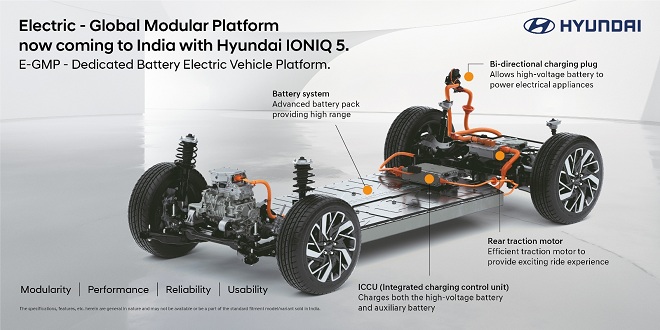
Hyundai Motor Group globally showcased its E-GMP dedicated BEV platform for future electric vehicles, marking a new era for the brand. Driving the pump-to-plug revolution, Hyundai will pioneer the development of future electric vehicles with this dedicated BEV platform that is now coming to India with the Hyundai IONIQ 5.
The E-GMP platform comprises of vehicle chassis that includes – battery, motor and power electric system. The battery system features an advanced battery pack offering high range, while the bi-directional charging plug allows the high-voltage battery to power various electronic appliances. The E-GMP platform also features an Integrated Charging Control Unit (ICCU) that charges both the high-voltage battery as well as auxiliary battery. With an inherent modular DNA, E-GMP is capable of forming the underpinnings of vehicles with different body types and through the innovative interior packaging the vehicles will feature a flat floor, slim cockpit and a flexible yet spacious cabin. E-GMP has been developed on four Key Pillars of:
· Modularity
· Performance
· Reliability
· Usability
Modularity to Enable Development Flexibility – With E-GMP, Hyundai has reduced complexity with modularization and standardization, thereby catering to the rapid development of vehicles with various body types. The advanced architecture of E-GMP and its modular systems will enable the flexible development of multiple vehicles that cater to diverse customer needs. Further, with the modularity of this platform, multiple high-range battery options can be configured by adding or removing standard battery modules.
Designed for Performance – E-GMP has been designed to deliver enhanced driving dynamics with improved cornering performance and driving stability at high speeds that is achieved through optimal weight distribution between front and rear. Through its low mounted battery pack the platform delivers a low centre of gravity, thereby enhancing cornering performance. On the Hyundai IONIQ 5, the high-speed electric motor delivers a superior performance, achieving a top speed of 185 kmph. With the use of a 5-link rear suspension the platform is able to deliver superior ride comfort and handling. Further, with E-GMP customers can enjoy the benefits of Ultrafast Charging that can charge up to 80 per cent in 18 minutes (with a 350 kW DC charger).
Reliability at its Core – Engineered to deliver superior levels of structural strength and integrity, E-GMP has been developed with:
· Front energy absorption zone – that is built to deform and absorb shocks for passenger safety
· Energy distribution structure – that features an efficient front energy distribution structure to prevent deformation of passenger cabin area
· Battery protective structure – the application of Ultra High-Strength Steel structure around battery pack offers enhanced safety
· 8-point battery mounting – has been incorporated to enhance battery safety through sturdy battery-to-floor connection
Maximized Usability for Superior Comfort – The E-GMP platform has been developed keeping in mind the future mobility needs of customers across the globe. With modern buyers seeking enhanced versatility and usability in transit, E-GMP offers maximized interior space with a long wheelbase. By shifting the AC system to the engine bay, E-GMP will also offer increased cabin space. Through its flat floor construct, E-GMP enhances seating comfort and by removing the centre tunnel, middle passenger on the rear seat can sit more comfortably. With E-GMP, Hyundai IONIQ 5 will offer flexible usage of space through various seating positions such as relaxation seats with Leg support; and moving console for enhanced versatility.
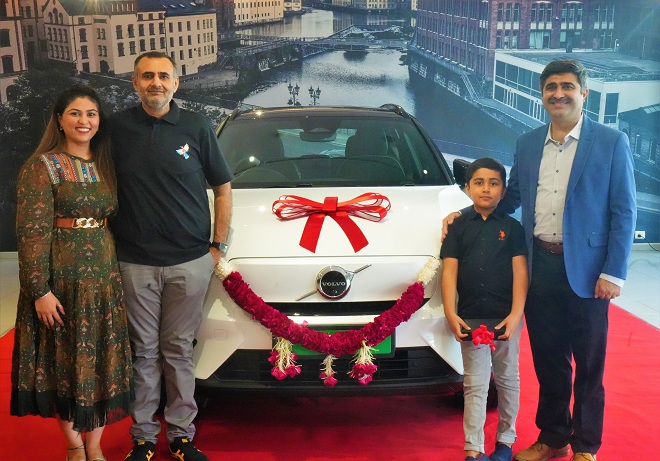
Volvo Car India has commenced the delivery of its full electric XC40 Recharge in the country. The first car was delivered today in Gujarat by Mr. Jyoti Malhotra, Managing Director, Volvo Car India. Volvo XC40 Recharge is India’s first Locally Assembled Luxury Electric SUV. The company is assembling the cars in their facility based at Bangalore, Karnataka.
“It is indeed a milestone for all of us at Volvo to have the first of the India assembled pure electric XC40 Recharge luxury SUV delivered. This delivery is historic as this not only marks the beginning of our journey towards becoming an all-electric car company by 2030 but also will be the first car which is being delivered under our ambitious Online Direct Sales model. The response to the XC40 Recharge has been really encouraging with 150 car orders received online within 2 hours of opening bookings. I am delighted to announce that we already have close to 500 advance orders with us, and we will be delivering around 100 of them before the year-end. Rest of the customers will get their cars during the next year.” said Mr. Jyoti Malhotra – Managing Director, Volvo Car India.
The XC40 Recharge was launched on July 26 this year at Rs 55.90 lakh ex-showroom with a hassle-free ownership package. Volvo’s first electric SUV garnered an overwhelming response from luxury car buyers in India, with the business registering online bookings of 150 cars within few hours of starting bookings on July 27th. The XC40 Recharge has a phenomenal range of upto 418 kilometres on a single charge as per WLTP. This feature has increased consumer confidence and addressed common misconceptions regarding EV range.
All XC40 Recharge owners will also get two year membership of the exclusive Tre Kronor program. Tre Kronor membership offers benefits and services designed exclusively for Volvo XC40 Recharge car owners, keeping their satisfaction and comfort in mind.
By 2030, the company wants to offer exclusively purely electric vehicles and phase out all vehicles with internal combustion engines, including hybrids. This is aligned with the Company’s worldwide climate plan, which aims to minimize the life cycle carbon footprint per car through tangible action on a consistent basis.
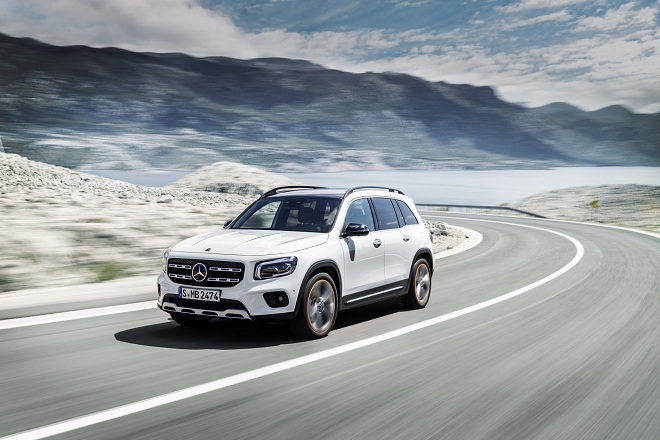
Mercedes-Benz GLB, Edition 1, digitalweiß // Mercedes-Benz GLB Edition 1, digital white
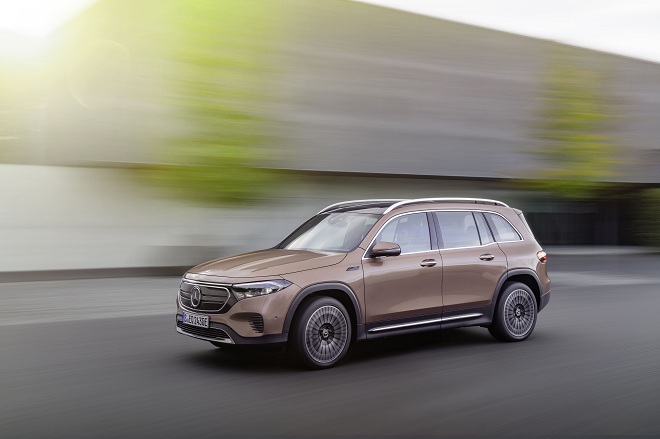
Mercedes-Benz continues its product offensive in India, and is all set to launch its first-ever 7 seater luxury EV in its portfolio – the EQB.
The EQB also marks Mercedes-Benz India’s third luxury EV debut in 2022, preceded by the AMG EQS 53 4MATIC+ and the ‘Made in India’ EQS 580 4MATIC. With EQB, Mercedes-Benz now strengthens its foundation for the electric roadmap in India, for the coming years.
Mercedes-Benz however, wants to offer its customers an array of drivetrains and product choices for potential niche segments. Listening to customers’ wishes, for the first-time ever, Mercedes-Benz will be launching a luxury EV along with its ICE sibling.
The EQB will be introduced in India along with the GLB- underlining Mercedes-Benz’s strategy of strengthening its product offering in the SUV segment.
Referred to as the ‘Mini GLS’, the versatile GLB will be Mercedes-Benz’s second 7-seater SUV in the portfolio, after the GLS.
The GLB reinterprets the characteristic appearance of a Mercedes SUV with its versatility and dynamism, making it highly functional and spacious vehicle for young active families.
With the GLB, Mercedes-Benz now has the largest SUV portfolio in the entire luxury automotive segment in India, ranging from the GLA up to the G-Class.
The GLB and the EQB will make their combined India market debut on December 2, 2022. Mercedes-Benz also commence the bookings of these SUVs and customers can book the SUVs online or at their nearest dealership, with an booking amount of Rs. 1.5 lakhs each.
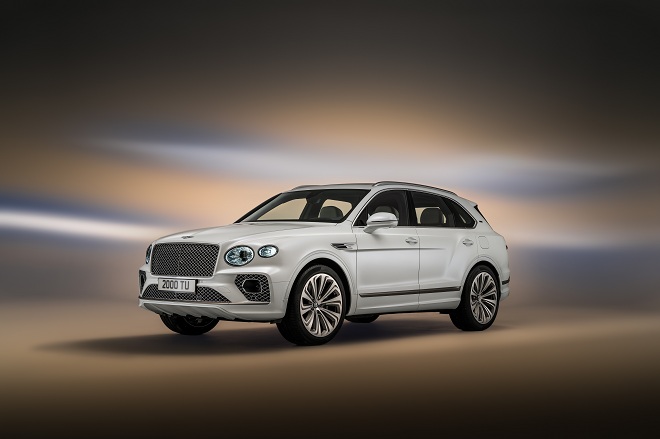
Bentley is unveiling the Bentayga Odyssean Edition, continuing the story of extraordinary sustainable design, without compromise to the renowned Bentley character or craftsmanship. This new limited edition is focused in sustainability, and will be strictly limited to just 70 examples.
The first Odyssean Edition was launched in 2021 to the Flying Spur family, and took design influences from the EXP 100 GT concept car that defined Bentley’s view of luxury mobility in 2035 as part of its Beyond100 strategy. Similar to the Flying Spur Odyssean, the new Bentayga limited edition takes advantage of the benefits provided by a Hybrid powertrain.
Together, the Bentayga Hybrid’s V6 petrol engine, electric motor and new and improved 18.0 kWh battery deliver a remarkable spectrum of performance, from the calm of near-silent, zero emission EV mode to thrilling full-throttle acceleration, with an electric-only range improved to at least 28 miles (45 km) on the WLTP cycle.
With a combined output of 462 PS (456 bhp), the 3.0-litre TFSI V6 petrol engine and 100 kW electric motor-generator can power the Bentayga Hybrid from zero to 62 miles an hour (100 kmph) in just 5.3 seconds, with a top speed of 158 mph (254 kmph). The sensation of effortless power is, if anything, accentuated by the hybrid powertrain due to the capability of the electric motor to deliver its full torque output from zero revolutions per minute.
Bentley’s hybrid portfolio now consists of seven models out of 14 in total, meaning 50 per cent of the complete Bentley model range is now electrified.
Sustainability is not only focused on the powertrain, but with materials inside the cabin too. The open pore Koa veneer of the centre console uses 90 per cent less lacquer than high-gloss veneers, and allows the natural surface texture and aesthetic of the wood to be enjoyed. Selected from only the very best, most figured stock available, open-pore veneer is painted with just three ultra-thin layers of lacquer, together totalling only 0.1 mm in thickness.
The fascias and waistrails are finished in a sleek, minimalist Piano Linen veneer, while a dedicated three-colour leather scheme lends the whole interior new depth. Together with new materials, sustainable natural leather is used widely across the cabin, thanks to its long-term durability.
The cabin also features panels of beautifully crafted tweed made from 100 per cent British wool, twisting a blend of tonal colours into a bespoke yarn to create a unique natural luxury textile especially for Bentley.
Accents to the interior are in a soft, warm hide called Autumn, with customers able to choose from five specifications that utilise Beluga, Porpoise, Cricketball, Brunel or Burnt Oak leather in tandem with light, modern Linen hide. The resulting combination brings a unique three-colour palette – a first for the second-generation Bentayga. A unique Odyssean Edition treadplate becomes apparent when entering or exiting the car, and is matched with exterior D-pillar badging.
In common with the ombré finishes seen in the Flying Spur Odyssean, an exclusive embroidery style sees thread colours blend calmly into one another across the width of each seat.
To the exterior, painted Pale Brodgar accents on the 22-inches ten spoke wheels and lower brightware (front and rear bumpers, headlight and tail light surrounds and lower body side chrome) result in a uniquely serene character. A curated exterior palette of six colours have been recommended to harmonise with the Pale Brodgar accents, however, the full Bentley palette of over 60 colours can be chosen from.
As with Bentley’s Azure models, the Odyssean Edition prioritises the wellbeing and comfort of the vehicle’s occupants and make every journey a relaxing experience regardless of distance. Once outside the urban environment the powerful combination of 3.0-litre V6 petrol engine and electric motor continue to deliver a quiet, refined driving experience.
The Bentayga Odyssean Edition promotes the wellbeing of its occupants through a combination of design, technology and craftsmanship. Its specification includes the Front Seat Comfort Specification, offering up to 22-way adjustability and a heating and ventilation function to maintain the body’s optimum temperature for comfort and alertness.
The sense of safe, serene progress and relaxed control is further enhanced by the Touring Specification of driver assistance systems. Adaptive Cruise Control maintains a set distance from the vehicle in front, slowing down (to a halt if necessary) when the vehicle in front does so and resuming the set speed once the lane is clear. Together with Lane Assist, Traffic Assist and Bentley Safeguard, Bentley’s suite of onboard radar and camera systems constantly monitor the surrounding traffic and roads.
The Bentayga Hybrid has a dedicated button that allows control over the three E Modes – EV Drive, Hybrid Mode and Hold Mode. These will enable the driver to manually manage battery usage during a journey – though this can also be managed automatically by the car.
EV Drive mode is engaged as soon as the car is switched on, and maximises the electric driving experience. This is ideal for city driving and for shorter journeys. The Bentley Hybrid Efficiency Accelerator Pedal provides feedback to the driver using a pressure point to denote the boundary between pure electric and hybrid power. Using predictive data from the Bentley Hybrid Efficiency Navigation database, the pedal will vibrate when approaching a junction or speed limit decrease, advising the driver to lift off the throttle, saving energy whilst also giving the maximum opportunity for regeneration. Haptic feedback through the throttle pedal of the transition between the E Motor disengaging and the internal combustion engine starting encourages the driver to stay in EV Drive for as long as possible, maximising efficiency. In pure electric drive, the E Motor continues to function up to speeds of up to 84mph.
Hybrid Mode maximises vehicle efficiency and range using data from the intelligent navigation system. This mode is suited for longer journeys and uses predictive E-Mode and engine coasting whilst following directions from the navigation system. Inputting a destination, the car will automatically engage the correct Drive Mode for each part of the journey, constantly calculating the most efficient use of battery charge and storing electrical energy for sections of the journey where it is most useful – such as when arriving in the city. The system will reduce on-board charge to zero just as the vehicle reaches its destination, maximising overall efficiency.
Hold Mode balances engine and electric power to hold high voltage battery charge for later use. This is the default mode when in Sport is to provide consistent boost and recuperation.
Bentley Hybrid Efficiency Braking blends seamless integration of braking between the E Motor and conventional hydraulic braking, to provide a conventional feel to the brake pedal for comfort and the driving experience while maximising recuperation of energy.
The Bentayga Odyssean Edition offers the ultimate in electrified luxury, with smooth and silent progress through urban environments, whilst having the grand touring capability to escape the city and explore further.
By 2025, the full Bentley line-up will be offered with hybrid powertrains, coinciding with the launch of the first ever Bentley Battery Electric Vehicle (BEV).
Bentayga Odyssean Edition goes on sale in November, ahead of a start of production in Q1 2023.
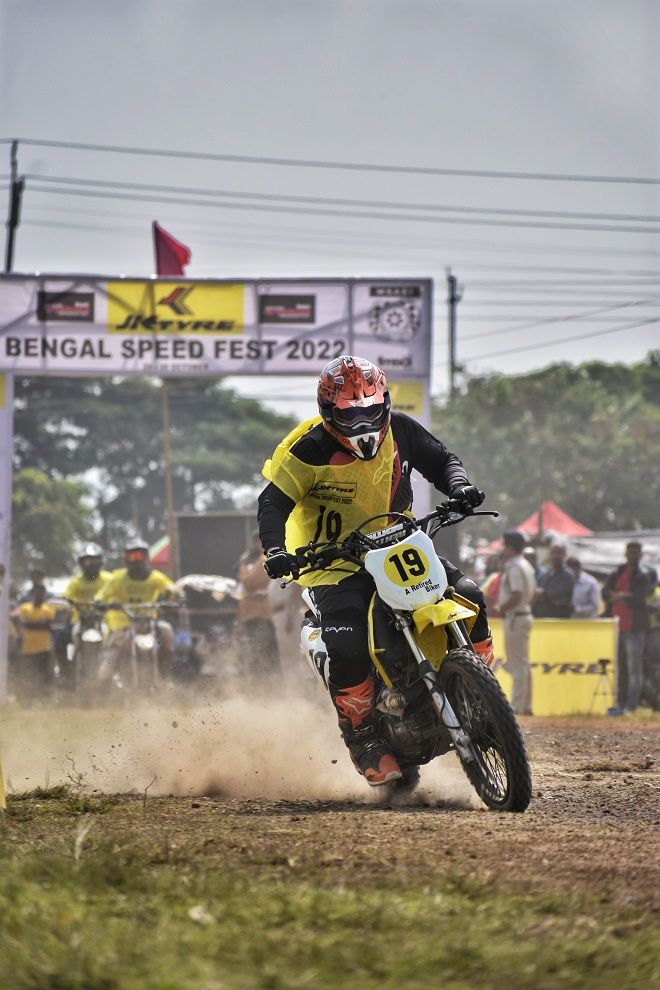
JK Tyre Bengal Speed Fest 2022 was held in the industrial town of Haldia during the weekend of 29th October – 30th October 2022. This was the third year of the Naional Autocross Championship with other supporting 2Wheeler and 4Wheeler events which witnessed stiff competition amongst the top drivers and riders of this zone. The 10,000 strong local crowd were thrilled to witnessed the battle of supremacy.
Having JK Tyre on board as Title Sponsor and Ramakrishna Race Performance Management Pvt. Ltd. (RRPM) as the Marketing Partner provided a great boost to the event which was also supported by the Haldia Municipality and Haldia Development Authority among other organisations.
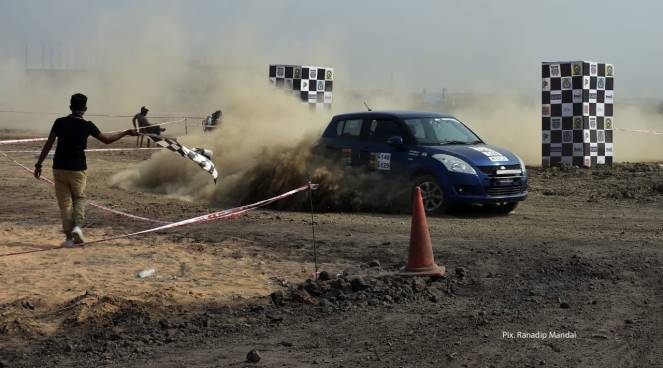
The event was a combination of 4Wheeler Autocross, Gymkhana and 2Wheeler Dirt Track including the East Zone Qualifier of Indian National Autocross Championship. There were six categories of events in the JK Tyre Bengal Speed Fest 2022. The total number of entries received were 198 among which there was three lady participants.
In the 4Wheeler Indian National Autocross Championship Qualifier, local lad Sk. Saddam Ali clocked the best timing of the event with 1 minute 32.020 seconds, closely followed by Mazdeyar K. Vatcha, Sk. Ibrahim Ali, Sourabh Chowdhury and Souradeep Dutta which rounded off the top five positions.
Avik Saha, Barun Chowdhury and Sk. Alivia also emerged victorious in their respective categories in 4 Wheeler. Crowd favourite and top contender Suhail Ahmed emerged fastest in the 2Wheeler Dirt Track followed by Shivam Thakur, Indrashish Shyam Roy and Uday Ganguly completing the top four positions.
Speaking on the occasion, Saurav Chatterjee and Sk. Ajgar Ali, the key organisers of this event explained the aim of the event is to woo the youth away from road racing to regulated motor sports, where safety of the drivers and riders is of paramount importance. They explained that Autocross is not only about raw speed; one has to match that with driving acumen and physical stamina as well.
The goal of FMSCI, the apex body of Indian Motorsports, is to identify young budding talents from the regional zones and thus JK Tyre Bengal Speed Fest 2022 is a big step forward to the eminent goal. Motor Sports Association of Eastern India and Kolkata Automotive Sports Association along with RRPM the organising motor sports clubs together shall be the guiding force of raw talents in the near future.
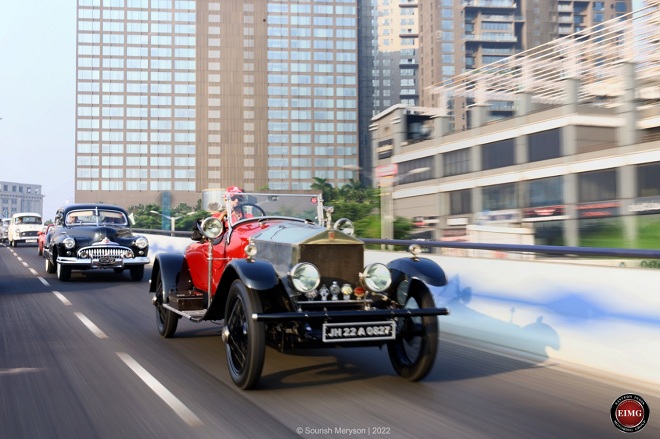
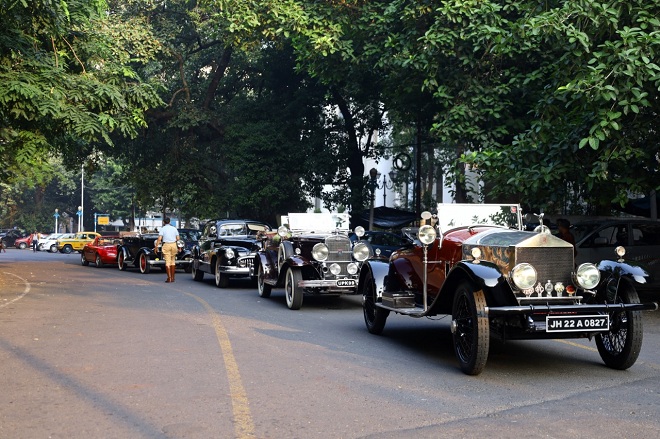
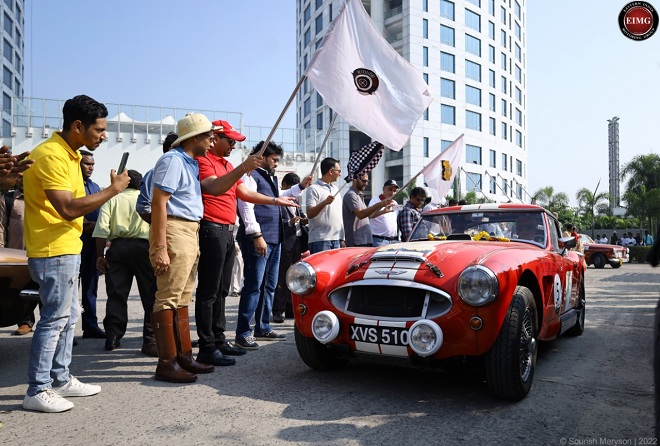
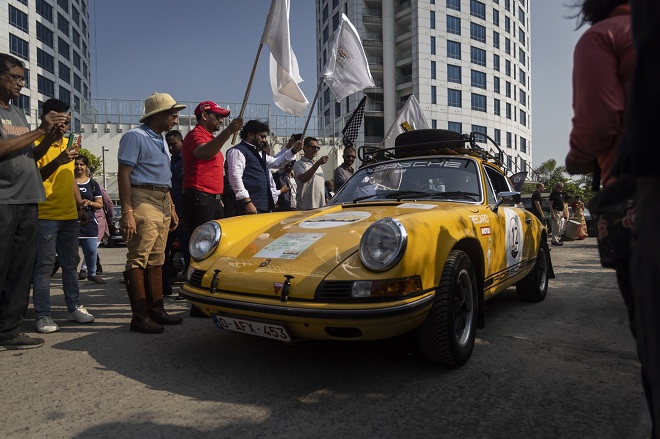
Even as an impending cyclonic storm threatened to play spoilt sport, the members of Eastern India Motoring Group (EIMG) – an active body of historic car enthusiasts – gathered in front of the Town Hall on Friday, October 21, to participate in the EIMG Drive To East Himalaya Rally Flag Off 2022.
This historic vehicle run – which also marked the beginning of the vintage and classic car season for EIMG members – was flagged off from the iconic Town Hall in Kolkata and culminated at The Westin in Rajarhat. This non-competitive event witnessed participation spanning several decades of automotive history.
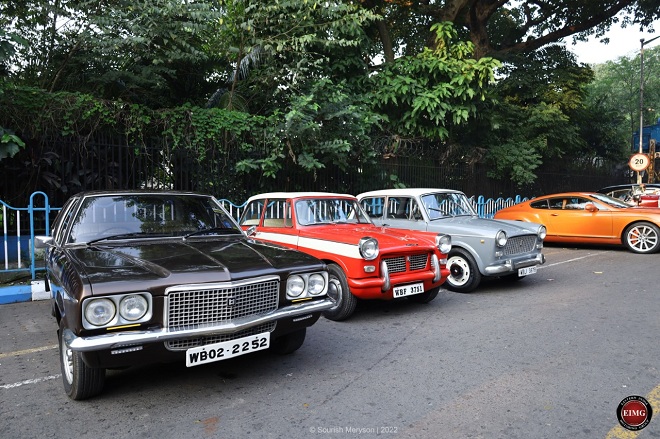
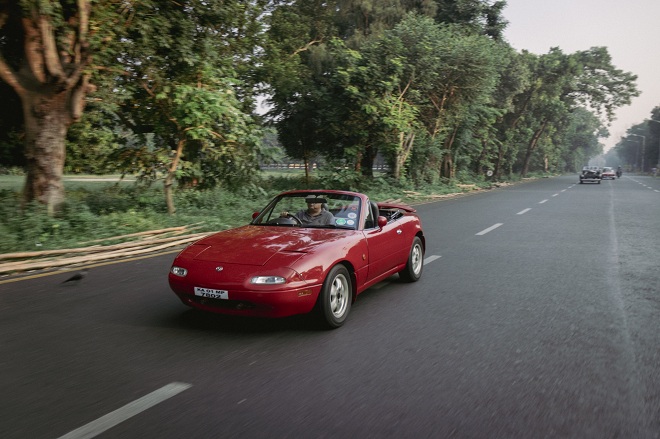
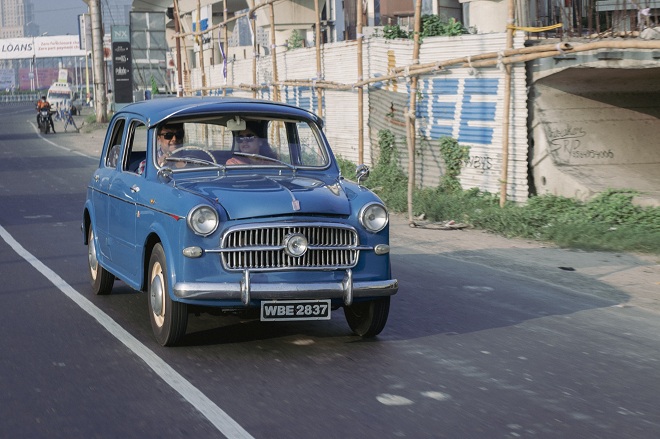
Around 30 historic four and two wheelers were in attendance on this autumnal morning among which were Shrivardhan Kanoria’s 1923 Rolls-Royce Sports & 1931 Chevrolet Big 6, Rajiv Ghosh’s 1932 Ford V8 & 1949 Buick 8, Avik Naha’s 1948 Buick 8, Sourav Sett’s 1949 MG Y, Saikat Dutta’s 1963 Triumph Spitfire, Subhajit Kumar’s 1964 Herald & 1969 Fiat 1100d, Debaprem Chatterjee’s 1975 Ambassador, Onurag Chatterji’s 1989 Yezdi and Sarojesh Mukerjee’s 1994 Mazda Miata, just to name a few.
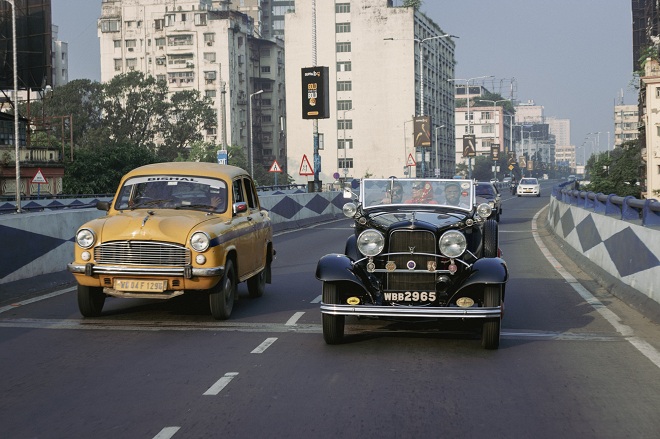
The convoy of heritage vehicles began the run from Town Hall and drove past the Raj Bhavan before being diverted onto Mayo Road and then finally merging with Red Road. The cars continued straight before turning left onto Hospital Road and then embarking on the AJC Bose Road flyover.
The vehicles later traversed the entire stretch of the Maa flyover before alighting just ahead of the Hotel JW Marriot. The convoy proceeded straight to embark onto the Chingrihata flyover and then onward towards Nicco Park.
The historic vehicles then drove past Wipro, Technopolis and Fairfield by Marriot before making the left turn from Biswa Bangla Gate. A short drive from this point saw the convoy arriving at The Westin in Rajarhat, where a bevy of classics along with the participants of the East Himalaya Rally awaited to welcome us.
The slight nip in the air offered the EIMG members the perfect excuse to bask under the autumnal sun as they walked around inspecting the heritage wheels on display, each of which has a considerable amount of history, several miles on the odometer and interesting tales. The EIMG members also mingled with the East Himalaya Rally participants, many of whom very graciously shared several anecdotes about their travels and classics.
Shri Babul Supriyo, Minister of Tourism, Government of West Bengal graced the occasion as the Chief Guest and together with EIMG President Shrivardhan Kanoria flagged-off the East Himalaya Rally participants for a motoring adventure which would taken them across three countries – India, Bhutan and Nepal covering a total distance of 3,244 kilometres. The East Himalaya Rally is scheduled to end in Kolkata on Saturday, November 12.
Post the flag-off ceremony, EIMG member Mr. Sumit Periwal hosted a lavish breakfast meet for the EIMG officials and members that provided everyone with a platform to share a great camaraderie over tales and laughter.
Photographs by Sourish Meryson and Deepanjan Sarkar.
JK Tyre Bengal Speed Fest 2022 gets underway this coming weekend amidst huge excitement at Haldia in front of nearly 10,000 strong local crowds. Having JK Tyre on board as title sponsor and Ramakrishna Race Performance Management Pvt. Ltd. (RRPM) as marketing partner has given a great boost to this event. The event will be a combination of 4Wheeler Autocross, Gymkhana and 2Wheeler Dirt Track including East Zone Qualifier of Indian National Autocross Championship. This is the consecutive third year of this championship to be held here in Haldia and the drivers/riders will be receiving a thumping response from the locals because for them a sporting event of this stature is a rarity.
Speaking on the occasion, Saurav Chatterjee and Sk. Ajgar Ali, the key organisers of this event explained the aim of the event is to woo the youth away from road racing to regulated motorsports, where safety of the drivers and riders is of paramount importance. They explained autocross is not only about raw speed; one has to match that with driving acumen and physical stamina as well. This year the championship has eight categories, divided according to engine capacity and modification, to make the competition as fair as possible.
There is a separate event planned for the amateur drivers and ladies as well. There are six types of events in this JK Tyre Bengal Speed Fest 2022. The goal of FMSCI, the apex body of Indian Motorsports, is to identify young budding talents from the regional zones and thus JK Tyre Bengal Speed Fest 2022 is a big step forward towards the eminent goal. Motor Sports Association of Eastern India and Kolkata Automotive Sports Association along with RRPM the organising motorsports clubs together shall be the guiding force of raw talents in the near future. Haldia is buzzing with excitement and waiting for the get set go in true sense.
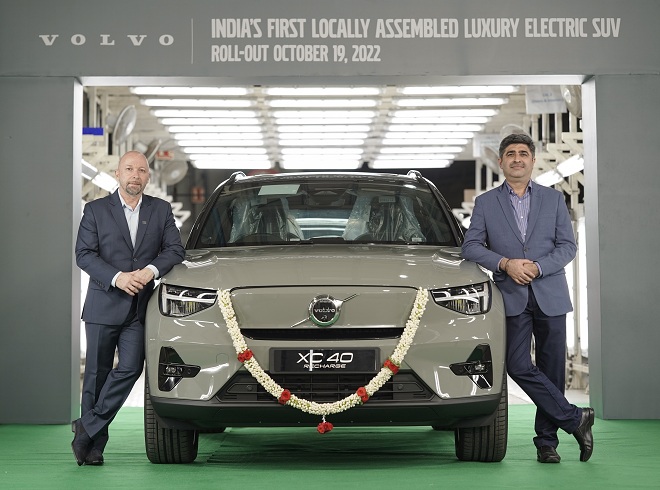
Volvo Car India has rolled out its first assembled in India luxury all-electric SUV XC40 Recharge from its Hoskote plant near Bengaluru. This is a major milestone in Volvo Car India’s commitment to become an all-electric company by 2030. Volvo Car India Managing Director Mr. Jyoti Malhotra, flagged of the first XC40 Recharge in the presence of its car Plant Head Mr. Pascal Kusters, and other members of the plant team who were associated with giving India its first assembled in India luxury EV.
“We had in May this year announced that we would commence local assembly of our all electric offering the XC40 Recharge and today we witnessed the first car rolling off the assembly line at our Hoskote plant near Bengaluru, Karnataka. Historic as this is, today’s event further strengthens our commitment of offering the Indian market a new electric model every year. The rollout is also a step in the right direction towards our goal of becoming an all-electric company by 2030” said Mr. Jyoti Malhotra – Managing Director, Volvo Car India.
“It is a new milestone reached at the Indian plant. Our journey to all electric luxury car maker in India begins with this roll out. This is a new and enriching experience for all of us. With this roll out we have shown that Volvo Car is always committed to offering the best in technology and sustainable mobility solutions,” said Mr. Pascal Kusters, Volvo’s Car Plant Head.
The company’s current range of internal combustion engine cars are already being rolled off from Hoskote plant to the exacting safety and quality global benchmarks that Volvo is known for.
Launched at Rs 55.90 lakh, ex-showroom with a hassle-free ownership package on July 26th this year, the XC40 Recharge received an overwhelming response from luxury car buyers in India and the company recorded online bookings of 150 cars within hours of opening bookings on July 27th. The XC40 Recharge gives a phenomenal four hundred kilometres plus on a single charge. This feature has boosted consumer confidence and firmly dispelled misconceptions about EV range.
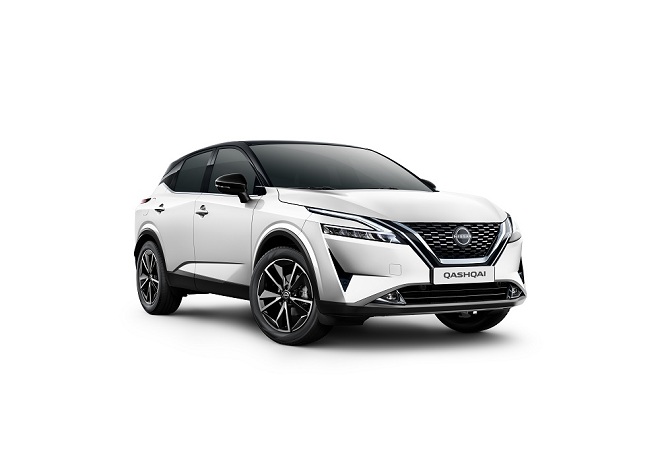
Nissan has announced that it is studying the feasibility of two of its most popular global models for the dynamic Indian market.
Confirming that testing has begun on the X-Trail and Qashqai, while at the same time showcasing the Juke, Nissan aims to assess their suitability for the rapidly evolving Indian consumer base.
Focusing specifically on their adaptability to Indian roads and differing terrains, the tests will assess each vehicle’s ability to meet customers’ needs. Starting this month, the vehicles are being put through their paces by Nissan’s top engineers on the roads that surround the company’s manufacturing plant in Chennai.
“The Indian market has boundless potential, and it is critical that we introduce the best vehicle line-up to align with what modern Indian consumers want and need,” said Frank Torres, President, Nissan India. “Following the success of the Nissan Magnite in India, we plan to strengthen our focus and leverage our expertise on high-quality SUVs that have become synonymous with our reputation.”
Over the coming weeks, Nissan will be identifying the feasibility of models from its global portfolio for the future potential vehicle line-up in India. Once testing is complete, the X-Trail will be introduced for sale first, followed by other models.
These vehicle assessments are part of a holistic study that Nissan is undertaking to prepare for its future in India. The wide-ranging review also includes securing future localised production for the long-term viability of domestic and export manufacturing, as well as exploring the potential for electrification in the longer term.
“The success of Nissan Magnite has shown what’s possible for the Indian market when you combine an excellent product with manufacturing competitiveness, supported by strong government partnerships. We look forward to strengthening Nissan’s presence in India and delivering further innovation and excitement for our Indian customers,” said Torres.
In 1900, Rolls-Royce co-founder, Charles Rolls, prophesised an electric future for the motor car. Having acquired an electric vehicle named The Columbia Electric Carriage, he foresaw its suitability as a clean, noiseless alternative to the internal combustion engine – providing there was sufficient infrastructure to support it. Today, more than 120 years later, the time has come for Rolls-Royce Motor Cars to fulfill the prophecy of its founding father.
This prophecy could not have been fulfilled without a more recent promise, when Rolls-Royce CEO, Torsten Müller-Ötvös, made a public commitment to electrification by announcing that he would bring a fully-electric Rolls-Royce to market within the current decade. Charles Rolls’ prophecy and Torsten Müller-Ötvös’ promise led to an historic moment. In September 2021, the marque confirmed that it had commenced testing of Spectre, the first Rolls-Royce to be conceived and engineered from the very beginning as an electric car.
To ensure that this transformative motor car was sufficiently prepared for the most demanding consumer in the world – the Rolls-Royce client – the marque devised the most exhaustive testing programme it had ever conceived. Spectre is being subjected to a journey of more than 2.5 million kilometres, simulating more than 400 years of use for a Rolls-Royce. On its completion in 2023, Spectre will represent a prophecy fulfilled, a promise kept and an undertaking completed.
Spectre is not only an historic moment for Rolls-Royce, but also an historic moment for electrification – with Spectre, the marque confirms that the technology has reached a standard that can contain the Rolls-Royce experience. To that end, Rolls-Royce has confirmed that by the end of 2030 its entire product portfolio will be fully-electric.
Torsten Müller-Ötvös, Chief Executive Officer, Rolls-Royce Motor Cars, said: “Spectre possesses all the qualities that have secured the Rolls-Royce legend. This incredible motor car, conceived from the very beginning as our first fully-electric model, is silent, powerful and demonstrates how perfectly Rolls-Royce is suited to electrification. Spectre’s all-electric powertrain will assure the marque’s sustained success and relevance while dramatically increasing the definition of each characteristic that makes a Rolls-Royce a Rolls-Royce.
“At Rolls-Royce Motor Cars, perfection is about more than making the very best products. It is a culture, an attitude and our guiding philosophy. Indeed, it is our founding father Sir Henry Royce who said, ‘strive for perfection in everything you do’. Spectre has been conceived within this culture. It is perfectly in tune with the sensibilities of our time. It states the direction for the future of our marque and perfectly answers a call from the most discerning individuals in the world to elevate the electric motor car experience, because Spectre is a Rolls-Royce first and an electric car second.
“This is the start of a bold new chapter for our marque, our extraordinary clients and the luxury industry. For this reason, I believe Spectre is the most perfect product that Rolls-Royce has ever produced.”
The Future Begins Spectre is more than a motor car. It is a statement of intent and a symbol of a bright, bold future as Rolls-Royce progresses into an all-electric era. This commitment to an all-electric powertrain will only enhance the Rolls-Royce experience – instant torque, silent running and the sense of one imperceptible gear have defined the characteristics of an extraordinary canon of products dating back to the very first Rolls-Royce, the 1904 10 H.P.
With Spectre, Rolls-Royce has harnessed a revolutionary ‘Decentralised Intelligence’ system that allows for the free and direct exchange of information between more than 1,000 vehicle functions, further elevating the marque’s celebrated quality of ride. Its designers have captured a contemporary yet timeless aesthetic that significantly progresses the brand’s iconography as it embarks on its electric age. Its craftspeople have created a suite of contemporary prêt-à-porter personalisation possibilities, including Starlight Doors and Illuminated Fascia, inspiring clients to realise their own Bespoke visions.
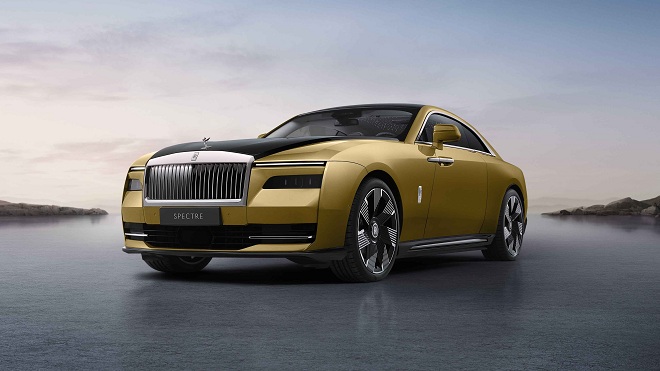
Design In unveiling Spectre, Rolls-Royce sets a new precedent in the creation of an entirely original class of motor car: the Ultra-Luxury Electric Super Coupé. This designation refers to Spectre’s indulgent proportions, specified in response to a commitment that there is no greater luxury than that of space.
The marque’s designers are deeply rooted in the context occupied by their motor cars. Therefore, their inspiration is drawn from worlds far beyond automotive, including haute couture, modernist sculpture, nautical design, tailoring and contemporary art. In conceiving the principal sketches for Spectre, the marque’s creatives were drawn to modern yacht concepts, specifically the clarity and precision of line, intelligent use of reflection and application of taper to emotionalise silhouettes.
From the front, Spectre’s split headlight treatment is intersected by the widest grille ever bestowed on a Rolls-Royce. The vanes of the Pantheon grille are now smoother in section and a flusher fit, designed to help guide the air around the motor car’s front.
The relaxed angle and polished stainless steel finish of the grille does much to enhance Spectre’s presence using environmental reflection. Along with an aero-tuned Spirit of Ecstasy figurine – itself the product of 830 combined hours of design modelling and wind tunnel testing – the grille enhances the motor car’s unprecedented drag coefficient, which at just 0.25cd makes Spectre Rolls-Royce’s most aerodynamic motor car, ever.
This intelligent treatment has been married to the iconography of Spectre’s spiritual predecessor, the Phantom Coupé. Spectre clearly acknowledges its forebear with its generous proportions and split headlight treatment – a contemporary Rolls-Royce design tenet. Spectre’s sharp daylight running lights emphasise the motor car’s imperious two-metre width and are offset with lower lamp clusters that appear darkened, at first glance, but hide jewellery box-like darkened chromium housings for the headlights. To affirm Spectre’s expression after dark, the grille is softly illuminated, with 22 LEDs lighting up the sandblasted rear side of each of the vanes, their gentle glow reflected in the polished front surfaces for a subtle and three-dimensional night signature.
In profile, the sharp, vertical bow line at the front of Spectre draws the eye rearward to its monolithic flanks. The lower line – known as the ‘waft line’ – borrows directly from yacht design. Instead of exaggerating movement with busy detailing or appliqués, Spectre’s coachwork gently tucks into the sill, lightening the surfacing and creating an uncomplicated sense of motion by reflecting the road passing beneath it, much as the hull of a racing yacht reflects the ocean as it cuts through water. This ‘waft line’ is the visual representation of the ‘magic carpet ride’ and its upwards sweep toward the front is inspired by the gently lifting bow of an accelerating power boat.
The silhouette’s most dramatic feature is Spectre’s fastback, which recalls the most evocative motor cars and watercraft in history. The seamlessness of the greenhouse surfacing significantly contributes to achieving the lowest drag coefficient ever for a Rolls-Royce. Following the roofline back, the tail lamps are set into the largest single body panel ever produced for a Rolls-Royce, which extends from the A-pillar to the luggage compartment. The jewel-like vertical tail lamps themselves are colourless for neutrality, in anticipation of the myriad of colourways selected by clients during the commissioning process. Their precision and reduced dimension complement the generous flow of the bodywork from the muscular shoulders backwards into the tail section with its characteristic tapering plan view.
The proportional demands of Spectre’s scale required Rolls-Royce to embolden its wheel strategy. Spectre is the first production two-door coupé to be equipped with 23-inch wheels in almost one hundred years.
Inside, Spectre is provisioned with the most technologically advanced Bespoke features yet, drawing inspiration from the timeless mystique of the night’s sky. For the first time on a series production Rolls-Royce, Spectre is available with Starlight Doors, which incorporate 4,796 softly illuminated ‘stars’. The coach doors can also be commissioned with a backdrop of wood Canadel Panelling, which takes its name from the cove in the South of France where Sir Henry Royce and his design team spent their winters.
The ethereal night-time theme continues with Spectre’s Illuminated Fascia. Developed over the course of two years and more than 10,000 collective hours, it incorporates the Spectre nameplate surrounded by a cluster of over 5,500 stars. Located on the passenger side of the dashboard, the illuminations are completely invisible when the motor car is not in operation.
Alongside the extraordinary, illuminated surfaces, Spectre is equipped with a completely redesigned digital architecture of luxury named SPIRIT, presented in quintessential Rolls-Royce style. Not only will SPIRIT manage the motor car’s functions, but it is seamlessly integrated into the marque’s Whispers application, allowing clients to interact with their car remotely, and receive live information curated by the marque’s luxury intelligence specialists.
For the first time ever, clients are now able to extend their Bespoke commission beyond the physical world and into the digital architecture that underpins SPIRIT. Inspired by the marque’s clients’ love of bespoke timepieces, the colour of the dials can now complement the interior hue of the motor car.
As with all Rolls-Royce motor cars, Spectre’s interior suite offers clients near-infinite Bespoke possibilities. The all-new front seat design has been inspired by British tailoring, with lapel sections that can be rendered in contrasting or matching colours to the main base. Bespoke stitching, embroidery and intricate piping has, as ever, been considered in their inception.
All-Aluminium Architecture Of Luxury 2003 saw the first Goodwood-era Phantom, built upon its own Bespoke architecture. This renaissance of the brand was Rolls-Royce 1.0. Following this, the ‘Architecture of Luxury’ was conceived – a new, highly flexible all-aluminium spaceframe architecture, and visionary feat of engineering, that could be tailored for electric drive, as well as today’s Phantom, Cullinan and Ghost models, and Coachbuild projects. This expansion of the marque’s offering was Rolls-Royce 2.0. The ability to tailor the Architecture of Luxury for electric drive was a fundamental consideration when it was first conceived. However, it is only now that electric drive technology is advanced enough to fulfill the Rolls-Royce experience. The introduction of a fully-electric powertrain and Decentralised Intelligence into the marque’s portfolio represents Rolls-Royce 3.0 and the beginning of the bold new all-electric era.
By ensuring from the outset that the Architecture of Luxury could be tailored to the requirements of an all-electric Rolls-Royce, the marque’s engineers ensured the continuity of experience from its current portfolio, each evolution of which has done much to secure the brand’s ongoing global success. Indeed, the inherent flexibility of the architecture and ease of integration of an electric powertrain has freed engineers, designers and craftspeople to focus on the quality of experience, authenticity of design and innovation in Bespoke.
For Spectre, Rolls-Royce engineers have unlocked further benefits. The sophisticated extruded aluminium sections and integration of the battery into the structure of the motor car enable it to be 30 per cent stiffer than any previous Rolls-Royce. The flexibility of the architecture has also allowed engineers to place the floor halfway between the sill structures rather than on top or underneath them. A channel has been created for wiring and climate control pipework between the battery and the floor, with the battery mounted underneath, providing a perfectly smooth underfloor profile. This not only creates a low seating position and enveloping cabin but realises a secondary function for the battery – almost 700kg of sound deadening.
Digital Engineering For Spectre, Rolls-Royce’s engineers have seen much of their discipline pivot from the workshop to the digital space. Spectre is the most connected Rolls-Royce in history, and in harnessing the power of the motor car’s remarkable Decentralised Intelligence processing capabilities there is more requirement than ever for expert human experience.
To ensure the continuity of the Rolls-Royce experience, as well as its progression, the marque selected the most experienced test and development engineers to lead the project, some of whom have been with the marque for more than two decades and were responsible for creating the first ‘Goodwood-era’ Phantom. These engineers describe the experience offered by Spectre as akin to “Rolls-Royce in high definition” on account of the speed and accuracy of the motor car’s response to a worldwide spread of road and weather conditions.
For this to be realised, a dedicated control has been handmade for each of the 141,200 sender-receiver variables, and in nearly all cases engineers have designed several more sub-variables for variations in climate, ground speed, road type, vehicle status and driving style. These have been crafted over the course of Spectre’s 2.5 million kilometre testing programme both on advanced proving grounds and on real roads around the world.
Planar Suspension In testing Spectre, the process includes extreme driving conditions – development of the motor car began just 55km from the arctic circle in Arjeplog, Sweden, at temperatures as low as -40 degrees centigrade, and it will continue across Southern Africa, in temperatures of up to 55 degrees centigrade. Yet, 55 per cent of testing is taking place on the very roads that many production Spectres will be driven on. Of particular significance was the French Riviera. It was on the Côte d’Azur that Spectre’s digitally integrated evolution of the renowned Planar suspension system was finalised.
Planar suspension is an orchestra of systems with precisely defined responses to driver inputs and road conditions, made possible by the latest software and hardware developments, delivering Rolls-Royce’s hallmark ‘magic carpet ride’.
Using a suite of new hardware components and leveraging Spectre’s high-speed processing capabilities, the Planar system can decouple the car’s anti-roll bars allowing each wheel to act independently, preventing the rocking motion that occurs when one side of a vehicle hits an undulation in the road. This also reduces high-frequency ride imperfections caused by shortcomings in road surface quality.
Once a corner is identified as imminent, the Planar system recouples the components and stiffens the dampers, the four-wheel steering system is then prepared for activation to ensure effortless entry and exit. Under cornering, 18 sensors are monitored, and steering, braking, power delivery and suspension parameters are adjusted so that Spectre remains stable. The result is effortless control.
Power, Range And Dimensions The final power, acceleration and range figures are still being refined, as the extraordinary undertaking of finessing Spectre enters its final phase before concluding in the second quarter of 2023. Preliminary data shows that Spectre is expected to have an all-electric range of 320 miles/520 kilometres WLTP and offer 900Nm of torque from its 430kW powertrain. It is anticipated to achieve 0-60mph in 4.4 seconds (0-100kmph in 4.5 seconds).



 Power Drive