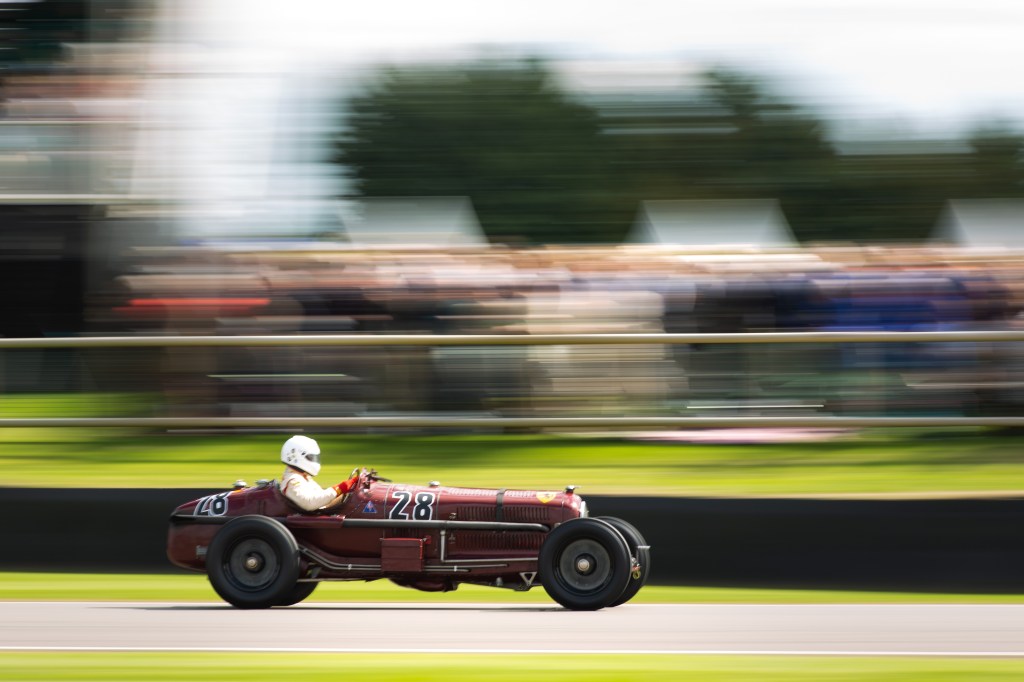
The Goodwood Revival will bring together a collection of cars from Alfa Romeo’s competitive history to celebrate the centenary of the marque’s victory in the inaugural Manufacturer’s World Championship.
Taking place across the weekend, the demonstration will feature Grand Prix cars, sports cars, touring cars and prototypes, including the machines that became renowned for competing at races including the 24 Hours of Le Mans, Mille Miglia and Targa Florio. Visitors can expect to see the likes of the first Formula 1 Championship-winning car, the 158 ‘Alfetta’, Tipo 308C, TZ2 and Tipo 33 prototypes – each telling a story of bold innovation and mechanical artistry from 1925 through to 1975.
The celebration will reflect on Alfa Romeo’s domination of motorsport – including celebrating the 50th anniversary of the marque’s victory at the 1975 World Sportscar Championship. The Revival will remember the legendary drivers who piloted these machines, including four-time Grand Prix winner Antonio Ascari; five-time World Champion Juan Manuel Fangio; five-time Grand Prix winner and first World Drivers’ Champion Giuseppe Farina; and Alfa Romeo’s most famous and celebrated pre-war driver Tazio Nuvolari.
Earlier in the year, the Festival of Speed will also recognise the centenary of the Manufacturers’ World Championship. The Prologue class, which forms part of the F1 75 celebrations at the event, will showcase the cars that predate the World Championship, with examples from Alfa Romeo.
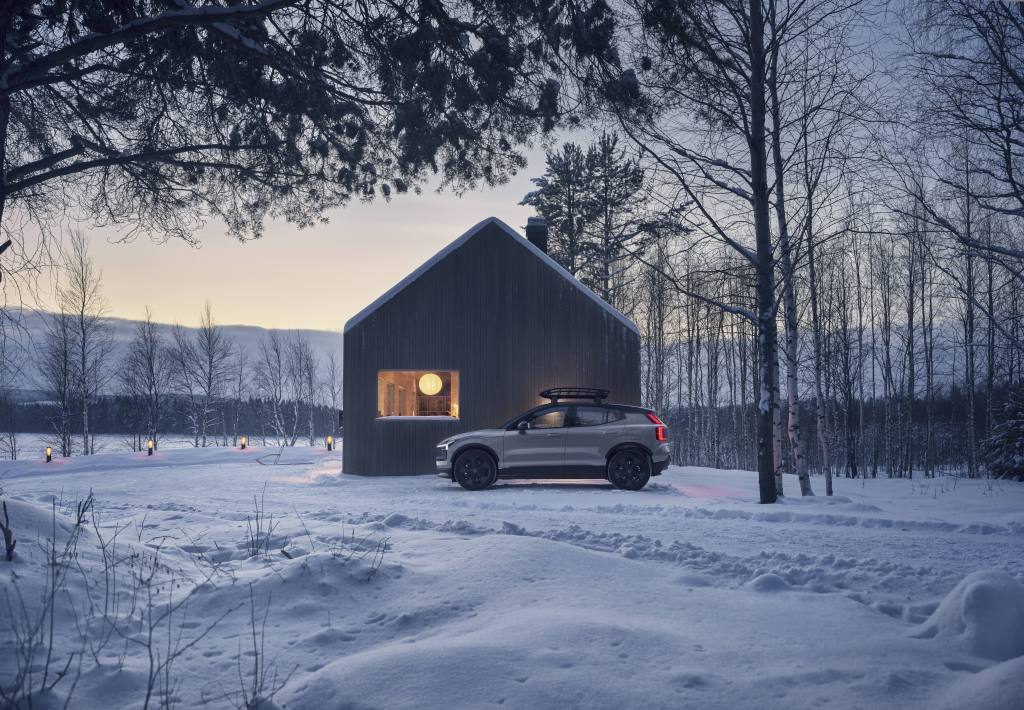
Volvo EX30 Cross Country with Swedish winter cabin
Sweden is home to deep lakes, endless forests, great mountain ranges, some of the harshest winters on the planet – and some of the best and most enjoyable cars ever made. So today Volvo unveils not only the new Volvo EX30 Cross Country, but a whole new experience to go with it.
Revealed today as part of a literal fireside chat including outdoors equipment brand Fjällräven at a secluded winter cabin in the north of Sweden, the EX30 Cross Country is designed for people who want big experiences from their small, fully electric SUV.
It takes the successful recipe of the EX30 and adds rugged ingredients, making it perfect for the growing number of people who want to explore beyond their crowded cities – come rain, come shine, or when everything is covered in snow and ice.
We think that ‘Cross Country’ should be an experience, not just a car, so alongside the EX30 Cross Country we’re also launching a new experience package for customers who buy the car, with access to accessories, gear and information aimed at giving you the full potential to explore the great outdoors.
“We launched our first Cross Country car more than 25 years ago, and this concept of durable and all-weather cars is core to the Volvo brand,” said Jim Rowan, Volvo Cars’ CEO. “In Sweden we face harsh winters, but we also like to make the most of them by getting out and exploring our amazing nature, even when it’s minus 20 Celsius outside. That’s why we want to deliver a fully rounded experience, not simply a car, to our EX30 Cross Country customers.”
From city to trail As a small SUV, the EX30 Cross Country is perfect for the city. It is fully electric, with a range of up to 427 kilometres and zero tailpipe emissions, and can be charged from 10-80 per cent in as little as 26 minutes. But it also has several extra features that enable a seamless switch from one natural EX30 habitat to another.
For example, we’ve raised the car higher off the ground compared with the standard EX30, to help you navigate rough terrain more easily. It also has special, bigger wheels, with the option of an 18-inch all-terrain accessory tyre to make those regular countryside outings even easier.
Naturally, the EX30 Cross Country also comes with all-wheel drive, making it more than capable of handling the tough and slippery conditions that are part and parcel of life outside the city.
A style to match ability The first model in our Cross Country range was introduced in 1997. Designed to cope with the demanding Scandinavian climate, Volvo’s Cross Country cars perform in a wide variety of road conditions – from muddy tracks and ankle-deep snow to highway driving – with the comfort and convenience elements that Volvo drivers have come to expect.
While its real-world capabilities come first, the EX30 Cross Country is also designed to excel in more diverse conditions – and to look good while doing so.
The front shield of the car and the boot lid get a special dark colour, with the front featuring a unique piece of artwork showing the topography of the Kebnekaise mountain range in Arctic Sweden – an inspiration for many of our designers. Chunky front and rear skidplates as well as wheelarch extensions complete the more rugged look and underline that this car is ready to get out into the wild.
Functional and as safe as you’d expect from a Volvo car Inside, the EX30 Cross Country is highly functional and contains all the clever tech, storage and design that made the original EX30 such a hit from the moment Volvo revealed it. The doors contain large storage compartments, because the company removed the speakers and incorporated them into the soundbar on the dashboard.
A versatile central storage tunnel between driver and passenger can be slid out as a cupholder for your morning coffee or your travel mug, or back if you need to store more things. There’s also a big storage compartment on the floor between driver and passenger. The glove compartment has been placed beneath the centre console, providing easy access for both driver and passenger.
Rear passengers get a neat storage box that slides out from beneath the central tunnel. This box is also removable and washable, so can double up as a waste bin. At the rear, on the boot lid, we included a handy ‘Will it fit?’ guide, so you know exactly how much of your gear you can get in.
Like every new Volvo car, the EX30 Cross Country has Google built in. That means you get a variety of Google products as standard – including Google Maps, one of the best mapping systems in the world. Finding your way to the most remote nature locations was never easier. To make sure you can get straight into a nice warm car, the Volvo EX30 app allows you to precondition your car while you’re still exploring nature.
And naturally, the EX30 Cross Country is as safe as you’d expect a Volvo car to be. Volvo have applied their high standards of protective safety should you need it, but aim to help prevent you getting into a collision in the first place with some clever tech. Braking and steering support will help you avoid collisions with oncoming vehicles, pedestrians and cyclists, while a driver-monitoring sensor will give you a nudge if it seems like you are distracted or tired.
Embrace the experience To further bring the Cross Country concept to life, Volvo is also launching a Cross Country Experience, to create concrete, tangible benefits that will help you to embrace your inner explorer even more. This means that EX30 Cross Country owners will benefit from an array of bespoke offers. Think of a dedicated, discounted ‘Cross Country Experience’ package of accessories for your car, which includes a load carrier, a roof basket, 18-inch all-terrain tyres and mudflaps.
“We know that more and more people are seeking ways to get closer to nature,” says Jim Rowan. “This is why with our new Cross Country Experience, we aim to create an entire ecosystem around those models, supporting our customers as they embrace adventure.”
In short, the new Volvo EX30 Cross Country is an all-road car that delivers safety, comfort and performance in a capable and adventurous package. The Volvo EX30 Cross Country is available to order now in selected markets, with deliveries starting later this spring.
Many a Bentley owner’s love of the marque begins in childhood, and the owner of the third of twelve Speed Six Continuation Series is no exception. In his case, it was a ‘Models of Yesteryear’ scale model Blower Bentley, given to him by his uncle, that sparked a lifelong fascination with the pre-war Bentley racing cars.
The owner and his wife enjoy a stable of Crewe-built Bentleys, including a first-generation Continental GT, a motorsports-inspired Continental GT3R, second-generation Continental Supersports and First Edition Bentayga. Pride of place however goes to his Continuation Series ‘Blower’ 4½ Litre Supercharged and the latest addition, a Continuation Series Speed Six. Not only has he kept that cherished scale model ‘Blower’ to this day, but it also provided the visual inspiration for his two Bentley Continuation Series cars.
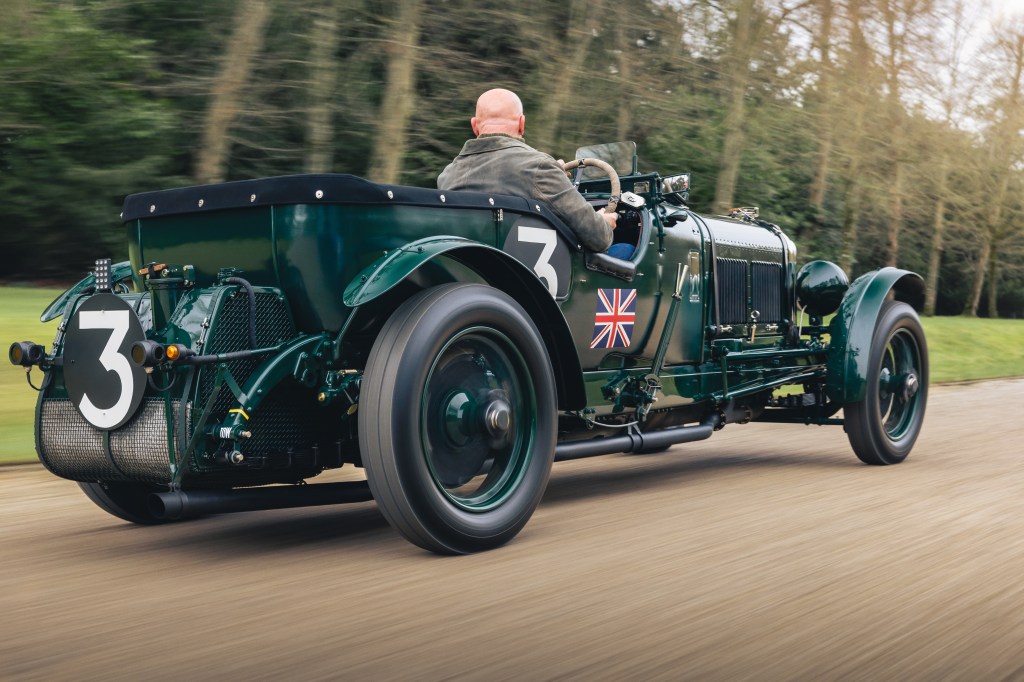
At the workshops of Mulliner Classic, realising a customer’s dreams is both their calling and their pride. Continuation Speed Six #3 (of 12) is a case in point; created with meticulous attention to detail to be identical in every respect to the original 1930s works racer, it also features several personal touches in its specification that make it truly individual, from the one-off paint finish to the racing number 3 that it carries on its flank and radiator.
Personal memories and family associations Both the Continuation Series Speed Six and the Continuation Series Blower are the third of twelve in their series, and the Speed Six also carries the racing number 3. The number that has fond associations for the owner, who played rugby to semi-pro standard as a tighthead prop, wearing the number 3 jersey, for many years.
Both the Blower and the Speed Six are finished in the same specially blended shade of green, chosen after careful consideration to be mid-way between the light green of the owner’s scale model and traditional British Racing Green. The shade was christened ‘Embelo Green’, taking the first letters of the couple’s three daughters. Like the owner’s scale model Bentley, his Speed Six Continuation Series’ interior is upholstered in red, though the couple chose a more muted shade than that of the toy.
As with all this owner’s Bentleys, the Speed Six will be regularly and enthusiastically driven. Accordingly, another special request was for the Mulliner team to provide two exhaust systems with the Speed Six: one unsilenced as the original Speed Six specification, and the other with a silencer for circuits where noise restrictions are required. Bentley Mulliner engineering developed this silencer specifically for the Speed Six Continuation series. Finishing touches include a white patch on the leading edge of the nearside front fender for easier identification when coming into the pits and a hand-painted Union Flag on the driver’s side of the car.
A hands-on experience Commissioning a Continuation Series Bentley is a highly personal process and, like many Mulliner Classic customers, the owner of the #3 Speed Six became a familiar figure in the Crewe workshops. A highly capable craftsman in his own right, he even spent a day working as part of the Mulliner team to fit the period-correct Rexine fabric of his Blower’s Weymann-style bodywork. While work commitments meant he was unable to do the same for his Speed Six, he fully intends to use it as W.O. Bentley intended – fast, reliable and capable of impressive performance.
The legendary Speed Six The Speed Six was introduced in 1928 as a more sporting version of the Bentley 6½ Litre. The engine was modified to liberate more power, with twin SU carburettors, a higher compression ratio and a high-performance camshaft.
182 Speed Six models were built between 1928 and 1930. Two wins at the Le Mans 24 Hour race, in 1929 and 1930, cemented the Speed Six’s pre-eminent place in Bentley racing history.
For the Continuation Series Speed Six, Mulliner Classic took two original Speed Sixes as its template: the company’s own Speed Six, GU409, and ‘Old Number 3’, a works Speed Six driven in the 1930 Le Mans 24 Hour race by Sammy Davis and Clive Dunfee. The latter was generously loaned by its owner and gave the Mulliner team invaluable data on dimensions, materials, and components. The Mulliner Classic team is also indebted to the W.O. Bentley Memorial Foundation, which provided 80% of the original drawings and notes used by the team.
At the traditional and exclusive “The I.C.E.” event, to be held in St. Moritz, Switzerland on Friday, February 21 and Saturday, February 22, Maserati is ready to “break the ice” and play a leading role with its range and two exclusive world premieres, in the spirit of the “Italian grand touring” and the Trident’s performance.
Maserati is synonymous with Italian luxury all over the world: its iconic heritage and its cars’ performance will be standing out at one of the most glamorous events in the winter season, a showcase amidst the magnificent scenery of the famous frozen lake in the Swiss region of the Engadin, where collectors and enthusiasts come together from all over the world.
The I.C.E. St. Moritz is not only a competition, it is a unique event of its kind, combining culture, entertainment and driving in extreme conditions, serving as an unmissable opportunity for car enthusiasts, collectors and mere fans of the automotive world.
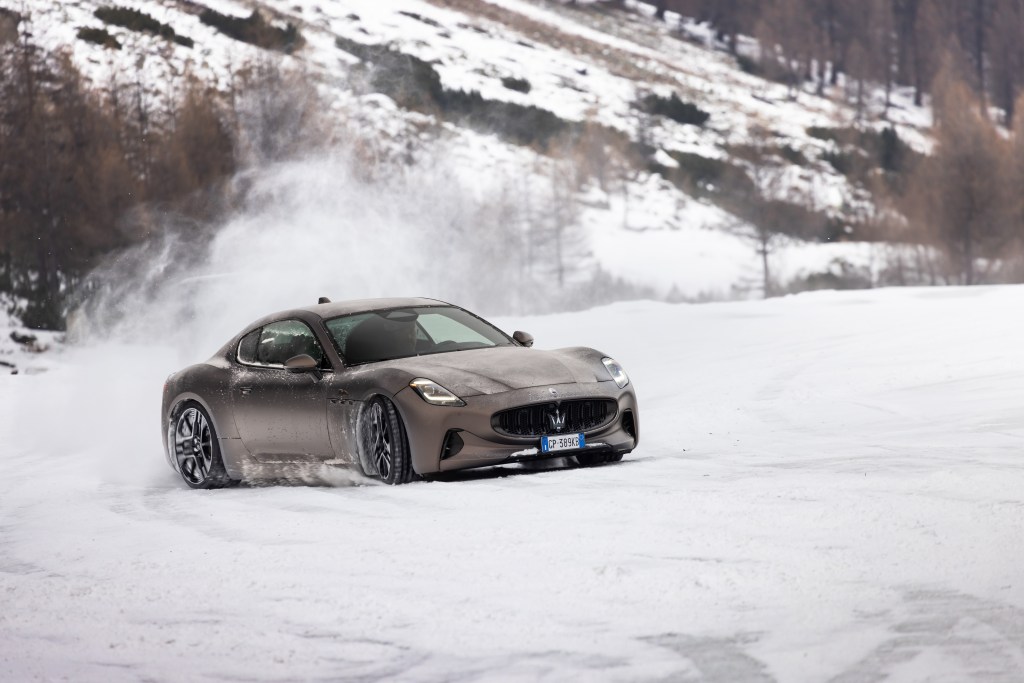
Maserati will be there at the 2025 event, accompanied by the Fuoriserie customisation programme, with two world premieres. All the spotlights will be on the GranTurismo and GranCabrio ranges, available with both an internal combustion engine and a 100% electric motor, with all-wheel drive (AWD) as standard and air suspension, to ensure the utmost performance without sacrificing comfort in full “granturismo” spirit, even in the open air.
The all-wheel drive will excel in driving activities on snowy and icy roads, demonstrating the technological excellence, great dynamic qualities and uncompromising driving pleasure typical of the House of the Trident, even in difficult conditions.
The Grecale range will also be invading the Swiss town, whereas the MCXtrema and the new Maserati GT2 Stradale will emphasise the brand’s racing and competitive DNA to complete Maserati’s inclusion in the event.
In terms of participation in the Concours d’Élégance, some of the brand’s iconic models – sporty and luxurious classics – will go down onto the frozen lake: a Maserati 6CM and Maserati 200 SI will bring out their iconic design amidst the reflections in the snow and ice.
The abbreviation “I.C.E.” indeed refers to the winter magic and the surface of the snow-covered lake where the event takes place, but is also an acronym for “International Concours of Elegance”, where classic Maserati cars will tell the Trident’s story.
TVS Motor Company (TVSM) has announced the appointment of Gaurav Gupta as President – India Two Wheeler Business. He will be based out of Bengaluru and report to K N Radhakrishnan, Director & CEO, TVS Motor Company. Gaurav will head the India Two Wheeler Business, both ICE and EV. He has over three decades of experience and has worked in multiple geographies including India, China, Dubai, Indonesia, Vietnam, and ASEAN markets.
Announcing the appointment, K. N. Radhakrishnan, Director & CEO, TVS Motor Company said, “Gaurav has rich experience and expertise that will add significant value to the company. The company has been on a steady growth trajectory, delivering results well ahead of the industry. We are confident that under his leadership, we will further strengthen our market position and continue to set benchmarks. We wish him the very best and welcome him to the TVSM family.”
Prior to joining TVSM, Gaurav served at JSW MG Motor India (until recently as MG Motor India) in assignments as an Executive Committee member, Deputy Managing Director and Chief Growth Officer. During his tenure of 6.5 years, he played a pivotal role in establishing and leading the commercial operations for MG Motor India from the ground up, significantly impacting the Indian automotive industry.
In his previous role as Managing Director of Bridgestone Tire Indonesia, Gaurav led the company’s operations including both domestic and exports. Earlier, for two decades, he worked for General Motors in various roles across Asia Pacific operations including as Managing Director of General Motors Indonesia, General Motors Vietnam. Gaurav has also served the American Chamber of Commerce in the roles of Chair and board member.
Gaurav is a Physics graduate and an MBA. His interests include travelling, technology, philanthropy and an occasional round of golf.
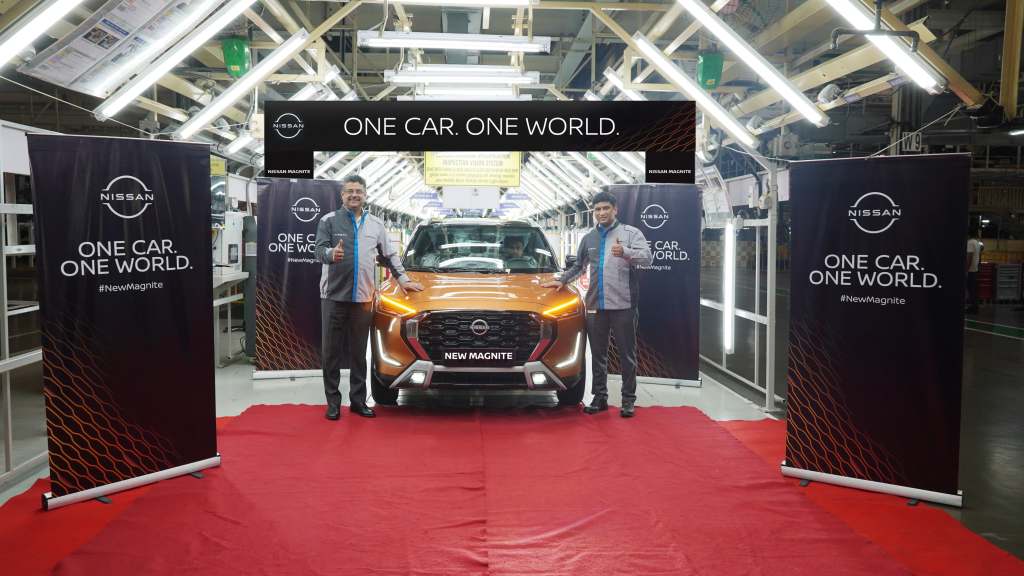
The New Nissan Magnite, launched in October 2024, is now making its way to customers in global Left-Hand Drive (LHD) markets. Nissan Motor India flagged off the first shipment of close to 2,900 units of the LHD variant of the New Nissan Magnite from Chennai from the Kamarajar Port (KPL – Ennore), India in late January 2025 to select markets in the LATAM region. This underscores Nissan’s ‘One Car One World’ strategy and highlights the Nissan Motor India’s commitment towards expanding its global footprint and transforming India into a global hub for exports.
In February 2025, Nissan Motor India will export over 7,100 units of the New Nissan Magnite in the second wave in February 2025 to markets in the Middle East, North Africa, select markets in LATAM & Asia Pacific region. By end of February, the company will have exported a total of over 10,000 units of the LHD version of the New Nissan Magnite.
Frank Torres, Divisional Vice President of AMIEO Region Business Transformation & President of Nissan India Operations, commented on the milestone, saying, “Nissan Motor India has been diligently working towards expanding its operations and reach, not just within the domestic market but also focusing on exports. In line with our export plans announced last year, we are delighted to begin exports of the New Nissan Magnite to Left-Hand Drive (LHD) markets. This is a significant achievement, and we look forward to serving new customers in these regions. The Nissan Magnite has been the cornerstone of our success in both India and global markets, and we are confident that this India-made vehicle will drive our export growth further.”
Saurabh Vatsa, Managing Director of Nissan Motor India, shared his enthusiasm, stating, “The commencement of exports of the Left-Hand Drive New Nissan Magnite is a proud moment for us, as it aligns with our ‘One Car, One World’ philosophy. The Magnite showcases the best of Japanese engineering combined with local expertise. It reinforces our ‘Make in India, Make for the World’ vision, delivering world-class innovation, safety, and value to customers globally. This also highlights India’s increasing importance as a key manufacturing and export hub for Nissan. Nissan remains committed to its operations in India, as well as to our dealers, partners, and customers. We are on track with the plans we laid out during the launches of the 4th Generation Nissan X-TRAIL and New Nissan Magnite last year.”
Keerthi Prakash, Managing Director, Renault Nissan Automotive India Pvt. Ltd., said:“The successful production and export of the New Nissan Magnite to Left-Hand Drive markets is a testament to the exceptional capabilities of our team and the world-class manufacturing standards at our Chennai plant. This achievement underscores India’s significant role in driving Nissan’s global success and further elevates the reputation of the New Nissan Magnite as a truly global vehicle.”
Manufactured at Nissan’s Alliance JV plant (RNAIPL) in Chennai, the roll-out of the Left-Hand Drive New Nissan Magnite to global markets underscores India’s crucial role as a global manufacturing and export hub for Nissan. The New Nissan Magnite will now be available in over 65+ global markets, including most LHD markets.
This initiative reflects the company’s commitment to delivering innovative, high-quality products tailored to meet global customer needs. With a growing demand for the ‘Made in India’ New Nissan Magnite, Nissan has showcased its technological innovation and manufacturing prowess to the world once again.
Recently, Nissan Motor India began exporting its recently launched New Nissan Magnite (RHD), to South Africa. In line with the announcement made during the New Nissan Magnite launch, the company rolled out this latest offering from Nissan’s Alliance JV plant in Chennai to global markets, with South Africa becoming the first country to receive the popular SUV from Nissan.
Over 2,700 units of the RHD New Nissan Magnite were shipped from the Chennai port to South Africa market within a month after its global launch in India last year. The New Nissan Magnite remains a testament to Nissan’s ‘Make in India, Make for the World’ vision, surpassing cumulative sales of 1,70,000 units till date, making a powerful impact in both Indian and global markets since its December 2020 debut.
Škoda Auto entered the highly dynamic Indian market 25 years ago: In January 2000 the Czech car manufacturer laid the foundation stone for its plant in Chhatrapati Sambhajinagar (formerly Aurangabad until 2022) and was the first Volkswagen Group brand to establish a presence on the local market. The Škoda Octavia became the first model assembled locally. To date, India has become a key market in Škoda’s internationalisation plans, helping the company to effectively leverage existing sales potential in the ASEAN region, Middle East, Australia and New Zealand. On behalf of the Volkswagen Group, Škoda Auto has been spearheading all activities in the region jointly since 2018. Today, the brand developed and produces three models locally in India for India, based on the localised MQB A0–IN platform: the Kushaq, the Slavia, and, most recently, the Kylaq compact SUV, which expands the line-up into the popular sub-4-metre segment.
Klaus Zellmer, CEO of Škoda Auto: “We have built on 25 years of experience in India to make this thriving market the cornerstone of our international growth strategy. With its tremendous talent pool, growing consumer demand, and access to other markets, India is becoming our second pillar outside Europe and helping leverage further sales potential in ASEAN, the Middle East, and the Indo-Pacific region. Škoda has been a notable brand in India since we entered the market with the Octavia in 2001. We now produce in two plants. We have launched three all-new models specifically for India, achieving localization of up to 95 per cent: the Škoda Kushaq, Slavia, and just recently the Kylaq compact SUV, which complement the Octavia and Superb we also sell through a growing dealer network. In the last two years, we have increased customer touchpoints across the country by 35%. India also contributes to the global sustainability goals of Škoda Auto. One plant already runs entirely on green energy, while the plant in Pune expanded its photovoltaic system to deliver up to 30% of its electricity needs. I want to thank all our Indian colleagues for helping power the next stage of our growth, and especially our customers for their trust in our products. With this passion, we can achieve even greater things in the next 25 years!”
The first Škoda model introduced to Indian customers was the first generation of the modern Octavia, assembled from imported parts in rented facilities alongside the construction of the plant in Chhatrapati Sambhajinagar. Over time, other Škoda models, such as the Fabia, Rapid, and later the Superb and Kodiaq, also attracted the attention of Indian customers.
A decisive step for Škoda in India came in 2018 when the Volkswagen Group entrusted the brand with jointly spearheading all Group activities on the market. As part of this, Škoda was tasked with developing the MQB-A0-IN platform, designed exclusively for the Indian market. The first vehicle built on this platform was the Kushaq, which entered production in Pune in 2021. Just a year later, the Slavia sedan was launched, with its development and manufacturing also carried out in Pune. The latest addition to Škoda’s portfolio for the Indian market is the Kylaq SUV, Škoda’s first model in the popular sub-4-metre segment, accounting for nearly 50% of car sales in the Indian market. The new model received 10,000 orders within just ten days of its launch and will contribute to the brands annual sales target of 100,000 cars in India by 2026.
The quality and reputation of Škoda’s vehicles in India is reflected not only in strong customer interest but also in numerous prestigious awards. For instance, the Škoda Slavia was named India’s Sedan of the Year in 2022 and won Car of the Year 2023 at the Acko Drive Awards.
In the meantime, the Indian market has developed into one of the key markets for Škoda and a strategic hub for the wider ASEAN region, the Middle East, Australia, and New Zealand. In addition to its assembly lines in Chhatrapati Sambhajinagar and manufacturing plant in Pune, Škoda has established a Technology Centre there. Moreover, in October 2023, Škoda opened a modern logistics facility for the export of components to Vietnam, a market the company entered in 2023.
Sustainable production is a major priority for Škoda, also in its Indian plants: The facility in Chhatrapati Sambhajinagar operates entirely on green energy, while the Chakan plant in Pune is on track to achieve CO2 neutrality by 2030. On top of that, this 500-hectare plant site provides a habitat for more than 300 species of plants, trees and animals. Furthermore, the company is involving local suppliers in India and plays an active role in infrastructure development, supporting education and social initiatives. At its plant in Pune, Škoda expanded its photovoltaic system which is now capable of producing up to 26.6 GWh of electricity annually, covering up to 30% of the site’s electricity consumption.
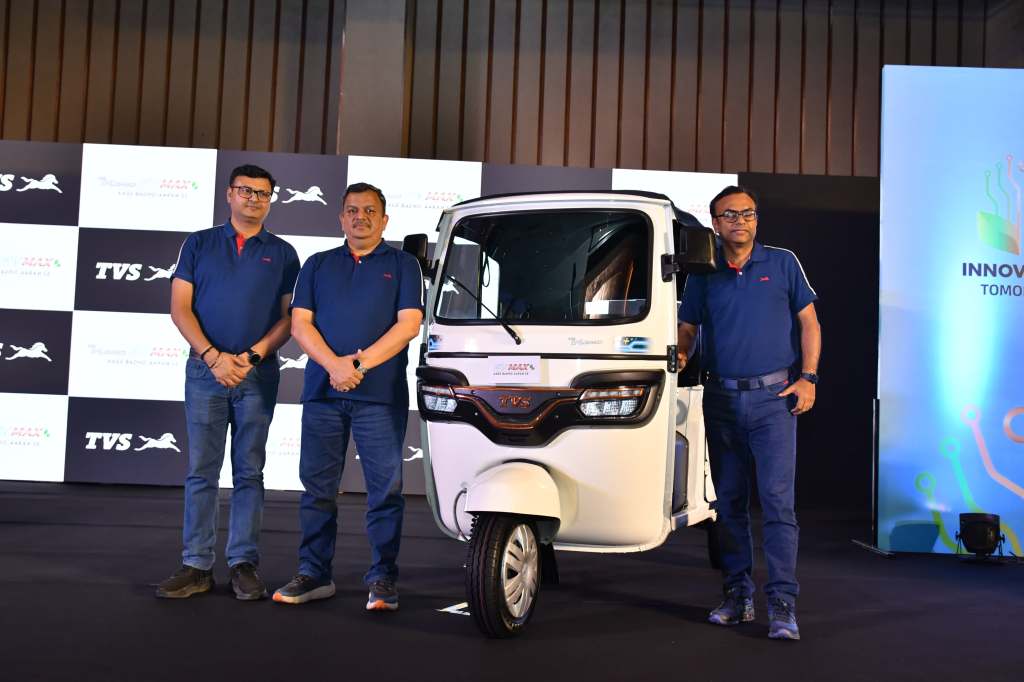
TVS Motor Company has announced the launch of its connected passenger electric three-wheeler, TVS King EV MAX. The vehicle has best-in-class features including bluetooth connectivity through TVS SmartXonnect. The TVS King EV MAX combines innovative technology with eco-friendly solutions, catering to the growing demand for sustainable urban mobility.
Speaking at the launch, Mr. Rajat Gupta, Business Head, Commercial Mobility, TVS Motor Company, said, “The launch of TVS King EV MAX is a significant step forward in our commitment to providing sustainable solutions for last-mile connectivity. As urban areas continue to grow, the demand for clean mobility options has never been more critical. The TVS King EV MAX combines advanced electric propulsion with superior comfort and connectivity. The distinctive blend of long-range, impressive acceleration and quick charging time guarantees high uptime, enabling more trips and increased earning potential for customers, including fleet operators. The vehicle is being launched in UP, Bihar, J&K, Delhi and West Bengal, right away. It will be available across the country in the coming months.”
With a range of 179 kilometres on a single charge, quick charging in just two hours and 15 minutes for 0 – 80% charge and 3.5 hours for 100% charge; smart features like TVS SmartXonnect, the King EV MAX offers users real-time navigation, alerts and vehicle diagnostics through their smartphones. It combines excellent performance, comfort and connectivity, making it a standout choice for modern urban mobility.
The TVS King EV MAX is powered by a high-performance 51.2V lithium-ion LFP battery enabling making it perfect for urban commuting. With a top speed of 60 kmph (ECO Mode: 40 kmph; City: 50 kmph; Power: 60 kmph), the vehicle ensures efficient travel while maximising passenger comfort through its spacious cabin and ergonomic seating design.
The TVS King EV MAX is now available across select dealerships in UP, Bihar, J&K, Delhi and West Bengal, at a price of INR 2,95,000 (ex-showroom). It also comes with a warranty of 6-years / 150,000 kilometres (whichever is earlier), along with 24/7 road-side-assistance for the first three years.
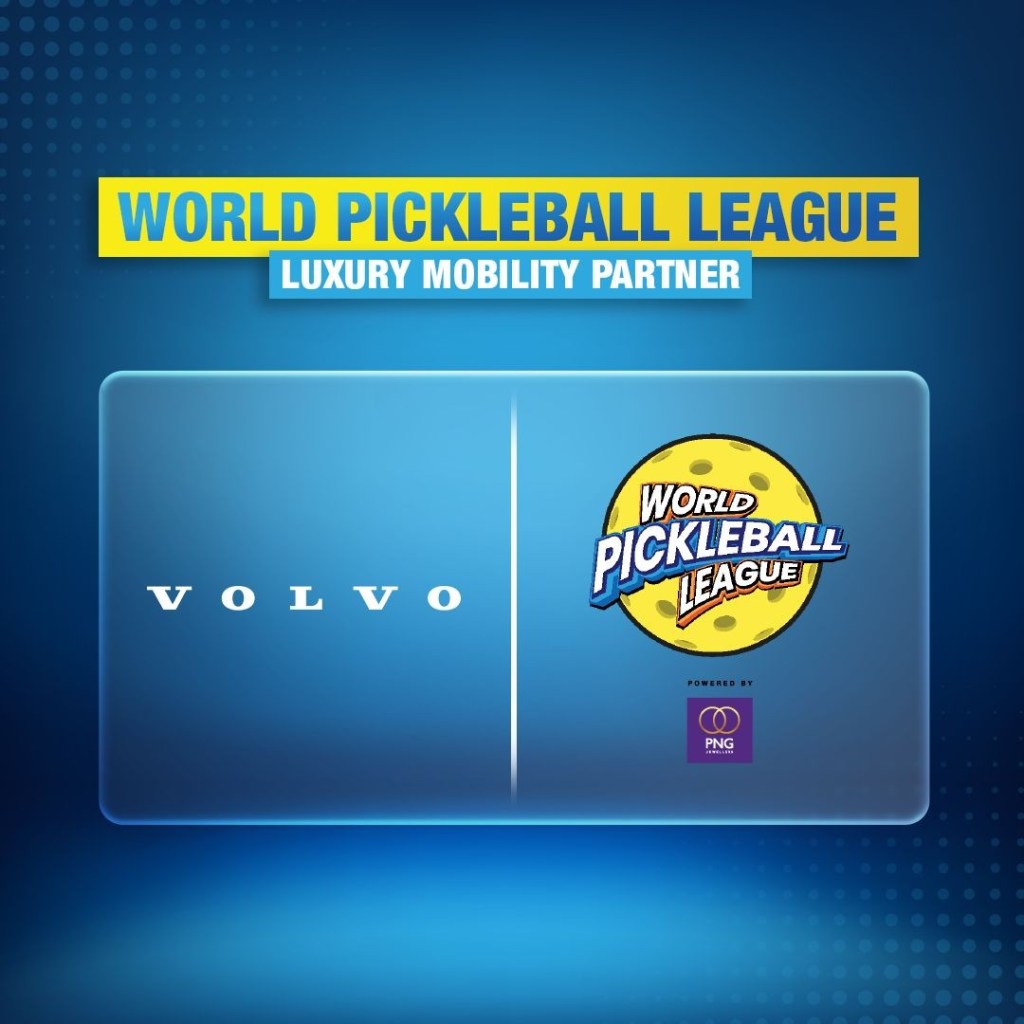
The World Pickleball League (WPBL) fever is gripping the country ahead of its inaugural day. Volvo Car India has announced its partnership with the league as the Official Luxury Mobility Partner.
The WPBL, conceptualised and created by Gaurav Natekar and Arati Ponnappa Natekar, aims to be a premier sporting and entertainment property that captivates audiences across demographics. The league will feature six teams competing in 48 matches over 10 days, alongside performances from some of India’s most celebrated artists.
Gaurav Natekar expressed his excitement, saying, “We are extremely proud to welcome Volvo Car India to the WPBL family. This partnership is a strong testament to the league’s wide appeal. The promise of high-octane action backed by entertainment makes the WPBL appealing to brands across the board.”
Jyoti Malhotra, MD- Volvo Car India said, “We are stoked to be the Luxury Mobility Partners for the much-awaited WPBL. I am confident that the WPBL will not only captivate Indian audiences but also contribute significantly to the growth and popularity of this dynamic sport in the country. For Volvo Cars, this is a unique platform to connect with discerning individuals who appreciate the blend of performance, luxury, and a passion for life.”
The inaugural edition of the World Pickleball League kicks off on January 24.
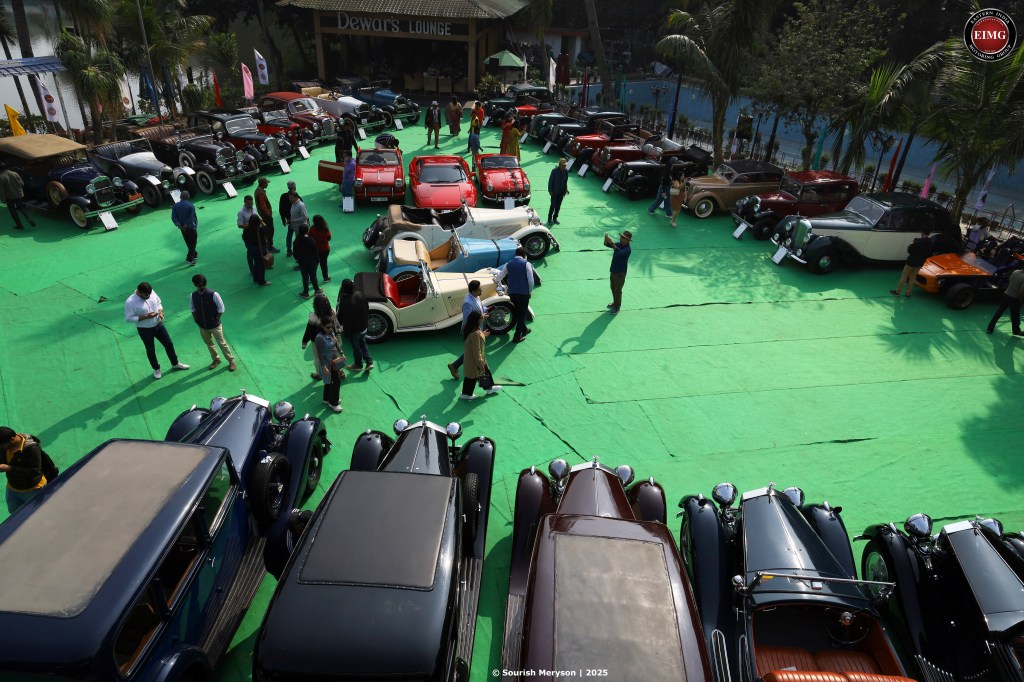
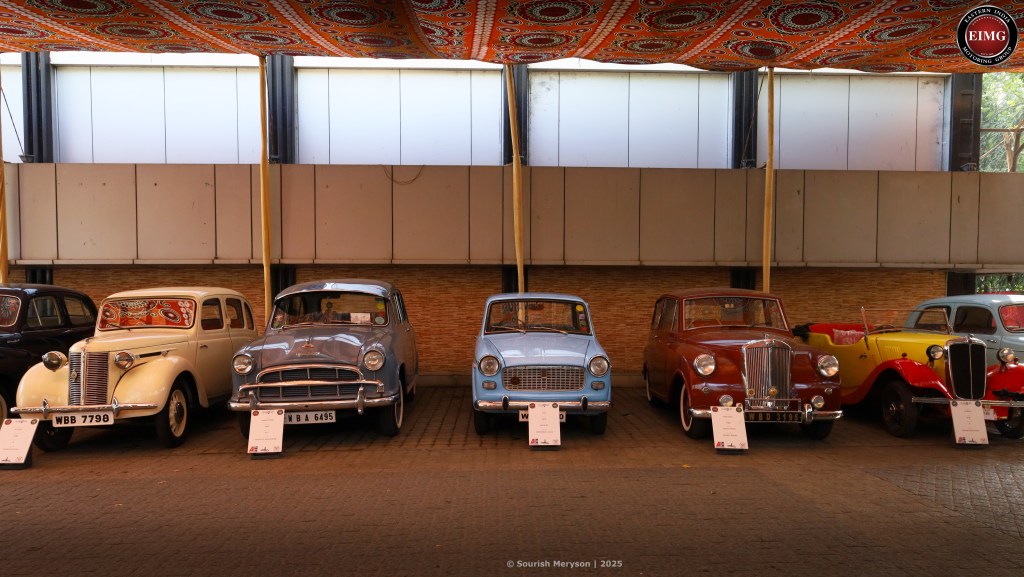
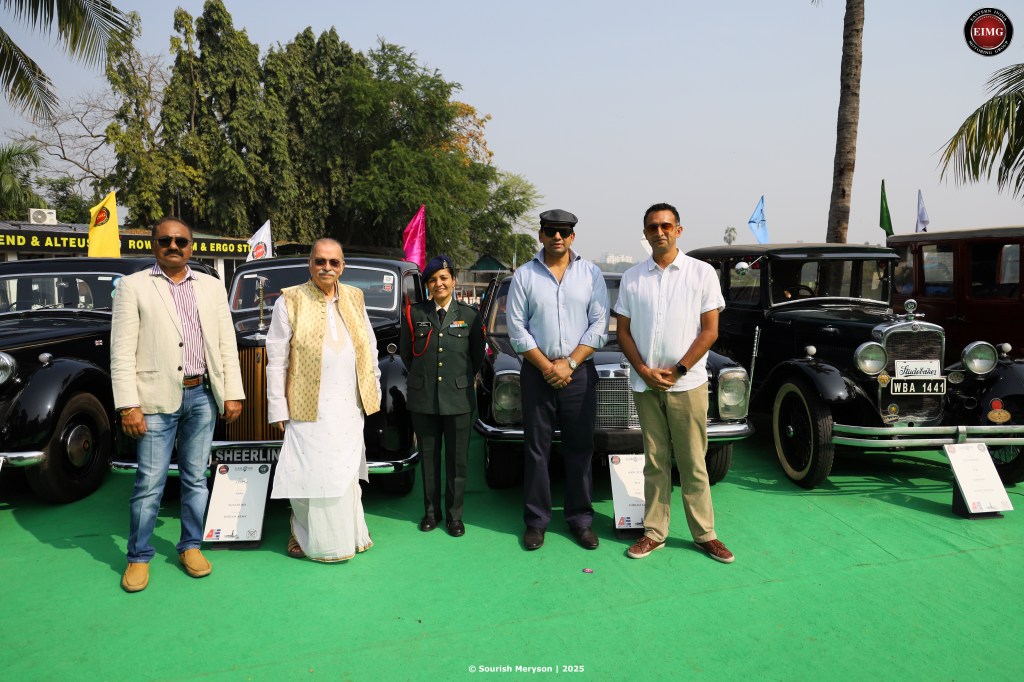
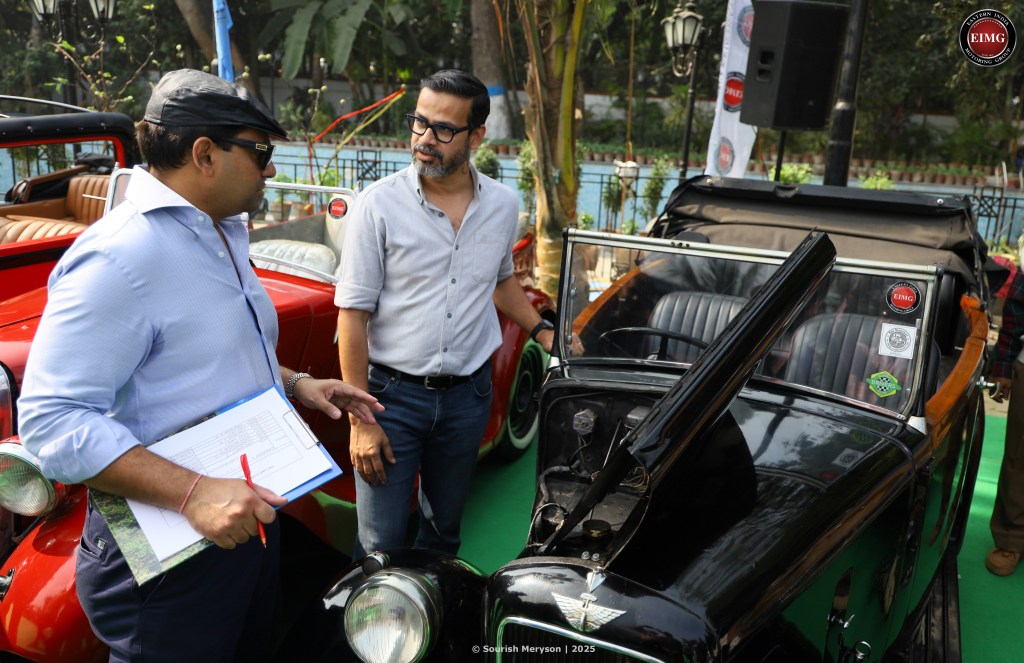
Time stood still as The Lake Club – EIMG Concours d’Elegance 2025 cast a magic spell on the City of Joy with nearly 90 scintillating exotic and rare vehicles which took part in this annual heritage show. Now in this fourth edition, the event was organised by Eastern India Motoring Group (EIMG) in collaboration with The Lake Club and in association with ACE Commercial.
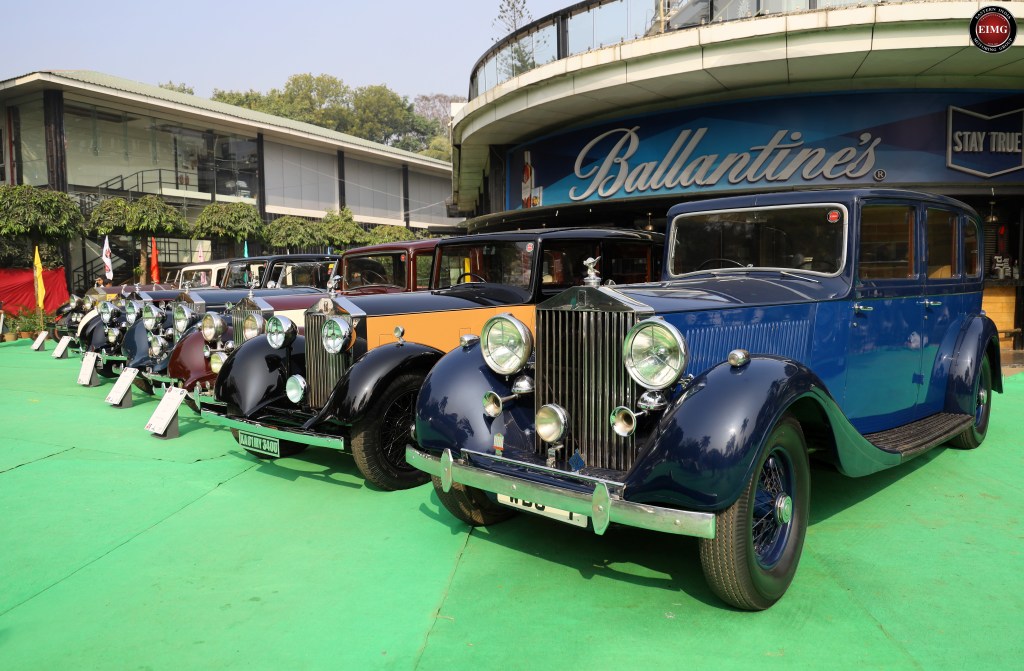
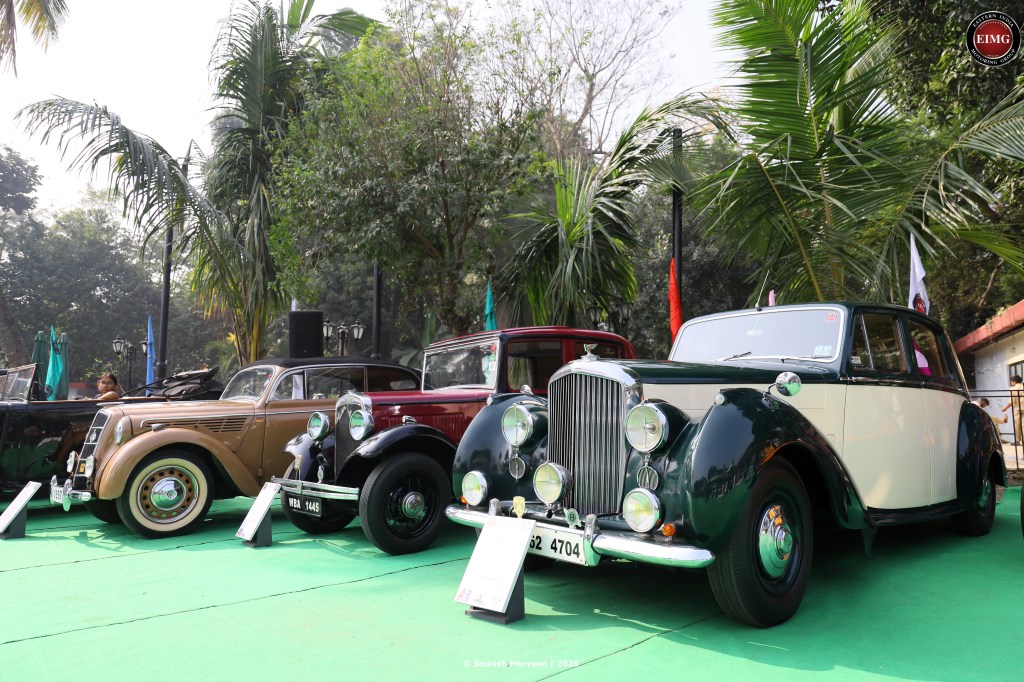
With the majestic Rabindra Sarobar in the backdrop and clear blue sky above, the sprawling green lawn of The Lake Club made for the perfect setting for a memorable rendezvous with motoring heritage. The icing on the cake was the line-up of eight beautiful and rare Rolls-Royces which adorned the club lawns like spectacular jewels. Keeping them company was a century-old 1925 AC Royal owned by Yogesh Agarwalla; a very popular Kolkata car which has been participating in rallies since 1968 and won the Oldest Car Award at this year’s EIMG Concours.
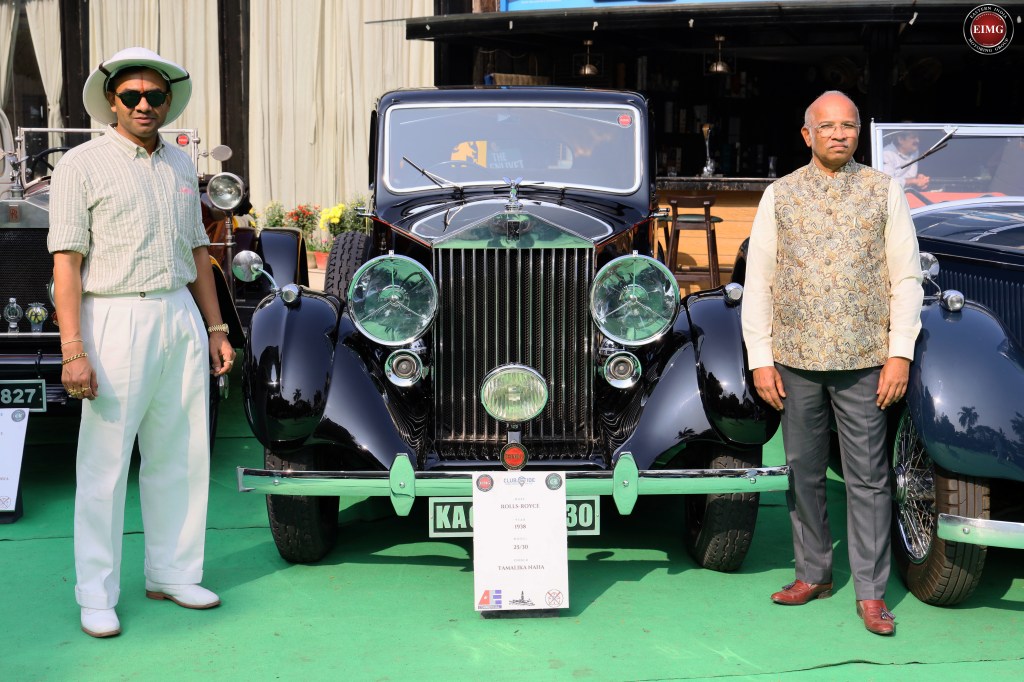
A 1938 Rolls-Royce 25/30 owned by Tamalika Naha made its second consecutive appearance at the EIMG Concours d’Elegance. This stunningly beautiful car won The Best of Show at last year’s Concours. This year, Naha’s 1948 Buick Super 8 which once belonged to the Jhargram Rajbari bagged the Best-In-Class Award for Cars Built from 1941 to 1950.
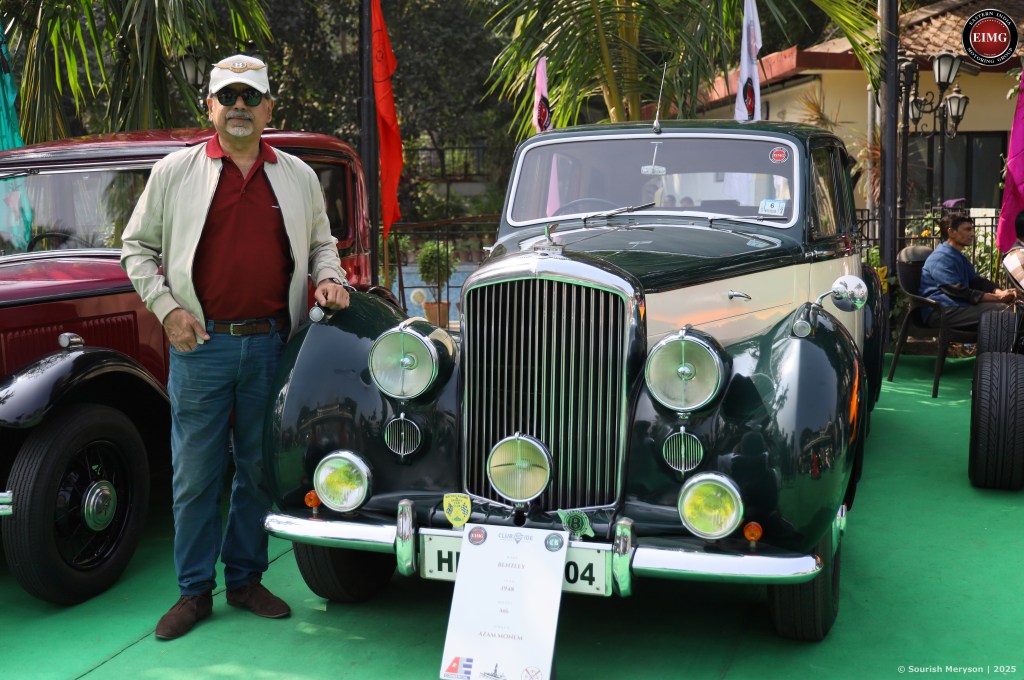
A rare 1948 Bentley Mark VI owned by Azam Monem made its Concours debut this year. A marvelous car which deservedly took home the Epitome of Elegance Award at this year’s EIMG Concours.
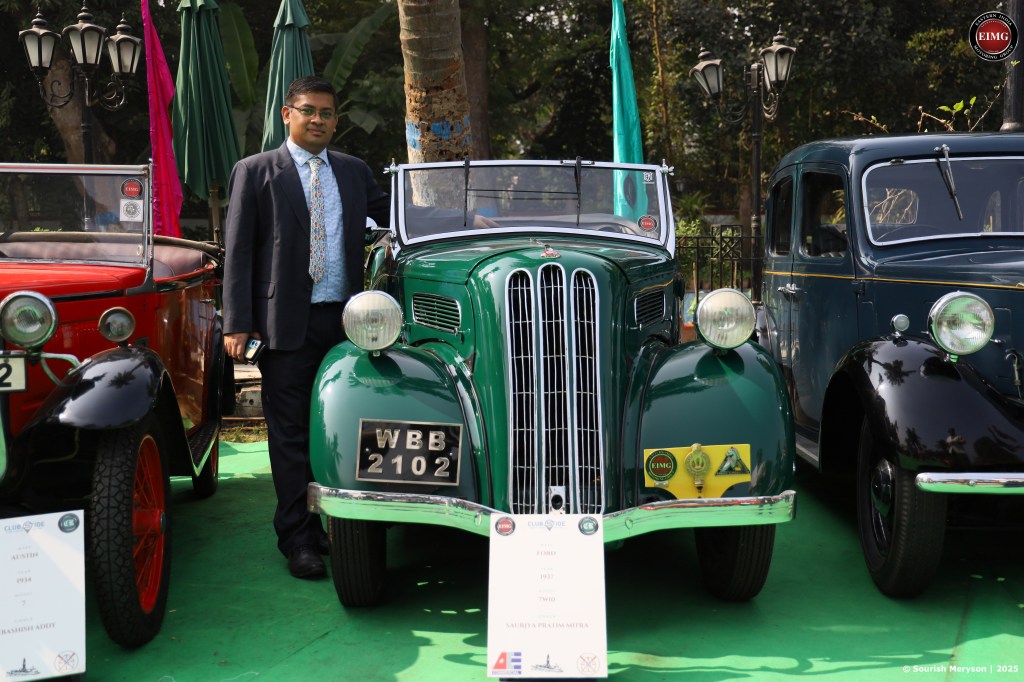
Saurjya Pratim Mitra’s brilliantly restored 1937 Ford 7W10 returned to the EIMG Concours this year inviting both admiration and envy in equal measure. The Ford befitting bagged the Best-In-Class Award for Vintage Two Door Cars.
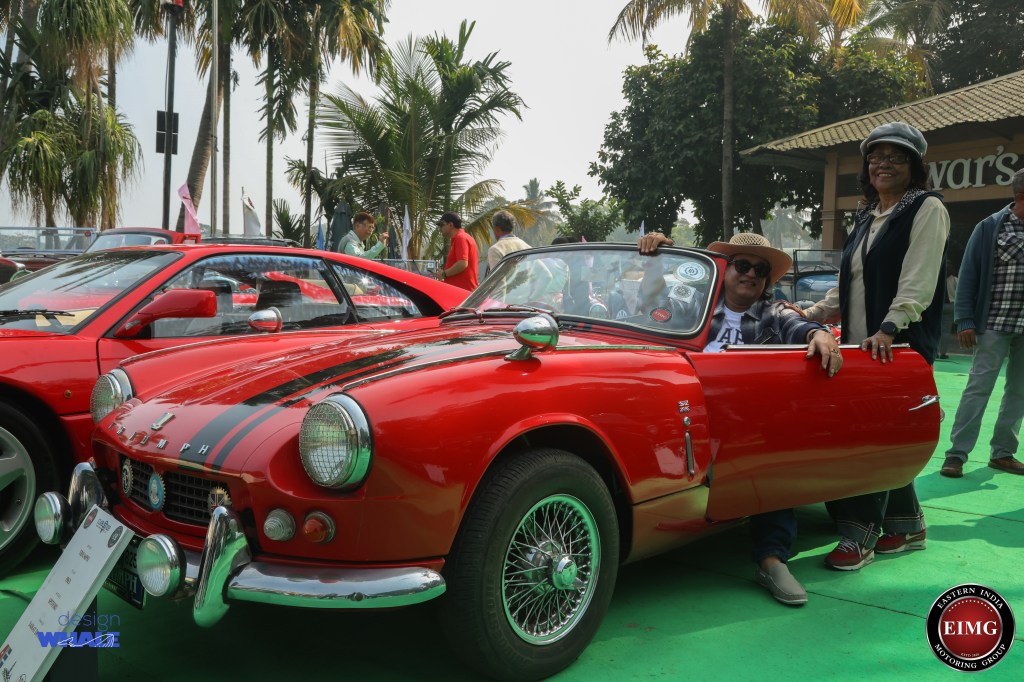
A 1963 Triumph Spitfire which was once owned by Bollywood actor Jackie Shroff has always been a very popular car in the Kolkata circuit, much like its debonair owner Saikat Dutta. This car is a hot favourite among the young brigade, especially the ladies, and was awarded the Best-In-Class in the Classic Two Door Cars category.
The 1928 Ford Model A owned by Surendra Kumar Dugar took home the trophy for the Best-In-Class for Cars Built Upto 1930; Harjit Singh Dhanjal’s 1947 Ariel Red Hunter won the Best-In-Class in the Two Wheelers category; and the 1961 Ambassador Mark I owned by Baladev Mazumdar was awarded the Best-In-Class in the Indian Heritage Cars category.
An immaculately restored 1958 Mercedes-Benz 180 A owned by Prithvi Nath Tagore bagged the Best-In-Class award for Cars Built from 1951 to 1975 and was also bestowed with The Momen Sahab Memorial Trophy for Third of Show at the Lake Club – EIMG Concours d’Elegance 2025.
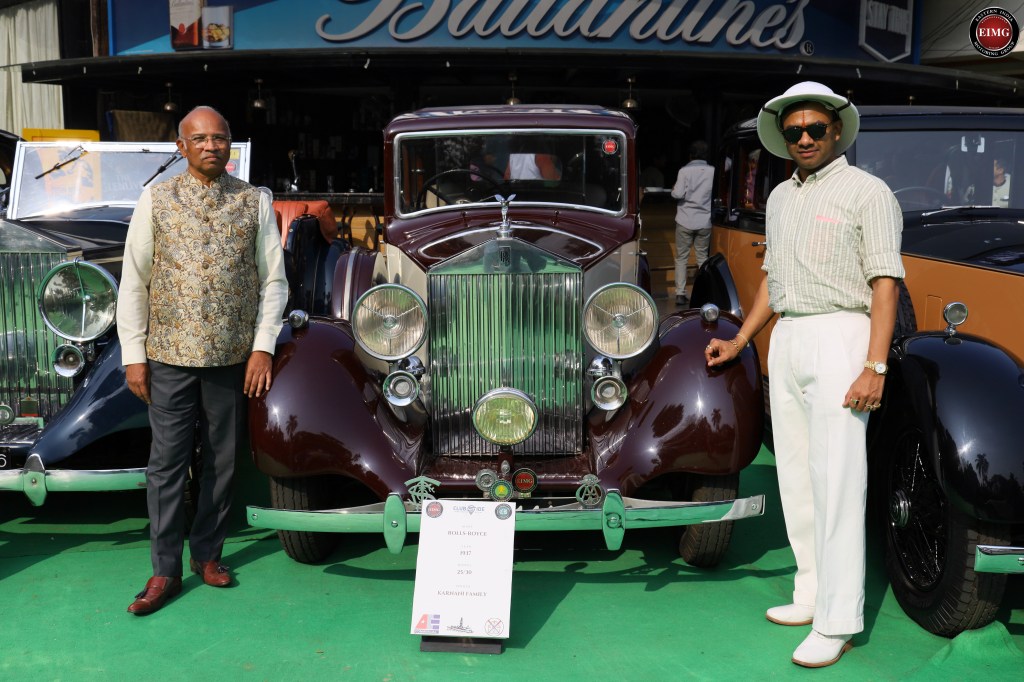
A very elegant 1937 Rolls Royce 25/30 owned by the Karnani Family was not only awarded the Best-In-Class for Cars Built From 1931 To 1940 but was also presented with The Sanjay Ghosh Memorial Trophy for the Second of Show at this year’s EIMG Concours.
A very special 1948 Plymouth Special Deluxe once driven by legendary singer & composer Hemanta Mukhopadhyay and now owned by Swapan Kumar Lahiri was another beautiful car competing in the EIMG Concours this year. The Lahiri family bought this car in the early 1970s and thoroughly restored it. Fondly referred to as ‘Nilu’, this car is meticulously maintained by its owner himself. This beauty won big at The Lake Club – EIMG Concours d’Elegance 2025 by not just bagging the Special Car Award but also taking home The Shashi Kanoria Memorial Trophy for the Best of Show.
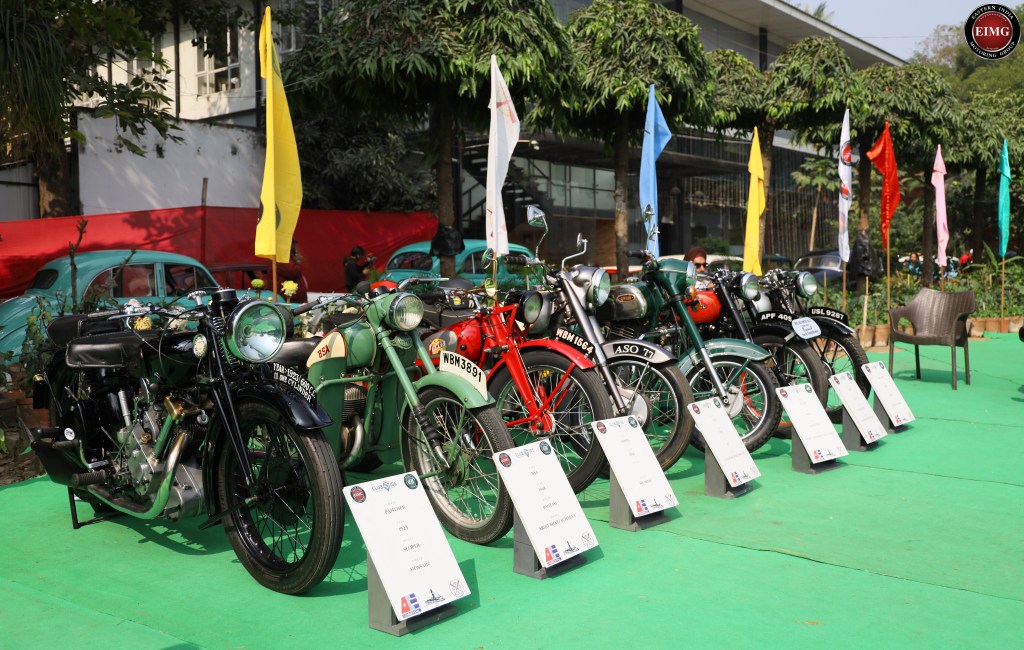
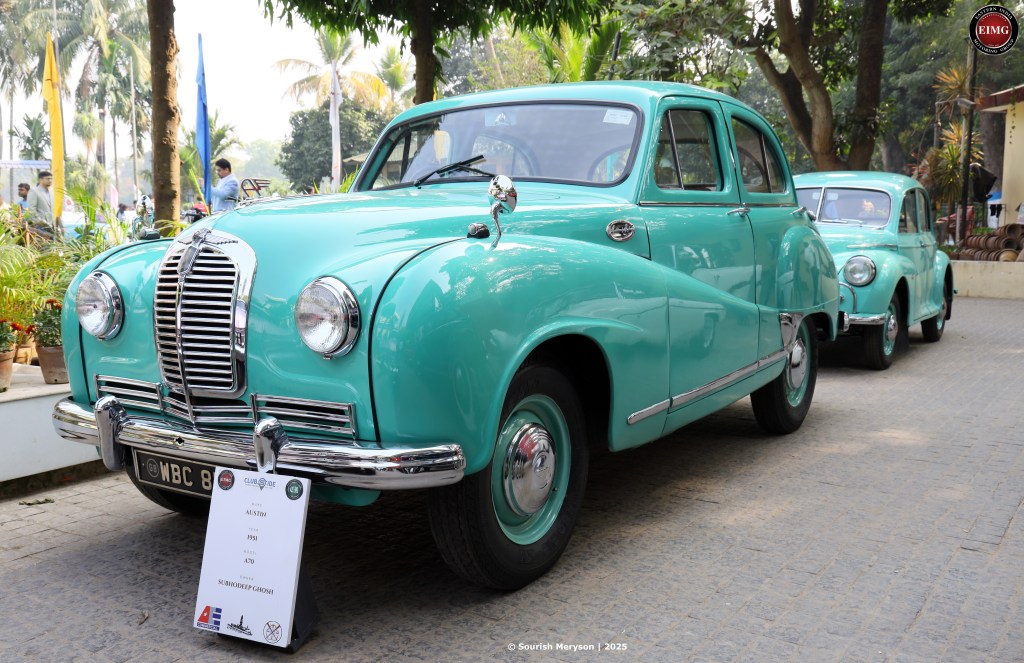
The 1923 Panther Sloper owned by Afzal Hossain was awarded the Oldest Two Wheeler Award; Raja Mookerjee’s 1947 Buick Super 8 bagged the Preservation Award; the Restoration Award was presented to the 1951 Austin A70 owned by Subhodeep Ghosh; the 1937 Opel Cabrio owned by Debaprem Chatterjee won the Resurrection Award; Siddharth Swarup’s took home the Admirable Award for his 1947 Wolseley 14; the Judges Choice Award was presented to 1934 Rolls-Royce owned by Krish Ajmera; and Partha Banik’s 1934 Ford Model A was bestowed with the Touring Delight Award at The Lake Club – EIMG Concours d’Elegance 2025.
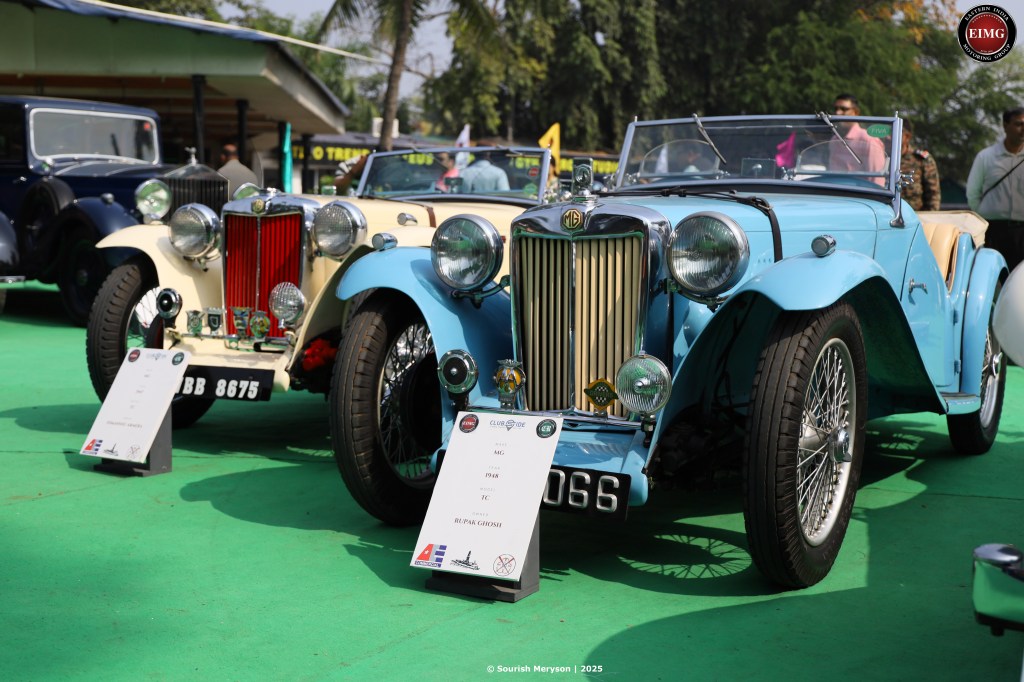
This year’s Sporty Playboy Award was bagged by the 1947 MG TC owned by Himanshu Ajmera and Rupak Ghosh’s 1948 MG TC claimed the Hot Ride Award at The Lake Club EIMG Concours d’Elegance 2025.
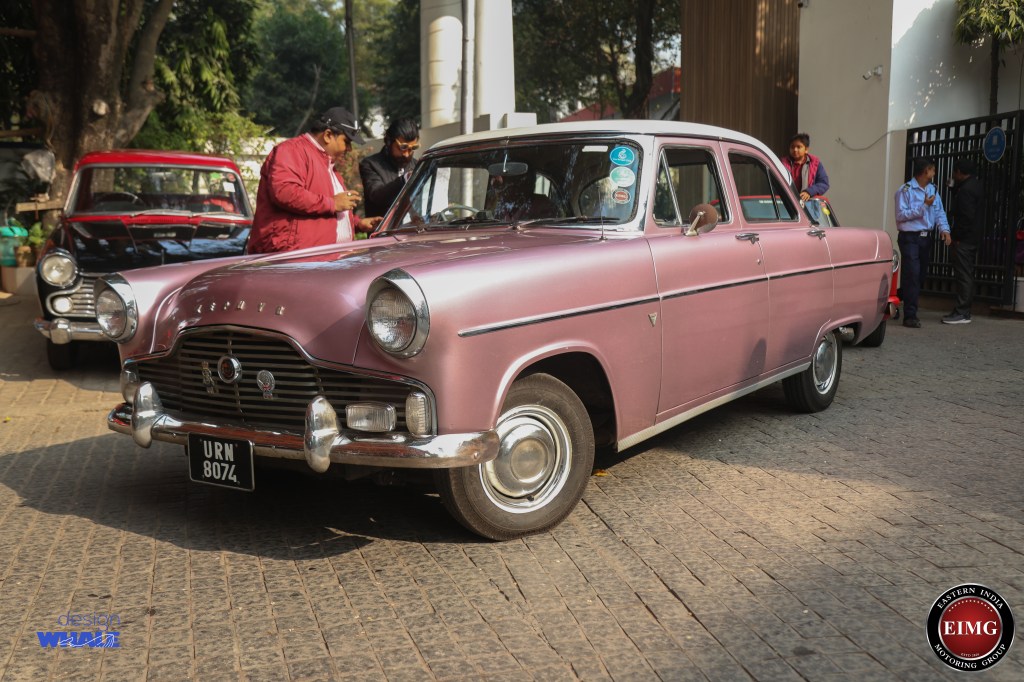
Other praiseworthy heritage vehicles which competed at this year’s EIMG Concours included the 1940 Triumph owned by Terrence Lobo, M. A. Moin’s 1936 James, 1953 BSA A7 Star Twin owned by Chandan Basu Mallik, the 1959 Ford Zephyr owned by Sarojesh Mukerjee, the 1965 Hilman Imp owned by Sarmistha Hazra, Amritendu Roy’s 1964 Ford Anglia, the 1964 Standard Herald owned by Subhajit Kumar, Saikat Dutta’s 1947 Chevrolet Fleetmaster, the 1937 Austin Big Seven owned by Deb Kumar Pal, the 1926 Studebaker Erskine owned by Kunal Banerji, Sarojesh Mukerjee’s 1947 Rover P2, the 1935 Ford Model C owned by Ranajit Gooptu and Debaprem Chatterjee’s 1951 Austin A40.
Few immaculately restored Rolls-Royces along with an ultra-rare 1934 SS1 Tourer belonging to the Shrivardhan Kanoria Collection were also displayed at the EIMG Concours. While these beauties were not entered in the competition, however, they undoubtedly added a touch of elegance and aristocracy to the event.
The Lake Club has been successfully hosting the Concours d’Elegance in collaboration with EIMG for their respective members and guests. This event witnessed a huge turnout of exotic heritage cars, as well as a humungous footfall of both members and outsiders, making it the Best Vintage Motoring Event of Kolkata.
Shrivardhan Kanoria, Founder & President, EIMG, said: “I would like to thank The Lake Club President, Mr. Tamal Mukherjee, The Joint Secretaries, Mr. Subrata Guha, Mr. Debabrata Dutta, and all the Committee Members of The Lake Club for the breathtaking venue, cocktail brunch, outdoor hoardings and the wonderful hospitality. This gesture of The Lake Club in collaborating with EIMG has been a big step towards preserving the Motoring Heritage of Eastern India.
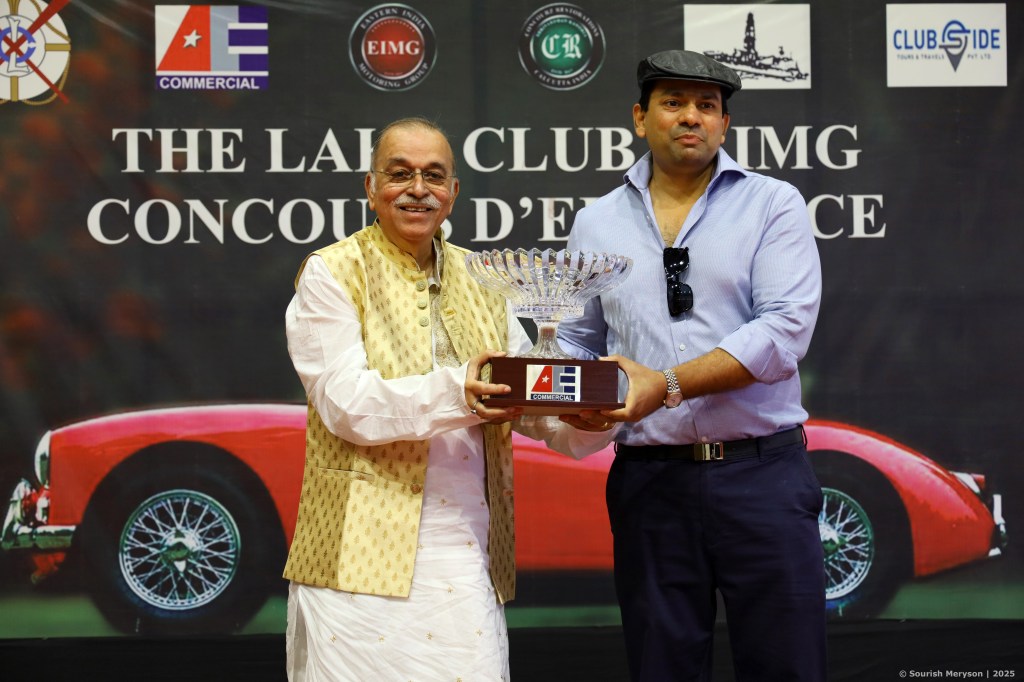
“A special shout out to the EIMG Secretary Mr. Subhajit Kumar for being instrumental in bringing The Lake Club and EIMG together to host this memorable venue. Many thanks to EIMG Committee Member Mr. Avik Naha for hosting the fabulous EIMG Concours Dinner and the EIMG Treasurer Mr. Sumit Periwal for arranging these stunning trophies. My deepest gratitude to ACE Commercials for sponsoring the beautiful crystal trophies of The Lake Club EIMG Concours d’Elegance 2025 which the participants and winners absolutely treasure”.
Eastern India Motoring Group (EIMG), is a group of serious Heritage Vehicle collectors and restorers, founded by Shrivardhan Kanoria (himself an eminent Vintage Car Collector/Restorer), of which he is the President. He has inducted Subhajit Kumar (a veteran high speed Rallyist) as the Secretary of EIMG.
The Lake Club EIMG Concours d’Elegance 2025Winners:
1. CARS BUILT UPTO 1930 – Third In Class – 1927 Dodge Brothers owned by Mr. Surendra Kumar Dugar
2. CARS BUILT UPTO 1930 – Second In Class – 1926 Studebaker Erskine owned by Mr. Kunal Banerji
3. CARS BUILT UPTO 1930 – Best In Class – 1928 Ford Model A owned by Mr. Surendra Kumar Dugar
4. CARS BUILT FROM 1931 TO 1940 – Third In Class – 1937 Austin Big Seven owned by Mr. Deb Kumar Pal
5. CARS BUILT FROM 1931 TO 1940 – Second In Class – 1937 Plymouth P4 owned by Mr. Arpan Dey
6. CARS BUILT FROM 1931 TO 1940 – Best In Class – 1937 Rolls Royce 25/30 owned by the Karnani Family
7. VINTAGE TWO DOOR CARS – Third In Class – 1935 Ford Model C owned by Mr. Ranajit Gooptu
8. VINTAGE TWO DOOR CARS – Second In Class – 1935 Austin 10 owned by Mr. Subrata Roy
9. VINTAGE TWO DOOR CARS – Best In Class – 1937 Ford 7W10 owned by Mr. Saurjya Pratim Mitra
10. CARS BUILT FROM 1941 TO 1950 – Third In Class – 1947 Rover P2 owned by Mr. Sarojesh Mukerjee
11. CARS BUILT FROM 1941 TO 1950 – Second In Class – 1947 Chevrolet Fleetmaster owned by Mr. Saikat Dutta
12. CARS BUILT FROM 1941 TO 1950 – Best In Class – 1948 Buick Super 8 owned by Ms. Tamalika Naha
13. CARS BUILT FROM 1951 TO 1975 – Third In Class -1951 Austin A40 owned by Mr. Debaprem Chatterjee
14. CARS BUILT FROM 1951 TO 1975 – Second In Class – 1959 Ford Zephyr owned by Mr. Sarojesh Mukerjee
15. CARS BUILT FROM 1951 TO 1975 – Best In Class – 1958 Mercedes Pontoon owned by Mr. Prithvi Nath Tagore
16. CLASSIC TWO DOOR CARS – Third In Class – 1965 Hilmam Imp owned by Ms. Sarmistha Hazra
17. CLASSIC TWO DOOR CARS – Second In Class – 1964 Ford Anglia owned by Mr. Amritendu Roy
18. CLASSIC TWO DOOR CARS – Best In Class – 1963 Triumph Spitfire owned by Mr. Saikat Dutta
19. INDIAN HERITAGE CARS – Third In Class – 1964 Standard Herald owned by Mr. Subhajit Kumar
20. INDIAN HERITAGE CARS – Second In Class – 1968 Fiat Delight owned by Mr. Sudipto Ray
21. INDIAN HERITAGE CARS – Best In Class – 1961 Ambassador Mark I owned by Mr. Baladev Mazumdar
22. TWO WHEELERS – Third In Class – 1936 James owned Mr. M. A. Moin
23. TWO WHEELERS – Second In Class – 1940 Triumph owned by Mr. Terrence Lobo
24. TWO WHEELERS – Best In Class – 1947 Ariel Red Hunter owned by Mr. Harjit Singh Dhanjal
25. OLDEST CAR AWARD – 1925 AC Royal owned by Mr. Yogesh Agarwalla
26. OLDEST TWO WHEELER AWARD – 1923 Panther Sloper owned by Mr. Afzal Hossain
27. PRESERVATION AWARD – 1947 Buick Super 8 owned by Mr. Raja Mookerjee
28. RESTORATION AWARD – 1951 Austin A70 owned by Mr. Subhodeep Ghosh
29. RESURRECTION AWARD – 1937 Opel Cabrio owned by Mr. Debaprem Chatterjee
30. ADMIRABLE AWARD – 1947 Wolseley 14 owned by Mr. Siddharth Swarup
31. JUDGES CHOICE AWARD – 1934 Rolls-Royce owned by Mr. Krish Ajmera
32. SPECIAL CAR AWARD – 1948 Plymouth Deluxe owned by Mr. S. K. Lahiri
33. TOURING DELIGHT AWARD – 1934 Ford Model A owned by Mr. Partha Banik
34. SPORTY PLAYBOY AWARD – 1947 MG TC owned by Mr. Himanshu Ajmera
35. EPITOME OF ELEGANCE AWARD – 1946 Bentley Mark VI owned by Mr. Azam Monem
36. HOT RIDE AWARD – 1948 MG TC owned by Mr. Rupak Ghosh
37. The Momen Sahab Memorial -THIRD OF SHOW – 1958 Mercedes Pontoon owned by Mr. Prithvi Nath Tagore
38. The Sanjay Ghosh Memorial -SECOND OF SHOW – 1937 Rolls-Royce 25/30 owned by The Karnani Family
39. The Shashi Kanoria Memorial – BEST OF SHOW – 1948 Plymouth Special Deluxe owned by Mr. S. K. Lahiri
Photographs courtesy Sourish Meryson and Adnan Aslam





 Power Drive