Datsun India Opens Pre-Bookings For The redi-GO 1.0L AMT

_JPG0771-L

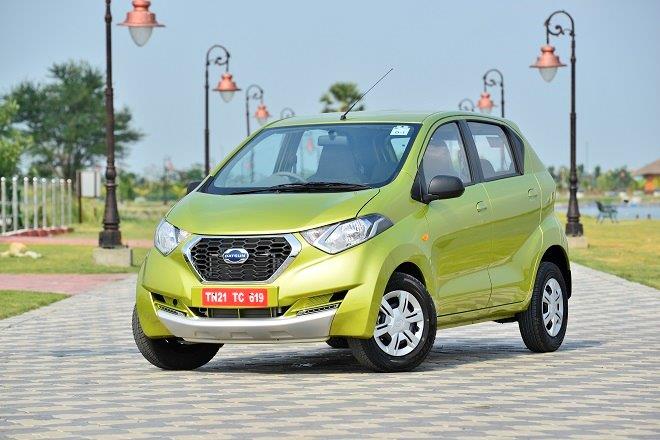
Datsun India has commenced pre-launch bookings for the Datsun redi-GO 1.0L Automated Manual Transmission (AMT) from January 10, 2018.

Customers can now pre-book their Datsun redi-GO 1.0L AMT with a payment Rs 10,000 at all Nissan and Datsun dealerships. Deliveries of these vehicles will commence from January 23, 2018.

Jerome Saigot, Managing Director, Nissan Motor India Pvt. Ltd, said, “We keep customers at the heart of everything we do. During the last 20 months, we have launched four variants of Datsun redi-GO to address the changing needs of our customers. With the new redi-GO AMT, we aim to provide consumers with the convenience of city drive at an accessible price and best in class ground clearance, mileage, head room space, high seating position and attractive design.”

The Datsun redi-GO1.0L AMT is powered by Intelligent Spark Automated Technology (iSAT) 1.0L three-cylinder fuel efficient engine, paired with a five-speed automated transmission. The redi-GO AMT will join the line-up that includes redi-GO 0.8L, redi-GO Sport, redi-GO 1.0L and redi-GO Gold.

Land Rover’s 70th Anniversary Begins With Restoration Of ‘Missing’ Original 4×4 

LR_Classic_Prototype7_1948MY_LR70_100118_02

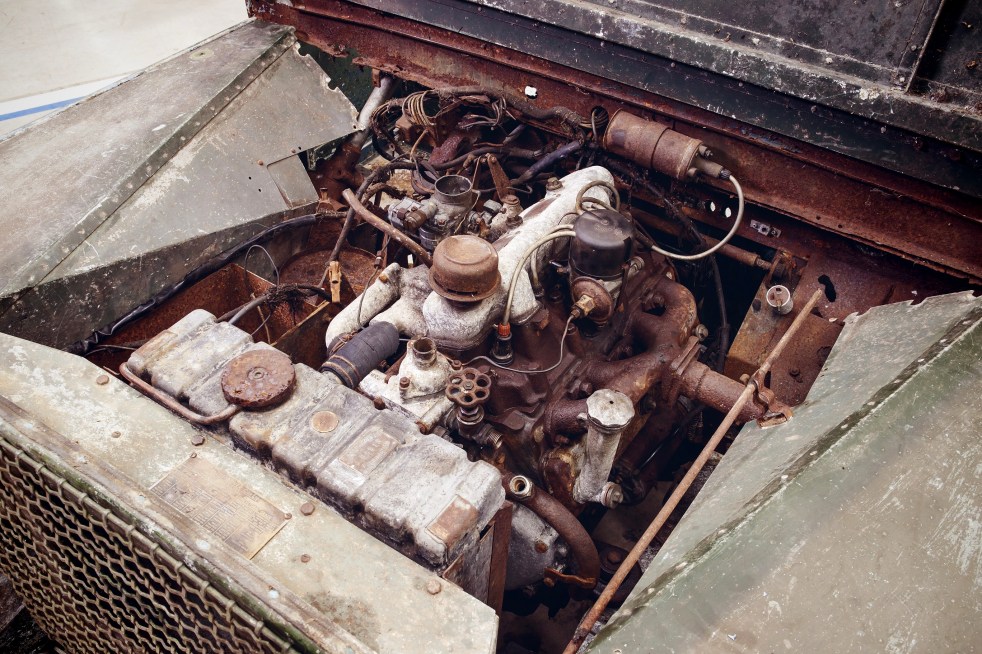
Land Rover will mark its 70th anniversary with a series of events and celebrations in 2018, beginning with the restoration of the vehicle that started it all – one of the three pre-production Land Rovers shown at the 1948 Amsterdam Motor Show launch. This gave the world its first glimpse of the shape that would become instantly recognisable as a Land Rover.

For years the whereabouts of this launch Land Rover was a mystery. The demonstration vehicle from the Amsterdam show was last on the road in the 1960s, after which it spent 20 years in a Welsh field before being bought as a restoration project; it then lay languishing unfinished in a garden. Following its surprise discovery just a few miles outside of Solihull, UK – where the car was first built – the experts at Jaguar Land Rover Classic spent months researching in company archives to unravel its ownership history and confirm its provenance.

The team behind the successful Land Rover Series I Reborn programme, which allows customers to own a slice of Land Rover history with meticulously restored Series Is, will now embark on their most challenging project yet: a year-long mission to preserve this historically significant prototype and enable it to be driven again.

LR_Classic_Prototype7_1948MY_LR70_100118_05

Tim Hannig, Jaguar Land Rover Classic Director, said: “This Land Rover is an irreplaceable piece of world automotive history and is as historically important as ‘Huey’, the first pre-production Land Rover. Beginning its sympathetic restoration here at Classic Works, where we can ensure it’s put back together precisely as it’s meant to be, is a fitting way to start Land Rover’s 70th anniversary year.

“There is something charming about the fact that exactly 70 years ago this vehicle would have been undergoing its final adjustments before being prepared for the 1948 Amsterdam Motor Show launch – where the world first saw the shape that’s now immediately recognised as a Land Rover.”

The Jaguar Land Rover Classic team will follow a dedicated process to restore the launch vehicle, which has a lot of special features that are unique to the 48 pre-production Land Rovers that were produced prior to the mass production vehicles, such as thicker aluminium alloy body panels, a galvanised chassis and a removable rear tub. The patina of its components will be preserved, including the original Light Green paint applied in 1948.

Previous owners of this historic vehicle are being invited to Jaguar Land Rover’s Classic Works facility to share their experiences and to witness its loving restoration.

This landmark project, representing the earliest beginnings of the Land Rover story – which led to more than 67 years of continuous production of iconic Series I to Defender vehicles at Solihull – is the first in a series of stories and events that will celebrate the past, present and future of Land Rover throughout 2018.

Lamborghini Urus Launched In India At Rs 3 Crore

Lamborghini-Urus

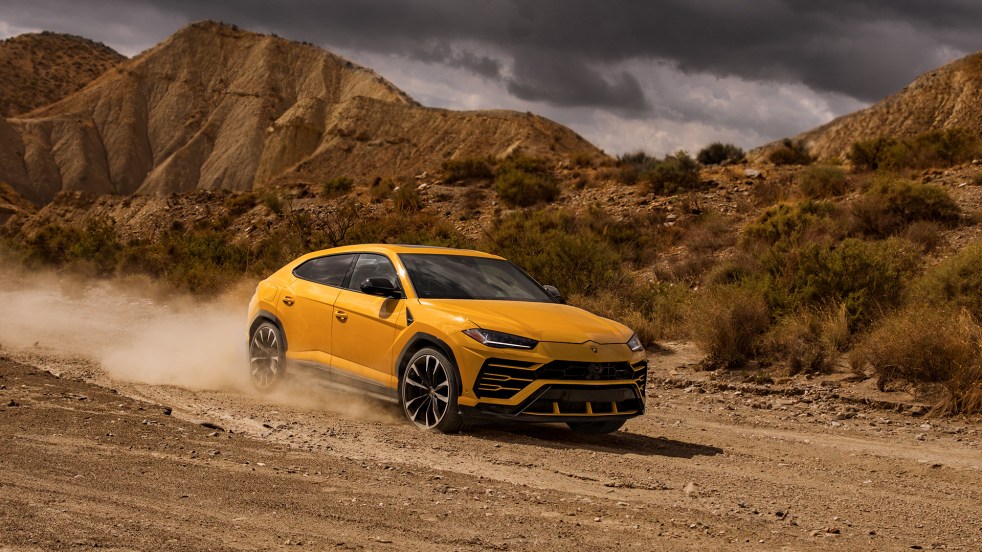
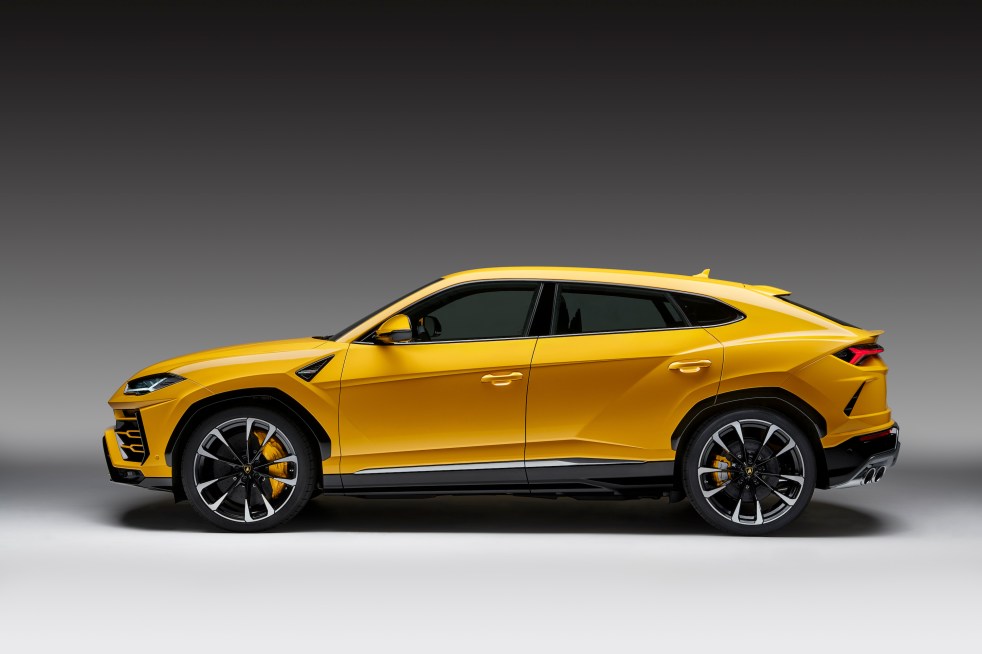
The all-new Lamborghini Urus has been launched in India at Rs 3 crore, ex-showroom. Lamborghini will making 1,000 units of the Urus SUV globally and 25 units out of that have been allotted to India. It is worth pointing out that Lamborghini has launched the Urus in India ahead of China, indicating the importance of the country in the company’s global plans.

Lamborghini-Urus-Interior

Doing duty in the Lamborghini Urus is a specially-developed 4.0-litre twin-turbo V8 that produces 650PS at 6,000 rpm and generates 850 Nm of torque at 2,250 rpm. All of that power is sent to the four wheels via an 8-speed automatic transmission.

Lamborghini-Urus-Side

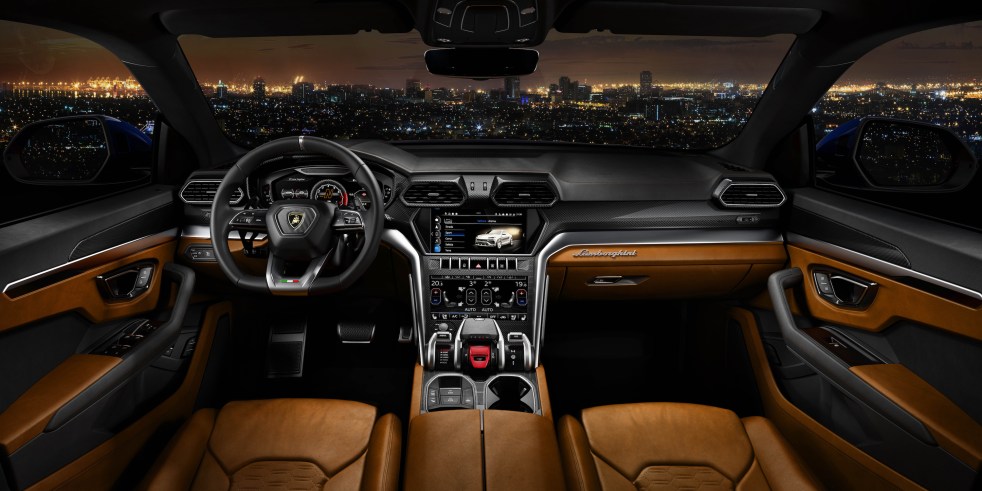
Lamborghini claims that the Urus can reach 100k mph in 3.6 seconds and capable of reaching a top speed of 305 kmph. The Lamborghini Urus also offers drive modes that can be selected through the Tamburo (drum) driving mode selector listed under the ANIMA (Adaptive Network Intelligence Management) system.

Hyundai Introduces 1.4 L Petrol Engine In Next Gen Verna

Follow up-28x22-160cc

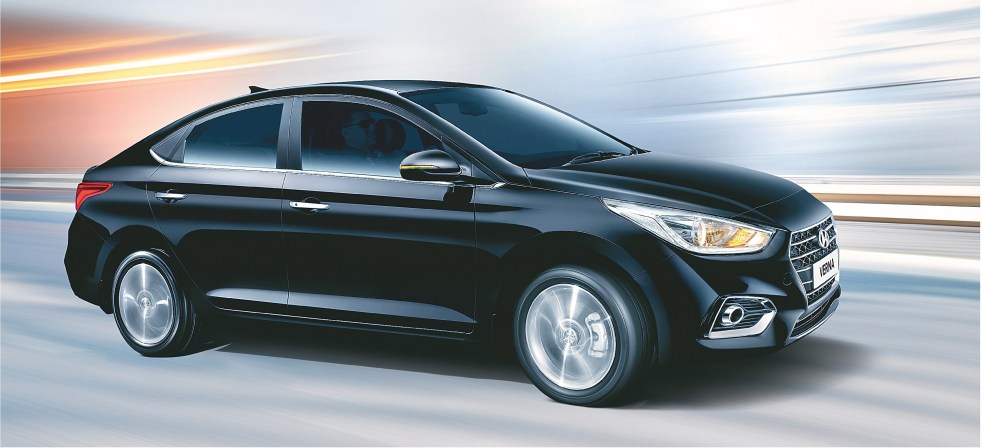
Hyundai Motor India Ltd (HMIL) has introduced two new variants with 1.4 L New Kappa Dual VTVT petrol engine in the Next Gen Verna.

The 1.4 L Kappa Dual VTVT petrol engine produces an output of 100 PS at 6000 rpm and torque of 132 Nm at 4000 rpm. The fuel efficiency of the new variant has been further improved by 8 per cent to deliver 19.1 kmpl. The Next Gen Verna with 1.4 L petrol engine will be offered in two trims E and EX with 6-speed manual transmission priced (ex-showroom Delhi) at Rs 7,79,990 and Rs 9,09,990 respectively.

Commenting on the new engine introduction Rakesh Srivastava, Director-Sales & Marketing, HMIL said, “The Next Gen VERNA is a super sedan and has established its supremacy in the market since its launch in August 2017. The Next Gen VERNA with 1.4 L Kappa Dual VTVT petrol engine is the perfect combination of performance and fuel efficiency and showcases Hyundai’s commitment to provide products based on customers aspirations. We are sure this addition will strengthen VERNA’s popularity and offer the customers a wider option to own and experience the super sedan.”

Up Close And Personal With The Land Rover Discovery Sport

IMG_7760

Land Rover is an iconic British marque with products renowned for their design and all-terrain capability. With 70 years of rich legacy, Land Rover vehicles are known for their ability to take on some of the toughest terrains with relative ease. Whether on or off-road, the urge to explore and go above and beyond is what distinguishes every vehicle bearing the Land Rover badge. So, on a winter afternoon, when Power Drive got the opportunity to get up close and personal with the Land Rover Discovery Sport, we were more than glad to take it for a spin. Read on to find out more about our date with the gentle beast. Photographs by Sourish Meryson.
IMG_7772

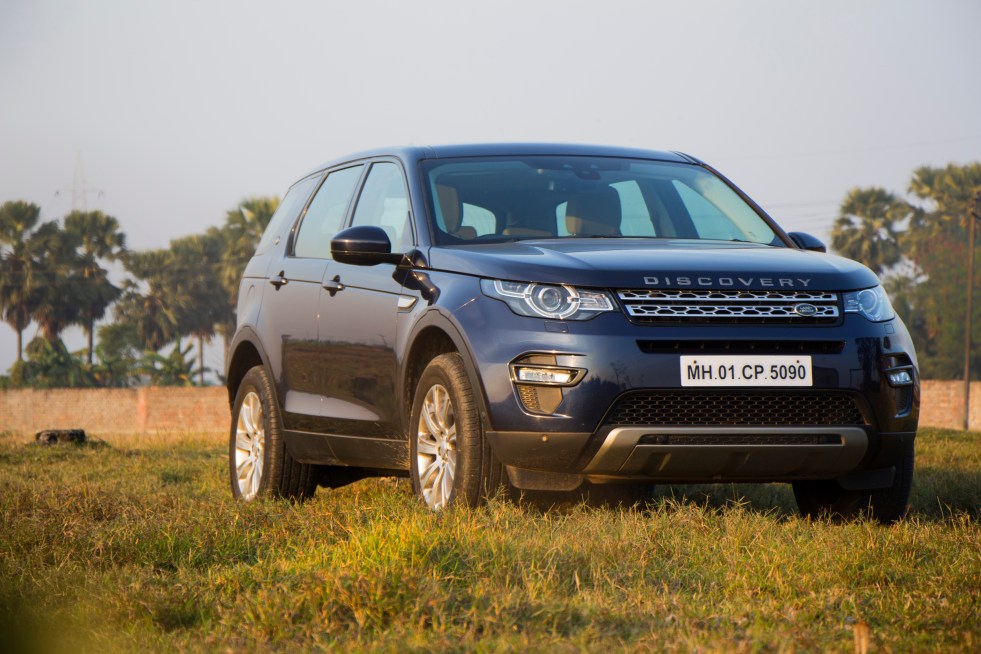
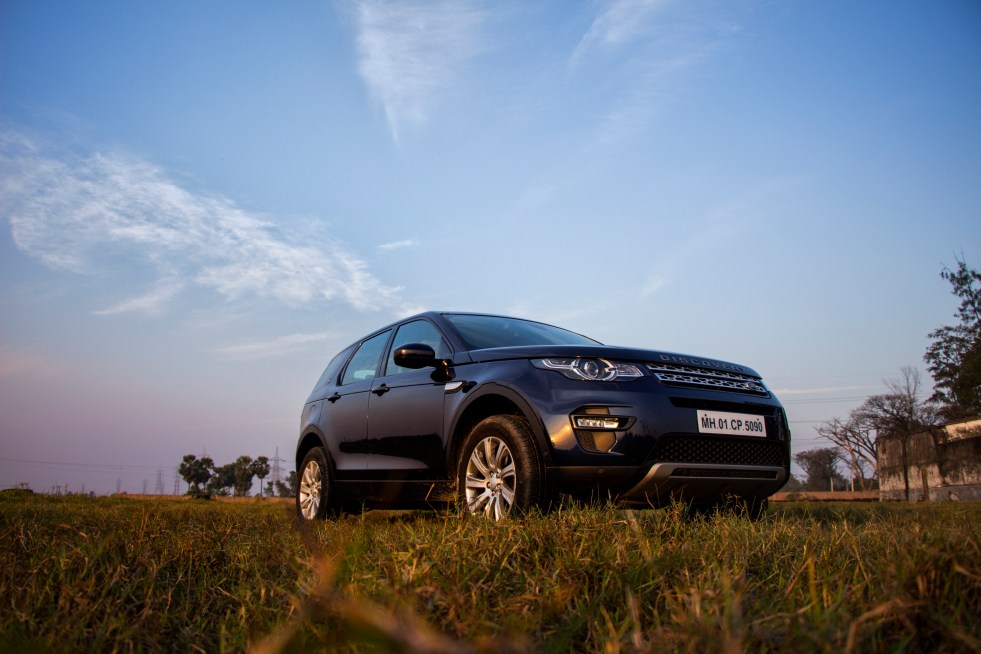
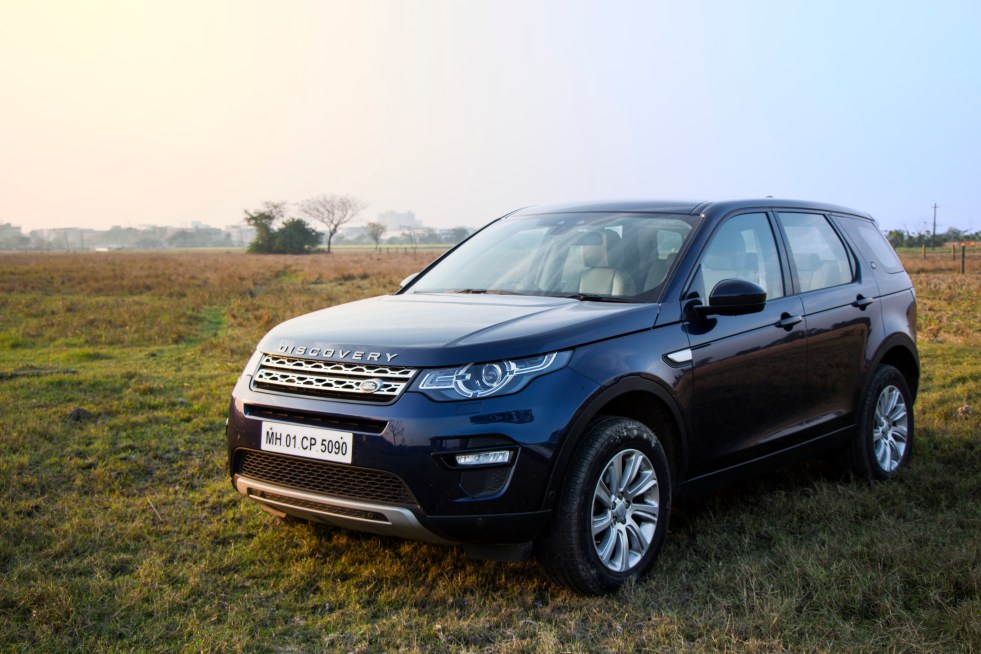
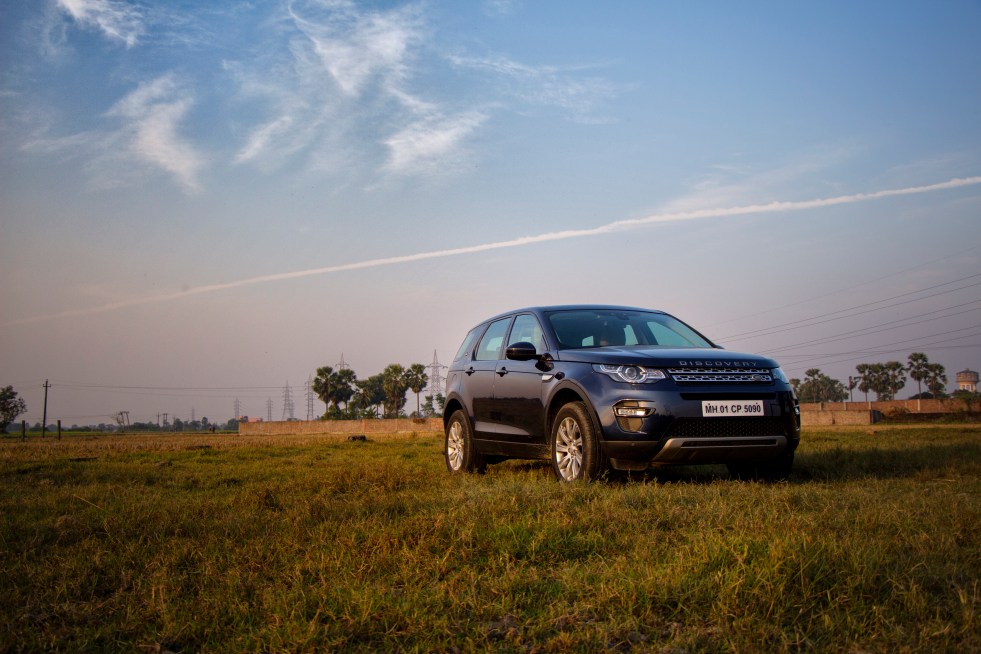
The Land Rover Discovery Sport does not get any cosmetic updates for 2017. After all, why fix something that ain’t broken. The Discovery Sport looks macho with just the right proportions that makes maneuvering it quite effortless in the urbane city conditions. The front looks striking with its big DRLs, sleek grille and the large Discovery script that the sits above it. Whether navigating through city traffic or while cruising on the highway, the Land Rover Discovery Sport never fails to turn heads on the go.
 

IMG_7782

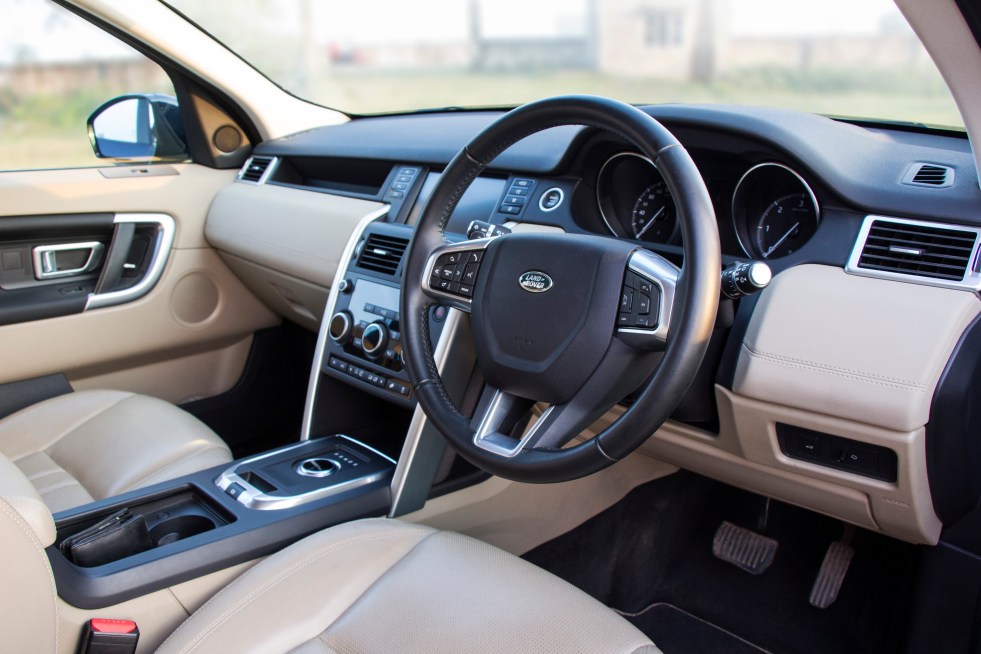
The interior layout is quite functional, with everything within easy reach. The cabin is swathed in beige leather as well as soft touch materials that feel premium and exudes class. The large, panoramic sunroof makes the cabin feels airy and spacious.

Navigation makes planning journeys and following routes easy thanks to turn-by-turn voice guidance, junction view and 3D maps. Set your destination with a few taps, or simply speak a command.
IMG_7783

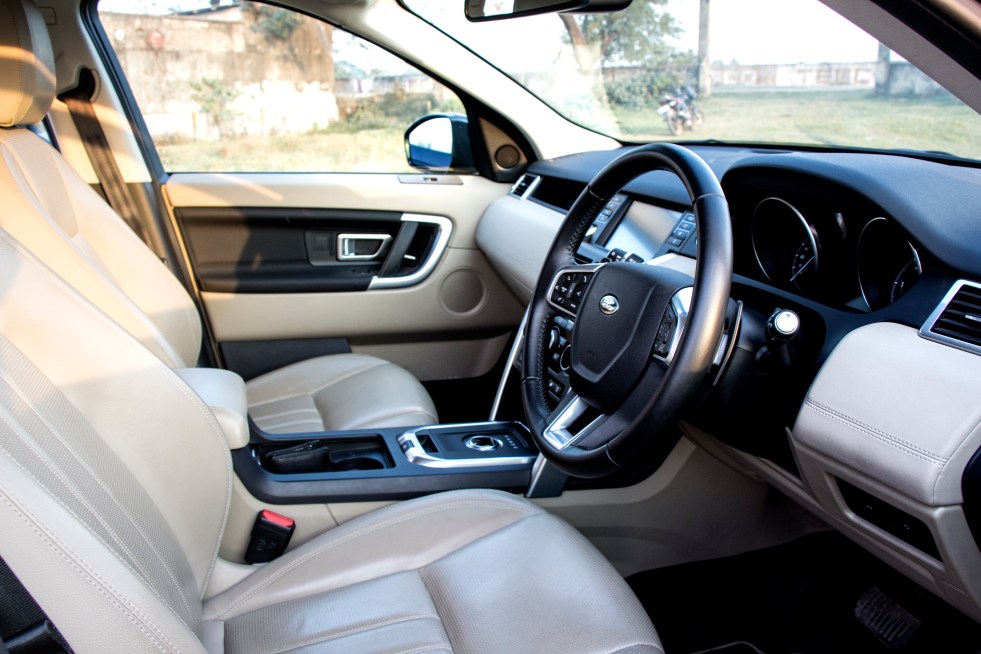
The seats, both upfront and at the rear, are comfortable and provide good lumbar support. Soft to the touch and pleasing to the eye, these seats come in a choice of colour that truly complement the cabin architecture.

Making sure all passengers enjoy the impressive audio in the cabin, the Meridian 380W Sound System features a subwoofer and 10 speakers are carefully and strategically arranged throughout the cabin. NVH levels are well contained with very little engine noise filtering in only at high rev range.

IMG_7802

The new 2.0-litre Ingenium diesel motor is both responsive and refined. At idle, there is barely any vibrations that can be felt inside the passenger cabin. At full throttle, however, you will hear some engine murmuring, but it’s well within acceptable limits and doesn’t disrupt the peace.

This engine is available in two states of tune, depending on the variant you choose. The one we tested test is the HSE trim (7-seater) and the powertrain that does duty in this variant produces 150PS (180PS in the HSE Luxury trim) and 382Nm of torque that peaks at 1,750 rpm. And although 150 PS may not sound earth shattering, however, the fashion in which the power is delivered makes the Land Rover Discovery Sport a joy to drive. The 9-speed automatic gearbox has well-spaced ratios and you’ll find the engine revving at a relaxed 1,500 rpm even while cruising at 100 kmph.
IMG_7786

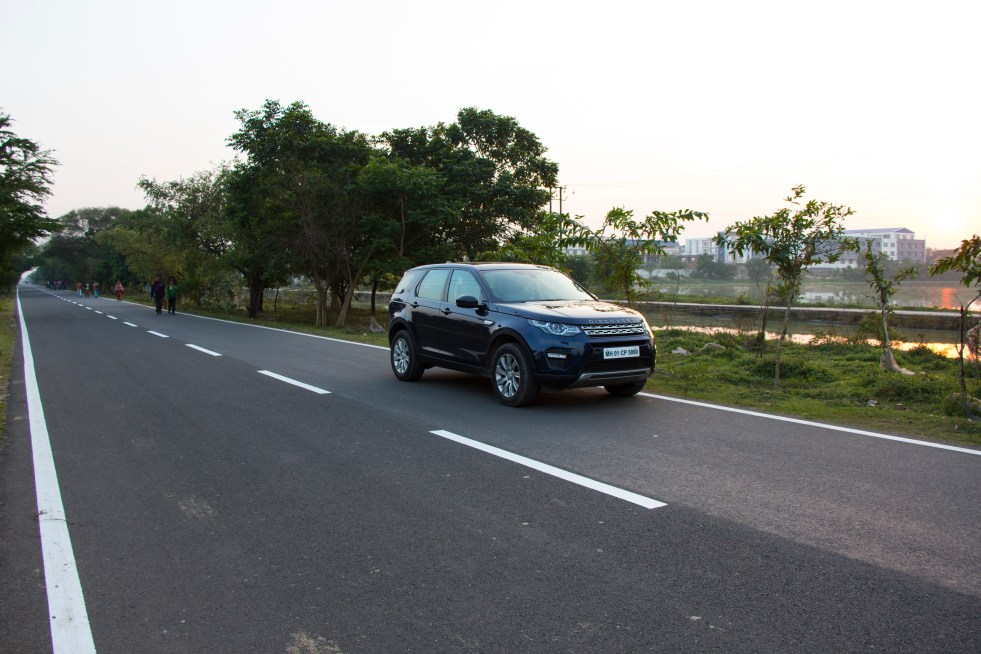
The Discovery Sport’s suspension set-up offers a great blend of ride and handling. Driving over some of Kolkata’s uneven stretches, I barely felt the need to lift my foot off the throttle, as the suspension went about ironing out the potholes and bumps. However, on the downside, there is quite a bit of body roll when cornering which isn’t very confidence inspiring.
IMG_7821

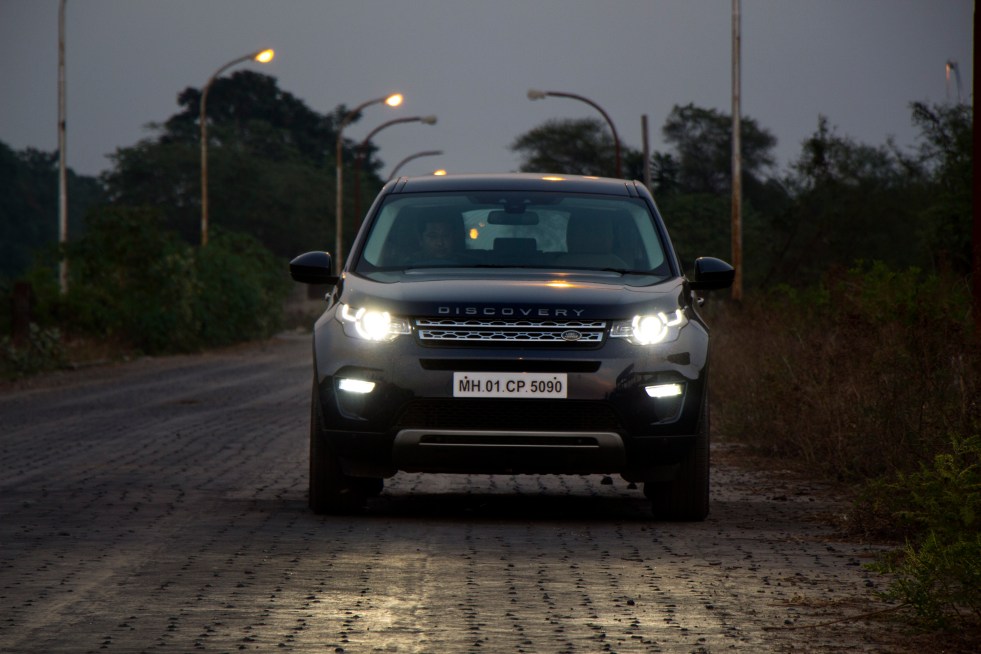
The Xenon headlights provide greater visibility and safety. They include signature Daytime Running Lights, rear LED lights and headlight powerwash.
IMG_7769

Some of the highlights of the Land Rover Discovery Sport HSE trim that we tested are as follows:

18-inch 5 split-spoke alloy wheels
Atlas grille with Narvik Black surround
Xenon headlights with LED signature
Cruise Control and Speed Limiter
Rear Parking Aid
Front Parking Aid
Rear View Camera
Park Assist
Power fold, heated door mirrors with approach lights
10-way electric front seats
Partial leather seats
60:40 second row seats with slide and recline
Meridian Sound System 380 W with 10 speakers plus subwoofer (Touch)
8-inch Touchscreen with touch navigation
Configurable Interior Ambient Lighting
Illuminated aluminium front tread plates with Discovery script
IMG_7891

Land Rover Discovery Sport (18MY) Ex-Showroom Price:

2.0 l Diesel Pure 5 Seats – Rs 42.48 Lakhs

2.0 l Diesel SE 5+2 Seats – Rs 48.67 Lakhs

2.0 l Diesel HSE 5+2 Seats – Rs 52.31 Lakhs

2.0 l Diesel HSE Luxury 5+2 Seats – Rs 57.46 Lakhs
IMG_7758


The Next-Generation Fuel Cell Vehicle From Hyundai To Be Called Nexo

1500865_18

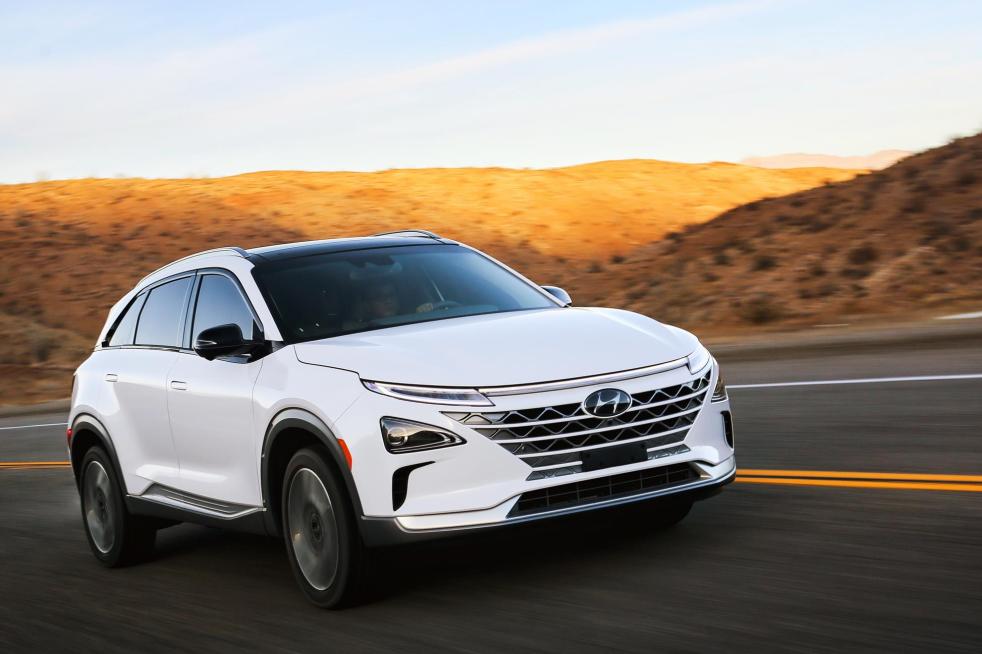
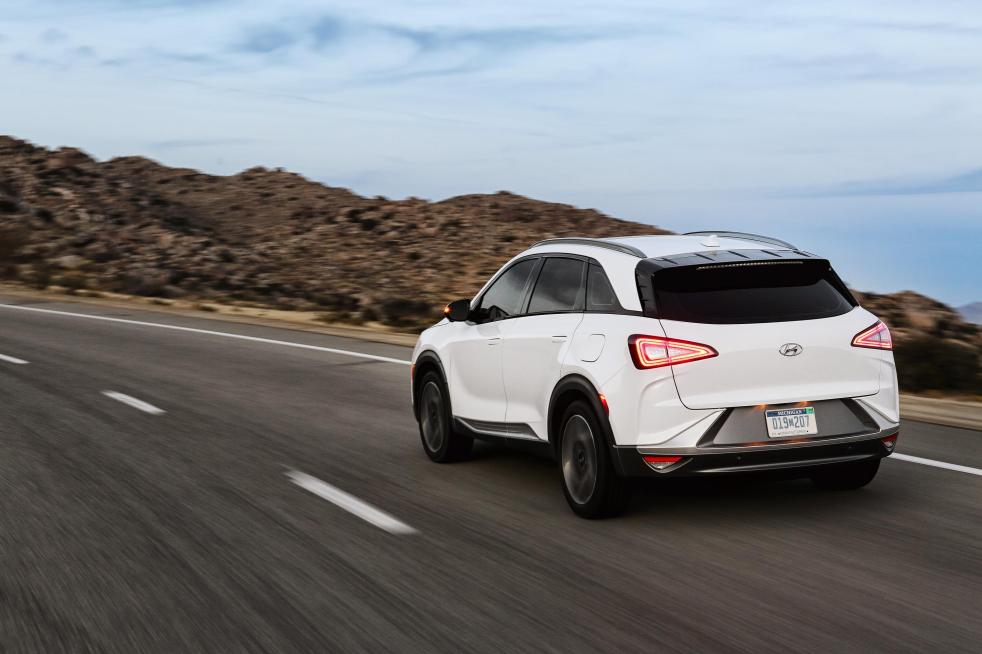
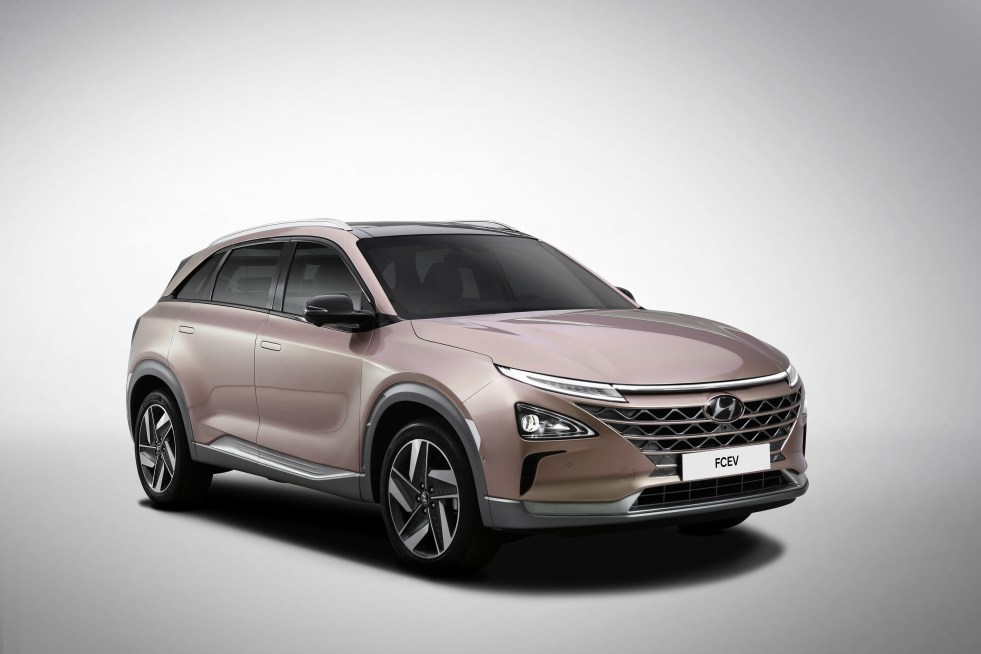
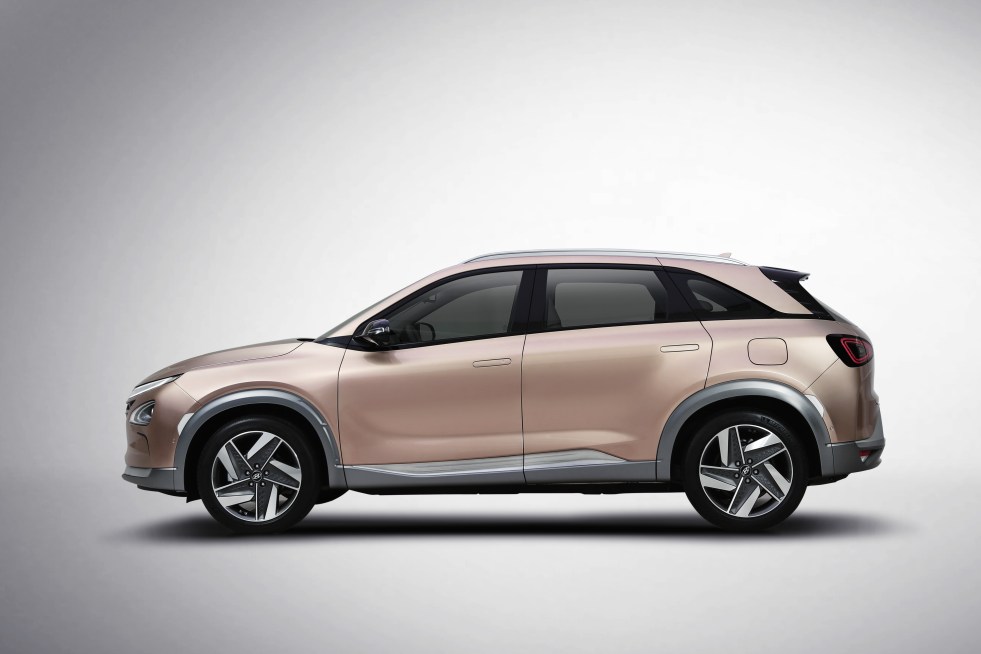
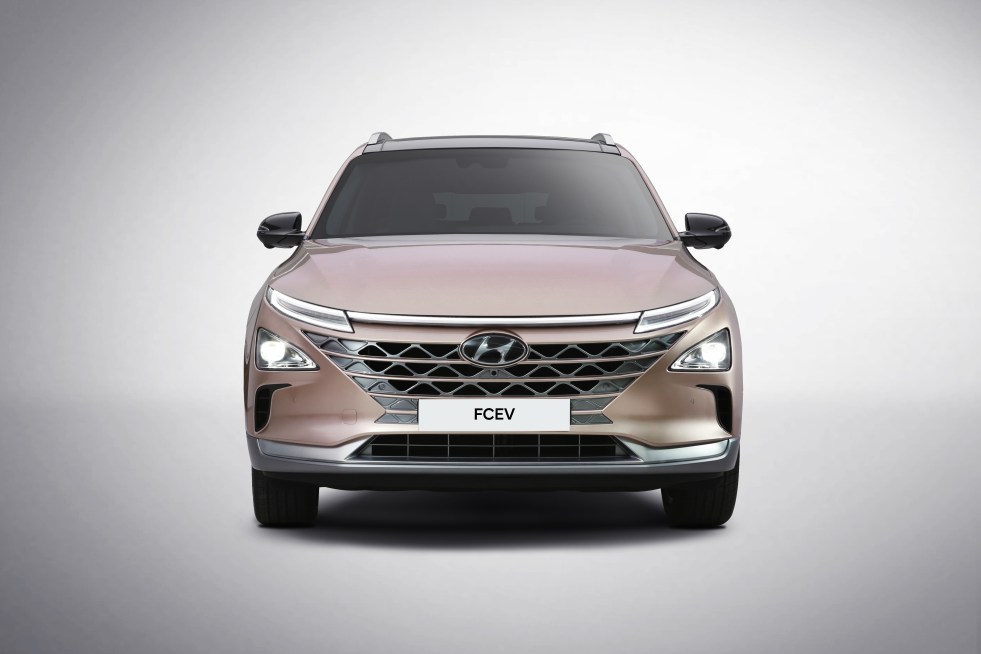
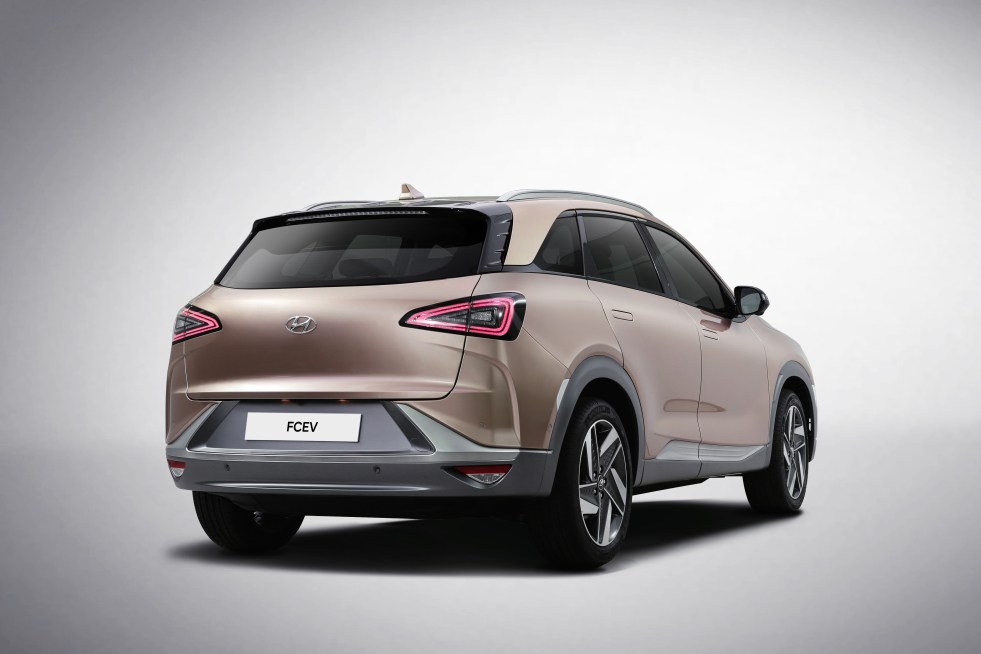
Hyundai Motor has announced that Nexo will be the name of its all-new, dedicated Fuel Cell EV during a press conference at CES 2018, and disclosed Advanced Driver Assistance Systems (ADAS) that expand its autonomous driving potential. Nexo is the technological flagship of Hyundai’s growing eco-vehicle portfolio and marks Hyundai’s continued momentum toward having the industry’s most diverse CUV powertrain lineup.

The Nexo model will spearhead Hyundai Motor’s plans to accelerate development of low emission vehicles, in line with Hyundai Motor Group’s renewed goal of introducing 18 eco-friendly models to global markets by 2025. This new development roadmap also represents the next step for Hyundai Motor towards realising the ultimate ambition of creating a cleaner environment through eco-friendly vehicles.

“Hydrogen energy is the key to building a more sustainable society. Hyundai Motor Company has already taken a lead in hydrogen technology with the introduction of the ix35 Fuel Cell,” said Dr. Woong-chul Yang, Vice Chairman, Hyundai Motor Company. “I am so proud to introduce to you our second-generation Fuel Cell Electric Vehicle which is a culmination of our cutting-edge technologies.”

1500905_27

Nexo is Hyundai’s second-generation of commercialised fuel cell electric vehicle that will be available in select markets around the world starting in early 2018. Improving upon the acclaimed ix35 FCEV, the Nexo has an estimated driving range of 500 miles (NEDC) – 134 miles more than its predecessor. Acceleration and power have increased to improve the overall performance.

Designed to handle extreme temperature and environments, the Nexo testing has proven that the vehicle is capable of starting after being subject to overnight temperatures of -20 degrees Fahrenheit. Nexo boasts cold start capability within 30 seconds which is an industry-leading achievement and the fuel cell system warms up faster for maximum performance. The Nexo also has excellent cooling performance on steep grades with temperatures exceeding 120 degree Fahrenheit.

Improvements in the air supply system, performance at high altitudes and refueling times, along with overall efficiency and fuel economy put the Nexo in a class all its own. In addition the Nexo has improved power density and durability comparable with petrol-powered vehicles.

Kia Motors To Reveal All-Electric Concept Car At CES 2018

TEASER01

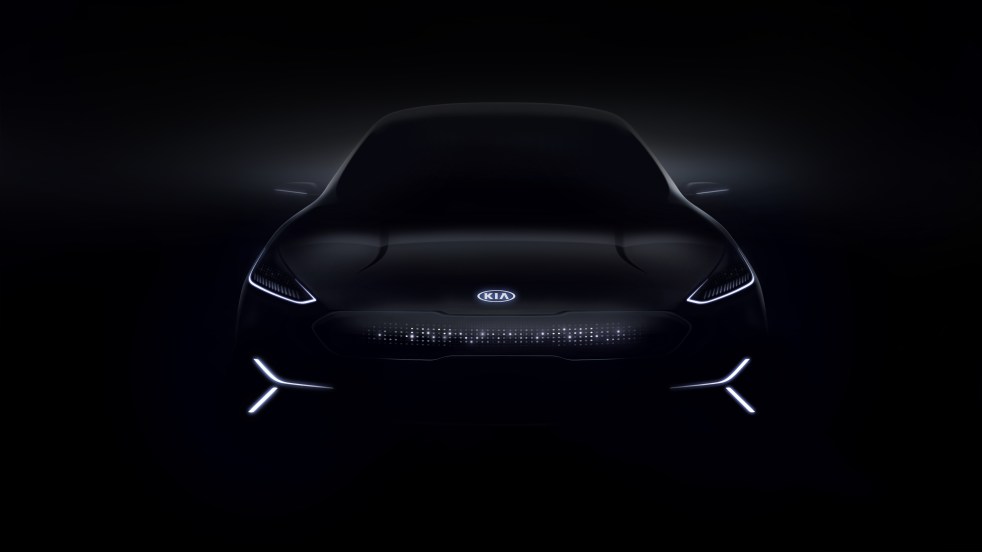
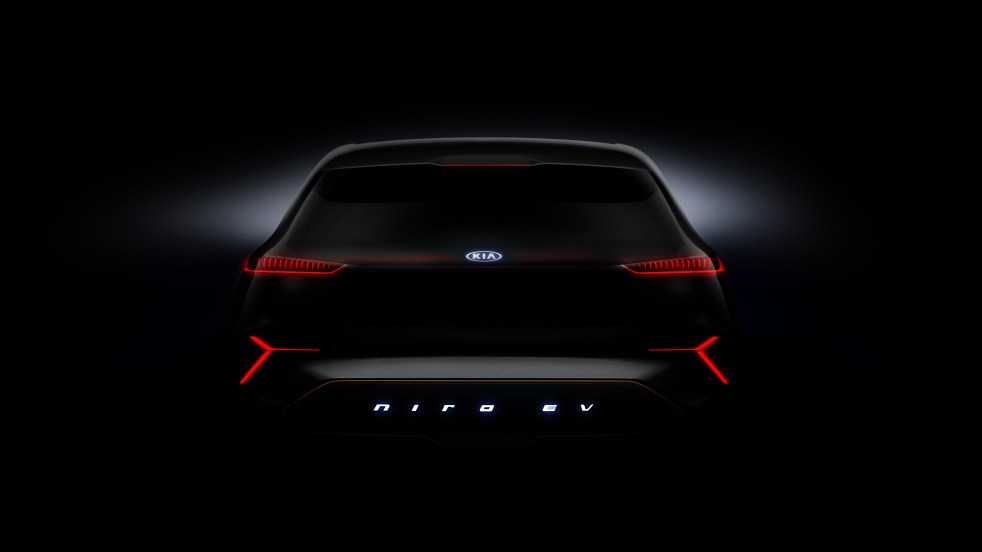
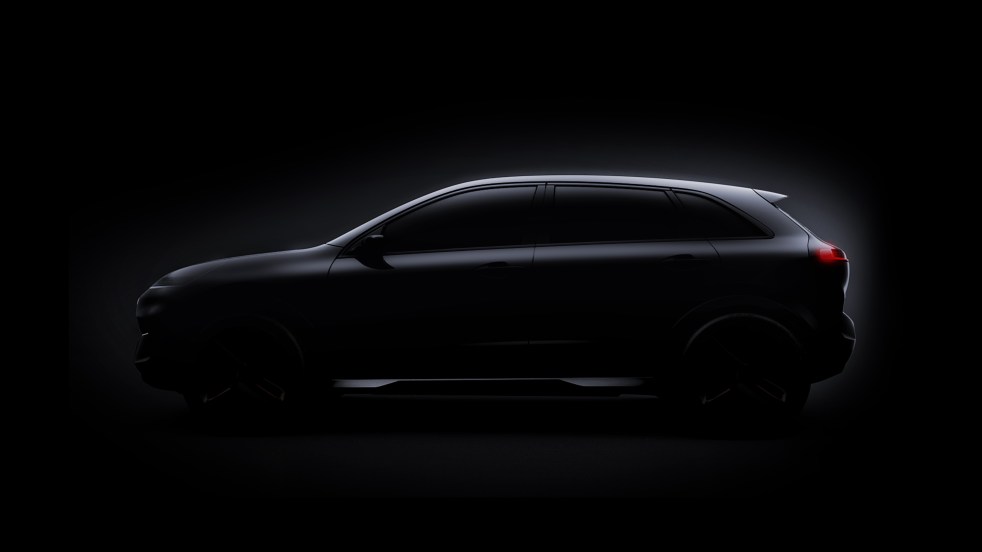
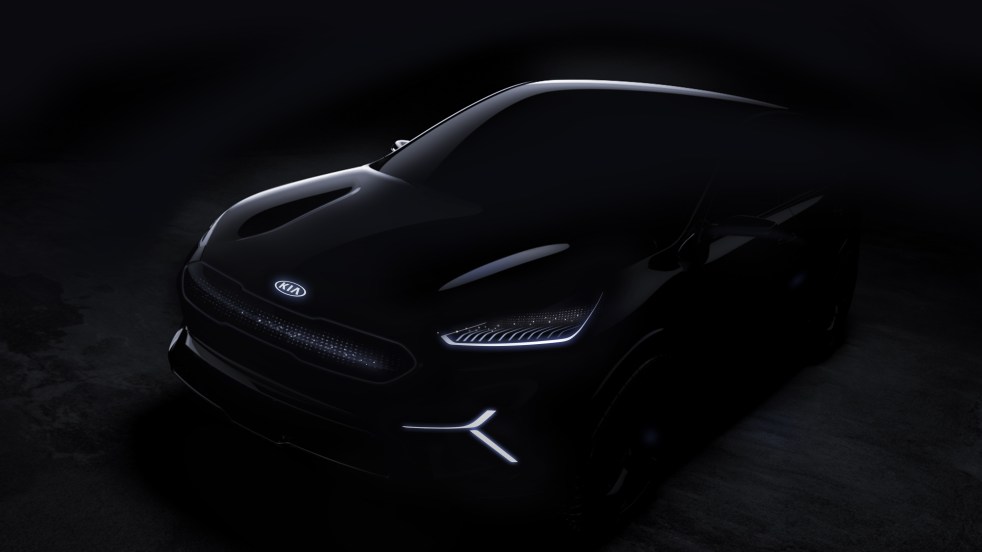
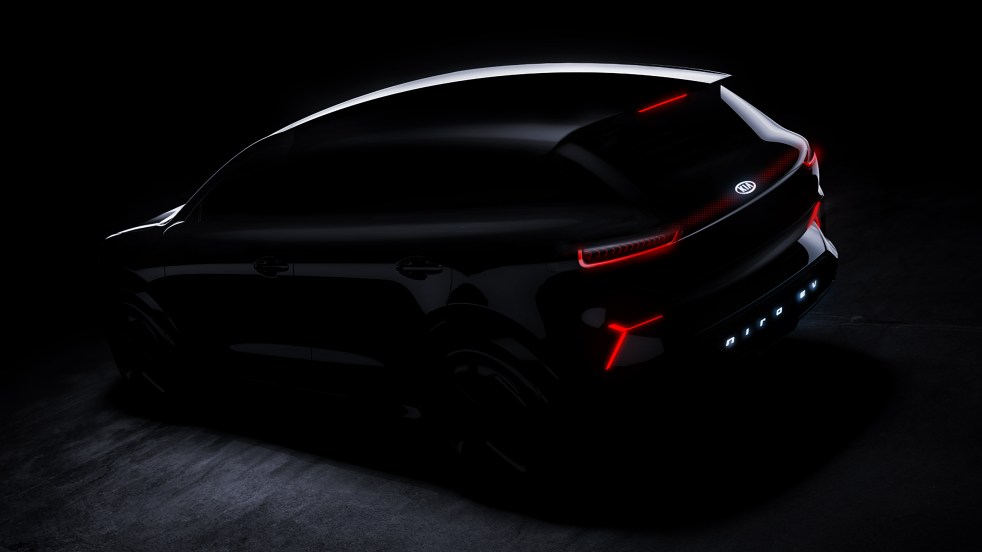
Kia Motors will unveil a new all-electric concept car and present the brand’s vision for future mobility at the 2018 Consumer Electronics Show (CES) in Las Vegas.

TEASER02

Combining Kia’s design strengths with a highly efficient battery-electric powertrain, the new concept represents the next step in the brand’s on-going journey to electrification. The concept also features a never-seen-before human-machine interface (HMI) and an advanced new ‘motion graphic’ lighting system, previewing the potential for these technologies for market introduction in coming years.

TEASER05

Alongside Kia’s new concept, a range of new in-car features and innovations will be revealed at CES 2018. Kia’s interactive ‘Beyond Autonomous Driving’ exhibits combine existing and future technologies to outline the company’s plans for vehicle autonomy and mobility, supported by the introduction of upcoming autonomous drive technologies.

TEASER03

Kia will present three interactive, cockpit-style exhibits designed to show how the company will incorporate new technologies to enhance communication and interaction between occupants and vehicles. These include new advanced driver assistance technologies and pioneering HMI functions, as well as the world’s first in-car 5G connection.

TEASER04

“Virtual reality, self-driving cars, and full vehicle connectivity were all once considered technologies of the distant future. As they rapidly become a reality, Kia is exploring how to adapt these new technologies for its customers. At CES we will share our strategy and vision for future mobility, and exhibit a range of advanced technologies that our customers can look forward to” said Dr. Woong-cheol Yang, Vice Chairman and Head of Hyundai-Kia R&D Centre.

Hyundai To Debut All-New Autonomous Features On Next-Generation Fuel Cell Vehicle At CES 2018

01

Hyundai Motor will showcase a trio of new technologies at CES 2018 from January 9-12 at the Las Vegas Convention Center, all focused on connecting future technology with evolving mobility challenges. Hyundai’s next-generation hydrogen-powered fuel cell electric vehicle equipped with new Advanced Driver Assistance System (ADAS) technologies will be featured and its new name revealed.

05

The new fuel cell EV is the newest edition to the Hyundai’s eco-vehicle portfolio and it will help to fulfill Hyundai’s vision to offer clean mobility to the world.

04

In addition, Hyundai will connect its progress on hydrogen-powered mobility to hydrogen-powered applications in the home via a section of the booth dedicated to the Hydrogen Life Vision. Rounding out Hyundai’s future technology demonstrations will be a reimagined view from the driver’s perspective inside the Intelligent Personal Cockpit, featuring artificial-intelligence-enhanced voice recognition and vital sign-based wellness care, all from the comfort of the driver’s seat.

06

New BMW i3S Traction Control System For All Future BMW And MINI Models

P90289952-highRes

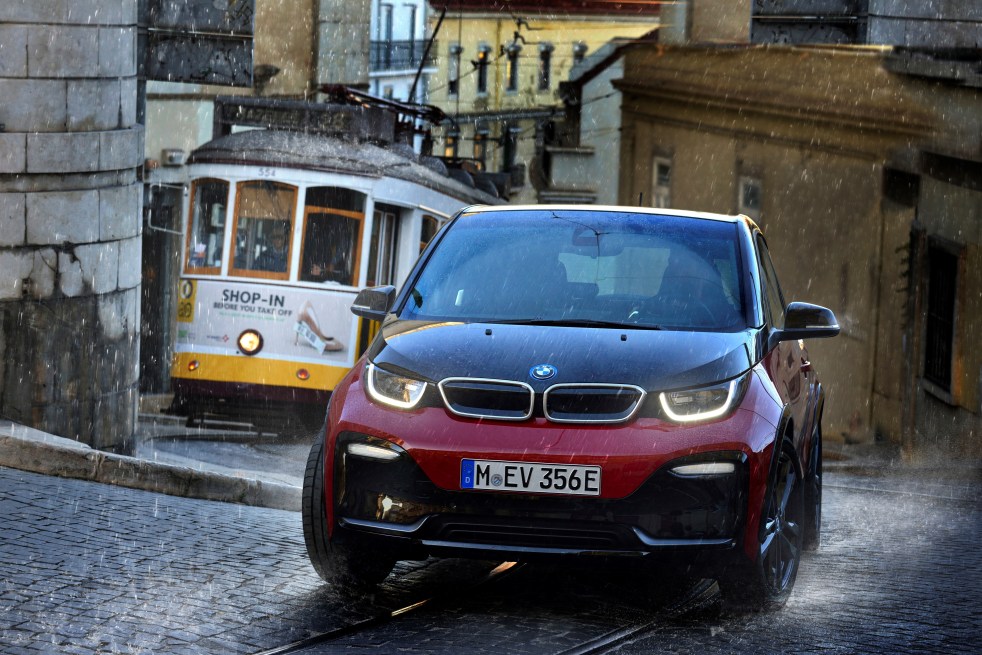
The BMW i3 aims to set standards for driving pleasure in a purely electrically-driven vehicle. Key factors here are not only the increased output of the motor in the new BMW i3s, but also the innovative traction control system adapted specifically to the instantaneous power deliver of the BMW eDrive system. Presented for the first time in the new BMW i3s, the system improves traction and driving stability in adverse weather and road conditions when pulling away, in active Brake Energy Regeneration phases and when accelerating out of tight corners. At the heart of this innovation is the control system’s 50-times- faster routine, made possible because – unlike conventional driving stability systems – the control process is now calculated directly in the powertrain instead of in a remote unit requiring long signal paths. This development provides further evidence of BMW i as a pioneer of innovative technology within the BMW Group.

“With their high levels of torque and instantaneous responses to every movement of the accelerator, electric motors already make significantly higher demands on driving stability systems than conventional power units,” explains Peter Langen, Head of Chassis Development at BMW.

That’s why the BMW engineers developed a new type of system geared squarely to the demands of electric mobility.

The positive impact of these shorter control cycles is not reserved for purely electrically driven cars; indeed, this innovative traction control system also optimises traction, driving stability and driving dynamics in vehicles with combustion engines. It will therefore be fitted in BMW and MINI models with front-, rear- and all-wheel drive to deliver noticeably greater assurance and driving pleasure when road conditions make pulling away difficult.

Nissan Brain-To-Vehicle Technology Redefines Future Of Driving

2017 12 31 Nissan-Brain-to-Vehicle-Technology Launch - Image 03

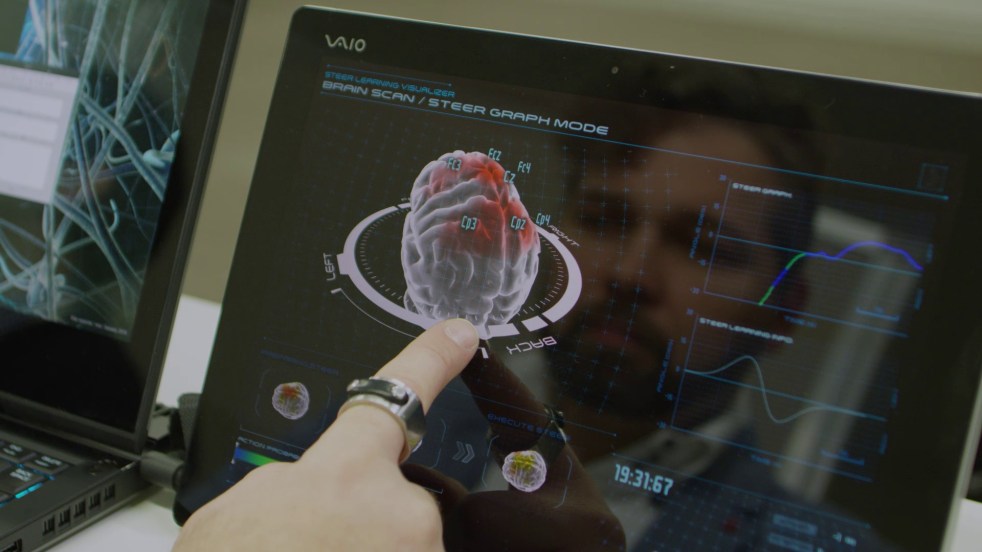
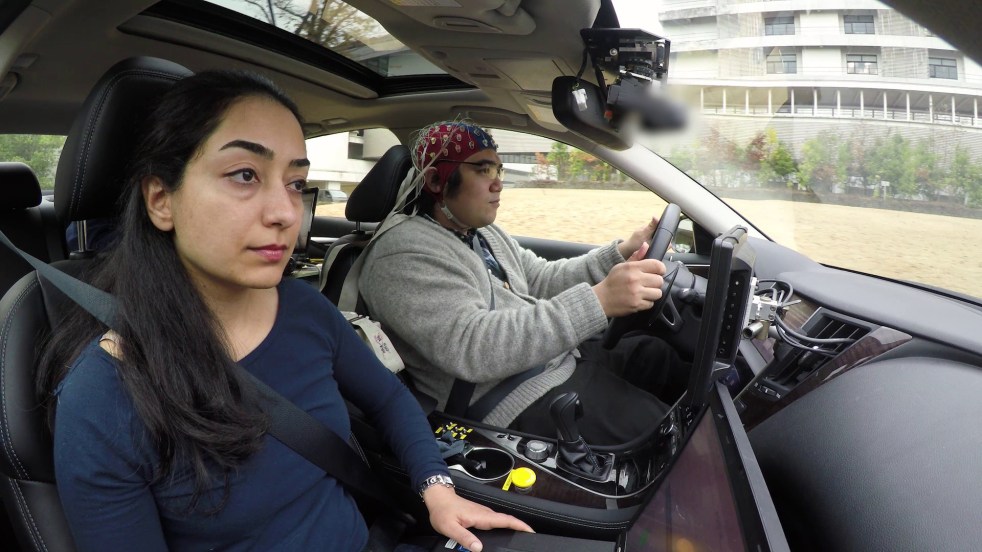
Nissan unveiled research that will enable vehicles to interpret signals from the driver’s brain, redefining how people interact with their cars.

The company’s Brain-to-Vehicle, or B2V, technology promises to speed up reaction times for drivers and will lead to cars that keep adapting to make driving more enjoyable.

2017 12 31 Nissan-Brain-to-Vehicle-Technology Launch - Image 01

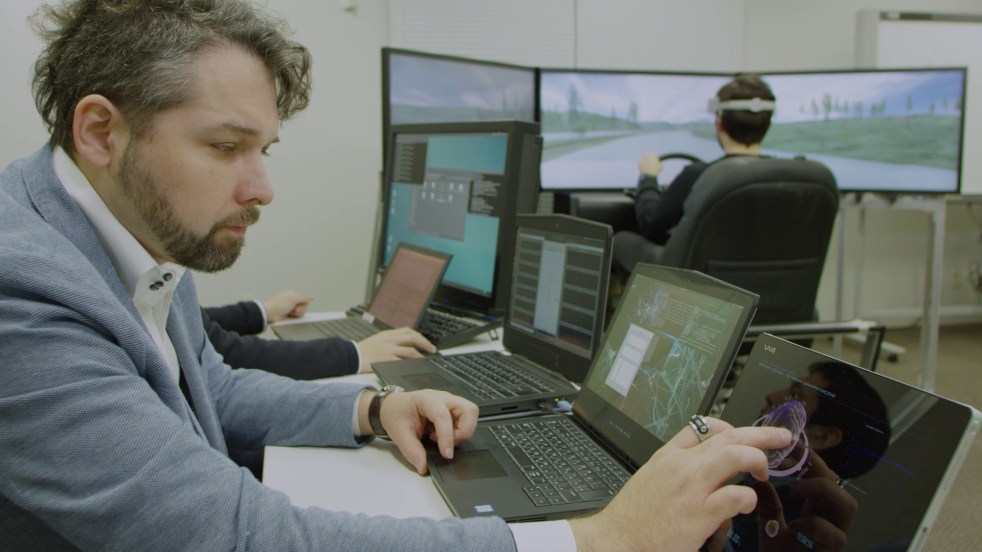
Nissan will demonstrate capabilities of this exclusive technology at the CES 2018 trade show in Las Vegas. B2V is the latest development in Nissan Intelligent Mobility, the company’s vision for transforming how cars are driven, powered and integrated into society.

“When most people think about autonomous driving, they have a very impersonal vision of the future, where humans relinquish control to the machines. Yet B2V technology does the opposite, by using signals from their own brain to make the drive even more exciting and enjoyable,” said Nissan Executive Vice President Daniele Schillaci. “Through Nissan Intelligent Mobility, we are moving people to a better world by delivering more autonomy, more electrification and more connectivity.”

2017 12 31 Nissan-Brain-to-Vehicle-Technology Launch - Image 02

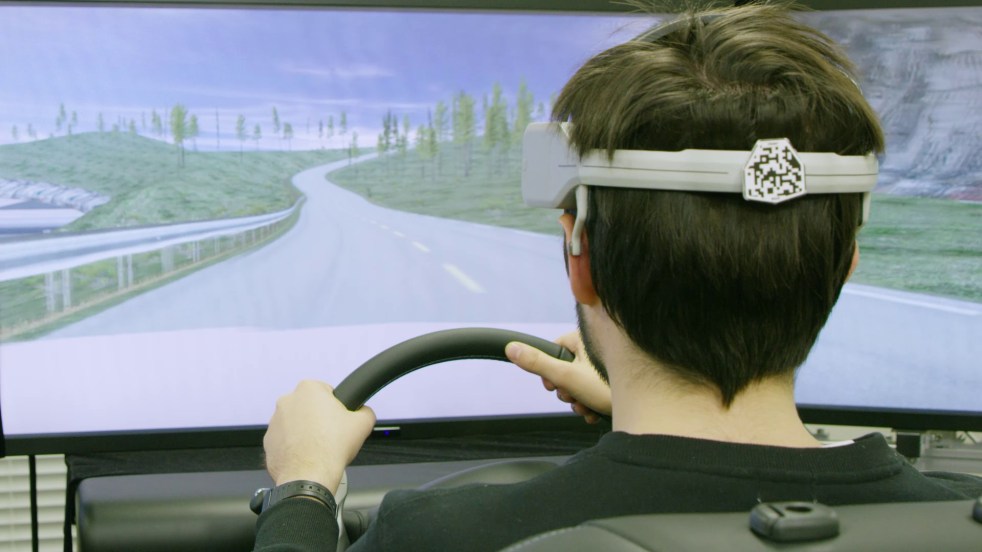
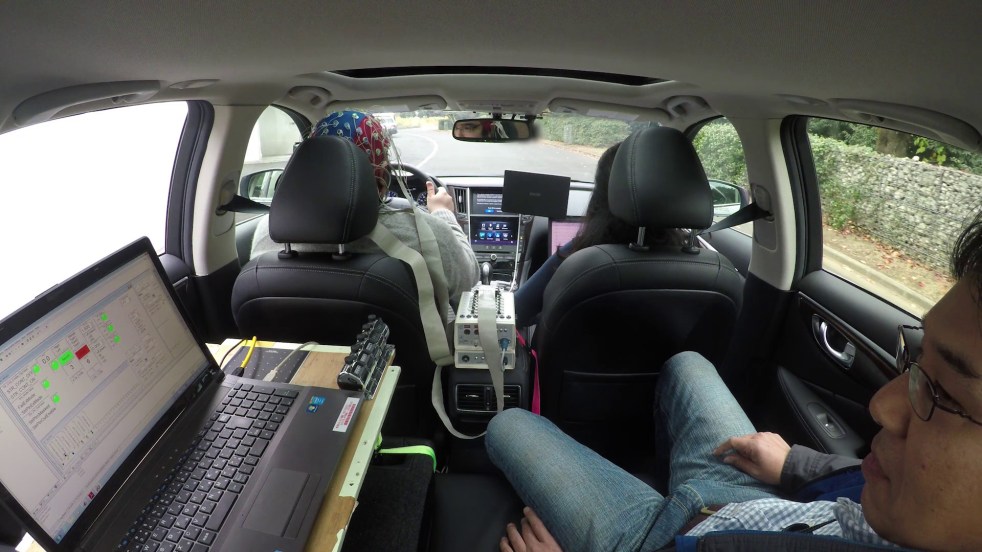
This breakthrough from Nissan is the result of research into using brain decoding technology to predict a driver’s actions and detect discomfort:

Predict: By catching signs that the driver’s brain is about to initiate a movement – such as turning the steering wheel or pushing the accelerator pedal – driver assist technologies can begin the action more quickly. This can improve reaction times and enhance manual driving.

Detect: By detecting and evaluating driver discomfort, artificial intelligence can change the driving configuration or driving style when in autonomous mode.

2017 12 31 Nissan-Brain-to-Vehicle-Technology Launch - Image 05

Other possible uses include adjusting the vehicle’s internal environment, said Dr. Lucian Gheorghe, Senior Innovation Researcher at the Nissan Research Center in Japan, who’s leading the B2V research. For example, the technology can use augmented reality to adjust what the driver sees and create a more relaxing environment.

“The potential applications of the technology are incredible,” Gheorghe said. “This research will be a catalyst for more Nissan innovation inside our vehicles in the years to come.”

2017 12 31 Nissan-Brain-to-Vehicle-Technology Launch - Image 07

Nissan’s B2V technology is the world’s first system of its kind. The driver wears a device that measures brain wave activity, which is then analysed by autonomous systems. By anticipating intended movement, the systems can take actions – such as turning the steering wheel or slowing the car – 0.2 to 0.5 seconds faster than the driver, while remaining largely imperceptible.