This Autumn, as Suzuki gets ready to launch e Vitara, it’s very first electric vehicle, it’s well worth reflecting on where it all began for Suzuki Motor Corporation 70 years ago. Back in the Autumn of 1955, Michio Suzuki personally delivered a Suzulight, his very first production car to a local doctor who had previously been conducting his house calls on a bicycle.
Although Michio Suzuki had first started in business much earlier than that in March 1920 with the manufacture of textile looms. These became more advanced in design and very popular right through to the early 1950’s when there was a global decline in the cotton industry; Suzuki then decided to diversify into motorised transport with introduction of its first motorcycle in 1953 and the first car followed two years later.
Initial research and development of Suzulight began as far back as 1937 although this had to be shelved later with the outbreak of the second World War. This development finally resumed in 1954 when Suzuki Motor Co Limited was formed.
Using Suzuki’s ‘Yaramaika’ spirit, (translated as ‘Let’s do it’) which was deep in the root of the Enshu region where Suzuki originated together with his determination to drive forward, Michio Suzuki quickly began researching vehicles produced overseas and gained a wealth of knowledge.
Suzulight was a compact vehicle measuring less than three metres in length and weighing just over 500kg. It was powered by a 360cc, 15PS two cylinder, two-stroke engine which was the first of its type to ever be fitted to a car. It was also the first car in Japan to feature a Front Wheel Drive / Front engine layout and was way ahead of its time with its independent coil spring suspension and rack and pinion steering.
Suzulight easily met the Japanese ‘Keijidosha’ or Kei light car legislation and Suzuki and his team quickly began their first development road testing of it. As a prototype, its most memorable early drive was a 300km trip across the Hakone mountainous region between Hamamatsu and Tokyo which proved very challenging on roads that had not yet been paved. Although arriving very late in the evening, the team arrived to present the car to the President of ‘Yanase Auto’ Japan’s leading authority on Automobiles.
The President had stayed on late to greet the team and made his way out to thoroughly test the car. Several hours later he returned very impressed and immediately gave Suzuki full approval to put the Suzulight into production. Production commenced in October 1955 with initial production of 3-4 cars per month but by early 1956 monthly volume had climbed to 30 units.
70 years on, Suzuki Motor Corporation remains globally renowned as the ‘small car experts’ and produces well over three million units per year with a projection of four million units annually by 2030. Michio Suzuki’s original strategy of design and production of lightweight vehicles lives on with platforms including ‘Heartect’ used in Swift, Vitara and S-Cross models and ‘Heartect-e’ which was specifically designed for e Vitara.
Hyundai Motor India Limited (HMIL) celebrated its 29th foundation day today. Established on May 6, 1996, HMIL has successfully emerged as one of India’s most trusted automotive brands. As HMIL enters the 30th year of its journey in India, it will continue its unwavering dedication to excellence, innovation and customer centricity.
Commenting on the occasion, Mr. Unsoo Kim, Managing Director, Hyundai Motor India Limited, said, “Envisioning India at the heart of global manufacturing and commerce, Hyundai began its journey with the country 29 years ago with a vision of mutual progress. Today, we take immense pride in how far we have come – not just providing smart mobility solutions, but a future that reflects innovation, sustainability and a deep connection with our customers. Guided by our global vision of ‘Progress for Humanity,’ HMIL will continue to drive transformation in products and services, while contributing meaningfully to the society.”
Hyundai began its India journey with the groundbreaking of its state-of-the-art manufacturing facility in Sriperumbudur, Tamil Nadu. Since then, this facility has advanced from strength to strength, emerging as the hub of manufacturing excellence. Operations at the manufacturing facility began in September 1998 with the commissioning of Hyundai’s first integrated car manufacturing plant outside of the Republic of Korea.
From SANTRO, to CRETA, to IONIQ 5, to IPO – Hyundai Motor India’s growth story is intertwined with the journey of India. HMIL is today a household brand, committed to the development of this nation. To meet growing demand and position itself as a manufacturing hub, HMIL aims to achieve cumulative annual production capacity of 1 million units by operationalizing its state-of-the-art Talegaon manufacturing facility.
Phantom occupies a unique place in the history of Rolls-Royce. At any given time during the last 100 years, it has represented the very best in effortless luxury, engineering excellence, fine materials and exquisite, highly skilled craftsmanship. Across eight generations, each as storied as the last, Phantom has remained unrivalled – not just as the marque’s flagship motor car, but the world’s pinnacle luxury product – an icon of icons. As it enters its second century, Phantom remains an authoritative statement of connoisseurship, enjoyed by those who shape our world.
The stories of these individuals – and their motor cars – give Phantom its own place in history. Phantom has been associated with famous people and momentous events from its inception, signifying power and influence through its sheer size, dominant presence and – perhaps most significantly – its unique capacity to reflect its owner’s personality and significance.
Rolls-Royce marks Phantom’s centenary by reflecting on some of the fascinating stories where Phantom has played a role. The marque’s designers have created a series of original artworks paying tribute to Phantom’s legacy, celebrating this remarkable motor car’s cultural impact through the decades and capturing the spirit of each of its eight generations.
These artworks echo a historical precedent dating back to 1910, when the artist Charles Sykes – who would later create the Spirit of Ecstasy mascot – was commissioned to produce six original oil paintings for the marque’s 80-page catalogue. These images showed Rolls-Royce motor cars arriving at the opera, a country house, the golf course and other venues, reflecting the tastes and lifestyles of its almost exclusively aristocratic owners at the time. The illustrations created by the marque’s designers in 2025 illustrate just how much that client profile has diversified over the past century.
While these contemporary illustrations celebrate Phantom’s evolving role in culture, they also echo a deeper truth: that for a century, Phantom has been present at defining moments in politics, society, and global history. From heads of state to stars of stage and screen, it has served those whose decisions and presence have helped shape the world we live in.
PHANTOM AS A STATEMENT OF AUTHORITY One of the great commanders of the Second World War, Field Marshal Bernard Law Montgomery, 1st Viscount Montgomery of Alamein, was nicknamed ‘the Spartan General’ for his austere lifestyle. His sole concession to comfort was in his personal transport. Recognising the power of image and symbolism, ‘Monty’ used a pair of Phantoms to communicate permanence, solidity and reliability, sending a clear signal to his troops that he would stick with them through the darkest hours.
Montgomery’s day-to-day transport was a 1936 Phantom III with coachwork by Freestone & Webb, requisitioned from the head of the Talbot Motor Company, Frederick Wilcock. In the build-up to D-Day in June 1944, he used this motor car to convey Winston Churchill, General Eisenhower and even King George VI to planning sessions at the Supreme Headquarters Allied Expeditionary Force in Southwick House, Hampshire.
On occasion, during the war years, he used the ‘Butler’ Phantom III, assigned to the Chief of the Imperial General Staff. This particular motor car was so named because it was originally commissioned for Alan Samuel Butler, Chairman of the De Havilland Aircraft Company. With bodywork by HJ Mulliner, its most distinctive feature was a front-sloping windscreen that made the Phantom 15% more aerodynamic, a quality further enhanced by its swept-tail rear profile and enclosed spare wheel and tyre. Montgomery bought the motor car in 1958 and kept the ‘Butler’ until 1963, during which time it served many eminent passengers including the Prime Ministers of Canada, Australia and New Zealand.
PHANTOM AS THE ROYAL STANDARD While Montgomery’s Phantoms were present at events that shaped the modern world, others took pride of place in royal households; none more so than in Rolls-Royce’s home of Great Britain.
In 1948, the Duke of Edinburgh, newly married to HRH Princess Elizabeth, paid a visit to Rolls-Royce. He was loaned an experimental car with a newly designed straight-eight 5.3-litre engine nicknamed ‘the Scalded Cat’ by the marque’s test drivers. Shortly after, he asked if the company could create a more formally bodied car for the use of HRH Princess Elizabeth and himself.
The Duke’s request was accepted, and the first Rolls-Royce Phantom IV chassis was laid down. With advice from Rolls-Royce, it was finished to His Royal Highness’ design. The order was confirmed on 15 November, and to preserve secrecy during its creation, it was given the code name Maharajah of Nabha. This historic motor car remains in active service at the Royal Mews under the name Maharajah to this day.
The British Royal Family subsequently commissioned another Phantom IV, two Phantom Vs, and two Phantom VIs to convey the sovereign. One of these is the renowned Silver Jubilee Phantom VI, which was presented to Queen Elizabeth II in 1977 by the British motor industry to celebrate her 25 years on the throne. Famously featuring a Bespoke raised roof, it would be used again in 2011 at the wedding of the then-Duke and Duchess of Cambridge, conveying the bride from the Goring Hotel to Westminster Abbey.
Across continents, another distinguished Phantom V became woven into the legacy of leadership, this time at the dawn of a new nation in the Middle East. Delivered in 1966 with coachwork by Mulliner Park Ward, the motor car was originally commissioned by Sheikh Zayed Bin Sultan Al Nahyan, revered as the ‘founding father’ of the United Arab Emirates. It was present at his inauguration as ruler of Abu Dhabi and played a pivotal role in his unification negotiations with the leaders of Dubai and other neighbouring Emirates. In 1971, this Phantom carried James Treadwell, the first British Ambassador to the UAE, to the ceremony that formally established the federation on 2 December.
Eight years later, that same Phantom V would return to prominence when it served as the official state conveyance for Her Majesty Queen Elizabeth II during her historic visit to the UAE in 1979 – a moment that brought the two royal legacies full circle.
Beyond ceremonial duties, Phantom has long played a quieter role in the theatre of diplomacy. In 1965, the use of Rolls-Royce motor cars by UK government departments was formally debated in Parliament, a reflection of their symbolic weight on the world stage. During this period, Phantom Vs became trusted envoys in themselves, serving British diplomats in postings as far-reaching as New York, Washington, Tokyo and New Delhi, with earlier examples used in Rome and other destinations.
Over the years, Phantom has also been used in official capacities in countries including Australia, Kuwait, Spain, Thailand and the United Arab Emirates – a testament to its role in the subtle language of statecraft. Indeed, the former British ambassador to Paris, Sir John Fretwell, told British newspaper, The Times, “My Rolls certainly helped when visiting the Élysée. The guards on the gate had no excuse for not knowing it was the British ambassador.”
Whether navigating the world stage or serving closer to home, Phantom has always been an imposing presence, as exemplified by Phantom V, launched in 1959 at 5.8m (almost 19ft) long. While no official documentation exists to prove it, some authors have posited that the minimum statutory distance between British parking meters was revised to accommodate its dimensions.
A PHANTOM FOR A BEATLE: ENTER JOHN LENNON Not every Phantom V was destined for royal service or diplomatic ceremony. Some would come to symbolise an entirely different kind of cultural power. In December 1964, Britain’s disruptor-in-chief, John Lennon, rewarded himself for the success of The Beatles’ A Hard Day’s Night by commissioning his own Rolls-Royce motor car. In typically iconoclastic fashion, Lennon specified his Phantom V should be black everywhere, inside and out. (There are, however, lines that even a Beatle can’t overstep; the motor car’s Pantheon grille and Spirit of Ecstasy mascot retained their conventional bright finish at the marque’s insistence.) This was one of the first cars in Britain to have blacked-out windows, made from darkened, reflective Triplex Deeplight glass.
As Lennon told a Rolling Stone interviewer in 1965, these were not only for privacy, “It’s partly that, but it’s also for when you’re coming home late,” the Beatle remarked. “If it’s daylight when you’re coming home, it’s still dark inside the car – you just shut all the windows and you’re still in the club.”
But this would not be this particular Phantom’s most famous iteration. In May 1967, just days before the release of Sgt. Pepper’s Lonely Hearts Club Band, this motor car was reborn. Inspired by the Romany-style caravan at his home in Weybridge, Lennon reportedly took the advice of Marijke Koger, one of the artists behind the design collective The Fool, and commissioned a complete transformation.
The once-black Phantom was repainted in vibrant yellow and covered with swirling, floral motifs and zodiac symbols. Lennon enlisted a local artist to realise the new design; the result was an artistic manifesto for the Summer of Love the same year, and was often parked proudly outside Lennon’s Kenwood home.
Not everyone approved. As the freshly painted Phantom drove down a promenade in London’s Piccadilly area that summer, Lennon claimed that an outraged Englishwoman shouted, “How dare you do that to a Rolls-Royce!” before attacking the motor car with her umbrella – a moment that only galvanised its legendary status.
Lennon’s Phantom moved with him to New York in 1971, where it became a familiar sight on Manhattan’s Upper West Side. In 1977, he donated it to the Cooper Hewitt Museum. When it was auctioned in 1985, the Phantom sold for $2,299,000 – then a world record for any piece of rock and roll memorabilia. A year later, it was gifted to the Province of British Columbia, where it remains in the care of the Royal British Columbia Museum: a countercultural artefact and perhaps the most famous Rolls-Royce in the world.
The Lennon motor car is just one example of Phantom’s deep ties to the creative industries. Since its inception, Phantom has been the reward of choice for influential figures who have shaped the cultural landscape, both as recognition for their success and as a canvas to express their own personality and vision.
TO HOLLYWOOD AND BEYOND: PHANTOM TAKES THE LEAD The era of silent movies effectively ended in 1927 with the advent of the ‘talkies’ – feature films with both synchronised recorded music and lip-synchronised singing and speech. Among the pioneers of this transformational art form was the Warner Brothers studio, whose co-founder Jack Warner rewarded himself with a Phantom. While some ‘silent’ stars like Mary Pickford – whose Phantom was famously fitted with a hidden compartment for carrying illicit alcohol in defiance of America’s Prohibition laws – never enjoyed the same success following the advent of synchronised sound, others including Greta Garbo and Fred Astaire effortlessly embraced the new order to become global icons – and, naturally, Phantom I owners.
In the years that followed, Phantom would make numerous appearances on the silver screen. Its annus mirabilis was 1964, in which Phantom took leading roles in two of the year’s major movie releases.
In Goldfinger, the film’s eponymous arch-villain uses his black-and-yellow 1937 Phantom III Sedanca de Ville to smuggle gold over the Furka Pass to his mountain lair, until he is finally thwarted by his nemesis, suave super-spy James Bond. This would be one of 12 appearances by Rolls-Royce motor cars in the long-running 007 franchise. In 2024, the marque commemorated the 60th anniversary of the film’s release with Phantom Goldfinger, a one-of-one Bespoke Phantom VIII, faithfully replicating the original’s distinctive finish and replete with innovative film-inspired details.
The same year also saw the premiere of The Yellow Rolls-Royce, written by legendary British dramatist Terence Rattigan and starring a 1931 Phantom II, with Sedanca de Ville coachwork by Barker. A three-part anthology film, it charts the motor car’s adventures with three different owners – an English aristocrat, a Chicago gangster, and an American socialite – and their lives and loves in the years prior to, and including, the outbreak of the Second World War. The all-star cast featured Rex Harrison, Ingrid Bergman, Shirley MacLaine, Omar Sharif, George C Scott, Alain Delon and Jeanne Moreau; the soundtrack song Forget Domani won a Golden Globe and was later recorded by both Perry Como and Frank Sinatra. The latter would also own a Rolls-Royce.
THE KING’S MOTOR CAR: A PHANTOM FOR ELVIS Other titans of popular culture naturally gravitated to Phantom as their fame grew across the globe. Elvis Presley, the ‘The King’ himself, loved cars and in 1963 bought his first Phantom V with coachwork by James Young. The suitably rock’n’roll extras included a high fidelity Blaupunkt Köln stereo system, Firestone whitewall tyres, a microphone and a rear armrest containing a writing pad, mirror and clothes brush. It was shipped in Midnight Blue with a grey cloth interior, but in a delightful domestic detail, Elvis had it repainted after his mother’s chickens started pecking at their reflections in the mirror-polish finish. The chosen lighter Silver Blue reportedly didn’t show the blemishes in the paintwork.
In 1968, Elvis donated his Phantom to the SHARE charity – an act which later inspired the song Elvis’s Rolls-Royce byLeonard Cohen and Was (Not Was).
A NEW GENERATION For decades, Phantom owners tended to fall into two groups: those born into wealth and those who rose to prominence in business, the arts or entertainment. Then, from the mid-1970s, a wave of personal technology began to shift this balance. The arrival of home video, personal computers, mobile phones and eventually the internet, gave individuals the tools to build influence and wealth on their own terms.
A new kind of success story was taking shape. Technology allowed people to make their own fortunes much earlier, and much faster than ever before. It also meant those who already had a public profile – sportspeople, movie stars, musicians and other celebrities – could capitalise on their own image, on their own terms.
This new generation of younger, self-made, entrepreneurial figures was new to luxury. Their tastes were eclectic, individual and unconventional; most importantly, they wanted products that would allow them to express not only their wealth and success, but also their own unique tastes, creative visions and personality.
Phantom VII arrived at the perfect time. As a true Rolls-Royce, it fully met the requirements and expectations of the marque’s traditional clients. But as an entirely new motor car, hand-crafted at the new Home of Rolls-Royce at Goodwood, West Sussex, it was the contemporary product this new generation was looking for. And while it was a complete motor car, it was explicitly positioned as the perfect blank canvas for Bespoke individualisation – just as the coachbuilt Phantoms that preceded it had been.
PHANTOM ENTERS THE SOCIAL MEDIA AGE For these new owners, Phantom was a motor car in which to be seen; and thanks to social media, they could be – by millions, around the world. In a neat full circle, many of the people who made their fortunes via YouTube and Instagram chose to invest in a Phantom, then used their platforms to share their ownership experience with the world. As its presence grew, Phantom became a fixture at award ceremonies and gala events; in 2012, three special edition Phantom Drophead Coupés made a surprise appearance at the closing ceremony of the London Olympics. The roof of the first retracted to reveal Jessie J, who sang as the motor cars performed laps of the stadium. A suitably grand arrival for such a momentous occasion, this event, along with numerous others in more recent history, was broadcast directly to the devices of millions, making Phantom a social media star in its own right.
PHANTOM TODAY For 100 years, Phantom has been a quiet but imposing presence in some of history’s most defining and memorable moments. Now in its eighth generation, it remains a potent symbol of power, influence, and success. As well as continuing to attract many of the highest achievers in modern culture, it transcends the automotive world, serving as both the pinnacle of luxury and a cultural icon in its own right.
Whether making cameo appearances in music videos from Calvin ‘Snoop Dogg’ Broadus and Pharrell’s Drop It Like It’s Hot to Drake’s Started From the Bottom, represented in cultural institutions like the Saatchi Gallery and the Serpentine, or serving as a collaborative canvas for brands including Hermès and Iris van Herpen, it continues to reflect and shape the world around it.
Phantom continues to serve as the ultimate canvas for personal expression, facilitating the finest creative hand craftsmanship. Since the dawn of Rolls-Royce’s Goodwood era, it has inspired some of the most extraordinary Bespoke commissions in the marque’s modern age – each a reflection of its commissioning client’s imagination, values and legacy. From intricate expressions of cultural heritage to contemporary works of art, these remarkable motor cars reaffirm Phantom’s position not only as the pinnacle of luxury, but as a medium for self-expression.
As Phantom enters its second century, its journey through culture, communities and continents continues, gathering more momentum than ever. Each new commission adds another chapter to a story still being written – one shaped by the achievements of those who commission it and the timeless commitment to excellence and individuality that have always defined Phantom. In a rapidly changing world, it remains a reassuring constant: the ultimate expression of presence, purpose and personal legacy.
Chris Brownridge, Chief Executive, Rolls-Royce Motor Cars, said: “Phantom is much more than a motor car. For 100 years, it has stood at the pinnacle of all Rolls-Royce motor cars – a cultural phenomenon that both reflects and influences the world around it. From its earliest days, Phantom has been one of the most desired rewards for success and a potent symbol of power and prestige on the world stage. Beyond status, it has always offered its owners a canvas for personal expression, transformed through Bespoke craftsmanship into a moving work of art. Across music, politics, art and beyond, Phantom has been present at many of history’s defining moments. The stories that surround it – and the images they’ve inspired our designers to create – reveal its extraordinary reach, and its enduring connection to greatness.”
The Women’s Worldwide Car of the Year (WWCOTY) is pleased to announce that motoring German journalist Conny Poltersdorf has joined its international jury, the only car award in the world with a jury composed exclusively of women motoring journalists. Since its incorporation, the WWCOTY now has 84 jurors from 55 countries on five continents.
Currently, Poltersdorf works for different German media, including mobile.de. From her first steps at AutoBild, she has become a seasoned and insightful motoring journalist with a proven track record of delivering engaging and informative content to do with the automotive world. Her expertise spans across vehicle reviews, industry trends and technological advancements. Known for her keen eye for detail, balanced perspective, and ability to connect with both industry professionals and enthusiasts, Conny brings a wealth of knowledge and a passion for all things automotive to her work.
“Being a woman in car journalism has never been easy – old clichés still linger. I’ve worked hard to gain knowledge and even harder to push for more visibility for women in this male-dominated field. As a WWCOTY juror, I want to empower others to feel proud and confident as “car girls” – whether they love motorsport, work in the industry, or simply enjoy the hobby”, she says.
Nissan Motor India has announced an all-new 7-seater B-MPV (multi-purpose vehicle) to their existing line-up. The company showcased two new products slated for India at their recently concluded Global Product Showcase Event held in Yokohama, Japan. This is in line with the company’s plans for the India business to reshape its new products to meet the rising aspirations of its customers and deliver products in all high-growth segments such as the B-MPV and C-SUV segments in addition to its existing share in the B-SUV segment led by the New Nissan Magnite.
Nissan will continue to strengthen its presence in India’s rapidly growing market, enhancing domestic performance and expanding exports. Nissan’s planned product offensive has begun with the first-time global reveal of an all-new 7- seater B-MPV scheduled to launch in FY25 as a brand new addition to the India product portfolio.
This will be followed by a previously announced 5-seater C-SUV (compact sports utility vehicle) in early FY26. The company has shared two brand new teasers for Indian audiences which confirm the developments and timelines for both vehicles. Nissan Motor India remains on track to have 4 products by FY26 for Indian customers across the B/C and D-SUV segments.
The C-SUV has been designed to disrupt the segment in India. It will be feature- packed and be delivered with state-of-the-art proprietary advanced technologies. Inspired by another iconic Nissan SUV, the new C-SUV takes its design cues from the Nissan Patrol. The C-SUV will deliver true Nissan SUV DNA and deliver the same robust reliability, premium craftsmanship and technology that Nissan is renowned for globally. The C-SUV with unmistakable presence will offer a high approach and departure angle making it the perfect companion for Indian road conditions.
The Nissan 7-seater B-MPV on the other hand aims to deliver unmatched value, quality and comfort to its core customer driven by value conscious customers seeking to maximize their purchase in the segment. The Nissan B-MPV will deliver muscular styling that is unique to Nissan’s distinct design philosophy. It has been designed to ensure comfort for passengers on all rows without compromising on driving pleasure.
Building on the success of the New Nissan Magnite, Nissan is introducing a new C- SUV that will also be made in India and exported globally. This 5-seater C-SUV will be the second model from the Chennai plant to follow the ‘One Car, One World’ strategy, reinforcing Nissan’s commitment to expanding its presence in both domestic and international markets.
Nissan Motor India Pvt. Ltd. (NMIPL) continued consistent and sustainable growth in India, delivering best single year performance for FY 2024-25 in the last seven years despite multiple headwinds faced by the domestic auto industry. The year was marked by the continued success of the New Nissan Magnite, which remains a key pillar of Nissan’s domestic business plan and a vital part of the company’s global export operations. In FY 2024-25 Nissan Motor India recorded total domestic volume of 28,000+ units led by the New Nissan Magnite introduced in October 2024. This strong performance was delivered despite the rising consumer preference for alternate fuel vehicles in the B-SUV segment in India.
On the export front, the company expanded its operations from 20 markets to 65+ international markets and registered an unprecedented and historic export sales of 71,000+ units further reinforcing India’s role as a growing manufacturing and export hub for Nissan globally. This brings the consolidated sales of the company to 99,000+ units for FY 2024-25.
Nissan is setting its sights on achieving an ambitious target of 1,00,000 units in both annual domestic sales and exports from India. To support this goal, the company will locally manufacture both new products at the Alliance JV plant in Chennai. This approach ensures that every vehicle manufactured here meets global standards, catering to both domestic and international markets.
Commenting on the performance, Frank Torres, Divisional Vice President of AMIEO Region Business Transformation & President of Nissan India Operations said, “India remains a strong pillar of growth for Nissan driven by the continued success of the Nissan Magnite. The export of the new Nissan Magnite expanded to over 65 international geographies including LHD markets this year.
On the restructuring of the India business operations as a part of the global turnaround actions, he said “Nissan remains committed to the Indian market, customers, dealer partners, employees & stakeholders. Nissan & its dealer partners will continue to provide Sales & Service to customers of existing and future new models. Nissan’s stated India product offensive remains intact, including the plan to introduce 1 all-new B-MPV & 2 new C-SUVs. We will continue our plans to export vehicles to other parts of the world as per our One Car, One World plan. This restructuring is part of our efforts worldwide to become a leaner and more agile company, as part of our global turnaround actions.”
Saurabh Vatsa, Managing Director, Nissan Motor India said, “This year has been a challenging one for the auto industry. Despite this, the New Magnite has shown and has proven that it remains a strong favorite amongst the B-SUV customers. The continued expansion of our dealership network reflects our commitment to improving accessibility and customer service. As we move forward, with the recent announcement of the additions of an All-New 7-seater B-MPV and 5-seater C-SUV and we are focused on offering an exciting product portfolio and expanding our dealer network further for enhancing customer experience.”
Nissan Motor India also announced that it will increase the price of New Nissan Magnite across all trims by up to 3 per cent from 1st April 2025 onwards. This price hike will be done to offset the rising input costs and operational expenses.
The Nissan Magnite has consistently performed well in its segment. In August 2024, the Nissan Magnite crossed a cumulative sale of 150,000 units. October 2024 marked the launch of the New Nissan Magnite after which it gained an even stronger momentum and global appeal, surpassing 10,000+ bookings milestone within three months of the launch. The New Nissan Magnite also achieved an export milestone of 50,000 units, embodying Nissan’s ‘One Car, One World’ philosophy by exporting to 65+ LHD and RHD markets.
Manufactured at the Chennai plant, the new Magnite includes 20+ Segment-first features in India and a bold new design. Strengthening its sustainability commitment, it is now fully E20 fuel compliant. The new Magnite’s success was amplified by its recent debut in Saudi Arabia as the first left-hand-drive (LHD) market.
Aston Martin is proud to announce the arrival of a new DBX flagship, DBX S. With the dynamic appeal of DBX707 and an engine enhanced by technology transferred directly from the forthcoming Valhalla supercar, DBX S offers one of the most engaging and responsive driving experiences delivering even more power, reduced weight and more assertive design. With a suite of exterior and interior enhancements to match, the DBX S certainly has its own undeniable identity.
DBX S continues a long tradition of Aston Martin’s utilising the ‘S’ suffix to denote a special, high-performance version of an existing model; the first being Vanquish S which made its public debut at the Paris Motor Show in 2004. DBX S proves that lighter variants with more power and performance are still very much part of Aston Martin’s core production offering and looks to continue a lineage of notable high performing models.
Aston Martin CEO, Adrian Hallmark, said ‘Over the last two years, Aston Martin have introduced an entire core collection of next generation sports cars as well as a new DBX; all with a new, entirely bespoke infotainment system designed in-house. The marque continues its focus on class leading performance, ultra-luxury design and innovation, broadening the range of products under each core model. The introduction of DBX S not only reaffirms our commitment to producing the most exciting, rewarding and beautiful cars, it also sends a powerful statement of intent about our ambitions not just for DBX, but for the Aston Martin brand.”
At the heart of the new DBX S lies an upgraded version of the acclaimed Aston Martin 4.0-Litre Twin-Turbo V8 powerhouse. By using turbo technology transferred directly from the upcoming Valhalla supercar including its larger compressor wheel diameters and other internal improvements, power is raised by a further 20PS to 727PS and provides even greater urgency at the very top of the rev range, making DBX S’s performance even more memorable. The result is a 0-62mph time of just 3.3 seconds and reduction in acceleration time from 0-124mph (200km/h) of 0.3 seconds. Top speed remains unchanged at an impressive 193mph.
Further enhancing both performance and its perception is a modified exhaust system amplifying even more character to the natural voice of the thunderous V8 engine and exploiting the full the opportunity presented by the engine’s turbo enhancements.
As with its DBX707 stablemate, DBX S distributes its power between the front and rear wheels in variable proportion – including an ability to send 50 per cent of its torque to the front and up to 100 per cent of its torque to the rear wheels alone – through an innovative 9-speed ‘wet clutch’ transmission, which removes the need for a conventional torque converter, delivering extreme performance on launch from standstill. However, the DBX S gearbox has been further modified to provide an even more memorable driving experience. Change up points are adjusted to reflect the car’s extended rev range, while downshifts in Sport and Sport + modes when the car is in automatic are even more aggressive.
In addition to the power upgrade, a number of measures have been taken not only to significantly reduce the kerb weight of DBX S, but to do so in an intelligent and highly selective fashion that ensures that mere weight loss is just one of attributes resulting from these actions. A prime example is the new optional carbon fibre roof presented in a glorious single weave pattern which, at almost three metres square, is by far the largest such carbon element ever fitted to an Aston Martin. Specification of the carbon roof sees the removal of the roof rails, and as a combination not only saves 18kg of mass, but does so from the very highest point of the car, reducing its centre of gravity and therefore enhancing both stability and agility further.
Magnesium wheels are also now available as an option for the first time on any car in the SUV segment. Magnesium is not only robust, but an incredibly lightweight material, some 75 per cent lighter than steel; half the weight of titanium and a third less even than aluminium. In selecting this 23” optional wheel, a further 19kg of unsprung mass is saved, delivering improvements in ride quality, steering precision and feel, as well the car’s more immediate reaction to direction input. DBX S is also available to order with 23” forged aluminium wheels as standard.
Specifying the magnesium wheels also sees the deletion of roof rails, offering a further weight savings. Additionally, customers can also specify a bespoke a lightweight polycarbonate honeycomb grille, intricately designed with over 25,000 individual facets which all helps shift the weight distribution rearward, aiding both handling and the car’s traction capabilities.
Steering ratio on DBX S is also faster by only 4 per cent but noticeably improves agility making the car feel even more sporting and responsive while stopping well short of introducing any sense of nervousness into its handling. It also reduces the turning circle by almost half a metre to just 12.0 metres, improving the urban driving experience.
DBX S benefits from the full suite of suspension enhancements introduced last year, which saw a revised calibration of both the air springs and electronic dampers, increasing transient body control in order to reduce weight transference and therefore improve primary ride quality and overall stability. Even right at the limit, its standard electronic roll control means the DBX S rolls by no more 1.5 degrees; enough to create the natural feel of the car cornering but still keeping the car flatter than many purpose built, two seat sports cars. The spring rate also changes depending upon selected drive mode, actively moving the roll stiffness balance through a corner to enhance grip and steering response. Near inexhaustible braking performance is provided by mighty carbon ceramic disc brakes at each corner, measuring no less than 420mm at the front and 390mm at the back.
Visually, the Aston Martin design team have ensured that no one who sees DBX S will be left in any doubt they’re looking at the most sporting, dynamically capable and enthralling ultra-luxury SUV on the market.
From the front, the new DBX S is instantly recognisable by its pure black vaned grille, giving this edition immediate road presence, whilst the lightweight polycarbonate grille with a honeycomb design taking cues from DBS 770 Ultimate, is also available to specify as an option. A new splitter and diffuser further enhance the car’s naturally assertive presence alongside the distinctive wraparound daytime running light design.
Seen from the side, new sills boast highly distinctive up-turned air splitters which in typical Aston Martin fashion exist for function as much as form, helping channel and direct the airflow along the side of the car. Carbon fibre is available to specify for the wing mirrors, side strakes and lower door sill, while distinctive ‘S’ signature badging on the front fenders marks the true nature of this beast. Like the iconic Aston Martin wings, these badges are manufactured in solid metal, glass enamelled with the ‘S ‘infilled in red as it appeared on previous models such as the V12 Vantage S and the Rapide S. The badge surround is then chrome plated in either the bright or dark chrome to match the colour of the wings chosen by the customer.
The most obvious visual changes to the new flagship DBX are at the rear, dominated by quad exhausts now vertically stacked and available in both gloss and matt finishes, giving full voice to the glorious sound of the V8 at maximum attack. The rear bumper and diffuser have been completely reprofiled and, along with the side sills and wing, can be specified with carbon to reduce overall vehicle mass by a further 7kg. DBX S also showcases a new lower livery design available to specify in 3 colours; Rosso Corsa Red, Trophy Silver and Podium Green. The sporting livery highlights the front splitter, diffuser and side sills continuing to the rear, framing the new stacked quad exhausts.
The interior of DBX S displays a bespoke ‘S’ theme; the most notable feature being the distinctive herringbone design which comes as standard on the seats, but which is also extended to the headlining if the optional Carbon roof is chosen. The herringbone lines become increasingly wider as they progress up the seat, giving an unmistakeable impression of speed; fitting for the highest performing SUV in the marques range.
DBX S is trimmed as standard in lightweight sporting Alcantara, which can be seen on the seats, headlining, centre console, lower instrument panels and upper trim. In areas of high wear such as the seat bolsters, the Alcantara is seamlessly blended with semi-aniline leather. For those who prefer an even greater sense of luxury, DBX S can be trimmed entirely in semi-aniline leather. Red seatbelts can also be specified to bring additional ‘S’ identification inside the car.
The ‘S’ suffix is embroidered onto the seat, complimented by the Aston Martin wings that are emblazoned on the headrests with an industry-first technique using both embossing and debossing with extreme pressure (1.5 tonnes) and heat to sculpt the wings into the leather in sub-millimetre precision and detail. Furthermore the ‘S’ appears on the treadplates and engine plaque to complete the picture.
DBX S continues the adoption of Aston Martin’s state-of-the-art in-house developed infotainment system with a striking new cabin architecture. This transformative enhancement showcases exemplary deployment of craft and innovation combining immaculate design and indulgent luxury with a formidable suite of connected car technology.
It is also fitted with the Aston Martin Premium Audio 800w 14 speaker audio system as standard. Developed utilising advanced hardware, this system features a surround sound mode with QuantumLogic® surround sound processing for a totally immersive soundscape. However, true audio enthusiasts will delight in the optional system developed with Aston Martin’s audio partner, Bowers & Wilkins. Acoustically engineered to the interior volume and shape of DBX S, this exceptional system uses technologies and innovations found in Bowers & Wilkins acclaimed world-class loudspeakers. Aluminium Double Dome tweeters and Continuum® midrange speakers give this 23-speaker, double amplified 1,600W surround sound system a balanced and accurate sound. Dedicated 3D headline speakers, bass speakers and a powerful subwoofer deliver a powerful and dynamic sound experience, reflecting the characteristics of DBX S itself.
‘S’ has long had an association with Aston Martin, and DBX S proves that lighter variants with more power and performance are still very much part of the marque’s story, and are set to last into the foreseeable future. DBX S is available to order now, with deliveries expected in Q4 2025.
Ferrari has presented its latest special version model, the 296 Speciale A, a mid-rear engined plug-in hybrid spider. The car joins the Scuderia Spider 16M, the 458 Speciale A, and the 488 Pista Spider, an ultra-exclusive dynasty of special versions of Ferrari’s berlinetta-derived spiders, and aims to become the new benchmark of the range – as well as the market – in terms of top-down driving thrills.
The 296 Speciale A adds the retractable hardtop (RHT) to the coupé’s incredible qualities of agile handling, responsiveness and stability, qualities that, together with the additional appeal of being able to drive in the open air, make it unrivalled. This special version not only multiplies the already extraordinary performance of the 296 GTS but also introduces a sense of predictability and intuitiveness that makes this a car unlike any other. Conceived for the Ferrarista who demands an unrivalled driving experience, the 296 Speciale A represents the new pinnacle for this model type and is dedicated to owners in search of that special feeling of being at the wheel of a car with extraordinary performance.
The 296 Speciale A takes the agility and responsiveness of the 296 GTS to extreme new heights by exploiting the full potential of its plug-in hybrid architecture, consisting of a rear-mid 120° V6 twin turbo engine and an electric motor, a short wheelbase and innovative dynamic control systems. The drivetrain delivers an astonishing combined power output of 880 hp, 50 more than the 296 GTS and a record for a rear-wheel-drive production Ferrari.
To make these results possible, Ferrari drew extensively from its experience in motor sports: the internal combustion engine borrows from the powerplant of the 296 Challenge in terms of engine management maps and boost strategy, and boasts titanium connecting rods, reinforced pistons and a lightened crankshaft. All these elements, together with a knock control system derived from Formula 1, have raised the power output of the V6 to 700 cv, 37 more than the model this special version is based on. The V6 engine of the 296 Speciale A maintains its distinctive timbre, a sound consisting of the pure harmonics of the 3rd, 6th, and 9th combustion orders which, in this application, have gained in quality, intensity and volume.
The electric motor has also been uprated and is now capable of delivering 180 cv in the new extra boost mode. This increase in power has also made it possible to introduce a new strategy for the eight-speed DCT transmission, which makes use of additional torque during shifts to shorten shift times and increase both performance and driver engagement.
The 296 Speciale A generates 435 kg of downforce at 250 km/h with the roof up – 20% more than the 296 GTS – thanks to innovative solutions developed and tested on the 296 Challenge. These include the aero damper integrated into the front bonnet and the vertical fins on the rear bumper which incorporate new side wings that work in synergy with the active rear spoiler to generate additional downforce. The spoiler is now managed by a new actuator control strategy that not only shortens the transition time between Low Drag (LD) and High Downforce (HD) configurations by 50% but also introduces a new Medium Downforce (MD) configuration, which improves rear-end stability at high speeds.
A great deal of attention was dedicated to saving weight, which is crucial for increasing driving thrills. Overall weight has been reduced by 50 kg compared with the 296 GTS by using materials such as carbon fibre for some of the bodyshell parts and titanium for components in the engine. The resulting weight/power ratio is just 1.69 kg/cv, a record for a rear-wheel-drive Ferrari berlinetta spider.
To accentuate the dynamic capabilities of the 296 Speciale A and ensure that the car behaves predictably when driven at the limit, Ferrari’s engineers also worked on fine-tuning the electronic control systems, suspension set-up and tyres. The 296 Speciale A is equipped with the latest generation of the ABS Evo dynamic control system, which improves braking precision and repeatability in all surface and grip conditions. The spring and damper settings have been revised – the car now rides 5 mm lower than the 296 GTS – reducing maximum roll angle when cornering by 13% and improving the behaviour of the car at the limit.
POWERTRAIN The heart of the powertrain of the 296 Speciale A is an evolution of the Ferrari V6 unit equipping the 296 GTS and 296 GTS. The V6 works in conjunction with the electric motor of the plug-in hybrid system, which is installed between the internal combustion engine itself and the 8-speed DCT gearbox. An additional clutch decouples the engine and electric motor to enable full-electric driving mode. Completing the system are the high voltage battery and the inverter. As a result of the new extra boost strategy introduced for the electric motor, the combined power of the system is now an astonishing 880 hp, a remarkable 50 cv more than the output of the 296 GTS.
INTERNAL COMBUSTION ENGINE The twin-turbo six-cylinder Ferrari engine which debuted on the 296 GTB now boasts an even more enthralling sound and class-beating performance. The engine retains its innovative 120° V6 architecture and the Hot-V configuration, which places the turbos in the middle of the vee. The development work focused on increasing torque and power and introducing weight-saving solutions.
The peak power output of 700 cv from the internal combustion engine (37 more than the 296 GTS engine) sets a new specific power record for this class of 234 cv/l. The weight-saving measures introduced for this car have also touched on the powertrain, with new solutions for a number of components such as castings, connecting rod/piston assemblies and engine studs, all drawing extensively from Ferrari’s experience in racing. The result is a weight reduction of approximately 9 kg for the engine of the 296 Speciale A compared with the 296 GTS, and that alone accounts for 15% of all the weight savings achieved for this car.
Combustion chamber pressure has been raised by 7% compared to the 296 GTS’ engine with the introduction of a new boost management strategy. The Formula 1-inspired knock control strategy uses statistical abnormal combustion event monitoring to extract the maximum performance possible from every cycle without compromising the reliability of the components.
The engine uses strengthened pistons and the same connecting rods as the F80 to withstand the increased combustion chamber pressures, while specific new oil jets are used to improve cooling. The titanium connecting rods are approximately 35% lighter than the steel components used in previous iterations of this engine. The nitrided steel crankshaft has also been lightened, contributing to an overall saving of 2.2 kg in mass for the piston-crankshaft-connecting rod assembly, improving engine response times.
Employing the same approach used for the engine of the 499P, which won the 2023 and 2024 editions of the 24 Hours of Le Mans, both the engine block and crankcase were machined to trim excess metal, offering a weight saving of 1.2 kg over previous iterations of this engine. An additional 1.9 kg has been saved by introducing titanium fastener screws and stud bolts for the cylinder blocks and cylinder heads. This is a solution usually reserved for race engines and debuts here for the first time ever in a road-going application.
Thermal management in the engine bay has been optimised in particular by employing the turbine housing insulation solution first introduced on the 296 Challenge and subsequently adopted on the F80. The turbocharger has been lightened by approximately 1.2 kg, while the optional lightweight exhaust tailpipe in titanium alloy developed specifically for this car offers customers a further opportunity to save weight.
ENGINE SOUND The symphony of the 296 Speciale A inherits and evolves the already highly acclaimed sound of the 296 GTS, retaining the distinctive timbre and the same firing order as the car it is based on.
While maintaining the same 120° V architecture, equal length exhaust headers, and single tailpipe configuration as the model it is based on, the 296 Speciale A takes the engine sound to a whole new level, with accentuated volume and an even richer harmony evident in the higher frequencies. The possibility of traveling with the roof open and the greater acoustic permeability improve the sound in all conditions, and there’s also a new shift sound.
New acoustic ducts were designed for this car with sophisticated 3D acoustic simulation systems: the 296 Speciale A features twice as many of these ducts as the 296 GTS, while their positions have been redefined to hone the spatial quality of the sound. All of this is complemented by a patented system of tubes which carry sound directly from the heart of the V6 into the cabin: each one of these tubes is tuned individually for a mid-high frequency band to express the rich harmony of the engine to the full.
ELECTRIC MOTOR In addition to delivering additional torque and power, the electric motor working in synergy with the internal combustion engine is also used to charge the high voltage battery, start the internal combustion engine and provide a full-electric driving mode with a range of up to 25 km.
The MGU-K electric motor situated between the V6 and the gearbox is a dual-rotor, central-stator axial-flux motor. Completing the hybrid system is a clutch for decoupling the electric motor and internal combustion engine, which is used to manage electric and hybrid modes, a 7.45 kWh high voltage battery installed in the underfloor of the car, and an inverter for managing the flow of electrical power.
The electric system delivers 315 Nm of torque and up to 180 cv of power between 6000 and 8500 rpm in the new extra boost mode with the eManettino set to ‘Qualify’. The 13 cv increase in performance over the 296 GTS was achieved by optimising the operating and cooling strategies of the electric motor. The flow of energy to and from the high voltage battery and the wheels is managed according to the following four different modes, which are selected with the eManettino on the left-hand side of the steering wheel:
eDrive: the internal combustion engine is off, and drive is provided by the MGU-K only. This mode offers a range of up to 25 km. This mode is suitable for driving in urban zones or situations where the driver prefers not to unleash the potent sound of the Ferrari V6 engine. A top speed of 135 km/h makes the car fully usable in this mode even on extra-urban roads.
Hybrid: this mode, which is selected by default at ignition-on, manages energy flows to optimise the overall efficiency of the system. The management logic decides whether to keep the internal combustion engine running or shut it off. When on, it can unleash the engine’s full power, ensuring high performance capability. In ‘Hybrid’ mode, while electric drive performance is limited to a top speed of 125 km/h and offers less acceleration than in ‘eDrive’ mode, it is still adequate for urban and extra-urban use.
Performance: this mode keeps the internal combustion engine always running and prioritises battery charge over efficiency so that power is available instantaneously when requested. This is the ideal mode for spirited driving and fun behind the wheel.
Qualify: this control strategy uses the extra boost function of the electric motor, allowing it to deliver 180 cv from speeds of 6000 rpm upwards, for maximum performance from the powertrain.
GEARBOX The new 296 Speciale A retains Ferrari’s eight-speed dual-clutch gearbox. However, a new upshift management profile for all gears from 1st to 7th has been developed for this specific application, which improves performance by shortening shift times, and maximises driver engagement with faster response times to the paddle input. This has been achieved by synchronising the electric motor with the 8-speed DCT gearbox to compensate for the dip in acceleration occurring during gear shifts. Moreover, the engine sound of the V6 during both upshifts and downshifts has been recalibrated and accentuated to offer an even more thrilling driving experience.
AERODYNAMICS The downforce generated by the 296 Speciale A with the roof up equates to 435 kg at 250 km/h, 20% more than the 296 GTS. Designing the 296 Speciale A in parallel with the coupé allowed the different body configurations to be taken into consideration from the beginning of the project, ensuring not only unchanged aerodynamic performance but also an aerodynamic comfort level with the roof open equivalent to that of the 296 GTS. To reduce buffeting in the cockpit, an in-depth CFD study focused on analysing the flow patterns from both an aerodynamic and thermal perspective. The possible interactions between the flows exiting the aero damper and the louvres and how turbulence is generated inside the cockpit were assessed in detail. Thanks to this study, the design of every aerodynamic detail of the front bonnet openings was refined, adding driving comfort with the roof down to the performance target parameters, thus avoiding the generation of annoying turbulence and hot air flows entering the cabin.
The main difference inside the 296 Speciale A compared to the coupé is the headrest flap, which is optimised to facilitate the air flow towards the tonneau cover, and the trim behind the seats. In particular, the pair of nolders integrated into the finish at the back of the seats prevent turbulence from reaching the central tunnel area, improving comfort in the lower tunnel area.
From the aerodynamic development perspective, two fundamental principles were followed: on the one hand, the evolution and refinement of the 296 GTS, reinterpreting its original spirit and extreme performance in areas such as the front bumper and underbody; on the other hand, the transfer of aerodynamic concepts developed for the world of competition, particularly from the 296 Challenge, in an unprecedented form for a road car. This combination of evolution and technological transfer was the guiding thread that led to the definition of the technical base of the 296 Speciale A, thanks to meticulous CFD optimisation and wind tunnel testing aimed at seeking the best integration between aerodynamics and styling.
Among the most distinguishing features at the rear of the car are the side wings, which merge two concepts derived from motor sports – namely the vertical fins and small wings featured on the FXX K and the vertical external profile of the bumper of the 296 Challenge – into a single element. The curved geometry of these wings, which embrace the rear corners, serves two functions: the vertical fin optimises wake management to reduce drag, while the profile of the horizontal surface generates downforce. The positions of these side wings on the tail also allows them to interact with the cooling air flow from the rear radiators, improving the cooling efficiency of the radiators themselves. The side wings complement the functions of the active spoiler, which is derived from the one on the 296 GTS but features a completely revised actuator management strategy that minimises the transition time to High Downforce and also introduces a new intermediate Medium Downforce configuration to improve rear-end stability at high speeds.
Other solutions developed for the aero package of the rear include the new diffuser, which works in concert with the underbody to improve transverse expansion of the air flow to exploit the full potential of the three extractor venturis even when the active spoiler is in Low Drag configuration. The vortex generators on the rear undertray have been optimised to split the air flow between the centre and the lateral venturis which, combined with the effect of the upwash generated by the side wings, contribute not only to increasing rear downforce compared to the 296 GTS but also to ensuring the correct aerodynamic balance of the car in all spoiler configurations.
The development of the front of the car focused primarily on integrating the aero damper concept borrowed from the 296 Challenge, a feature which links the front undertray to the front bonnet with a duct channelling part of the air flow from the underbody to the upper body. This solution increases the maximum downforce generated by the undertray and improves the efficiency of the ground effect of the vortex generators. As a result, front downforce remains more constant even as ride height varies due to longitudinal acceleration, ensuring more linear, predictable aerodynamic behaviour.
Also on the front bonnet, and echoing the aerodynamic language package of the 296 GT3, are two pairs of louvres situated at the sides: these features exploit the powerful depression generated in the vicinity of the wings to reduce pressure in the wheel housing and improve both drag and downforce.
The entire front undertray has been optimised to maximise downforce. The centre intake channel feeding air to the aero damper is specifically contoured to increase air flow towards the undertray itself. In the lateral zones, improved thermal management solutions have made it possible to extend the width of the front diffusers and clean up the air flows towards the system of vortex generators to extract as much downforce as possible from these features.
The external profile of the front bumper is designed to maximise the outwash effect and interact closely with the vortices generated by the front undertray. The innermost zone is scalloped with a curvature designed to generate downforce by compressing the air flow and directing it towards the exterior of the front wheel, with the outer wall of this structure serving as a fully functional lateral duct. The splitter has three lateral slits to facilitate the evacuation of hot air vented from the front radiators.
In the front wheel arch zone, even the sill cover contributes to improving the lateral evacuation of air from the front undertray driven by the vortex generators. At the rear of the sill is an air intake that provides a blown effect for the rear wheel housing, cleaning up the air flow in a particularly crucial zone for wake management.
HEAT MANAGEMENT The increased power output of the powertrain of the 296 Speciale A necessitated an increase in cooling performance, especially for the internal combustion engine. The goals for the thermal management solutions developed for this car were to maximise cooling efficiency and ensure that the systems involved would operate at full capacity without changing the layout of the radiators or increasing their size. This allowed the engineers to maintain the perfect balance achieved with the 296 GTS in the thermal interference between cold cooling air flows and the hot air flows vented from the radiators.
The thermal management development focused on maximising air flow to the radiating masses to minimise the need for apertures venting heat into the zone under the aerodynamic underfloor. The frontal cross section of the front radiator ducts has been increased by 12%: the geometry of the intake is integrated perfectly into the new design of the bumper, with a more uniform shape between the nose line and the splitter. The hot air vents in the underbody feature a new, optimised configuration which contributes to cleaning up the air flows along the underbody itself. The central aperture in the front undertray of the 296 GTS has been eliminated, while the lateral louvres have been relocated further to the sides to take advantage of, and interact with, the three slots in the splitter. These changes have increased the air flow towards the front radiators, ensuring the augmented cooling performance necessary for the more powerful internal combustion engine.
The increased power output, downforce, and tyre grip – which make the car capable of faster turn-in and cornering speeds – mean that the braking system is also subjected to greater thermal loads than on the 296 GTS. To improve brake cooling, the flow of air to the contact zone between the disc and pad has been maximised to more effectively dissipate the heat generated under braking and avoid overheating the fluid in the calliper.
For this purpose, at the front of the car the cross section of the inlet duct integrated in the headlamp has been increased and an additional duct, inspired by the F80, has been included, which collects air from the undertray and channels it directly to the calliper. Work was done to optimise the undertray zones corresponding to the diffuser and the outermost vortex generator, which now works in conjunction with a deflector situated under the suspension arm to direct air to the inner side of the disc. At the rear of the car, the cross section of the duct has been increased by 50% and the configuration of the air intake in the undertray has been revised to include a new duct. These solutions have doubled the cooling air flow compared with the 296 GTS.
VEHICLE DYNAMICS For Ferrari, the concept of driving thrills, which was key for the entire development of the 296 Speciale A, can be described with five quantifiable parameters: lateral and longitudinal acceleration, shifting, braking and sound. “Lateral” refers to the car’s characteristics in terms response to steering input – such as the sensation of turn-in speed and of a firmly planted rear end – coupled with how easy it is to drive at the limit. “Longitudinal” indicates the car’s response to throttle input and a sense of longitudinal acceleration which keeps building as engine speed increases. “Shifting” is a measure of the sensations perceived by the driver during each gear shift, in other words, rapid shift times and the impression of perfectly spaced gear ratios for acceleration. “Braking” defines how the brake pedal feels in terms of travel and response, which are decisive factors in braking efficiency and precision. “Sound” is a combination of the quality of the engine sound and how it builds progressively in volume in the cockpit with rising engine speed.
Reducing weight was a priority in the development of the 296 Speciale A to improve its performance in each of these parameters over the car it is derived from. Ferrari’s engineers put all the know-how gained in motor sports to work to introduce weight-saving solutions and implement special materials such as titanium and carbon fibre (one example of this is the option offered to customers to configure their 296 Speciale A with bumpers and the engine compartment cover in carbon fibre) to cut the weight of the 296 Speciale A by over 50 kg compared with the 296 GTS, and the outcome of these measures are clearly perceivable in terms of agility and responsiveness. Solutions to minimise mass touched on every aspect of the car, from the engine to the bodyshell and the interior.
The chassis of the 296 Speciale A, designed in parallel with that of the 296 Speciale, has been optimised to ensure maximum torsional rigidity and bending stiffness. The areas that received treatment were primarily the A-pillar, the B-pillar, and the sill area.
The 296 Speciale A is equipped with the ABS Evo controller system co-developed by Ferrari with its supplier. This uses parameters acquired from the 6D sensor in conjunction with a vehicle dynamics estimator function to determine the effective speed of the car with extreme precision. This more precise speed estimate can therefore be used to determine a target slippage value for each wheel and optimise brake force distribution more effectively. This increased precision also makes it possible to manage the longitudinal force generated by the four tyres under braking even more precisely, whether on a straight or in a combination of straights and bends. This in turn maximises braking repeatability and keeps braking performance closer to the target value, reducing deviations attributable to component tolerances and variables in driving conditions, such as the temperature of the road surface. The 296 Speciale A features the extra boost control strategy introduced on the SF90 XX Stradale, which takes full advantage of the capabilities of the electric drive system to deliver a performance boost for a limited period of time. The purpose of the extra boost function, which is only available in the ‘Qualify’ eManettino setting, is to deliver a power boost when exiting corners to help reduce lap times. The control logic continuously monitors the thermal stress of the components of the system and, if necessary, lowers the deliverable power to a value that can be maintained stably without thermally overloading the vehicle’s subsystems.
A specific curved indicator on the instrument cluster, placed on the right-hand side of the tachometer, lets the driver know when boost power is available and displays how many extra boost bursts are left. The control strategy optimises the function to ensure enough boost bursts to complete at least one whole lap of the circuit the car is on. This is made possible by a heuristic approach which considers the circuit as a whole and allows the strategy to determine where boost power will be most effective and exclude sections of the track where it would offer no benefit. At the Fiorano circuit, for instance, the extra boost function can be used 14 times over two laps, while at Mugello, the function allows for a total of 15 boost bursts over a single lap.
The 296 Speciale A has a retractable spoiler which completes the aerodynamic profile of the tail of the car. The control strategy is capable of setting the wing into a number of different wing positions: Low Drag (LD), with the wing fully retracted; an intermediate position, which partially deploys the wing so that it is ready to transition into the High Downforce (HD) configuration more rapidly, while still remaining flush to the profile of the bumper; the Medium Downforce (MD) position, which is used solely at high speed to increase the stability of the rear end without penalising top speed, and the High Downforce (HD) position, which is employed in the case of high lateral acceleration or under hard braking to maximise rear downforce and further increase the stability of the car.
The suspension setup of the 296 Speciale A features specifically calibrated spring stiffness settings and linkage geometries to optimise the behaviour of the system as a whole. With this dedicated suspension setup, combined with the car’s lower mass and lower centre of gravity, the 296 Speciale A is capable of 4% higher lateral acceleration than the 296 GTS. The maximum roll angle is now 13% lower, ensuring better body control while maximising the benefits of the aero package and optimising dynamic camber control. The 296 Speciale A is equipped with Multimatic® adjustable shock absorbers derived from the 296 GT3 and titanium springs to minimise overall weight. The characteristics of the shock absorbers were fine-tuned over many virtual test sessions which allowed the engineers to define the most effective damping behaviour for both track and road use.
TYRES A dedicated version of the Michelin Pilot Sport Cup2 tyre has been developed for the 296 Speciale A, which benefits from experience gained with the F80. The design process made extensive use of virtual simulation, which helped reduce development times from 18 to 12 months. This tyre was conceived to optimise the dynamics and usability of the car in a wide variety of conditions with a specific casing structure that increases the tyre wall stiffness and lateral rigidity and a new tread compound and pattern to improve grip. These characteristics contribute to improving both yaw control and response times. The result is perfect balance and extraordinarily rapid response in all driving conditions. Drawing on development for the F80, the tread compound ensures superlative consistency and extends the usability of the tyre to encompass an even broader window of operating conditions.
EXTERIOR The 296 Speciale A is characterised by the clean and refined lines of the 296 Speciale. With the top open, it represents an even more exclusive version of the concept of an open-air berlinetta. Preserving the main features of the 296 Speciale required an intense phase of technical analysis, with the aim of minimising the impact of exterior modifications.
The Ferrari Styling Centre team led by Flavio Manzoni managed to combine the proportions of the rear area of the 296 Speciale with the need to store the retractable hardtop (RHT) inside the engine compartment. On the 296 Speciale A the engine cover is more recessed, thanks to the alternation between solids and voids achieved by subtracting volumes, so the rear area of the car takes on a completely unique appearance, while the most distinctive feature of the central part is the aero damper derived from the 296 GT3.
The theme of the flying bridge, already present on the 296 GTS, is further highlighted on the 296 Speciale A by the dark chromatic treatment of the roof; the flying buttresses are integrated in a secondary reading, thus not distorting the architectural theme. Thanks to this expedient, the cabin also takes on a more aggressive appearance, as if it were a bubble embedded in the body of the car. The overall effect is one of greater sportiness and novelty, even with the top open.
Launched in Rosso Dino, the 296 Speciale A is available with a new livery, which is now also offered for the first time ever in a white variant, consisting of one or two longitudinal stripes extending over the entire length of the car. Customers can also complement the livery with a number of their choice from 00 to 99.
A specific door panel was created for the 296 Speciale A consisting of a single block of carbon fibre with a minimalist design. The grab handle consists of a raised section of a functional zone which terminates in a distinctive, clean-cut surface. Creating a sense of continuity with the material of the rest of the panel, the speakers of the Hi-Fi system are incorporated into this zone, with sound from the woofers passing through holes cut directly into the carbon fibre.
The bare fasteners are perfectly in tune with the racing atmosphere pervading the cockpit. The centre tunnel consists of a structure entirely in carbon fibre, into which the console is set. The console itself is a raised surface carrying the controls, chief among which the iconic ‘shift gate’ element that has taken pride of place in the interiors of all recent Ferrari models.
This element draws inspiration from the gear shift gate in Ferraris of the past, where it stood proud from the central tunnel as a distinct, separate block. This theme has been reinterpreted for the 296 Speciale A to give shape to a contemporary and sporty feature. The design of the tunnel and the masterfully aligned weave patterns of the carbon fibre of its individual elements draw attention to the ‘gate’ feature, making it the undisputed centre of attention of the interior as a whole.
7-YEAR MAINTENANCE Ferrari’s unparalleled quality standards and increasing focus on client service underpin the extended seven-year maintenance programme offered with the 296 Speciale A. This programme, for the whole range of models, covers all routine maintenance for the first seven years of life of the car. The scheduled maintenance programme for Ferraris is an exclusive service that allows clients the certainty that their car is being kept at peak performance and safety over the years. This very special service is also available to owners of pre-owned Ferraris.
Regular maintenance (at intervals of either 20,000 km or once a year with no mileage restrictions), original spares and meticulous checks by staff trained directly at the Ferrari Training Centre in Maranello using the most modern diagnostic tools are just some of the advantages of the Genuine Maintenance Programme. The service is available on all markets worldwide and from all Dealerships in the Official Dealership Network.
The Genuine Maintenance programme further extends the wide range of after-sales services offered by Ferrari to meet the needs of clients wishing to preserve the performance and excellence that are the signatures of all cars built in Maranello.
Rolls-Royce Motor Cars presents its latest Bespoke commission, Black Badge Cullinan Daisy – a striking one-of-one Black Badge Cullinan Series II reflecting the commissioning client’s love of hiking and the outdoors. Drawing inspiration from a field of daisies on the client’s favourite trail in the High Tatras mountains, Black Badge Cullinan Daisy represents resilience and perseverance – much like a daisy that thrives in a variety of conditions. Commissioned by an individual who built their success in the outdoor and adventure equipment sector, Black Badge Cullinan Daisy symbolises their path to success.
EXTERIOR: BALANCING POTENCY AND RESILIENCE The daisy flower appears as a Coachline motif, meticulously hand-painted to complement the single Coachline applied over the Powder Blue Exterior. The subtle colour palette provides a striking contrast to the darkened Black Badge Pantheon Grille, Spirit of Ecstasy and exterior brightwork.
INTERIOR SUITE: ELEGANCE AND COMPLEXITY Inside, the daisy motif adorns the front fascia and the waterfall section between the rear seats. The design is meticulously applied to the Blackwood surface using a sandblasting technique. To create the design, the wood is subjected to a precision blasting process in which a stream of fine mineral particles is directed at the veneer, which delicately etches away microscopic layers of the surface. The interplay of light and shadow across the sculpted surface creates a three-dimensional effect, adding visual interest to the finished piece.
The Blackwood veneers are complemented by a subtle three-colour interior palette. The main leather hue is Fleet Blue, which extends to the Rotary Controls and B and C pillars. It is complemented by Selby Grey and Black leathers, with Fleet Blue seat piping and Selby Grey contrast stitching and headrest monograms. The interior is completed with Bespoke Illuminated Treadplates with a daisy design.
BESPOKE UMBRELLAS: FLOWERS IN THE RAIN The daisy motif also graces the inside of the Bespoke umbrellas concealed in Cullinan’s rear Coach Doors. The playful pattern can only be seen on the interior of the umbrellas, recalling the ambience of a daisy field in full bloom on a rainy day.
BESPOKE STARLIGHT HEADLINER: A WINDOW INTO THE HEAVENS Black Badge Cullinan Daisy is fitted with a Bespoke Starlight Headliner, capturing four of the great constellations that dominate the night sky in northern latitudes: Ursa Major, also known as the Great Bear, the Plough, and the Big Dipper; Ursa Minor, which includes Polaris, or the North Star; Gemini, clearly distinguished by the bright stars, Castor and Pollux; and Taurus, ‘the Bull’, identified by the red giant Aldebaran and the Pleiades star cluster.
RECREATION MODULE: ADVENTURES AWAIT Black Badge Cullinan Daisy is completed with a Recreation Module – an automatically-deployable storage compartment mounted on the luggage compartment floor, designed to house the client’s favourite hiking equipment.
Commissioning Client, Black Badge Cullinan Daisy said, “My love for the outdoors has been a driving force behind both my personal passions and professional success. The inspiration for this commission came from a field of daisies on my favourite trail in the High Tatras mountains – a place I return to when I need to clear my thoughts. I’m continuously amazed not only by the beauty but the resilience of this flower that seems to thrive in the face of nature’s challenges. I envisioned Black Badge Cullinan Daisy as a symbol of perseverance – balancing strength with serenity”.
Martina Starke, General Manager, Bespoke Design, Rolls-Royce Motor Cars commented: “This commission challenged us to explore how natural motifs can be translated through craft and materiality. From the delicately etched Blackwood to the daisy detail hidden inside the umbrellas, we told the client’s remarkable story through unexpected textures and an entirely new palette. Black Badge Cullinan Daisy is quietly confident, rich in symbolism, yet modern in execution. It also represents a different kind of Bespoke language where emotion is captured through restrained and thoughtful contrasts.”
Bentley Motors has presented three brand new models for the Continental GT, Continental GT Convertible and Flying Spur line-ups at Auto Shanghai 2025. Each car now includes a benchmark model identified simply by its nameplate, an Azure variant, prioritising wellness and comfort, and a Speed model, with its absolute focus on performance.
The new Azure models mark the arrival of Bentley’s new High Performance Hybrid powertrain, which unites an advanced 4.0-litre V8 engine and powerful electric motor to develop a maximum power output of 680 PS and a maximum torque output of 930 Nm. Completing the stand display is a pinnacle Bentayga EWB Azure, finished in a Mulliner bespoke colour, Nila Blue. Far more than just a luxury car, this extended wheelbase SUV is a showcase of advanced, wellbeing technology.
Commenting from the press conference, Dr. Frank-Steffen Walliser, Chairman and CEO of Bentley Motors, said: “Positioned alongside the acclaimed Speed variants, with the introduction of Azure, Bentley customers can now choose the model that most closely reflects their aesthetic values and driving priorities. Our China customers and the luxury market here continues to inspire and push us to explore new boundaries, so we are excited and motivated by the future opportunities in this market with these new options.
“Being at the forefront of progress and innovation is part of our DNA and now as we transform our organisation as part of our Beyond100+ strategy, we commit to being always, relentlessly extraordinary.”
New Continental GT Azure and GT Convertible Azure Elegant design, a lavish specification and a strong focus on wellbeing are the distinguishing features of the new Azure models. This is apparent from the very first impression of the exterior’s new gloss black matrix grille with its bright chrome surround and vertical vanes, displayed on stand by the Breeze finished Continental GT Convertible. Beneath this, a gloss black front splitter provides a contrast to bright grilles on the front bumper and lower intakes. A new silver and bright machined 22” Azure wheel design, and Azure badging on the front fender, complete the exterior package. Inside, the seats and door inners feature new 3D Harmony diamond quilting with the Azure namestyle embroidered on the seat headrests.
An extensive specification includes Wellness seating, open pore crown cut walnut veneer trim, Azure interior treadplates with illuminated Bentley namestyle and contrast stitching on the leather upholstery. The Touring, Comfort and Lighting Specification packages are also standard. The Continental GT Azure, finished on stand in Light Windsor Blue, includes a panoramic sunroof, while the Continental GT Convertible Azure is equipped with the neck warmer for comfortable roof-down motoring in cooler weather.
New Flying Spur Azure As with the stand-displayed Continental GT Azure, the new Flying Spur Azure features a new chrome matrix grille with 11 vertical vanes. Other distinguishing features include Azure fender badging, bright chrome lower grilles, chrome brightware and the new 22” Azure wheel, which is finished in a combination of silver and bright machined metal.
All Azure models focus on reducing stress and promoting wellbeing, complemented by driver assistance technologies for smoother, safer journeys. Accordingly, both the two front seats and the two outer rear seats of the Flying Spur Azure feature Bentley’s Wellness seating, with heating and ventilation to maintain the occupant’s optimum temperature for comfort and alertness. A massage function with six programmable settings promotes the constant micro-adjustments in muscle and posture that are essential in preventing fatigue.
Other tactile and visual delights include mood lighting, Harmony quilting to the door inners and seats, Azure embroidered headrests, open pore crown cut walnut trim and the Touring, Comfort and Mood Lighting specification packages. As a finishing touch, illuminated Bentley treadplates feature the Azure namestyle.
Bentayga EWB Azure The Bentayga Extended Wheelbase Azure prioritises your wellbeing, offering a carefully curated selection of features for ‘wellbeing behind the wheel’ that enhance comfort as a driver or passenger.
Developed with the help of wellbeing experts and neuroscientists, the Bentayga EWB Azure includes the Touring Specification of advanced driver assistance technologies for safer, more relaxing journeys. The stress-free interior ambience is enhanced by reduced levels of NVH, or Noise, Vibration and Harshness.
The relaxing and re-energising environment of the Azure cabin, that reduces driver fatigue, through its multisensory and science-informed design, only further helps to enhance the safety of the car. Studies have shown that in 20 per cent of all road collisions, tiredness has played a role. The Bentayga EWB Azure will keep you alert, but comfortable and rested in the safe hands of your cabin.
As well as a wide range of technologies incorporated in this suite, the Bentayga EWB Azure also offers elegant and timeless design tailored specifications including unique 22” ten-spoke directional wheels, bright lower bumper grilles, an exceptionally spacious interior offering a cosseting experience, unique quilted seats, mood lighting, a heated steering wheel, and increased driver’s assistance aids.
Displayed at Auto Shanghai in new bespoke colour, Nīla Blue, the exterior paint colour is available exclusively to Mulliner customers. Deeply inspired by acclaimed British fashion designer, Supriya Lele’s Indian heritage, Nīla Blue draws its name from the Sanskrit word for “sapphire” and represents a seamless blend of personal history and artisanal craft. This distinctive hue, infused with personal and cultural significance, represents the seamless fusion of automotive luxury and high fashion, reflecting the ultimate in craftsmanship, innovation, and personalised expression.
Additionally, as all Bentley Azure models, the EWB features the Front Seat Specification which includes 22-way adjustable seats for passengers of all heights and weights, and heating and ventilation functions that help to maintain the body’s optimum temperature for comfort and alertness. Customers also have the opportunity to choose from 24 billion different trim combinations, with finer sewing threads creating Bentley’s softest quilt to date.
Goodwood is honoured to announce that this year’s Revival will celebrate the extraordinary life and career of Jim Clark – the Scottish farmer who is widely regarded as the most naturally gifted driver of all time.
2025 marks the 60th anniversary of Clark’s greatest season – indeed, arguably the greatest season by any driver in history. As well as winning six Grands Prix en route to his second World Championship, he also became the first driver to win the Indy 500 in a rear-engined car, and the first to do so at an average speed of more than 150mph. He remains the only driver to win the F1 World Championship and Indy 500 in the same season. Not only that, but he won the Tasman Cup (a single-seater series in Australia and New Zealand, run during the European winter and contested by the leading F1 teams and drivers), the French and British Formula 2 Championships, and races in everything from touring cars to sports prototypes.
Alongside these achievements, Jim Clark also won the final Formula 1 race at Goodwood, on Easter Monday 1965. This Saturday (19 April) marks the 60th anniversary, to the day, of that race, during which Clark, in a Lotus 25, also shared the lap record of 1m20.4 with his fellow Scot Jackie Stewart, in a BRM P261. Their joint time was never beaten, before the circuit closed to racing in July 1966, and so stands in perpetuity as the classic Goodwood lap record. Remarkably, on the same day he won the Sunday Mirror Trophy Formula 1 race, Clark also won the St Marys Trophy (a round of the British Saloon Car Championship) in a Lotus Cortina, and the Lavant Cup sports prototype race in a Lotus 30! His driving that day epitomised the virtuosity and versatility he exhibited across the whole season.
Jim Clark, who tragically died in an accident during a Formula 2 race at Hockenheim on 7 April 1968, ended his career with a then-record 25 victories and 33 pole positions from just 72 Grands Prix. Even now, six decades later, he still holds the record for the most ‘Grand Slams’ in Formula 1, when a driver takes pole position, victory, fastest lap, and leads every lap. Clark’s record of eight is two more than his nearest rival, Lewis Hamilton, whose score of six has come from 361 races!
Despite his extraordinary achievements as a driver, Jim Clark remained a humble farmer at heart, and liked nothing more than spending time on his farm, Edington Mains, near the village of Chirnside in the Scottish Borders, where he grew up. Even as he was winning World Championships and the Indy 500, and appearing on the cover of Time Magazine (as he did after his Indy win in 1965), he would return to Edington between races.
We look forward to celebrating all aspects of the remarkable achievements and legacy of Jim Clark – “farmer and world champion motor racing driver”, as the inscription on his gravestone reads – which, to this day, remain at the heart of motorsport at Goodwood.
Sir Jackie Stewart, three-time World Champion and joint Goodwood lap record holder said: “Jim Clark was not only a first-class racer, but he was a first-class friend. Jimmy and I enjoyed so much camaraderie both on and off the track and I am personally so pleased that Goodwood are choosing to celebrate this great man in this way”.
Dario Franchitti, four-time IndyCar Champion and three-time Indy 500 winner, said: “As a fellow Scot, Jim Clark has always been an inspiration to me, and following in his footsteps at the Indianapolis 500 was the highlight of my career. I have had the honour of driving a number of his cars over the years, and am proud to be a patron of the Jim Clark Trust. I’m looking forward to joining Goodwood in celebrating the life and achievements of a true legend of our sport and will also be attending the Jim Clark Trust event at Duns Castle in June.”
The Duke of Richmond CBE DL said: “It’s such a privilege to celebrate Jim Clark at the Goodwood Revival this year. His achievements in 1965 are the stuff of legend, including uniquely winning the Formula 1 World Championship and Indy 500 in the same season. I vividly remember watching him win the final F1 race at Goodwood, on Easter Monday 1965, in which he and Jackie Stewart set the ultimate Goodwood lap record. Having such strong links to Goodwood, and in a year that marks several significant anniversaries, we are hugely proud to be paying tribute to Jim Clark – considered by some to be the greatest driver of all time– over the Revival weekend.”
Doug Niven, Jim Clark’s cousin, and a family trustee of the Jim Clark Trust, said: “The Jim Clark Trust is delighted to support the Jim Clark tribute at the Goodwood Revival in September. Along with my fellow family trustee Ian Calder (Jim’s nephew) I attended the Revival in 2013, when the Duke of Richmond formally launched the Jim Clark Trust – of which he is still a patron. 1965 was such a special year for Jim, and we look forward to celebrating his life and career at Goodwood in September, as well as at our own event, at Duns Castle on 28-29 June.”

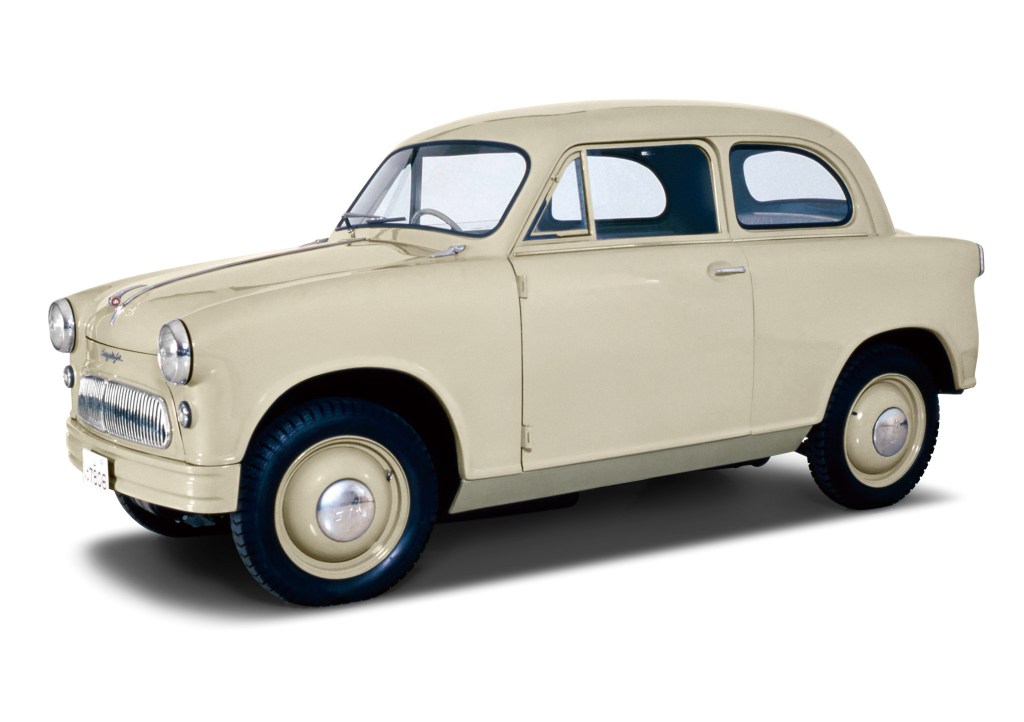
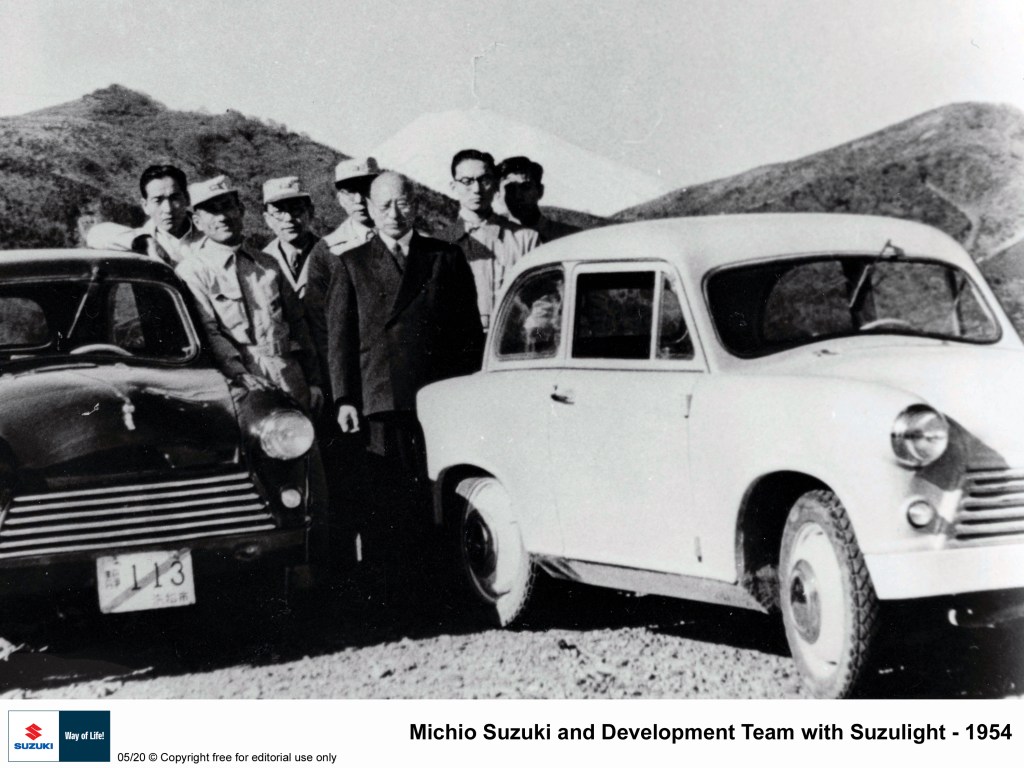

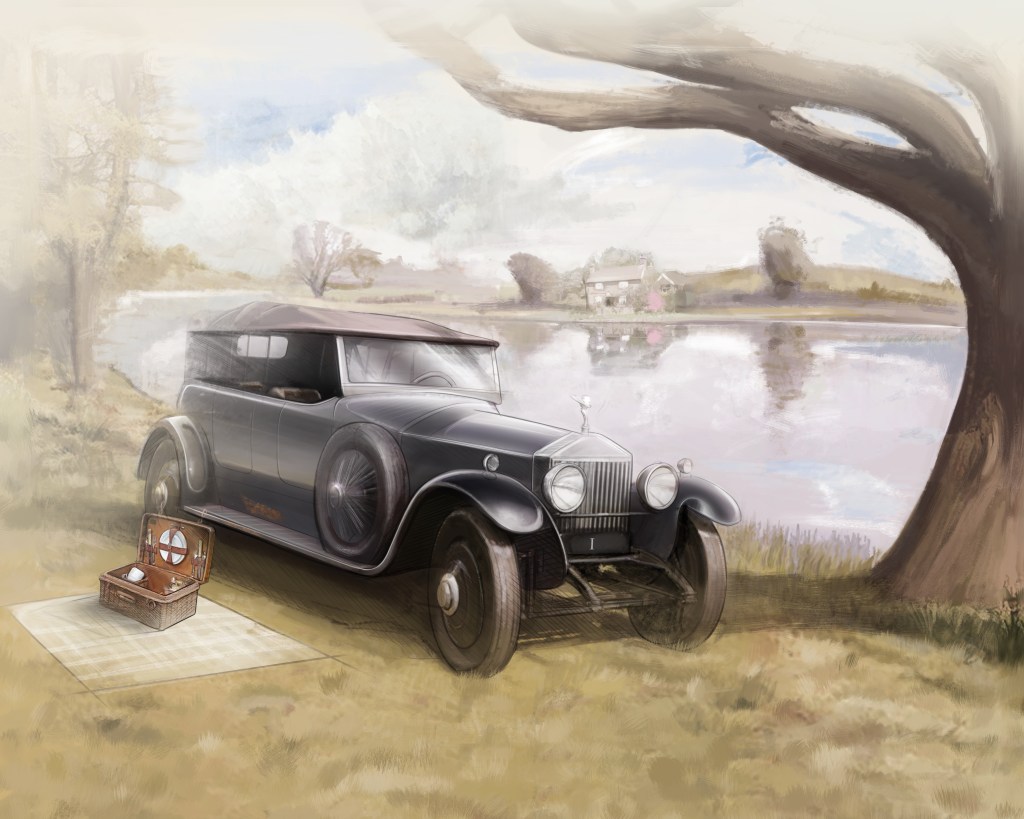

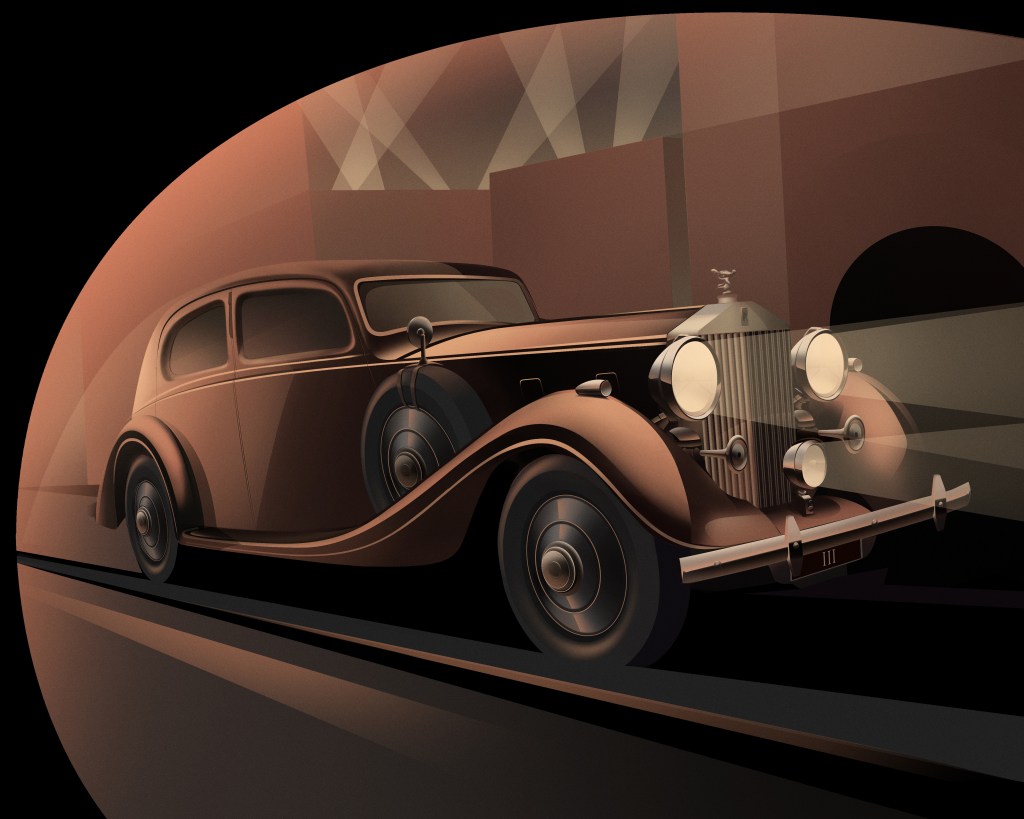
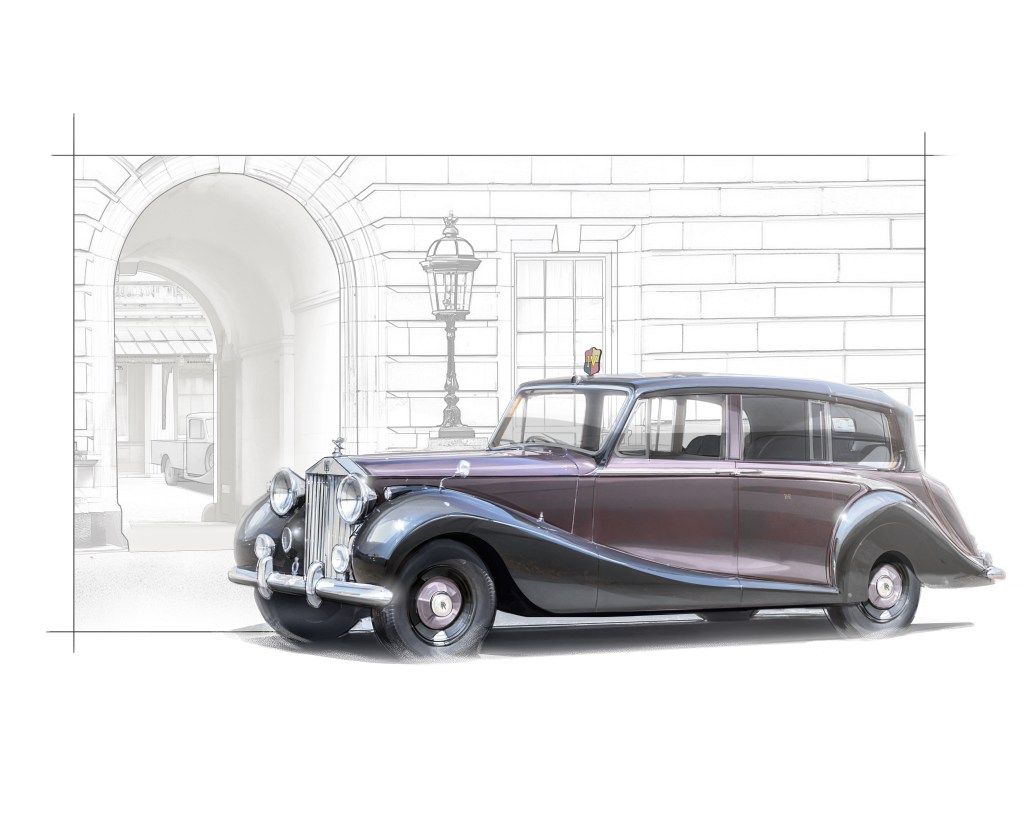
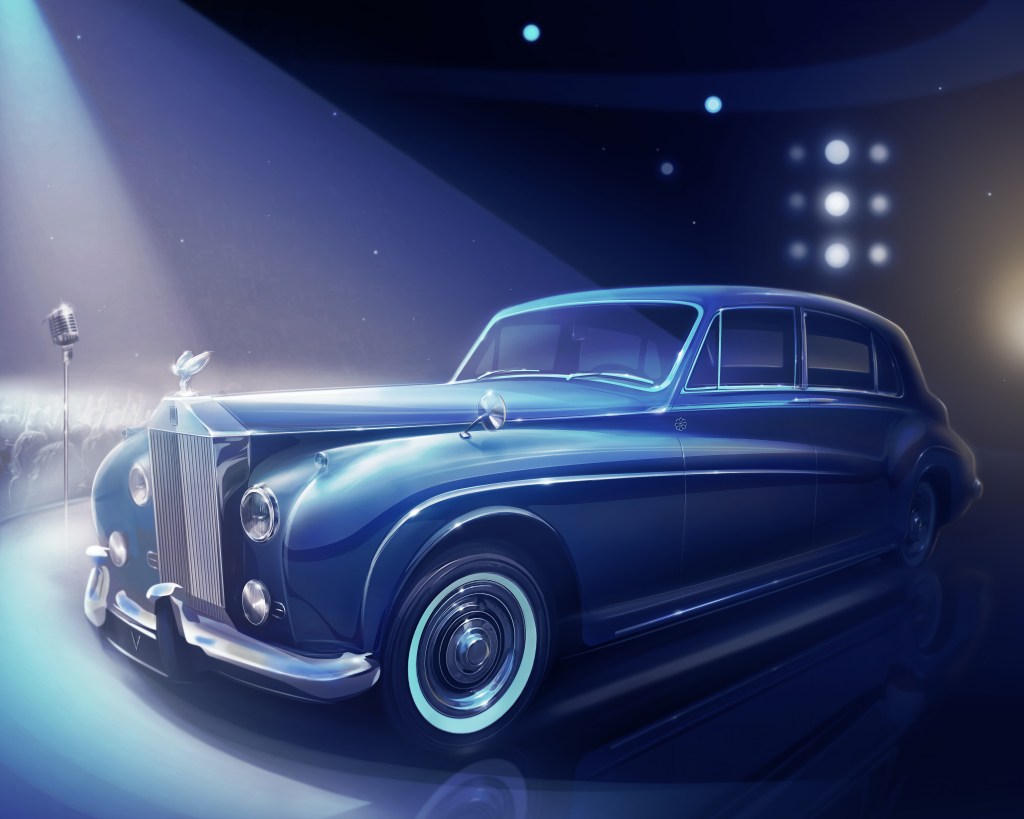

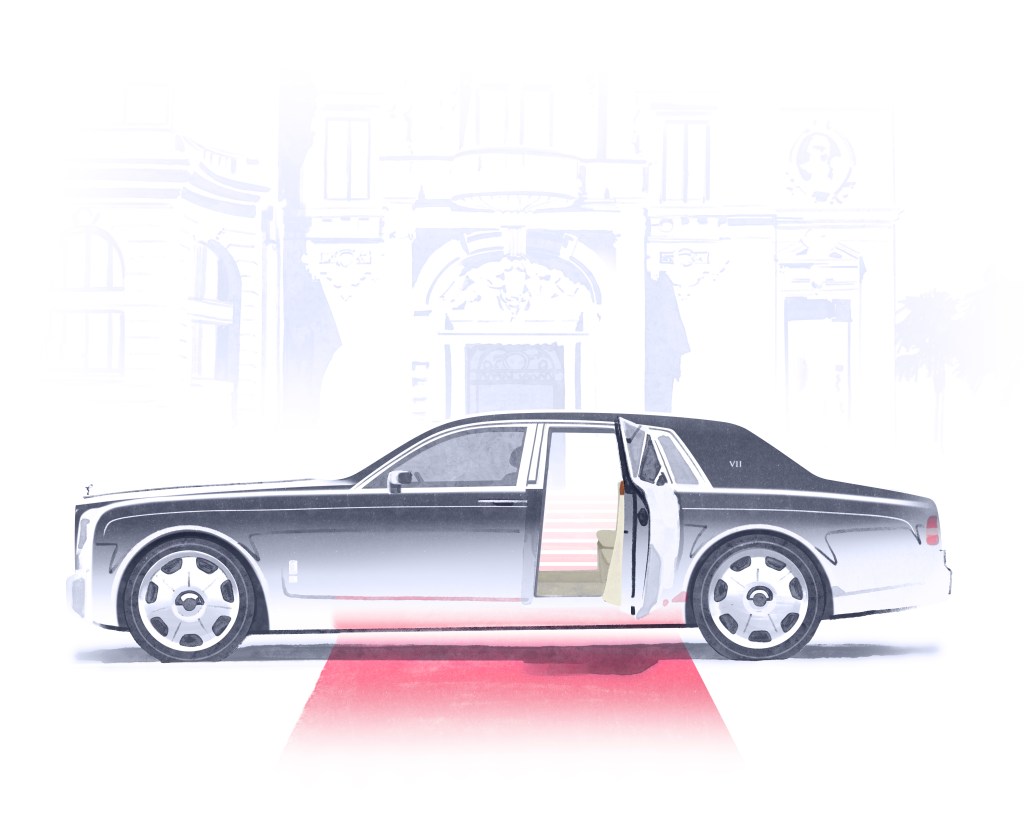
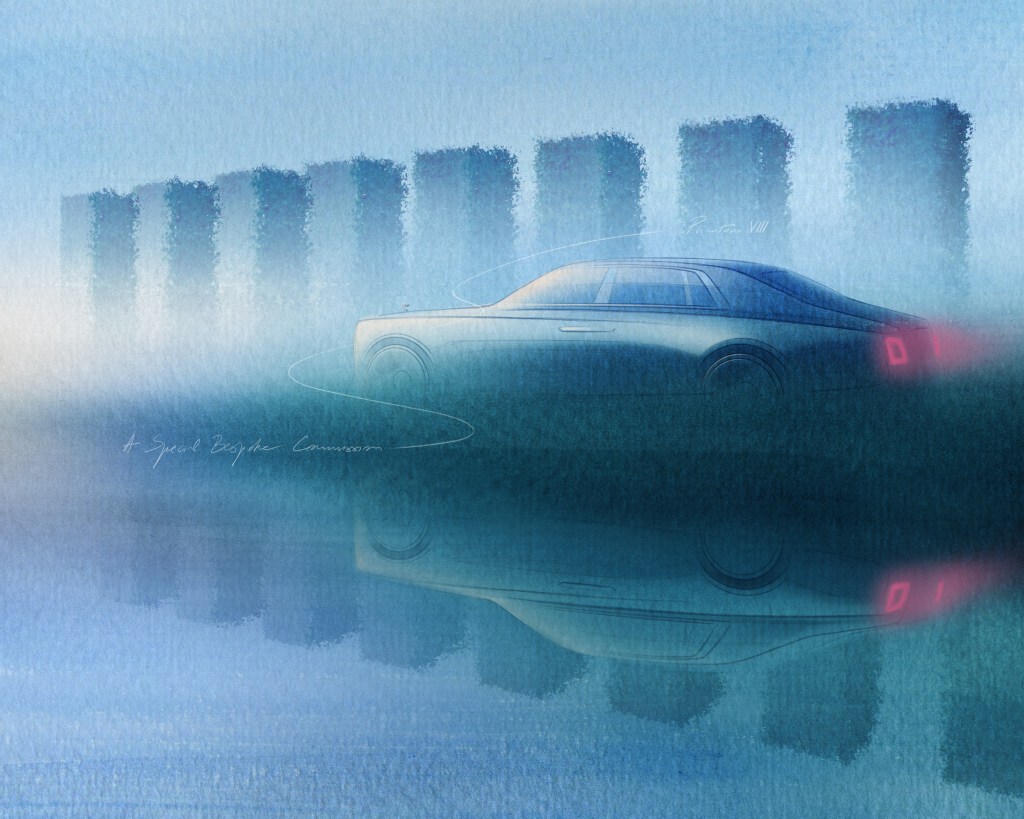

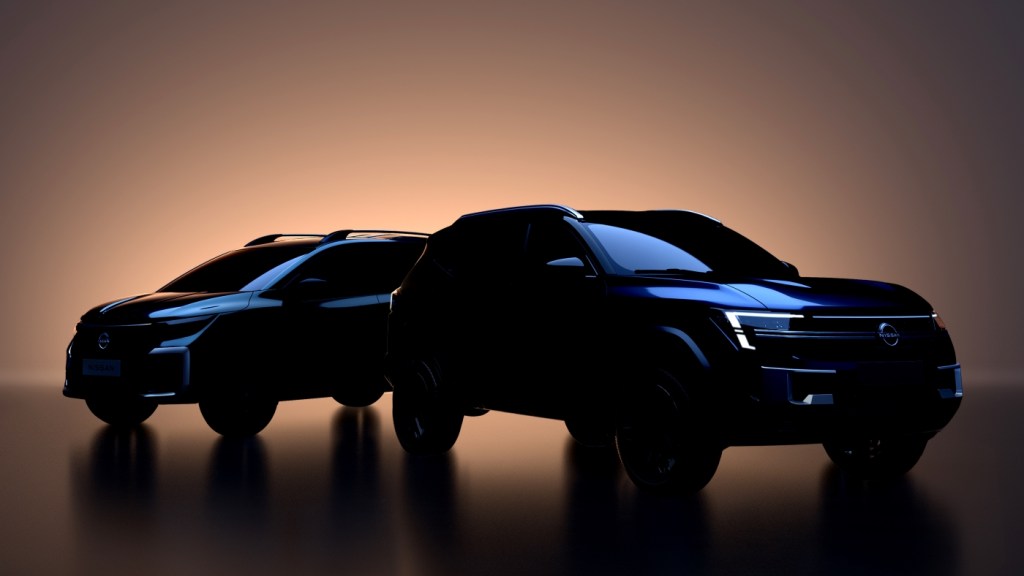

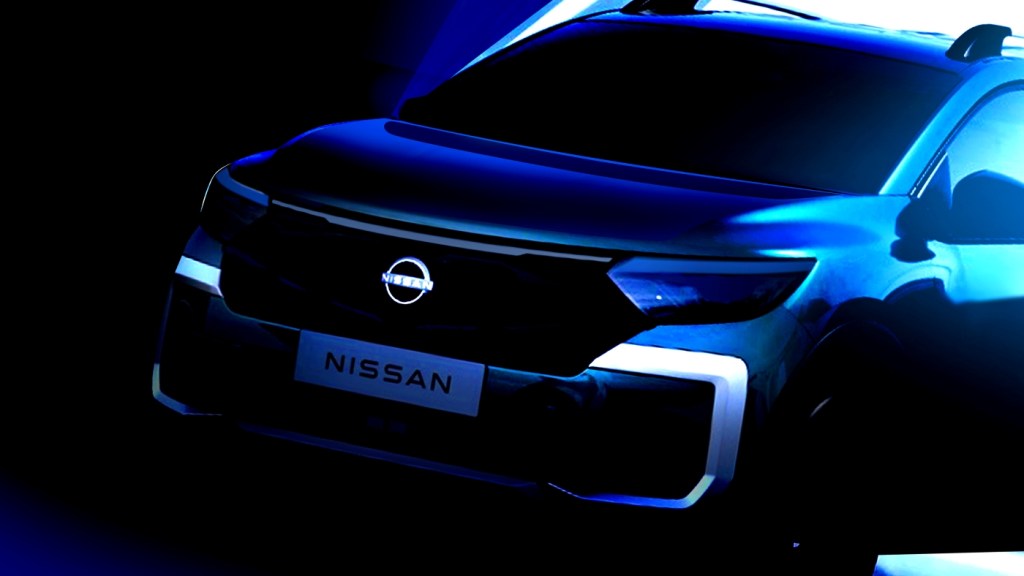

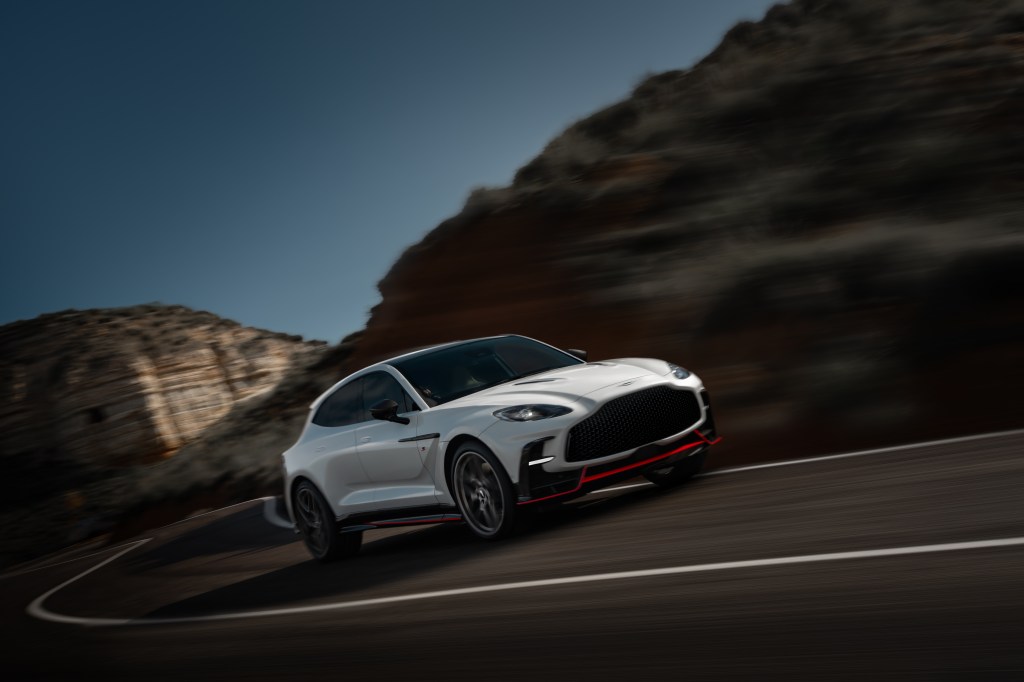
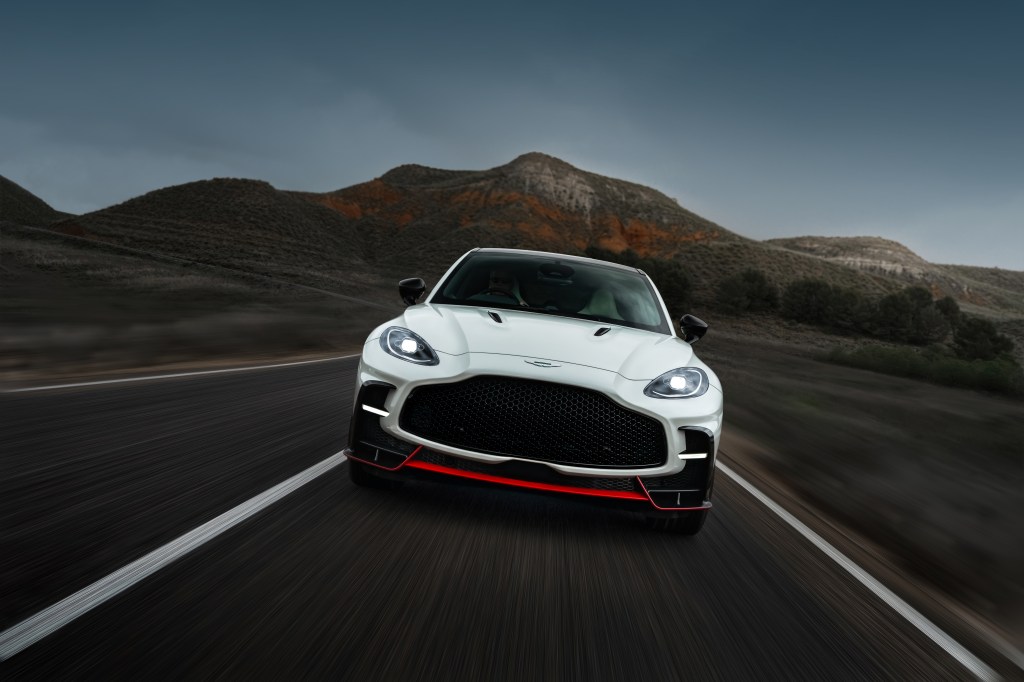
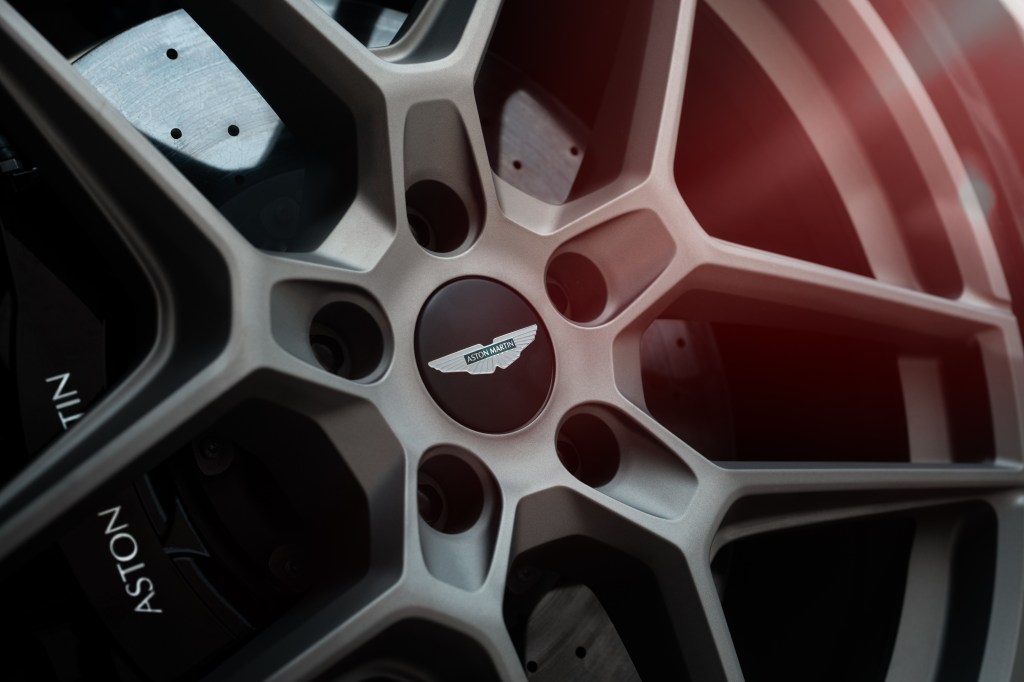
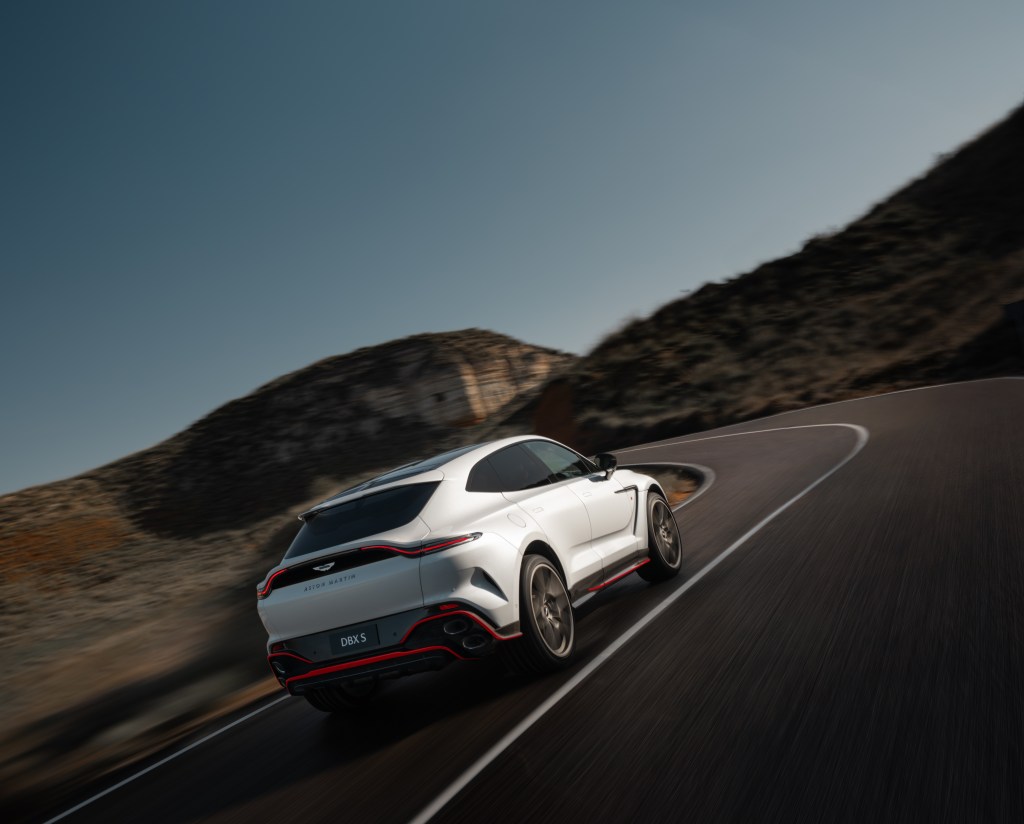
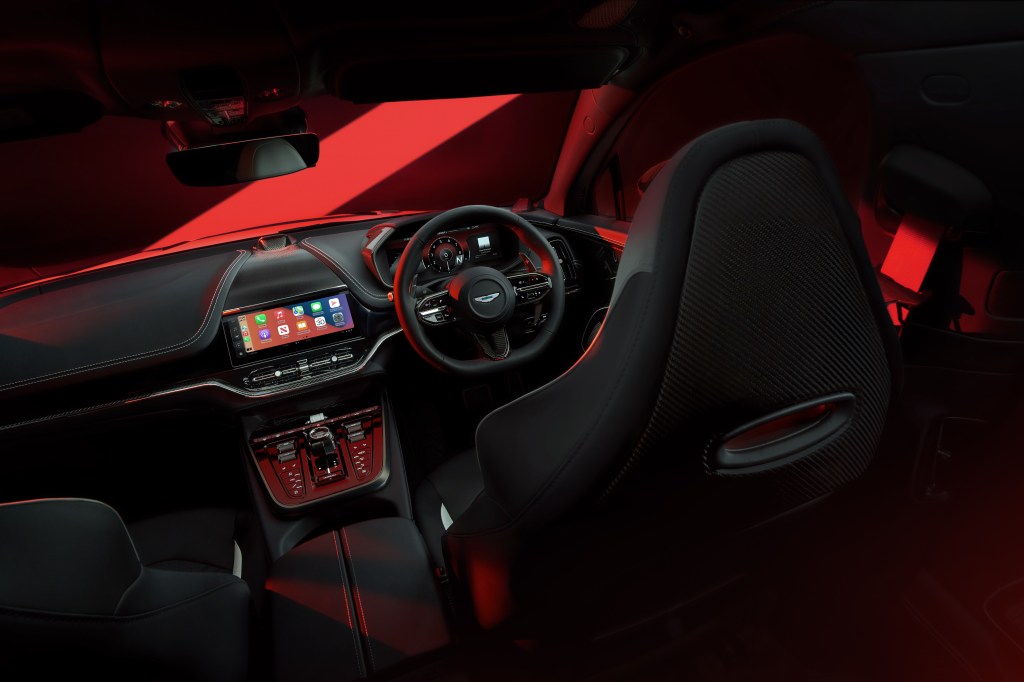
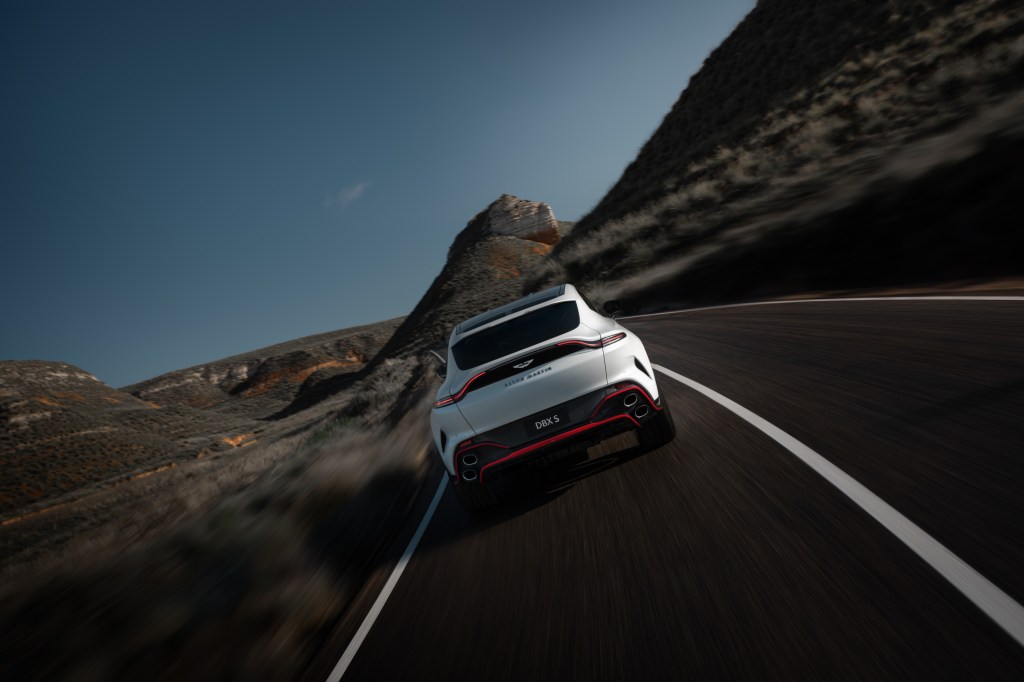

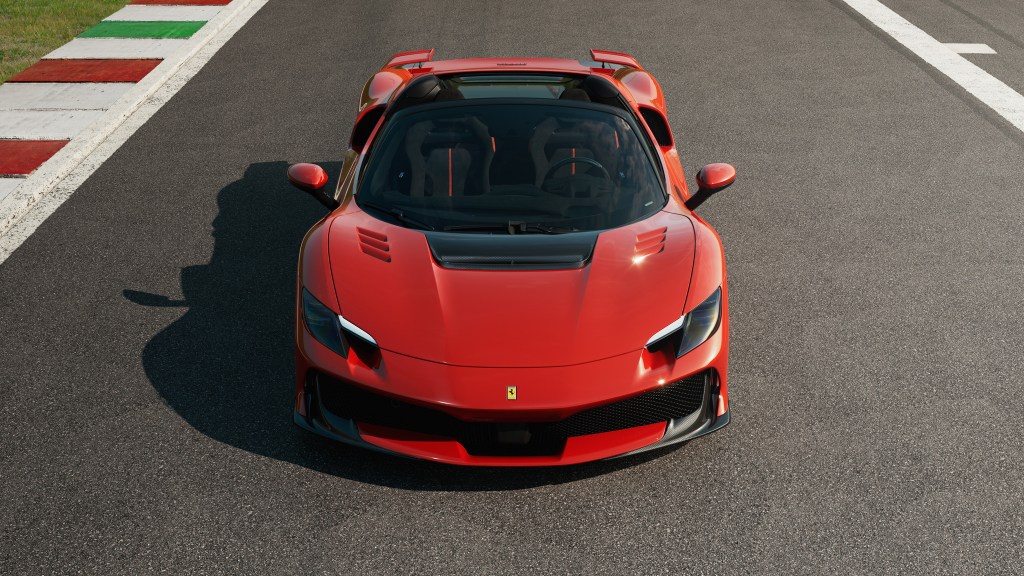
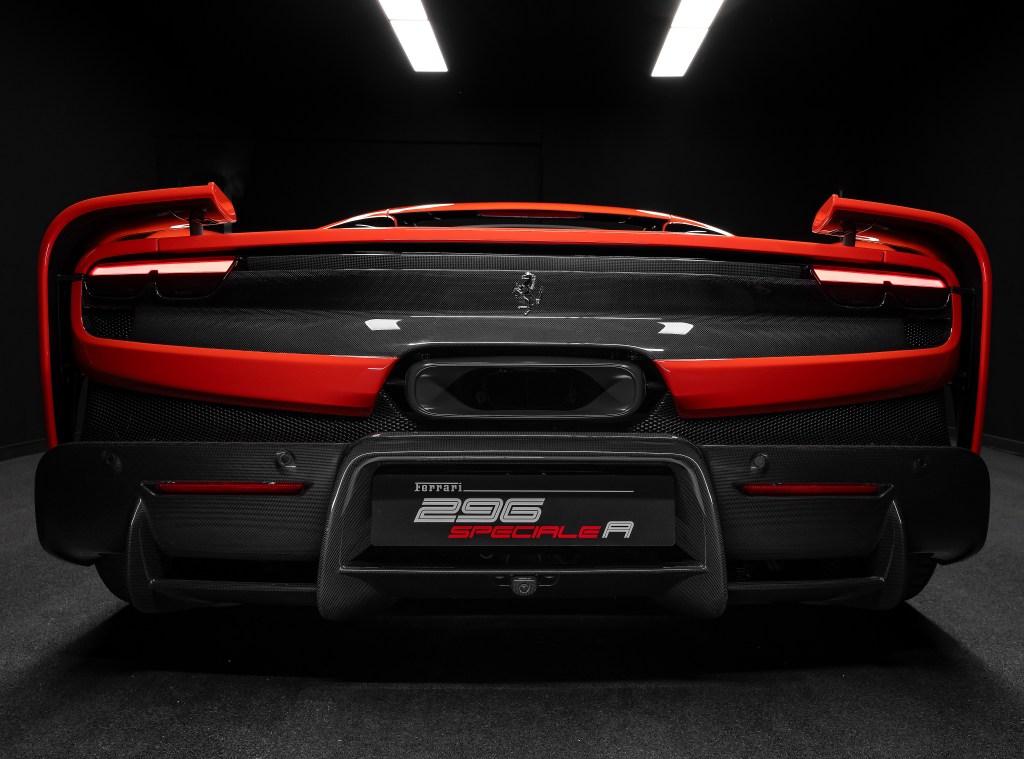
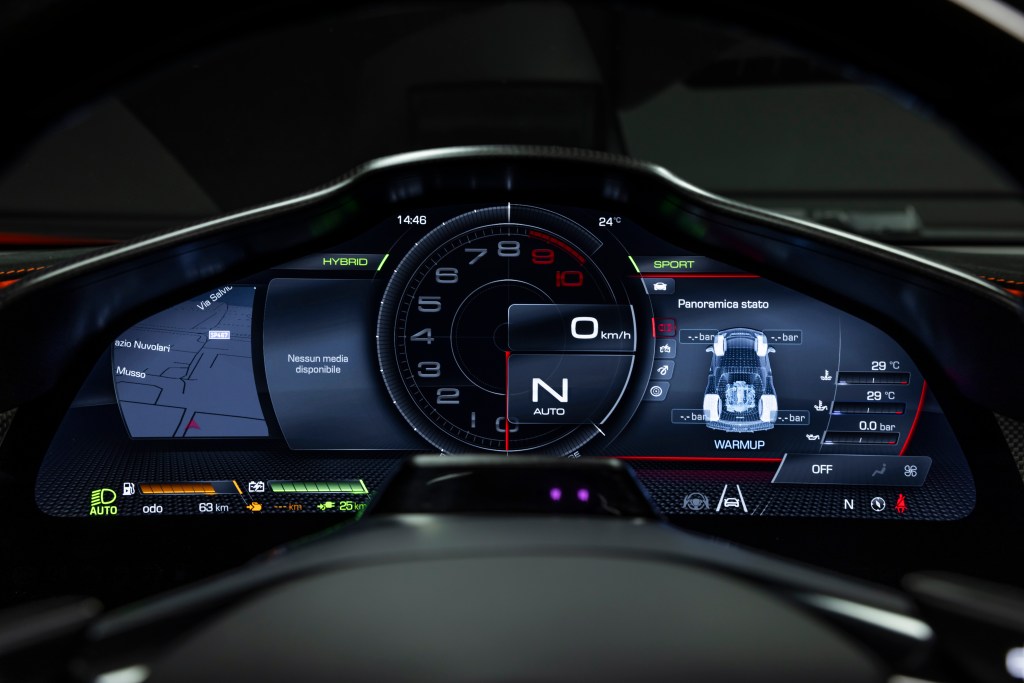
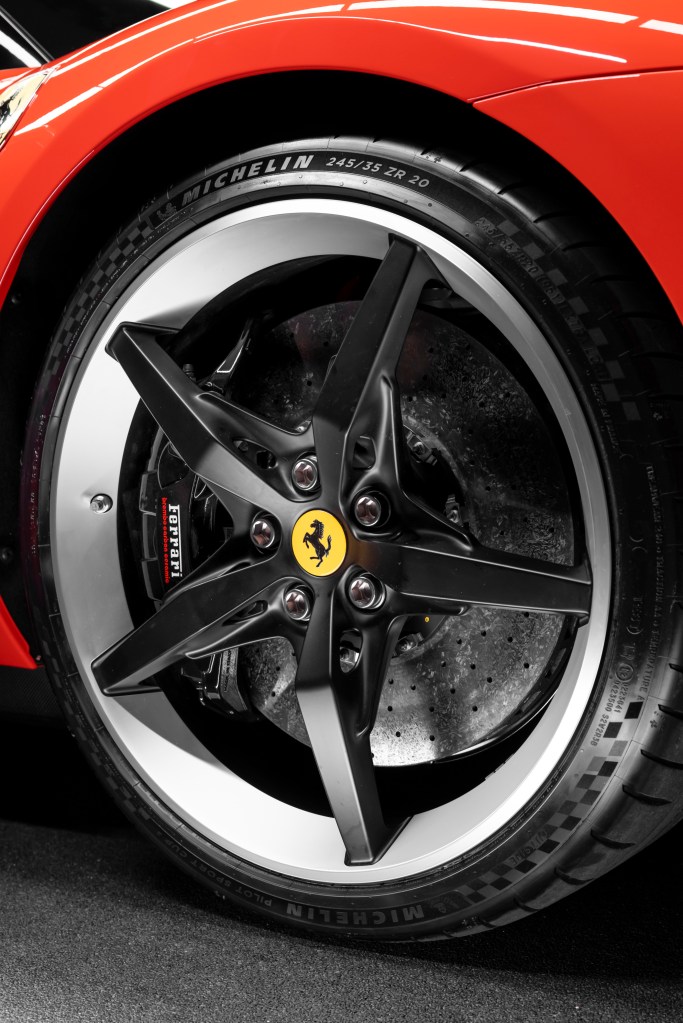
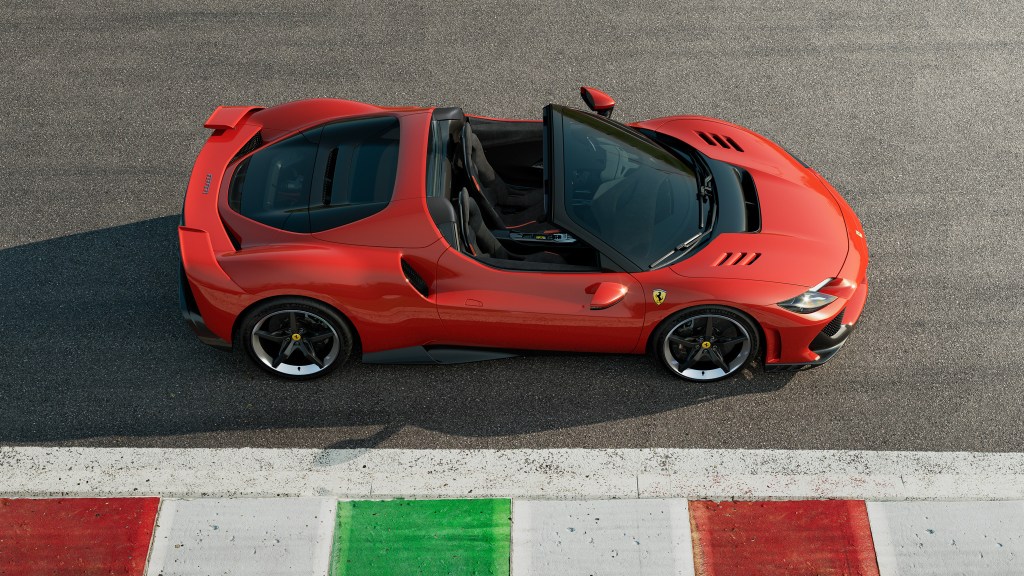
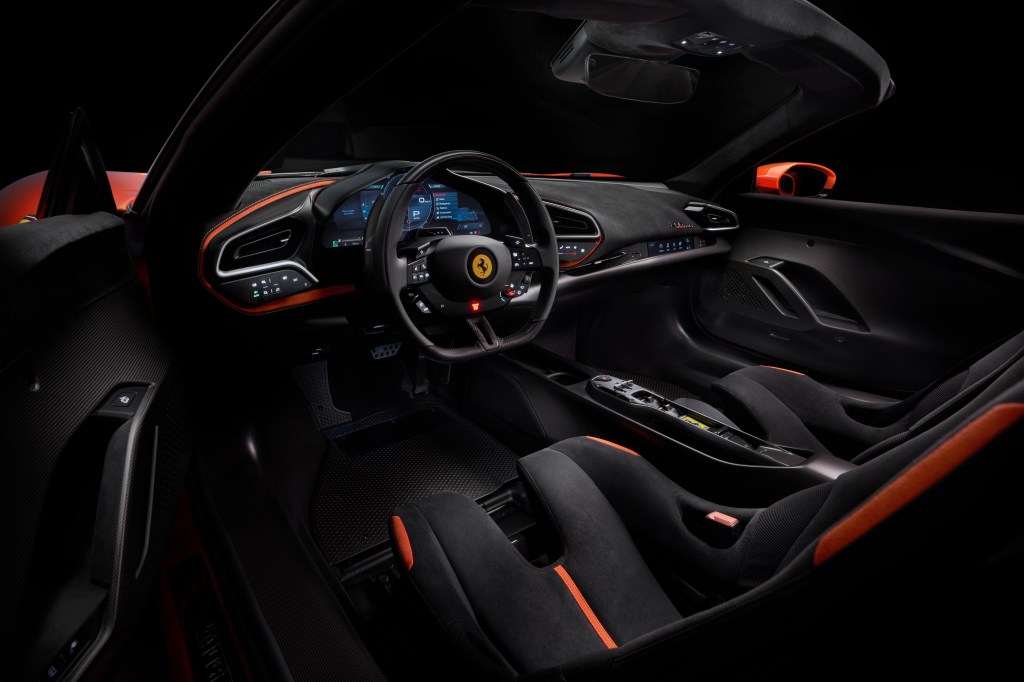
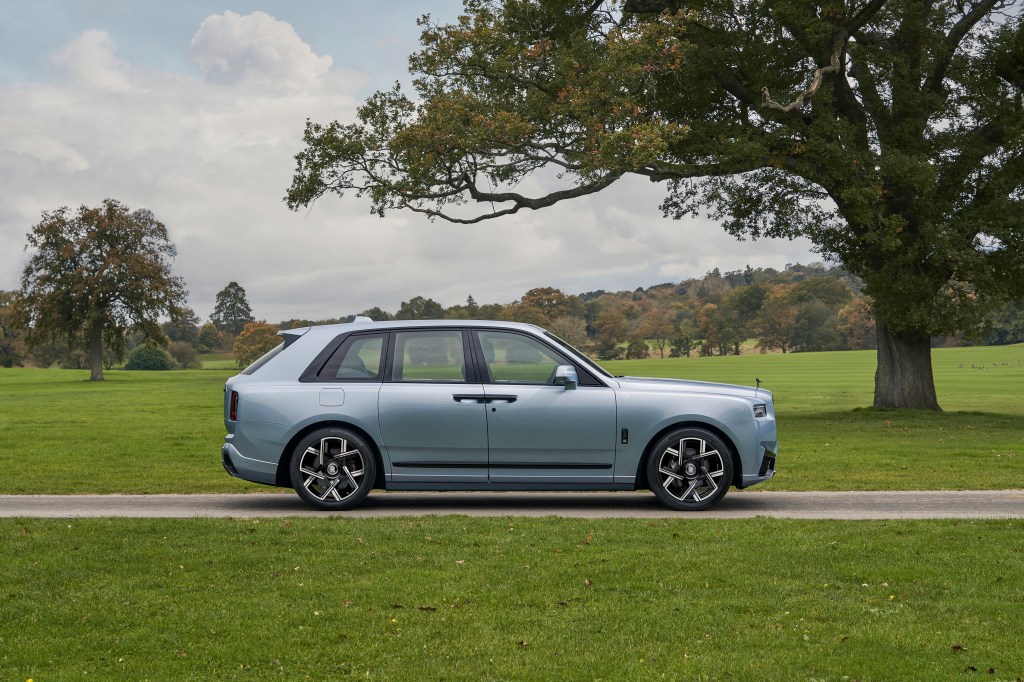

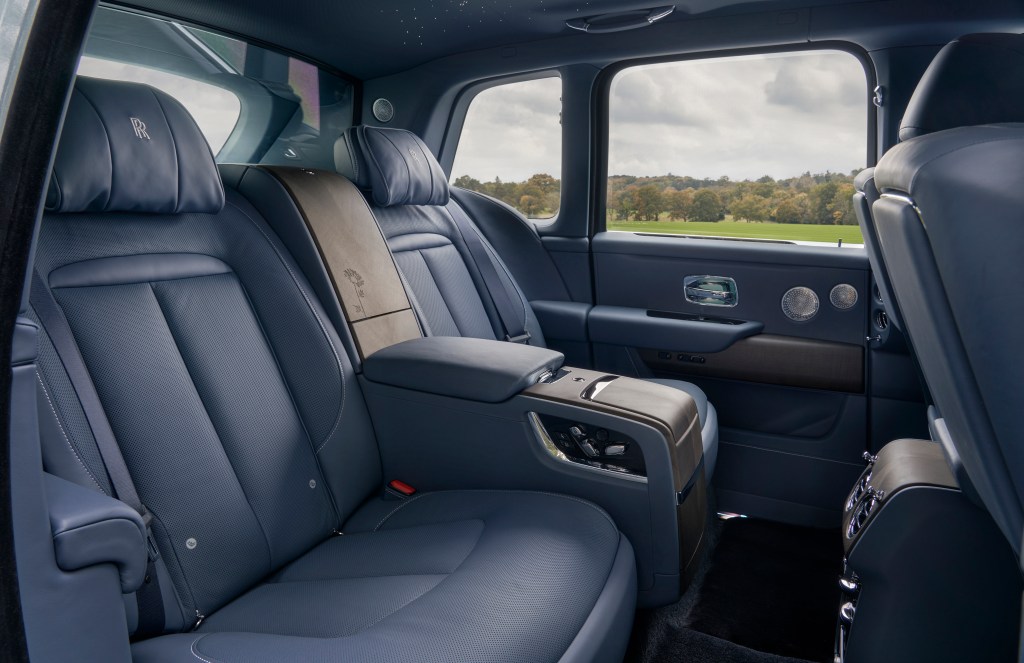
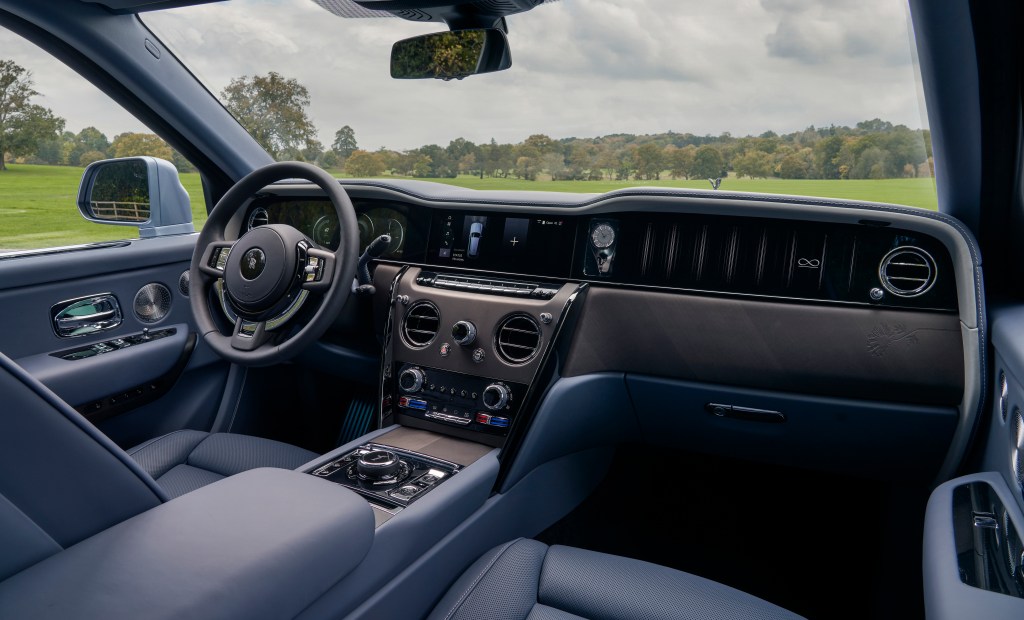
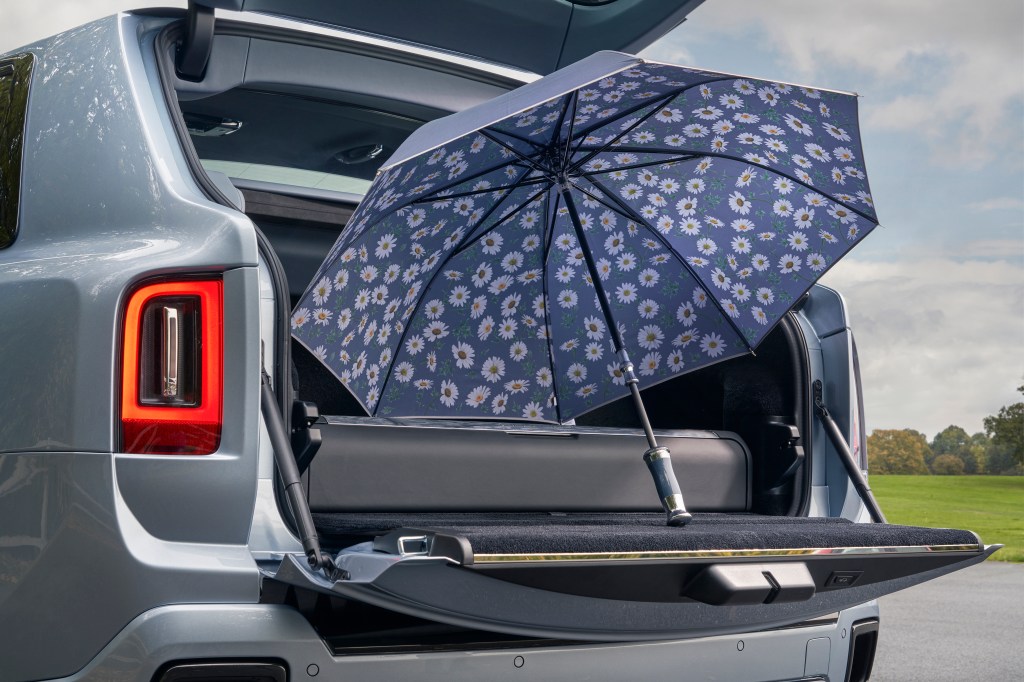
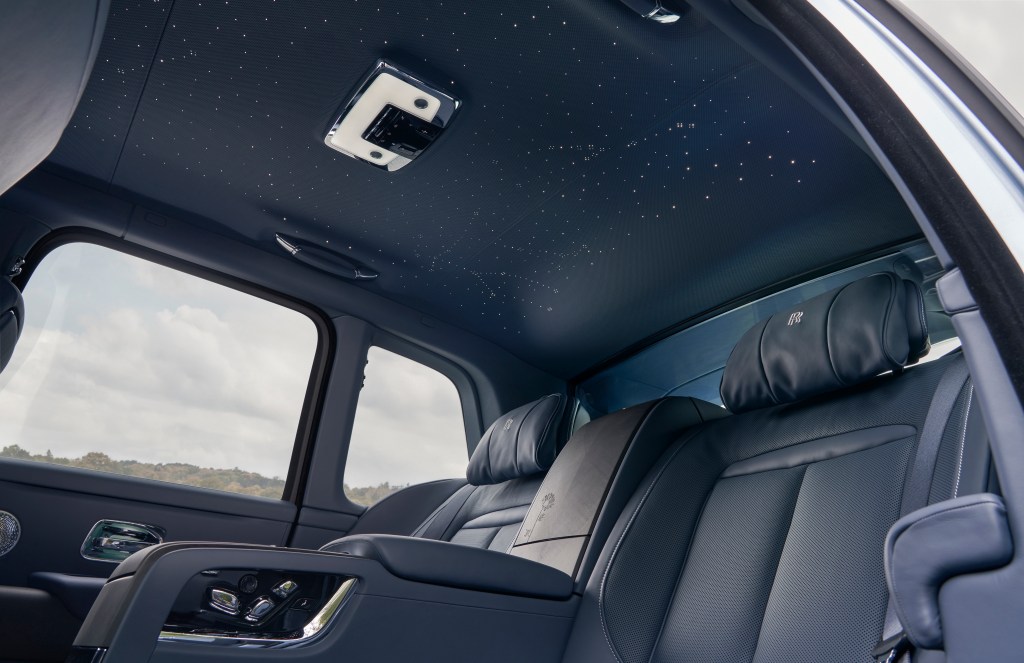
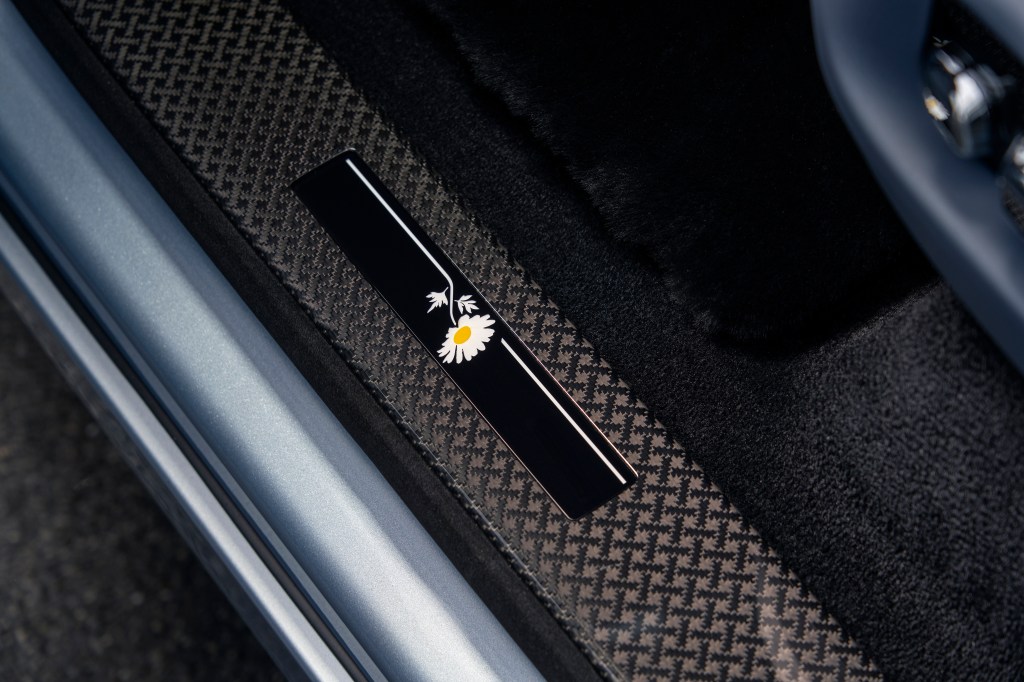
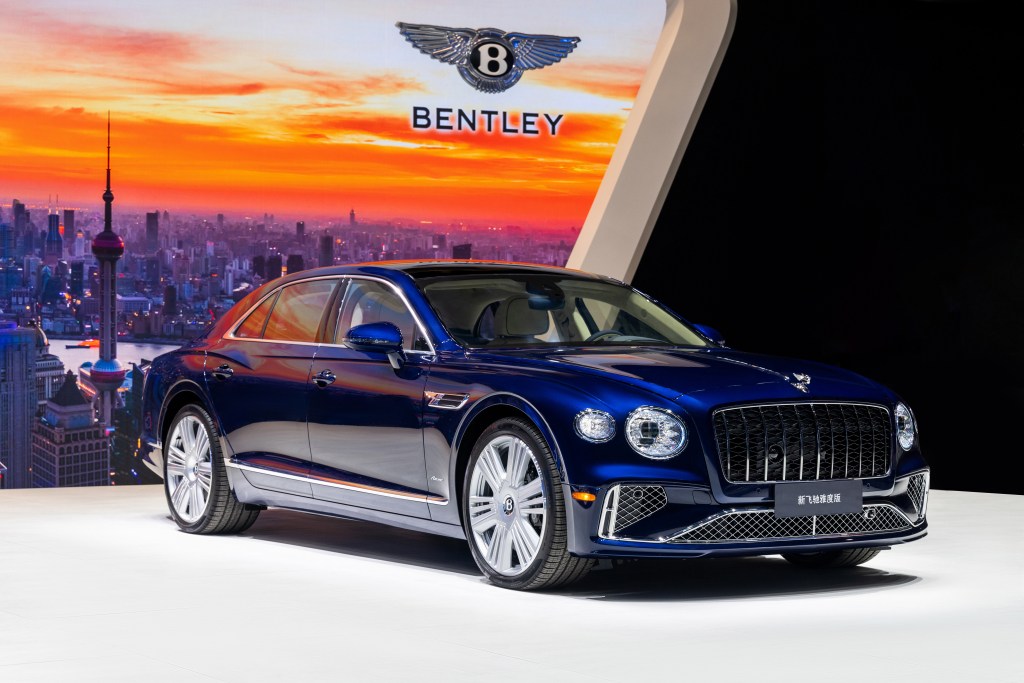

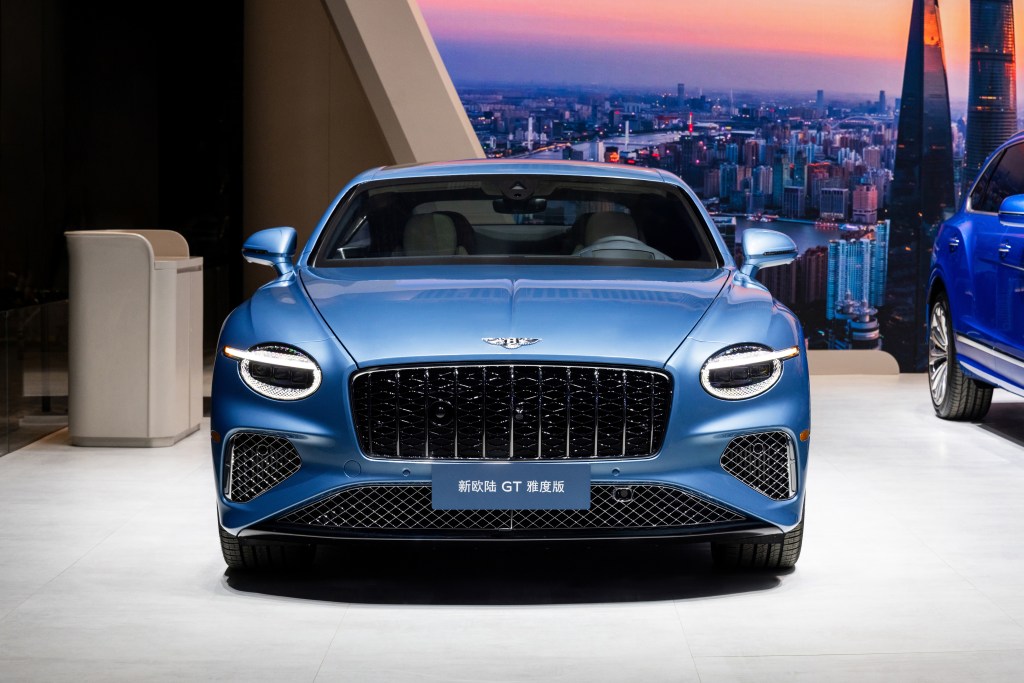
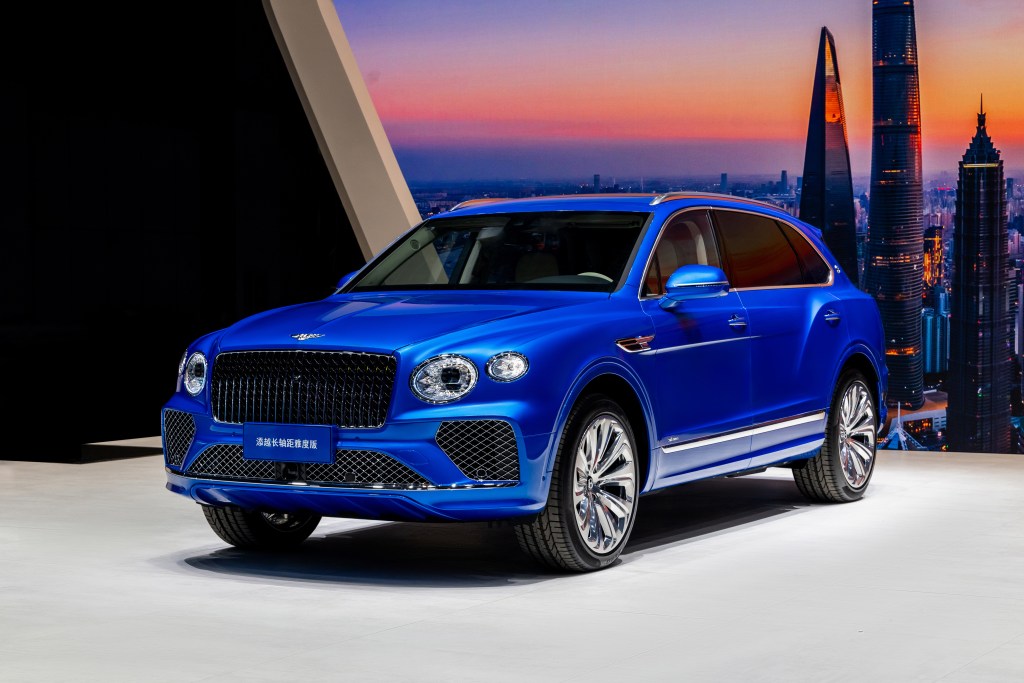
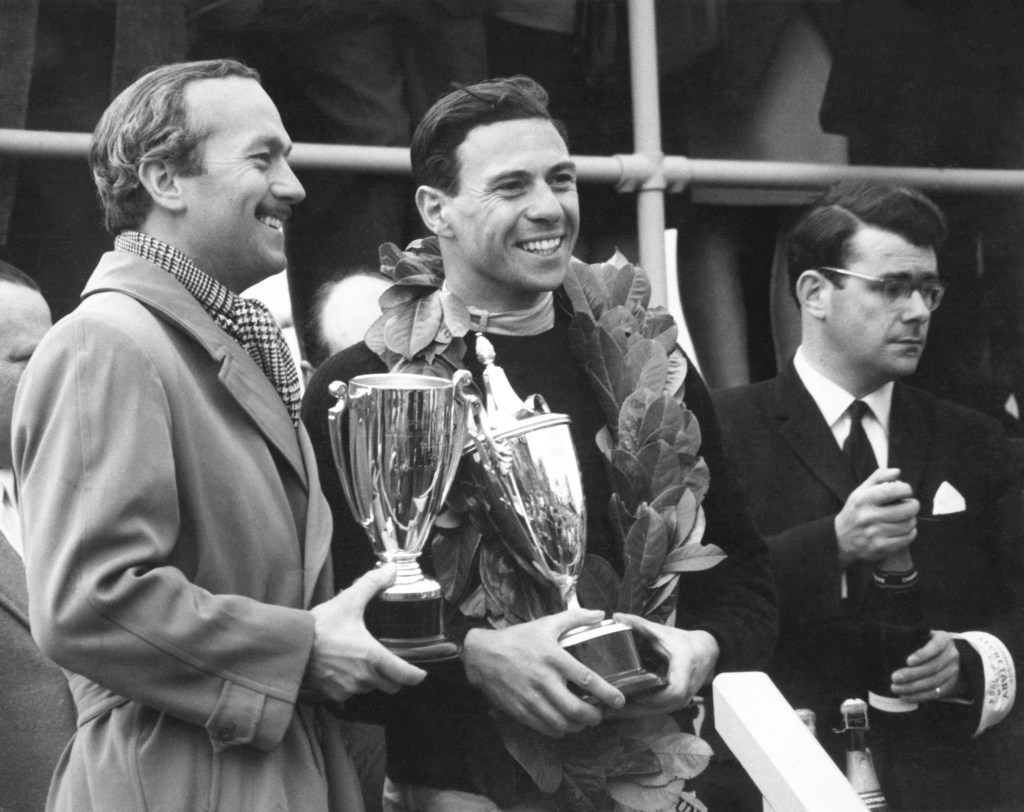
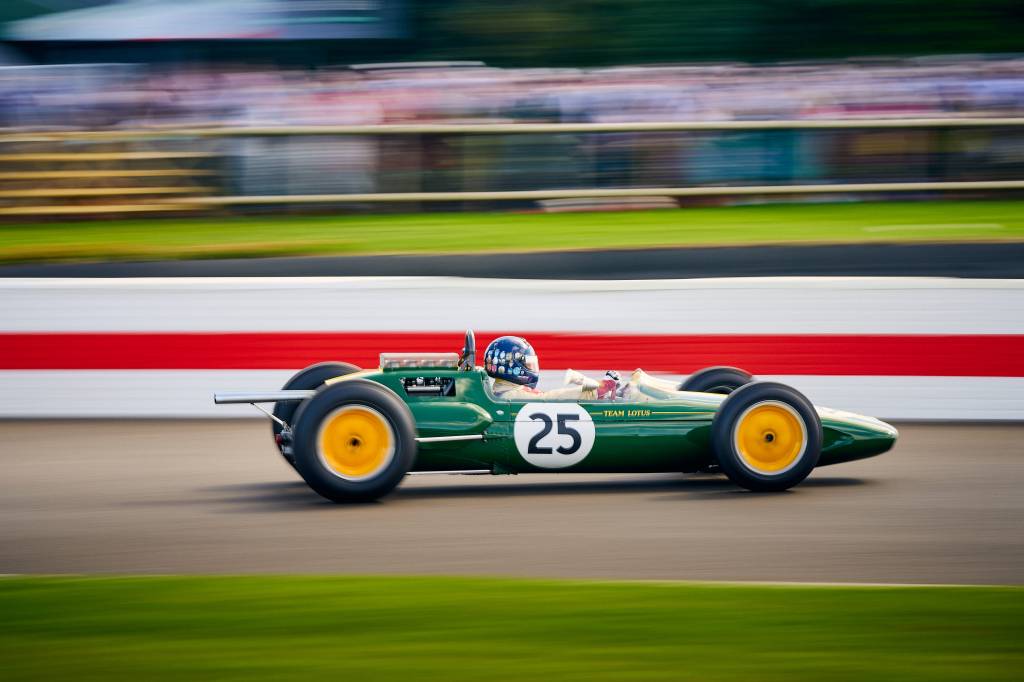
 Power Drive