Rolls-Royce Motor Cars celebrated the 100th anniversary of Phantom, the marque’s most famous nameplate, at the Concorso d’Eleganza Villa d’Este, Italy, on May 24, 2025.
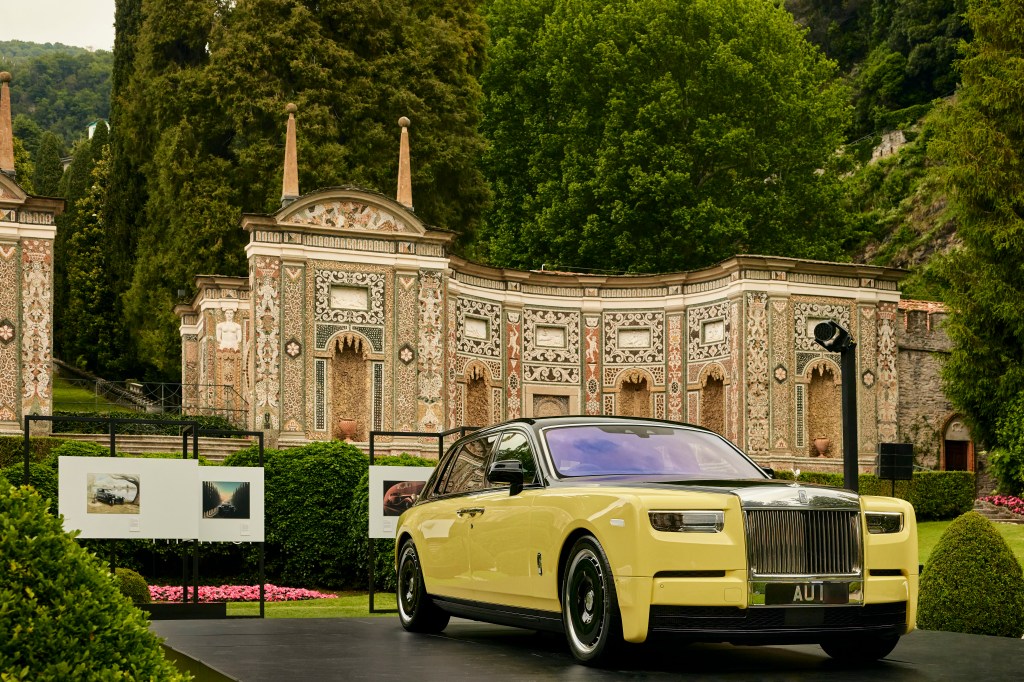
Rolls-Royce chose this exclusive gathering for the worldwide public debut of Phantom Goldfinger, presented on the Grand Hotel’s renowned Mosaic Lawn on the shore of Lake Como. The striking one-of-one Phantom Extended pays homage to the 1964 James Bond film, Goldfinger – one of twelve Rolls-Royce appearances in the 007 film franchise.
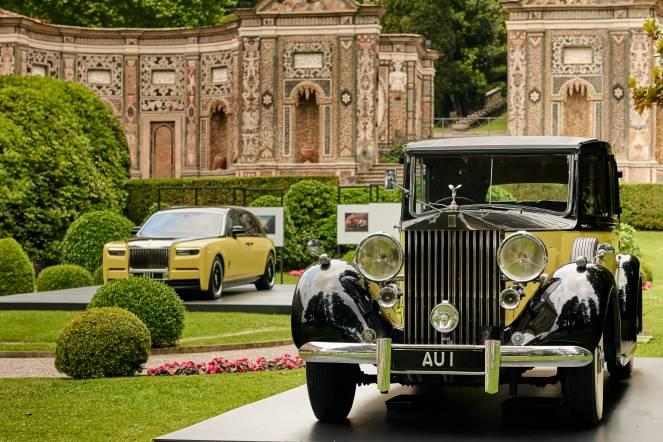
Revealed in 2024, the film’s 60th anniversary year, the motor car takes inspiration from the 1937 Phantom III Sedanca de Ville owned by the title’s eponymous villain, Auric Goldfinger, which was also shown at the event. The story of this motor car and the film is masterfully explored in Phantom Goldfinger, which includes 18- and 24-carat gold detailing, cinematic references, and intricate storytelling elements inspired by the film’s characters, locations and themes.
Further celebrating the centenary of Phantom, an exhibition of eight original artworks charted the evolution of Phantom’s design, and the world it has both inhabited and shaped over the past 100 years. Designers at Goodwood created the series, each capturing a different Phantom generation in the artistic style of its era. The settings of each piece also reflect the influence Phantom has exerted over its ten decades, and the many roles it has played and guises it has assumed.
Guests and media from around the world also witnessed the gathering’s opening parade, which included an immaculately presented example of Phantom V. This celebrated generation of the marque’s flagship motor car has been owned and loved by some of the most significant cultural and political figures in modern history, a reminder of Phantom’s role as a symbol of power, influence, and leadership.
Amid a year of heightened cultural and luxury activity across Italy, the debut of Phantom Goldfinger and the celebration of Phantom’s centenary at the event became a defining expression of Bespoke artistry and enduring cultural significance. This moment reflects not only Phantom’s remarkable legacy but also its ongoing power to inspire, captivate and lead as it enters a new century.
Chris Brownridge, Chief Executive, Rolls-Royce Motor Cars said: “The Concorso d’Eleganza Villa d’Este is the perfect setting for Rolls-Royce, as both this gathering and our marque celebrate the motor car as an object of art, craftsmanship and cultural expression. In this exceptional location, we are proud to make the public debut of Phantom Goldfinger, a remarkable expression of our Bespoke capabilities and a powerful tribute to a film cherished by the client. To have the original 1937 model, which featured in the film and inspired this motor car, displayed at the event makes this moment even more special. Presenting these exquisite Phantoms and original artworks created by our designers in tribute to the nameplate in its centenary year is a fitting celebration of our pinnacle motor car.”
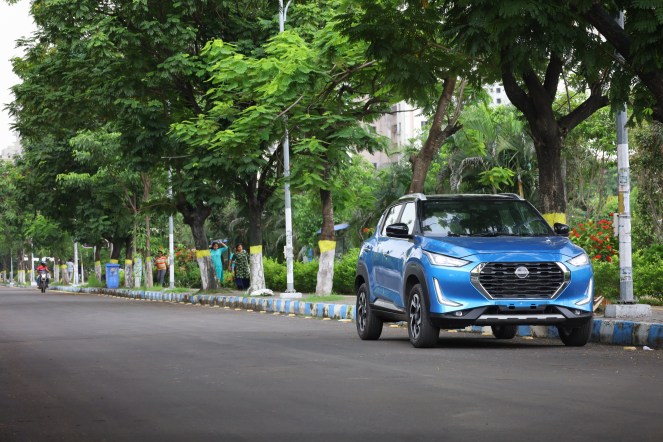
The New Nissan Magnite will now be available with a government-approved CNG retrofitment kit. The CNG Kit is fully developed, manufactured and quality assured by Motozen (3rd Party) as per country Regulatory Standards. Motozen will provide warranty for kit components. This initiative reflects focus on providing customer-focused solutions. The fitment of these kits will be carried out at government-authorised fitment centres. The complete retrofitment will be available at competitive additional price of INR 74,999 only.
The rollout of this eco-friendly CNG kit fitment for the sustainability-aware and environment-conscious customer will be done in a phased manner across the country. In the first phase, Nissan customers can order the CNG kit installation via Nissan authorised dealerships in seven states, namely Delhi-NCR, Haryana, Uttar Pradesh, Maharashtra, Gujarat, Kerala and Karnataka. It will later be expanded to other states across the country as part of Phase 2.
The CNG kit option is available only with the New Nissan Magnite 1.0-litre naturally aspirated petrol engine with the manual gearbox. The customers will get enhanced fuel economy with the CNG retrofitted kit. All CNG kits will be retrofitted by government-approved vendors, offering a certified homologated kit that complies with current local regulations and safety standards.
Mr. Saurabh Vatsa, Managing Director, Nissan Motor India, commented: “The New Nissan Magnite has been a phenomenal product for us and has led the success story in India. With a view to meet the requirements of customers, Nissan Dealers will provide an alternate fuel option in the form of a government-approved CNG retrofitment kit which will be carried out at the authorised fitment centres for customers. We are confident that this move will enhance the popular compact SUV’s value proposition and practicality.”
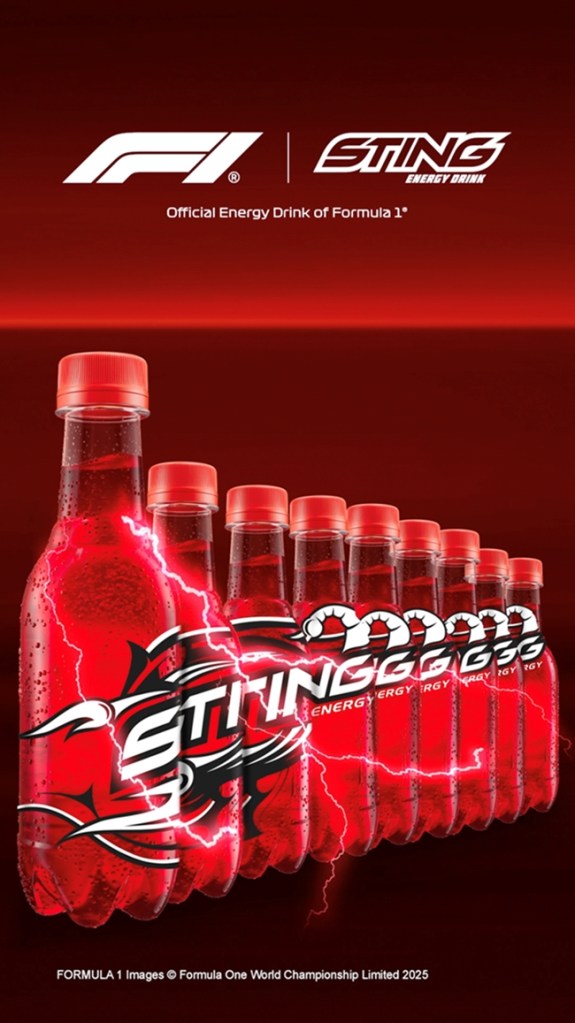
Sting Energy, a PepsiCo electrifying energy drink, has officially entered the fast-paced world of Formula 1 as its Official Energy Drink Partner. This official partnership, sparked by authentic fan curiosity even before the official reveal, began as a viral sound-driven moment and has since grown into a dynamic collaboration — racing from the track to screens worldwide.
In a sport like Formula 1, where fans obsess over every detail, Sting Energy tapped into the most iconic and visceral element of the experience: sound. On May 23, 2025, world-renowned DJ and producer Armin van Buuren posted a video unveiling a surprising discovery – the sound of “Stinggg” echoing through the roar of an F1 engine. While isolating audio layers from a race recording, Armin noticed an uncanny resemblance between the engine’s pitch and the sonic builds in his music. The post piqued global curiosity, as fans, creators, and even F1 icons joined the conversation. And with that, Sting Energy surfaced. Not as a familiar face in Formula 1, but as a bold new force ready to make its mark.
Joining the wave of excitement were Formula 1 legend Jenson Button and 2025 F2 Monaco Grand Prix winner Kush Maini, who amplified the moment with energized reactions – captivated by the sonic connection between Sting Energy and the roar of Formula 1. Their involvement added credibility to what many had dismissed as coincidence, showing it was something much more deliberate.
Without any official announcement or clear branding, people started to wonder quietly: could Sting Energy have been part of Formula 1 all along? The frenzy reached its peak at the Monaco Grand Prix, where F1 fans and influencers from around the world were seen recording the races – reacting in real-time as Sting Energy’s now unmistakable sonic signature revealed itself within the raw, high-octane roar of the track.
Making the discovery, world renowned DJ and record producer, Armin van Buuren said, “As a longtime F1 fan, I was revisiting some engine sounds in the studio when one frequency stood out, it almost sounded like ‘Sting.’ At first, I thought it was a coincidence, but the more I listened, the more melodic it became. It’s a great reminder that inspiration can come from the most unexpected places – even a car racing down the track.”
Jenson Button, 2009 F1 World Champion driver added, “I’ve spent my entire life around Formula 1 – from the garage to the podium, and everywhere in between – and I thought I’d experienced every nuance the sport had to offer. But, when Armin played that engine clip and pointed out what he heard, I was genuinely surprised. I played it back and… There it was. ‘Sting.’ Clear as day. It’s strange, but also kind of brilliant – how something so familiar can hide in plain sight for so long. Once you hear it, you can’t ignore it.”
Commenting on the roar, Vandita Pandey, VP Marketing at PepsiCo, International Beverages, Energy, said, “Sometimes the most powerful brand moments aren’t manufactured – they’re discovered. This wasn’t just about launching a campaign; it was about listening to culture and amplifying what fans already felt. This partnership is more than regular sponsorship, it’s sonic alignment. Sting Energy didn’t just join Formula 1, it revealed it had always been there, embedded in the thrill, hidden in the sound; and now, the world knows. The brand officially takes its place on track with a future of vigorous fan experiences ahead.”
Jonny Haworth, Director of Commercial Partnerships, Formula 1, said, “Formula 1 has always been about more than just speed – it’s about emotion, energy, and the sensory experience that comes with every race. This partnership with Sting Energy taps into that energy in a fresh, creative way. It’s a celebration of the power of sound, and how culture and sport continue to collide in exciting new ways.”
With this partnership, Sting Energy will now supercharge fan experiences across 21 races– through immersive brand experiences, co-branded products, on-pack promotions, and digital storytelling.
Breaking away from the traditional sponsorship route, Sting Energy approached this collaboration in a way only it can – by tapping into the power of sound. In a sport where audio is emotion, physics, and adrenaline all at once, Sting Energy transformed a shared sensory experience into an unmissable brand moment. As part of the partnership, Sting Energy will now supercharge fan experiences across 21 races – through immersive brand activations, co-branded products, on-pack promotions, and digital storytelling.
PepsiCo, today, announced the groundbreaking multi-year global partnership with Sting Energy as the Official Energy Drink of Formula 1.
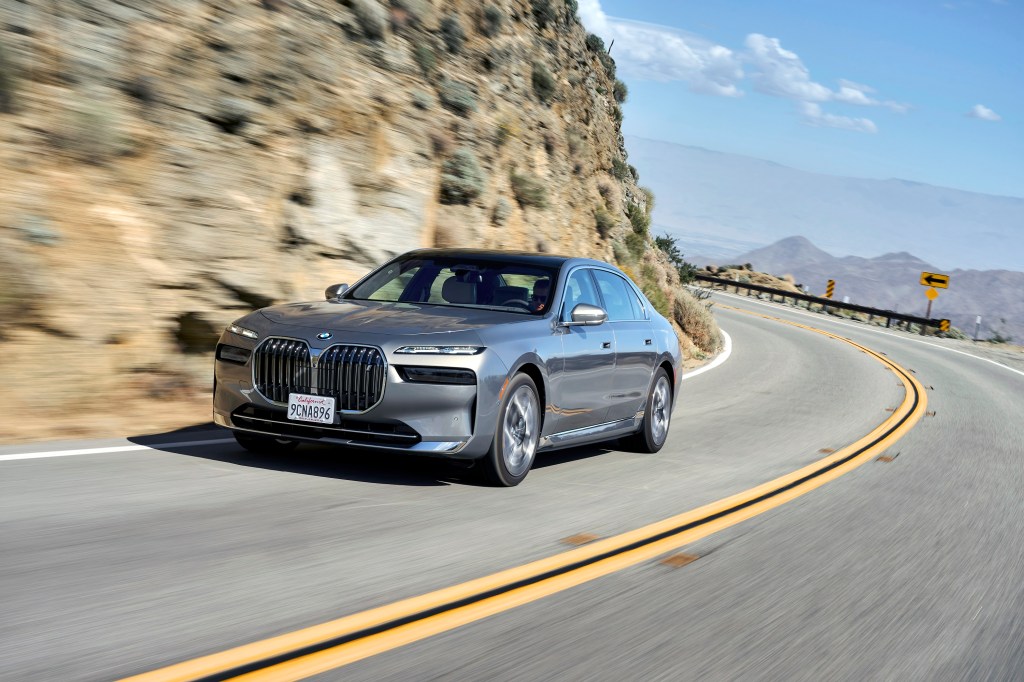
BMW India has introduced a unique offer on its flagship electric limousine – the BMW i7 – for benefit of customers across the nation. The first-of-its-kind offer provides a uniform pricing for the BMW i7 regardless of the registration location. In the specially designed new pricing, the customers do not need to incur the registration cost for BMW i7, as such cost will be borne by BMW India and administered by the authorized dealership.
Mr. Vikram Pawah, President and CEO, BMW Group India said,” BMW India has always looked as electric mobility as a holistic concept. We are the pioneers and leaders in the luxury electric mobility space with a novel approach to electric products and services. The introduction of a uniform price for the customers of BMW i7 will ensure price parity for our valuable customers regardless of which location they want to register their vehicle in. With this innovative offer, our focus is on customer centricity and encouraging the adoption of electric mobility with added benefits. As the vehicle of choice of leaders and luminaries with next-level style and substance, the i7 will continue to shape forwardism in every way.”
The current ex-showroom price of the BMW i7 is INR 2,05,00,000.
The first-ever BMW i7 is a true all-electric luxury sedan that clearly demonstrates how an exclusive driving experience can be combined with an unwavering commitment to sustainability. The i7 offers all-electric innovation, visionary design, and powerful driving dynamics that make a striking impression.
It makes a visual statement by taking a considerable leap forward in terms of design and dimensions. The headlights are divided into two parts. At the top are the daytime running lights, complete with the BMW Crystal Headlights. Another distinguished feature is the strikingly illuminated BMW Iconic Glow kidney grille surround that lends an unmistakeable appearance.
In the interior, the innovative BMW Interaction Bar defines the revolutionary cockpit design. BMW Live Cockpit Professional includes the freestanding BMW Curved Display with Navigation with real-time traffic information and augmented view. Unique and innovative features in the rear take comfort to a new level. A key feature here is Rear Seat Entertainment Experience with BMW Theatre Screen.
The Executive Lounge Seating behind the front passenger reclines to 42.5 degrees, offering a true first-class experience thanks to multifunction seats, massage function, active seat ventilation and rear console. My Modes can be used to turn every journey into an individual experience by combining sound, light, temperature, suspension settings and seat functions to create a particular mood.
BMW ConnectedDrive technology breaks the innovation barrier and turns the car into an interconnected digital device. It includes BMW ID, MyBMW App, Digital Key Plus, Emergency Call, Real-time Traffic Information, Remote Services, smartphone parking and Amazon Fire TV.
The spread of Driver Assistance Systems is more extensive than ever and includes Cruise Control, Attentiveness Assistant, Parking Assistant Professional with remote parking via smartphone and Reversing Assistant, Steering and Lane Control Assistant.
Fifth generation BMW eDrive technology in the BMW i7 eDrive50 features a highly integrated drive unit. The car instantly accelerates from 0 to 100 kmph in 5.5 seconds. It produces an output of 449 hp and a maximum torque of 650 Nm. The car has a range of up to 603 kms (WLTP).
The ongoing success of Rolls-Royce Motor Cars is based upon an intimate understanding of the unique world in which its clients live, socialise and entertain. In this spirit, the marque delights in maintaining a gentle presence in the world’s luxury hotspots.
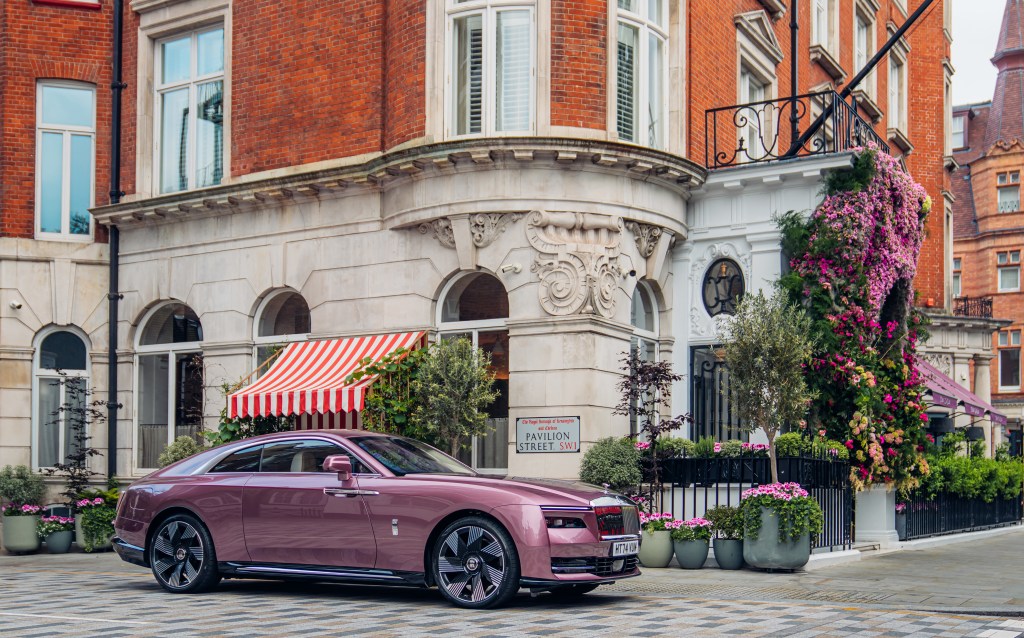
This week, Rolls-Royce Spectre is joining clients in celebrating the breathtaking floral art displayed in the streets and residence entryways in the heart of Chelsea, South-West London. In keeping with the flower-inspired theme and reflecting the brand’s enduring connection with nature, the Spectre is finished in Velvet Orchid – one of nature’s most captivating flowers, admired for its rich colour, velvety texture and luxurious appearance – and complemented by a delicate hand-painted Peony Pink Coachline.
Floral motifs have long inspired Rolls-Royce Bespoke commissions. Nature – and flowers in particular – provide a rich language of symbolism, sentiment and beauty. This Spectre follows some recent exceptional commissions inspired by the natural world, including the celebrated Phantom Cherry Blossom and Daisy Cullinan. These creations are not simply motor cars, but deeply personal artworks – each a reflection of the commissioning clients’ values, identity and lifestyle.
Boris Weletzky, Regional Director, United Kingdom, Europe and Central Asia, Rolls-Royce Motor Cars“As the British Season begins, we’re delighted to join the celebration of floral art in Chelsea this week, a popular event in the social calendar for many of our clients. Dress codes are an inherent part of the allure for such an occasion and, like our clients, we like to hit the brief. We debuted a striking Rolls-Royce Spectre finished in Velvet Orchid with a Peony Pink Coachline, reflecting the quiet confidence and refined beauty that resonates with our clients and defines our marque.”
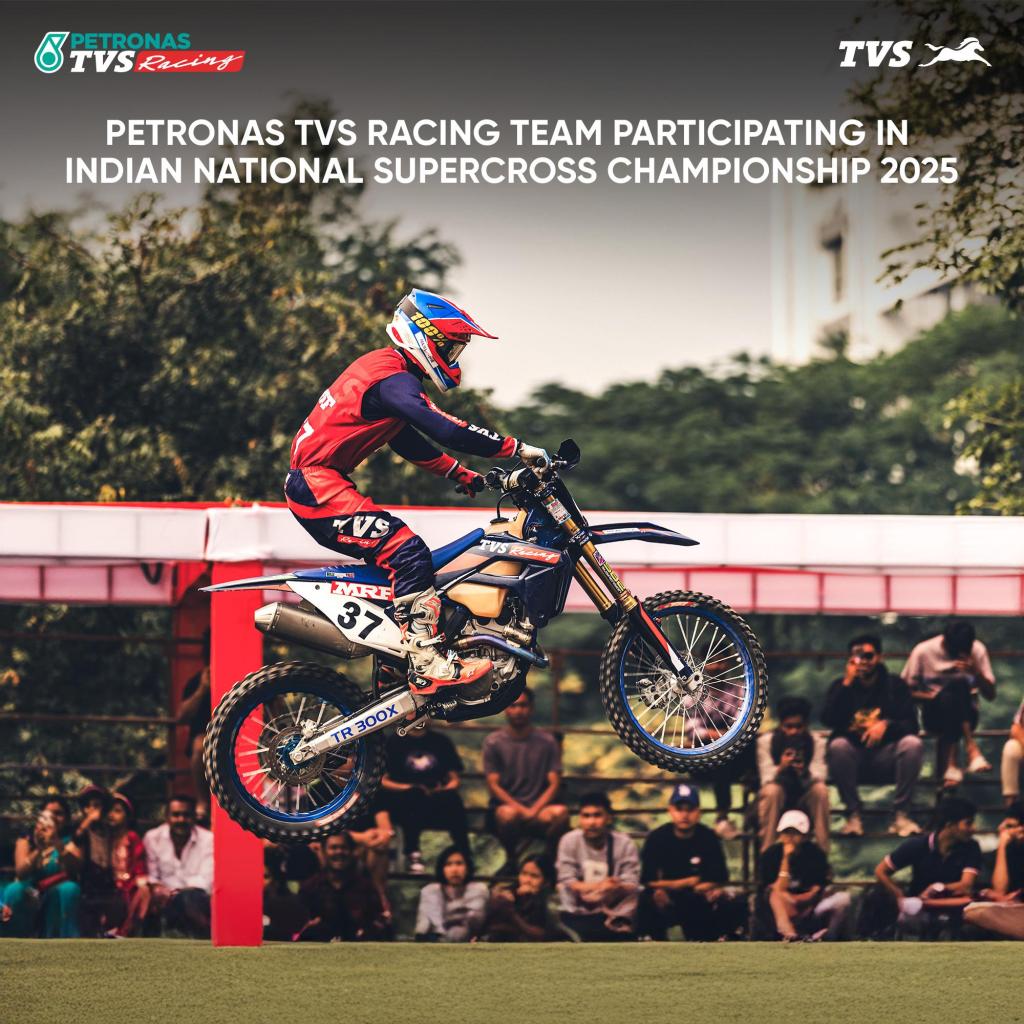
Backed by a rich racing pedigree since 1982, PETRONAS TVS Racing is set to ignite the track once again at the 2025 season of the FMSCI Indian National Supercross Championship (INSC), which begins in Vadodara on May 23–24, 2025. After a dominant 2024 season that reaffirmed its leadership in Indian two-wheeler racing, India’s first factory racing team returns with renewed focus, upgraded machines, and a powerful 8-rider line-up. The squad includes seasoned champions and expert riders like Rugved Barguje, Ikshan Shanbhag, and Prajwal V, who will compete in Group A – Foreign Open SX1, along with Imran Pasha, Banteilang Jyrwa, and D Sachin, who will race in Group B – Indian Expert category. They are joined by rising talents Jayden Wandame Nongkhlaw and Shailesh Kumar, who will compete in the Indian Novice Group B.
PETRONAS TVS Racing will field its state-of-the-art TR 300X (Group A – up to 500cc) and TR 200X (Group B – up to 260cc) race machines this season. These upgraded bikes feature advanced camshaft and cylinder head designs that deliver superior mid-range torque and high-RPM performance. With improved suspension systems and refined ergonomics, the machines promise enhanced control, traction, and cornering agility giving TVS racers a competitive edge on the track.
Vimal Sumbly, Head Business – Premium, TVS Motor Company said, “Building on last year’s championship triumph, PETRONAS TVS Racing is geared up to set new benchmarks in 2025. All upgrade to our machines and every hour dedicated to rider development reflects our unwavering commitment to excellence and innovation. Our 8-rider line-up is a perfect blend of experience and emerging talent, ready to push the limits. We are proud of the incredible momentum we’ve built over the years — from consistent podium finishes to nurturing India’s finest Supercross champions. This year is even more special as we celebrate 20 years of our flagship performance brand, TVS Apache, which perfectly embodies our ‘Track to Road’ philosophy. As we charge into the new season, we aim not just to race, but to raise the bar for motorsports in India once again.”
Underscoring its long-standing commitment to developing Indian motorsport talent, PETRONAS TVS Racing continues to invest heavily in training of the racers. For the new season of INSC, TVS Racing has invested in Advanced SX training sessions, especially for SX1-class riders, aimed at enhancing endurance, agility, and tactical skills to equip athletes for the rigorous physical and strategic demands of elite Supercross racing.
PETRONAS TVS Racing team’s racer line up for INSC 2025:
S. No.
Racer Name
Participation Group
Bikes
1
Rugved Barguje
Group A – Foreign Open SX 1 (up to 500cc)
2
Ikshan Shanbhag
TR300 X
3
Prajwal V
4
Imran Pasha
Group B – Indian Expert(up to 260 cc)
5
Banteilang Jyrwa
TR200 X
6
D Sachin
7
Jayden Wandame Nongkhlaw
Group B – Indian Novice(up to 260 cc)
TR200 X
8
Shailesh Kumar
For over 43 years, TVS Racing has been at the forefront of Indian motorsports, continuously pushing the boundaries of racing excellence. This commitment to innovation and performance extends beyond the racetrack into TVS Motor Company’s flagship motorcycle brand, TVS Apache, which celebrates 20 years of engineering excellence this year. The TVS Apache series embodies TVS Racing’s ‘Track to Road’ philosophy, integrating race-derived technology into high-performance motorcycles. Spanning 160cc, 180cc, 200cc, and 310cc models, the lineup features segment-first innovations, from ride-by-wire technology to race-tuned fuel injection.
With over 400,000 riders in the Apache Owners Group (AOG), TVS Apache has built a passionate global community, bringing the thrill of racing to streets and track enthusiasts alike. As it enters its next chapter, TVS Apache remains dedicated to offering cutting-edge performance, redefining what it means to ride with power and precision.
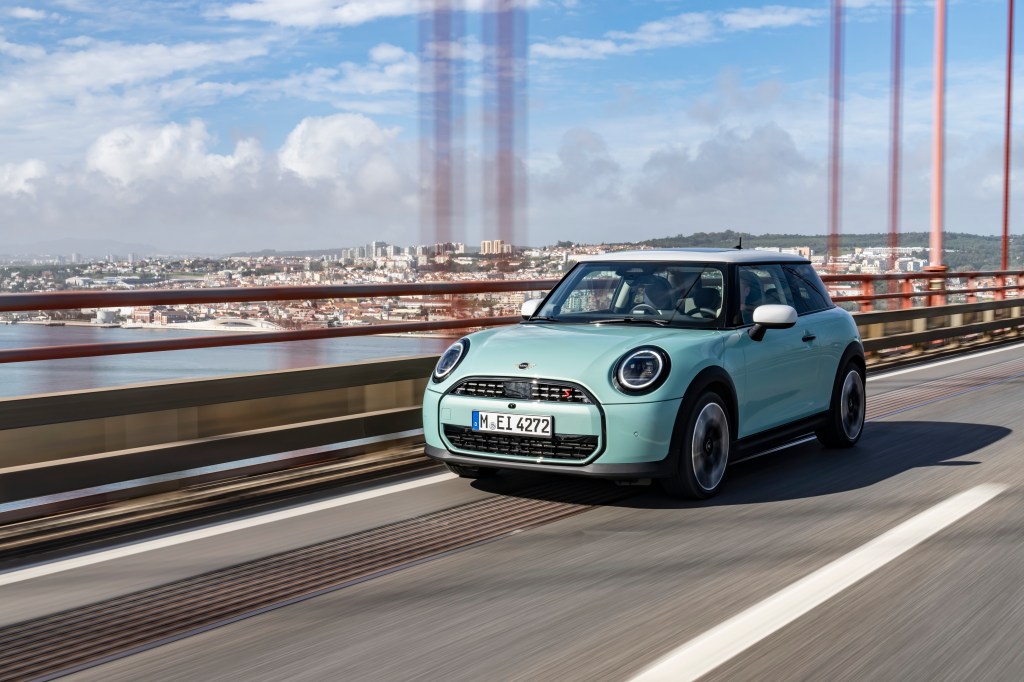
In a unique initiative for its customers, MINI India has announced a price protection assurance program for the MINI 3-Door Cooper S. The program is designed to provide complete peace of mind and pass on the benefits of any price reduction in the near future.
Mr. Vikram Pawah, President and CEO, BMW Group India said, “MINI has always stood for innovation and a bold character. With the price protection assurance program for MINI 3-Door Cooper S, MINI is staying a step ahead and ensuring that customers are able to receive the full benefit of any major price reductions resulting from anticipated duty cuts. They can buy their favourite MINI today and do not have to wait longer to make the purchase decision. This bold decision reflects the brand’s exceptional focus on customer centricity, trust and best interest of the MINI community.”
The price protection program is valid on the MINI 3-Door Cooper S which is available in India as a Completely Built-up Unit. The model is produced at MINI Plant Oxford in United Kingdom.
Under the limited period offer, cars bought from now onwards will be covered till the next 180 days. If price is reduced during this period, the respective dealership will refund the differential amount between the net invoiced price and the new ex-showroom price back to the customer. The current ex-showroom price of the MINI 3-Door Cooper S starts at INR 44,90,000. The offer can be availed at any authorised MINI dealership in India.
The other model of the new MINI family – the all-electric MINI Countryman – is not covered under the offer. It is available in India as a Completely Built-up Unit and is produced at BMW Group Plant Leipzig in Germany.
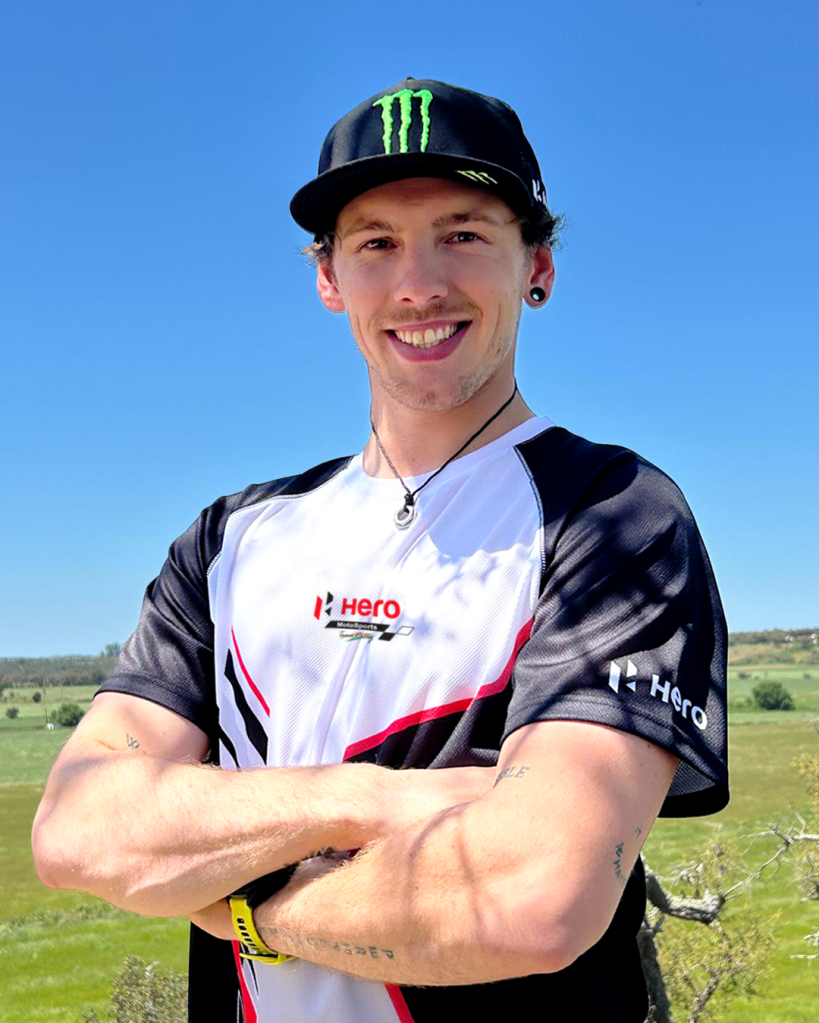
Hero MotoSports Team Rally has added promising young talent Tobias Ebster to its international rider line-up, following a highly successful 2024 season.
Tobias Ebster, 27, from Zillertal, Austria, is widely recognised as one of rally racing’s most promising rising stars. He entered his first rally just four years ago — the Hellas Rally Raid — after establishing a solid background in motocross and enduro. His breakthrough came in 2022, when he won the prestigious FIM Bajas World Cup in Dubai. He continued to impress by securing victory in the Rally 2 category at the Abu Dhabi Desert Challenge, outperforming a field of seasoned competitors.
A trained mechanical engineering technician, Tobias has taken on a range of freelance jobs — including landscaper, taxi driver, plumber, pizza delivery rider, and carpenter — to maintain a flexible schedule that supports his intense training and racing commitments.
In his debut Dakar Rally last year — Tobias delivered a remarkable performance. Displaying exceptional grit and endurance, he claimed victory in the grueling “Original by Motul” category without any assistance and finished an impressive 20th overall, earning the coveted title of Best Rookie. His determination and talent also secured him a Dakar entry through the “Road to Dakar” program, a dream he pursued and achieved despite significant setbacks. In Dakar 2025, competing once again as a privateer — but this time with assistance — Tobias raised the bar even higher. He finished an astonishing 9th overall, emerging as the top privateer in the field.
Tobias is set to make his debut race appearance with Hero MotoSports later this month at the South African Safari Rally. This event, making its first appearance on the World Rally-Raid Championship (W2RC) calendar, serves as the third round of the 2025 season. Tobias will line up alongside teammates Ross Branch and Nacho Cornejo for the rally.
Wolfgang Fischer, Team Manager, Hero MotoSports Team Rally, said: “We are absolutely thrilled to welcome Tobias Ebster to the Hero MotoSports family! His addition comes at a truly exciting time for us, following our historic World Championship victory led by our star rider Ross Branch. In just over nine years, Hero MotoSports has firmly established itself among the top teams in rally racing, and the arrival of a world-class talent like Tobias – current leader of the Rally2 championship – marks another major milestone in our journey.”
“Tobias already shares a strong bond with several of our riders, and we are excited to see that camaraderie come alive once again under the Hero MotoSports banner. His impressive will to work upwork his career to where he stands now, and true spirit of sportsmanship perfectly align with our team’s values and ambitions. We are confident Tobias will play a significant role in elevating our performance even further this season and beyond. With new energy, renewed determination, and exciting new talent, we look forward to an incredible season ahead!”
Tobias Ebster, Rider, Hero MotoSports Team Rally, said: “I’m thrilled and deeply honoured to be joining Hero MotoSports, a team that has been making headlines for all the right reasons. I’ve followed the team’s incredible rise over the past few years and have always admired how quickly they’ve become a force to reckon with in rally racing. It’s an exciting time to join, and I’m fully committed to giving my best and contributing to the team’s continued success.”
“I look forward to racing alongside some of the most talented and promising riders in the sport, many of whom I also consider close friends. I sincerely thank Hero MotoSports for placing their trust in me — it’s a true privilege to represent the world’s largest manufacturer of motorcycles and scooters at some of the toughest and most iconic races around the world!”
Born into a family deeply rooted in motorsport, Tobias found his passion for two wheels at an early age, receiving his first bike at just four years old. Guided by his uncle Heinz Kinigadner — a two-time Motocross World Champion and rally-raid legend — Tobias developed his skills across motocross and desert racing, laying the foundation for what promises to be an outstanding career in rally-raid. With an already impressive trajectory early in his career, Tobias brings immense talent and resilience to the Hero MotoSports squad.
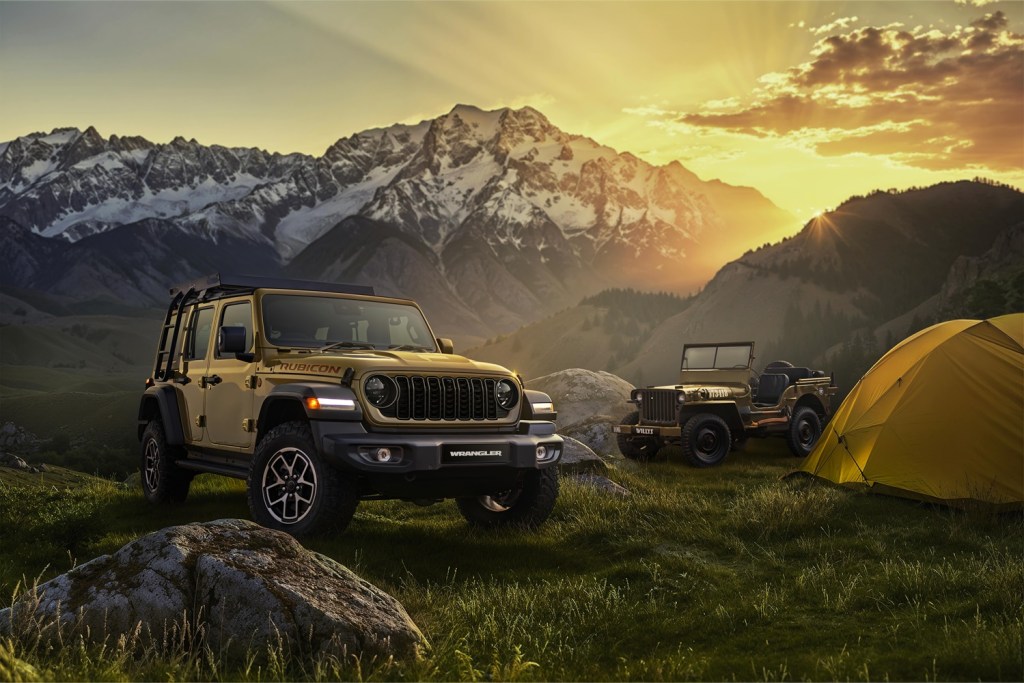
In a powerful nod to its storied past, Jeep India introduces the Wrangler Willys ‘41 Special Edition, a limited-run collector’s edition that blends the unmistakable spirit of the original 1941 Willys with the rugged capability and premium innovation of today’s Wrangler. With only 30 units available across India, this exclusive edition is designed for true off-roaders and Jeep purists who value heritage, individuality, and performance.
In addition to the existing colours, the Special Series is offered in a bold new “41 Green” colour, available only with this edition, the Wrangler Willys ‘41 is instantly distinguished by its exclusive 1941 hood decal and military-inspired aesthetic. This launch also marks the debut of the ‘41 Green paint option in India, reserved strictly for the Willys edition to preserve its unique identity.
Built to stand apart, the Wrangler Willys ‘41 Special Edition is distinguished by its unique 1941 hood decal and an exclusive Willys’ inspired ‘41 green colour reminiscent of its military origins. The design pays homage to Jeep’s wartime legacy while embracing the comfort and innovation expected of a modern-day icon.
This limited-edition model is packed with a suite of rugged and functional enhancements, including power side steps, grab handles, floor mats, 1941 hood decal, and front & rear dash cams for added utility and safety. For those looking to go the extra mile, optional adventure upgrades such as a Sunrider rooftop and a side ladder with a roof carrier are available.
Speaking on the launch, Kumar Priyesh, Brand Director, Jeep India, said: “The Wrangler Willys ‘41 Special Edition is more than a vehicle—it’s a tribute to Jeep’s timeless legacy of freedom, adventure, and authenticity. Inspired by the original spirit of the Willys, this exclusive edition blends heritage with bold individuality, allowing passionate Jeepers to make a statement that’s both personal and iconic. It’s a celebration of everything Jeep represents, thoughtfully designed for those who value distinction rooted in legacy.”
The Wrangler Willys 41 Special Edition will be available for a limited time on the Rubicon variant at Jeep dealerships across India offered at the premium of INR 1.51 Lakhs. The optional accessories pack can be availed exclusively on the Willys ’41 edition at a special offer price of 4.56 Lakhs. The Wrangler Willys 1941 Special Edition is a rare opportunity to own a piece of Jeep history – reimagined for modern explorers.
The MG ZS EV was first launched in India on January 23, 2020. Positioned as the country’s first pure electric internet SUV, the ZS EV instantly found patronage among those customers who desired an electric SUV with premium features and competitive pricing.
On March 7, 2022, a little over two years since its inaugural launch, the face-lifted version of the ZS EV drove in with revised styling, added features and most importantly, an extended drive range that set the Indian car market on fire.
Very recently, the MG ZS EV came to visit us at Power Drive where we got an opportunity to get up close and personal with the ZS EV. Did the MG ZS EV live up to our expectations? Does the ZS EV offer the best value proposition in its segment? Read on to find out what we discovered.
Design & Engineering
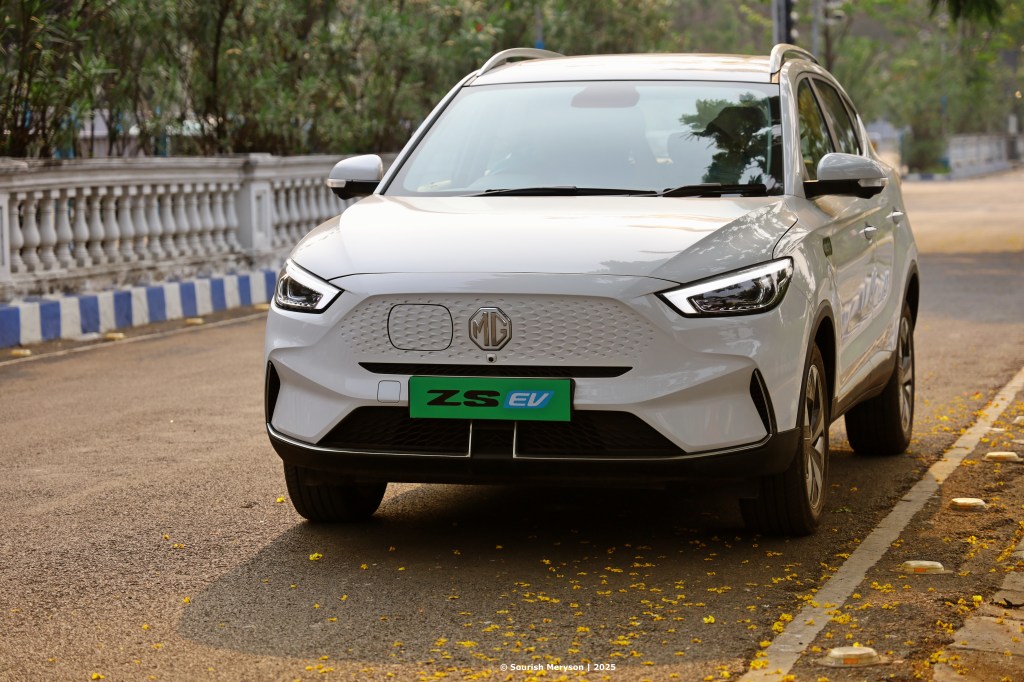
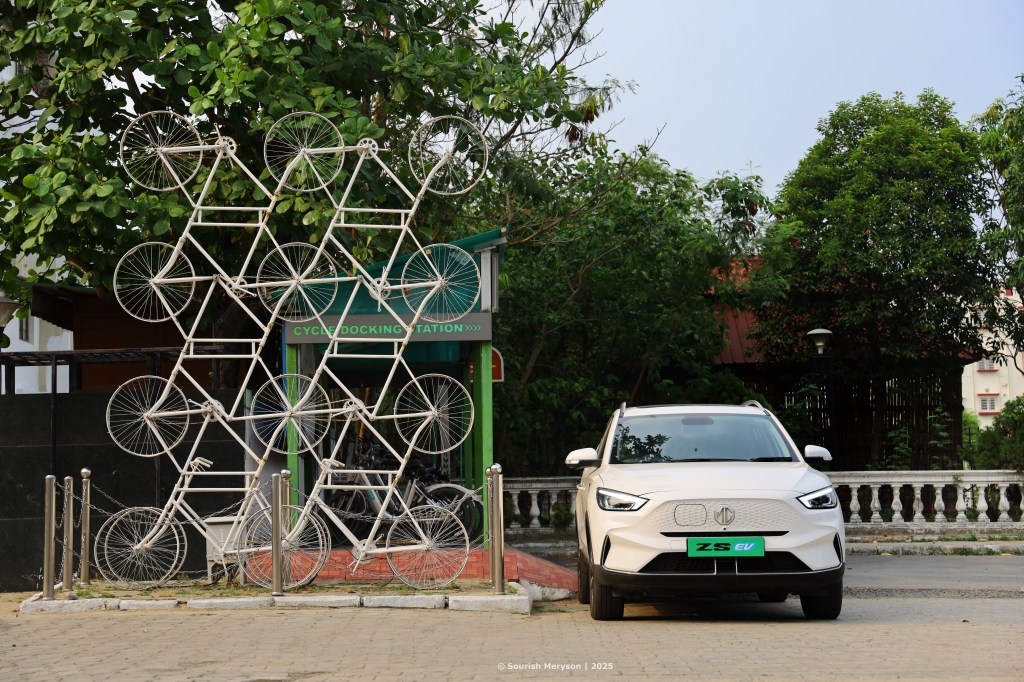
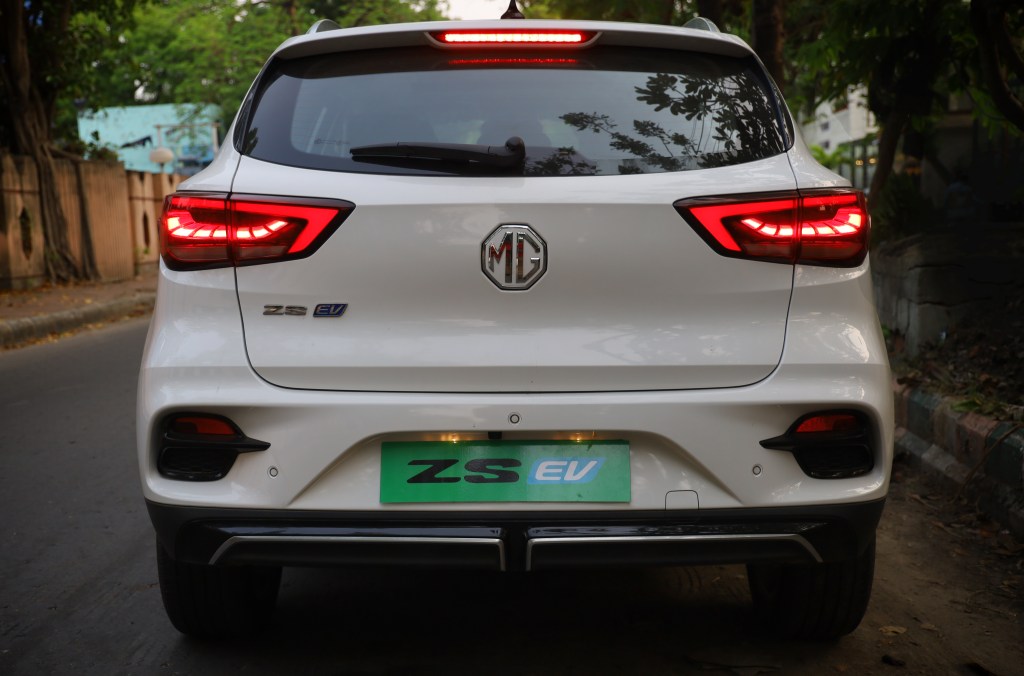
The new MG ZS EV still very much looks like the earlier ZS from every angle, but now features a closed-off grille at the front. The charging port that was earlier under the big MG logo has been shifted to the side and the new stylish bumpers are the most prominent revisions that catches the eye and offers the ZS EV a highly distinctive appearance on the road.
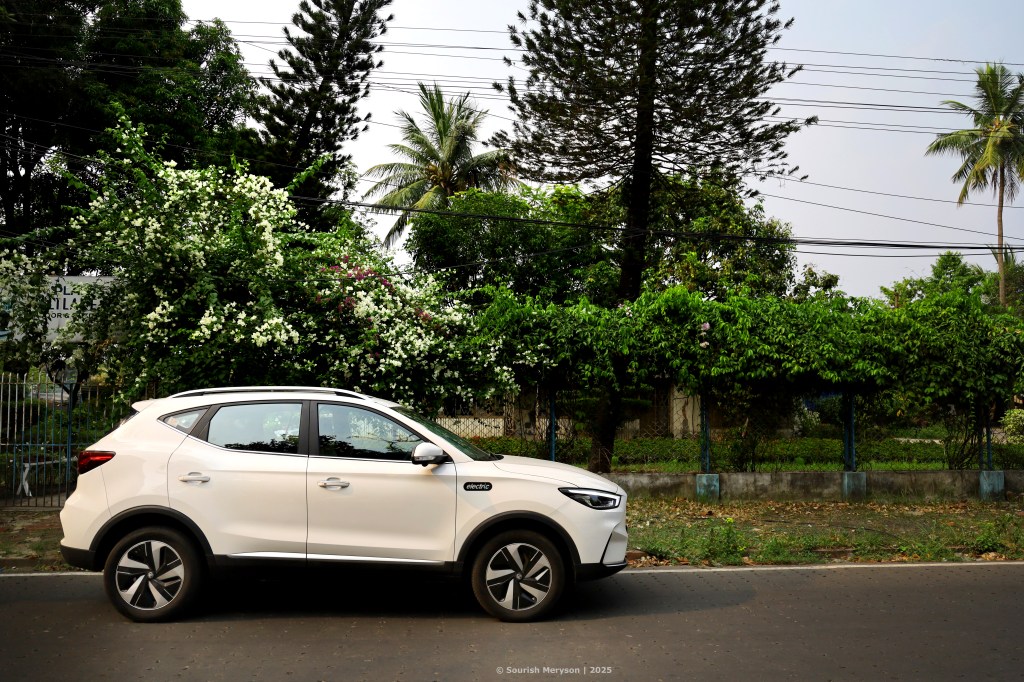
The dynamic lines and a unique style combined with the wide SUV stance gives the ZS EV its progressive look. The MG ZS EV also features full LED Hawkeye headlamps in addition to full LED tail lamps that accentuate its overall look.
The MG ZS EV also comes with 17-inch alloy wheels (43.18cm) with Tomahawk hub design adding to the bold look to the SUV. Overall, these tweaks in the external design and styling have added value to the MG ZS EV.
The MG ZS EV is available across four trim levels – Executive, Excite Pro, Exclusive Plus and Essence and comes in four attractive colour schemes which include Glaze Red, Aurora Silver, Starry Black and Candy White.
Interior & Comfort
Step inside the new MG ZS EV and you will be welcomed into a spacious and premium passenger cabin with plush interiors in dark grey interior theme or the new dual tone iconic ivory interior theme. The ZS EV is far roomier inside than many electric cars in this price bracket. Thanks to intelligent packaging, space up front is good, with plenty of head and leg room for the driver and passenger. Rear space too is excellent. There’s also more than enough head room for a six-footer despite the sky roof. The seats are well bolstered and comfortable resulting in a relaxing ride.
The interior boasts of superb build and quality, and an overall fit & finish that is worthy of a car in this price segment. The new MG ZS EV also features a panoramic sky roof that lets you enjoy the ride in the comfort of extra light and fresh air.
The MG ZS EV comes loaded with the largest-in-segment 25.7 cm HD touchscreen infotainment that gives you all the information at a single glance and allows you to manage complete vehicle settings with just a touch. The ZS EV features a full digital cluster with the largest-in-segment 17.78 cm embedded LCD screen that makes your drive more seamless.
The i-SMART technology combines hardware, software, services and applications to make your driving experience easier and smoother. The MG ZS EV offers 75+ connected car features, ushering in an era of convenient connected drives.
Performance and Handling
The MG ZS EV is powered by a 50.3 kWh battery with a permanent magnet synchronous motor mated to an automatic transmission. It produces 176.75 PS of maximum power and 280 Nm of peak torque delivering a company claimed range of up to 461 kilometres in a single charge. The estimated 7.4 kWH charge time from 0-100% ranges between 8.5 to 9 hours.
The MG ZS EV is excellent to drive within the city making is an ideal choice for the urban daily commute. The electric motor is quite responsive to throttle inputs with sufficient power in the tap for overtaking when necessary.
Despite its tall design, the body roll is well contained as the ZS EV stays well planted to the tarmac while navigating sharp turns at reasonable speeds. The suspension set up with MacPherson Strut in the front and Torsion Beam in the rear, is well tuned for Indian road conditions with the ZS EV absorbing undulations on the roads with relative ease resulting in a comfortable ride.
17 Autonomous Level-2 Features
Advanced Driver Assistance System or ADAS, like it’s popularly known now, is a group of safety and convenience functions intended to improve comfort and safety for drivers. The MG ZS EV is equipped with 17 ADAS features which work on three levels of sensitivity – low, medium and high and three levels of warning – haptic, audio and visual.
ADAS implements possible safeguards in the vehicle and automates driving controls. Autonomous Level-2 features not just makes driving more comfortable but also keeps your safety at the forefront. With level-2, the system can not only perform acceleration/ braking functions but can also activate steering control to assist the driving.
Safety
MG ZS EV comes with 6 airbags, which include dual front airbags, front-seat side-impact airbags, and side-curtain airbags that work together with the seatbelts. It also comes equipped with Electronic Stability Control, ABS + EBD + Brake Assist, Emergency Stop Signal (ESS), Hill Climb Assist, Hill Descent Control (HDC), Electric Parking Brake with Auto Hold, Tyre Pressure Monitoring System (TPMS) and Reverse Parking Camera as standard across all trim levels.
Verdict
The problem with electric SUVs is that, while they are economical to run, however, they can be rather expensive to buy in the first place. There is one notable exception, though – the MG ZS EV which has decimated this myth, despite its premium positioning. The MG ZS EV looks dynamic, is spacious, well-equipped and extremely well priced for what MG is offering in the car. Shortcomings if any, when pitted against rival electric SUVs, the MG ZS EV makes up for that with its competitive price tag, high levels of equipment, impressive electric range and great practicality. This is the car to add in your garage and a fantastic daily runner, especially within the city and occasionally during weekend escapades.





 Power Drive