Bridgestone India Aims To Reduce 150,000 Tons Of CO2 Emission In Next Two Decades

Bridgestone-logo

Bridgestone India’s two plants in India have opted for using solar power, arguably the cleanest energy available. The Pune Plant in Chakan has currently installed 1 MW of solar capacity and is in the process of setting up of another 4 MW of capacity which will commence operations by September 2019. The Indore plant in Kheda has 1 MW solar energy capacity that is being enhanced by another 1 MW capacity slated to be operational by the third quarter of 2019.

Parag Satpute, Managing Director, Bridgestone India, said “Usage of clean energy is key to Bridgestone’s sustainability goals. In sync with this, our adoption of solar energy reduces the dependence on conventional forms of energy leading to a reduction in the carbon footprint. 1 MW of solar capacity saves an estimated 1000 tonnes of CO2 emission per year. By this estimate the 7MW of solar capacity will save an estimated 150,000 tons of CO2 emission over two decades. For us in India, this is a step towards the company’s global long term commitment of achieving a 50% reduction of CO2 emissions by 2050 and beyond.”

While using solar energy is good for the environment, it also reflects positively in monetary terms. 1MW of solar power results in savings of nearly 59 million rupees worth of electricity expenses in 20 years.

Bridgestone Group has focused on the “Environment,” as one of the priority areas of its Group’s global CSR commitment ‘Our Way to Serve’ and has set a target of a 35 per cent reduction in CO2 emissions per net sales from operations and products’ after-use by 2020 (compared to 2005). Also, it has set a long-term environmental vision for the year 2050 and beyond, for realizing an environmentally sustainable society. The realization of CO2 reduction will be an important part of achieving this vision. As one of Bridgestone Group, Bridgestone India is committed to work for a healthy environment for present and future generations.

MG Motor India Commences Production Of Hector From Gujarat

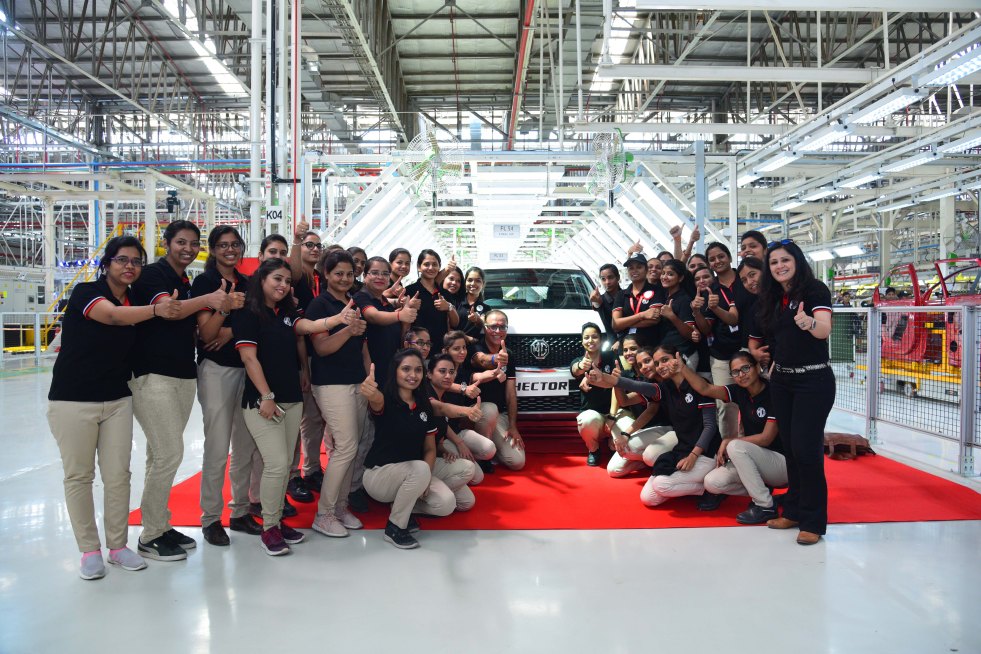
MG Motor India commences commercial production of Hector from Gujarat

MG (Morris Garages) Motor India today rolled out the first production version of Hector from its facility at Halol in Gujarat. Hector, MG’s first car in India, has gone into commercial production after one million kilometres of testing in diverse road and climatic conditions across India. With extensive localisation, more than 300+ India specific changes have been carried out in the MG Hector to suit the customer preferences and road conditions.

MG Motor India will begin shipments of the Hector SUV within the next few weeks to its widespread network of 65 showrooms across 50 cities. The Hector SUV will make its global debut on 15 May and pre-orders will begin in the month of June.

“We are proud to be rolling out the first made in India, feature-rich internet car, the MG Hector, from our all-new assembly line in Gujarat. Adopting the highest quality global manufacturing standards, the Hector has been specially customized to suit Indian customer preferences and road conditions. The MG Hector is poised to become a new benchmark in SUVs,” said Rajeev Chaba, President & Managing Director, MG Motor India.

MG India has so far invested Rs 2,200 crores in its Gujarat manufacturing plant to roll out the MG Hector. The company has set up new assembly line, new press shop, new body shop, new parts distribution centre, testing track and a training facility in the plant, within a short span of 18 months. MG’s Halol plant currently has a production capacity of 80,000 units per annum and has the provision to increase the capacity going forward depending upon the requirement.

Rolls-Royce Turns 115

P90347323-highRes

On 4 May 1904, Charles Rolls and Henry Royce met for the first time at The Midland Hotel, Manchester; an encounter that would change the course of automotive history. Exactly 115 years later, the marque they agreed to form that day continues to set global standards for innovation and excellence, and uphold their legacy as the originators of ‘the best car in the world’.

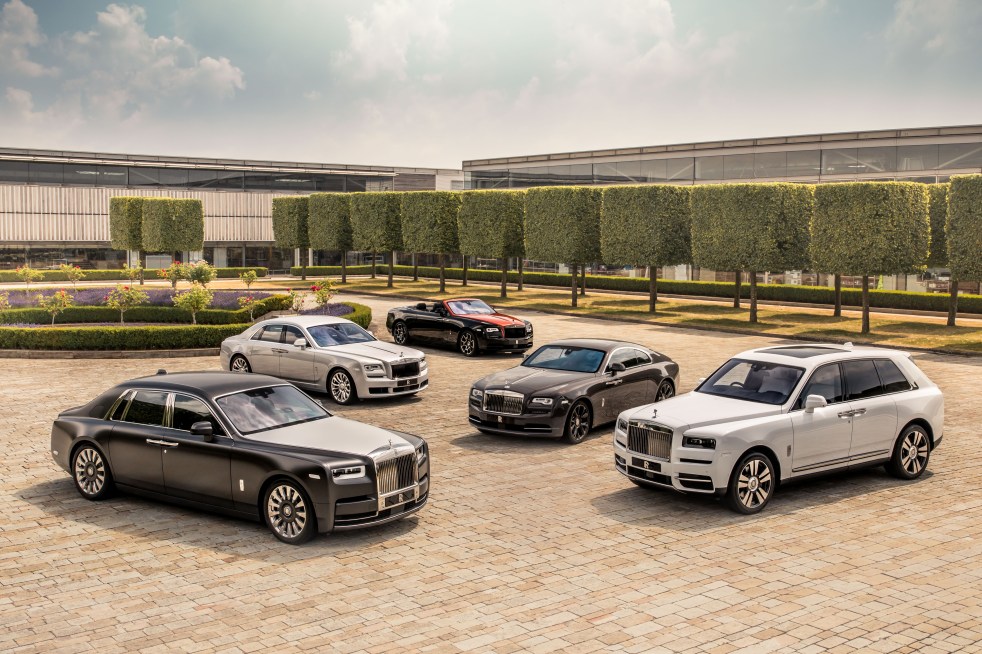
Rolls and Royce would doubtless be astonished at the cars produced under their names in 2019. The century (and more) that has elapsed since their first 10hp machine made its debut at the Paris Salon has seen materials, technology and manufacturing methods utterly transformed. Yet in several key areas, Rolls-Royce Motor Cars retains unbroken links to those pioneering days; and in its approach, instincts and values, it would be immediately – and pleasingly – recognisable to its founding fathers.
P90314087-highRes

A Return to Coachbuilding

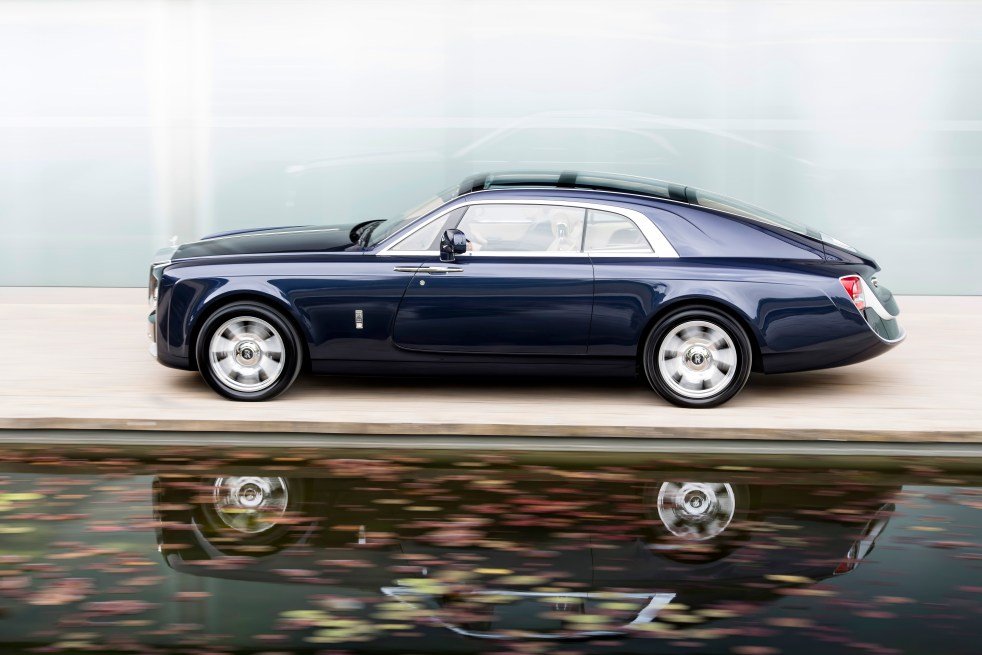
The lines and styling of the first Rolls-Royce cars are clearly influenced by the horse-drawn carriages they replaced. This is no coincidence, since they were handcrafted by the same master coachbuilders, who effortlessly transferred their skills and artistry from the outgoing tradition to the new technology. Coachbuilding at Rolls-Royce ended in the 1960s, but in 2017, the craft made a triumphant return in the form of ‘Sweptail’ – a fully bespoke, coachbuilt commission for a customer seeking ‘the ultimate grand tourer’.

‘Sweptail’ is a truly unique creation, with a never-to-be-repeated silhouette and individual interior touches, including a champagne cooler specifically proportioned to hold only a bottle of Dom Perignon ’73. Nevertheless, with its Pantheon grille and rear overhang, it remains absolutely true to the Rolls-Royce brand and design language.

The Architecture of Luxury

Henry Royce began his automotive career by building an improved version of the 10hp two-cylinder French Decauville – the first car he bought when his eponymous electrical company became successful. When Rolls saw and drove Royce’s machine, he knew he had found a British car that could outshine the continental competition and agreed to sell all the cars Royce could build. In its first two years, Rolls-Royce produced a mere 10 cars: in 2018, it delivered 4,107 – the highest annual total in its history – to customers in over 50 countries.

To satisfy global demand for its products, the company has developed a common platform that underpins all new models. Known as The Architecture of Luxury, it comprises an aluminium spaceframe that can be scaled to fit different applications by using different-sized floor pans and cross members: new production processes ensure stiffness and integrity, as well as delivering the company’s signature Magic Carpet Ride.
Rolls-Royce Torpedo

Photo: James Lipman / jameslipman.com

Black Badge

Black Badge is Rolls-Royce’s response to a small and select group of clients who have asked the marque for motor cars with specific, focused characteristics that reflect their different take on life, success and the luxury they consume. These people choose to define themselves differently from their wider social group; a subset within a subset.

For over a century such individuals, possessed of a dark and restless spirit, have been drawn to Rolls-Royce’s unique allure. Luminaries including Sir Malcolm Campbell, Howard Hughes and Muhammad Ali have all shared the marque’s founding philosophy; an uncompromising refusal to accept the status quo and a constant yearn to innovate, create and advance.

Their restless spirit was also shared by the marque’s co-founder; himself one of the great disrupters of his day. The Honourable C.S. Rolls was a man in a hurry. Not satisfied with fundamentally altering the road-car landscape, he sought more and pursued his appetite for advancement and adventure in the air; a passion that would ultimately lead to his untimely demise aged just 33.

It is this indomitable spirit that, since the launch of Black Badge, has captivated so many of today’s young owners, who are drawn to Rolls-Royce in the knowledge that no other luxury house is possessed of the vision and flexibility to meet their demands both in design and engineering terms. Indeed, Black Badge serves to amplify the inherent characteristics that have driven so many new, younger patrons of luxury to the marque.

In conceiving Black Badge versions of Wraith, Ghost and Dawn, the marque’s Bespoke designers and engineers drew upon their instinctive understanding of the unique lives of these extraordinary men and women to create both design and engineering treatments that perfectly amplify the inherent values of these great Rolls-Royces.

Black Badge models are the ‘alter egos’ of the standard models: darker, edgier, with more power and torque and enhanced driving dynamics to open up the Rolls-Royce brand to new audiences.

Styling details include a dark-chrome Spirit of Ecstasy, wheels and carbon-fibre interior components, plus the ‘inverted’ black-on-silver ‘RR’ logo: as with every other Rolls-Royce, however, customers can add whatever Bespoke elements they wish, so even a Black Badge car can be any colour you desire.
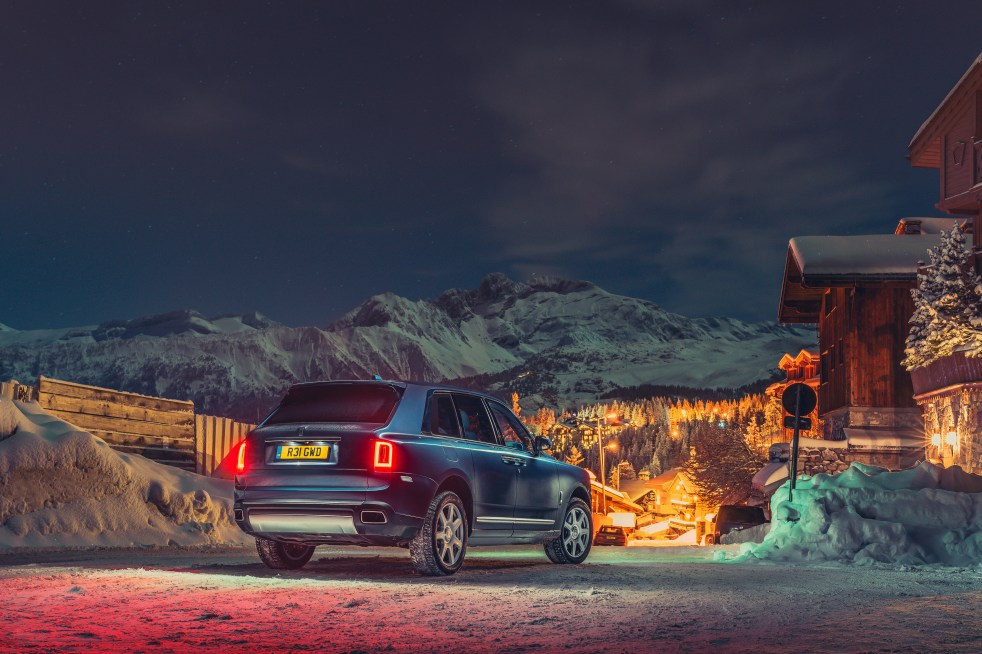
P90335038-highRes

Effortless, everywhere

In July 1917, a British diplomat, Hugh Lloyd-Thomas, was dining in a Cairo club with his wife, Aileen, when a man in flowing robes swept in and demanded: “Whose Rolls-Royce is this outside?” When Aileen said it was hers, the man announced that he was commandeering it “in the name of His Majesty’s armed forces” and drove away. He was, of course, T. E. Lawrence, more familiar to millions as Lawrence of Arabia; both he and the car would be immortalised in one of the most famous photographs of the First World War.

A century after Lawrence’s exploits, Rolls-Royce once again produced a car capable of conquering the most hostile environments on Earth. The Cullinan super-luxury SUV caused an international sensation on its launch in 2018, and set the new global standard in luxury off-road motoring. Cullinan was engineered from scratch to enable customers to go anywhere, see anything and do everything they desire with total confidence, while cocooned in the comfort and splendour embodied in the Rolls-Royce name. To prove its all-terrain credentials, the car completed a 12,000-mile odyssey through some of the world’s most challenging terrain, in partnership with National Geographic. As well as the Scottish Highlands, the Austrian Alps and the American West, Cullinan’s itinerary included the arid wastes of the Middle East, where it effortlessly confirmed Lawrence’s assertion that ‘a Rolls in the desert is above rubies.’

“We are deeply conscious of our heritage: it is a tremendous privilege to be continuing and building on work that began 115 years ago,” says Torsten Muller-Otvos, Chief Executive, Rolls‑Royce Motor Cars. “But we also understand that our founders were visionaries, always looking to do things in new and different ways. It’s that spirit of excellence and innovation that Rolls-Royce Motor Cars embodies and celebrates today.”

New Land Rover Defender Reaches 1.2 Million Kilometre Test And Development Milestone

1716976_LR_Defender_WLRD_30.04.19_04

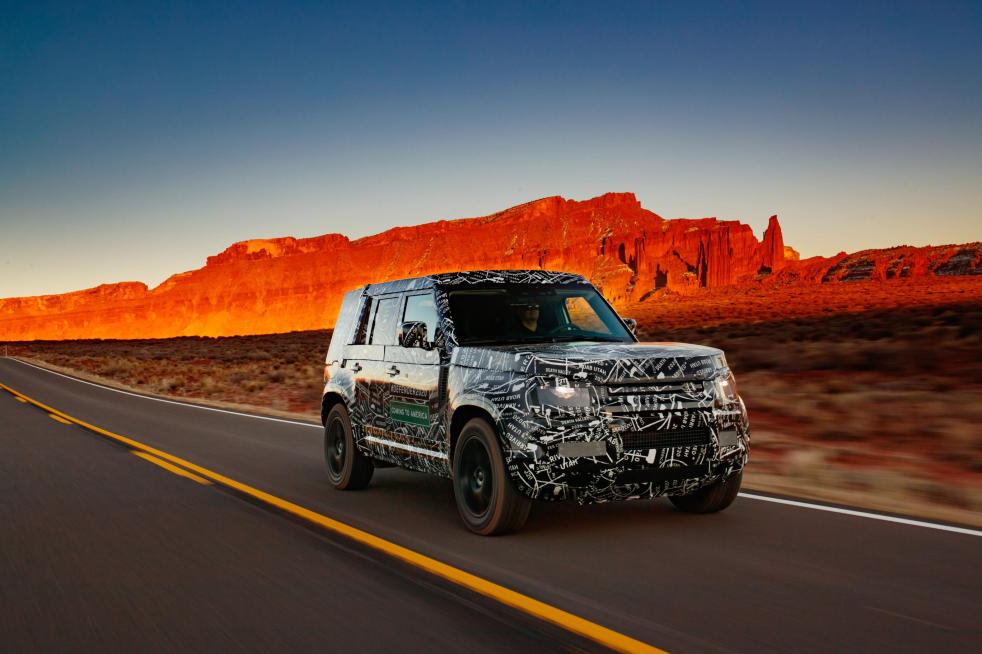
To celebrate World Land Rover Day, Land Rover has announced plans for the new Defender to complete a final phase of field testing with the Tusk Trust, on location in Kenya.

A Defender prototype wearing a unique camouflage will experience life at the Borana Conservancy as part of Land Rover’s 15-year partnership with Tusk Trust.

The prototype will tow heavy loads, wade through rivers and carry supplies across unforgiving terrain in a series of real-world trials at the 14,000-hectare reserve.

By the time the new Defender makes its public debut later this year, it will have passed more than 45,000 individual tests in some of the most extreme environments on earth. Land Rover engineers have taken the test fleet to the 50-degree heat of the desert, the sub 40-degree cold of the Arctic, as well as up to 10,000ft altitude of the Rocky Mountains in Colorado to ensure the new Defender will take everyday life in its stride, for even its most adventurous customers.

Nick Rogers, Executive Director Product Engineering, Jaguar Land Rover, said: “In addition to the extensive simulation and rig testing, we’ve driven new Defender 1.2 million kilometres across all terrains and in extreme climates to ensure that it is the toughest and most capable Land Rover ever made. The incredible opportunity to put it to the test in the field, supporting operations at the Borana Conservancy in Kenya, with Tusk, will allow our engineers to verify that we are meeting this target as we enter the final phase of our development programme.”

With on-road dynamics honed at the Nurburgring facility in Germany and all-terrain credentials tested on the muddy roads of Eastnor, UK, the rocky trails of Moab in Utah, and the sand dunes of Dubai, the new 4×4 promises to bring unparalleled breadth of capability and new levels of comfort and driveability to the Defender family.

The new Defender has been designed and developed in the UK, at Gaydon, home to Land Rover’s world-class design, engineering and testing facilities. The new home of global Defender production will be Land Rover’s recently opened state-of-the-art manufacturing facility in Nitra, Slovakia.

Land Rover has been an official partner of the Tusk Trust wildlife conservation charity for 15 years, helping to reach some of the world’s most remote locations. News of the testing initiative has been announced to mark World Land Rover Day, which is celebrated on 30 April every year to mark the world premiere of the original Land Rover at the Amsterdam Motor Show on this day in 1948.

Ford Freestyle Diesel Review

IMG_5657

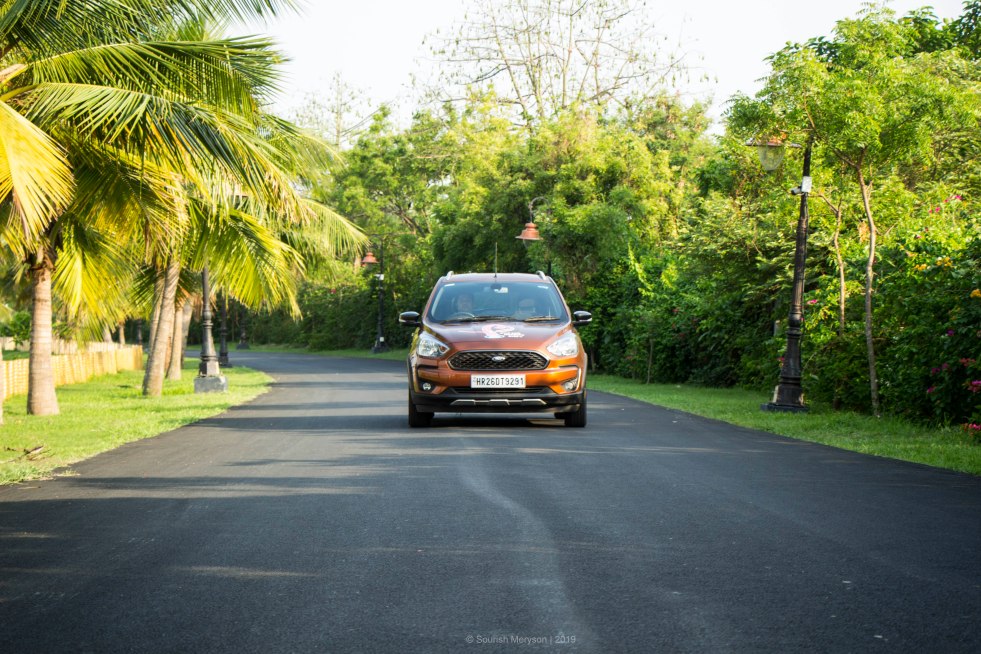
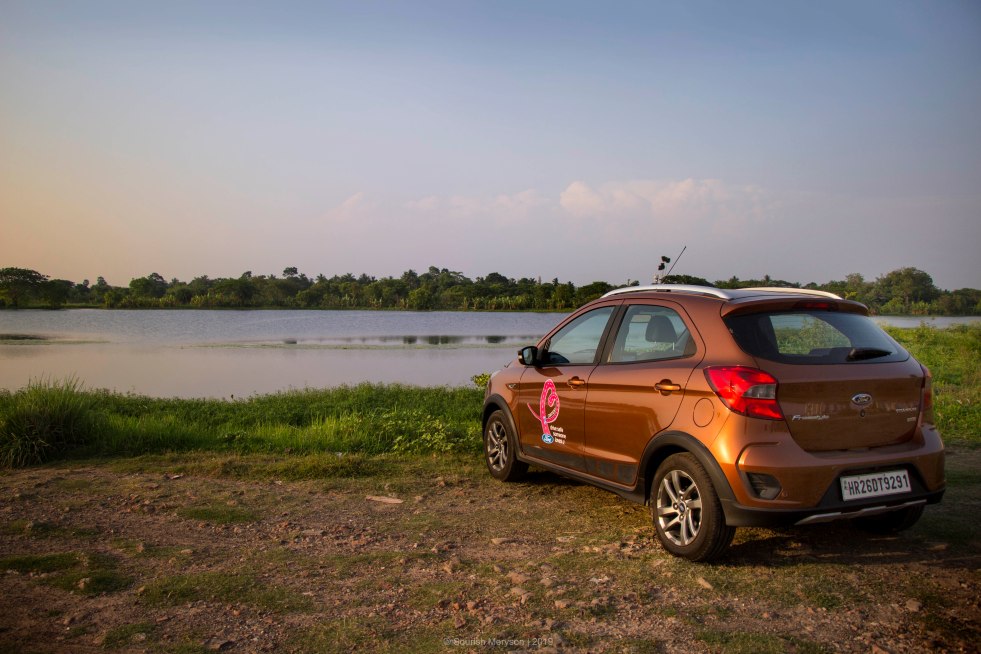
It has almost been a year since Ford has introduced the Freestyle in India. This global product from Ford combines SUV-like design ques, peppy drive and innovative technologies to target the young brigade who aspire to own a SUV-like vehicle in a compact size and a pocket friendly price.

The Freestyle is being produced at Ford India’s Sanand factory in Gujarat, for consumers in India and all around the world, including parts of Europe and Africa. India was the first market where the Ford Freestyle went on sale. On a sultry summer afternoon, we got behind the wheel of the Ford Freestyle Diesel and took it for a spin around the City of Joy. Read on to discover how she fared.

IMG_5652

Design and Engineering

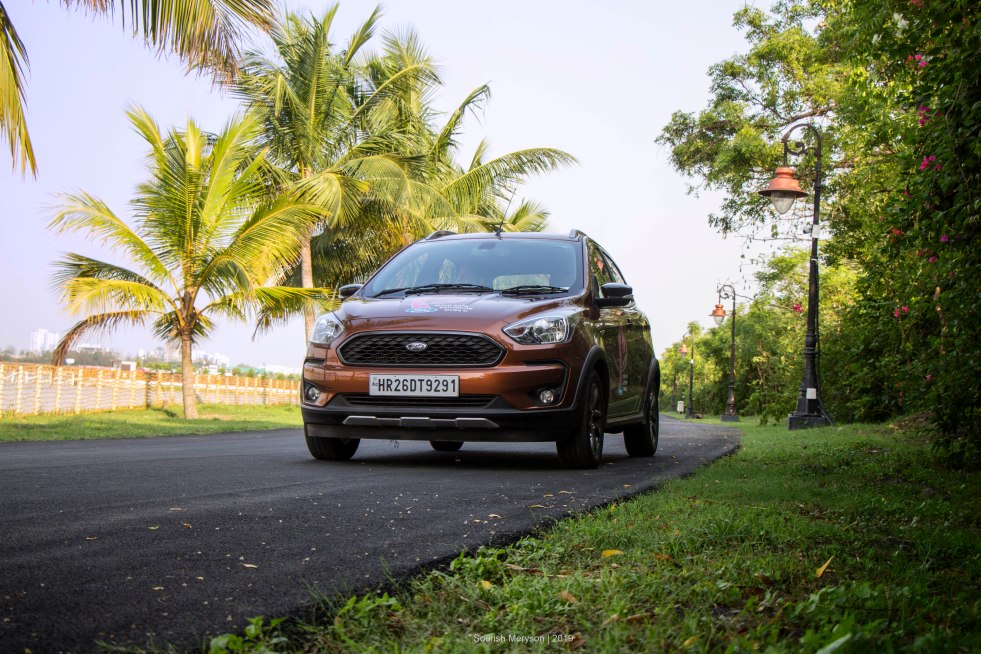
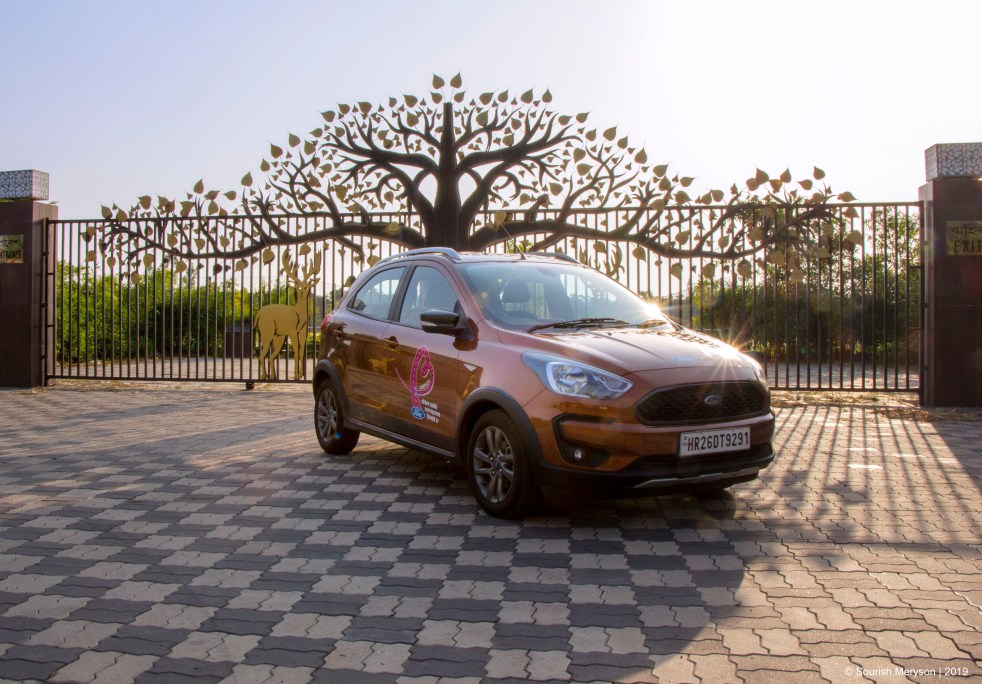
The Freestyle uses design elements common to SUVs, albeit in a more compact dimension. The Freestyle grille with three-dimensional mesh gives this car a sportier look. The front bumper has sculpted sections – that add to its SUV-like look and rigidity. While the skid plates on the front and rear, makes the car every bit the off-roader that it claims to be.

Alloy_wheels_1250x630

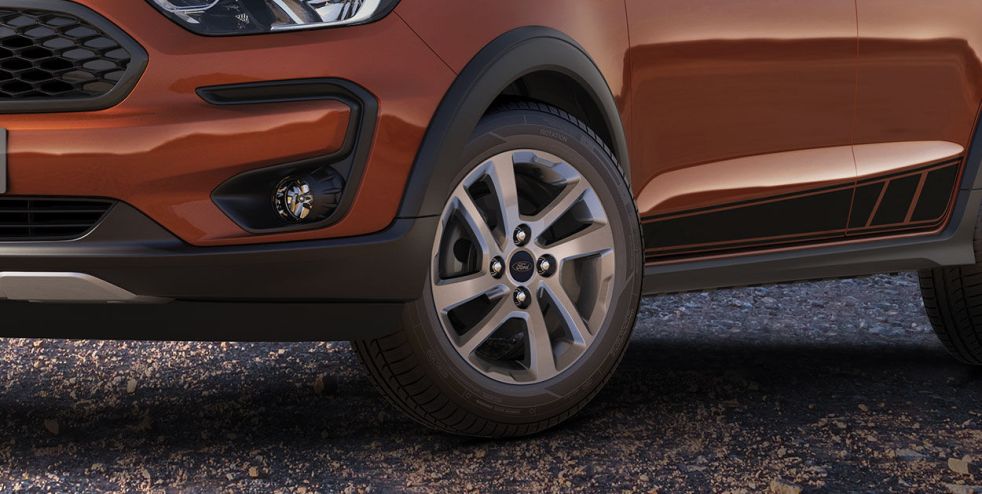
With the 190 mm ground clearance, the Freestyle smoothly sailed over all the speed-bumps and undulations on Kolkata roads without the fear of causing any damage to the under-carriage. The 15-inch tyres with stylish alloys wheels add to the masculine look of this cross-hatch.

The Freestyle will be available in six colours, including a new White Gold, Canyon Ridge, Moondust Silver, Oxford White, Smoke Grey and Absolute Black.

Sienna-Themed-Style

Interior and Comfort

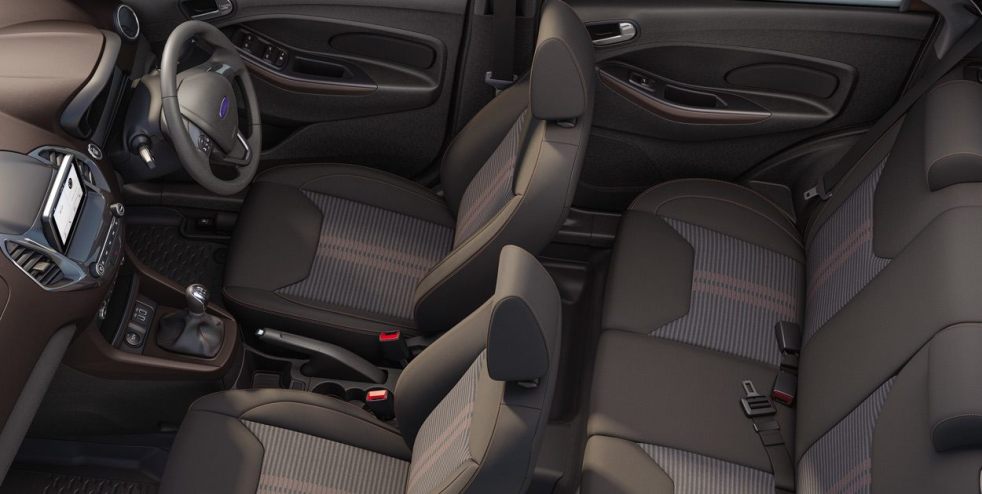
Step inside, and the Ford Freestyle will welcome you with its dual tone interiors that looks elegant. The seats are well cushioned and provide good lumbar support. The passenger compartment is spacious with adequate leg room for both front and rear passengers. Like all Fords, the Freestyle has several storage compartments, more than 20 of them, to tuck away everything that you may need on your trips – from water bottles and munchies to your umbrellas and change to pay the toll – there is space for everything.

Sync

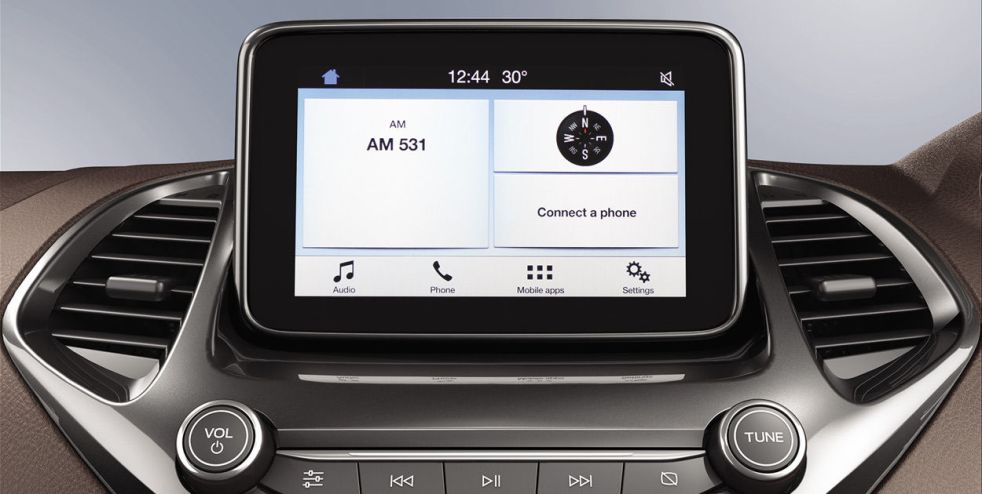
The Ford Freestyle also features Ford’s in-car infotainment system, SYNC 3 with a 6.5-inch touchscreen which allows drivers to control their entertainment and their connected smartphone with conversational voice commands. SYNC 3 system is also Apple CarPlay and Android Auto compatible.

Push-Button-Start

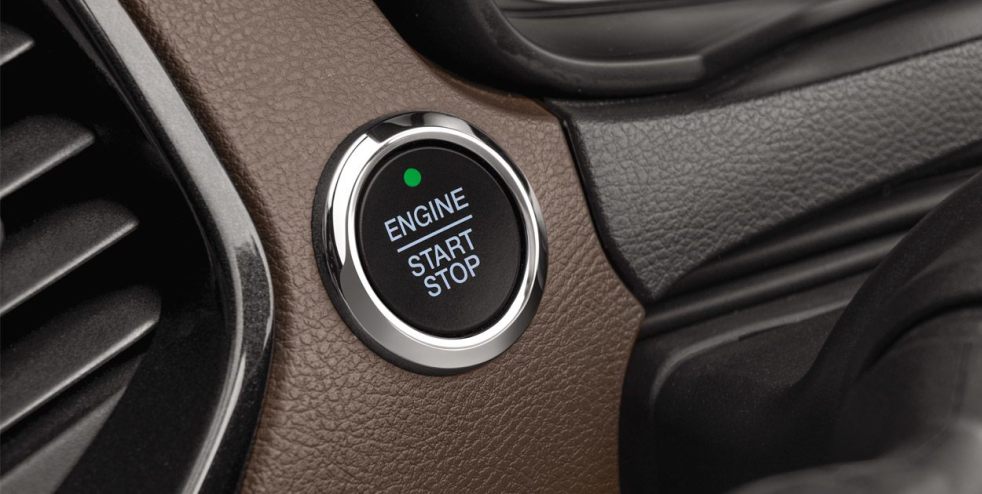
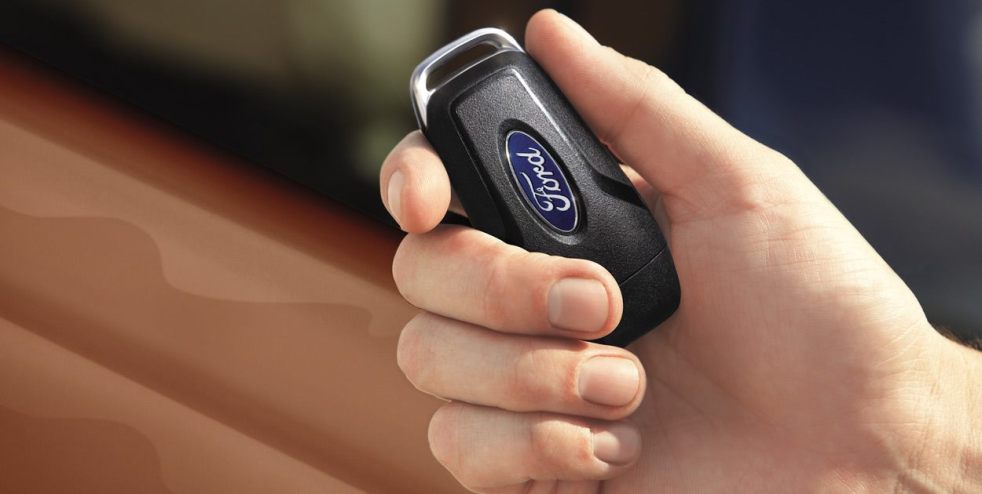
The Ford Freestyle comes with a host of convenience features including, a reverse parking camera, keyless entry and a push start / stop. The automatic climate control on the Freestyle is a chiller and capable of bringing cabin temperature down from upwards of 35-degrees to a comfortable 20-degrees, in less than 15-minutes, something that we have experienced in the sweltering April heat in Kolkata.

IMG_5675

Performance and Handling

The Freestyle Diesel that we tested was powered by Ford’s tried and tested 1.5L TDCi diesel powertrain that generates 100 PS of peak power and 215 Nm of torque. The diesel engine is quite powerful and pulls well from about 1000 rpm displaying negligible lag. The engine is very responsive and reacts well to throttle inputs. It strikes the right balance between handling and ride quality making it a pleasure to drive. Even at high speeds and while navigating quick corners, the Freestyle remains firmly grounded with very little body roll. Braking is prompt and confidence inspiring.  The suspension set up is well tuned for Indian road conditions and absorbs most undulation with relative ease.

IMG_5677

Customers also have a choice to opt for Ford’s all-new, three-cylinder 1.2L TiVCT petrol engine that is small, light, and aims to combine performance with fuel efficiency. The naturally aspirated engine generates 96 PS of peak power and 120 Nm of torque to deliver a spirited drive and is sure to appeal to the young and the young-at-heart.

Both engines will be paired with an all-new, five-speed manual transmission that is slicker and more responsive. Ford claims that this new manual transmission is almost 15 per cent lighter and helps improve fuel economy while reducing NVH. According to the company, the new transmission requires 40 per cent lesser gear oil than its predecessor too.

Ford-MyKey

Safety 

Ford has been championing the cause of safety in their vehicle for some time now and has introduced the Active Rollover Prevention (ARP) with the Freestyle. The system works with Electronic Stability Control and applies brakes on relevant wheels to decrease engine torque and help prevent any potential rollover situations.

The Freestyle also comes equipped with other safety features like TCS, ABS with EBD, hill launch assist and EPAS among others. In addition to this the Freestyle also comes with standard dual airbags across the variant line-up. For those looking for greater safety, Freestyle offers up to six airbags on top Titanium+ trim.


IMG_5667

Verdict

Over the years, the image of brand Ford has evolved in the Indian market. There is a sense of reliability and peace of ownership that Ford India has been able to successfully instill in the minds of the Indian consumer. Unlike yesteryear, when a first-time car buyer would inevitably opt for either a Maruti Suzuki or Hyundai, today a large number of them are opting for a Ford. The EcoSport is a great success story and a leading flag-bearer for Ford in India. So today, any new product offering from Ford is awaited with great enthusiasm in the Indian market.

The all-new Freestyle has been positioned to appeal to the consumers who aspire to own a compact-SUV at the price of a premium hatch. Its boasts of good ride quality and handling. It comes equipped with technology that help you stay connected. Ford has been championing the cause of safety for many years and ensure that every product that they put on the road are safe to drive. The Freestyle is no different with a host of safety features and some of them first-in-segment. Overall, it is a great product which combines style, practicality, comfort, performance and safety. Ford also offers a reasonably solid service back-up and low cost of ownership (lower than Maruti Suzuki and Hyundai) which would further augment Freestyle’s bid to consolidate its position in the segment.

Hyundai Venue Unveiled In India

Image_Exterior-1

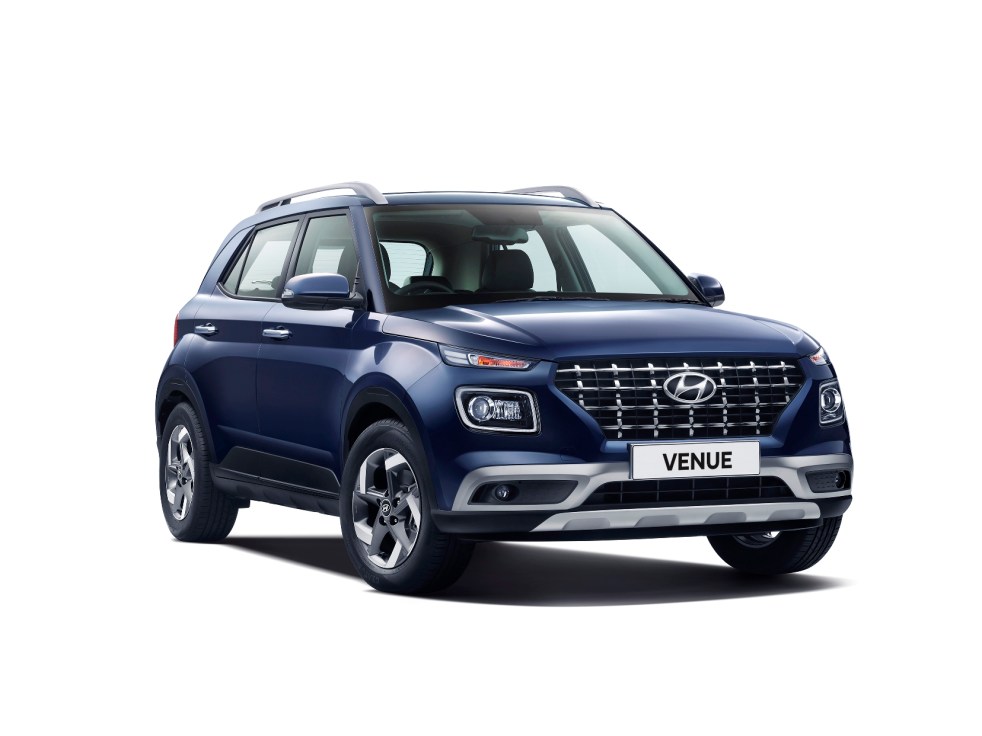
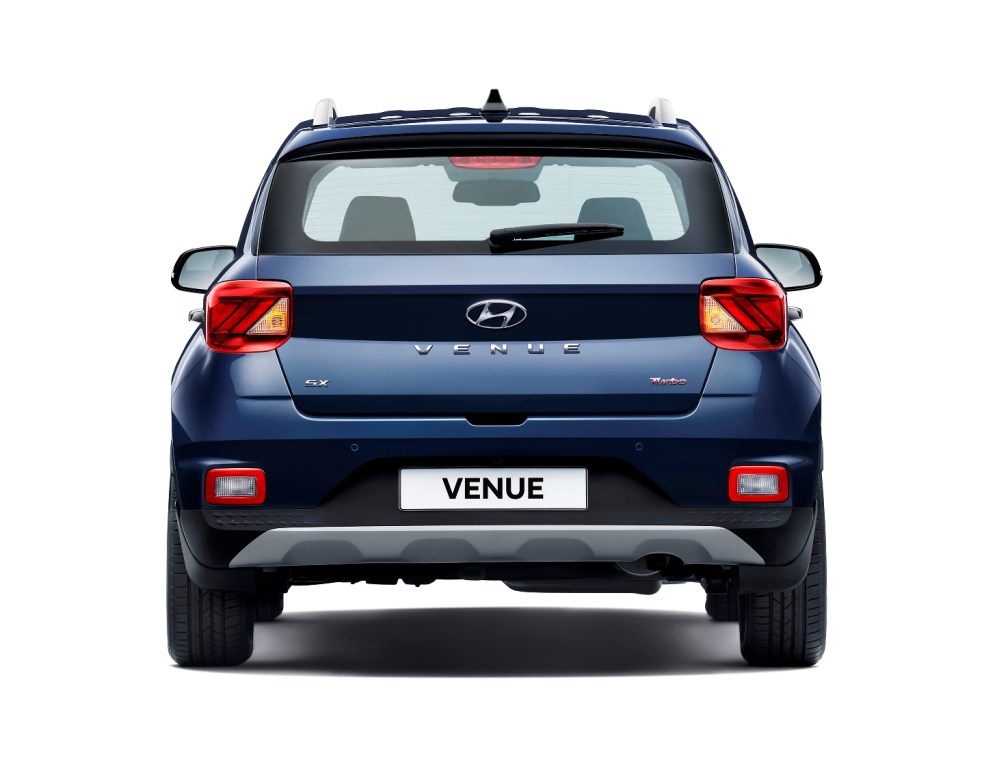
Hyundai Motor India Ltd. recently unveiled the Hyundai Venue alongside the global preview at the 2019 New York International Auto Show. 

Speaking at the unveiling of Hyundai Venue, S S Kim, MD & CEO, Hyundai Motor India Ltd. said, “Today we are glad to unveil the Hyundai VENUE – India’s First Connected SUV at the most unique Venue. Hyundai Motor India is committed to lead the Indian Auto Industry by introducing world-class product. Hyundai VENUE will create quality time for customers making their life a Happy Life. Being India’s First Connected SUV not only makes Hyundai VENUE a New Benchmark in the segment but also demonstrates Hyundai’s unwavering emphasis on offering the highest quality and feature-rich products to the customers.”

“We believe the Hyundai VENUE will enable ease of life and empower the customers to have a safer, connected and more versatile car ownership experience. The advanced and intelligent Hyundai Blue Link will offer the customers control of their vehicle even when they are away from it.”

Image_Exterior-2

According to the Korean car maker, the Hyundai Venue has been developed and designed to meet the needs of Indian youth who seek future technology, space, comfort, safety and ergonomics with contemporary style.

The design of the new Venue exhibits confident body forms, delivering a new interpretation of Hyundai’s signature design language. The vehicle side profile showcases a solid and full volume wheel arch and strong character line, while the front bold mesh pattern grille includes the new Hyundai signature face. This unique character line continues through the tail lamps.

In-line with Hyundai’s promise of performance and innovation in mobility, Venue will have several firsts to its credit. It will be the first Hyundai India model to offer in-house developed 7-speed DCT technology in addition to the tried and tested 6-speed manual transmission and 5-speed manual transmission. The Kappa 1.0-litre Turbo (T) GDI petrol engine will also debut with the Hyundai Venue along with the choice of 1.2-litre Kappa petrol and 1.4-litre diesel engine.

The Kappa 1.0-litre T-GDI engine is developed by Hyundai Motor Group’s R&D division will open new era of next generation engines – it aims to combine performance and fuel efficiency. The 1.0-litre Kappa T-GDI has a compact lay out by integrating the exhaust manifold to cylinder head thus improving the fuel efficiency at higher rpm ranges.

Developed by Hyundai’s R&D Transmission team, the 7 Speed Dual Clutch Transmission (DCT) is highly efficient and has least torque transfer interruption while shifting gears. The company claims that the transmission has been subjected to rigorous durability tests for ensuring high gear strength and better clutch friction materials to offer credible performance at high speeds, off-road, hill-sides and harsh climatic conditions.

Image_Interior

Engine & Transmission (ARAI Certification Awaited)

Engine Maximum Power (PS) Maximum Torque (Nm) Transmission
1.0 L

(Kappa T- GDI Petrol Engine)

120 172  

7 DCT & MT

1.2 L Petrol 83 115 5 MT
1.4 L Diesel 90 220 6 MT

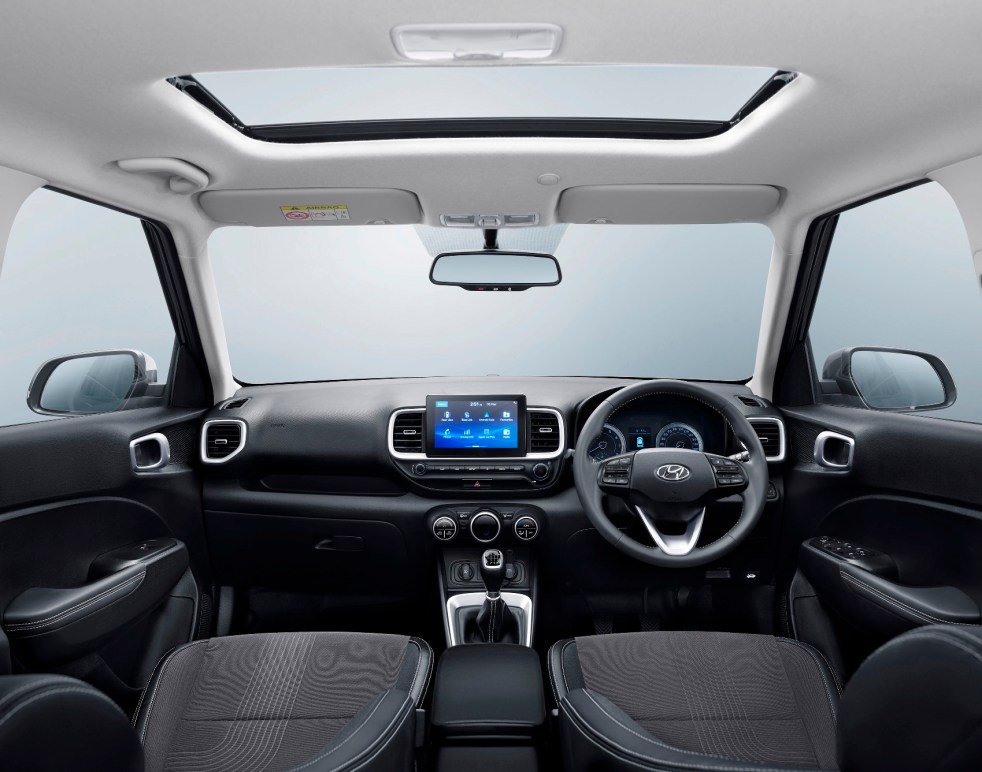
Hyundai Venue has a spacious interior and comes with a host of comfort and convenience features including Electric Sunroof, Wireless Phone Charging, Air Purifier, Cruise Control to name a few.

Hyundai has positioned the Venue as India’s first Smart Connected SUV with an advanced connectivity solution- ‘Hyundai Blue Link’ which has an in-built and tamper-proof device powered by Vodafone-Idea eSIM and a cloud-based voice recognition platform from Global Artificial Intelligence Company. The Hyundai Blue Link is Hyundai’s global technology which is introduced in the Indian market with 33 features out of which 10 are India specific features for most practical and holistic connectivity. The Blue Link services will be complimentary for first 3 years and post which customers can further renew the services.


Skoda Auto India Introduces ‘EasyBuy’

Skoda-Superb-Corporate-2019

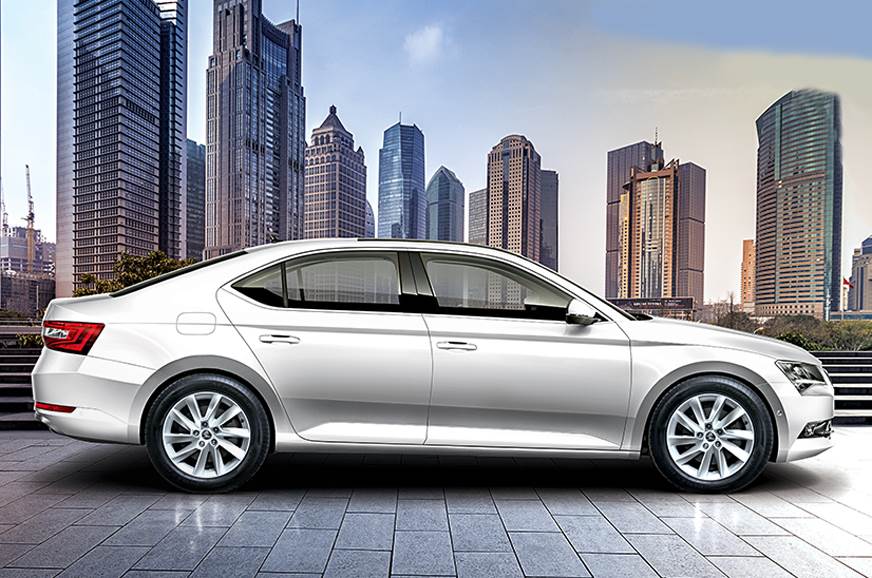
Broadening the spectrum of premium mobility in India, with affordable and accessible solutions, Skoda Auto India announces ‘EasyBuy’, an assured buyback program across the Superb model range. This program has been made available exclusively through Skoda Financial Services. The ‘EasyBuy’ program will empower the customer to buy a brand new Skoda Superb at an EMI of a car in lower segment.

Skoda ‘EasyBuy’ program offers an assured introductory buyback value of 57 per cent for a new Skoda Superb at the end of the three year contract term. At the end of the term, the customer can choose to return the vehicle to the dealer with no further liability subject to the vehicle meets fair wear and tear guidelines along with the kilometre allowance.

The program will also allow customers to retain the ownership of the Superb by paying off the outstanding amount. Consequently, through this program, the customer can choose to re-finance the Superb for another contractual term. ‘EasyBuy’ has a facility to trade in the existing vehicle and use the assured buyback value as equity to purchase an all new Skoda.

Zac Hollis, Director – Sales, Service, and Marketing, Skoda Auto India Pvt Ltd.“ŠKODA has built its brand on clever offerings and a strong value proposition. In addition to offering a premium product, the ‘EasyBuy’ program is a unique initiative that further emphasizes the brands effort to understand customer needs while providing them with a hassle free ownership experience.”

Aashish Deshpande – MD & CEO, Volkswagen Finance Pvt Ltd. “With our unique financing solutions coupled with the finesse of ŠKODA Cars, the launch of ‘EasyBuy’ is another step towards offering a one stop solution. One which is tailored to the financial and aspirational requirements of the customers. We are confident that this product will act as a true enabler for customer convenience.”

SKODA ‘EASYBUY’ PRICE COMPARISON:

  Classic Credit ŠKODA ‘EASYBUY’
Ex-Showroom Price INR 23,99,000* INR 23,99,000*
Finance Amount Availed INR 23,99,000* INR 23,99,000*
Tenure 3 Years / 36 Months 3 Years / 36 Months
EMI INR 77,353* INR 48,663*
Assured Buyback/Future Value N.A. INR 13,67,430*

First ‘DBS 59’ Showcases Racing Heritage

1712108_Aston Martin Lagonda_DBS 59 Edition-133

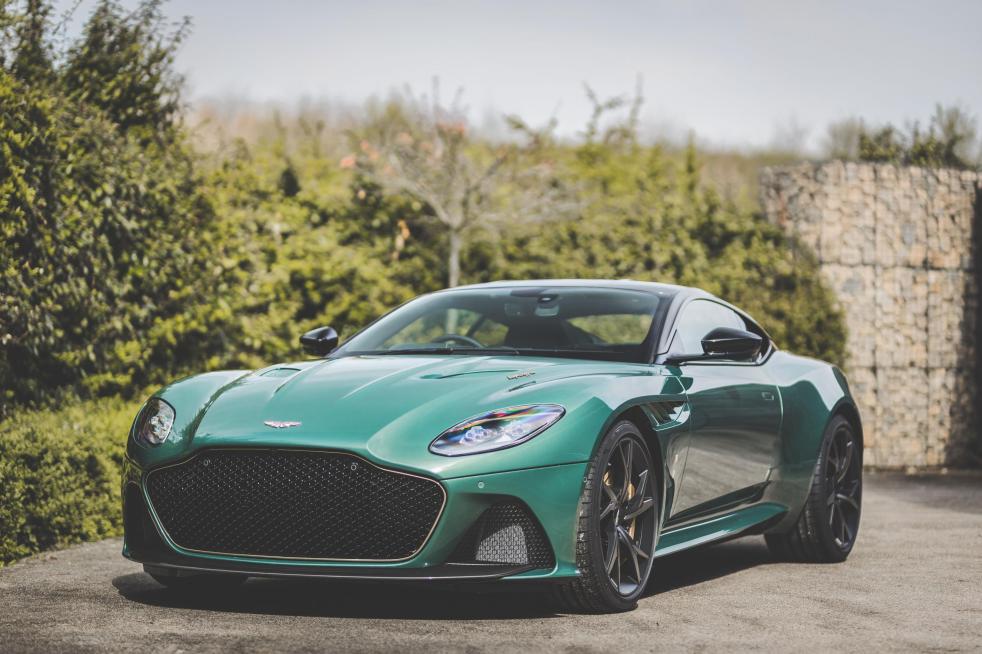
Built to celebrate one of the most illustrious moments in Aston Martin’s motorsport history, ‘DBS 59’ is a limited run of 24 special edition DBS Superleggeras, the first of which has just been built at the company’s global manufacturing headquarters, Gaydon.

‘DBS 59’ was a special commission through ‘Q by Aston Martin’, the luxury brand’s unique personalisation service that allows for the creation of iconic sports cars through close collaboration with the Aston Martin design team. Commissioned by Aston Martin Cambridge, the project honours Aston Martin’s historic 1-2 finish in the DBR1 at the 24 Hours of Le Mans. Each car represents one hour of this iconic victory in Aston Martin’s history, in which Roy Salvadori and Caroll Shelby took the chequered flag ahead of the sister car piloted by Maurice Trintignant and Paul Frére.

‘DBS 59’ honours the DBR1 through specially engineered styling cues, showcasing the expertise of ‘Q by Aston Martin’. Following a careful study of the DBR1’s own paint exterior, Aston Martin Racing Green was the outwear chosen for ‘DBS 59’. Gloss finish carbon fibre on the roof panel and strakes add a striking juxtaposition against the lustrous green.

Bronze details such as the ‘Superleggera’ bonnet badging, bespoke front grille, brake callipers and 21” forged Y spoke satin duotone wheels nod to the bronze switches and dials on the Le Mans winner. Further exterior details, such as the individually numbered roundel painted on the fender, and the bespoke tyre wall arrow decal, breathe the spirit of racing into the already impressive performance of the DBS Superleggera.

On the Aeroblade of ‘DBS 59’, ‘Q by Aston Martin’ has added a foil inlay – also in bronze – that outlines the original shape, chassis number and engine number of the DBR1 that won Le Mans in 1959.

For the design of the interior space, ‘Q by Aston Martin’ analysed the original seat material used on the DBR1 and recreated that same weave with each seat back and door insert trimmed in heritage style material. Bronze details continue in the hand-crafted interior space with unique bronze shift paddles and a bespoke ‘59 Edition’ logo embroidered on the seatback.

Finally, the interior combination of Obsidian Black and Chestnut Tan leather creates a calm sophisticated space that includes embroidery of the 1959 Le Mans circuit on the rear speaker cover. Also, embroidery on the sun visor gives the exact date the race took place and celebrates the 323 laps completed within the 24 hours. Accessories are also considered with a replica heritage racing helmet, 1959 blue race suits and replicas of Carroll Shelby’s race gloves.

The DBS Superleggera was launched in 2018 and features a 5.2-litre V12 engine, DBS Superleggera can reach a top-speed of 211mph making it the fastest Aston Martin series production in the company’s award-winning range. Bold styling cues and astonishing performance, make DBS Superleggera highly-desirable with ‘DBS 59’ the ideal machine for those that appreciate the lasting significance of the DBR1 victory.

Speaking of the ‘DBS 59’, Aston Martin Director – Q and VIP Sales, Simon Lane said: “The ‘DBS 59’ strikes a careful balance between a timeless design that respects our history and a modern take that celebrates our future. The DBS Superleggera is the most powerful production car ever produced by Aston Martin and so it is fitting that the ‘DBS 59’ special editions have been commissioned to mark sixty years since our iconic 1-2 win at Le Mans.”

The ‘DBS 59’ follows on from the success of other ‘Q by Aston Martin’ commissions including the Red Arrows Edition Vanquish S, the Cygnet V8 and the North Coast 500 series of six DB11 GTs.

Italian Grand Prix-Winning Ballot 3/8 LC Set For Concours Of Elegance 2019

Ballot 3_8 LC - Credit - Tim Scott

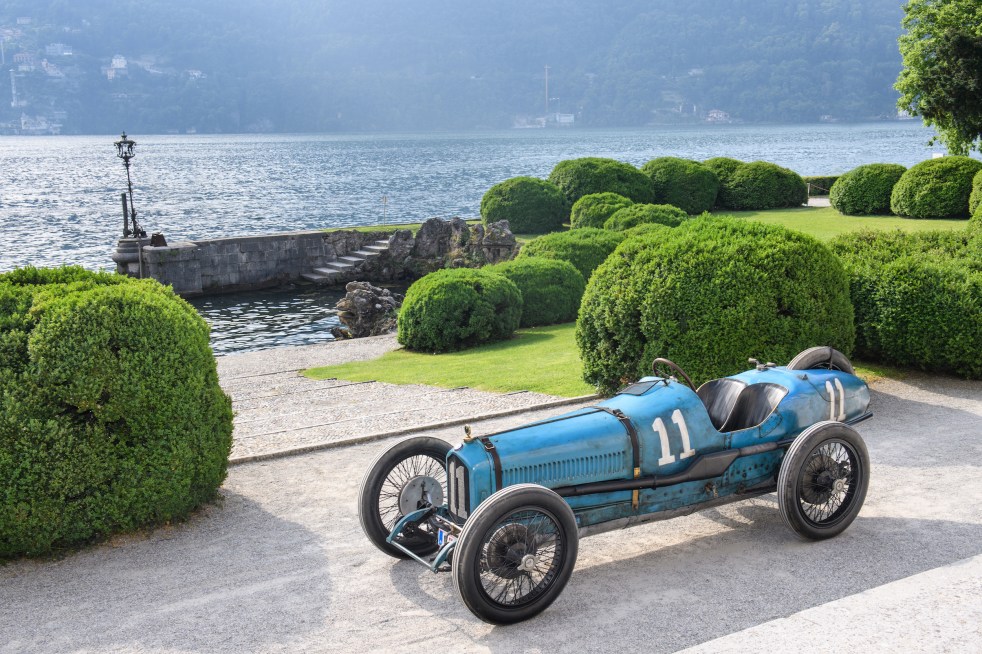
The first extraordinary car has been confirmed for this year’s Concours of Elegance: a Ballot 3/8 LC famous for winning the first ever Italian Grand Prix in 1921. This impeccable piece of motorsport history is just one of a line-up of over 60 rare and exotic motor cars set to take their place in the glorious Fountain Gardens of Hampton Court Palace this September.

The Ballot 3/8 LC was a cutting-edge French racing car, capable of 125 kmph at a time when many normal road cars struggled to hit half that. The engine’s double overhead camshafts, four valves-per-cylinder and hemi-spherical combustion chambers were the works of a genius mind belonging to Ernest Henry.

These innovations led to its victory at the Italian Grand Prix which, incidentally, would have ruffled a few feathers. The two French Ballots competing took first and second spots, while a Fiat 802 – the Italian crowd’s favourite – took third. But the Ballots won for their strategy, conserving fuel and tyres against the much faster Fiat, and not once stopping.

Gathering the rarest and most exquisite vehicles from throughout automotive history, the 2019 Hampton Court Palace Concours of Elegance promises to be the best yet. Last year the event welcomed a wondrous array of automotive masterpieces, from a 1903 Panhard et Levassor O4R to a 1997 McLaren F1 GTR Long Tail and beyond.

Although the Concours of Elegance’s main display of around 60 vehicles will be the focal point, nearly 1,000 cars will be on display during the three-day event. A number of 2018’s features will be returning, including the Royal Automobile Club Trophy – contested by winners of the nation’s best car clubs – and the Future Classics class. Last year’s Future Classics included the unique Rolls-Royce Sweptail, one-of-seven Aston Martin Vantage V600 and McLaren Senna chassis #001.

Concours of Elegance Managing Director, Andrew Evans, said: “Having this incredible Ballot 3/8 LC – the very car that claimed victory at the 1921 Italian Grand Prix, no less – at the Concours of Elegance is a wonderful privilege. The Ballot 3/8 LC perfectly encompasses everything that is a great about our concours entrants – the car sees regular use, it’s fantastically rare and it holds an important place in automotive history. This one car is really just a taste of what we have in store this year; our special features, our partners and the quality of the cars on display are undoubtedly all the best yet.”

Mustang Named Best-Selling Sports Coupe For Fourth Straight Year

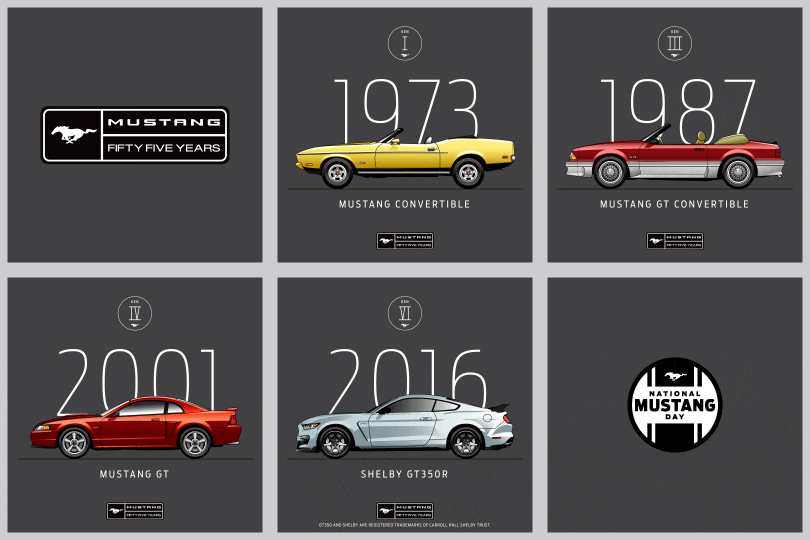
Mustang Through Ages

As Ford marks Mustang’s 55th anniversary on this National Mustang Day, enthusiasts everywhere are celebrating the world’s best-selling sports coupe for the fourth consecutive year.

From Australia to Peru, Mustang reigns as the best-selling sports coupe in the world for 2018, selling 113,066 cars, according to data from IHS Markit. 2018 not only marks the fourth straight year of Mustang’s global leadership as world’s best-selling sports coupe, but also as best-selling sports car in the United States, where Ford sold 75,842 Mustangs last year.

“We broke the mold when Ford launched the Mustang 55 years ago,” said Jim Farley, Ford President, Global Markets. “Nothing says freedom, the wind in your hair and the joy of driving like Mustang; it’s an icon. The roar of its V8 on a spring day, there’s nothing better. No wonder it’s the most popular sports coupe in the world.”

Mustang was available for purchase in 146 markets in 2018, based on worldwide Ford sales data. More than 500,000 sixth-generation Mustangs have been sold worldwide since 2015, with the pony picking up an additional half point of global share last year to capture 15.4 percent of the segment. This was fueled in part by the new Mustang Bullitt, which exceeded global sales forecasts by 25 percent.

Global sales data are based on IHS Markit 2018 total new vehicle registrations for all sports car segments. U.S. sales are based on 2018 industry reported sales.