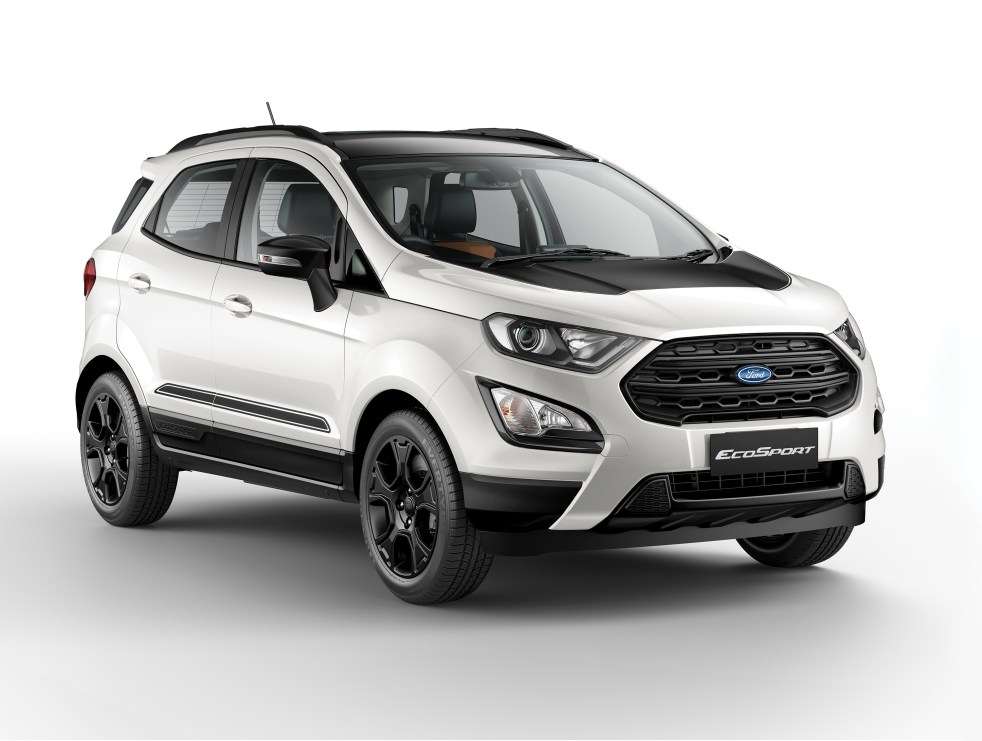
MY19 Ford EcoSport Launched In India

EcoSport Thunder Edition Exterior

The updated MY19 Ford EcoSport goes on sale in India with several smart updates to deliver what customers want and value in a compact SUV. High on practicality across its range starting from Rs 769,000, the MY 2019 EcoSport line-up showcases Ford India’s continuous efforts to increase localization, resulting in greater value being passed on to customers across the variants.

“Whether it is the low-cost of ownership or the outstanding capabilities, safety or innovative features on offer, Ford is working relentlessly to deliver greater value to customers. The MY 2019 is a shining example of our efforts,” said Anurag Mehrotra, President & Managing Director, Ford India. “Backed by a strong product development team and ongoing localization efforts, we not just keeping up with the evolving consumer needs but also surprise them with enhanced value on offer across 2019 model lineup of Ford EcoSport.”

The MY 2019 also witness the introduction of EcoSport Thunder Edition, a capable and feature-loaded version of the popular compact SUV. Priced at Rs 10.18 lakh for petrol, the New EcoSport Thunder Edition delivers on all essentials, be it an aggressive bold stance, premium dual-tone interiors, responsive engines as well as the inclusion of a sun-roof to be revered as most value-rich.

The new Thunder Edition is replete with smart exterior changes that enhance the compact SUV’s appeal. It introduces dark inserts on the headlamp cluster and a more prominent black treatment to the fog lamp bezel. It will don sporty, new 17-inch alloy wheels, and a dark theme throughout the exteriors, including black-painted front grille and rear-view mirrors; dual-tone bonnet and decals on doors to give it a distinct road presence.
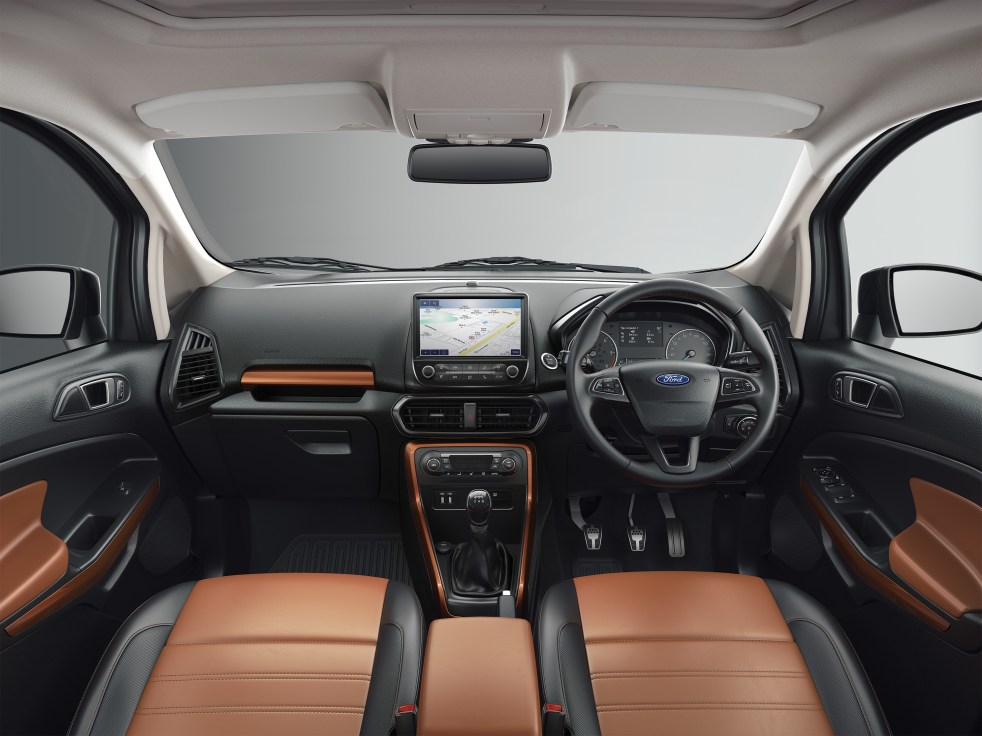
EcoSport Thunder Edition - Cognac Interiors

The EcoSport Thunder will carry forward its sporty theme to interiors as well with abundant use of cognac accents across multiple surfaces – from front seats to door inserts as well as centre console and instrument panel — to add to its overall appeal.

The limited duration Thunder Edition comes with an electric sunroof, a feature that was introduced in the compact SUV segment by Ford last year. The variant will also offer a responsive, intuitive and smart in-car connectivity system, paired to a 9-inch floating touchscreen and offering embedded navigation.

Whether attending calls, listening to music or reading messages, the infotainment system will provide owners with easy access to their connected device through simple voice commands. Customers can opt to buy the EcoSport Thunder Edition as an option pack on the car’s Titanium variant. The option pack will be offered with both Ford’s latest 1.5-litre three-cylinder TiVCT petrol engine that delivers 123 PS of power and fuel efficiency of 17 kmpl as well as the trusted 1.5-litre TDCi diesel engine that churns 100 PS power and 23 kmpl fuel efficiency (ARAI numbers).
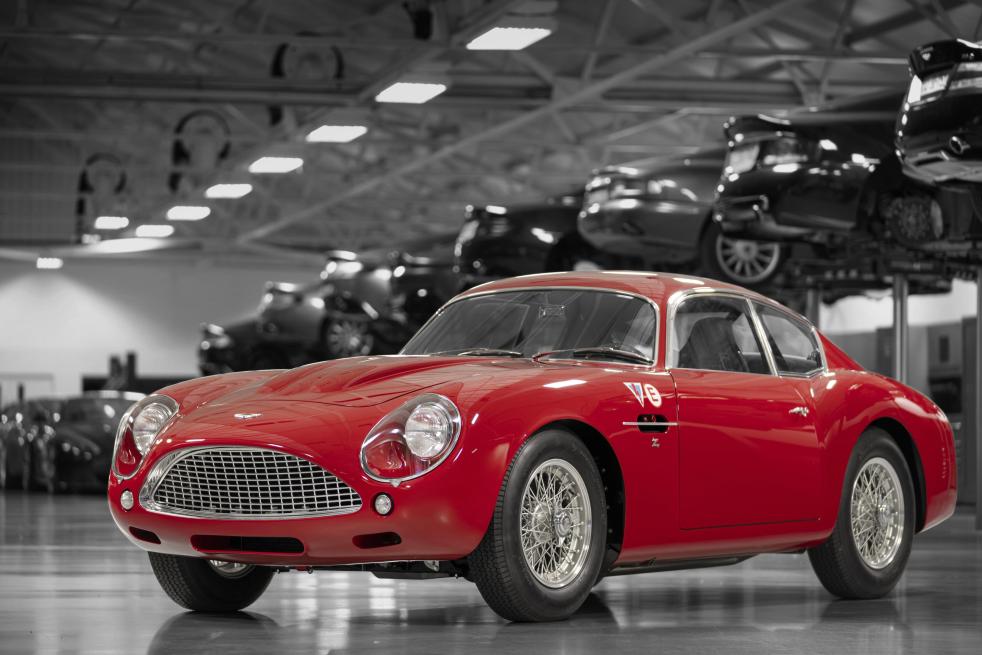
First DB4 GT Zagato Continuation Set For Unveil At Le Mans

1741494_Aston Martin DB4 GT Zagato Continuation (1)

The first Aston Martin DB4 GT Zagato Continuation – part of the Aston Martin DBZ Centenary Collection – to make its public debut at the world’s most famous endurance motorsport event later this week.

Breaking cover at Aston Martin’s VIP hospitality facility alongside the famous French circuit, the first complete DB4 GT Zagato Continuation – one of just 19 cars being made – will be on show throughout the gruelling 24-hour race.

The production model of this track-only sports car, the latest in Aston Martin’s hugely successful Continuation programme which began with the DB4 GT Continuation series in 2017, represents the culmination of around 4,500 hours of painstaking and meticulous artisan craftsmanship.

As with all the Continuation cars, the Zagato has been created at Aston Martin’s globally renowned Heritage Division headquarters in Newport Pagnell, Buckinghamshire. Now the largest, best equipped and most knowledgeable Aston Martin restoration centre in the world, the invaluable and highly specialist skills nurtured at Aston Martin Works are perfectly suited to the brand’s celebrated Continuation projects.

The car on show in France this weekend represents the pinnacle of Aston Martin’s Continuation projects to date, and proudly continues the brand’s 50-plus year association with world-renowned Italian coachbuilder and design house, Zagato.

Finished in Rosso Maja red paint, the car’s exterior colour has been matched to original masters created by Max Meyer & ICI, the paint suppliers for the original cars. Inside, the car is trimmed in Obsidian Black leather, which covers the pads in the carbon fibre race seats; door cards, headliner and rear environment. Black Wilton carpets bound in Obsidian Black leather trim cover the floor, stitched in matching Obsidian Black thread.

The new model boasts a larger capacity 4.7-litre version of the straight-six cylinder petrol engine found in the DB4 GT Continuation and, in this guise, is producing in excess of 390 bhp. This is transmitted to the rear wheels through a four-speed manual transmission and limited-slip differential.

Continuation specification instrumentation and interior equipment such as a full FIA-approved roll cage is standard, as are the Borrani silver painted wheels and polished lips.

Originally built to race against the might of Ferrari in the 1960’s, the DB4 GT Zagato was a thoroughbred machine. Evolved for the rigours of motor racing and blessed with a rare and incontestable beauty, just 19 were made. Drawing on the unrivalled knowledge and expertise of the team at Aston Martin Works the 2019 DB4 GT Zagato Continuations are meticulously crafted, staying true to those original Zagato-bodied DB4 GTs produced by Aston Martin and Zagato in the 1960’s.

Each car is being constructed to the highest possible quality using a blend of Sir David Brown-era old world craftsmanship and the sympathetic application of modern engineering advancements and performance enhancements.

A digital body buck has, for instance, been created to allow Aston Martin engineers to examine minute details of the Continuation cars. In contrast, hand-finished body panels of the new cars are each worked from flat sheets of 1.2 mm thick aluminium and representing hundreds of hours of world-class craftsmanship, are created using techniques that were commonplace almost 60 years ago.

Originally built as an evolution of the short-chassis DB4 GT, the DB4 GT Zagato Continuation follows the same recipe, with those thin-gauge aluminium body panels dressing a lightweight tubular frame in a chassis optimised for track work.

This latest continuation car follows the success of the 25 Aston Martin DB4 GT Continuation models that sold to enthusiast collectors in 2017 and precedes what will perhaps be the most ambitious continuation to date: the Aston Martin Goldfinger DB5 Continuation cars that will come to market in 2020.

Andy Palmer, Aston Martin Lagonda President & Group CEO, said: “The development and successful creation of this latest Continuation car is an achievement that should not be underestimated. Indeed, it could well be argued that we are making history with these new cars.

“Celebrating our brand’s deep and enduring partnership with Zagato in this, their landmark year, by launching the DBZ Centenary Collection has been a mammoth undertaking and I’m personally extremely proud of the results in the shape of this new DB4 GT Zagato.”

Paul Spires, President of Aston Martin Works, said: “Like Andy, I’m incredibly proud of what the team have achieved in making the DB4 GT Zagato Continuation a reality.

“After the unprecedented success of the DB4 GT Continuation cars, we are once again bringing to life the stuff of Aston Martin folklore.”

The DBZ Century Collection will be priced at £6m plus taxes. First deliveries to customers will commence in QTR 3 2019 for the DB4 GT Zagato Continuation and in QTR 4 2020 for the DBS GT Zagato.

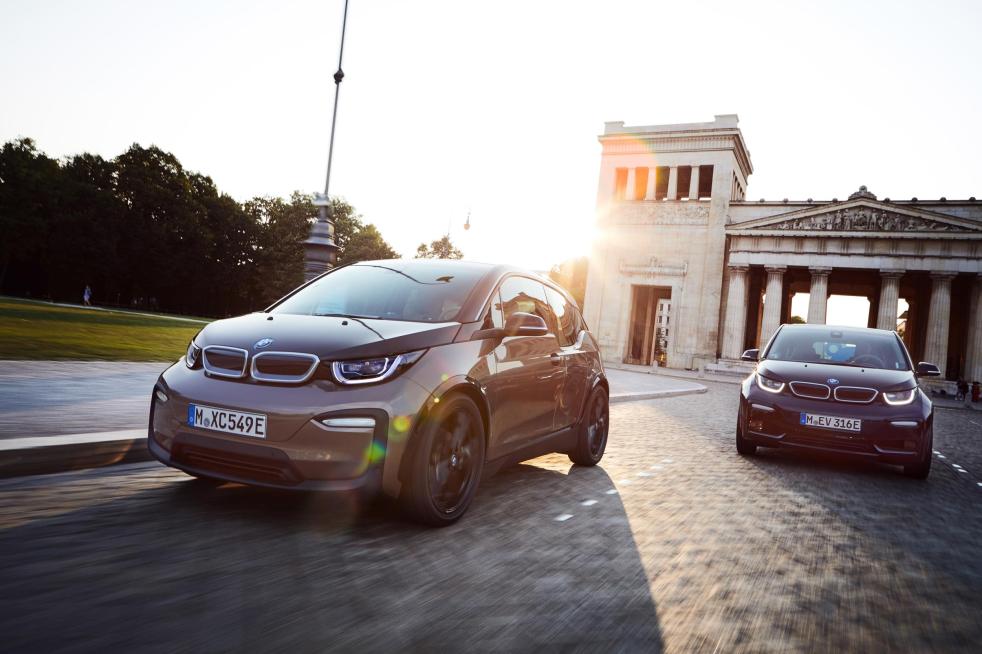
EV Targets By Government Should Be Ambitious But Also Practical: SIAM

1661900_p90320638_highres_the-bmw-i3-120-ah-an

The automotive industry fully supports an ambitious aspiration of the Niti Aayog in bringing in electric mobility in the country as soon as possible. India is an aspiring nation and keen not only to catch up with the world but to go beyond in the field of EVs. However, the ambition needs to be tempered with a practical approach and what is possible without needlessly disrupting the automotive industry, cautioned Rajan Wadhera, President, SIAM.

The automotive industry, today, is facing multiple challenges of leapfrogging to BS VI emission norms, complying with many new safety norms etc., in the shortest time-frame ever attempted in the world. This is engaging the focused attention of the industry and involving huge investments of the order of Rs 70,000-80,000 crores. Even before this investment is recovered, as per media reports, Government is proposing to ban sales of ICE based three wheelers within a short time frame of 2023 and to ban sales of less than 150 cc 2 wheelers by 2025. This seems to be impractical as well as untimely, said Mr. Wadhera.

The Indian automotive industry has always been highly proactive when it comes to fulfilling national interest. It has been a staunch supporter of Make in India even before the term was coined. The industry’s turnover is close to half of the manufacturing GDP, supports 37 million jobs and contributes 11 per cent of the GST revenues of the country. It also supports a host of manufacturing and services industries.

Overall the auto industry is perhaps the only real success story of India’s manufacturing. It is imperative that this success story is not affected by undue haste in banning mature automotive technologies within the next 5-6 years in the hope that evolving EV technologies will fully replace the demand within that such a short period. Such unrealistic expectations and policies would only adversely affect the world No 1 two/three-wheeler industry but may not help in making EVs acceptable to the customer and the market, said Mr. Wadhera.

The automotive industry, specially the two/three-wheeler segment supports a large number of component suppliers in the small and medium sector, who are the real backbone of the auto industry. None of the stakeholders in the country – industry, Government nor the suppliers have any meaningful experience of EVs to even contemplate a complete 100 per cent shift to 2/3 W EVs by 2023/2025, said Mr. Wadhera. In the current scenario, any policy to accelerate the transition to EVS would lead to a policy induced disruption which could result in significant damage to the auto industry and spell a big blow to the overall ecosystem of these MSMEs, with its related impact on employment, added Mr. Wadhera.

What is required is a well laid out roadmap for an ambitious EV rollout over a practical time frame along with an integrated plan for setting up the necessary infrastructure across the length and breadth of the country, in consultation with all stakeholders. The auto industry under the aegis of SIAM will continue to closely partner with Government in ensuring a planned transformation towards electric vehicles and to build the nation, sustainably, said Mr. Wadhera.

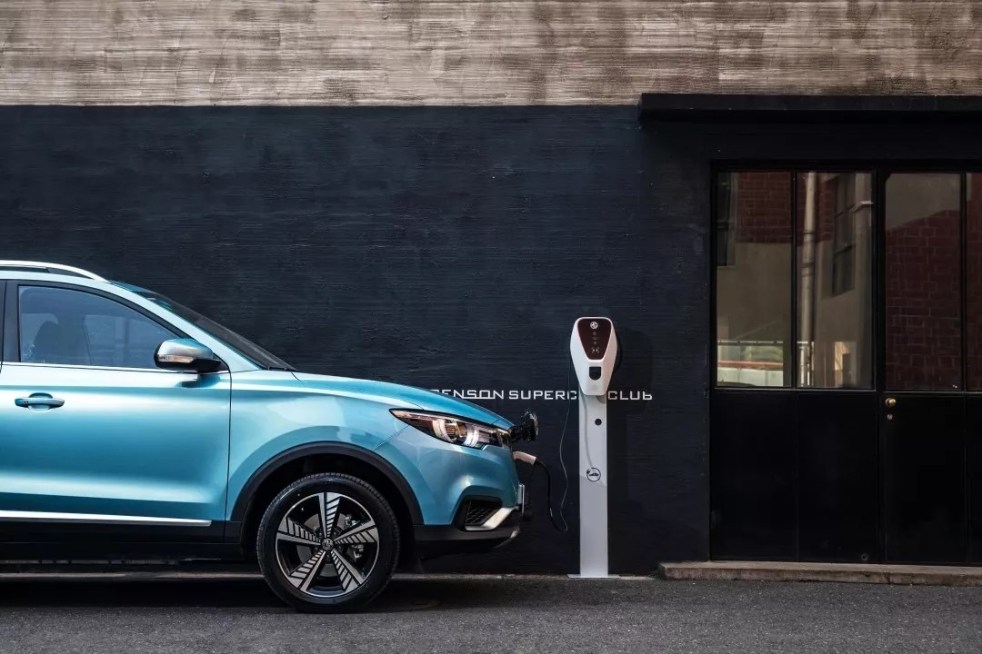
MG EZS EV To Be Made In India

MG eZS Teaser Coming Soon

MG (Morris Garages) has announced that its global pure EV – the MG EZS, will be manufactured at its facility in Gujarat, ahead of its introduction in India in December this year. The carmaker, on world environment day, released a video of the first prototype being produced at its manufacturing facility in Halol.

With a full-sized boot and room for five, the MG EZS is the perfect car for people who want to go electric but also need the space and practicality of a compact SUV. The carmaker aims to contribute towards a better tomorrow for all, by providing environment-friendly mobility solutions, as part of its long-term commitment to the market. Few vehicles are currently being tested in extreme climatic conditions across India.

“The MG EZS, as one of the first locally produced global EVs, will mark a new chapter in environment-friendly mobility in India. We are delighted to be one of the first carmakers to enter this space in India. aim to bring accessible electric motoring to the customers in India upon its introduction by the end of this year,” said Rajeev Chaba, President & Managing Director, MG Motor India.

MG Motor India has so far made an investment of Rs 2,200 crores at its plant and has installed an all-new assembly line, a press shop, a body shop, a parts distribution centre, a testing track and a new training facility in the plant – all within a span of 18 months. The plant also has a captive vendor park to facilitate aggressive localization for all MG vehicles. The company’s first vehicle in India, Hector, will be launched later this month with high level of localized content.

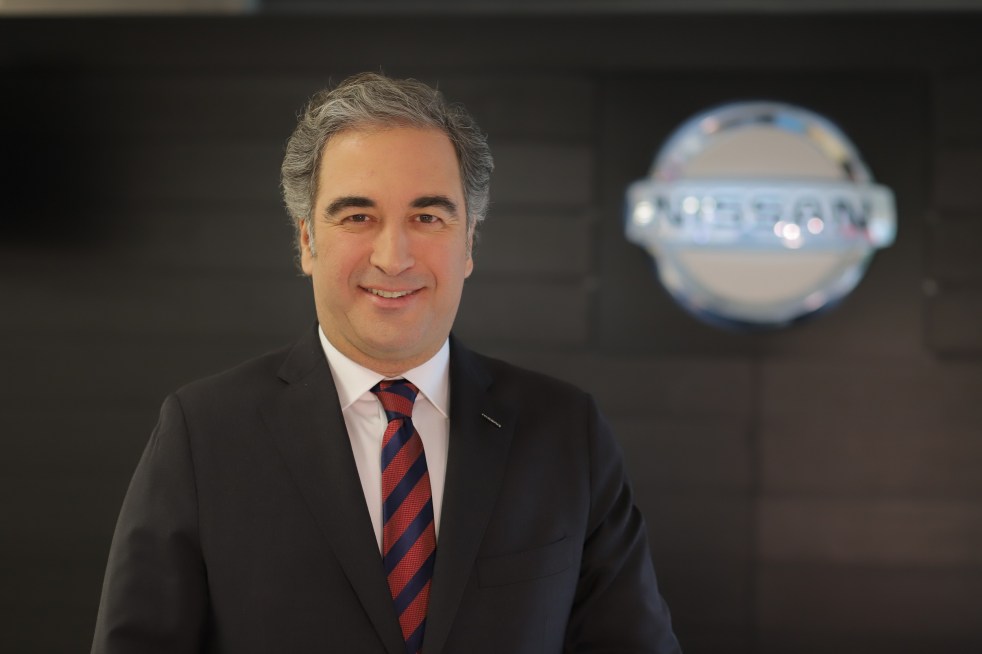
Nissan Appoints Sinan Özkök As President Of India Operations

Nissan appoints Sinan Ozkok as President of India Operations - Image 1

Nissan today announced the appointment of Sinan Özkök as the President of its Indian operations.

Sinan, who will be based at Nissan Motor India Private Ltd. in Gurgaon, will have responsibility for all functions in India including Sales and Marketing, Research and Development and Manufacturing, for both Nissan and Datsun brands.

Sinan joins India from Nissan Otomotiv A.Ş. (NOAS), Nissan’s national sales company in Turkey, where he has been managing director since 2015.

Sinan, 49, has overseen a significant growth in Turkey for Nissan and brings with him 26 years’ experience of working within the automotive industry.

Sinan’s career started in 1993 in Renault, where he held senior positions across Marketing, Dealer Network Management, Retail Operation and Sales. He joined Nissan in 2015.

Nissan chairman of the Africa, Middle East and India region, Peyman Kargar, commented: “I am delighted that Sinan will be driving Nissan’s business forward in India. Not only does he bring vast experience of working within the industry over many years, he has a proven track record.”

Sinan said: “I am looking forward to working in one of the most dynamic and important auto markets in the world. Nissan and Datsun offer a broad and compelling line-up for customers and I will be working to develop the full potential of both brands in India.”

Sinan replaces Thomas Kuehl who was appointed president, India operations in 2017.

Insurance For Your Second-Hand Vehicle? Read These Tips For A Happy Ride

Auto_Insurance_Quote_Form

In India, the used-car market has become larger than the new-car market. According to a recent report by Mordor Intelligence, the used-car market will continue to grow and is expected to reach a market size of USD 75 billion by 2023. Indian consumers are becoming more aware of their options that yield value for money.

Second-hand cars are always a good option as they save you money, depreciation, premium cost, etc. In the past, the used-car market was dominated by unorganised players. But with the advent of organised players and certified vehicles being readily available on digital platforms, buying a second-hand vehicle has become a cakewalk.

What about the insurance of the second-hand vehicle, though? The new owners are seldom aware of the insurance factors to be careful about when buying a new car. Most purchasers are unaware of No Claim Bonus (NCB) and Third-party Assistance (TPA) policy needs and face issues at the time of claims.

Following these tips will help you have a hassle-free claims process, if needed, in the future:

Insurance policy coverage
Since this is unlike any policy for a new car, you should opt for comprehensive car insurance as apart from a TPA, this would also cover damages to your own vehicle. A motor insurance policy covers third-party damage and their own vehicle’s damage. Depending on the car’s age and location, you can also look at the relevant add-ons.
For cars that are less than three years old, Return to Invoice (RTI) should be considered as it covers the cost of buying a new car if the current vehicle gets damaged or stolen.
For cars that are less than five years old and >INR 5 lakhs sum insured, a zero-depreciation cover is most apt as it covers the vehicle’s depreciation. Also, Road-side Assistance (RSA) is a must for challenging situations where you can get stuck needing a tyre change or a towing facility.

The process of insurance transfer from the seller
When you buy a second-hand car, you have to apply for the transfer of the insurance policy in your name within 14 days under section 157 of the Motor Vehicle Act. The third-party section of the policy gets transferred automatically within these 14 days. According to this law, if the new owner fails to apply for a policy transfer within 14 days, then the insurance company is not liable to compensate for any losses.
You will need to fill a proposal form and then submit the proof of sale, which includes registration certificate and forms 29 and 30 signed by the previous owner to facilitate the policy transfer. You will also need to remit a transfer fee and submit a copy of the previous policy to the insurer. The insurance company will then start the transfer process.

In case of an accident while the transfer is still in process, the claim will be initially rejected. However, once the proof of change in registration certificate is submitted, the claim will be honoured.

Other tips to remember while buying your vehicle
• When you buy a second-hand vehicle, you can either buy a new policy, transfer your older
policy to your new car or transfer the old owner’s insurance policy to the car bought.
• If the former owner’s policy is transferred, then the owner needs to intimate the insurance
company about the change in ownership.
• Here, the new owner has to pay any NCB difference, since NCB will remain with the old owner
and new NCB will apply to the new owner.
• The insurance document should have a change in the name of the owner, and the RC
(Registration Certificate) needs to be changed as well.
• The RC and the insurance document should be in the same owner’s name.

While selling your used car, it is to be noted that your NCB still stays with you because NCB is applied only on the driver and not on the car. A seller can utilise the NCB on a new policy bought within three years. It is important to be aware of the factors that will protect your vehicle and save you from a lengthy insurance claims process in future.

Tips by Mr. Adarsh Agarwal, Appointed Actuary, Digit Insurance

Bridgestone Tops TCSI Study Says J.D. Power

Bridgestone-logo

Global consumer insights and data analytics leader J.D. Power’s 2019 India Original Equipment Tyre Customer Satisfaction Index (TCSI) Study has ranked Bridgestone India highest is customer satisfaction. The study ranked Bridgestone India highest in Midsize Car Segment and Utility Vehicle segment with remarkable score of 861 and 836 respectively in the said categories.

“We are happy with this recognition and it only reinforces our confidence in the quality of our product offering. Bridgestone quality benchmarks is one of the key that brought us to the leading position in the industry globally. It is this commitment that has been key to our success in the Indian market and we are confident of retaining these rankings and consumer trust in the future as well” said Parag Satpute, Managing Director, Bridgestone India on gaining this recognition.

The J.D. Power 2019 India Original Equipment Tyre Customer Satisfaction Index Study focuses on the tyre design, climate, road conditions and driver habits influence in the lifespan of a vehicle’s tyre thereby projecting a factual picture in terms of their findings.

Deepak Gulati, Chief Marketing Officer said, “This ranking is indeed an honour for all of us at Bridgestone and is a reflection of the trust that our OEM partners have in our product. Our continuous partnership and connect with our customers helps us understand their needs and requirements. We give the best to our customers and are committed to delivering world class products.”

The study, now in its 19th year, measures satisfaction among original equipment tyre owners during the first 12 to 36 months of ownership across four factors (listed in order of importance): wear; ride; traction/handling; and appearance. Some other key findings of the 2019 study are that tyre satisfaction decreases with use; increased usage leads to more problems and satisfaction drives loyalty and advocacy.

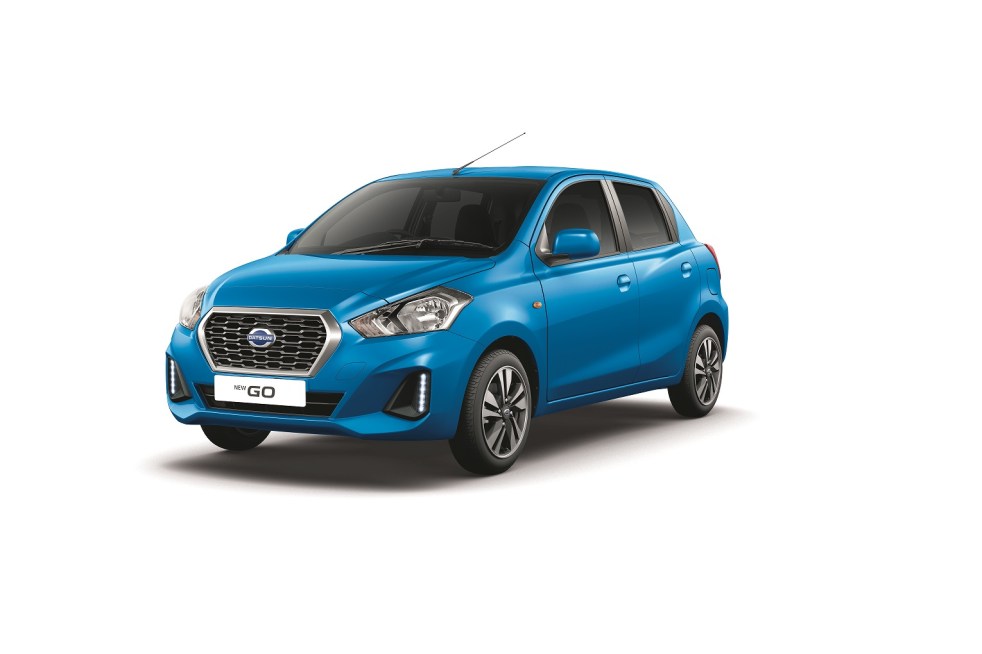
Datsun GO And GO+ Launched With Vehicle Dynamic Control Technology

New colour launched for Datsun GO range - ‘Vivid Blue’

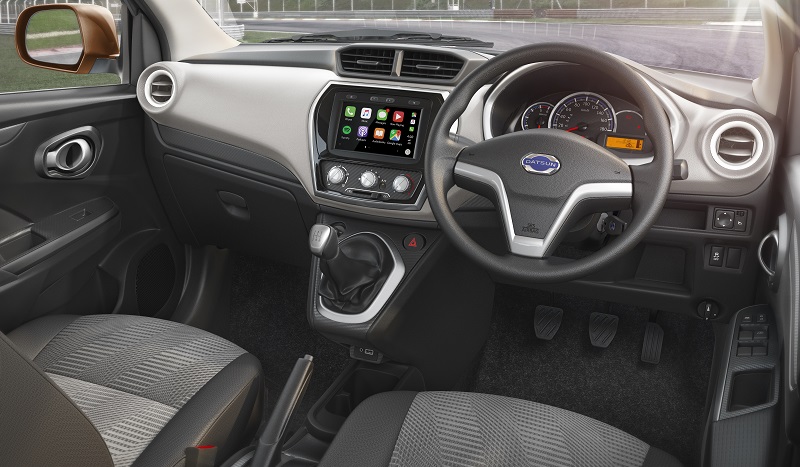
Datsun India announces segment-first safety feature, Vehicle Dynamic Control (VDC) technology, in the New Datsun GO and GO+ in line with the commitment to offer enhanced safety to the car owners in India. New Datsun GO will also be available in new ‘Vivid Blue’ colour option.

Hardeep Singh Brar, Director Sales and Commercial, Nissan India said, “Datsun is committed to transform customer experience with new and innovative products. Underscoring our focus on progressive mobility backed by safety, technology, style and convenience, the New Datsun GO and GO+ now comes with VDC so that the Datsun owner can drive with confidence.”

Introducing New Datsun GO+ with Vehicle Dynamic Control technology

The VDC system monitors wheel speed, steering wheel position, and lateral acceleration via onboard sensors to provide electronic stability control. Responding to car oversteering and understeering, the system facilitates a safer driving experience, superior drivability and enhanced power. New Datsun GO and GO+ comes with anti-lock braking system (ABS), electronic brake force distribution (EBD), brake assist (BA) and traction control system (TCS).

Making journeys more enjoyable, all variants of the New Datsun GO and GO+ are available with a new music system, featuring a seven-inch display, smartphone connectivity via Apple Car Play and Android Auto, voice recognition, among other standard in-car music features. The New Datsun GO and GO+ are available at all Nissan and Datsun dealerships across India.

Datsun GO+ with VDC to provide enhanced safety and superior drivability - Interior shot

Bentley Reveals The All-New Flying Spur

New Bentley Flying Spur (1)

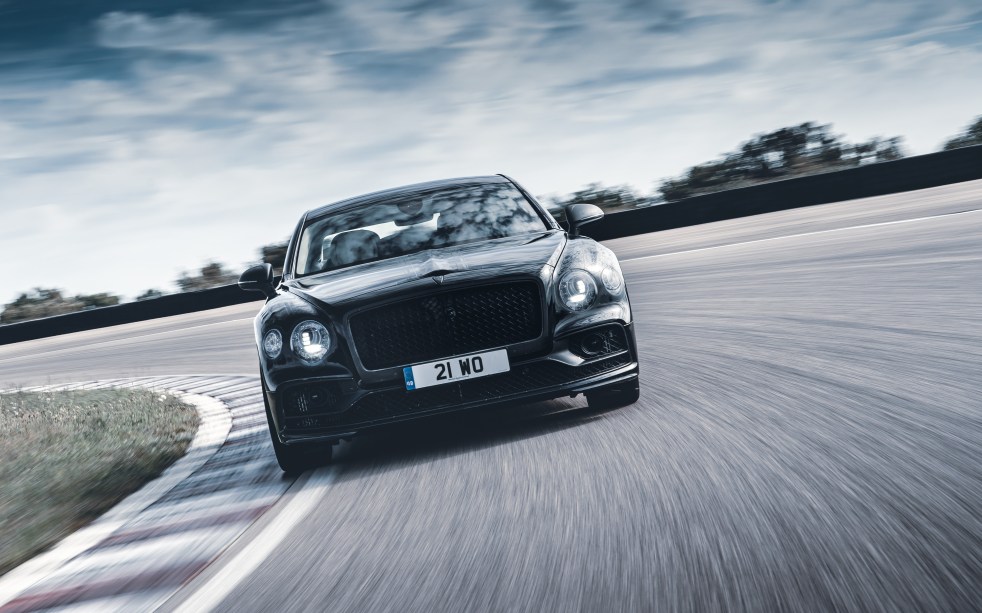
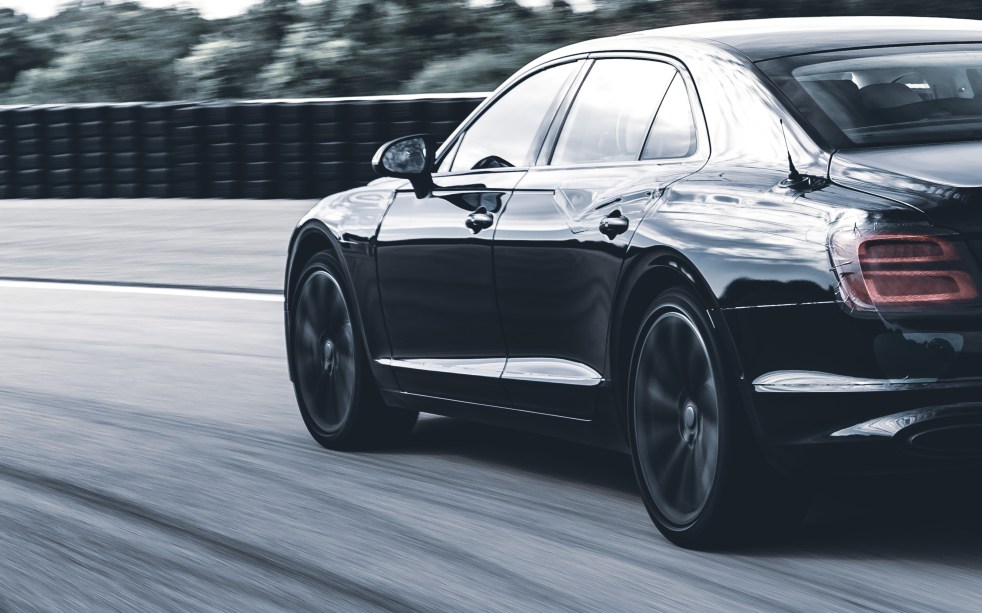
In the year Bentley Motors celebrates its 100th anniversary, the British luxury carmaker is promising to once again set new standards of both driving enjoyment and luxury when it reveals the all-new, third generation Flying Spur Grand Touring Sedan on Tuesday, June 11.

This will be the very first Bentley to feature All-Wheel Steering enhancing both stability at cruising speeds and agility around town. During high-speed manoeuvres, the electronic system steers the rear wheels in the same direction as the front wheels, making overtaking and lane-changes more assured. All-Wheel Steering also means no compromise between high speed confidence and low speed convenience.

Like every Flying Spur of recent times, the third incarnation features All-Wheel Drive for optimum traction. For the first time, drive is supplied only to the rear wheels in standard road conditions giving classic sports sedan handling characteristics. If any slip is detected, the system can instantly send drive to the front wheels providing active All-Wheel Drive, fully automatically.

New Bentley Flying Spur (2)

Bentley Dynamic Ride is designed to further improve both handling and ride comfort. New to the Flying Spur, the innovative system changes suspension stiffness on demand to combat cornering forces and minimise body roll that might otherwise disturb occupants.

Like the recently launched Continental GT, the all-new Flying Spur is a ground up development. Owing only its historic name to the preceding model, the four-door sedan aims to deliver a praiseworthy touring experience for the driver and passengers alike. Quite simply, Bentley is intending to create the world’s best luxury Grand Touring sedan when the all-new Flying Spur is revealed in just a few weeks’ time.

Volvo Signs Multi-Billion Dollar Battery Supply Deals With CATL And LG Chem

Plug-in Hybrid Battery

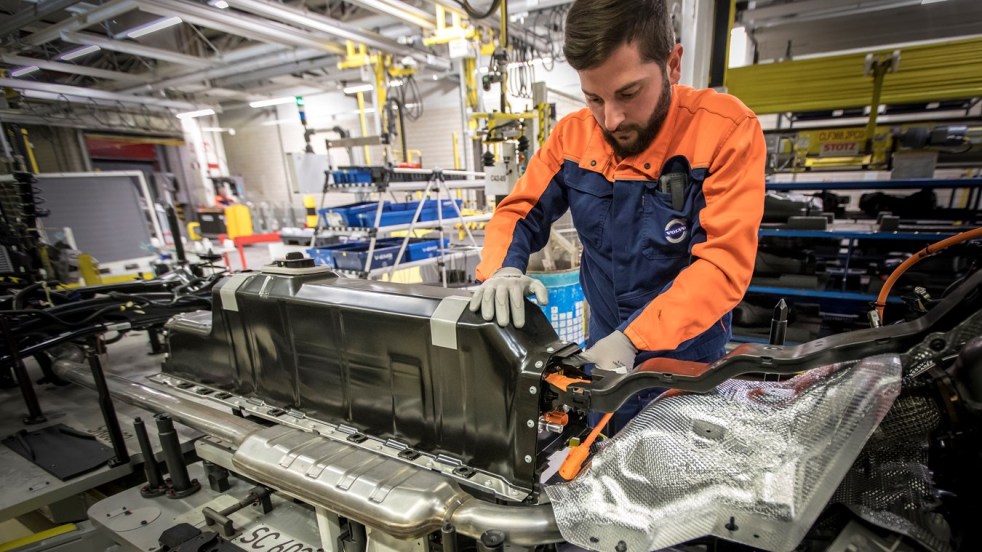
Volvo Car Group has signed long-term agreements with leading battery makers CATL and LG Chem to ensure the multi-billion dollar supply of lithium ion batteries over the coming decade for next generation Volvo and Polestar models.

The agreements cover the global supply of battery modules for all models on the upcoming SPA2 and the existing CMA modular vehicle platforms and represent a major step towards realising Volvo Cars’ ambitious electrification strategy.

In 2017 Volvo Cars made a commitment that all new Volvo cars launched from 2019 would be electrified. The company has since reinforced this strategy, by stating that it aims for fully electric cars to make up 50 per cent of its global sales volume by 2025.

“The future of Volvo Cars is electric and we are firmly committed to moving beyond the internal combustion engine,” said Håkan Samuelsson, President and CEO of Volvo Cars. “Today’s agreements with CATL and LG Chem demonstrate how we will reach our ambitious electrification targets.”

CATL of China and LG Chem of South Korea are renowned battery manufacturers, both of which have long and successful track records supplying lithium ion batteries to the global automotive industry. They fulfill Volvo Cars’ strict sourcing guidelines in terms of technology leadership, responsible supply chains and competitive cost models. In China, battery supply will benefit from the scale of the wider Geely Group.

“With today’s agreement we effectively secured our battery supply for the upcoming decade,” said Martina Buchhauser, Senior Vice President for procurement at Volvo Cars. “By having two suppliers available in each region we also ensure that we have flexibility in our supply chain going forward.”

Volvo Cars’ first battery assembly line is currently under construction at its manufacturing plant in Ghent, Belgium. It will be finalised by the end of this year and the first fully electric Volvo to be built in Ghent is the award-winning XC40 small SUV. Already now, plug-in hybrid variants of the XC40 are manufactured there.

The Compact Modular Architecture (CMA) currently underpins the XC40, as well as the fully electric Polestar 2 fastback and several models sold by LYNK & CO, Volvo’s sister brand which it co-owns with Geely. As of this year, all three models will be built on a single production line at a Volvo-operated manufacturing plant in Luqiao, China.

The upcoming SPA2 architecture is the next generation of Volvo’s in-house developed Scalable Product Architecture (SPA) and will be launched early next decade. SPA is one of the most advanced vehicle platforms in the car industry and currently underpins all Volvo models in the 90 and 60 Series. The first Volvo to be launched on SPA2 will be the next generation of the XC90 large SUV.

Earlier this year, Volvo Cars revealed a number of upgraded and newly-developed electrified powertrain options, to be made available across its entire model range going forward. It has upgraded its existing T8 and T6 Twin Engine plug-in hybrid powertrains, with plug-in options now available on every model it produces.