
Introduction
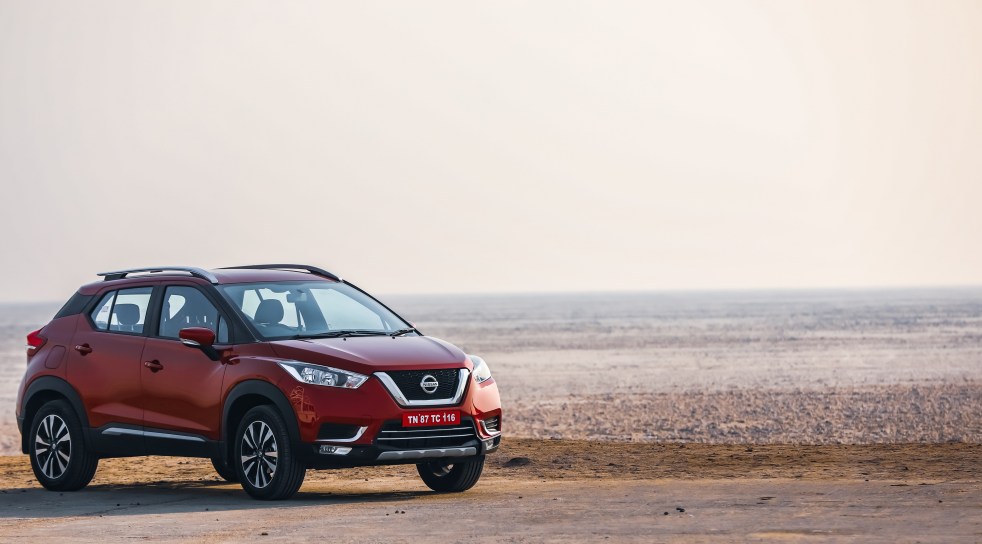
Japanese carmaker Nissan has an enviable pedigree for producing world-class SUVs. Iconic nameplates like the Patrol, Pathfinder, X-Trail, Terra and the Jonga which was once extensively used by the Indian Army are testimony to Nissan’s SUV heritage. The top management at Nissan India has articulated that they will concentrate on leveraging their stronghold in SUVs and bring their world class products to India. In line with their India strategy, Nissan India is gearing up for the launch of the Nissan Kicks scheduled for January 2019.
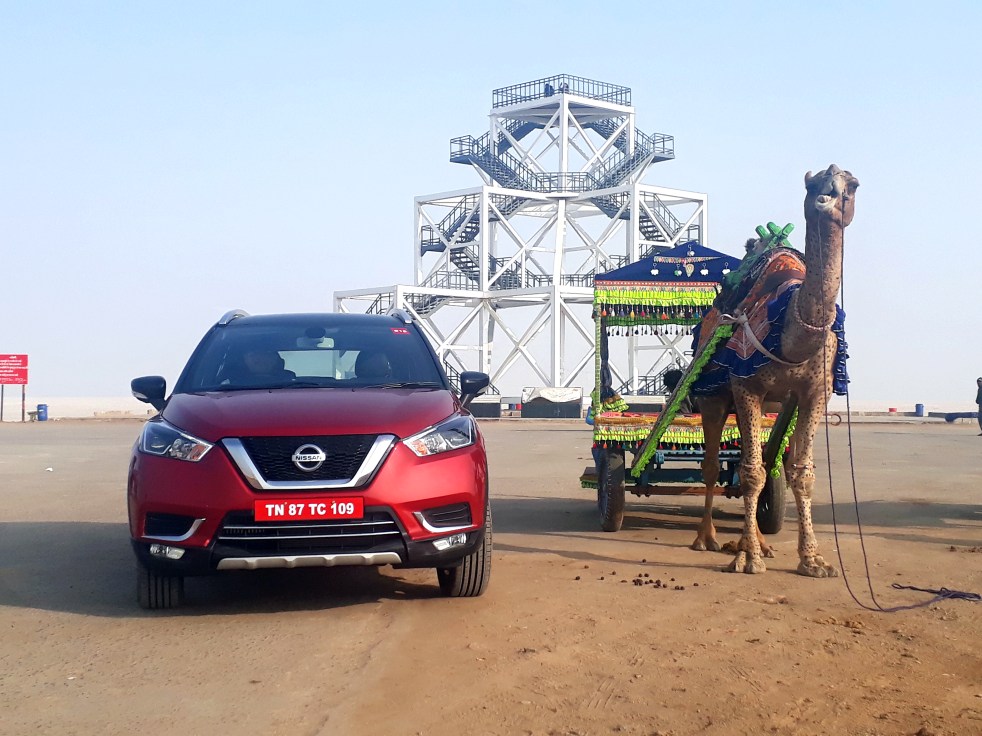
So when the invitation to get up close and personal with Nissan’s most awaited SUV came our way, we were naturally excited to check out the latest thoroughbred from Nissan’s stable and took it for a spin from Bhuj to Rann of Kutch and back. Read on to find out how it fared.
Design and Engineering
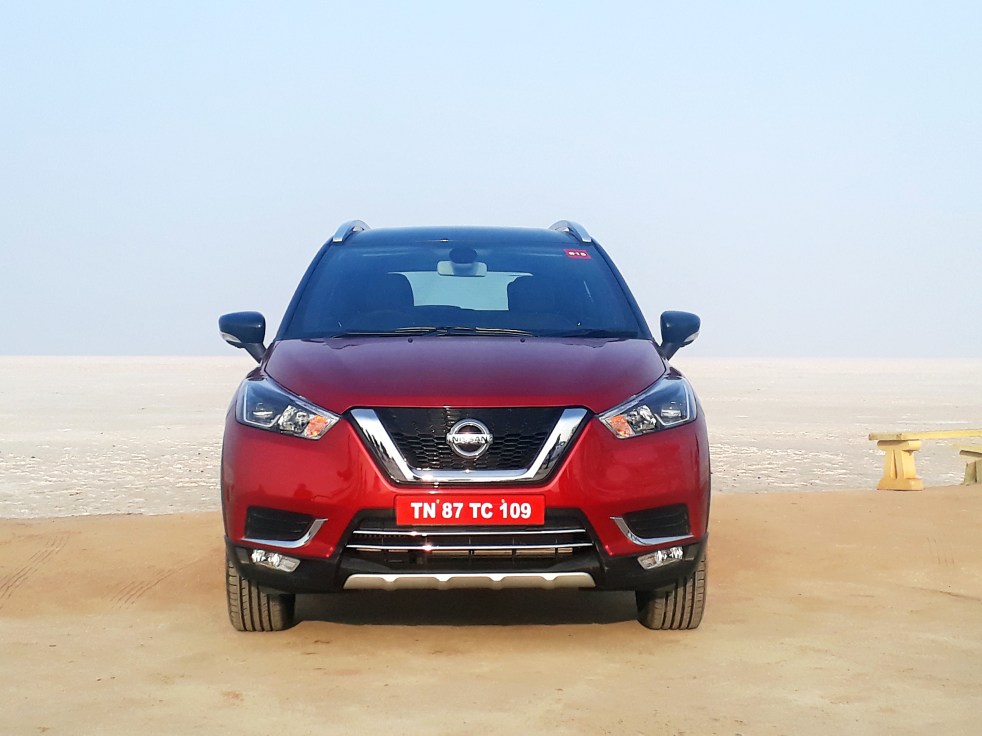
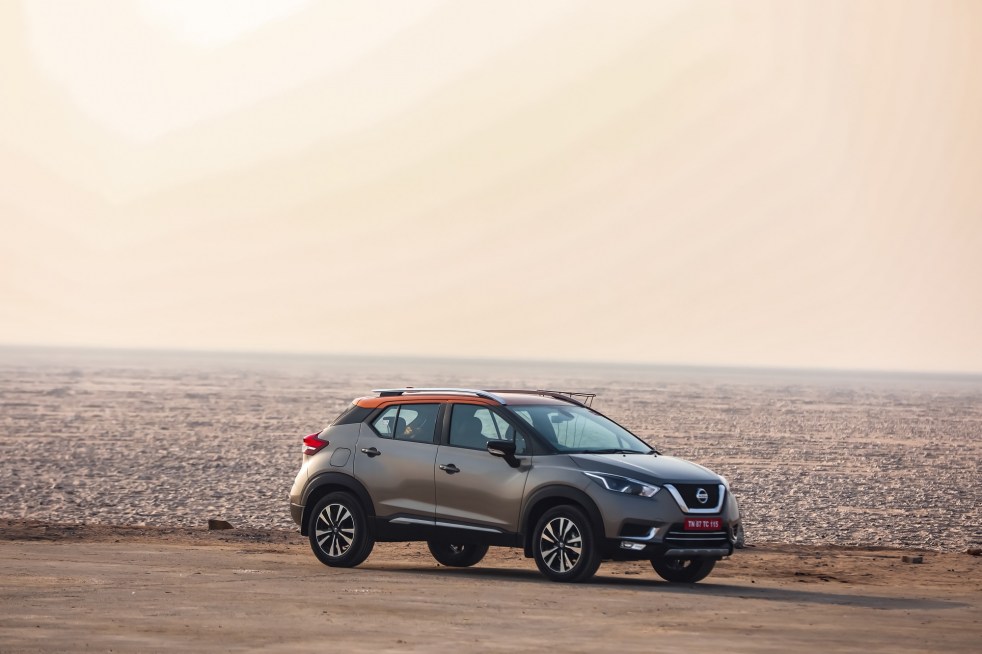
The Nissan Kicks sports a wider and robust stance. The body is designed and built with GRAPHENE (Gravity-philic Energy Absorption) body structure, which has inherent capability to absorb impact energy making the new Nissan Kicks both safer and durable on Indian road.
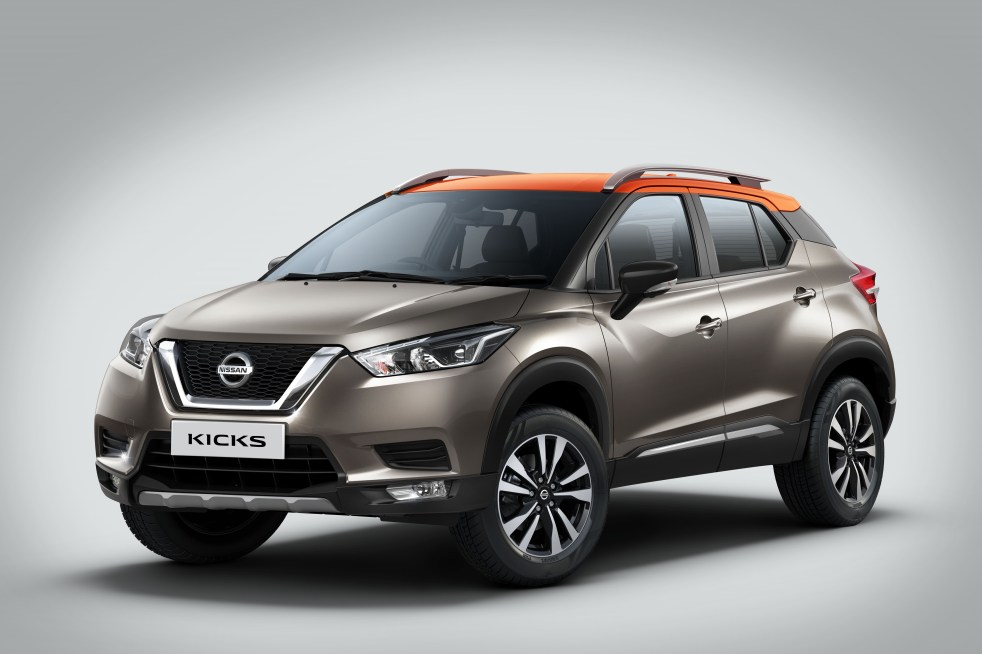
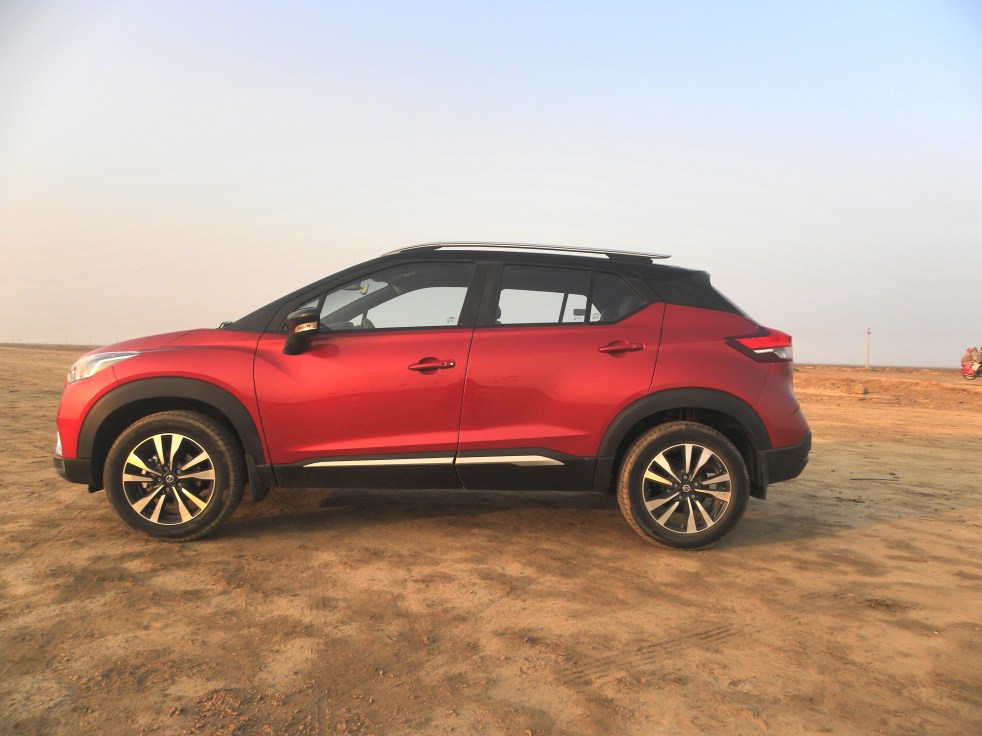
Nissan Kicks offers a host of design signatures and features like the floating roof design created by blacked out pillars with stylish roof rail andstylish LED DRL, shark fin antenna, front fog lamps and door mounted ORVMs with indicators. The bold V-motion grille, a signature motif in Nissan’s design language adds to new Kicks’ distinctive presence. The uniquely designed headlamps and tail lights feature boomerang-shaped LED lamps to add panache.
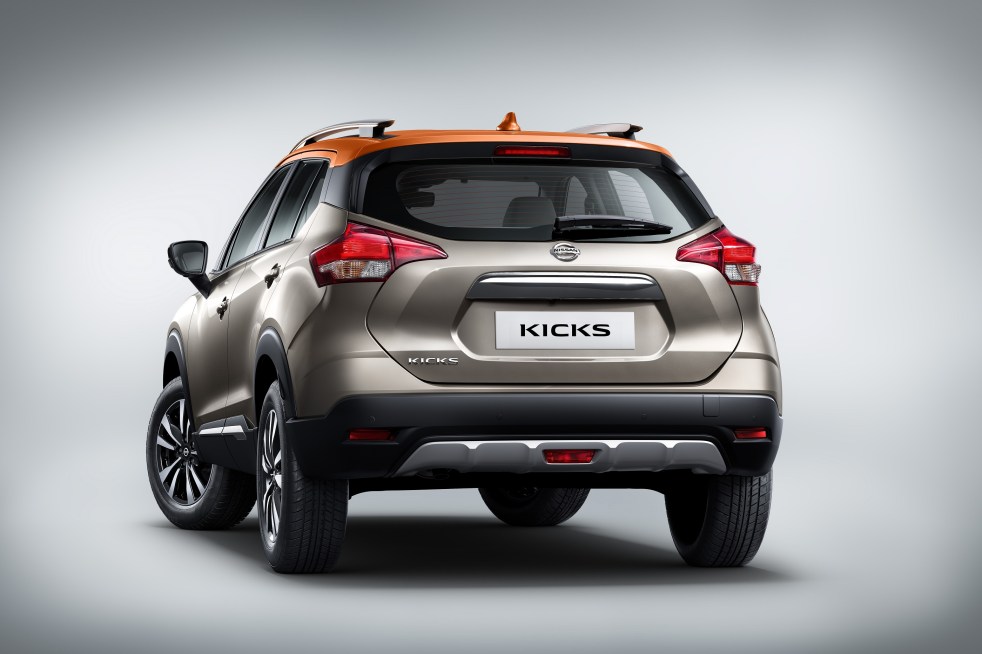
The wheel-oriented stance of the Nissan Kicks is enhanced by R17, 5-spoke machined-alloy wheels. The bold fender arch bring out the masculinity in the new Nissan Kicks, while substantial face and back style provide a rugged presence on the Indian roads. Body side moulding, skid plates and roof rails adds to the SUV character never ceasing to turn heads while on the go. NVH levels are well contained with minimal exterior noise filtering into the passenger cabin.
Interior and Comfort
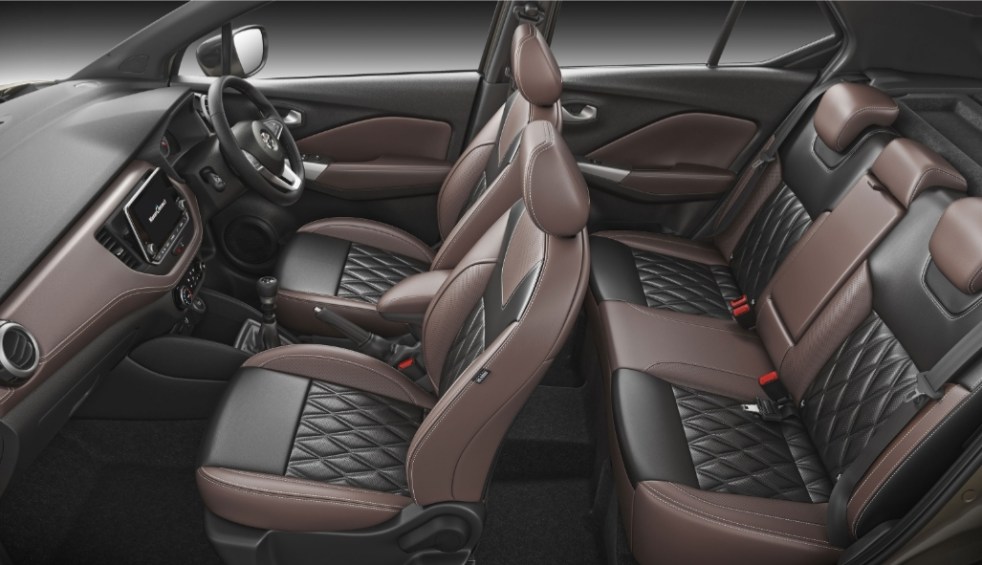
Step inside the Nissan Kicks and you will be welcomed by a spacious cabin featuring a dual-tone brown and black interior theme with carbon fiber finishing which exudes class. Leather wrapped soft touch dashboard and door trims, auto AC as standard across variant line up, well bolstered seats with good lumber support, adequate shoulder and knee room, cooled and illuminated glove box and large configurable boot with 400 litre of luggage space are just some of the interior highlights which is sure to impress the prospective buyers.
From the technological standpoint, the Nissan Kicks is features loaded and comes equipped with segment-first Around View Monitor Display (AVM) 360 Camera which proves extremely useful, an 8.0-inch floating infotainment system with Android Auto and Apple Carplay compatibility which deliver good audio experience.
With rising concerns around safety and security while driving, Nissan has offered its customers greater control over their cars. Hence, the introduction of new Nissan Intelligent Mobility features aimed at offering control, convenience, safety and security and social sharing to transform your car into a more responsive partner. The new update introduces technology to monitor vehicle status and vehicle health status remotely through app called the NissanConnect.
Performance and Handling
The Nissan Kicks is available with the choice of two powertrains – 1.5H4K petrol mated to a 5-speed manual transmission and 1.5K9K dci diesel engine paired with a 6-speed manual transmission. The petrol engine produces 106 PS of maximum power at 5600 rpm and 142 Nm of peak torque at 4000 rpm. While the diesel motor churns out 110 PS at 3850 rpm and 240 Nm of torque at 1750 rpm. These are the same engines that does duty on the Renault Captur as well.
We tested the 1.5-litre diesel which pulls well from low rev range and delivers linear power with very little lag. The motor is responsive and boasts of good drivability. The suspension is well tuned for Indian road conditions with the Nissan Kicks traversing over undulations on the road with relative ease. The steering feedback is confidence inspiring and grows heavier with increase in speed. The brake bite, however, felt slightly spongy and leaves room for improvement. There is also minor body roll while navigating sharp corners at high speed, but nothing majorly unnerving.
Safety features like intelligent trace control, ABS with EBD and braking assistance (standard across model range), cruise control, auto headlamps, cornering fog lamps and hill start assist makes the Nissan Kicks a safe SUV to drive.
Verdict
The Nissan Kicks is a well engineered product from Nissan’s stable and ticks most of the right boxes. It offers combination of intelligent technology and many segment first features. Boasting a rugged and robust appearance, the Kicks looks masculine and agile. It features tastefully designed interior which exudes class and spaciousness. The ride and handling is sorted with tried and tested engines doing duty on the Nissan Kicks.
The compact SUV segment is still growing and contributing significantly to the overall sales of many carmakers. Nissan would also hope that the Kicks will script a similar growth story for them. When it is launched in January, the Nissan Kicks will take on established rivals Hyundai Creta and Ford EcoSport along with others like the Maruti Suzuki S-Cross and Renault Captur. Nissan has to undercut the competition in terms of pricing to give the Kicks a fair chance to perform well. Given the product, the right price for the Nissan Kicks should be in the range of Rs 7.5 lakhs for the base petrol going upto Rs 11.5 lakhs for the range topping diesel.
Technical Specifications:
Length – 4384 mm
Width – 1813 mm
Height – 1656 mm (with roof rails)
Wheelbase – 2673 mm
Fuel tank capacity – 50 litres
Turning radius – 5.2 m
Engine – 1.5 H4K Petrol, 1.5 K9K dCi Diesel
Displacement – 1498 cc (Petrol), 1461 cc (Diesel)
Max Power – 106 PS @ 5600 rpm (Petrol), 110 PS @ 3850 rpm (Diesel)
Max Torque – 142 Nm @ 4000 rpm (Petrol), 240 Nm @ 1750 rpm (Diesel)
Ground Clearance – 210 mm
Boot space – 400 litres

 Power Drive